



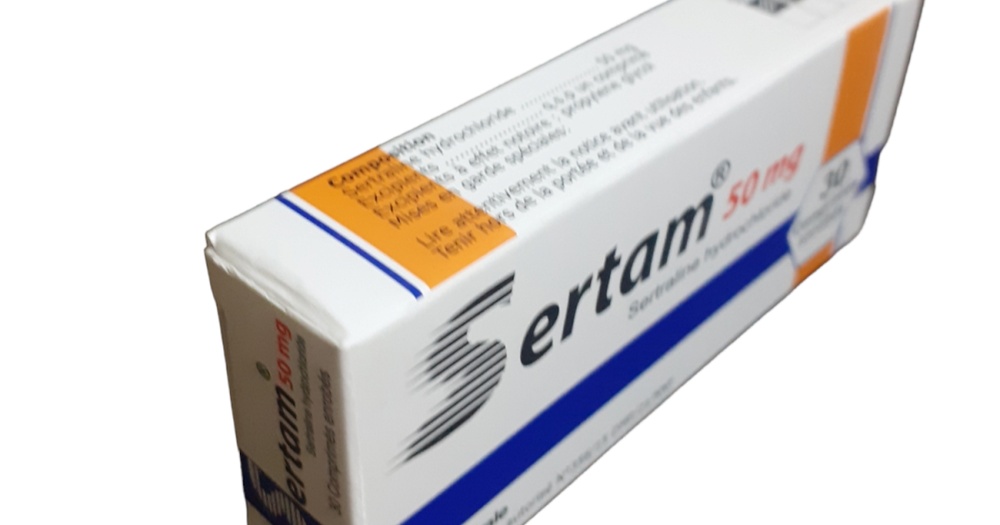
SERTAM 20 мг Таблетка

Рассмотрение рецепта онлайн
Врач рассмотрит ваш случай и примет решение о назначении рецепта, если это медицински оправдано.

Поговорите с врачом об этом лекарстве
Обсудите симптомы и возможные дальнейшие шаги на онлайн-консультации.



Инструкция по применению SERTAM
Содержание инструкции
Sertam 20 mg tablets
tamoxifene
Generic medicine
Read this leaflet carefully before you start taking this medicine as it contains important
information for you.
- Keep this leaflet. You may need to read it again.
- If you have any questions, ask your doctor or pharmacist.
- This medicine has been prescribed for you only. Do not pass it on to others, even if they have the same symptoms as you, as it may be harmful.
- If you get any side effects, even those not listed in this leaflet, tell your doctor or pharmacist. See section 4.
Contents of this leaflet:
- 1. What Sertam is and what it is used for
- 2. What you need to know before you take Sertam
- 3. How to take Sertam
- 4. Possible side effects
- 5. How to store Sertam
- 6. Contents of the pack and other information
1. What is Sertam and what is it used for
Sertam contains the active substance tamoxifene, belonging to the class of drugs called “Non-steroidal antiestrogens” and works by blocking the activity of a hormone called estrogen. In some types of breast cancer, estrogens can help the growth of cancer cells.
By blocking the activity of estrogens, Sertam blocks or slows the growth of cancer cells.
Sertam is used in the treatment of breast carcinoma (breast cancer).
2. What you need to know before taking Sertam
Do not take Sertam:
- if you are allergic to tamoxifen or any of the other ingredients of this medicine (listed in section 6)
- if you are undergoing preventative therapy and are at high risk of breast cancer
- if you have cancer localized within an area of the breast, without invasion of other areas (ductal carcinoma in situ) and are taking concomitant anticoagulant therapy (medicines that slow blood clotting) or have a history of deep vein thrombosis (blockage in a leg vein) or pulmonary embolism (blockage of an artery in the lungs)
- if you are pregnant (see “Pregnancy, breastfeeding and fertility”)
Warnings and precautions
Talk to your doctor or pharmacist before taking Sertam if:
- you have leukopenia (reduced number of white blood cells) or thrombocytopenia (reduced number of platelets) your doctor will perform periodic blood tests
- you are taking any of the following medicines, as they may reduce the effect of tamoxifen:
- paroxetine, fluoxetine and bupropion (antidepressants)
- quinidine (used for heart rhythm disorders)
- cinacalcet (used to reduce the amount of calcium in the blood).
- you have a history of hereditary angioedema as Sertam may cause or worsen your symptoms (swelling of the face, lips, tongue and/or throat with difficulty swallowing or breathing). Pay particular attention with Sertam: Serious skin reactions, including Stevens-Johnson syndrome and toxic epidermal necrolysis (formation of widespread red or blistering lesions and peeling, especially on legs, arms, hands and feet, which may extend to the face and lips, occasionally accompanied by fever and which may be life-threatening) have been reported in association with Sertam treatment. In such cases, stop treatment with Sertam and consult your doctor immediately. It is important, during therapy with tamoxifen, to undergo periodic checks of the genital organs and report if you have or have had unusual vaginal bleeding during or at any time after stopping treatment with tamoxifen. If you are being treated with tamoxifen, you should immediately inform your doctor if you experience any of the following symptoms:
- numbness of the face or weakness of the arms or legs and speech or vision problems as it may be a stroke (sudden interruption of blood flow to the brain)
- chest pain or shortness of breath (difficulty breathing) as it may be a pulmonary embolism (blockage in the arteries of the lungs)
- abdominal pain or abnormal vaginal bleeding as it may be uterine cancer
- cough and difficulty breathing as it may be interstitial pneumonia (inflammation of the lungs).
- .
- A history of stroke, stroke-like events, thromboembolic events or uterine cancer in patients to be treated should be investigated. You should inform your doctor if you have had a stroke, thrombosis or uterine cancer in the past, as these diseases may recur during treatment with Sertam (see section 4. Possible side effects). If you have ductal carcinoma in situ (cancer limited to an area of the breast) you will discuss the potential risks and benefits of treatment with Sertam with your doctor. In the event of hospitalization, inform the medical staff that you are being treated with Sertam. Treatment with Sertam should not be discontinued unless directed by your doctor.
In breast reconstruction surgery (weeks or years after breast surgery for tumor removal)
Sertam may increase the risk of blood clots in the small vessels of the
flap of tissue used to shape the new breast and cause complications.
If you are premenopausal, menstruation may stop, this does not affect the
antitumor activity of Sertam.
Other medicines and Sertam
Tell your doctor or pharmacist if you are taking, have recently taken or might take
any other medicines.
The effects of tamoxifen may be affected by or affect the following medicines:
- anticoagulants (used to slow blood clotting) as tamoxifen may significantly increase their activity, so your doctor will prescribe blood tests;
- cytotoxic medicines (used in chemotherapy) as concomitant use of tamoxifen may increase the risk of thrombosis (blockage of a blood vessel caused by the formation of a clot) and embolism (blockage of a vessel caused by the rupture of a clot that is transported in the blood);
- paroxetine, fluoxetine and bupropion (antidepressants) which may reduce the effectiveness of tamoxifen;
- quinidine (used for heart rhythm disorders);
- cinacalcet (used to reduce the amount of calcium in the blood); mitomycin (used for some tumors) because in association with tamoxifen may increase the risk of hemolytic uremic syndrome (a serious illness caused by small clots that cause damage to various organs), anemia (decrease in the amount of hemoglobin, a protein found in red blood cells that carries oxygen in the blood) and thrombocytopenia (reduction in the number of platelets). Pregnancy, breastfeeding and fertilityIf you are pregnant, suspect you may be pregnant, are planning a pregnancy, or are breastfeeding, ask your doctor or pharmacist for advice before taking this medicine. PregnancySertam should not be used during pregnancy (see “Do not take Sertam”) BreastfeedingThe use of Sertam during breastfeeding is not recommended. Your doctor will assess whether breastfeeding should be discontinued or Sertam therapy should not be started. ContraceptionAvoid pregnancy while sexually active, use barrier contraceptives (e.g. condom or diaphragm) or other non-hormonal contraceptive methods during treatment with Sertam and for nine months after stopping therapy. If you are premenopausal, your doctor will perform careful checks before starting treatment to rule out the possibility of an ongoing pregnancy.
Driving and operating machinery
Sertam may cause dizziness (sensation of movement, rotation and loss of balance), headache,
blurred vision, decreased visual acuity and visual disturbances
and drowsiness, therefore it may impair the ability to drive and operate machinery (see
“Possible side effects”).
For athletes
The use of the medicine without a therapeutic need constitutes doping and may still
result in positive doping tests.
Sertam contains lactose
If your doctor has diagnosed you with intolerance to certain sugars, contact him before taking
this medicine.
3. How to take Sertam
Take this medicine following exactly the instructions of your doctor or pharmacist.
If you have any doubts, consult your doctor or pharmacist.
The recommended dose is from 20 to 40 mg in one or two daily administrations.
It is necessary to follow the doctor's instructions regarding how and how often to take
the tablets.
The tablets must be swallowed whole with a little water, preferably always at the same
time.
Use in children and adolescents
The use of Sertam is not recommended, as safety and efficacy have not been established.
If you take more Sertam than you should
In case of accidental intake or doses higher than the recommended one, contact
your doctor or the nearest hospital immediately.
If you forget to take Sertam
Do not take a double dose to make up for the missed tablet.
If you forget to take a dose, it is advisable to take it as soon as
possible.
If you stop taking Sertam
Improvement in health status should not lead to discontinuation of treatment unless
indicated by your doctor.
If you have any doubts about the use of this medicine, consult your doctor or pharmacist.
4. Possible side effects
Like all medicines, this medicine can cause side effects, although not everyone will experience them.
Experience relating to the use of Sertam in women is extensive. Although it is less in men, the overall
profile of side effects appears similar, except for side effects specific to the female sex.
Stop treatmentwith tamoxifen and consult your doctor immediatelyif any of the
following symptoms occur:
- difficulty breathing
- swelling of the hands, feet or ankles;
- hives;
- Reddish, non-raised spots on the trunk in the shape of a target or circular, often with central blisters, skin scaling, ulcers of the mouth, throat, nose, genitals and eyes. These severe skin rashes may be preceded by fever and flu-like symptoms. These side effects are rare and may be caused by Stevens-Johnson syndrome, toxic epidermal necrolysis;
- Swelling of the face, lips, tongue or throat, difficulty swallowing or breathing. Sertam may cause or worsen the symptoms of hereditary angioedema. Inform your doctor immediatelyif you experience:
- numbness of the face or weakness of the arms or legs and changes in speech or vision that may indicate a stroke (lack of blood flow to the brain);
- chest pain or shortness of breath (difficulty breathing) which may be due to pulmonary embolism (blockage of a pulmonary artery);
- abdominal pain or abnormal vaginal bleeding which may indicate a possible uterine tumor;
- cough and difficulty breathing which may be due to interstitial pneumonia (inflammation of the lungs). During treatment with tamoxifen, side effects may occur: Very common (may affect more than 1 in 10 people)
- nausea
- fluid retention
- vaginal bleeding
- vaginal discharge
- skin rash
- hot flashes
- fatigue
- depression Common (may affect up to 1 in 10 people)
- anemia (decrease in the amount of hemoglobin, a protein found in red blood cells that carries oxygen in the blood)
- cataract (clouding of the lens of the eye, which is used to focus images)
- retinopathy (disease of the retina, the innermost membrane of the eye)
- allergic reactions
- high triglycerides (fats in the blood)
- leg cramps
- myalgia (muscle pain)
- uterine fibroids (benign tumors of the uterus)
- sudden onset of weakness, paralysis of the arms or legs, sudden difficulty speaking, walking, difficulty holding things or difficulty thinking that may be due to reduced blood flow to the brain (e.g. stroke)
- headache
- dizziness (sensation of movement, rotation and loss of balance),
- sensory disturbances, including paresthesia (abnormal sensations such as tingling, prickling, itching, numbness or burning) and dysgeusia (altered taste)
- vulvar itching (external female genitalia)
- changes in the endometrium (the lining of the uterus), including hyperplasia and polyps)
- alopecia (hair loss)
- vomiting
- diarrhea
- constipation
- changes in transaminases (enzymes that indicate liver function)
- fatty liver (with fat deposits)
- formation and detachment of blood clots in the vessels (including deep vein thrombosis, microvascular thrombosis and pulmonary embolism) Uncommon (may affect up to 1 in 100 people)
- thrombocytopenia (decrease in the number of platelets)
- leukopenia (decrease in the number of white blood cells)
- visual disturbances
- pancreatitis (inflammation of the pancreas, a gland)
- hypercalcemia (increased calcium in the blood in patients with tumors spread to the bones)
- endometrial cancer (tumor of the endometrium, the lining of the uterus)
- interstitial pneumonia (inflammation of the lungs (characterized by fever, cough, difficulty breathing and increased white blood cells)
- liver cirrhosis (severe liver disease) Rare (may affect up to 1 in 1,000 people)
- neutropenia (decrease in the number of a type of white blood cells)
- agranulocytosis (severe decrease in the number of white blood cells)
- corneal changes (transparent membrane covering the eye)
- optic neuropathy (disease of the optic nerve, nerve that transmits images from the eye to the brain)
- sarcoma (malignant tumor) of the uterus
- polyps (growths) of the vagina
- tumor recurrence (worsening of a tumor)
- endometriosis (presence of cells that line the uterus in other nearby organs)
- swelling of ovarian cysts
- optic neuritis (severe inflammation of the optic nerve, nerve that transmits images from the eye to the brain)
- hepatitis (inflammation of the liver)
- cholestasis (reduction or arrest of the flow of bile, a fluid produced by the liver that goes into the intestine to aid digestion)
- liver abnormalities
- liver damage
- hepatic necrosis (death of liver cells)
- angioedema (allergic reaction characterized by swelling of the face, lips and throat)
- Stevens-Johnson syndrome and toxic epidermal necrolysis (formation of red or blistered lesions and peeling, especially on legs, arms, hands and feet, which may extend to the face and lips, occasionally accompanied by fever and flu-like symptoms, which may be life-threatening)
- cutaneous vasculitis (inflammation of blood vessels with formation of swelling and skin spots)
- bullous pemphigoid (immune system disease characterized by the formation of swellings under the skin)
- erythema multiforme (allergic reaction characterized by redness and blisters on the skin) Very rare (may affect up to 1 in 10,000 people)
- cutaneous lupus erythematosus (immune system disease that affects the skin with the formation of patches, rashes and ulcers)
- porphyria cutanea tarda (disease characterized by excessive skin reaction to light leading to the formation of blisters on the skin)
- radiation recall reaction (redness, swelling, pain and peeling of the skin in the area previously treated with radiotherapy)
- exacerbation of hereditary angioedema (worsening of its symptoms such as swelling of the face, lips, tongue and/or throat with difficulty swallowing or breathing). A worsening of the symptoms of the disease such as increased pain and/or size of the affected area may occur at the beginning of treatment. Other adverse effects reported in the literature are: vertigo (sensation of movement, rotation and loss of balance), confusion and cataract surgery. Results from a large 5-year study involving approximately 13,000 women at high risk for breast cancer showed an increase in the incidence of the following adverse reactions in women treated with tamoxifen, compared to those not treated. Some of the reported cases of uterine malignancies, stroke and pulmonary embolism have been fatal.
Reporting of side effects
If you experience any side effects, including those not listed in this leaflet, please tell your
doctor or pharmacist. You can also report side effects directly through the national reporting system at https://www.aifa.gov.it/content/segnalazioni-reazioni-
avverse.
By reporting side effects you can help provide more information on the safety of this medicine.
5. How to store Sertam
Store at a temperature below 30°C, in the original package to protect the medicine
from light.
Keep this medicine out of the sight and reach of children.
Do not use this medicine after the expiry date which is stated on the pack after “Scad.”. The
expiry date refers to the last day of that month.
Do not dispose of any medicine in wastewater or household waste. Ask your pharmacist how to
dispose of medicines you no longer use. This will help protect the environment.
6. Contents of the pack and other information
What Sertam contains
- The active ingredient is tamoxifen citrate 30.40 mg (equivalent to 20 mg tamoxifen base
- The other ingredients are: lactosemonohydrate, corn starch, microcrystalline cellulose, magnesium stearate, colloidal silicon dioxide.
Description of the appearance of Sertam and pack contents
20 mg tablets.
Packs of 20 and 60 tablets in PVC/PVDC/Al blisters.
Marketing authorisation holder and manufacturer
Marketing authorisation holder
S.F. Group S.r.l. – Via Tiburtina, 1143 – 00156 Roma
Manufacturer
Doppel Farmaceutici S.r.l. - Via Martiri delle Foibe, 1 - 29016 Cortemaggiore (PC) – Italy.

Не уверены, подходит ли вам это лекарство?
Обсудите симптомы и варианты лечения с врачом онлайн.

Уже начали прием и появились вопросы?
Обсудите свое состояние и дальнейшие шаги с врачом онлайн.
- Страна регистрации
- Форма выпускаTablet, 20 mg
- Код АТХL02BA01
- Действующее вещество
- Отпускается по рецептуДа
- Производитель
- Информация на этой странице носит справочный характер и не является медицинской консультацией. Перед началом приема лекарства обязательно проконсультируйтесь с врачом.
- Аналоги SERTAMФорма выпуска: Tablet, 20 MGДействующее вещество: тамоксифенаПроизводитель: ORION CORPORATIONОтпускается по рецептуФорма выпуска: Film-coated tablet, 10 MGДействующее вещество: тамоксифенаПроизводитель: ASTRAZENECA S.P.A.Отпускается по рецептуФорма выпуска: Film-coated tablet, 10 MGДействующее вещество: тамоксифенаПроизводитель: S.F. GROUP S.R.L.Отпускается по рецепту
Аналоги SERTAM в других странах
Лекарства с тем же действующим веществом, доступные в других странах.
Аналог SERTAM в Испания
Аналог SERTAM в Польша
Аналог SERTAM в Украина
Врачи онлайн по SERTAM
Обсудите применение SERTAM и возможные следующие шаги — по оценке врача.



Получите рецепт на SERTAM онлайн
Заполните форму за 2 минуты
Расскажите о симптомах, истории болезни и нужном препарате.
Выберите врача или мы назначим
Выберите специалиста или мы подберём ближайшего доступного врача.
Врач рассматривает ваш случай
Обычно в течение 30 минут. Может задать уточняющие вопросы в чате.
Получите в любой аптеке
Электронный рецепт отправляется на вашу почту — действителен по всей Польше.
Часто задаваемые вопросы
SERTAM требует рецепта в Италия. Вы можете уточнить у врача онлайн, подходит ли это лекарство для вашей ситуации.
Действующее вещество SERTAM — тамоксифена. Эта информация помогает определить лекарства с тем же составом под другими торговыми названиями.
SERTAM производится компанией S.F. GROUP S.R.L.. Упаковка и торговое название могут отличаться в зависимости от дистрибьютора.
Врачи, включая Семейные врачи, Психиатры, Дерматологи, Кардиологи, Эндокринологи, Гастроэнтерологи, Пульмонологи, Нефрологи, Ревматологи, Гематологи, Инфекционисты, Аллергологи, Гериатры, Педиатры, Онкологи, могут оценить целесообразность применения SERTAM с учетом вашей ситуации и местных правил. Вы можете записаться на онлайн-консультацию, чтобы обсудить возможные варианты.
Польша имеет хорошо развитую систему здравоохранения в крупных городах, таких как Варшава, Краков, Вроцлав и Гданьск. Аптеки широко доступны и работают в соответствии с действующим законодательством, обеспечивая доступ к рецептурным препаратам.
Вы можете купить SERTAM в Варшаве, Кракове, Вроцлаве или Гданьске в любой аптеке при наличии действующего рецепта.
Чтобы получить рецепт, вы можете воспользоваться Oladoctor:
Другие лекарства с тем же действующим веществом (тамоксифена) включают KESSAR, NOLVADEX, TAMOXENE. Они могут отличаться торговым названием или формой выпуска, но содержат одинаковый терапевтический компонент. Перед изменением лечения рекомендуется проконсультироваться с врачом.
