



ROVIGON Коированная таблетка

Рассмотрение рецепта онлайн
Врач рассмотрит ваш случай и примет решение о назначении рецепта, если это медицински оправдано.

Поговорите с врачом об этом лекарстве
Обсудите симптомы и возможные дальнейшие шаги на онлайн-консультации.



Инструкция по применению ROVIGON
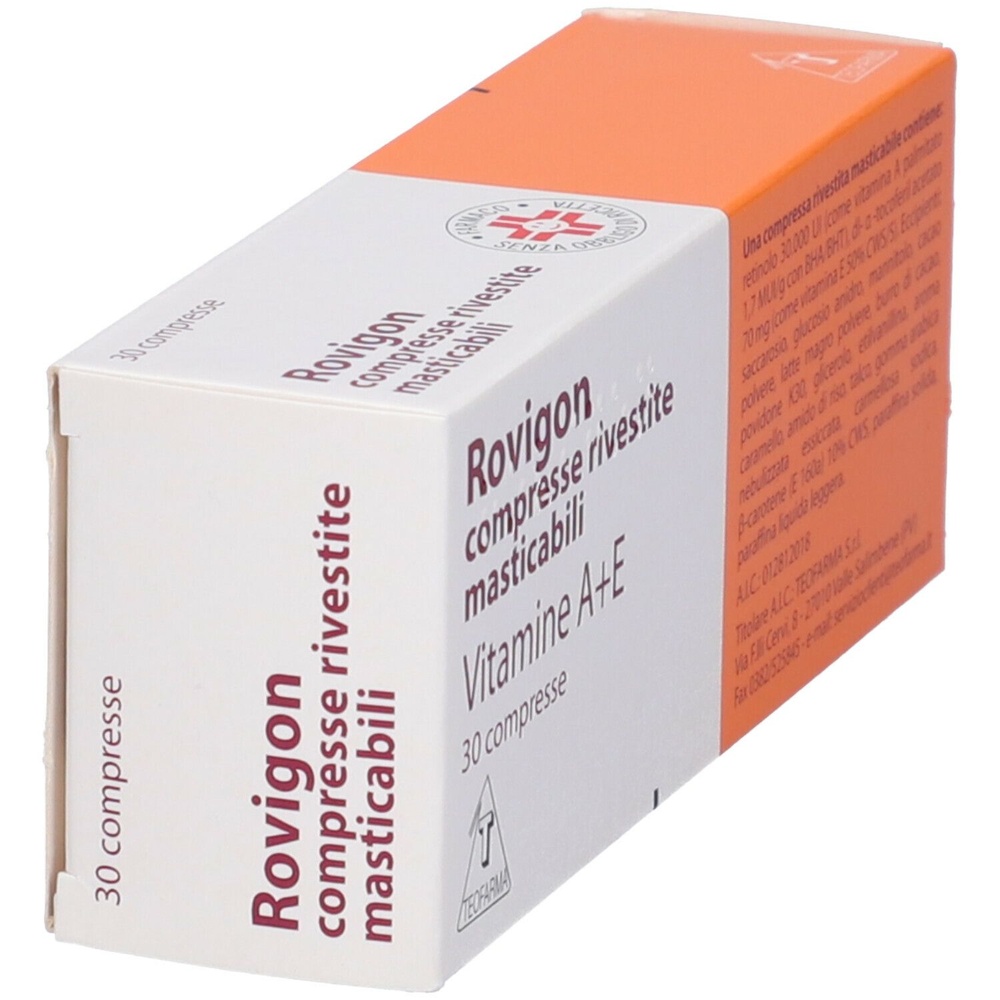
Rovigon coated chewable tablets
Vitamins A+E
30 tablets
Therapeutic category
Rovigon belongs to the therapeutic category of vitamin products based on vitamin A and vitamin E.
Therapeutic indications
Rovigon is indicated in all deficiency states due to malabsorption, especially lipid, or malnutrition and
related symptomatic conditions. Furthermore, Rovigon, as a balanced association between vitamin A and E, is
indicated in functional disorders and degenerative manifestations of tissues of epithelial and
mesodermal origin (e.g. degenerative retinopathies, inner ear disorders, etc.), especially in
middle-aged and elderly people.
Contraindications
Hypersensitivity to the active ingredient or to any of the excipients.
Hypervitaminosis A.
Children under 12 years of age.
Pregnant women or women who may become pregnant.
Precautions for use
In order to avoid the appearance of signs and symptoms of overdose, use the product under medical
supervision and for the period of time deemed strictly necessary.
Preparations containing Vitamin E must be used with caution in diabetics and in subjects
with heart failure as this vitamin can reduce the requirement for insulin and digitalis.
Interactions
Inform your doctor or pharmacist if you have recently taken any other medicines, even those
available over the counter.
Vitamin E may enhance the action of digitalis or insulin.
Avoid concomitant use with other drugs or supplements containing retinoids and with antibiotics
belonging to the tetracycline class.
Special warnings
In very prolonged therapies, especially if for several years, do not exceed the number and duration of
therapeutic cycles recommended for each year, in order not to incur the risk of chronic
overdosage of vitamin A.
In patients who smoke twenty or more cigarettes a day, prolonged use of the product may increase the
risk of lung cancer.
During pregnancy, a daily intake of vitamin A up to 10,000 IU has been shown to be safe.
However, doses higher than 15,000 IU/day have been associated with the possibility of malformations in humans.
Therefore, during pregnancy, daily dosages higher than 10,000 IU should be avoided, especially
during the first trimester (see also “Pregnancy and breastfeeding”).
Vitamin A should not be taken together with other drugs containing vitamin A, synthetic isomers
tretinoin and etretinate or beta-carotene, as these compounds, at high doses, are
considered harmful to the fetus.
In women of childbearing potential, it is necessary to ensure that:
- the patient is not pregnant when starting treatment (negative pregnancy test)
- the patient understands the teratogenic risk
- the patient agrees to use an effective contraceptive method without interruption for the entire duration of treatment and for at least one month after its cessation. Long-term treatments with vitamin A have been associated with cirrhosis, alterations in hepatic circulation, hepatic fibrosis and hepatotoxicity. Patients with pre-existing liver disease are at greater risk of developing or experiencing a worsening of liver disease due to the reduced ability to produce retinol-binding protein. Patients taking high doses of vitamin A (greater than 2,500 IU/Kg per day) for a prolonged period without interruption should be monitored for the appearance of signs of hypervitaminosis A. A maximum daily dose of 5,000 IU/Kg should not be exceeded. Before prescribing treatment, the intake of vitamin A, isotretinoin, etretinate and beta-carotene from the diet and the possible use of concomitant supplements and drugs should be assessed. High doses of vitamin A have been associated with osteoporosis and osteosclerosis.
Pregnancy and breastfeeding
Ask your doctor or pharmacist for advice before taking any medicine.
Pregnancy
During pregnancy, a daily intake of vitamin A up to 10,000 IU has been shown to be safe.
However, doses higher than 15,000 IU/day have been associated with the possibility of malformations in humans.
Therefore, during pregnancy, daily dosages higher than 10,000 IU should be avoided, especially
during the first trimester.
Vitamin A should not be taken together with other drugs containing vitamin A, synthetic isomers
tretinoin and etretinate or beta-carotene, as these compounds, at high doses, are
considered harmful to the fetus.
In women of childbearing potential, it is necessary to ensure that:
- the patient is not pregnant when starting treatment (negative pregnancy test)
- the patient understands the teratogenic risk
- the patient agrees to use an effective contraceptive method without interruption for the entire duration of treatment and for at least one month after its cessation. Breastfeeding Adequate information on the excretion of vitamin A and vitamin E in human and animal breast milk is not available and it is therefore not possible to exclude a risk to the infant. The decision to discontinue breastfeeding or therapy with retinol/tocopherol should be made taking into account the benefit of breastfeeding for the newborn and the benefit of therapy with retinol/tocopherol for the mother.
Effects on ability to drive and operate machinery
The product may cause visual disturbances. If this occurs, do not drive or operate machinery.
Important information about some excipients
This product contains sucrose and glucose. Patients with rare hereditary disorders of
fructose or galactose intolerance, lactase deficiency, glucose-galactose malabsorption or
saccharase-isomaltase deficiency should not take this medicine.
Dosage, method and duration of administration
For oral use
Unless otherwise prescribed by the doctor, the recommended dose is one tablet a day for a maximum
of 4 weeks. The therapeutic cycle can be repeated during the year, at the doctor's discretion.
The dosage must be adjusted based on serum levels of vitamin A and vitamin E.
Rovigon is contraindicated in children under 12 years of age (see “Contraindications”).
Overdose
In case of accidental ingestion/intake of an excessive dose of Rovigon, immediately
inform your doctor or go to the nearest hospital.
Acute hypervitaminosis A: ingestion of excessive doses of retinol can cause acute
vitamin A intoxication.
Factors influencing the reactions of acute retinol toxicity include age, nutritional status, type of
preparation taken and route of administration. However, the risk may increase in case of kidney or liver disease, low body weight, protein malnutrition, hyperlipoproteinemia, alcohol consumption or
vitamin C deficiency.
Acute retinol toxicity is characterized by severe headache, dizziness, hepatomegaly, vomiting,
irritability, drowsiness and papilledema. After 24 hours, generalized skin desquamation may occur.
Skin reactions associated with retinol toxicity include cheilitis, facial dermatitis,
exfoliative dermatitis, dryness of the mucous membranes, changes in hair structure, thinning of the
hair, alopecia areata, generalized alopecia, rash, itching, skin fragility.
Other manifestations of an acute massive overdose consist of gastrointestinal symptoms (abdominal
pain, nausea, vomiting) and pseudotumor cerebri (increased intracranial pressure with the
following symptoms: headache, dizziness, lethargy, papilledema and, in newborns, transient protrusion of the
fontanelles), followed within a few days by generalized skin desquamation.
Generally, the signs and symptoms of vitamin A toxicity disappear rapidly with
cessation of intake.
Chronic hypervitaminosis A: prolonged intake of vitamin A at daily doses of 10 to 20 times
the maximum recommended doses can determine the onset of hypervitaminosis A. The actual dose
toxic depends on age, single doses and duration of administration. In adults
hypervitaminosis A generally results from chronic intake of more than 30 mg of retinol per day;
however, mild symptoms may occur even with chronic daily intake with the diet of 10
mg of retinol.
The symptoms of chronic vitamin A poisoning are varied and include headache, nausea and
vomiting for increased intracranial pressure, bone pain, signs and symptoms affecting the mucous membranes and
skin, hepatomegaly, hypercalcemia, hematological alterations. Dry and itchy skin, erythematous dermatitis, lip fissuring, anorexia, edema, bleeding, irritability and asthenia may also occur. Other possible symptoms are night sweats, abdominal discomfort, delayed
growth, premature closure of the epiphyses, vertigo, alopecia, skin desquamation, increased
skin pigmentation, inflammation of the tongue, lips and gums.
Hepatic toxic reactions are present in about half of the cases of chronic hypervitaminosis A. In addition to the signs
clinical, such as hepatosplenomegaly, spider angioma, leukonychia, palmar erythema and jaundice, an increase in liver enzymes (aspartate and alanine aminotransferases) is observed. The increase in alkaline phosphatase
may be very marked and there may be cholestasis with hyperbilirubinemia. A
reversible syndrome of portal hypertension with ascites may occur.
The only diagnostic laboratory finding is an increase in retinol levels in the serum, mainly under
form of retinol esters.
Generally, the signs and symptoms of vitamin A toxicity regress rapidly once
intake is stopped. In patients with impaired liver function and hepatomegaly the
prognosis is usually favorable. However, if portal hypertension with ascites has developed, the
syndrome may persist.
Vitamin E overdose: Vitamin E is usually non-toxic. However, high doses (more than 300
units per day) have caused, in rare cases, nausea, diarrhea, intestinal cramps, asthenia, weakness,
headache, blurred vision, rash, gonadal dysfunction, creatinuria, increased levels
serum creatine kinase and creatine phosphokinase, increased cholesterol and triglycerides in the serum,
increased urinary estrogens and androgens and decreased levels of serum thyroxine and
triiodothyronine. These effects disappeared upon discontinuation of treatment.
A meta-analysis has shown that, in patients with chronic illness, dosages equal to or greater than 400 units
per day for a year or more were associated with an increased risk of all-cause mortality. The results of
this data analysis were not clear about the risks and benefits of lower doses of vitamin E.
However, a dose-response analysis showed a statistically significant relationship between the dosage
of vitamin E and all-cause mortality, with an increased risk at doses greater than 150
units. These conclusions are controversial and are still the subject of debate in the medical and scientific community.
Very high doses of vitamin E (greater than 800 units per day for long periods) have been
also associated with increased bleeding tendency in patients with vitamin K deficiency,
alterations in hormonal metabolism (thyroid, pituitary and adrenal), alterations in immune response and
impaired sexual function and may increase the thromboembolic risk in patients
prone to it.
If you have any doubts about the use of Rovigon, consult your doctor or pharmacist.
Undesirable effects
Like all medicines, Rovigon can cause undesirable effects although not all people will experience them.
The following undesirable effects have been reported in association with the use of Rovigon.
Eye disorders
Visual disturbances.
Gastrointestinal disorders
Gastrointestinal and abdominal pain, nausea, vomiting, diarrhoea.
Hepatobiliary disorders
Jaundice, hepatomegaly, hepatic steatosis.
Cirrhosis, hepatic fibrosis and hepatotoxicity have been associated with long-term therapies with vitamin A
(See “Warnings”).
Immune system disorders
Allergic reaction, allergic oedema, anaphylactic reaction, anaphylactic shock.
Hypersensitivity reactions and their related clinical and laboratory manifestations include reactions from
mild to moderate that can affect the skin, respiratory tract, gastrointestinal tract and
cardiovascular system.
Diagnostic tests
Abnormality in liver function tests, increase in aspartate and alanine aminotransferases, increase in
blood triglycerides.
Metabolism and nutrition disorders
Hypercalcemia, lipid metabolism disorder.
Musculoskeletal and connective tissue disorders
Bone pain and osteoporosis; high intake of vitamin A with diet or through supplements
has been associated with an increased risk of osteoporosis and hip fracture.
Nervous system disorders
Headache. A sudden onset of headache may be one of the symptoms of pseudotumor cerebri
(see “Overdose”).
Skin and subcutaneous tissue disorders
Pruritus, urticaria, skin rash, dry skin, exfoliative dermatitis.
Chronic use of vitamin A has been associated with: alopecia, dermatitis, eczema, erythema, skin discoloration,
alterations in hair structure, hypotrichosis, dryness of mucous membranes, skin fragility,
cheilitis. Skin changes are often among the first signs of hypervitaminosis A.
If any of these undesirable effects worsen, or if you notice any not listed in this leaflet, please tell your
pharmacist.
Shelf life and storage
Shelf life: see the expiry date printed on the packaging.
The expiry date refers to the product in intact packaging, correctly
stored.
Warning: do not use the medicine after the expiry date printed on the packaging.
Medicines should not be disposed of via wastewater or household waste. Ask your
pharmacist how to dispose of medicines you no longer use. This will help protect
the environment.
Keep the medicine out of the reach and sight of children.
Composition
One chewable coated tablet contains retinol 30,000 IU (as vitamin A palmitate 1,7 MUI/g
with BHA/BHT), dl- -tocopheryl acetate 70 mg (as vitamin E 50% CWS/S ).
Excipients: sucrose, anhydrous glucose, mannitol, cocoa powder, skimmed milk powder, cocoa butter,
povidone K30, glycerol, ethyl vanillin, caramel flavour, rice starch, talc, dried spray-dried gum arabic,
sodium carboxymethylcellulose, -carotene (E 160a) 10% CWS, solid paraffin, light liquid paraffin
.
Pharmaceutical form and content
Chewable coated tablets.
Pack of 30 tablets
Marketing authorisation holder and manufacturer
Marketing authorisation holder:
TEOFARMA SRL
VIA FRATELLI CERVI, 8
27010 VALLE SALIMBENE
PAVIA (PV)
Manufacturer: Dragenopharm Apotheker Puschl GmbH Tittmoning (Germany).

Не уверены, подходит ли вам это лекарство?
Обсудите симптомы и варианты лечения с врачом онлайн.

Уже начали прием и появились вопросы?
Обсудите свое состояние и дальнейшие шаги с врачом онлайн.
- Страна регистрации
- Форма выпускаCoated tablet
- Отпускается по рецептуНет
- Производитель
- Информация на этой странице носит справочный характер и не является медицинской консультацией. Перед началом приема лекарства обязательно проконсультируйтесь с врачом.
- Аналоги ROVIGONФорма выпуска: Soft capsule, 1 MICROGRAMДействующее вещество: Альфа-кальцидолПроизводитель: DOC GENERICI SRLОтпускается по рецептуФорма выпуска: Soft capsule, 0.25 microgramsДействующее вещество: Альфа-кальцидолПроизводитель: ZENTIVA ITALIA S.R.L.Отпускается по рецептуФорма выпуска: Soft capsule, 0.25 MCGДействующее вещество: Альфа-кальцидолПроизводитель: THERAMEX IRELAND LIMITEDОтпускается по рецепту
Аналоги ROVIGON в других странах
Лекарства с тем же действующим веществом, доступные в других странах.
Аналог ROVIGON в Польша
Аналог ROVIGON в Украина
Аналог ROVIGON в Испания
Врачи онлайн по ROVIGON
Обсудите применение ROVIGON и возможные следующие шаги — по оценке врача.









Получите рецепт на ROVIGON онлайн
Заполните форму за 2 минуты
Расскажите о симптомах, истории болезни и нужном препарате.
Выберите врача или мы назначим
Выберите специалиста или мы подберём ближайшего доступного врача.
Врач рассматривает ваш случай
Обычно в течение 30 минут. Может задать уточняющие вопросы в чате.
Получите в любой аптеке
Электронный рецепт отправляется на вашу почту — действителен по всей Польше.
Часто задаваемые вопросы
ROVIGON не требует рецепта в Италия. Вы можете уточнить у врача онлайн, подходит ли это лекарство для вашей ситуации.
ROVIGON производится компанией TEOFARMA S.R.L.. Упаковка и торговое название могут отличаться в зависимости от дистрибьютора.
Врачи, включая Семейные врачи, Психиатры, Дерматологи, Кардиологи, Эндокринологи, Гастроэнтерологи, Пульмонологи, Нефрологи, Ревматологи, Гематологи, Инфекционисты, Аллергологи, Гериатры, Педиатры, Онкологи, могут оценить целесообразность применения ROVIGON с учетом вашей ситуации и местных правил. Вы можете записаться на онлайн-консультацию, чтобы обсудить возможные варианты.
Польша имеет хорошо развитую систему здравоохранения в крупных городах, таких как Варшава, Краков, Вроцлав и Гданьск. Аптеки широко доступны и работают в соответствии с действующим законодательством, обеспечивая доступ к рецептурным препаратам.
Вы можете купить ROVIGON в Варшаве, Кракове, Вроцлаве или Гданьске в любой аптеке при наличии действующего рецепта.
Чтобы получить рецепт, вы можете воспользоваться Oladoctor:
Другие лекарства с тем же действующим веществом () включают ALFAKALKIDOLO DOK, ALFAKALKIDOLO TSENTIVA, ALPA D3. Они могут отличаться торговым названием или формой выпуска, но содержат одинаковый терапевтический компонент. Перед изменением лечения рекомендуется проконсультироваться с врачом.
