



PRAMEFFEX 10 mg Фильм-Coated Таблетки

Рассмотрение рецепта онлайн
Врач рассмотрит ваш случай и примет решение о назначении рецепта, если это медицински оправдано.

Поговорите с врачом об этом лекарстве
Обсудите симптомы и возможные дальнейшие шаги на онлайн-консультации.



Инструкция по применению PRAMEFFEX
Содержание инструкции
- Prameffex 10 mg film-coated tablets, 20 mg film-coated tablets
- Prameffex 20 mg/ml oral drops, solution
Prameffex 10 mg film-coated tablets, 20 mg film-coated tablets
Escitalopram
Generic medicine
Read this leaflet carefully before you start taking this medicine because it contains
important information for you.
- Keep this leaflet. You may need to read it again.
- If you have any questions, ask your doctor or pharmacist.
- This medicine has been prescribed for you only. Do not pass it on to others even if their symptoms are the same as yours because it could be harmful.
- If you get any side effects, even those not listed in this leaflet, tell your doctor or pharmacist. See section 4.
Contents of this leaflet:
- 1. What Prameffex is and what it is used for
- 2. What you need to know before you take Prameffex
- 3. How to take Prameffex
- 4. Possible side effects
- 5. How to store Prameffex
- 6. Contents of the pack and other information
1. What is Prameffex and what is it used for
Prameffex contains the active ingredient escitalopram. Prameffex belongs to the group of medicines
called Selective Serotonin Reuptake Inhibitors (SSRIs) antidepressants. These
medicines help to increase serotonin levels in the brain. Alterations of the serotonergic system in the brain are considered important factors in the development of depression and
disorders related to it.
Prameffex contains escitalopram used to treat depression (major depressive episodes) and
anxiety (such as panic disorder with or without agoraphobia, social anxiety disorder, generalized anxiety disorder and obsessive compulsive disorder) in adults over 18 years of age.
It may take a couple of weeks before you start to feel better. Continue to take
Prameffex even if it takes some time before you notice an improvement in your
condition.
Contact your doctor if you do not feel better or if you feel worse.
2. What you need to know before taking Prameffex
Do not take Prameffex:
- if you are allergic to escitalopram or any of the other ingredients of this medicine (listed in section 6).
- if you are taking other medicines that belong to a group known as MAO inhibitors, including selegiline (used in the treatment of Parkinson's disease), moclobemide (used in the treatment of depression) and linezolid (an antibiotic).
- if you have been born with or have had an episode of irregular heartbeat (identified with an ECG, an examination conducted to assess how your heart is working).
- if you are taking medicines for heart rhythm problems or that can affect the heart rhythm (see section 2 “Other medicines and Prameffex”).
Warnings and precautions
Talk to your doctor or pharmacist before taking Prameffex.
Tell your doctor if you have any other conditions or illnesses, as your doctor may need to take them into
consideration. In particular, tell your doctor:
- if you suffer from epilepsy. Treatment with Prameffex should be stopped if you experience convulsions for the first time or if the frequency of seizures increases (see also section 4 “Possible side effects”).
- if you suffer from impaired liver or kidney function. An adjustment of the dose by your doctor may be necessary.
- if you suffer from diabetes. Treatment with Prameffex may alter blood glucose control. It may be necessary to adjust the dose of insulin and/or oral hypoglycemic agent.
- if you have a decrease in sodium levels in your blood.
- if you have a tendency to develop bleeding and bruising, or if you are pregnant (see the section “ Pregnancy, breastfeeding and fertility”)
- if you are receiving electroconvulsive therapy.
- if you suffer from coronary heart disease (heart disease).
- if you suffer from or have suffered from heart problems or have recently had a heart attack.
- if you have a low resting heart rate and/or if you know you have salt deficiencies following prolonged severe diarrhea and vomiting (feeling unwell) or use diuretics (water tablets).
- if, when getting up, you experience a fast or irregular heartbeat, fainting, collapse or dizziness, which may indicate an abnormality in the heart rhythm.
- if you have or have had eye problems in the past, such as certain types of glaucoma (increased pressure in the eye)
Keep in mind
Some patients with manic-depressive illness may enter a manic phase. This is
characterized by rapidly changing unusual ideas, inappropriate and excessive physical
activity. If you experience these feelings, contact your doctor.
Symptoms such as restlessness or difficulty sitting still or standing up may occur during the
first few weeks of treatment. If these symptoms occur, tell your doctor immediately.
Medicines such as Prameffex (so-called selective serotonin reuptake inhibitors (SSRIs) and
serotonin-noradrenaline reuptake inhibitors (SNRIs)) can cause symptoms of sexual dysfunction (see
section 4). In some cases, persistence of these symptoms has been observed after discontinuation of
treatment
Thoughts of suicide and worsening of your depression or anxiety disorder
If you suffer from depression and/or anxiety disorders, you may sometimes think about harming yourself or committing suicide.
These thoughts may be more frequent at the beginning of treatment with antidepressants, as
these medicines generally take about two weeks or more to show their effect.
You are more likely to have these thoughts:
- if you have thought about suicide or self-harm before;
- if you are a young adult. Data from clinical studies have shown an increased risk of suicide-related behavior in adults under 25 years of age with psychiatric disorders treated with an antidepressant.
If at any time you should think about harming yourself or committing suicide, contact your doctor or
go to the hospital immediately.
It may help to tell a close family member or friendthat you are suffering from depression or that
they think your depression or anxiety is getting worse or if they are worried about any
change in your behavior.
Children and adolescents
Prameffex is normally not to be taken by children and adolescents under the age of 18
years. You should also know that, if this class of medicines is taken, patients under the age of
18 years have an increased risk of side effects such as suicide attempts, suicidal ideation and hostility (essentially aggression, oppositional behavior and anger).
Despite the above, your doctor may prescribe Prameffex to patients under the age of 18 years,
if they believe this is the best solution for them. If your doctor has prescribed Prameffex to a
patient under the age of 18 years and you would like more information, contact your doctor. You must
tell your doctor if any of the above symptoms appear or worsen during the taking of
Prameffex by a patient under the age of 18 years. Furthermore, the effects on long-term safety of Prameffex relating to growth, maturation and cognitive and
behavioral development have not yet been demonstrated in this age group.
Other medicines and Prameffex
Tell your doctor or pharmacist if you are taking, have recently taken or might take
any other medicines.
Tell your doctor if you are taking any of the following medicines:
- “non-selective monoamine oxidase inhibitors (MAOIs)” containing phenelzine, iproniazide, isocarboxazide, nialamide and tranylcypromine as the active ingredient. If you have taken one of these medicines you must wait 14 days before starting treatment with Prameffex. After stopping treatment with Prameffex, 7 days must pass before taking one of these medicines.
- “reversible MAO-A selective inhibitors” containing moclobemide (used in the treatment of depression).
- “irreversible MAO-B inhibitors”, containing selegiline (used in the treatment of Parkinson's disease). These increase the risk of side effects.
- Linezolid antibiotic.
- Lithium (used in the treatment of manic-depressive disorder) and tryptophan.
- Imipramine and desipramine (both used to treat depression).
- Sumatriptan and similar medicines (used to treat migraine) and tramadol (used to relieve severe pain). These increase the risk of side effects.
- Cimetidine, lansoprazole and omeprazole (used to treat stomach ulcers), fluconazole (used to treat fungal infections) fluvoxamine (antidepressant) and ticlopidine (used to reduce the risk of stroke). These can cause an increase in escitalopram levels in the blood.
- St. John's wort (hypericum perforatum), a herbal remedy used for depression.
- Acetylsalicylic acid and non-steroidal anti-inflammatory drugs (medicines used for pain relief or to reduce blood density, also called anti-aggregating agents). These can increase the tendency to bleed.
- Warfarin, dipyridamole and phenprocoumone (medicines used to reduce blood density, also called anticoagulants). Your doctor will probably check your blood clotting time at the beginning and end of treatment with Prameffex to verify whether your anticoagulant dose is still appropriate.
- Mefloquine (used to treat malaria), bupropion (used to treat depression) and tramadol (used to treat severe pain) due to the possible risk of a reduced convulsive threshold.
- Neuroleptics (medicines used to treat schizophrenia, psychosis) and antidepressants (tricyclic antidepressants and SSRIs) due to the possible risk of lowering the convulsive threshold,
- Flecainide, propafenone and metoprolol (used in cardiovascular diseases), clomipramine and nortriptyline (antidepressants) and risperidone, thioridazine and haloperidol (antipsychotics). An adjustment of the dose of Prameffex may be necessary.
- Medicines that reduce potassium or magnesium levels in the blood as these conditions increase the risk of life-threatening heart rhythm disorders
Do not take Prameffex if you are taking medicines for heart rhythm problems or that can
affect the heart rhythm, such as, for example, Class IA and III antiarrhythmics, antipsychotics (such as
phenothiazine derivatives, pimozide, haloperidol), tricyclic antidepressants, some antimicrobial agents
(such as sparfloxacin, moxifloxacin, erythromycin IV, pentamidine, antimalarial treatments, in
particular halofantrine), some antihistamines (astemizole, hydroxyzine, mizolastine). If you have
further doubts, contact your doctor.
Prameffex with food, drinks and alcohol
Prameffex can be taken on an empty stomach or with food (see section 3 “How to take
Prameffex”).
Prameffex is not expected to interact with alcohol. However, as with many medicines,
the combination of Prameffex and alcohol is not recommended.
Pregnancy, breastfeeding and fertility
If you are pregnant, suspect you are pregnant or are planning a pregnancy, or if you are breastfeeding with
breast milk, ask your doctor or pharmacist for advice before using this medicine. Do not take
Prameffex if you are pregnant or breastfeeding, unless your doctor has discussed the
risks and benefits of treatment with you.
If you take Prameffex in the third trimester of pregnancy, you should be aware that the following
effects may be observed in the newborn: difficulty breathing, bluish skin discoloration,
convulsions, instability of body temperature, difficulty feeding, vomiting, hypoglycemia (low
blood glucose levels), hypertonia or hypotonia, hyperreflexia, tremor, nervousness, irritability,
lethargy, persistent crying, sleep disturbances and difficulty sleeping. If the newborn shows any of these
symptoms, contact your doctor immediately.
Make sure your midwife and/or doctor know that you are taking Prameffex.
When taken during pregnancy, especially in the last 3 months of pregnancy, medicines
such as Prameffex can increase the risk of a serious condition in babies, called
persistent pulmonary hypertension of the newborn (PPHN), which causes the baby to breathe faster and
makes it appear bluish. These symptoms usually appear within the first 24 hours of the birth of the
baby. If this happens to your baby, you should contact your midwife and/or doctor immediately.
If you take Prameffex near the end of pregnancy, there may be an increased risk of
heavy vaginal bleeding shortly after delivery, especially if you suffer from bleeding disorders
(easy bleeding). Inform your treating doctor or midwife/obstetrician that you are taking
Prameffex, so that they can advise you on what to do.
Sudden discontinuation of treatment with Prameffex should be avoided during pregnancy.
Escitalopram is expected to be excreted in breast milk.
Citalopram, a medicine similar to escitalopram, has been shown in animal studies to reduce
sperm quality. Theoretically, this could affect fertility, but the impact on human fertility
has not yet been observed.
Driving and using machines
We advise you not to drive vehicles or use machines until you know what influence
Prameffex has on you.
Prameffex contains sodium
This medicine contains less than 1 mmol of sodium (23 mg) per tablet, which means
essentially "sodium-free".
3. How to take Prameffex
Always take this medicine exactly as your doctor has told you. If you have any doubts
consult your doctor or pharmacist.
Adults
Depression
The usual recommended dose of Prameffex is 10 mg daily, in a single dose. This dose may
be increased by your doctor up to a maximum of 20 mg daily.
Panic disorder
The initial dose of Prameffex for the first week of treatment is 5 mg daily, then to be
increased to 10 mg daily. Your doctor may increase this dose up to a maximum of 20 mg
daily.
Social anxiety disorder
The normally recommended dose of Prameffex is 10 mg daily, in a single dose.
Your doctor may decrease the dose to 5 mg daily or increase it up to a maximum of 20 mg daily,
based on your individual response to treatment.
Generalized anxiety disorder
The normally recommended dose of Prameffex is 10 mg daily, in a single dose. This dose may
be increased by your doctor up to a maximum of 20 mg.
Obsessive-compulsive disorder
The normally recommended dose of Prameffex is 10 mg in a single daily dose. The dose may
be increased by your doctor up to a maximum of 20 mg daily.
Elderly patients (over 65 years of age)
The recommended initial dose of Prameffex is 5 mg daily, in a single dose. This dose may be
increased by your doctor up to 10 mg daily.
Use in children and adolescents
Normally Prameffex should not be taken by children and adolescents. For further information
see section 2 Prameffex” Warnings and precautions”.
Impaired renal function
Caution is advised in patients with severely impaired renal function. Take the medicine as
prescribed by your doctor.
Impaired hepatic function
Patients with liver disorders should not receive more than 10 mg daily. Take the medicine as
prescribed by your doctor.
Patients known to be slow CYP2C19 metabolizers
Patients with this known genotype should not receive more than 10 mg daily. Take the medicine
as prescribed by your doctor.
How to take the tablets
Prameffex can be taken independently of food intake. Swallow the tablets with
a glass of water. Do not chew them, as they have a bitter taste.
If necessary, the tablets can be broken by placing them on a flat surface with the fracture line
facing upwards. The tablets can be broken by pressing down on each edge
of the tablet, using both index fingers as shown in the drawing.

Duration of treatment
It may take a couple of weeks before you feel any improvement. Continue to
take Prameffex even if there is no immediate improvement in your condition.
The dose should never be changed without first consulting your doctor.
Continue taking Prameffex for as long as your doctor has recommended. If the treatment
is stopped too soon, the symptoms may return. It is recommended to continue the
treatment for at least six months after the symptoms have resolved.
If you take more Prameffex than you should
If you have taken a dose of Prameffex higher than that prescribed, you should contact your doctor or go
immediately to the Emergency Room of the nearest hospital, even if you have no signs of discomfort. Some of the symptoms of overdose may be dizziness, tremor,
agitation, convulsions, coma, nausea, vomiting, altered heart rhythm, decreased
blood pressure and changes in electrolyte balance. Bring the box/container of
Prameffex with you when you go to a doctor or hospital.
If you forget to take Prameffex
If you forget to take a dose of Prameffex, do not take a double dose. If you forget to
take a dose of Prameffex, and remember before going to bed, take it immediately. Continue
taking it as usual the next day. If, however, you remember during the night or the
next day, skip the forgotten dose and continue with the normal dosage.
If you stop taking Prameffex
Do not stop taking Prameffex until your doctor tells you to. When you
have completed treatment with Prameffex, it is generally recommended that the dose of Prameffex is
gradually reduced over a couple of weeks.
When you stop taking Prameffex, especially if you stop it suddenly, you may
experience withdrawal symptoms. These are common when stopping treatment with
Prameffex. The risk is greater if you have taken Prameffex for a long time or in high doses or if the
dose is reduced too quickly. Most patients have found that these symptoms
are mild and usually disappear spontaneously within a couple of weeks.
However, in some patients, withdrawal symptoms may be severe or may
persist over time (2-3 months or more). If you experience severe withdrawal symptoms when stopping
treatment with Prameffex, tell your doctor. They may ask you to restart treatment and
continue reducing the doses more gradually.
Withdrawal symptoms include: dizziness (feeling unstable or off balance), tingling sensations,
burning sensation (less common), electric shock sensation, even
in the head, sleep disturbances (vivid dreams, nightmares, difficulty sleeping), anxiety, headache, malaise
(nausea), sweating (including night sweats), restlessness or agitation, tremor
(shaking), confusion or disorientation, excessive emotionality or irritability, diarrhea (loose stools),
visual disturbances, heart rhythm disturbances (palpitations).
If you have any questions about the use of this medicine, ask your doctor or pharmacist.
4. Possible side effects
Like all medicines, Prameffex can cause side effects, although not everybody gets them.
Side effects usually disappear after a few weeks of treatment. Keep in mind
that many of the side effects can also be symptoms of your illness and, therefore,
decrease when you start to feel better.
If you experience any of the following symptoms, contact your doctor or go to the hospital immediately:
Uncommon (may affect up to 1 in 100 people):
- abnormal bleeding, including gastrointestinal bleeding.
Rare (may affect up to 1 in 1000):
- Swelling of the skin, tongue, lips, throat or face, hives or difficulty breathing or feeling of suffocation (severe allergic reaction).
- High fever, agitation, confusion, tremor and sudden muscle contractions may be symptoms of a rare condition called serotonin syndrome.
Not known (frequency cannot be estimated on the basis of the available data)
- difficulty urinating
- seizures (fits), see also paragraph “Warnings and precautions”
- yellowing of the skin and the whites of the eyes are signs of impaired liver function/hepatitis
- rapid, irregular heartbeat, feeling of fainting, which may be symptoms of a life-threatening condition known as Torsade de Pointes
- thoughts of self-harm or suicide. See also paragraph “Warnings and precautions”
- sudden swelling of the skin or mucous membranes (angioedema)
In addition to the side effects mentioned above, the following have also been reported:
Very common (may affect more than 1 in 10 people):
- discomfort (nausea)
- Headache
Common (may affect up to 1 in 10 people):
- stuffy or runny nose (sinusitis)
- decreased or increased appetite
- anxiety, restlessness, abnormal dreams, difficulty falling asleep, drowsiness, dizziness, yawning, tremors, skin changes
- diarrhea, constipation, vomiting, dry mouth
- increased sweating
- muscle and joint pain (arthralgia and myalgia)
- sexual dysfunction (delayed ejaculation, problems with erection, decreased sexual drive and women may have difficulty reaching orgasm)
- fatigue, fever
- weight gain
Uncommon (may affect up to 1 in 100):
- hives, skin rashes, itching
- teeth grinding, agitation, nervousness, panic attacks, confused state
- disturbed sleep, altered taste, fainting (syncope)
- pupil dilation (mydriasis), visual disturbances, ringing in the ears (tinnitus)
- hair loss
- increased menstrual flow
- irregular menstrual cycle
- weight loss
- increased heart rate
- swelling of arms or legs
- nosebleeds
Rare (may affect up to 1 in 1000):
- aggression, depersonalization, hallucinations
- slowing of the heartbeat
Not known (frequency cannot be estimated on the basis of the available data):
- decreased sodium levels in the blood (symptoms are feeling unwell with muscle weakness or confusion)
- dizziness when getting up due to a drop in blood pressure (orthostatic hypotension)
- changes in liver function values (increased amount of liver enzymes in the blood)
- movement disorders (involuntary muscle movements)
- painful erections (priapism)
- signs of abnormal bleeding, for example of the skin and mucous membranes (ecchymosis)
- increased production of a hormone called ADH, which causes fluid retention and dilution of the blood, with resulting reduction in sodium levels (inappropriate secretion of ADH)
- secretion of milk in men and in women who are not breastfeeding
- mania
- an increased risk of bone fractures has been observed in patients taking this type of medicine
- alteration of the heart rhythm (called “prolongation of the QT interval”, assessed by an ECG that records the electrical activity of the heart)
- heavy vaginal bleeding shortly after childbirth (postpartum hemorrhage), see paragraph 2 “Pregnancy, breastfeeding and fertility” for more information
In addition, a number of side effects are known for drugs that act like escitalopram
(active ingredient of Prameffex). They are:
- restlessness (akathisia)
- loss of appetite
Reporting of side effects
If you get any side effects, talk to your doctor or pharmacist. This includes any side effects not listed
in this leaflet. You can also report side effects directly through the national reporting system at
https://www.aifa.gov.it/content/segnalazioni-reazioni-avverse.
By reporting side effects you can help provide more information on the safety of
this medicine
5. How to store Prameffex
Keep this medicine out of the sight and reach of children.
Do not use this medicine after the expiry date which is stated on the package and blister after
Exp.. The expiry date refers to the last day of that month.
This medicine does not require any special storage conditions.
Do not dispose of any medicine in wastewater or household waste. Ask your pharmacist how to
dispose of medicines you no longer use. This will help protect the environment.
6. Contents of the pack and other information
What Prameffex contains
The active ingredient is escitalopram. Each Prameffex tablet contains 10 mg or 20 mg of
escitalopram (as oxalate).
The other ingredients are:
Tablet core: microcrystalline cellulose, sodium croscarmellose, magnesium stearate, colloidal anhydrous
silica, talc.
Tablet coating: hypromellose, macrogol 400, titanium dioxide (E171)
Description of the appearance of Prameffex and contents of the pack
Prameffex is available in the form of film-coated tablets of 10 mg and 20 mg.
The tablets are described below.
10 mg: white, oval-shaped, biconvex, film-coated tablet imprinted with a score line and the inscription 10 mg. The tablet can be divided into two equal doses.
20 mg: white, oval-shaped, biconvex, film-coated tablet imprinted with a score line and the inscription 20 mg. The tablet can be divided into two equal doses.
Prameffex is available in the following packs:
Opaque white PVC/PE/PVDC/-Aluminum blisters containing 28 film-coated tablets.
Marketing Authorisation Holder
Neuraxpharm Italy S.p.A.
Via Piceno Aprutina, 47
63100 Ascoli Piceno (AP),
Italy
Manufacturer
Special Product’s Line S.p.A.
Via Fratta Rotonda Vado Largo 1,
03012 Anagni (FR),
Italy
Prameffex 20 mg/ml oral drops, solution
Escitalopram
Generic medicine
Read this leaflet carefully before using this medicine as it contains important
information for you.
- Keep this leaflet. You may need to read it again.
- If you have any questions, ask your doctor or pharmacist.
- This medicine has been prescribed for you only. Do not pass it on to others, even if they have the same symptoms as you, as it may be harmful.
- If you get any side effects, even those not listed in this leaflet, tell your doctor or pharmacist. See section 4.
Contents of this leaflet:
- 1. What Prameffex is and what it is used for
- 2. What you need to know before you take Prameffex
- 3. How to take Prameffex
- 4. Possible side effects
- 5. How to store Prameffex
- 6. Contents of the pack and other information
1. What is Prameffex and what is it used for
Prameffex contains the active ingredient escitalopram. Prameffex belongs to the group of medicines
called Selective Serotonin Reuptake Inhibitors (SSRIs) antidepressants. These
medicines help to increase serotonin levels in the brain. Alterations of the serotonergic system in the brain are considered important factors in the development of depression and
related disorders.
The active ingredient of Prameffex is escitalopram and is used to treat depression (major depressive episodes) and anxiety (such as panic disorder with or without agoraphobia, social anxiety disorder, generalized anxiety disorder and obsessive compulsive disorder) in adults over 18 years of age.
It may take a couple of weeks before you start to feel better. Continue to take
Prameffex even if it takes some time before you notice an improvement in your
condition.
Contact your doctor if you do not feel better or if you feel worse.
2. What you need to know before taking Prameffex
Do not take Prameffex:
- if you are allergic to escitalopram or any of the other ingredients of this medicine (listed in section 6)
- if you are taking other medicines that belong to a group known as Monoamine Oxidase Inhibitors (MAOIs), including selegiline (used in the treatment of Parkinson's disease), moclobemide (used in the treatment of depression) and linezolid (an antibiotic).
- if you have been born with or have had an episode of an irregular heartbeat (identified with an ECG, an examination conducted to assess how your heart is working).
- if you are taking medicines for heart rhythm problems or that can affect the heart rhythm (see section 2 “Other medicines and Prameffex”).
Warnings and precautions
Talk to your doctor or pharmacist before taking Prameffex.
Tell your doctor if you have any other conditions or illnesses, as your doctor may need to take them into
consideration. In particular, tell your doctor:
- if you suffer from epilepsy. Treatment with Prameffex should be stopped if you experience convulsions for the first time or if the frequency of seizures increases (see also section 4 “Possible side effects”).
- if you suffer from impaired liver or kidney function. An adjustment of the dose by your doctor may be necessary.
- if you suffer from diabetes. Treatment with Prameffex may alter blood glucose control. It may be necessary to adjust the dose of insulin and/or oral hypoglycemic agents.
- if you have a low level of sodium in your blood.
- if you have a tendency to develop bleeding and bruising, or if you are pregnant (see the section “ Pregnancy, breastfeeding and fertility”)
- if you are receiving electroconvulsive therapy.
- if you suffer from coronary heart disease (heart disease).
- if you suffer from or have suffered from heart problems or have recently had a heart attack.
- if you have a low resting heart rate and/or if you know you have salt deficiencies following prolonged severe diarrhea and vomiting (feeling unwell) or use diuretics (water tablets).
- if, when standing up, you experience a rapid or irregular heartbeat, fainting, collapsing or dizziness, which may indicate a malfunction of the heart rhythm
- if you have or have had problems with your eyes in the past, such as certain types of glaucoma (increased pressure in the eye)
Keep in mind
Some patients with manic-depressive illness may enter a manic phase. This is
characterized by rapidly changing unusual ideas, inappropriate happiness and excessive physical
activity. If you experience these feelings, contact your doctor.
Symptoms such as restlessness or difficulty sitting still or standing up may occur during the
first few weeks of treatment. If these symptoms occur, tell your doctor immediately.
Medicines such as Prameffex (so-called selective serotonin reuptake inhibitors (SSRIs) and
serotonin-noradrenaline reuptake inhibitors (SNRIs)) can cause symptoms of sexual dysfunction (see
section 4). In some cases, persistence of these symptoms has been observed after discontinuation of
treatment.
Thoughts of suicide and worsening of your depression or anxiety disorder
If you suffer from depression and/or anxiety disorders, you may sometimes think about harming yourself or committing suicide.
These thoughts may be more frequent at the beginning of treatment with antidepressants, as
these medicines generally take about two weeks or more to show their effect.
You are more likely to have these thoughts:
- if you have thought about suicide or harming yourself in the past;
- if you are a young adult. Data from clinical studies have shown an increased risk of suicide-related behavior in adults under 25 years of age with psychiatric disorders treated with an antidepressant.
If at any time you should think about harming yourself or committing suicide, contact your doctor or
go to the hospital immediately.
It may help to tell a close family member or friendthat you are suffering from depression or that
they think your depression or anxiety is getting worse or if they are worried about any
change in your behavior.
Children and adolescents
Prameffex is normally not to be taken by children and adolescents under the age of 18
years. Also, you should know that, if this class of medicines is taken, patients under
18 years of age have an increased risk of side effects such as suicide attempts,
suicidal ideation and hostility (essentially aggression, oppositional behavior and anger).
Despite the above, your doctor may prescribe Prameffex to patients under 18 years of age if
they believe this is the best solution for them. If your doctor has prescribed Prameffex to a
patient under 18 years of age and you would like more information, contact your doctor again. You must
tell your doctor if any of the above symptoms occur or worsen during the taking of
Prameffex by a patient under 18 years of age. In addition, the effects on long-term safety of Prameffex relating to growth, maturation and cognitive and
behavioral development have not yet been demonstrated in this age group.
Other medicines and Prameffex
Tell your doctor or pharmacist if you are taking, have recently taken or might take
any other medicines.
Tell your doctor if you are taking any of the following medicines:
- “non-selective Monoamine Oxidase Inhibitors (MAOIs)” containing phenelzine, iproniazide, isocarboxazide, nialamide and tranylcypromine as the active ingredient. If you have taken one of these medicines you must wait 14 days before starting treatment with Prameffex. After stopping treatment with Prameffex, 7 days must pass before taking one of these medicines.
- “reversible MAO-A selective inhibitors” containing moclobemide (used in the treatment of depression).
- “irreversible MAO-B inhibitors”, containing selegiline (used in the treatment of Parkinson's disease). These increase the risk of side effects.
- Linezolid antibiotic.
- Lithium (used in the treatment of manic-depressive disorder) and tryptophan.
- Imipramine and desipramine (both used to treat depression).
- Sumatriptan and similar medicines (used to treat migraine) and tramadol (used to fight severe pain). These increase the risk of side effects.
- Cimetidine, lansoprazole and omeprazole (used to treat stomach ulcers), fluconazole (used to treat fungal infections), fluvoxamine (antidepressant) and ticlopidine (used to reduce the risk of stroke). These can cause an increase in escitalopram levels in the blood.
- St John's Wort (hypericum perforatum) a herbal remedy used for depression.
- Acetylsalicylic acid and non-steroidal anti-inflammatory drugs (medicines used for pain relief or to reduce blood density, also called anti-aggregating agents). These can increase the tendency to bleed.
- Warfarin, dipyridamole and phenprocoumone (medicines used to reduce blood density, also called anticoagulants). Your doctor will probably check your blood clotting time at the beginning and end of treatment with Prameffex to check the appropriate anticoagulant doses anyway.
- Mefloquine (used to treat malaria), bupropion (used to treat depression) and tramadol (used to treat severe pain) due to the possible risk of a reduced convulsive threshold.
- Neuroleptics (medicines used to treat schizophrenia, a psychosis) and antidepressants (tricyclic antidepressants and SSRIs) due to the possible risk of lowering the convulsive threshold,
- Flecainide, propafenone and metoprolol (used in cardiovascular diseases), clomipramine and nortriptyline (antidepressants) and risperidone, thioridazine and haloperidol (antipsychotics). An adjustment of the dose of Prameffex may be necessary.
- Medicines that reduce potassium or magnesium levels in the blood as these conditions increase the risk of life-threatening heart rhythm disturbances.
Do not take Prameffex if you are taking medicines for heart rhythm problems or that can
affect the heart rhythm, such as, for example, Class IA and III antiarrhythmics, antipsychotics (such as
phenothiazine derivatives, pimozide, haloperidol), tricyclic antidepressants, some antimicrobial agents
(such as sparfloxacin, moxifloxacin, erythromycin IV, pentamidine, antimalarial treatments, in
particular halofantrine), some antihistamines (astemizole, hydroxyzine, mizolastine).
If you have any further doubts, contact your doctor.
Prameffex with food, drinks and alcohol
Prameffex can be taken with or without food (see section 3 “How to take
Prameffex”).
Prameffex is not expected to interact with alcohol. However, as with many medicines,
the combination of Prameffex and alcohol is not recommended.
Pregnancy, breastfeeding and fertility
Tell your doctor if you are pregnant or planning a pregnancy. Do not take Prameffex if you
are
pregnant or breastfeeding unless your doctor has discussed the risks and benefits of treatment with you.
If you take Prameffex in the third trimester of pregnancy, you should be aware that the following
effects may be observed in the newborn: difficulty breathing, bluish skin color,
convulsions, instability of body temperature, difficulty feeding, vomiting, hypoglycemia (low
blood glucose levels), hypertonia or hypotonia, hyperreflexia, tremor, nervousness, irritability,
lethargy, continuous crying, difficulty sleeping. If the newborn shows any of these
symptoms, contact your doctor immediately.
Make sure your midwife and/or doctor know that you are taking Prameffex.
When taken during pregnancy, especially in the last 3 months of pregnancy, medicines
such as Prameffex can increase the risk of a serious condition in babies, called
persistent pulmonary hypertension of the newborn (PPHN), which causes the baby to breathe faster and
appear bluish. These symptoms usually appear within the first 24 hours of the baby's birth. If this happens to your baby, you should contact your midwife and/or doctor immediately.
If you take Prameffex near the end of pregnancy, there may be an increased risk of
heavy vaginal bleeding shortly after delivery, especially if you suffer from bleeding disorders
(easy bleeding). Tell your treating doctor or midwife/obstetrician that you are taking
Prameffex, so they can advise you on what to do.
Sudden discontinuation of treatment with Prameffex should be avoided during pregnancy.
Prameffex is expected to be excreted in breast milk.
Citalopram, a medicine similar to escitalopram, has been shown in animal studies to reduce
sperm quality. Theoretically, this could affect fertility, but the impact on human fertility
has not yet been observed.
Driving and using machines
We recommend that you do not drive vehicles or use machines until you know what influence
Prameffex has on you.
Prameffex 20 mg/ml oral drops, solution contains alcohol
This medicine contains 100 mg of alcohol (96% ethanol) per ml, equivalent to 11.8% v/v. The
amount in 1 ml of this medicine is equivalent to less than 3 ml of beer or 1 ml of wine. The small
amount of alcohol in this medicine will not have noticeable effects.
Prameffex 20 mg/ml oral drops, solution contains sodium
This medicine contains less than 1 mmol of sodium (23 mg) per ml, which is to say essentially
"sodium-free".
3. How to take Prameffex
Always take this medicine exactly as your doctor has told you. If you have any doubts, ask your doctor or pharmacist.
Completely invert the bottle. If no drops come out, gently tap the bottle to
start the flow.
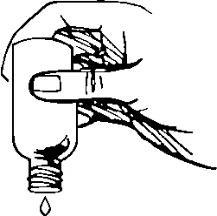
Count the necessary number of drops to pour into the drink (water, orange juice or apple juice),
briefly shake the glass and drink the entire drink.
Prameffex oral drops should not be mixed with other liquids or combined with other medicines.
Adults
Depression
The usual recommended dose of Prameffex is 10 mg (10 drops) daily, in a single dose. This
dose may be increased by the doctor up to a maximum of 20 mg (20 drops) daily.
Panic disorder
The initial dose of Prameffex for the first week of treatment is 5 mg (5 drops) daily, then to be increased to 10 mg (10 drops) daily. The doctor may increase this dose up to a
maximum of 20 mg (20 drops) daily.
Social anxiety disorder
The normally recommended dose of Prameffex is 10 mg (10 drops) daily, in a single dose.
The doctor may decrease the dose to 5 mg (5 drops) daily or increase it up to a maximum of 20 mg
(20 drops) daily, based on your individual response to treatment.
Generalized anxiety disorder
The normally recommended dose of Prameffex is 10 mg (10 drops) daily, in a single dose.
This dose may be increased by the doctor up to a maximum of 20 mg (20 drops) daily.
Obsessive compulsive disorder
The normally recommended dose of Prameffex is 10 mg (10 drops) daily, in a single dose.
This dose may be increased by the doctor up to a maximum of 20 mg (20 drops) daily.
Elderly patients (over 65 years of age)
The recommended initial dose of Prameffex is 5 mg (5 drops) daily, in a single dose. This dose
may be increased by the doctor up to 10 mg (10 drops) daily.
Children and adolescents
Normally Prameffex should not be taken by children and adolescents. For further information
see also paragraph 2 “What you need to know before taking Prameffex”).
Reduced kidney function
Caution is advised in patients with severely impaired kidney function. Take the medicine as
prescribed by your doctor.
Reduced liver function
Patients with liver disorders should not receive more than 10 mg per day. Take the medicine as
prescribed by your doctor.
Patients known to be slow CYP2C19 metabolizers
Patients with this known genotype should not receive more than 10 mg per day. Take the medicine
as prescribed by your doctor.
Duration of treatment
It may take a couple of weeks before you feel any improvement. Continue to
take Prameffex even if there is no immediate improvement in your condition.
The dose should never be changed without first consulting your doctor.
Continue to take Prameffex for as long as your doctor has recommended. If treatment
is stopped too early, symptoms may reappear. It is recommended to continue the
treatment for at least six months after the resolution of symptoms.
If you take more Prameffex than you should
If you have taken a dose of Prameffex higher than that prescribed, you should contact your doctor or go
immediately to the Emergency Room of the nearest hospital, even if you have no signs of discomfort. Some of the symptoms of overdose may be dizziness, tremor,
agitation, convulsions, coma, nausea, vomiting, altered heart rhythm, decreased
blood pressure and changes in electrolyte balance. Bring the Prameffex bottle with you
when you go to a doctor or hospital.
If you forget to take Prameffex
If you forget to take a dose of Prameffex, do not take a double dose. If you forget to
take a dose of Prameffex and remember it before going to bed, take it immediately. Continue
taking it as usual the next day. If, however, you remember it during the night or
the next day, skip the forgotten dose and continue with the normal dosage.
If you stop taking Prameffex
Do not stop taking Prameffex until your doctor tells you to. When you
have completed treatment with Prameffex, it is generally recommended that the dose of Prameffex is
gradually reduced over a couple of weeks.
When you stop taking Prameffex, especially if you stop it suddenly, you may
experience withdrawal symptoms. These are common when stopping treatment with
Prameffex. The risk is greater if you have taken Prameffex for a long time or in high doses or if the
dose is reduced too quickly. Most patients have found that these symptoms
are mild and generally disappear spontaneously within a couple of weeks.
However, in some patients, withdrawal symptoms may be severe or may
persist over time (2-3 months or more). If you experience severe withdrawal symptoms when stopping
treatment with Prameffex, inform your doctor. They may ask you to restart treatment and
continue reducing the doses more gradually.
Withdrawal symptoms include: dizziness (feeling unstable or off balance), tingling sensation, burning sensation (less common), electric shock sensation, even
in the head, sleep disturbances (vivid dreams, nightmares, difficulty sleeping), anxiety, headache, malaise
(nausea), sweating (including night sweats), restlessness or agitation, tremor
(shaking), confusion or disorientation, excessive emotionality or irritability, diarrhea (loose stools),
visual disturbances, heart rhythm disturbances (palpitations).
If you have any questions about the use of this medicine, ask your doctor or pharmacist.
4. Possible side effects
Like all medicines, this medicine can cause side effects, although not everyone will experience them.
Side effects usually disappear after a few weeks of treatment. Please note that many of the side effects can also be symptoms of your illness and, therefore,
decrease when you start to feel better.
If you experience any of the following symptoms, you should contact your doctor or go to hospital immediately:
Uncommon (may affect up to 1 in 100 people):
- abnormal bleeding, including gastrointestinal bleeding.
Rare (may affect up to 1 in 1000):
- Swelling of the skin, tongue, lips or face or if you have difficulty breathing or a feeling of suffocation (allergic reaction).
- High fever, agitation, confusion, tremor and sudden muscle contractions may be symptoms of a rare condition called serotonin syndrome.
Not known (frequency cannot be estimated on the basis of available data)
- difficulty urinating
- seizures (convulsions), see also paragraph “Warnings and precautions”
- yellowing of the skin and whites of the eyes are signs of impaired liver function/hepatitis.
- rapid, irregular heartbeat, feeling faint, which may be symptoms of a life-threatening condition known as Torsades de Pointes.
- thoughts of self-harm or suicide. See also paragraph “Warnings and precautions”
In addition to the side effects mentioned above, the following have also been reported:
Very common (may affect more than 1 in 10 people):
- discomfort (nausea)
- headache
Common (may affect up to 1 in 10 people):
- stuffy or runny nose (sinusitis)
- decreased or increased appetite
- anxiety, restlessness, abnormal dreams, difficulty falling asleep, drowsiness, dizziness, yawning, tremors, skin changes
- diarrhea, constipation, vomiting, dry mouth
- increased sweating
- muscle and joint pain (arthralgia and myalgia)
- sexual dysfunction (delayed ejaculation, problems with erection, decreased sexual drive and women may have difficulty reaching orgasm)
- fatigue, fever
- weight gain.
Uncommon (may affect up to 1 in 100):
- hives, skin rashes, itching
- teeth grinding, agitation, nervousness, panic attacks, confused state
- disturbed sleep, altered taste, fainting (syncope).
- pupil dilation (mydriasis), visual disturbances, ringing in the ears (tinnitus)
- hair loss
- increased menstrual flow
- irregular menstrual cycle
- weight loss
- increased heart rate
- swelling of arms or legs
- nosebleeds.
Rare (may affect up to 1 in 1000):
- aggression, depersonalization, hallucinations
- slowing of the heartbeat.
Not known (frequency cannot be estimated on the basis of available data):
- decreased sodium levels in the blood (symptoms are feeling unwell with muscle weakness or confusion)
- dizziness when standing up due to a drop in blood pressure (orthostatic hypotension)
- changes in liver function values (increased amount of liver enzymes in the blood)
- movement disorders (involuntary muscle movements)
- painful erections (priapism)
- signs of increased bleeding, for example of the skin and mucous membranes (ecchymosis)
- sudden swelling of the skin or mucous membranes (angioedema)
- increased production of a hormone called ADH, which causes fluid retention and dilution of the blood, resulting in reduced sodium levels (inappropriate secretion of ADH)
- secretion of milk in men and in women who are not breastfeeding
- mania
- an increased risk of bone fractures has been observed in patients taking this type of medicine
- alteration of the heart rhythm (called “prolongation of the QT interval”, assessed by an ECG that records the electrical activity of the heart).
- heavy vaginal bleeding shortly after childbirth (postpartum hemorrhage), see paragraph 2 “Pregnancy, breastfeeding and fertility” for further information
In addition, a number of side effects are known for drugs that act like escitalopram
(active ingredient of Prameffex). And they are:
- restless legs (akathisia)
- loss of appetite
Reporting of side effectsIf you get any side effects, talk to your doctor or pharmacist. This includes any side effects not listed in this leaflet. You can also report side effects directly
through the national reporting system at https://www.aifa.gov.it/content/segnalazioni-
reazioni-avverse. By reporting side effects you can help provide more information on the safety of this medicine
5. How to store Prameffex
Keep this medicine out of the sight and reach of children.
Do not use this medicine after the expiry date which is stated on the packaging and on the label of the
bottle after Exp. (the expiry date).
The expiry date refers to the last day of that month.
After opening, the oral drops solution, must be used within 8 weeks and stored at a
temperature below 25°C.
Do not dispose of any medicine in wastewater or household waste. Ask your pharmacist how to
dispose of medicines you no longer use. This will help protect the environment.
6. Contents of the pack and other information
What Prameffex contains
The active ingredient is escitalopram. Each ml of Prameffex oral drops contains 20 mg of escitalopram
(as escitalopram oxalate).
1 drop contains 1 mg of escitalopram.
The other ingredients are: anhydrous citric acid, purified water, 96% ethanol, propyl gallate, sodium
hydroxide.
Description of the appearance of Prameffex and contents of the pack
Prameffex oral drops, solution is available in a brown glass bottle with a dropper applicator of 15 ml.
Not all pack sizes may be marketed.
Prameffex oral drops, solution is a transparent solution, from almost colorless to yellowish.
Marketing Authorisation Holder
Neuraxpharm Italy S.p.A.
Via Piceno Aprutina, 47
63100 Ascoli Piceno (AP),
Italy
Manufacturer
Special Product’s Line S.p.A.
Via Fratta Rotonda Vado Largo 1,
03012 Anagni (FR),
Italy

Не уверены, подходит ли вам это лекарство?
Обсудите симптомы и варианты лечения с врачом онлайн.

Уже начали прием и появились вопросы?
Обсудите свое состояние и дальнейшие шаги с врачом онлайн.
- Страна регистрации
- Форма выпускаFilm-coated tablet, 10 MG
- Код АТХN06AB10
- Действующее вещество
- Отпускается по рецептуДа
- Производитель
- Информация на этой странице носит справочный характер и не является медицинской консультацией. Перед началом приема лекарства обязательно проконсультируйтесь с врачом.
- Аналоги PRAMEFFEXФорма выпуска: Film-coated tablet, 10 MGДействующее вещество: эсциталопрамПроизводитель: ECUPHARMA S.R.L.Отпускается по рецептуФорма выпуска: Film-coated tablet, 5 MGДействующее вещество: эсциталопрамПроизводитель: H. LUNDBECK A/SОтпускается по рецептуФорма выпуска: Orodispersible tablet, 10 MGДействующее вещество: эсциталопрамПроизводитель: ZENTIVA ITALIA S.R.L.Отпускается по рецепту
Аналоги PRAMEFFEX в других странах
Лекарства с тем же действующим веществом, доступные в других странах.
Аналог PRAMEFFEX в Испания
Аналог PRAMEFFEX в Польша
Аналог PRAMEFFEX в Украина
Врачи онлайн по PRAMEFFEX
Обсудите применение PRAMEFFEX и возможные следующие шаги — по оценке врача.







Получите рецепт на PRAMEFFEX онлайн
Заполните форму за 2 минуты
Расскажите о симптомах, истории болезни и нужном препарате.
Выберите врача или мы назначим
Выберите специалиста или мы подберём ближайшего доступного врача.
Врач рассматривает ваш случай
Обычно в течение 30 минут. Может задать уточняющие вопросы в чате.
Получите в любой аптеке
Электронный рецепт отправляется на вашу почту — действителен по всей Польше.
Часто задаваемые вопросы
PRAMEFFEX требует рецепта в Италия. Вы можете уточнить у врача онлайн, подходит ли это лекарство для вашей ситуации.
Действующее вещество PRAMEFFEX — эсциталопрам. Эта информация помогает определить лекарства с тем же составом под другими торговыми названиями.
PRAMEFFEX производится компанией NEURAXPHARM ITALY S.P.A.. Упаковка и торговое название могут отличаться в зависимости от дистрибьютора.
Врачи, включая Семейные врачи, Психиатры, Дерматологи, Кардиологи, Эндокринологи, Гастроэнтерологи, Пульмонологи, Нефрологи, Ревматологи, Гематологи, Инфекционисты, Аллергологи, Гериатры, Педиатры, Онкологи, могут оценить целесообразность применения PRAMEFFEX с учетом вашей ситуации и местных правил. Вы можете записаться на онлайн-консультацию, чтобы обсудить возможные варианты.
Польша имеет хорошо развитую систему здравоохранения в крупных городах, таких как Варшава, Краков, Вроцлав и Гданьск. Аптеки широко доступны и работают в соответствии с действующим законодательством, обеспечивая доступ к рецептурным препаратам.
Вы можете купить PRAMEFFEX в Варшаве, Кракове, Вроцлаве или Гданьске в любой аптеке при наличии действующего рецепта.
Чтобы получить рецепт, вы можете воспользоваться Oladoctor:
Другие лекарства с тем же действующим веществом (эсциталопрам) включают AMAS, KIPRALEX, ESERTAL. Они могут отличаться торговым названием или формой выпуска, но содержат одинаковый терапевтический компонент. Перед изменением лечения рекомендуется проконсультироваться с врачом.
