



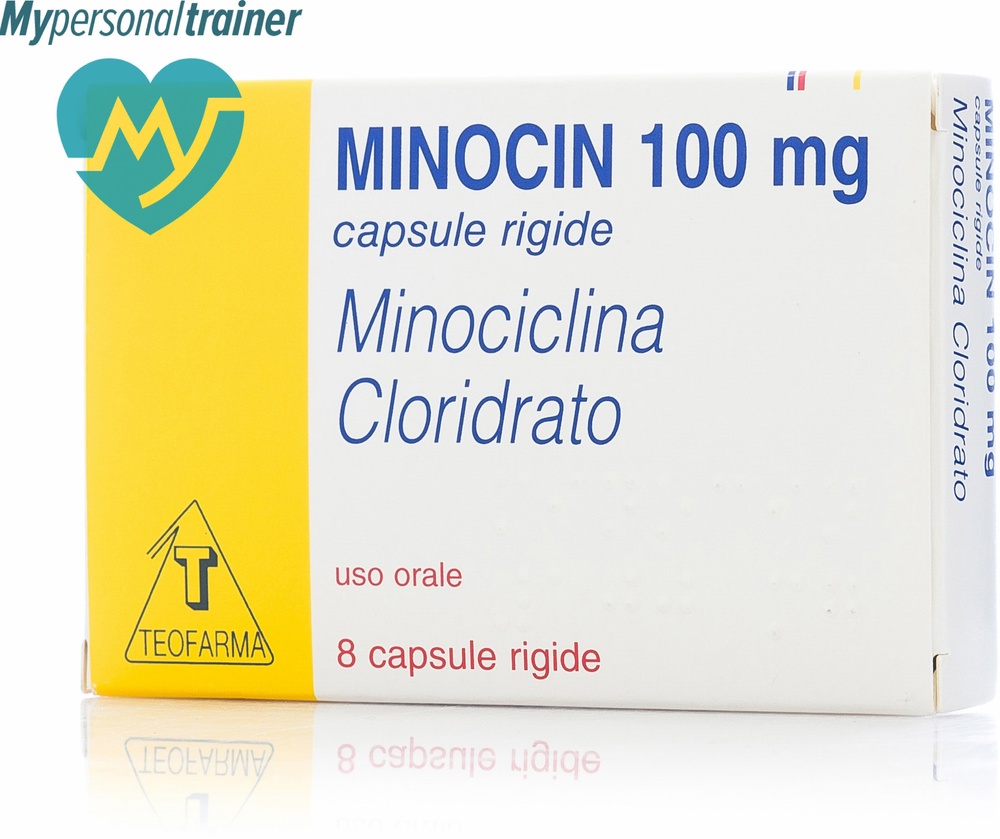
MINOCIN 100 mg Капсулы Твердые

Рассмотрение рецепта онлайн
Врач рассмотрит ваш случай и примет решение о назначении рецепта, если это медицински оправдано.

Поговорите с врачом об этом лекарстве
Обсудите симптомы и возможные дальнейшие шаги на онлайн-консультации.



Инструкция по применению MINOKIN
Содержание инструкции
MINOCIN 50 mg, hard capsules, 100 mg, hard capsules
Minocycline hydrochloride
Read this leaflet carefully before you start taking this medicine as it contains important information for you.
- Keep this leaflet. You may need to read it again.
- If you have any questions, ask your doctor or pharmacist.
- This medicine has been prescribed for you only. Do not pass it on to others, even if they have the same symptoms as you, as it may be harmful.
- If you get any side effects, even those not listed in this leaflet, tell your doctor or pharmacist. See section 4. Contents of this leaflet
- 1. What MINOCIN is and what it is used for
- 2. What you need to know before you take MINOCIN
- 3. How to take MINOCIN
- 4. Possible side effects
- 5. How to store MINOCIN
- 6. Contents of the pack and other information
1. What MINOCIN, hard capsules are and what they are used for
Minocin contains the active ingredient minocycline. Minocycline is an antibiotic belonging
to the tetracycline family (anti-infectives) that works against infections that can affect
various parts of the body.
Minocin is used for the treatment of:
- Respiratory tract infections: pneumonias (lobar or multilobar), bronchitis, bronchopneumonia, bronchiolitis, lung abscesses, laryngotracheitis, tracheobronchitis.
- Genito-urinary tract infections: uncomplicated urinary tract infections, cystitis, prostatitis, gonococcal and non-gonococcal urethritis, pelvic inflammatory disease.
- Skin and soft tissue infections: abscesses, acne (including cystic and pustular types), cellulitis, infected dermatitis, folliculitis, furunculosis, impetigo, lymphadenitis, suppurative hidradenitis, paronychia, pyoderma, wound infections.
- Ear, nose and throat infections: acute and external otitis media, bacterial rhinitis, sinusitis, tonsillitis, pharyngitis.
- Eye infections: acute conjunctivitis, dacryocystitis, hordeolum.
- Furthermore, recent research has demonstrated the activity of MINOCIN in relation to the following conditions: diphtheria, erythrasma, mycoplasma pneumonia, meningitis (prophylaxis), salmonellosis (paratyphoid fever), bacillary dysentery, actinomycosis, malignant pustule, puerperal infections, bartonellosis (Carrion's disease), whooping cough, recurrent fever, brucellosis, gas gangrene, inguinal granuloma (donovanosis) acute intestinal amoebiasis, tularemia, listeriosis, plague, petechial typhus, Q fever, Rocky Mountain spotted fever, vesicular rickettsiosis, rat-bite fever, syphilis, Vincent's infections, yaws, cholera, venereal lymphogranuloma, psittacosis and trachoma.
2. What you need to know before taking MINOCIN
Do not take MINOCIN:
- if you are allergic to minocycline hydrochloride, another tetracycline, or any of the other ingredients of this medicine (listed in section 6)
- if you have severe kidney failure (serious kidney disease)
- if you are breastfeeding or if you are pregnant (see section “Pregnancy and breastfeeding”)
- if the patient is a child under 12 years old (see “Warnings and precautions”). Warnings and precautionsTalk to your doctor or pharmacist before taking MINOCIN.
If you have previously experienced an allergic reaction to minocycline, a tetracycline, or any antibiotic after taking one, tell your doctor before taking Minocin. In case of an allergic reaction, stop immediatelytreatment with Minocin and go to the nearest hospital.
Hypersensitivity reactions: the use of MINOCIN, like other tetracyclines, has been associated with hypersensitivity reactions, such as exfoliative dermatitis, Stevens-Johnson syndrome, hepatitis and systemic lupus erythematosus (see section “Undesirable effects”), particularly in patients who were taking the drug long-term for acne. MINOCIN should be discontinued at the first appearance of a rash, mucosal lesions or any sign of hypersensitivity. Other hypersensitivity reactions may include urticaria, angioedema, pulmonary infiltrates, anaphylaxis, hematological disorders, pericarditis, myocarditis and vasculitis (see section “Undesirable effects”).
- The indiscriminate use of tetracyclines can cause excessive growth of germs that are not susceptible, such as Candida (oral thrush, vulvovaginitis, anal itching) and some bacteria such as Pseudomonas and Proteus which can cause diarrhea.
- A photosensitization reaction, which manifests as an exaggerated reaction of the skin to the sun and ultraviolet rays, can occur during treatment with a tetracycline in sensitive individuals; if you need to be exposed directly to the sun or UV rays, treatment with minocycline should be suspended as soon as a rash appears.
- In the treatment of infections caused by gonococcus (bacteria), attention should be paid to the risk of masking the manifestations of a coexisting syphilis: it is appropriate, in these cases, to perform blood tests for at least 4 months.
- Skin pigmentation (change in skin color): the use of minocycline and other tetracyclines is associated with increased pigmentation of the skin, nails and other tissues (see section “Undesirable effects”).
- Blue-dark spots may appear in inflamed and scarred areas.
- Gray-blue or hyperpigmentation spots may appear in areas of normal skin.
- Gray-brown spots may develop in areas of skin exposed to the sun. In general, skin pigmentation resolves slowly after discontinuation of the drug.
- Liver failure (liver problems): the use of minocycline and other tetracyclines can cause serious liver disorders. If you experience liver problems, such as unexplained nausea, vomiting, abdominal pain, fatigue, anorexia (weight loss) and dark urine, see your doctor.
Children
Dental and bone deposition: tetracyclines can deposit in teeth and bones during the period of formation and growth, causing hypoplasia and a change in tooth color (yellow-brown pigmentation); therefore MINOCIN should not be administered to children under 12 years of age, during pregnancy and breastfeeding.
Other medicines and MINOCIN, hard capsules
Tell your doctor or pharmacist if you are taking, have recently taken or might take any other medicines.
Talk to your doctor if you are taking any of the following medicines:
- antacid preparations containing aluminum, calcium and magnesium (used for some digestive disorders); as these reduce the absorption and therefore the effectiveness of Minocin, therefore you should space the administration of these medicines from Minocin by at least 2 hours, if possible.
- treatments (taken orally) containing iron, zinc and bismuth;
- Oral contraceptives (because the effectiveness of the contraceptive may be reduced, therefore unwanted pregnancies or bleeding between periods)
- a coumarin anticoagulant treatment. Minocin may increase the effect of these anticoagulants, so the dose may need to be reduced.
Concomitant use of Minocin and: is not recommended
- Systemic retinoids; co-administration increases the risk of benign intracranial hypertension (a reversible increase in pressure inside the skull).
- Methoxyflurane; co-administration has led to fatal cases caused by toxic effects on the kidneys.
Minocin can alter laboratory tests
False increases in catecholamine levels in the urine may occur due to interference with fluorescence testing.
Rarely, interactions between Minocin and:
- lithium (used for mental disorders)
- methotrexate (used for immune disorders or in oncology therapy)
- digoxin (used for heart problems)
- ergotamine derivatives (used for the treatment of acute headache and other disorders)
Taking Minocin with food and drink
Milk and dairy products can reduce the absorption of Minocin, so they should be consumed at an interval of at least two hours from each other.
Cases of esophageal ulcer have been reported, especially after ingestion of capsules with little water at bedtime. Therefore MINOCIN should be taken with at least half a glass of water in an upright or seated position and at least 1 hour before bedtime.
Pregnancy and breastfeeding
If you are pregnant, suspect you may be pregnant, or are planning to become pregnant, or if you are breastfeeding, ask your doctor or pharmacist for advice before taking this medicine.
- Taking MINOCIN is not recommended during pregnancy. This medicine, like other tetracyclines, crosses the placenta and can delay the development of the skeleton of the unborn child. If a patient becomes pregnant while taking MINOCIN, discontinuation of treatment is recommended.
- Minocycline is excreted in breast milk. Treatment with MINOCIN is not recommended in women who are breastfeeding. Driving and using machinesMinocin can cause: visual disturbances, dizziness, tinnitus and vertigo. Therefore, before getting behind the wheel, make sure of the effect that Minocin has on you.
3. How to take MINOCIN, hard capsules
Take this medicine following exactly the instructions of your doctor or pharmacist. If you have any doubts, ask your doctor or pharmacist.
Dosage
The usual initial dose in adults is 200 mg, followed by a dose of 100 mg every 12 hours.
Treatment of acne: MINOCIN should be administered at a dosage of one 50 mg capsule every 12 hours or one 100 mg capsule once a day (treatment must be continued for at least 6 weeks).
In the treatment of non-gonococcal genitourinary infections (cervicitis, urethritis), Minocin should be administered, away from meals, at a dosage of one 50 mg capsule every 12 hours or one 100 mg capsule in a single dose for 7 days.
In the treatment of gonococcal infections, brucellosis, ocular and pulmonary infections due to chlamydia, rickettsiosis, Q fever, otolaryngological infections due to Haemophilus influenzae, spirochetoses and cholera, Minocin should be administered at a dosage of 100 mg every 12 hours, away from meals.
In the treatment of acute exacerbations of chronic bronchitis, Minocin should be administered at a dosage of 100 mg/day, taken away from meals.
Patients with renal insufficiency: since even normal doses of tetracyclines can lead to accumulation in the circulation with possible liver damage, the treating physician will adjust the dosage to the severity of renal insufficiency, resorting, if necessary, to monitoring of blood levels (which should never exceed 15 mcg/ml) and liver function.
Use in children (over 12 years of age)
The recommended dose of Minocin is 100 mg total divided into two administrations per day according to the instructions given by your doctor.
Method of administration
To avoid irritation of the esophagus (the tube connecting the throat to the stomach), take the capsule with at least half a glass of water, in an upright or seated position and at least 1 hour before going to bed.
Duration of treatment
All antibiotics must be used at a full dosage for at least 5 days, before considering them ineffective. Your doctor will tell you how long you should take them (therapy normally continues even 1-2 days after the disappearance of symptoms).
If you take more MINOCIN, hard capsules than you should
In case of accidental ingestion/taking of an excessive dose of MINOCIN, immediately inform your doctor or go to the nearest hospital.
If you have any doubts about the use of this medicine, ask your doctor or pharmacist.
4. Possible side effects
Like all medicines, this medicine can cause side effects, although not everyone will experience them.
Side effects.
Common side effects (≥1/100, <1/10)
- nausea, vomiting, dyspepsia (stomach digestive disorders), diarrhea
- dizziness, vertigo, Uncommon side effects (≥1/1,000, <1/100)
- stomatitis (inflammation of the oral mucosa), glossitis (inflammation of the tongue), tooth discoloration
- increased liver enzymes
- erythematous maculopapular rash (skin rash with areas of redness) and hyperpigmentation (excessive increase in color) of the skin, nails, teeth, oral mucosa, bones, thyroid and eyes (including sclera and conjunctiva), photosensitivity (abnormal skin reaction to sunlight)
- headache, visual disturbances*
- fever, urticaria (skin rash with wheals and itching)
- myalgia (muscle pain), arthralgia (pain at the level of the joints)
- dyspnea (difficulty breathing), bronchospasm (reduction in the measure of the bronchi) Rare side effects (≥ 1/10,000, <1/1,000)
- enterocolitis (inflammation of the intestinal mucosa), esophagitis (inflammation of the esophagus)
- hepatitis (inflammation of the liver), jaundice (yellowish coloration of the skin and the white part of the eyes due to excessive increase of bilirubin in the blood), hepatic cholestasis (interruption of the flow of bile), liver failure, autoimmune hepatotoxicity
- anorexia (weight loss)
- tinnitus (noise in the ear), hypoacusis (hearing loss), vestibular disorders
- exfoliative dermatitis (skin inflammation with scaling), erythema multiforme, erythema nodosum, itching, fixed drug eruption
- anaphylactoid/anaphylactic reactions (severe allergic reactions)
- oral candidiasis (localized infection of the mouth) and ano-genital, vaginitis (inflammation of the vagina)
- systemic lupus erythematosus (chronic inflammatory disease), polymyositis (inflammatory muscle disease), lupus-like syndrome
- pneumonia (lung infection), cough, worsening of asthma, pulmonary eosinophilia
- leukopenia (reduction of some white blood cells in the blood), neutropenia (decrease of some blood cells), thrombocytopenia (reduction of some blood cells), eosinophilia (increase of some white blood cells in the blood)
- myocarditis (inflammation of the heart), pericarditis (inflammation of the membrane lining the heart), vasculitis (inflammation of blood vessels)
- hypoesthesia, paresthesia (partial or total decrease of tactile, thermal or painful sensitivity)
- DRESS syndrome, drug reaction with eosinophilia and systemic symptoms (characterized by fever, rash, lymphadenopathy, eosinophilia, leukocytosis, abnormalities in liver function indices, hepatitis) Very rare side effects (<1/10,000), including isolated cases
- pancreatitis (inflammation of the pancreas), pseudomembranous colitis (severe
inflammation of the colon),
- Stevens-Johnson syndrome (severe hypersensitivity reaction affecting the skin and mucous membranes), toxic epidermal necrolysis, angioedema, alopecia (hair loss)
- benign intracranial hypertension* (increased pressure inside the skull), bulging fontanelles, hearing loss
- agranulocytosis (notable reduction of some white blood cells in the blood that can completely disappear), hemolytic anemia (destruction of red blood cells), aplastic anemia (insufficient production of blood cells), pancytopenia (reduction of all blood cells)
- interstitial nephritis (inflammation affecting the kidneys), acute renal failure, increased uricemia (uric acid in the blood)
- arthritis, joint stiffness and joint swelling, exacerbation of systemic lupus erythematosus (chronic autoimmune disease that can affect various organs and tissues of the body)
Side effects not known
- *
* In association with tetracyclines, including Minocycline, benign intracranial hypertension has been reported with possible symptoms of headache, vomiting, visual disturbances including blurred vision, scotoma, diplopia or permanent vision loss. The manifestation of clinical symptoms, including headache or visual disturbances, should suggest the possibility of a diagnosis of intracranial hypertension. If increased intracranial pressure is suspected during treatment with tetracyclines, administration should be discontinued.
Reporting of side effects
www.aifa.gov.it/content/segnalazioni-reazioni-avverse.
5. How to store MINOCIN, hard capsules
Keep this medicine out of sight and reach of children.
Do not use this medicine after the expiry date which is reported on the packaging. The expiry
date indicated refers to the product in intact packaging, correctly
stored.
Store at room temperature below 25 °C.
Do not dispose of any medicine in wastewater or household waste. Ask your pharmacist
how to dispose of medicines you no longer use. This will help protect the environment.
6. Contents of the pack and other information
What MINOCIN, hard capsules contains
MINOCIN 50 mg, hard capsules
The active ingredient is: minocycline hydrochloride…54 mg
(equivalent to 50 mg of minocycline)
per capsule.
The other ingredients are: magnesium stearate, starch, erythrosine (E127), yellow iron oxide
(E172), titanium dioxide (E171), gelatin.
MINOCIN 100 mg, hard capsules
The active ingredient is: minocycline hydrochloride…108 mg (equivalent to 100 mg of minocycline)
per capsule
The other ingredients are: magnesium stearate, starch, erythrosine (E127), indigotine (E132),
titanium dioxide (E171), gelatin.
Description of the appearance of MINOCIN, hard capsules and contents of the pack
Pack of 16 hard capsules of 50 mg in blisters
Pack of 8 hard capsules of 100 mg in blisters
Marketing Authorisation Holder
TEOFARMA S.r.l.
Via F.lli Cervi, 8 - 27010 Valle Salimbene (PV)
Fax 0382.525845
e-mail: [email protected]
Manufacturer:
TEOFARMA S.r.l.
Viale Certosa, 8/A - 27100 Pavia
More detailed information on this medicinal product is available on the website of the Italian
Medicines Agency (AIFA): www.agenziafarmaco.gov.it

Не уверены, подходит ли вам это лекарство?
Обсудите симптомы и варианты лечения с врачом онлайн.

Уже начали прием и появились вопросы?
Обсудите свое состояние и дальнейшие шаги с врачом онлайн.
- Страна регистрации
- Форма выпускаHard capsule, 100 MG
- Код АТХJ01AA08
- Действующее вещество
- Отпускается по рецептуДа
- Производитель
- Информация на этой странице носит справочный характер и не является медицинской консультацией. Перед началом приема лекарства обязательно проконсультируйтесь с врачом.
- Аналоги MINOKINФорма выпуска: Hard capsule, 250 MGДействующее вещество: tetracyclineПроизводитель: SCHARPER S.P.A.Отпускается по рецептуФорма выпуска: Tablet, 100 MGДействующее вещество: ДоксициклинПроизводитель: PFIZER ITALIA S.R.L.Отпускается по рецептуФорма выпуска: Film-coated tablet, 100 MGДействующее вещество: ДоксициклинПроизводитель: F.I.R.M.A. S.P.A.Отпускается по рецепту
Аналоги MINOKIN в других странах
Лекарства с тем же действующим веществом, доступные в других странах.
Аналог MINOKIN в Испания
Врачи онлайн по MINOKIN
Обсудите применение MINOKIN и возможные следующие шаги — по оценке врача.









Получите рецепт на MINOKIN онлайн
Заполните форму за 2 минуты
Расскажите о симптомах, истории болезни и нужном препарате.
Выберите врача или мы назначим
Выберите специалиста или мы подберём ближайшего доступного врача.
Врач рассматривает ваш случай
Обычно в течение 30 минут. Может задать уточняющие вопросы в чате.
Получите в любой аптеке
Электронный рецепт отправляется на вашу почту — действителен по всей Польше.
Часто задаваемые вопросы
MINOKIN требует рецепта в Италия. Вы можете уточнить у врача онлайн, подходит ли это лекарство для вашей ситуации.
Действующее вещество MINOKIN — minocycline. Эта информация помогает определить лекарства с тем же составом под другими торговыми названиями.
MINOKIN производится компанией TEOFARMA S.R.L.. Упаковка и торговое название могут отличаться в зависимости от дистрибьютора.
Врачи, включая Семейные врачи, Психиатры, Дерматологи, Кардиологи, Эндокринологи, Гастроэнтерологи, Пульмонологи, Нефрологи, Ревматологи, Гематологи, Инфекционисты, Аллергологи, Гериатры, Педиатры, Онкологи, могут оценить целесообразность применения MINOKIN с учетом вашей ситуации и местных правил. Вы можете записаться на онлайн-консультацию, чтобы обсудить возможные варианты.
Польша имеет хорошо развитую систему здравоохранения в крупных городах, таких как Варшава, Краков, Вроцлав и Гданьск. Аптеки широко доступны и работают в соответствии с действующим законодательством, обеспечивая доступ к рецептурным препаратам.
Вы можете купить MINOKIN в Варшаве, Кракове, Вроцлаве или Гданьске в любой аптеке при наличии действующего рецепта.
Чтобы получить рецепт, вы можете воспользоваться Oladoctor:
Другие лекарства с тем же действующим веществом (minocycline) включают AMBRAMIKINA, BASSADO, DOXYNOR. Они могут отличаться торговым названием или формой выпуска, но содержат одинаковый терапевтический компонент. Перед изменением лечения рекомендуется проконсультироваться с врачом.
