



LYRICA 25 mg Капсулы Твердые

Рассмотрение рецепта онлайн
Врач рассмотрит ваш случай и примет решение о назначении рецепта, если это медицински оправдано.

Поговорите с врачом об этом лекарстве
Обсудите симптомы и возможные дальнейшие шаги на онлайн-консультации.



Инструкция по применению LYRIKA
Содержание инструкции
- Lyrica 25 mg hard capsules, 50 mg hard capsules, 75 mg hard capsules, 100 mg hard capsules, 150 mg hard capsules, 200 mg hard capsules, 225 mg hard capsules
- Lyrica 20 mg/mL oral solution
- Lyrica 25 mg orodispersible tablets, 75 mg orodispersible tablets, 150 mg orodispersible tablets
Lyrica 25 mg hard capsules, 50 mg hard capsules, 75 mg hard capsules, 100 mg hard capsules, 150 mg hard capsules, 200 mg hard capsules, 225 mg hard capsules
Lyrica 300 mg hard capsules
pregabalin
Read this leaflet carefully before you start taking this medicine because it contains
important information for you.
- Keep this leaflet. You may need to read it again.
- If you have any questions, ask your doctor or pharmacist.
- This medicine has been prescribed for you only. Do not pass it on to others, even if they have the same symptoms as you, as it may be harmful.
- If you get any side effects, even those not listed in this leaflet, tell your doctor or pharmacist. See section 4.
Contents of this leaflet
- 1. What Lyrica is and what it is used for
- 2. What you need to know before you take Lyrica
- 3. How to take Lyrica
- 4. Possible side effects
- 5. How to store Lyrica
- 6. Contents of the pack and other information
1. What is Lyrica and what is it used for
Lyrica belongs to a group of medicines used to treat epilepsy, neuropathic pain and
Generalized Anxiety Disorder (GAD) in adults.
Peripheral and central neuropathic pain:Lyrica is used to treat chronic pain
caused by damage to the nervous system. Various diseases can cause peripheral neuropathic pain,
such as diabetes or herpes zoster. Pain sensations can be described as
heat, burning, throbbing, pulsating, stabbing, sharp, cramping,
suffering, tingling, numbness ,pricking pains. Peripheral and central neuropathic pain can
also be associated with mood swings, sleep disturbances and fatigue (tiredness) and can have an
impact on physical and social activity and overall quality of life.
Epilepsy:Lyrica is used to treat certain forms of epilepsy in adults (partial seizures
with or without secondary generalization). Your doctor will prescribe Lyrica to help in
treating your epilepsy when the treatment you are already receiving does not control the condition. You will need
to take Lyrica in addition to the treatment you are already undergoing. Lyrica is not used alone, but
must always be combined with other antiepileptic treatments.
Generalized Anxiety Disorder:Lyrica is used for the treatment of Generalized Anxiety
Disorder (GAD). The symptoms of Generalized Anxiety Disorder are characterized by excessive and prolonged
anxiety and worry that are difficult to control. Generalized Anxiety
Disorder can also cause restlessness or a feeling of tension or being on edge, easy fatigue (tiredness), difficulty concentrating or memory lapses, irritability,
muscle tension or sleep disturbances. These conditions are different from stress and the tensions
of everyday life.
2. What you need to know before you take Lyrica
Do not take Lyrica
If you are allergic to pregabalin or to any of the other ingredients of this medicine (listed in
section 6).
Warnings and precautions
Talk to your doctor or pharmacist before taking Lyrica.
- In some patients being treated with Lyrica, symptoms indicative of allergic reactions have been reported. These symptoms include swelling of the face, lips, tongue and throat, as well as a widespread rash. If you experience any of these reactions, contact your doctor immediately.
- Severe skin rashes, including Stevens‑Johnson syndrome and toxic epidermal necrolysis have been reported in association with treatment with pregabalin. Stop using pregabalin and contact your doctor immediately if you develop any of the symptoms related to these severe skin reactions, described in section 4.
- Lyrica has been associated with dizziness and drowsiness which may increase the risk of accidental injuries (falls) in the elderly. Therefore, you should be careful until you are familiar with the effects the medicine may have on you.
- Lyrica can cause blurred vision or loss of vision or other changes in vision, many of which are transient. If you experience any changes in vision, contact your doctor immediately.
- In some patients with diabetes who gain weight during treatment with pregabalin, it may be necessary to adjust the medicines for diabetes.
- Some undesirable effects, such as drowsiness, may be more common because patients with spinal cord injury may be treated with other medicines to treat, for example, pain or spasticity, which have undesirable effects similar to those of Pregabalin and the severity of these effects may increase when these medicines are taken together.
- There have been reports of heart failure in some patients treated with Lyrica; these patients were mostly elderly with cardiovascular disease. If you have ahistory of cardiovascular disease before starting treatment with this medicineyou should inform your doctor.
- There have been reports of kidney failure in some patients treated with Lyrica. If you notice a decrease in urination during treatment with Lyrica, tell your doctor because stopping the use of this medicine may improve this condition.
- A small number of patients treated with antiepileptic medicines like Lyrica have experienced suicidal thoughts and self-harm (hurting yourself). At any time if you have thoughts of this kind, contact your doctor immediately.
- When Lyrica is used together with other medicines that can cause constipation (such as some types of pain medicines) gastrointestinal problems (e.g. constipation, blocked or paralyzed bowel) may occur. Tell your doctor if you experience constipation, especially if you are prone to this problem.
- Before taking this medicine, tell your doctor if you have a history of alcohol, prescription medicine or illegal substance abuse, as this may indicate that you are at a higher risk of becoming dependent on Lyrica.
- Cases of seizures have been reported when taking Lyrica or shortly after stopping it. If you experience seizures, contact your doctor immediately.
- Cases of reduced brain function (encephalopathy) have occurred in some patients taking Lyrica when they have other conditions. Tell your doctor if you have a history of other serious medical conditions, including liver or kidney disease.
- Cases of difficulty breathing have occurred. If you suffer from nervous system diseases, respiratory diseases, kidney impairment or if you are over 65 years of age, your doctor may prescribe a different dosing regimen. Tell your doctor if you have difficulty breathing or are breathing shallowly.
Dependence
Some people may become dependent on Lyrica (i.e., feel the need to continue to
take the medicine). They may experience withdrawal effects when they stop using Lyrica
(see section 3, “How to take Lyrica” and “If you stop taking Lyrica”). If you are
concerned about the possibility of developing a dependence on Lyrica, talk to your doctor.
If you notice any of the following signs while taking Lyrica, you may have developed a
dependence on the medicine:
- You feel the need to take the medicine for longer than recommended by your doctor
- You feel the need to take a higher dose than recommended
- You are using the medicine for reasons other than those for which it was prescribed
- You have made repeated and unsuccessful attempts to stop or control the use of the medicine
- When you stop taking the medicine, you do not feel well and feel better when you start taking it again If you notice any of these signs, talk to your doctor to discuss the best course of treatment for you, including when it is appropriate to stop taking it and how to do so safely.
Children and adolescents
The safety and efficacy of pregabalin in children and adolescents (under 18 years of age) have not
been established and therefore pregabalin should not be used in this age group.
Other medicines and Lyrica
Tell your doctor or pharmacist if you are taking, have recently taken or might take
any other medicines.
Lyrica and other medicines can influence each other (interaction). When Lyrica is taken
together with other medicines that have sedative effects (including opioids) Lyrica can enhance
these effects and may cause respiratory failure, coma and death. The intensity of dizziness,
drowsiness and reduced concentration may increase if Lyrica is taken
together with other medicines containing:
Oxycodone – (used as a painkiller)
Lorazepam – (used for the treatment of anxiety)
Alcohol
Lyrica can be taken at the same time as oral contraceptives.
Lyrica with food, drinks and alcohol
Lyrica capsules can be taken with or without food.
It is advisable not to drink alcohol during treatment with Lyrica.
Pregnancy and breastfeeding
Lyrica should not be taken during pregnancy or breastfeeding, unless your
doctor has told you otherwise.
The use of pregabalin during the first 3 months of pregnancy may cause congenital malformations in
the newborn that require medical care. In a study that examined data from women in the
Nordic countries who had taken pregabalin during the first 3 months of pregnancy, 6 children out of 100
presented
such congenital malformations, compared to 4 children out of 100 born to women not treated with
pregabalin in the study. Anomalies of the face (oro-facial clefts), eyes, the
nervous system (including the brain), kidneys and genitals have been reported.
Women of childbearing potential should use an effective method of contraception. If you are pregnant, suspect or are planning a pregnancy, or are breastfeeding, ask
your doctor or pharmacist for advice before taking this medicine.
Driving and using machines
Lyrica can cause dizziness, drowsiness and reduced concentration. You should not drive,
operate complex machinery or engage in potentially dangerous activities until you
have ascertained whether this medicine alters your ability to perform these activities.
Lyrica contains lactose monohydrate
If your doctor has told you that you have an intolerance to some sugars, contact him or her before taking this
medicine.
Lyrica contains sodium
This medicine contains less than 1 mmol (23 mg) of sodium per hard capsule, i.e.
it is
essentially “sodium-free”.
3. How to take Lyrica
Take this medicine exactly as your doctor has told you. If you have any doubts, ask your doctor or pharmacist. Do not take more medicine than prescribed.
Your doctor will determine the appropriate dose for you.
Lyrica is for oral use only.
Peripheral and central neuropathic pain, epilepsy or Generalised Anxiety Disorder:
- Take the number of capsules prescribed by your doctor.
- The appropriate dose for you and your condition generally ranges from 150 mg to 600 mg per day.
- Your doctor will tell you to take Lyrica two or three times a day. If you take the medicine twice a day, take Lyrica once in the morning and once in the evening, always at about the same time. If you take the medicine three times a day, take Lyrica once in the morning, once in the afternoon and once in the evening, always at about the same time.
If you feel that the effect of Lyrica is too strong or too weak, talk to your doctor or
pharmacist.
If you are elderly (over 65 years of age), you should take Lyrica as normal unless you have kidney
problems.
Your doctor may prescribe a different dosage and/or a different dose if you have kidney problems.
Swallow the capsule whole with water.
Continue to take Lyrica until your doctor tells you to stop treatment.
If you take more Lyrica than you should
Contact your doctor immediately or go immediately to the nearest hospital. Bring the
pack of Lyrica capsules with you. You may feel sleepy, confused, agitated and restless, as you have
taken more Lyrica than you should. Seizures and loss of consciousness (coma) have also been reported.
If you forget to take Lyrica
It is important to take Lyrica capsules regularly every day at the same time. If you forget to
take a dose, take it as soon as you remember if it is not time to
take the next dose. In this case, take the next dose as scheduled. Do not take a
double dose to make up for a forgotten dose.
If you stop taking Lyrica
Do not suddenly stop taking Lyrica. If you want to stop taking
Lyrica, talk to your doctor first. They will explain how to do it.
If treatment is stopped, the discontinuation must be done gradually over
at least 1 week.
You should know that after stopping long-term and short-term treatment with Lyrica, you may
experience some undesirable effects, so-called withdrawal effects. These effects include,
sleep disturbances, headache, nausea, anxiety, diarrhoea, flu-like symptoms, convulsions, nervousness,
depression, suicidal or self-harming thoughts, pain, sweating and dizziness. These effects
may occur more frequently or severely if you have taken Lyrica for a longer period of
time. If you experience withdrawal effects, you should contact your doctor.
If you have any questions about the use of this medicine, ask your doctor or pharmacist.
4. Possible side effects
Like all medicines, this medicine can cause side effects, although not everyone gets them.
Very common: may affect more than 1 in 10 people:
Dizziness, drowsiness, headache.
Common: may affect up to 1 in 10 people:
- Increased appetite
- Feeling of excitement, confusion, disorientation, decreased sexual interest, irritability.
- Difficulty with concentration, clumsiness, impaired memory, memory loss, tremor, difficulty speaking, tingling sensation, numbness, sedation, lethargy, insomnia, fatigue, feeling strange.
- Blurred vision, double vision.
- Vertigo, balance disorders, falls.
- Dry mouth, constipation, vomiting, flatulence, diarrhea, nausea and abdominal bloating.
- Difficulty with erection.
- Swelling of the body, including hands and feet.
- Feeling of intoxication, abnormalities in gait.
- Weight gain.
- Muscle cramps, joint pain, back pain, pain in the limbs.
- Sore throat.
Uncommon: may affect up to 1 in 100 people:
- Loss of appetite, weight loss, low blood sugar levels, high blood sugar levels.
- Altered self-perception, restlessness, depression, agitation, mood swings, difficulty finding words, hallucinations, abnormal dreams, panic attacks, apathy, aggression, euphoric mood, mental impairment, difficulty with ideation, increased sexual interest, sexual problems including inability to reach orgasm, delayed ejaculation.
- Changes in vision, abnormalities in eye movement, visual disturbances including tunnel vision and light flashes, jerky movements, reduced reflexes, increased activity, dizziness when standing up, skin sensitivity, loss of taste, burning sensation, tremor during movement, reduced consciousness, loss of consciousness, fainting, increased sensitivity to noises, feeling unwell.
- Dry eyes, eye swelling, eye pain, eye weakness, tearing, eye irritation.
- Irregular heartbeat, increased heart rate, low blood pressure, high blood pressure, changes in heartbeat, heart failure.
- Vasomotor disorders (flushing), hot flashes.
- Difficulty breathing, dry nose, nasal congestion.
- Increased saliva production, heartburn, loss of sensation around the mouth.
- Sweating, rash, chills, fever.
- Muscle contractions, joint swelling, muscle stiffness, pain including muscle pain, neck pain.
- Breast pain.
- Difficulty urinating or pain when urinating, incontinence.
- Weakness, thirst, feeling of tightness in the chest.
- Abnormal blood test results and liver function tests (increased blood creatine phosphokinase, increased alanine-aminotransferase, increased aspartate-aminotransferase, reduced platelet count, neutropenia, increased creatinine, reduced potassium).
- Hypersensitivity, facial swelling, itching, hives, runny nose, nosebleeds, cough, snoring.
- Painful menstrual cycles.
- Cold hands and feet.
Rare: may affect up to 1 in 1,000 people:
- Smell abnormalities, feeling of visual field oscillation, altered depth perception, visual brilliance, loss of vision.
- Dilated pupils, strabismus.
- Cold sweats, feeling of constriction in the throat, swelling of the tongue.
- Inflammation of the pancreas.
- Difficulty swallowing.
- Slowed or reduced body movement.
- Difficulty writing appropriately.
- Increased fluid in the abdomen.
- Presence of fluid in the lungs.
- Convulsions.
- Changes in the electrocardiogram (ECG) corresponding to heart rhythm disorders.
- Muscle damage.
- Breast secretions, abnormal breast growth, breast growth in men.
- Interrupted menstrual cycles.
- Kidney failure, reduced urine volume, urinary retention.
- Reduced white blood cell count.
- Inappropriate behavior, suicidal behavior, suicidal thoughts.
- Allergic reactions, which may include difficulty breathing, eye inflammation (keratitis) and a severe skin reaction characterized by reddish, non-raised patches on the trunk, often with central blisters, skin peeling, ulcers of the mouth, throat, nose, genitals and eyes. These severe skin rashes may be preceded by fever and flu-like symptoms (Stevens-Johnson syndrome, toxic epidermal necrolysis).
- Jaundice (yellowing of the skin and eyes)
- Parkinsonism, i.e. symptoms similar to Parkinson's disease such as tremor, bradykinesia (decreased ability to move), and rigidity (muscle stiffness).
Very rare: may affect up to 1 in 10,000 people:
- Liver failure.
- Hepatitis (inflammation of the liver).
Not known: frequency cannot be estimated from available data
- Becoming dependent on Lyrica (“drug dependence”).
After stopping short- or long-term treatment with Lyrica, you should know that you may experience some side effects, so-called discontinuation effects (see “If you stop taking Lyrica”).
If you experience swelling of the face or tongue, or if you experience redness of the skin and the onset of blisters and skin peeling, seek immediate medical attention.
Some side effects, such as drowsiness, may be more common because patients with spinal cord injury may be treated with other medicines to treat, for example, pain or spasticity, which have side effects similar to those of Pregabalin and the severity of these effects may increase when these medicines are taken together.
The following adverse reaction has been reported in the post-marketing phase of the medicine:
difficulty breathing, shallow breaths.
Reporting of side effects
If you get any side effects, even those not listed in this leaflet, tell your doctor or pharmacist. You can also report side effects directly through the national reporting system detailed in Annex V.
By reporting side effects you can help provide more information on the safety of this medicine.
5. How to store Lyrica
Keep this medicine out of the sight and reach of children.
Do not use this medicine after the expiry date which is stated on the pack or the bottle. The expiry
date refers to the last day of that month.
This medicine does not require any special storage conditions.
Do not dispose of any medicine in wastewater or household waste. Ask your pharmacist how
to dispose of medicines you no longer use. This will help protect the environment.
6. Contents of the pack and other information
What Lyrica contains
The active ingredient is pregabalin. Each hard capsule contains 25 mg, 50 mg, 75 mg, 100 mg, 150 mg,
200 mg, 225 mg or 300 mg of pregabalin.
The other ingredients are: lactose monohydrate, corn starch, talc, gelatin, titanium dioxide (E171),
sodium lauryl sulfate, colloidal anhydrous silica, black ink (contains shellac, black iron oxide
(E172), propylene glycol, potassium hydroxide) and purified water.
The 75 mg, 100 mg, 200 mg, 225 mg and 300 mg capsules also contain red iron oxide
(E172).
| F Description of the appearance of Lyrica and contents of the pack | |
| 25 mg Capsules | White capsules, marked with the inscription “VTRS” on the capsule cap and “PGN 25” on the capsule body. |
| 50 mg Capsules | l White capsules, marked with the inscription “VTRS” on the capsule cap and “PGN 50” on the capsule body. The capsule body is marked with a black band. |
| 75 mg Capsules | d White and orange capsules, marked with the inscription “VTRS” on the capsule cap and “PGN 75” on the capsule body. |
| 100 mg Capsules | Capsule orange, marked with the inscription “VTRS” on the capsule cap and “PGN 100” on the capsule body. |
| 150 mg Capsules | a White capsules, marked with the inscription “VTRS” on the capsule cap and “PGN 150” on the capsule body. |
| 200 mg Capsules | n Light orange capsules, marked with the inscription “VTRS” on the capsule cap and “PGN 200” on the capsule body. |
| 225 mg Capsules | a i White and light orange capsules, marked with the inscription “VTRS” on the capsule cap and “PGN 225” on the capsule body. |
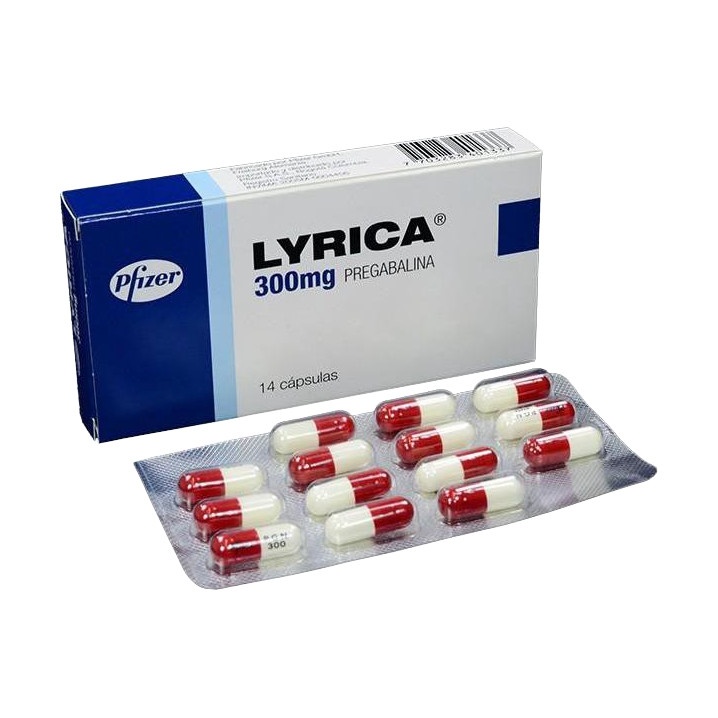
| 300 mg Capsules | l White and orange capsules, marked with the inscription “VTRS” on the capsule cap and “PGN 300” on the capsule body. |
Lyrica is available in eight PVC blister packs with one side covered with aluminum: a pack of 14
capsules containing 1 blister, a pack of 21 capsules containing 1 blister, a pack of 56
capsules containing 4 blisters, a pack of 70 capsules containing 5 blisters, a pack of 84
capsules containing 4 blisters, a pack of 100 capsules containing 10 blisters, a pack of
112 capsules containing 8 blisters and a pack of 100 capsules x 1 in the form of divisible blisters
for a single dose.
Lyrica is also available in HDPE bottles containing 200 capsules for the 25 mg, 75 mg,
150 mg and 300 mg dosages.
Not all pack sizes may be marketed.
Marketing Authorisation Holder and Manufacturer
Marketing Authorisation Holder:
Upjohn EESV, Rivium Westlaan 142, 2909 LD Capelle aan den IJssel, The Netherlands
Manufacturer
Pfizer Manufacturing Deutschland GmbH, Betriebsstätte Freiburg, Mooswaldallee 1, 79090 Freiburg,
Germany
or
Mylan Hungary Kft., Mylan utca 1, Komárom 2900, Hungary.
or
MEDIS INTERNATIONAL a.s., výrobní závod Bolatice Průmyslová 961/16 747 23 Bolatice
Czech Republic
For further information on this medicine, contact the local representative of the Marketing
Authorisation Holder:
België/Belgique/Belgien
Viatris
Tél/Tel: +32 (0)2 658 61 00
Lietuva
Viatris UAB
Tel: +370 52051288
България
Майлан ЕООД
Тел.: +359 2 44 55 400
Luxembourg/Luxemburg
Viatris
Tél/Tel: +32 (0)2 658 61 00
(Belgique/Belgien)
Česká republika
Viatris CZ s.r.o.
Tel: +420 222 004 400
Magyarország
Viatris Healthcare Kft.
Tel.: + 36 1 465 2100
Danmark
Viatris ApS
Tlf: +45 28 11 69 32
Malta
V.J. Salomone Pharma Limited
Tel: (+356) 21 220 174
Deutschland
Viatris Healthcare GmbH
Tel: +49 (0)800 0700 800
Nederland
Mylan Healthcare BV
Tel: +31 (0)20 426 3300
Eesti
Viatris OÜ
Tel: +372 6363 052
Norge
Viatris AS
Tlf: +47 66 75 33 00
Ελλάδα
Viatris Hellas Ltd
Τηλ: +30 2100 100 002
Österreich
Viatris Austria GmbH
Tel: +43 1 86390
España
Viatris Pharmaceuticals, S.L.
Tel: +34 900 102 712
Polska
Viatris Healthcare Sp. z o.o.
Tel.: +48 22 546 64 00
France
Viatris Santé
Tél: +33 (0)4 37 25 75 00
Portugal
Viatris Healthcare, Lda.
Tel: +351 21 412 72 00
Hrvatska
Viatris Hrvatska d.o.o.
Tel: + 385 1 23 50 599
România
BGP Products SRL
Tel: +40 372 579 000
Ireland
Viatris Limited
Tel: +353 1 8711600
Slovenija
Viatris d.o.o.
Tel: +386 1 236 31 80
Ísland
Icepharma hf.
Sími: +354 540 8000
Slovenská republika
Viatris Slovakia s.r.o.
Tel: +421 2 32 199 100
Italia
Viatris Pharma S.r.l.
Tel: +39 02 612 46921
Suomi/Finland
Viatris Oy
Puh/Tel: +358 20 720 9555
Κύπρος
GPA Pharmaceuticals Ltd
Τηλ: +357 22863100
Sverige
Viatris AB
Tel: +46 (0)8 630 19 00
Latvija
Viatris SIA
Tel: +371 676 055 80
United Kingdom (Northern Ireland)
Mylan IRE Healthcare Limited
Tel: +353 18711600
More detailed information on this medicine is available on the website of the European
Medicines Agency, http://www.ema.europa.eu .
Lyrica 20 mg/mL oral solution
pregabalin
Read this leaflet carefully before you start taking this medicine as it contains important information for you.
- Keep this leaflet. You may need to read it again.
- If you have any questions, ask your doctor or pharmacist.
- This medicine has been prescribed for you only. Do not pass it on to others, even if they have the same symptoms as you, as it may be harmful.
- If you get any side effects, even those not listed in this leaflet, tell your doctor or pharmacist. See section 4.
Contents of this leaflet
- 1. What Lyrica is and what it is used for
- 2. What you need to know before you take Lyrica
- 3. How to take Lyrica
- 4. Possible side effects
- 5. How to store Lyrica
- 6. Contents of the pack and other information
1. What is Lyrica and what is it used for
Lyrica belongs to a group of medicines used to treat epilepsy, neuropathic pain and
Generalized Anxiety Disorder (GAD) in adults.
Peripheral and central neuropathic pain:Lyrica is used to treat chronic pain
caused by damage to the nervous system. Various diseases can cause peripheral neuropathic pain,
such as diabetes or herpes zoster. Pain sensations can be described as
heat, burning, throbbing, pulsating, stabbing, sharp, cramping, suffering, tingling, numbness ,pricking pains. Peripheral and central neuropathic pain can
also be associated with mood swings, sleep disturbances and fatigue (tiredness) and can have an
impact on physical and social activity and overall quality of life.
Epilepsy:Lyrica is used to treat certain forms of epilepsy in adults (partial seizures
with or without secondary generalization originating from a specific area of the brain). Your
doctor will prescribe Lyrica to help you treat epilepsy when the treatment you are already
receiving does not control the condition. You will need to take Lyrica in addition to the treatment
you are already undergoing. Lyrica is not used alone, but must always be associated with other
antiepileptic treatments.
Generalized Anxiety Disorder:Lyrica is used to treat Generalized Anxiety
Disorder (GAD). The symptoms of Generalized Anxiety Disorder are characterized by excessive and
prolonged anxiety and worry that are difficult to control. Generalized Anxiety
Disorder can also cause restlessness or a feeling of tension or being on edge, easy fatigue, difficulty
concentrating or memory lapses, irritability, muscle tension or sleep disturbances. These conditions are different from the stress and tensions of
everyday life.
2. What you need to know before taking Lyrica
Do not take Lyrica
If you are allergic to pregabalin or to any of the other ingredients of this medicine (listed in
section 6).
Warnings and precautions
Talk to your doctor or pharmacist before taking Lyrica.
- In some patients treated with Lyrica, symptoms indicative of allergic reactions have been reported. These symptoms include swelling of the face, lips, tongue and throat, as well as a widespread rash. If you experience any of these reactions, you should contact your doctor immediately.
- Severe skin rashes, including Stevens‑Johnson syndrome and toxic epidermal necrolysis have been reported in association with treatment with pregabalin. Stop using pregabalin and contact your doctor immediately if you develop any of the symptoms related to these serious skin reactions described in section 4.
- Lyrica has been associated with dizziness and drowsiness which may increase the risk of accidental injuries (falls) in the elderly. Therefore, you should be careful until you are familiar with the effects that the medicine may have.
- Lyrica can cause blurred vision or loss of vision or other changes in vision, many of which are transient. If you experience any changes in vision, you should contact your doctor immediately.
- In some patients with diabetes who gain weight during treatment with pregabalin, it may be necessary to adjust the medicines for diabetes.
- Some undesirable effects, such as drowsiness, may be more common because patients with spinal cord injury may be treated with other medicines to treat, for example, pain or spasticity, which have undesirable effects similar to those of pregabalin and the severity of these effects may increase when these medicines are taken together.
- There have been reports of heart failure in some patients treated with Lyrica; these patients were mostly elderly with cardiovascular disease. If you have a history of cardiovascular disease before starting treatment with this medicine, you should inform your doctor.
- There have been reports of kidney failure in some patients treated with Lyrica. If you notice a decrease in urination during treatment with Lyrica, you should inform your doctor because stopping the use of this medicine may improve this condition.
- Some patients treated with antiepileptic medicines like Lyrica have had thoughts of self-harm or suicide, or have shown suicidal behavior. At any time if you have thoughts or show behavior of this type, contact your doctor immediately.
- When Lyrica is used together with other medicines that can cause constipation (such as some types of pain medicines) gastrointestinal problems (e.g. constipation, blocked or paralyzed bowel) may occur. Tell your doctor if you have constipation, especially if you are prone to this problem.
- Before taking this medicine, tell your doctor if you have a history of alcohol, prescription drug, or illegal substance abuse, as this may indicate that you are at greater risk of becoming dependent on Lyrica.
- Cases of seizures have been reported when taking Lyrica or shortly after stopping it. If you experience seizures, contact your doctor immediately.
- Cases of decreased brain function (encephalopathy) have occurred in some patients taking Lyrica when they have other conditions. Tell your doctor if you have a history of other serious medical conditions, including liver or kidney disease.
- Cases of difficulty breathing have occurred. If you suffer from nervous system diseases, respiratory diseases, kidney impairment or if you are over 65 years of age, your doctor may prescribe a different dosing regimen. Tell your doctor if you have difficulty breathing or shallow breathing.
Dependence
Some people may become dependent on Lyrica (i.e., feel the need to continue to
take the medicine). They may experience withdrawal effects when they stop using Lyrica
(see section 3, “How to take Lyrica” and “If you stop taking Lyrica”). If you are
concerned about the possibility of developing a dependence on Lyrica, talk to your doctor.
If you notice any of the following signs while taking Lyrica, you may have developed a
dependence on the medicine:
- You feel the need to take the medicine for longer than recommended by your doctor
- You feel the need to take a higher dose than recommended
- You are using the medicine for reasons other than those for which it was prescribed
- You have made repeated and unsuccessful attempts to stop or control the use of the medicine
- When you stop taking the medicine, you do not feel well and feel better when you start taking it again. If you notice any of these signs, talk to your doctor to discuss the best treatment plan for you, including when it is appropriate to stop taking it and how to do so safely.
Children and adolescents
The safety and efficacy of pregabalin in children and adolescents (under 18 years of age) have not
been established and therefore pregabalin should not be used in this age group.
Other medicines and Lyrica
Tell your doctor or pharmacist if you are taking, have recently taken or might take
any other medicines.
Lyrica and other medicines can influence each other (interaction). When Lyrica is taken
together with other medicines that have sedative effects (including opioids) Lyrica can enhance
these effects and may cause respiratory failure, coma and death. The intensity of dizziness,
drowsiness and reduced concentration may increase if Lyrica is taken
together with other medicines containing:
Oxycodone – (used as a pain reliever)
Lorazepam – (used for the treatment of anxiety)
Alcohol
Lyrica can be taken at the same time as oral contraceptives.
Taking Lyrica with food, drinks and alcohol
Lyrica can be taken with or without food.
It is advisable not to drink alcohol during treatment with Lyrica.
Pregnancy and breastfeeding
Lyrica should not be taken during pregnancy or breastfeeding, unless your
doctor has told you otherwise.
Use of pregabalin during the first 3 months of pregnancy may cause congenital malformations in
the newborn that require medical care. In a study that examined data from women in the
Nordic countries who had taken pregabalin in the first 3 months of pregnancy, 6 children out of 100
had such congenital malformations, compared with 4 children out of 100 born to women not treated with
pregabalin in the study. Anomalies of the face (orofacial clefts), eyes, the
nervous system (including the brain), kidneys and genitals have been reported.
Women of childbearing potential should use effective contraceptive methods. If you are
pregnant, suspect you are pregnant, or are planning to become pregnant, or if you are
breastfeeding, ask your doctor or pharmacist for advice before taking this medicine.
Driving and using machines
Lyrica can cause dizziness, drowsiness and reduced concentration. You should not drive,
operate complex machinery or engage in potentially dangerous activities until you
have determined whether this medicine affects your ability to perform these activities.
Lyrica contains methyl parahydroxybenzoate and propyl parahydroxybenzoate
The oral solution of Lyrica contains methyl parahydroxybenzoate (E218) and propyl parahydroxybenzoate
(E216) which may cause allergic reactions (the effect may be delayed).
Lyrica contains ethanol
The oral solution of Lyrica contains small amounts of ethanol (alcohol), less than 100 mg/mL.
Lyrica contains sodium
This medicine contains less than 1 mmol (23 mg) of sodium per maximum daily dose of 600 mg
(30 mL), i.e. it is essentially “sodium-free”.
3. How to take Lyrica
Take this medicine exactly as your doctor has told you. If you have any doubts, ask your doctor or pharmacist. Do not take more medicine than prescribed.
Your doctor will determine the appropriate dose for you.
Peripheral and central neuropathic pain, epilepsy or Generalised Anxiety Disorder:
- Take the solution as instructed by your doctor.
- The appropriate dose for you and your condition generally ranges from 150 mg (7.5 mL) to 600 mg (30 mL) per day.
- Your doctor will tell you to take Lyrica two or three times a day. If you take the medicine twice a day, take Lyrica once in the morning and once in the evening, always at approximately the same time. If you take the medicine three times a day, take Lyrica once in the morning, once in the afternoon and once in the evening, always at approximately the same time.
If you feel that the effect of Lyrica is too strong or too weak, talk to your doctor or
pharmacist.
If you are elderly (over 65 years of age), you should take Lyrica as normal unless you have kidney problems.
Your doctor may prescribe a different dosage and/or a different dose if you have kidney problems. Continue
taking Lyrica until your doctor tells you to stop treatment.
Administration:
Instructions for use
Lyrica is for oral use only.
- 1. Open the bottle: Press down on the cap and turn counterclockwise (Figure 1).
- 2. Only on first opening:An adapter for the bottle is provided with the oral syringe. This is the device that is inserted into the neck of the bottle to facilitate withdrawal of the solution using the oral syringe. If the adapter is not already in place, remove the adapter and the 5 mL oral syringe from the plastic packaging. Place the bottle on a flat surface, insert the adapter into the neck of the bottle keeping the surface on which the bottle rests flat, and press down on the adapter (Figure 2).
- 3. Push the syringe plunger towards the base of the syringe (towards its end) to remove excess air. Attach the syringe to the adapter with a slight rotating movement (Figure 3).
- 4. Turn the bottle upside down (with the syringe inserted) and fill the syringe with liquid by pulling the syringe plunger down, just past the measurement mark corresponding to the amount in milliliters (mL) prescribed by your doctor (Figure 4). Remove air bubbles from the syringe by pushing the plunger up to the appropriate measurement mark.
- 5. Place the bottle back in the upright position with the syringe still inserted into the adapter/bottle (Figure 5).
- 6. Remove the syringe from the bottle/adapter (Figure 6).
- 7. Empty the contents of the syringe directly into your mouth by pushing the syringe plunger towards the base of the syringe (Figure 7).
Note:You may need to repeat steps 4-7 up to 3 times to obtain the total dose
(Table 1).
[For example, for a dose of 150 mg (7.5 mL), you will need to make two withdrawals from the
bottle in order to obtain the entire dose. Using the oral syringe, first withdraw 5
mL and empty the contents of the syringe directly into your mouth, then refill the oral syringe
with 2.5 mL and empty the remaining contents into your mouth.]
- 8. Rinse the syringe by drawing water into the syringe and pushing the syringe plunger to the base of the syringe, for at least three times (Figure 8).
- 9. Replace the cap on the bottle (leaving the adapter in the neck of the bottle) (Figure 9).
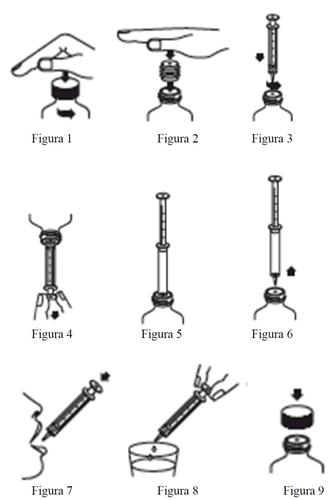
Figure 1 Figure 2 Figure 3
Figure 4 Figure 5 Figure 6
Figure 7 Figure 8 Figure 9
Table 1. Withdrawals with the oral syringe to administer the prescribed dose of Lyrica
| Dose of Lyrica (mg) | Total volume of the solution (mL) | First syringe withdrawal (mL) | Second syringe withdrawal (mL) | Third syringe withdrawal (mL) |
| 25 | 1.25 | 1.25 | Not necessary | Not necessary |
| 50 | 2.5 | 2.5 | Not necessary | Not necessary |
| 75 | 3.75 | 3.75 | Not necessary | Not necessary |
| 100 | 5 | 5 | Not necessary | Not necessary |
| 150 | 7.5 | 5 | 2.5 | Not necessary |
| 200 | 10 | 5 | 5 | Not necessary |
| 225 | 11.25 | 5 | 5 | 1.25 |
| 300 | 15 | 5 | 5 | 5 |
If you take more Lyrica than you should
Contact your doctor immediately or go to the nearest hospital immediately. Bring the
package or bottle of Lyrica oral solution with you. You may feel sleepy, confused, agitated or restless
if you have taken more Lyrica than you should. Seizures and coma have also been reported.
If you forget to take Lyrica
It is important to take Lyrica oral solution regularly every day at the same time. If
you forget to take a dose, take it as soon as you remember if it has not been long until
the time to take the next dose. In this case, take the next dose as scheduled. Do not
take a double dose to make up for the missed dose.
If you stop taking Lyrica
Do not suddenly stop taking Lyrica. If you want to stop taking
Lyrica, talk to your doctor first. They will explain how to do it. If treatment is stopped, the
discontinuation must be done gradually over at least 1 week.
You should know that after short-term and long-term discontinuation of Lyrica you may
experience some undesirable effects, so-called withdrawal effects. These effects include,
sleep disturbances, headache, nausea, anxiety, diarrhoea, flu-like symptoms, seizures, nervousness,
depression, suicidal or self-harm thoughts, pain, sweating and dizziness. These effects
may occur more frequently or severely if you have taken Lyrica for a longer period of time. If you experience withdrawal effects, you should contact your doctor.
If you have any doubts about the use of this medicine, ask your doctor or pharmacist.
4. Possible side effects
Like all medicines, this medicine can cause side effects, although not everyone will experience them.
Very common: may affect more than 1 in 10 people:
Dizziness, drowsiness, headache.
Common: may affect up to 1 in 10 people:
- Increased appetite.
- Feeling of excitement, confusion, disorientation, decreased sexual interest, irritability.
- Difficulty with concentration, clumsiness, impaired memory, memory loss, tremor, difficulty speaking, tingling sensation, numbness, sedation, lethargy, insomnia, fatigue, feeling strange.
- Blurred vision, double vision.
- Vertigo, balance disorders, falls.
- Dry mouth, constipation, vomiting, flatulence, diarrhea, nausea and abdominal bloating.
- Difficulty with erection.
- Swelling of the body, including hands and feet.
- Feeling of intoxication, abnormalities in gait.
- Weight gain.
- Muscle cramps, joint pain, back pain, pain in the limbs.
- Sore throat.
Uncommon: may affect up to 1 in 100 people:
- Loss of appetite, weight loss, low blood sugar levels, high blood sugar levels.
- Altered self-perception, restlessness, depression, agitation, mood swings, difficulty finding words, hallucinations, abnormal dreams, panic attacks, apathy, aggression, euphoric mood, mental impairment, difficulty with ideation, increased
sexual interest, sexual problems, including inability to reach orgasm,
delayed ejaculation.
- Changes in vision, abnormalities in eye movement, visual disturbances including tunnel vision and light flashes, jerky movements, reduced reflexes, increased activity, dizziness upon standing, skin sensitivity, loss of taste, burning sensation, tremor during movement, reduced consciousness, loss of consciousness, fainting, increased sensitivity to noises, feeling unwell.
- Dry eyes, eye swelling, eye pain, eye weakness, tearing, eye irritation.
- Irregular heartbeat, increased heart rate, low blood pressure, high blood pressure, changes in heartbeat, heart failure.
- Vasomotor disorders (flushing), hot flashes.
- Difficulty breathing, dry nose, nasal congestion.
- Increased saliva production, heartburn, loss of sensation around the mouth.
- Sweating, rash, chills, fever.
- Muscle contractions, swollen joints, muscle stiffness, pain including muscle pain, neck pain.
- Breast pain.
- Difficulty or pain when urinating, incontinence.
- Weakness, thirst, feeling of tightness in the chest.
- Abnormal blood test results and liver function tests (increased blood creatine phosphokinase, increased alanine-aminotransferase, increased aspartate- aminotransferase, reduced platelet count, neutropenia, increased creatinine, reduced potassium).
- Hypersensitivity, facial swelling, itching, hives, runny nose, nosebleeds, coughing, snoring.
- Painful menstrual cycles.
- Cold hands and feet.
Rare: may affect up to 1 in 1,000 people:
- Smell abnormalities, sensation of oscillating visual field, altered depth perception, visual brilliance, loss of vision.
- Dilated pupils, strabismus.
- Cold sweats, feeling of constriction in the throat, tongue swelling.
- Inflammation of the pancreas.
- Difficulty swallowing.
- Slowed or reduced body movement.
- Difficulty writing appropriately.
- Increased fluid in the abdomen.
- Fluid in the lungs.
- Convulsions.
- Changes in the electrocardiogram (ECG) corresponding to heart rhythm disorders.
- Muscle damage.
- Breast secretions, abnormal breast growth, breast growth in men.
- Interrupted menstrual cycles.
- Kidney failure, reduced urine volume, urinary retention.
- Reduced white blood cell count.
- Inappropriate behavior, suicidal behavior, suicidal thoughts.
- Allergic reactions, which may include difficulty breathing, eye inflammation (keratitis) and a severe skin reaction characterized by reddish, non-elevated, target- or circular-shaped patches on the trunk, often with central blisters, skin peeling, ulcers of the mouth, throat, nose, genitals and eyes. These severe skin rashes
may be preceded by fever and flu-like symptoms (Stevens-Johnson syndrome,
toxic epidermal necrolysis).
- Jaundice (yellowing of the skin and eyes)
- Parkinsonism, i.e. symptoms similar to Parkinson's disease such as tremor, bradykinesia (decreased ability to move), and rigidity (muscle stiffness).
Very rare: may affect up to 1 in 10,000 people:
- Liver failure.
- Hepatitis (liver inflammation).
Not known: frequency cannot be estimated from available data
- Becoming dependent on Lyrica (“drug dependence”).
After stopping short- or long-term treatment with Lyrica, you should know that you may
experience some side effects, so-called withdrawal effects (see “If you stop taking Lyrica”).
In case of swelling of the face or tongue, or in case of redness of the skin and the onset of
blisters and skin peeling, seek immediate medical attention.
Some side effects, such as drowsiness, may be more common because patients with
spinal cord injury may be treated with other medicines to treat, for example,
pain or spasticity, which have side effects similar to those of Lyrica and the severity of these
effects may increase when these medicines are taken together.
The following adverse reaction has been reported in the post-marketing phase of the medicine:
difficulty breathing, shallow breaths.
Reporting of side effects
If you get any side effects, even those not listed in this leaflet, tell your
doctor or pharmacist. You can also report side effects directly through the national
reporting system detailed in Annex V.
By reporting side effects you can help provide more information on the safety of
this medicine.
5. How to store Lyrica
Keep this medicine out of the sight and reach of children.
Do not use this medicine after the expiry date which is stated on the pack or the bottle. The expiry
date refers to the last day of that month.
This medicine does not require any special storage conditions.
Do not dispose of any medicine in waste water or household waste. Ask your pharmacist how
to dispose of medicines you no longer use. This will help protect the environment.
6. Contents of the pack and other information
What Lyrica contains
The active ingredient is pregabalin. Each mL contains 20 mg of pregabalin.
The excipients are: methyl parahydroxybenzoate (E218), propyl parahydroxybenzoate (E216), sodium
dihydrogen phosphate anhydrous, disodium phosphate anhydrous (E339), sucralose (E955), artificial strawberry
flavor [contains small amounts of ethanol (alcohol)], purified water.
Description of the appearance of Lyrica and contents of the pack
Lyrica 20 mg/mL oral solution is a colorless, clear solution packaged in a white bottle containing 473 mL of
oral solution, in a cardboard box. The box also contains a 5 mL oral syringe and a pressure adapter for the
bottle, wrapped in a transparent polyethylene wrapper.
Marketing authorization holder and manufacturer
Marketing authorization holder:
Upjohn EESV, Rivium Westlaan 142, 2909 LD Capelle aan den IJssel, Netherlands
Manufacturer:
Viatris International Supply Point BV,
Terhulpsesteenweg 6A, 1560 Hoeilaart, Belgium
or
Mylan Hungary Kft., Mylan utca 1, Komárom, 2900, Hungary
For further information on this medicinal product, contact the local representative of the marketing
authorization holder:
België/Belgique/Belgien
Viatris
Tél/Tel: +32 (0)2 658 61 00
Viatris UAB
Tel: +370 52051288
България
Майлан ЕООД
Тел.: +359 2 44 55 400
Luxembourg/Luxemburg
Viatris
Tél/Tel: +32 (0)2 658 61 00
(Belgique/Belgien)
Česká republika
Viatris CZ s.r.o.
Tel: +420 222 004 400
Magyarország
Viatris Healthcare Kft.
Tel.: + 36 1 465 2100
Danmark
Viatris ApS
Tlf: +45 28 11 69 32
Malta
V.J. Salomone Pharma Limited
Tel: (+356) 21 220 174
Deutschland
Viatris Healthcare GmbH
Tel: +49 (0)800 0700 800
Nederland
Mylan Healthcare BV
Tel: +31 (0)20 426 3300
Eesti
Viatris OÜ
Tel: +372 6363 052
Norge
Viatris AS
Tlf: +47 66 75 33 00
Österreich
Viatris Austria GmbH
Tel: +43 1 86390
Ελλάδα
Viatris Hellas Ltd
Τηλ: +30 2100 100 002
Polska
Viatris Healthcare Sp. z o.o.
Tel.: +48 22 546 64 00
España
Viatris Pharmaceuticals, S.L.
Tel: +34 900 102 712
France
Viatris Santé
Tél: +33 (0)4 37 25 75 00
Portugal
Viatris Healthcare, Lda.
Tel: +351 21 412 72 00
România
BGP Products SRL
Tel: +40 372 579 000
Hrvatska
Viatris Hrvatska d.o.o.
Tel: + 385 1 23 50 599
Ireland
Viatris Limited
Tel: +353 1 8711600
Slovenija
Viatris d.o.o.
Tel: +386 1 236 31 80
Ísland
Icepharma hf.
Sími: +354 540 8000
Slovenská republika
Viatris Slovakia s.r.o.
Tel: +421 2 32 199 100
Italia
Viatris Pharma S.r.l.
Tel: +39 02 612 46921
Suomi/Finland
Viatris Oy
Puh/Tel: +358 20 720 9555
Κύπρος
GPA Pharmaceuticals Ltd
Τηλ: +357 22863100
Sverige
Viatris AB
Tel: +46 (0)8 630 19 00
United Kingdom (Northern Ireland)
Mylan IRE Healthcare Limited
Tel: +353 18711600
More detailed information on this medicinal product is available on the website of the European
Medicines Agency, http://www.ema.europa.eu .
Latvija
Viatris SIA
Tel: +371 676 055 80

Не уверены, подходит ли вам это лекарство?
Обсудите симптомы и варианты лечения с врачом онлайн.
Lyrica 25 mg orodispersible tablets, 75 mg orodispersible tablets, 150 mg orodispersible tablets
pregabalin
Read this leaflet carefully before you start taking this medicine as it contains
important information for you..
- Keep this leaflet. You may need to read it again.
- If you have any questions, ask your doctor or pharmacist.
- This medicine has been prescribed for you only. Do not pass it on to others, even if their symptoms are the same as yours, as it could be harmful.
- If you get any side effects, even those not listed in this leaflet, tell your doctor or pharmacist. See section 4.
Contents of this leaflet
- 1. What Lyrica is and what it is used for
- 2. What you need to know before you take Lyrica
- 3. How to take Lyrica
- 4. Possible side effects
- 5. How to store Lyrica
- 6. Contents of the pack and other information
1. What is Lyrica and what is it used for
Lyrica belongs to a group of medicines used to treat epilepsy, neuropathic pain and
generalized anxiety disorder (GAD) in adults.
Peripheral and central neuropathic pain:Lyrica is used to treat chronic pain
caused by damage to the nervous system. Several diseases can cause peripheral neuropathic pain,
such as diabetes or herpes zoster. Pain sensations can be described as
heat, burning, throbbing, pulsating, stabbing, sharp, cramping pains,
suffering, tingling, numbness, piercing pains. Peripheral and central neuropathic pain can
also be associated with mood swings, sleep disturbances and fatigue (tiredness) and can have an
impact on physical and social activity and overall quality of life.
Epilepsy:Lyrica is used to treat certain forms of epilepsy in adults (partial seizures
with or without secondary generalization). Your doctor will prescribe Lyrica to help in
treating your epilepsy when the current treatment does not control the condition. You will need
to take Lyrica in addition to the current treatment. Lyrica is not used alone, but must
always be used in combination with other antiepileptic treatments.
Generalized anxiety disorder:Lyrica is used for the treatment of generalized anxiety
disorder (GAD). The symptoms of GAD are characterized by excessive and prolonged anxiety and
worry that are difficult to control. GAD can also cause restlessness or a feeling
of tension or being on edge, easy fatigue (tiredness), difficulty
concentrating or memory lapses, irritability, muscle tension or sleep disturbances. These
conditions are different from the stress and tensions of everyday life.
2. What you need to know before taking Lyrica
Do not take Lyrica
If you are allergic to pregabalin or to any of the other ingredients of this medicine (listed in
section 6).
Warnings and precautions
Talk to your doctor or pharmacist before taking Lyrica.
- In some patients being treated with Lyrica, symptoms indicative of allergic reactions have been reported. These symptoms include swelling of the face, lips, tongue and throat, and a widespread skin rash. If any of these reactions occur, you should contact your doctor immediately.
- Severe skin reactions, including Stevens-Johnson syndrome and toxic epidermal necrolysis, have been reported in association with pregabalin treatment. Stop using pregabalin and contact your doctor immediately if you develop any of the symptoms related to these severe skin reactions described in section 4.
- Lyrica has been associated with dizziness and drowsiness which may increase the incidence of accidental injuries (falls) in the elderly. Therefore, you should be careful until you are familiar with the effects the medicine may have on you.
- Lyrica can cause blurred vision, loss of vision, or other visual disturbances, many of which are transient. If you experience any visual changes, you should contact your doctor immediately.
- In some patients with diabetes who gain weight during treatment with pregabalin, it may be necessary to adjust diabetes medications.
- Some undesirable effects, such as drowsiness, may be more common because patients with spinal cord injury may be taking other medicines at the same time to treat, for example, pain or spasticity, which have undesirable effects similar to those of pregabalin and the severity of these effects may increase when these medicines are taken together.
- There have been reports of heart failure in some patients treated with Lyrica; these patients were mostly elderly with cardiovascular disease. If you have ahistory of heart disease, you musttell your doctor before starting treatment with this medicine.
- There have been reports of kidney failure in some patients treated with Lyrica. If you notice a decrease in urination during treatment with Lyrica, you should inform your doctor because stopping the use of this medicine may improve this condition.
- Some patients treated with antiepileptic medicines like Lyrica have experienced suicidal thoughts or self-harm (hurting themselves), or have shown suicidal behaviour. At any time if you have thoughts of this kind or show such behaviour, contact your doctor immediately.
- When Lyrica is used together with other medicines that can cause constipation (such as some types of pain medicines) gastrointestinal problems (e.g. constipation, blocked or paralyzed bowel) may occur. Tell your doctor if you experience constipation, especially if you are prone to this problem.
- Before taking this medicine, tell your doctor if you have a history of alcohol, prescription medicine or illegal substance abuse, as this may indicate that you are at greater risk of becoming dependent on Lyrica.
- Seizures have been reported during treatment with Lyrica or shortly after its discontinuation. If you experience seizures, contact your doctor immediately.
- Cases of decreased brain function (encephalopathy) have occurred in some patients taking Lyrica when they have other conditions. Tell your doctor if you have a history of other serious medical conditions, including liver or kidney disease.
- Cases of difficulty breathing have occurred. If you suffer from nervous system diseases, respiratory diseases, kidney impairment or if you are over 65 years of age, your doctor may prescribe a different dosing regimen. Contact your doctor if you have difficulty breathing or breathe shallowly.
Dependence
Some people may become dependent on Lyrica (i.e. feel the need to continue to
take the medicine). They may experience withdrawal effects when they stop using Lyrica
(see section 3, “How to take Lyrica” and “If you stop taking Lyrica”). If you are
concerned about the possibility of developing a dependence on Lyrica, talk to your doctor.
If you notice any of the following signs while taking Lyrica, you may have developed a
dependence on the medicine:
- You feel the need to take the medicine for longer than recommended by your doctor
- You feel the need to take a higher dose than recommended
- You are using the medicine for reasons other than those for which it was prescribed
- You have made repeated, unsuccessful attempts to stop or control the use of the medicine
- When you stop taking the medicine, you do not feel well and feel better when you start taking it again. If you notice any of these signs, talk to your doctor to discuss the best treatment plan for you, including when it is appropriate to stop taking it and how to do so safely.
Children and adolescents
The safety and efficacy in children and adolescents (under 18 years of age) have not been
established and therefore pregabalin should not be used in this age group.
Other medicines and Lyrica
Tell your doctor or pharmacist if you are taking, have recently taken or might take
any other medicines.
Lyrica and some other medicines can influence each other (interaction). When Lyrica is
taken together with some other medicines that have sedative effects (including opioids), Lyrica can
enhance these effects and may cause respiratory failure, coma and death. The intensity of
dizziness, drowsiness and reduced concentration may increase if Lyrica is
taken together with other medicines containing:
Oxycodone (used as a painkiller)
Lorazepam (used for the treatment of anxiety)
Alcohol
Lyrica can be taken at the same time as oral contraceptives.
Lyrica with food, drinks and alcohol
Lyrica orodispersible tablets can be taken with or without food.
It is advisable not to drink alcohol during treatment with Lyrica.
Pregnancy and breastfeeding
Lyrica should not be taken during pregnancy or breastfeeding, unless your
doctor has told you otherwise. Use of pregabalin during the first 3 months of pregnancy
can cause birth defects in the unborn baby that require medical care. In a study that
examined data from women in Nordic countries who had taken pregabalin during the first 3 months of
pregnancy, 6 children out of 100 had such birth defects, compared with 4 children
out of 100 born to women not treated with pregabalin in the study. Facial (cleft oro-facial), eye, nervous system (including the brain), kidney and genital anomalies have been reported.
Women of childbearing potential should use effective contraception. If you are pregnant, suspect or are planning a pregnancy, or are breastfeeding, ask
your doctor or pharmacist for advice before taking this medicine.
Driving and using machines
Lyrica can cause dizziness, drowsiness and reduced concentration. You should not drive,
operate complex machinery or engage in potentially dangerous activities until you
have ascertained whether this medicine alters your ability to perform these activities.
Lyrica contains sodium
This medicine contains less than 1 mmol (23 mg) of sodium per orodispersible tablet, i.e.
essentially “sodium-free”.
3. How to take Lyrica
Take this medicine exactly as your doctor has told you. If you have any doubts, ask your doctor or pharmacist. Do not take more medicine than prescribed.
Your doctor will determine the appropriate dose for you.
Lyrica is for oral use only.
The orodispersible tablet can be disintegrated on the tongue before being swallowed.
The tablet can be taken with or without water.
Peripheral and central neuropathic pain, epilepsy or generalised anxiety disorder:
- Take the number of orodispersible tablets prescribed by your doctor.
- The dose, appropriate for you and your condition, generally ranges from 150 mg to 600 mg per day.
- Your doctor will tell you to take Lyrica two or three times a day. If you take the medicine twice a day, take Lyrica once in the morning and once in the evening, always at approximately the same time. If you take the medicine three times a day, take Lyrica once in the morning, once in the afternoon and once in the evening, always at approximately the same time.
If you feel that the effect of Lyrica is too strong or too weak, talk to your doctor or
pharmacist.
If you are elderly (over 65 years of age), you should take Lyrica as normal unless you have kidney
problems.
If you have kidney problems, your doctor may prescribe a different dosing schedule and/or a different
dose.
Continue to take Lyrica until your doctor tells you to stop treatment.
If you take more Lyrica than you should
Contact your doctor immediately or go immediately to the nearest emergency room. Bring with you
the package of Lyrica orodispersible tablets. If you have taken more Lyrica than you should,
you may feel sleepy, confused, agitated or restless. Seizures and loss of consciousness (coma) have also been reported.
If you forget to take Lyrica
It is important to take Lyrica orodispersible tablets regularly every day at the same time.
If you forget to take a dose, take it as soon as you remember unless it is time to
take the next dose. In this case, take the next dose as scheduled. Do not take a
double dose to make up for a missed dose.
If you stop taking Lyrica
Do not suddenly stop taking Lyrica. If you want to stop treatment with
Lyrica, talk to your doctor first. They will explain how to do it. If treatment is stopped, it must be
done gradually over at least 1 week. You should know that, after stopping long-term or short-term treatment with Lyrica, you may experience some unwanted effects, so-called withdrawal effects. These effects include sleep disturbances, headache, nausea,
anxiety, diarrhoea, flu-like symptoms, seizures, nervousness, depression, suicidal or self-harm thoughts, pain, sweating and dizziness. These effects may occur more
frequently or severely if you have taken Lyrica for a longer period of time. If you experience withdrawal effects, you should contact your doctor.
If you have any further questions on the use of this medicine, ask your doctor or pharmacist.
4. Possible side effects
Like all medicines, this medicine can cause side effects, although not everybody gets them.
Very common: may affect more than 1 in 10 people
Dizziness, drowsiness, headache.
Common: may affect up to 1 in 10 people
- Increased appetite.
- Feeling of excitement, confusion, disorientation, decreased sexual interest, irritability.
- Difficulty with concentration, clumsiness, impaired memory, memory loss, tremor, difficulty speaking, tingling sensation, numbness, sedation, lethargy, insomnia, fatigue, feeling strange.
- Blurred vision, double vision.
- Vertigo, balance disorders, falls.
- Dry mouth, constipation, vomiting, flatulence, diarrhea, nausea and abdominal bloating.
- Difficulty with erection.
- Swelling of the body, including hands and feet.
- Feeling of intoxication, gait abnormalities.
- Weight gain.
- Muscle cramps, joint pain, back pain, pain in a limb.
- Sore throat.
Uncommon: may affect up to 1 in 100 people
- Loss of appetite, weight loss, low blood sugar levels, high blood sugar levels.
- Altered self-perception, restlessness, depression, agitation, mood swings, difficulty finding words, hallucinations, abnormal dreams, panic attacks, apathy, aggression, euphoric mood, mental impairment, difficulty thinking, increased sexual interest, sexual problems including inability to reach orgasm, delayed ejaculation.
- Changes in vision, abnormalities in eye movement, visual disturbances including tunnel vision and light flashes, jerky movements, reduced reflexes, increased activity, dizziness when standing up, skin sensitivity, loss of taste, burning sensation, tremor during movement, reduced consciousness, loss of consciousness, fainting, increased sensitivity to noises, feeling unwell.
- Dry eyes, eye swelling, eye pain, eye weakness, tearing of the eyes, eye irritation.
- Irregular heartbeat, increased heartbeat, low blood pressure, high blood pressure, changes in heartbeat, heart failure.
- Flushing, hot flushes.
- Difficulty breathing, dry nose, nasal congestion.
- Increased saliva production, heartburn, loss of sensation around the mouth.
- Sweating, rash, chills, fever.
- Muscle contractions, joint swelling, muscle stiffness, pain including muscle pain, neck pain.
- Breast pain.
- Difficulty or pain when urinating, incontinence.
- Weakness, thirst, feeling of tightness in the chest.
- Abnormal blood test results and liver function tests (increased blood creatine phosphokinase, increased alanine aminotransferase, increased aspartate aminotransferase, reduced platelet count, neutropenia, increased blood creatinine, reduced blood potassium).
- Hypersensitivity, facial swelling, itching, hives, runny nose, nosebleeds, cough, snoring.
- Painful menstrual cycles.
- Cold hands and feet.
Rare: may affect up to 1 in 1,000 people
- Abnormalities of smell, sensation of oscillating visual field, altered depth perception, visual brilliance, loss of vision.
- Dilated pupils, strabismus.
- Cold sweats, feeling of constriction in the throat, swelling of the tongue.
- Inflammation of the pancreas.
- Difficulty swallowing.
- Slowed or reduced body movement.
- Difficulty writing appropriately.
- Increased fluid in the abdomen.
- Presence of fluid in the lungs.
- Convulsions.
- Changes in the electrocardiogram (ECG) corresponding to heart rhythm disorders.
- Muscle damage.
- Nipple discharge, abnormal breast growth, breast growth in men.
- Interrupted menstrual cycles.
- Kidney failure, reduced urine volume, urinary retention.
- Reduced white blood cell count.
- Inappropriate behavior, suicidal behavior, suicidal thoughts
- Allergic reactions, which may include difficulty breathing, eye inflammation (keratitis) and a severe skin reaction characterized by reddish, non-elevated, target- or circular-shaped patches on the trunk, often with central blisters, skin exfoliation, ulcers of the mouth, throat, nose, genitals and eyes. These severe skin rashes may be preceded by fever and flu-like symptoms (Stevens-Johnson syndrome, toxic epidermal necrolysis).
- Jaundice (yellowing of the skin and eyes).
- Parkinsonism, i.e. symptoms similar to Parkinson's disease such as tremor, bradykinesia (decreased ability to move) and rigidity (muscle stiffness).
Very rare: may affect up to 1 in 10,000 people
- Liver failure.
- Hepatitis (inflammation of the liver).
Not known: frequency cannot be estimated from available data
- Becoming dependent on Lyrica (“drug dependence”).
After stopping short- or long-term treatment with Lyrica, you should know that you may
experience some side effects, so-called discontinuation effects (see “If you stop taking Lyrica”).
In case of swelling of the face or tongue or in case of redness of the skin and the onset of
blisters or skin peeling, seek medical attention immediately.
Some side effects, such as drowsiness, may be more common because patients with
spinal cord injury may also be taking other medicines to treat, for example, pain or spasticity, which have side effects similar to those of pregabalin and the
severity of these effects may increase when these medicines are taken together.
The following adverse reaction has been reported in the post-marketing phase of the medicine:
difficulty breathing, shallow breaths.
Reporting of side effects
If you get any side effects, talk to your doctor or pharmacist. This includes any possible side effects not listed in this leaflet. You can also report side effects directly through the national reporting system indicated in Annex V. By reporting side effects you can help provide more information on the safety of this medicine.
5. How to store Lyrica
Keep this medicine out of sight and reach of children.
Do not use this medicine after the expiry date which is stated on the pack. The expiry date refers to the last day of that month.
Store in the original package to protect the medicine from moisture.
After the first opening of the aluminium sachet, use within 3 months.
Do not dispose of any medicine in the wastewater or household waste. Ask your pharmacist how to
dispose of medicines you no longer use. This will help protect the environment.
6. Contents of the pack and other information
What Lyrica contains
The active ingredient is pregabalin. Each orally disintegrating tablet contains 25 mg, 75 mg or 150 mg of
pregabalin.
The other ingredients are: magnesium stearate (E470b), hydrogenated castor oil, glycerol dibehenate,
talc (E553b), microcrystalline cellulose (E460), d-mannitol (E421), crospovidone (E1202), magnesium
aluminium metasilicate, sodium saccharin (E954), sucralose (E955), citrus flavour (flavourings, gum
arabic (E414), DL-alpha-tocopherol (E307), dextrin (E1400) and isomaltulose) and sodium stearyl fumarate
(E470a), see section 2 “ Lyrica contains sodium”.
Lyrica is available in 3 packs in PVC/PVDC with one side coated in aluminium and an aluminium bag with 20, 60 or 200 orally disintegrating tablets: the 20 tablet pack contains
2 blisters, the 60 tablet pack contains 6 blisters and the 200 tablet pack contains
2 bags with 10 blisters each. Each blister contains 10 orally disintegrating tablets and can be
divided into strips of two tablets each.
Not all pack sizes may be marketed.
Marketing Authorisation Holder and Manufacturer
Marketing Authorisation Holder:
Upjohn EESV, Rivium Westlaan 142, 2909 LD Capelle aan den IJssel, Netherlands.
Manufacturer:
Mylan Hungary Kft., Mylan utca 1, Komárom, 2900, Hungary
For further information on this medicine, contact the local representative of the Marketing Authorisation Holder:
België/Belgique/Belgien
Viatris
Tél/Tel: +32 (0)2 658 61 00
Lietuva
Viatris UAB
Tel: +370 52051288
България
Майлан ЕООД
Тел.: +359 2 44 55 400
Luxembourg/Luxemburg
Viatris
Tél/Tel: +32 (0)2 658 61 00
(Belgique/Belgien)
Česká republika
Viatris CZ s.r.o.
Tel: +420 222 004 400
Magyarország
Viatris Healthcare Kft.
Tel.: + 36 1 465 2100
| a Description of the appearance of Lyrica and contents of the pack | |
| Tablets of 25 mg | F Round, white, smooth tablet, marked with the inscriptions “VTLY” and “25” (approximately 6.0 mm in diameter and 3.0 mm in thickness). |
| Tablets of 75 mg | Compressa rotonda, bianca liscia, contrassegnata dalle scritte “VTLY” e “75” (approximately 8.3 mm in diameter and 4.8 mm in thickness). |
| Tablets of 150 mg | l Round, white, smooth tablet, marked with the inscriptions “VTLY” and “150” (approximately 10.5 mm in diameter and 6.0 mm in thickness). |
Malta
V.J. Salomone Pharma Limited
Tel: (+356) 21 220 174
Danmark
Viatris ApS
Tlf: +45 28 11 69 32
Nederland
Mylan Healthcare BV
Tel: +31 (0)20 426 3300
Deutschland
Viatris Healthcare GmbH
Tel: +49 (0)800 0700 800
Eesti
Viatris OÜ
Tel: +372 6363 052
Norge
Viatris AS
Tlf: +47 66 75 33 00
Österreich
Viatris Austria GmbH
Tel: +43 1 86390
Ελλάδα
Viatris Hellas Ltd
Τηλ.: +30 2100 100 002
Polska
Viatris Healthcare Sp. z o.o.
Tel.: +48 22 546 64 00
España
Viatris Pharmaceuticals, S.L.
Tel: +34 900 102 712
France
Viatris Santé
Tél: +33 (0)4 37 25 75 00
Portugal
Viatris Healthcare, Lda.
Tel: +351 214 127 256
Hrvatska
Viatris Hrvatska d.o.o.
Tel: + 385 1 23 50 599
România
BGP Products SRL
Tel: +40 372 579 000
Ireland
Viatris Limited
Tel: +353 1 8711600
Slovenija
Viatris d.o.o.
Tel: +386 1 236 31 80
Ísland
Icepharma hf.
Sími: +354 540 8000
Slovenská republika
Viatris Slovakia s.r.o.
Tel: +421 2 32 199 100
Italia
Viatris Pharma S.r.l.
Tel: +39 02 612 46921
Suomi/Finland
Viatris Oy
Puh./Tel: +358 20 720 9555
Κύπρος
GPA Pharmaceuticals Ltd
Τηλ: +357 22863100
Sverige
Viatris AB
Tel: +46 (0)8 630 19 00
Latvija
Viatris SIA
Tel: +371 676 055 80
United Kingdom (Northern Ireland)
Mylan IRE Healthcare Limited
Tel: +353 18711600
More detailed information on this medicine is available on the website of the European Medicines Agency, http://www.ema.europa.eu .

Уже начали прием и появились вопросы?
Обсудите свое состояние и дальнейшие шаги с врачом онлайн.
- Страна регистрации
- Форма выпускаHard capsule, 25 MG
- Код АТХN02BF02
- Действующее вещество
- Отпускается по рецептуДа
- Производитель
- Информация на этой странице носит справочный характер и не является медицинской консультацией. Перед началом приема лекарства обязательно проконсультируйтесь с врачом.
- Аналоги LYRIKAФорма выпуска: Hard capsule, 25 MGДействующее вещество: ПрегабалинПроизводитель: NEURAXPHARM ITALY S.P.A.Отпускается по рецептуФорма выпуска: Hard capsule, 25 MGДействующее вещество: ПрегабалинПроизводитель: ECUPHARMA S.R.L.Отпускается по рецептуФорма выпуска: Hard capsule, <25 mgДействующее вещество: ПрегабалинПроизводитель: GENETIC S.P.A.Отпускается по рецепту
Аналоги LYRIKA в других странах
Лекарства с тем же действующим веществом, доступные в других странах.
Аналог LYRIKA в Испания
Аналог LYRIKA в Польша
Аналог LYRIKA в Украина
Врачи онлайн по LYRIKA
Обсудите применение LYRIKA и возможные следующие шаги — по оценке врача.









Получите рецепт на LYRIKA онлайн
Заполните форму за 2 минуты
Расскажите о симптомах, истории болезни и нужном препарате.
Выберите врача или мы назначим
Выберите специалиста или мы подберём ближайшего доступного врача.
Врач рассматривает ваш случай
Обычно в течение 30 минут. Может задать уточняющие вопросы в чате.
Получите в любой аптеке
Электронный рецепт отправляется на вашу почту — действителен по всей Польше.
Часто задаваемые вопросы
LYRIKA требует рецепта в Италия. Вы можете уточнить у врача онлайн, подходит ли это лекарство для вашей ситуации.
Действующее вещество LYRIKA — Прегабалин. Эта информация помогает определить лекарства с тем же составом под другими торговыми названиями.
LYRIKA производится компанией UPJOHN EESV. Упаковка и торговое название могут отличаться в зависимости от дистрибьютора.
Врачи, включая Семейные врачи, Психиатры, Дерматологи, Кардиологи, Эндокринологи, Гастроэнтерологи, Пульмонологи, Нефрологи, Ревматологи, Гематологи, Инфекционисты, Аллергологи, Гериатры, Педиатры, Онкологи, могут оценить целесообразность применения LYRIKA с учетом вашей ситуации и местных правил. Вы можете записаться на онлайн-консультацию, чтобы обсудить возможные варианты.
Польша имеет хорошо развитую систему здравоохранения в крупных городах, таких как Варшава, Краков, Вроцлав и Гданьск. Аптеки широко доступны и работают в соответствии с действующим законодательством, обеспечивая доступ к рецептурным препаратам.
Вы можете купить LYRIKA в Варшаве, Кракове, Вроцлаве или Гданьске в любой аптеке при наличии действующего рецепта.
Чтобы получить рецепт, вы можете воспользоваться Oladoctor:
Другие лекарства с тем же действующим веществом (Прегабалин) включают AKLATON, EKUBALIN, GAVIRIA. Они могут отличаться торговым названием или формой выпуска, но содержат одинаковый терапевтический компонент. Перед изменением лечения рекомендуется проконсультироваться с врачом.
