



JAYEMPI 10 mg /Ml Оральная Суспензия

Рассмотрение рецепта онлайн
Врач рассмотрит ваш случай и примет решение о назначении рецепта, если это медицински оправдано.

Поговорите с врачом об этом лекарстве
Обсудите симптомы и возможные дальнейшие шаги на онлайн-консультации.



Инструкция по применению JAYEMPI
Содержание инструкции
Jayempi 10 mg/mL oral suspension
azathioprine
Read this leaflet carefully before you start to take this medicine as it contains important information for you.
- Keep this leaflet. You may need to read it again.
- If you have any questions, ask your doctor, pharmacist or nurse.
- This medicine has been prescribed for you only. Do not pass it on to others, even if their symptoms are the same as yours, as it could be harmful.
- If you get any side effects, even those not listed in this leaflet, tell your doctor, pharmacist or nurse. See section 4.
Contents of this leaflet
- 1. What Jayempi is and what it is used for
- 2. What you need to know before you take Jayempi
- 3. How to take Jayempi
- 4. Possible side effects
- 5. How to store Jayempi
- 6. Contents of the pack and other information
1. What Jayempi is and what it is used for
Jayempi 10 mg/mL oral suspension contains the active substance azathioprine. It belongs to a group
of medicines called immunosuppressants.
These medicines reduce the activity of the immune system (the body's defenses).
Jayempi is used for:
- to prevent the body from rejecting an organ transplant. For this purpose, Jayempi is usually used together with other immunosuppressants,
- to treat some long-lasting diseases in which the immune system reacts against the body. Jayempi is generally used in association with steroids or other anti-inflammatory medicines. These diseases include:
- severe rheumatoid arthritis or chronic polyarthritis (long-lasting chronic inflammation of various joints) that cannot be controlled with other medicines;
- chronic inflammatory bowel diseases (diseases of the intestine such as Crohn's disease and ulcerative colitis);
- chronic hepatitis (autoimmune hepatitis), a disease of the liver;
- systemic lupus erythematosus (a disease in which the immune system attacks several organs);
- dermatomyositis (worsening of muscle inflammation together with skin rash);
- polyarteritis nodosa (inflammation of blood vessels);
- pemphigus vulgaris and bullous pemphigoid (diseases characterized by skin rash with blisters); Behçet's disease (recurrent inflammation, especially of the eyes and oral and genital mucous membranes);
- refractory autoimmune hemolytic anemia (a blood disease characterized by the destruction of red blood cells);
- refractory chronic idiopathic thrombocytopenic purpura (bleeding under the skin due to damage to platelets and a decrease in their quantity);
- to treat relapsing-remitting multiple sclerosis,
- to treat generalized myasthenia gravis (a disease that affects the nerves and causes muscle weakness). In some cases, at the beginning of treatment Jayempi is administered with a steroid.
2. What you need to know before taking Jayempi
Do not takeJayempi
- if you are allergicto azathioprine, to another medicine called mercaptopurine or to any of the other ingredients of this medicine (listed in section 6);
- if you are breastfeeding;
- if you have recently had a vaccination containing a live vaccine such as those against tuberculosis (BCG), varicella, anti-MMR (measles-mumps-rubella) or yellow fever.
Warnings and precautions
Talk to your doctor, pharmacist or nurse before taking Jayempi:
- if you have a serious infection;
- if you have a serious liver disease;
- if you have a bone marrow or pancreas disease;
- if you suffer from a condition known as Lesch-Nyhan syndrome (hereditary deficiency of the hypoxanthine-guanine phosphoribosyltransferase enzyme);
- if you have a condition in which the body produces an insufficient amount of an enzyme called thiopurine methyltransferase (TPMT) or NUDT15 (Nudix hydrolase 15);
- if you are taking medicines such as mesalazine, olsalazine or sulfasalazine (for the treatment of inflammatory bowel disease);
- if you are taking medicines that affect bone marrow function (for the production of blood cells), such as penicillamine and cytotoxic medicines.
If during treatment you notice the appearance of bruises or unexplained bleeding or have
signs of infection, contact your doctor immediately.
Infections
Treatment with Jayempi increases the risk of infections and ongoing infections may become more
serious (see also section 4).
You should avoid any contact with people suffering from varicella or herpes zoster, as
varicella (caused by the varicella zoster virus, VZV) can have serious consequences while taking
Jayempi.
Tell your doctor if you come into contact with people who have varicella or herpes zoster.
The doctor will decide if you need antiviral treatment and if you should stop treatment with
Jayempi.
Blood tests
During the first 8 weeks of treatment you should have a blood test at least once a
week to check the amount of blood cells. More frequent blood tests may be necessary if:
- you are taking high doses of Jayempi;
- you are an elderly person;
- you have kidney or liver problems.
After 8 weeks, the blood count should be checked once a month or at least every 3 months.
TPMT and NUDT15 gene variants
If you have hereditary variants of the TPMT and/or NUDT15 genes (genes involved in the
breakdown of azathioprine in the body), you have a higher risk of infections and hair loss; therefore, in this case the doctor may give you a lower dose.
The doctor may also ask you to have a test to check your body's ability to
break down the medicine. After these tests, the doctor may adjust the dose.
Vitamin B3 (pellagra) deficiency
Tell your doctor immediately if you experience diarrhea, localized pigmented skin rash and
deterioration of memory, difficulty reasoning and changes in cognitive abilities, as
these symptoms may indicate a vitamin B3 deficiency (nicotinic acid deficiency/pellagra).
Liver damage
Treatment with Jayempi can affect the liver and the doctor will regularly monitor your
liver function. Tell your doctor if you experience symptoms of liver damage (see section 4
“Possible side effects”).
Taking Jayempi may increase the risk of:
- developing a serious condition called macrophage activation syndrome (excessive activation of white blood cells associated with inflammation), which usually occurs in people with certain types of arthritis;
- developing tumors, especially if you are undergoing immunosuppressive therapy at high doses or for a long period;
- developing tumors such as skin cancer caused by sun exposure. Therefore, you should avoid unnecessary exposure to sunlight and UV rays, wear protective clothing and use sunscreen (minimum sun protection factor (SPF) 30);
- lymphoproliferative disorders (in which the body produces white blood cells called lymphocytes in an uncontrolled manner). In cases of treatments including various immunosuppressants (including thiopurines such as azathioprine), this condition can lead to death;
- viral infections of the lymphatic system (lymphoproliferative disorders related to the Epstein-Barr virus), especially if various immunosuppressants are administered simultaneously.
Other medicines and Jayempi
Tell your doctor or pharmacist if you are taking, have recently taken or may take
any other medicines. This is because Jayempi can affect the way some
medicines work. Also, some medicines can affect the way Jayempi works:
- ribavirin,used for the treatment of viral infections
- allopurinol, oxipurinol or thiopurinolor other xanthine oxidase inhibitors, such as febuxostat(used mainly in the treatment of gout)
- mesalazine, olsalazine and sulfasalazine(treatments for chronic inflammatory bowel diseases such as Crohn's disease)
- anticoagulantssuch as warfarin
- ACE inhibitors(such as enalapril, lisinopril, perindopril and ramipril, treatments for high blood pressure or heart failure)
- trimethoprim with sulfamethoxazole(antibiotic)
- cimetidine(treatment for ulcers of the digestive tract)
- indometacin(treatment for rheumatoid arthritis)
- penicillamine(used mainly in the treatment of rheumatoid arthritis)
- cytotoxic medicines(for the treatment of tumors, such as methotrexate)
- vaccinations with live vaccinesduring treatment with Jayempi may be harmful and should be avoided
- atracuriumor succinylcholine chlorideused as muscle relaxants in surgical procedures
- infliximab(used for the treatment of inflammatory conditions such as rheumatoid arthritis, ulcerative colitis, Crohn's disease and psoriasis)
Before an operation, tell your doctor that you are taking azathioprine, as the muscle relaxants
used during anesthesia may interact with azathioprine.
Pregnancy, breastfeeding and fertility
If you are pregnant, suspect you are pregnant, are planning to become pregnant or are breastfeeding
ask your doctor or pharmacist for advice before taking this medicine.
Women taking Jayempi or the female partners of men taking Jayempi should not
start a pregnancy during treatment and for 6 months after. Both men and women who
are taking Jayempi should use effective methods of contraception during treatment and for 6 months
afterwards. Intrauterine devices are not suitable for contraception in women who
are taking Jayempi (or in women whose male partners are taking Jayempi).
If you are planning a pregnancy, consult your doctor.
If you are pregnant, take Jayempi only if your doctor tells you to. If you are pregnant or
suspect you are pregnant, you should tell your doctor immediately.
Tell your doctor immediately if you experience intense itching without a rash during
pregnancy. You may also experience nausea and loss of appetite along with the itching, indicative of a
condition called intrahepatic cholestasis of pregnancy (a liver disease during pregnancy). This
condition can cause damage to the unborn child.
Alterations in blood counts may occur in newborns of mothers who have taken azathioprine during pregnancy.
Regular blood count checks are recommended during pregnancy.
Do not breastfeedduring therapy with Jayempi. This is because small amounts may be present
in breast milk.
Driving and using machines
Do not drive or use machines if you experience or feel dizzy while taking
this medicine.
Jayempi contains sodium benzoate (E211)
This medicine contains 1.5 mg of sodium benzoate (E211) per mL. Sodium benzoate may
increase jaundice (yellowing of the skin and eyes) in newborns (up to 4 weeks of age).
Jayempi contains sodium
This medicine contains less than 1 mmol of sodium (23 mg) per dose, that is to say essentially “sodium-free”.
3. How to take Jayempi
Take this medicine following exactly the instructions of your doctor or pharmacist. If you
have any doubts, ask your doctor or pharmacist.
Dosage
The dose of Jayempi depends on your weight, the condition to be treated and how well it is controlled
and your overall health. Your doctor will determine the right dose for you and may adjust it during the
treatment. Your doctor will tell you how long you need to continue taking the medicine.
To prevent organ rejection after transplantation, the usual initial dose is 5 mg per kg of body weight
per day; after a few weeks or months, the dose is then reduced to 1-4 mg per kg of body weight per day.
For other conditions, the dose is usually between 1 and 3 mg per kg of body weight per day.
Liver/kidney disease
If you have kidney or liver disease, the dose may be reduced.
Use in children
The dose for children and adolescents is the same as that for adults.
The safety and efficacy of azathioprine in children have not yet been established for the treatment
of chronic joint inflammation (juvenile idiopathic arthritis) and multiple sclerosis. Therefore,
the use of Jayempi for these conditions is not recommended in children.
Use in the elderly
A reduced dose may be necessary.
Jayempi with food and drinks
Jayempi must be taken at least one hour before or two hours after meals or the consumption of milk. If you
have any doubts, ask your doctor or pharmacist.
It is necessary to drink some water after each dose of Jayempi. This helps to ensure that
the entire dose of the medicine enters the digestive system.
Handling
The package contains a bottle of medicine of 200 mL, a cap, a bottle adapter and
two dosing syringes (one 3 mL syringe and one 10 mL syringe). Always use the supplied syringes for
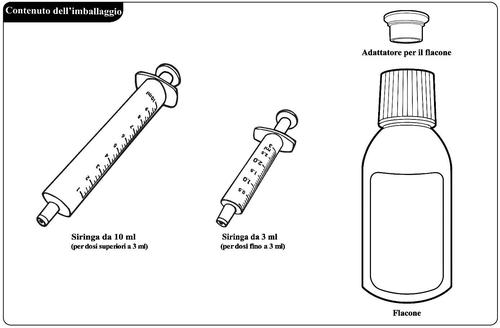
- The smalleroral administration syringe, 3 mL, is marked from 0.5 mL to 3 mL with smaller graduations of 0.1 mL. It is used to measure doses up to 30 mg, in increments of 1 mg (0.1 mL). For example:
- if the prescribed dose is 14 mg, use the 3 mL syringe and draw a volume of 1.4 mL;
- if the prescribed dose is 26 mg, use the 3 mL syringe and draw a volume of 2.6 mL.
- The largeroral administration syringe, 10 mL, is marked from 1 mL to 10 mL with smaller graduations of 0.25 mL. It is used to measure doses greater than 30 mg, in increments of 2.5 mg (0.25 mL). For example:
- if the prescribed dose is 32 mg, use the 10 mL syringe and draw a volume of 3.25 mL;
- if the prescribed dose is 54 mg, use the 10 mL syringe and draw a volume of 5.5 mL;
- if the prescribed dose is 140 mg, use the 10 mL syringe twice to draw a dose of 10.0 mL followed by another of 4.0 mL (14 mL in total).
It is important to use the correct dosing syringe for administering the medicine. Your doctor or
pharmacist will tell you which syringe to use based on the prescribed dose.
When you take the medicine or administer it to a child or another person, wash your hands before and
after. Clean up any spills immediately. In order to reduce the risk of contact with the
medicine, use disposable gloves when handling Jayempi.
In case of accidental contact of Jayempi with the skin, eyes or nose, wash the affected area immediately and
thoroughly with soap and water.
Follow the instructions below for using the medicine:
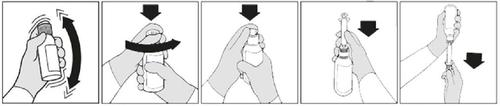
Figure 1Figure 2Figure 3Figure 4Figure 5
- 1. Wear disposable gloves before handling Jayempi.
- 2. Shake the bottle to mix the medicine well ( figure 1).
- 3. Remove the cap from the bottle ( figure 2), position the adapter inserting it firmly into the opening of the bottle and leave it in this position for subsequent doses ( figure 3).
- 4. Insert the tip of the dosing syringe into the hole of the adapter (figure 4). Your doctor or pharmacist will tell you which syringe to use.
- 5. Turn the bottle upside down (figure 5).
- 6. Pull the plunger of the syringe to draw the medicine from the bottle into the syringe. Pull the plunger up to the mark corresponding to the prescribed dose ( figure 5). If you are unsure about the amount of medicine to introduce into the syringe, always ask your doctor or nurse for advice.
- 7. Return the bottle to the vertical position and carefully remove the syringe from the adapter, holding it by the body rather than the plunger.
- 8. Gently position the tip of the syringe in your mouth and inside your cheek.
- 9. Slowly and gently push the plunger to gradually dispense the medicine inside your cheek and swallow it. DO NOT push the plunger forcefully or spray the medicine into the back of your throat, as it may go down the wrong way.
- 10. Remove the syringe from your mouth.
- 11. Swallow the dose of oral suspension and drink some water, making sure there is no medicine left in your mouth.
- 12. Put the cap back on the bottle leaving the adapter in place. Make sure the cap is tightly closed.
- 13. Wash the syringe with cold or warm tap water and rinse well. Hold the syringe under water and move the plunger up and down several times to ensure the inside of the syringe is clean. Allow the syringe to dry completely before using it again for the next dose. Store the syringe in a clean place together with the medicine.
Repeat the above operations for each dose, according to the instructions of your doctor or
pharmacist.
If you take more Jayempi than you should
If you take more Jayempi than you should, contact your doctor or go to hospital immediately.
Bring the package of the medicine with you.
The most likely effect of an overdose is bone marrow suppression, which reaches its
maximum 9-14 days after taking it.
Bone marrow suppression reduces blood cell values and in severe cases leads to dangerous
infections and other serious effects. Some symptoms of bone marrow suppression include
feeling tired, ulcers in the mouth and throat, fever and infection, and bruising and bleeding
without explanation.
If you forget to take Jayempi
Do not take a double dose to make up for a missed dose. Take the next dose
as usual.
If you have forgotten more than one dose, consult your doctor.
If you stop taking Jayempi
Treatment with Jayempi must always be carried out under strict medical supervision. Contact your
doctor if you intend to stop or discontinue treatment.
If you have any doubts about the use of this medicine, ask your doctor, pharmacist or
nurse.
4. Possible side effects
Like all medicines, this medicine can cause side effects, although not everybody gets them.
If you experience any of the following serious side effects, stop taking
Jayempi and contact your doctor or go to hospital immediately:
- allergic reaction, the signs of which may include: general tiredness, dizziness, feeling unwell (nausea), feeling sick (vomiting) or diarrhoea, high temperature (fever), shaking or chills, redness of the skin, skin nodules or rash, muscle or joint pain, change in urine colour (kidney problems), chest pain, shortness of breath or swelling of the legs (heart problems), confusion, feeling disoriented or weakness (caused by low blood pressure).
- problems with the blood and bone marrow, symptoms include weakness, tiredness, paleness, tendency to bruise easily, unusual bleeding or infections (these can be very common side effects that can affect more than 1 in 10 people).
- reversible swelling of the brain with symptoms including severe headache, changes in vision, convulsions, confusion and reduced consciousness, with or without high blood pressure (reversible posterior encephalopathy syndrome or PRES).
If you experience any of the following side effects, contact your doctor or go
to hospital immediately:
- you have a fever or notice signs of infection, such as headache and body aches, cough or difficulty breathing (similar to a chest infection);
- you come into contact with someone who has chickenpox or shingles;
- you notice any of the following reactions: black (tarry) stools, blood in the stools, abdominal pain or yellowing of the skin and the white of the eye;
- you notice easy bruising or unusual bleeding;
- you have a feeling of extreme tiredness;
- you notice nodules anywhere on the body;
- you notice any changes to the skin, for example blisters or peeling;
- you experience a sudden worsening of your general health.
Other side effects include:
Very common(may affect more than 1 in 10 people)
- low level of white blood cells in blood tests (leucopenia), which can cause infection
- infections in patients undergoing transplantation who are taking Jayempi in combination with other immunosuppressants
Common(may affect up to 1 in 10 people)
- low level of platelets in the blood (thrombocytopenia), which can cause easy bruising or bleeding
- nausea, occasionally associated with vomiting
Uncommon(may affect up to 1 in 100 people)
- low level of red blood cells (anaemia), which can cause tiredness, headache, shortness of breath when exercising, dizziness and paleness
- inflammation of the pancreas, especially in patients undergoing transplantation and patients with inflammatory bowel disease
- infections in patients who have not taken other immunosuppressants in combination with azathioprine
- hypersensitivity reactions. In very rare cases, fatal hypersensitivity reactions have occurred
- problems with the liver, which can cause pale stools, dark urine, itching and yellowing of the skin and eyes
- bile congestion
- worsening of liver function values
Liver damage and bile congestion are dose-dependent and usually regress after
stopping treatment.
Rare(may affect up to 1 in 1,000 people)
- various types of cancer, including blood cancer, lymph node cancer and skin cancer (malignant blood disorders such as acute myeloid leukaemia and myelodysplastic syndromes, typical of immunosuppression)
- reduction in the number of some white blood cells or red blood cells (agranulocytosis, aplastic anaemia, erythroid hypoplasia), of all blood cells (pancytopenia), increase in the presence of immature, abnormal and unusually large red blood cells in the blood (megaloblastic anaemia) and of small red blood cells.
- Although changes in blood counts usually occur at the beginning of therapy, they can also occur later during therapy. Therefore, regular blood count monitoring is recommended during long-term treatment, even for patients who remain stable
- severe liver damage that can be potentially fatal, especially in patients taking long-term treatment (e.g. liver damage, non-cirrhotic portal hypertension, portosinosoidal vascular disease). Tell your doctor if you experience any of the following symptoms: yellowing of the skin and whites of the eyes (jaundice), easy bruising, abdominal discomfort, loss of appetite, tiredness, nausea or vomiting. In some cases, stopping treatment with Jayempi may improve symptoms
- hair loss. In many cases, it may improve even if you continue taking azathioprine. The relationship between hair loss and the use of azathioprine is unclear
Very rare(may affect up to 1 in 10,000 people)
- anaemia due to increased destruction of red blood cells (haemolytic anaemia)
- severe skin reactions with blisters and peeling of the skin, especially on the arms, hands, fingers, mouth, eyes and genitals, associated with general ill health and fever (Stevens-Johnson syndrome, toxic epidermal necrolysis). Multiple reactions of probable allergic origin have been reported. The signs of these hypersensitivity reactions may be feeling unwell, dizziness, drowsiness, nausea (feeling sick), vomiting, diarrhoea, fever, chills, rash, inflammation of blood vessels, muscle and joint pain, low blood pressure, kidney and liver problems and blockage of the bile duct (obstruction of the bile ducts). In very rare cases, fatal hypersensitivity reactions have been reported
- after stopping treatment with Jayempi, pneumonia improves
- severe inflammatory diseases of the colon (colitis, diverticulitis) and intestinal perforation in patients undergoing transplantation
- severe diarrhoea in patients with inflammatory bowel disease
- gastrointestinal disturbance causing diarrhoea, abdominal pain (stomach ache), constipation, nausea and vomiting
- a particular type of lymphoma (T-cell hepatosplenic lymphoma)
- a disease of the white matter of the brain (PML), caused by the JC virus
If you have nausea with occasional vomiting, your doctor may advise you to take Jayempi after meals to
reduce these symptoms. Tell your doctor if you experience severe diarrhoea or nausea and vomiting.
Not known(frequency cannot be estimated from the available data)
- Vitamin B3 deficiency (pellagra) associated with pigmented skin rash, diarrhoea and memory loss, difficulty reasoning and impaired cognitive abilities.
- it is possible to develop a skin rash (raised, pink or purple bumps that are tender to the touch), especially on the arms, hands, fingers, face and neck, which may also be accompanied by fever (Sweet syndrome, also known as acute febrile neutrophilic dermatosis)
- sensitivity to sunlight that can cause changes in skin colour or rash
- inflammation of a salivary gland (sialoadenitis)
- tremor
Reporting of side effects
If you get any side effects, talk to your doctor, pharmacist or nurse. This includes any side effects not
listed in this leaflet. You can also report side effects directly through the national reporting system
detailed in Annex V. By reporting side effects you can help provide more information on the safety
of this medicine.
5. How to store Jayempi
- Keep this medicine out of the sight and reach of children.
- Do not use this medicine after the expiry date which is stated on the package and the bottle after “Exp.”. The expiry date refers to the last day of that month.
- Do not store at a temperature above 25 °C.
- Keep the bottle tightly closed to avoid deterioration of the medicine and reduce the risk of accidental spillage.
- After the first opening of the bottle, discard any unused contents after 12 weeks.
Do not dispose of any medicine in wastewater or household waste. Ask your pharmacist how to
dispose of medicines you no longer use. This will help protect the environment.
6. Contents of the pack and other information
What Jayempi contains
The active ingredient is azathioprine. 1 mL of suspension contains 10 mg of azathioprine.
The other ingredients are sodium benzoate (E211), sucralose (E955), banana flavour, citric acid
monohydrate, microcrystalline cellulose and sodium carboxymethylcellulose, xanthan gum and purified
water. See paragraph 2 “Jayempi contains sodium benzoate” and “Jayempi contains sodium”.
Description of the appearance of Jayempi and contents of the pack
Jayempi is a viscous yellow oral suspension. It is packaged in glass bottles of 200 mL, with
child-resistant closure. Each pack contains one bottle, a bottle adapter and two
dosing syringes (one 3 mL graduated syringe and one 10 mL graduated syringe).
The doctor or pharmacist will indicate which syringe to use based on the prescribed dose.
Marketing authorisation holder and manufacturer
Lipomed GmbH
Hegenheimer Strasse 2
79576 Weil am Rhein
Germany
More detailed information on this medicine is available on the website of the European
Medicines Agency: http://www.ema.europa.eu
------------------------------------------------------------------------------------------------------------------------
The following information is intended exclusively for healthcare professionals:
To measure the dose in mL according to the prescribed dosage, two
oral administration syringes are included in the pack: 3 mL and 10 mL. The oral administration
syringes are graduated in increments of 0.1 mL (1 mg) and 0.25 mL (2.5 mg), respectively.
The following table shows, by age group, weight and doses, the conversion from dose (mg) to volume (mL)
with the two oral syringes.
Table 1. Conversion from dose (mg) to volume (mL) using the two syringes for
oral administration
Dose†
1 mg/kg2 mg/kg3 mg/kg4 mg/kg5 mg/kg
mgmLmgmLmgmLmgmLmgmL
0 3.3 3.3 0.3 6.6 0.7 9.9 1.0 13.2 1.3 16.5 1.7
1 month 4.5 4.5 0.5 9.0 0.9 13.5 1.4 18.0 1.8 22.5 2.3
2 months 5.6 5.6 0.6 11.2 1.1 16.8 1.7 22.4 2.2 28.0 2.8
3 months 6.4 6.4 0.6 12.8 1.3 19.2 1.9 25.6 2.6 32.0 3.25
4 months 7.0 7.0 0.7 14.0 1.4 21.0 2.1 28.0 2.8 35.0 3.50
5 months 7.5 7.5 0.8 15.0 1.5 22.5 2.3 30.0 3.0 37.5 3.75
6 months 7.9 7.9 0.8 15.8 1.6 23.7 2.4 31.6 3.25 39.5 4.00
1.0 9.6 9.6 1.0 19.2 1.9 28.8 2.9 38.4 3.75 48.0 4.75
1.5 10.9 10.9 1.1 21.8 2.2 32.7 3.25 43.6 4.25 54.5 5.50
2.0 12.2 12.2 1.2 24.4 2.4 36.6 3.75 48.8 5.00 61.0 6.00
3.0 14.3 14.3 1.4 28.6 2.9 42.9 4.25 57.2 5.75 71.5 7.25
4.0 16.3 16.3 1.6 32.6 3.25 48.9 5.00 65.2 6.50 81.5 8.25
5.0 18.3 18.3 1.8 36.6 3.75 54.9 5.50 73.2 7.25 91.5 9.25
6.0 20.5 20.5 2.1 41.0 4.00 61.5 6.25 82.0 8.25 102.5 10.25
7.0 22.9 22.9 2.3 45.8 4.50 68.7 7.00 91.6 9.25 114.5 11.50
8.0 25.4 25.4 2.5 50.8 5.00 76.2 7.50 101.6 10.25 127.0 12.75
9.0 28.1 28.1 2.8 56.2 5.50 84.3 8.50 112.4 11.25 140.5 14.00
10.0 31.2 31.2 3.0 62.4 6.25 93.6 9.25 124.8 12.50 156.0 15.50
12.0 38.2 38.2 3.75 76.4 7.75 114.6 11.50 152.8 15.25 191.0 19.00
15.0 55.5 55.5 5.50 111.0 11.00 166.5 16.75 222.0 22.25 277.5 27.75
18.0 67.0 67.0 6.75 134.0 13.50 201.0 20.00 268.0 26.75 335.0 33.50
*50th percentile for boys and adolescent males extrapolated from the WHO (0-10 years) and UK (11-18 years) growth curves.
†Doses less than or equal to 30 mg to be taken using the 3 mL oral administration syringe with 0.1 mL graduations. Doses greater than 30 mg to be taken using the 10 mL oral administration syringe with 0.25 mL graduations (boxes with grey background).
The healthcare professional must indicate to the patient or caregiver which syringe should be used to ensure the correct volume is administered.
Age
(Years)
Weight*
(Kg)
APPENDIX IV
SCIENTIFIC CONCLUSIONS AND JUSTIFICATION FOR THE VARIATION OF THE
MARKETING AUTHORISATION(S)
Scientific conclusions
Taking into account the evaluation of the Pharmacovigilance and Risk Assessment Committee
(PRAC) of the Periodic Safety Update Report (PSUR) for azathioprine, the PRAC’s scientific conclusions are as follows:
Cardiac dysfunction (within the context of hypersensitivity reactions)
In light of the data relating to cardiac dysfunction (within the context of hypersensitivity reactions)
available in the literature, including seven cases with a close temporal correlation, a positive response
to discontinuation (de-challenge) and/or reintroduction (re-challenge), and in light of a plausible mechanism of action, the PRAC believes that a causal relationship between azathioprine and cardiac dysfunction (within the context of hypersensitivity reactions) constitutes at least a reasonable possibility. The PRAC concluded that the product information for medicines containing azathioprine should be modified accordingly.
Intrahepatic cholestasis of pregnancy
In light of the data relating to intrahepatic cholestasis of pregnancy available in the literature and data from
spontaneous reports, including eight cases with a close temporal correlation and a positive response
to discontinuation (de-challenge), and in light of a plausible mechanism of action, the PRAC believes that a causal relationship between azathioprine and intrahepatic cholestasis of pregnancy constitutes at least a reasonable possibility. The PRAC concluded that the product information for medicines containing azathioprine should be modified accordingly.
Pellagra/nicotinic acid deficiency
In light of the data relating to pellagra available in the literature, including 8 cases in the literature with
a close temporal correlation and a positive response to discontinuation (de-challenge), and in light of a plausible mechanism of action, the PRAC believes that a causal relationship between azathioprine and pellagra constitutes at least a reasonable possibility. The PRAC concluded that the product information for medicines containing azathioprine should be modified accordingly.
Reversible posterior encephalopathy syndrome (PRES)
In light of the data relating to reversible posterior encephalopathy syndrome available in the literature
and data from spontaneous reports, including some cases with a close temporal correlation and a positive response to discontinuation (de-challenge), and in light of a plausible mechanism of action, the PRAC believes that a causal relationship between azathioprine and reversible posterior encephalopathy syndrome constitutes at least a reasonable possibility. The PRAC concluded that the product information for medicines containing azathioprine should be modified accordingly.
Sialoadenitis
In light of the data relating to sialoadenitis available in the literature, including 5 cases with a close
temporal correlation and a positive response to discontinuation (de-challenge) and reintroduction (re-challenge), the PRAC believes that a causal relationship between azathioprine and sialoadenitis constitutes at least a reasonable possibility. The PRAC concluded that the product information for medicines containing azathioprine should be modified accordingly.
Tremor
In light of the data relating to tremor available in the literature and data from spontaneous
reports, including some cases with a close temporal correlation and a positive response to discontinuation (de-challenge) and/or reintroduction (re-challenge), the PRAC believes that a causal relationship between azathioprine and tremor constitutes at least a reasonable possibility. The PRAC concluded that the product information for medicines containing azathioprine should be modified accordingly.
Drug interaction between azathioprine and allopurinol
In light of the data relating to the interaction between azathioprine and allopurinol from spontaneous
reports, the PRAC considers a modification of the existing wording to be necessary. The PRAC concluded that the product information for medicines containing azathioprine should be modified accordingly.
Having examined the PRAC recommendation, the Committee for Medicinal Products for Human Use
(CHMP) agrees with the related general conclusions and with the justification for the recommendation.
Justification for the variation of the marketing authorisation(s)
Based on the scientific conclusions on azathioprine, the CHMP considers that the benefit/risk ratio of the medicinal product(s) containing azathioprine is unchanged, save for the proposed changes to the product information.
The CHMP recommends the variation of the marketing authorisation(s).

Не уверены, подходит ли вам это лекарство?
Обсудите симптомы и варианты лечения с врачом онлайн.

Уже начали прием и появились вопросы?
Обсудите свое состояние и дальнейшие шаги с врачом онлайн.
- Страна регистрации
- Форма выпускаOral suspension, 10 MG / ML
- Код АТХL04AX01
- Действующее вещество
- Отпускается по рецептуНет
- Производитель
- Информация на этой странице носит справочный характер и не является медицинской консультацией. Перед началом приема лекарства обязательно проконсультируйтесь с врачом.
- Аналоги JAYEMPIФорма выпуска: Film-coated tablet, 50 MGДействующее вещество: азатиопринаПроизводитель: ASPEN PHARMA TRADING LIMITEDОтпускается по рецептуФорма выпуска: Film-coated tablet, <50 mgДействующее вещество: азатиопринаПроизводитель: SANDOZ S.P.A.Отпускается по рецептуФорма выпуска: Film-coated tablet, 267 MGДействующее вещество: ПирфенидонПроизводитель: DAY ZERO EHFОтпускается по рецепту
Аналоги JAYEMPI в других странах
Лекарства с тем же действующим веществом, доступные в других странах.
Аналог JAYEMPI в Польша
Аналог JAYEMPI в Украина
Аналог JAYEMPI в Испания
Получите рецепт на JAYEMPI онлайн
Заполните форму за 2 минуты
Расскажите о симптомах, истории болезни и нужном препарате.
Выберите врача или мы назначим
Выберите специалиста или мы подберём ближайшего доступного врача.
Врач рассматривает ваш случай
Обычно в течение 30 минут. Может задать уточняющие вопросы в чате.
Получите в любой аптеке
Электронный рецепт отправляется на вашу почту — действителен по всей Польше.
Часто задаваемые вопросы
JAYEMPI не требует рецепта в Италия. Вы можете уточнить у врача онлайн, подходит ли это лекарство для вашей ситуации.
Действующее вещество JAYEMPI — азатиоприна. Эта информация помогает определить лекарства с тем же составом под другими торговыми названиями.
JAYEMPI производится компанией LIPOMED GMBH. Упаковка и торговое название могут отличаться в зависимости от дистрибьютора.
Врачи, включая Семейные врачи, Психиатры, Дерматологи, Кардиологи, Эндокринологи, Гастроэнтерологи, Пульмонологи, Нефрологи, Ревматологи, Гематологи, Инфекционисты, Аллергологи, Гериатры, Педиатры, Онкологи, могут оценить целесообразность применения JAYEMPI с учетом вашей ситуации и местных правил. Вы можете записаться на онлайн-консультацию, чтобы обсудить возможные варианты.
Польша имеет хорошо развитую систему здравоохранения в крупных городах, таких как Варшава, Краков, Вроцлав и Гданьск. Аптеки широко доступны и работают в соответствии с действующим законодательством, обеспечивая доступ к рецептурным препаратам.
Вы можете купить JAYEMPI в Варшаве, Кракове, Вроцлаве или Гданьске в любой аптеке при наличии действующего рецепта.
Чтобы получить рецепт, вы можете воспользоваться Oladoctor:
Другие лекарства с тем же действующим веществом (азатиоприна) включают ATSATIOPRINA ASPEN, ATSATIOPRINA EXAL, BLAMONEEL. Они могут отличаться торговым названием или формой выпуска, но содержат одинаковый терапевтический компонент. Перед изменением лечения рекомендуется проконсультироваться с врачом.
