



ILARIS 150 mg Порошок Для Инъекционного Раствора

Рассмотрение рецепта онлайн
Врач рассмотрит ваш случай и примет решение о назначении рецепта, если это медицински оправдано.

Поговорите с врачом об этом лекарстве
Обсудите симптомы и возможные дальнейшие шаги на онлайн-консультации.



Инструкция по применению ILARIS
Содержание инструкции
Ilaris 150 mg powder for injectable solution
canakinumab
Read this leaflet carefully before you start using this medicine as it contains important
information for you.
- Keep this leaflet. You may need to read it again.
- If you have any questions, ask your doctor, pharmacist or nurse.
- This medicine has been prescribed for you only. Do not pass it on to others, even if their symptoms are the same as yours, as it could be harmful.
- If you get any side effects, even those not listed in this leaflet, tell your doctor, pharmacist or nurse. See section 4.
Contents of this leaflet:
- 1. What Ilaris is and what it is used for
- 2. What you need to know before you use Ilaris
- 3. How to use Ilaris
- 4. Possible side effects
- 5. How to store Ilaris
- 6. Contents of the pack and other information
1. What is Ilaris and what is it used for
What is Ilaris
Ilaris contains the active ingredient canakinumab, a monoclonal antibody that belongs to a group
of medicines known as interleukin inhibitors. It blocks the activity in the body of a
substance called interleukin-1 beta (IL-1 beta), which is present at higher levels in
inflammatory diseases.
What is Ilaris used for
Ilaris is used for the treatment of the following inflammatory diseases:
- Periodic fever syndromes:
- Cryopyrin-Associated Periodic Syndromes (CAPS),
- Tumor Necrosis Factor Receptor-Associated Periodic Syndrome (TRAPS),
- Hyperimmunoglobulinemia D Syndrome (HIDS)/mevalonate kinase deficiency (MKD),
- Familial Mediterranean Fever (FMF).
- Still’s disease including adult-onset Still’s disease (AOSD) and systemic juvenile idiopathic arthritis (SJIA)
- Gouty arthritis
More information on each of these diseases is provided below.
Periodic fever syndromes
Ilaris is used in adults and children from 2 years of age for the treatment of:
- Cryopyrin-Associated Periodic Syndromes (CAPS) - this is a group of autoinflammatory diseases that includes:
- Muckle-Wells syndrome (MWS),
- Neonatal-onset multisystem inflammatory disease (NOMID), also called chronic infantile neurological, cutaneous and articular syndrome (CINCA),
- Severe forms of familial cold autoinflammatory syndrome (FCAS) / familial cold urticaria (FCU) that manifest with signs and symptoms beyond cold-induced urticarial rash
- Tumor Necrosis Factor Receptor-Associated Periodic Syndrome (TRAPS)
- Hyperimmunoglobulinemia D Syndrome (HIDS), also known as mevalonate kinase deficiency (MKD)
- Familial Mediterranean Fever (FMF): Ilaris is used for the treatment of FMF. Ilaris can be used together with colchicine, if appropriate.
In patients with periodic fever syndromes (CAPS, TRAPS, HIDS/MKD and FMF), the body
produces too much IL-1 beta. This can cause fever, headache, fatigue, rash or pain
in joints and muscles. By blocking the activity of IL-1 beta, Ilaris can improve these symptoms.
Still’s disease
Ilaris is used in adults, adolescents and children for the treatment of Still’s disease including
adult-onset Still’s disease and systemic juvenile idiopathic arthritis (SJIA), in patients from 2 years of
age, if other treatments have not worked sufficiently. Ilaris can be used alone or in
combination with methotrexate.
Still’s disease, including SJIA and AOSD, is an inflammatory disease that can cause pain,
swelling and inflammation of one or more joints, as well as rash and fever. A
pro-inflammatory protein called IL-1 beta plays an important role in the inflammation of
Still’s disease. Ilaris blocks the activity of IL-1 beta, which can improve the signs and symptoms of Still’s disease.
Gouty arthritis
Ilaris is used in adults for the treatment of symptoms of frequent gout flares, if
other treatments have been insufficient.
Gouty arthritis is caused by the formation of urate crystals. These crystals cause an
excessive production of IL-1 beta which in turn can lead to sudden, severe pain, redness,
heat and swelling of a joint (known as a gout flare). By blocking the activity of IL-1
beta, Ilaris can lead to an improvement of these symptoms.
2. What you need to know before using Ilaris
Do not use Ilaris
- if you are allergic to canakinumab or any of the other ingredients of this medicine (listed in section 6).
- if you have or suspect you have a serious infection that is active.
Warnings and precautions
Talk to your doctor before using Ilarisif any of these conditions apply to you:
- if you have an ongoing infection or if you have had recurrent infections or a condition such as a known low level of white blood cells, which may increase the risk of contracting infections.
- if you have or have had tuberculosis or direct contact with a person with active tuberculosis infection. Your doctor may check with a specific test if you have tuberculosis.
- if you have signs of a liver disorder such as yellowing of the skin and eyes, nausea, loss of appetite, dark-colored urine, and pale stools.
- if you need to receive any vaccinations. You are advised to avoid being vaccinated with a type of vaccine also called a live vaccine while being treated with Ilaris (see also “Other medicines and Ilaris”).
Contact your doctor immediately
- if you have developed a widespread skin rash or widespread skin peeling in the past after taking Ilaris. This serious skin reaction, called DRESS (drug reaction with eosinophilia and systemic symptoms), has been rarely reported in association with Ilaris-based therapy, predominantly in subjects with systemic juvenile idiopathic arthritis (SJIA). Consult your doctor immediately if you notice an atypical and widespread rash, which may be associated with high fever and enlarged lymph nodes.
Still’s Disease
- Patients with Still’s disease may develop a condition called macrophage activation syndrome (MAS), which can be life-threatening. Your doctor will monitor you for potential MAS triggers including infections and reactivation of the underlying Still’s disease (flare-up).
Children and adolescents
- CAPS, TRAPS, HIDS/MKD, FMF and SJIA: Ilaris can be used in children from 2 years of age.
- Gouty arthritis: Ilaris is not recommended for children or adolescents under 18 years of age.
Other medicines and Ilaris
Tell your doctor, pharmacist or nurse if you are taking, have recently taken or might
take any other medicines.
- Live vaccines: you are advised to avoid being vaccinated with a type of vaccine known as a live vaccine while being treated with Ilaris. Your doctor may want to check your vaccination history and administer any missing vaccines before starting treatment with Ilaris. If you need a vaccination with a live vaccine after starting treatment with Ilaris, talk to your doctor. A live vaccine should normally be given 3 months after the last injection of Ilaris and 3 months before the next injection.
- Medicines called tumor necrosis factor (TNF) inhibitors, such as etanercept, adalimumab or infliximab. These are used mainly in rheumatic and autoimmune diseases. They should not be used with Ilaris as they may increase the risk of infections.
Pregnancy and breastfeeding
If you are pregnant, suspect you are pregnant, are planning to become pregnant or are breastfeeding
with breast milk, ask your doctor or pharmacist for advice before taking this medicine.
- It is recommended to avoid becoming pregnant and to use adequate contraception while taking Ilaris and for at least 3 months after the last treatment with Ilaris. It is important to inform your doctor if you are pregnant, think you may be pregnant or are planning to become pregnant. Your doctor will discuss with you the potential risk of taking Ilaris during pregnancy.
- If you have been treated with canakinumab while pregnant, it is important to inform your pediatrician or nurse before administering any vaccinations to your child. Your child should not receive live vaccines until at least 16 weeks after you have received the last dose of canakinumab before delivery.
- It is not known whether Ilaris passes into breast milk. Your doctor will discuss with you the potential risks of treatment with Ilaris before breastfeeding.
Driving and operating machinery
Treatment with Ilaris may cause a feeling of dizziness or intense
tiredness (asthenia). This may impair your ability to drive vehicles or operate tools or
machinery. If you feel dizzy or tired, do not drive vehicles or operate tools or machinery until you feel well again.
3. How to use Ilaris
Use this medicine following the doctor's instructions exactly. If you have any doubts, consult your
doctor, pharmacist, or nurse.
Keep your doctor informed about your condition and any symptoms before using or before you
are administered Ilaris (see section 2). Your doctor may decide to delay or interrupt
treatment, but only if necessary.
Ilaris is intended for subcutaneous use. This means that it is injected through a short needle into the
fatty tissue just below the skin.
If you suffer from gouty arthritis, treatment must be supervised by a specialist doctor. Ilaris
must be injected only by healthcare professionals.
If you suffer from CAPS, TRAPS, HIDS/MKD, FMF or Still's disease (AOSD or SJIA), you can inject Ilaris
yourself after adequate training or a person assisting you can inject it for you.
How much Ilaris to use
Periodic syndromes associated with cryopyrin (CAPS)
The recommended initial dose of Ilaris is:
- Adults, adolescents and children 4 years of age or older
- 150 mg for patients weighing more than 40 kg
- 2 mg/kg for patients weighing between 15 kg and 40 kg
- 4 mg/kg for patients weighing between 7.5 kg and less than 15 kg
- Children 2 or 3 years of age
- 4 mg/kg for patients with a body weight of 7.5 kg or more
Ilaris is injected as a single dose every 8 weeks.
- If you have not had a satisfactory response to treatment after 7 days, your doctor may administer another dose of 150 mg or 2 mg/kg.
- If you respond satisfactorily to the second dose, treatment will be continued with 300 mg or 4 mg/kg every 8 weeks.
- If you do not respond satisfactorily to the second dose, you may be administered a third dose of Ilaris of 300 mg or 4 mg/kg.
- If you respond satisfactorily to the third dose, treatment will be continued with 600 mg or 8 mg/kg every 8 weeks.
For children treated with an initial dose of 4 mg/kg who have not had a satisfactory response
after 7 days, the doctor may administer a second dose of 4 mg/kg. If the child responds in
a satisfactory manner to this dose, treatment may continue with a dose of 8 mg/kg every
8 weeks.
Tumor necrosis factor receptor-associated periodic syndrome (TRAPS), hyperimmunoglobulinemia D
syndrome (HIDS)/mevalonate kinase deficiency (MKD) and Familial Mediterranean Fever (FMF)
The recommended initial dose of Ilaris is:
- Adults and children from 2 years of age
- 150 mg for patients weighing more than 40 kg
- 2 mg/kg for patients weighing between 7.5 kg and less than 40 kg
Ilaris is injected as a single dose every 4 weeks.
- If you have not responded satisfactorily to treatment after 7 days, your doctor may administer another dose of 150 mg or 2 mg/kg.
- If you respond satisfactorily to this dose, treatment will be continued with 300 mg or 4 mg/kg every 4 weeks.
Still's disease (SJIA and AOSD)
The recommended dose of Ilaris for patients with Still's disease, with a body weight of 7.5 kg and over,
is 4 mg/kg (up to a maximum of 300 mg). Ilaris is injected every 4 weeks as a single dose.
Gouty arthritis
The doctor will discuss with you the need to start or adjust a therapy to lower uric acid levels (uricosuric therapy), to decrease the levels of uric acid in the blood.
The recommended dose of Ilaris, for adult patients with gouty arthritis, is 150 mg, administered as
a single dose at the time of a gouty arthritis flare.
If you need another treatment with Ilaris and have experienced relief from the administration of the last
dose, you must wait at least 12 weeks before the next dose.
Self-injection of Ilaris or how to inject Ilaris into a patient
If you are a patient with CAPS, TRAPS, HIDS/MKD, FMF or Still's disease (AOSD or SJIA) or someone
assisting a patient with one of these conditions, you can inject Ilaris yourself after appropriate
training on the correct injection technique.
- The patient or person assisting them and the doctor must decide together who will administer the Ilaris injections.
- The doctor or nurse will show how to administer the Ilaris injection.
- If you have not been properly instructed or if you are not sure how to do it, do not try to administer the injection yourself.
- Ilaris 150 mg powder for solution for injection, is supplied in a single-dose vial for personal use.
- Never reuse any residual solution.
For instructions on how to inject Ilaris, read the section “Instructions for Use” at the end of this
How long to use Ilaris
- CAPS, TRAPS, HIDS/MKD, FMF or Still's disease (AOSD or SJIA): You must continue using Ilaris for the time that has been indicated by your doctor.
- Gouty arthritis: If you have a gouty arthritis flare, you will be administered a single dose of Ilaris. If you experience a new flare, your doctor may consider administering a new dose, but not before 12 weeks from the previous dose.
If you use more Ilaris than you should
If you accidentally inject more Ilaris than the recommended dose, it is probably not serious but you
should inform your doctor, pharmacist or nurse as soon as possible.
If you forget to use Ilaris
If you suffer from CAPS, TRAPS, HIDS/MKD, FMF or Still's disease (AOSD or SJIA) and have forgotten to
inject a dose of Ilaris, inject the next dose as soon as you remember. Then inform your doctor
to discuss when you should inject the next dose. You must then continue with injections at the
recommended intervals as before.
If you stop using Ilaris
Stopping treatment with Ilaris may worsen your condition. Do
not stop treatment with Ilaris unless your doctor has told you to.
If you have any doubts about using this medicine, ask your doctor, pharmacist or
nurse.
4. Possible side effects
Like all medicines, this medicine can cause side effects, although not everyone will experience them.
Some side effects may be serious. If you notice any of the aforementioned side effects,
inform your doctor immediately:
- Fever lasting more than 3 days or any other symptom that may indicate a serious infection. These include tremors, chills, feeling unwell, loss of appetite, widespread pain, usually associated with a sudden onset of illness, sore throat or mouth ulcers, cough, mucus, chest pain, difficulty breathing, ear pain, prolonged headache or localised redness, warmth or swelling of the skin or inflammation of connective tissue (cellulitis). These symptoms may be caused by a serious infection, an unusual infection (opportunistic infection) or be related to low levels of white blood cells (known as leucopenia or neutropenia). If deemed necessary, your doctor may subject you to regular blood tests.
- Allergic reactions with skin rash and itching and possibly also hives, difficulty breathing or swallowing, dizziness, unusual perception of heartbeat (palpitations) or low blood pressure.
Other side effects of Ilaris include:
Very common(may affect more than 1 in 10 people):
- Infections of any kind. These may include:
- Respiratory infections such as chest infection, influenza, sore throat, runny nose, stuffy nose, sneezing, feeling of pressure or pain in the cheeks or forehead with or without fever (pneumonia, bronchitis, influenza, sinusitis, rhinitis, pharyngitis, tonsillitis, nasopharyngitis, upper respiratory tract infection).
- Other infections such as ear infection, skin infection (cellulitis), stomach pain and feeling unwell (gastroenteritis) and painful and frequent urination with or without fever (urinary tract infection).
- Upper abdominal pain.
- Joint pain (arthralgia).
- Decrease in the level of white blood cells (leucopenia).
- Abnormal results of kidney function testing (decreased creatinine renal clearance, proteinuria).
- Reaction at the injection site (such as redness, swelling, warmth and itching).
Common(may affect up to 1 in 10 people):
- Candida - vaginal yeast infection (vulvovaginal candidiasis)
- Feeling dizzy, feeling of spinning (dizziness or vertigo).
- Back or muscle pain.
- Feeling weak or very tired (fatigue, asthenia).
- Decrease in the levels of white blood cells that help prevent infection (neutropenia).
- Abnormal levels of triglycerides in the blood (lipid metabolism disorder).
- Abnormal results of liver function tests (increased transaminases) or high levels of bilirubin in the blood with or without yellowing of the skin and eyes (hyperbilirubinemia).
Uncommon(may affect up to 1 in 100 people):
- Heartburn (gastro-oesophageal reflux disease).
- Decrease in the levels of blood cells that help prevent bleeding (platelets).
Inform your doctor or paediatrician immediately if you notice any of these symptoms.
Reporting of side effects
If you experience any side effects, including those not listed in this leaflet, please inform
your doctor, pharmacist or nurse. You can also report side effects directly
through the national reporting system detailed in Appendix V. By reporting side
effects, you can help provide more information on the safety of this medicine.
5. How to store Ilaris
- Keep this medicine out of the sight and reach of children.
- Do not use this medicine after the expiry date which is stated on the label and the carton. The expiry date refers to the last day of that month.
- Store in a refrigerator (2°C - 8°C). Do not freeze.
- Store in the original package to protect the medicine from light.
- After mixing (reconstitution), the medicine must be used immediately. If not used immediately, the solution must be stored in a refrigerator (2°C - 8°C) and used within 24 hours.
- Do not use this medicine if you notice that the solution is not clear or opalescent or contains particles.
- Any unused medicine must be disposed of after the dose has been injected.
- Do not dispose of any medicine in waste water or household waste. Ask your pharmacist how to dispose of medicines you no longer use. This will help protect the environment.
6. Content of the pack and other information
What Ilaris contains
- The active substance is canakinumab. One vial of powder contains 150 mg of canakinumab. After reconstitution, each ml of solution contains 150 mg of canakinumab.
- The other ingredients are: sucrose, histidine, histidine hydrochloride monohydrate, polysorbate 80.
Description of the appearance of Ilaris and contents of the pack
- Ilaris is supplied as a powder for injectable solution (150 mg in a 6 ml glass vial).
- The powder is white in colour.
- Ilaris is available in packs containing one vial or multiple packs comprising four intermediate packs, each containing one vial. Not all pack sizes may be available in your country.
Marketing Authorisation Holder
Novartis Europharm Limited
Vista Building
Elm Park, Merrion Road
Dublin 4
Ireland
Manufacturer
Novartis Pharma GmbH
Roonstrasse 25
90429 Nuremberg
Germany
For further information on this medicinal product, contact the local representative of the Marketing Authorisation Holder:
België/Belgique/Belgien
Novartis Pharma N.V.
Tél/Tel: +32 2 246 16 11
Lietuva
SIA Novartis Baltics Lietuvos filialas
Tel: +370 5 269 16 50
България
Novartis Bulgaria EOOD
Тел.: +359 2 489 98 28
Luxembourg/Luxemburg
Novartis Pharma N.V.
Tél/Tel: +32 2 246 16 11
Česká republika
Novartis s.r.o.
Tel: +420 225 775 111
Magyarország
Novartis Hungária Kft.
Tel.: +36 1 457 65 00
Danmark
Novartis Healthcare A/S
Tlf: +45 39 16 84 00
Malta
Novartis Pharma Services Inc.
Tel: +356 2122 2872
Deutschland
Novartis Pharma GmbH
Tel: +49 911 273 0
Nederland
Novartis Pharma B.V.
Tel: +31 88 04 52 111
Eesti
SIA Novartis Baltics Eesti filiaal
Tel: +372 66 30 810
Norge
Novartis Norge AS
Tlf: +47 23 05 20 00
Ελλάδα
Novartis (Hellas) A.E.B.E.
Τηλ: +30 210 281 17 12
Österreich
Novartis Pharma GmbH
Tel: +43 1 86 6570
España
Novartis Farmacéutica, S.A.
Tel: +34 93 306 42 00
Polska
Novartis Poland Sp. z o.o.
Tel.: +48 22 375 4888
France
Novartis Pharma S.A.S.
Tél: +33 1 55 47 66 00
Portugal
Novartis Farma - Produtos Farmacêuticos, S.A.
Tel: +351 21 000 8600
Hrvatska
Novartis Hrvatska d.o.o.
Tel. +385 1 6274 220
România
Novartis Pharma Services Romania SRL
Tel: +40 21 31299 01
Ireland
Novartis Ireland Limited
Tel: +353 1 260 12 55
Slovenija
Novartis Pharma Services Inc.
Tel: +386 1 300 75 50
Ísland
Vistor hf.
Sími: +354 535 7000
Slovenská republika
Novartis Slovakia s.r.o.
Tel: +421 2 5542 5439
Italia
Novartis Farma S.p.A.
Tel: +39 02 96 54 1
Suomi/Finland
Novartis Finland Oy
Puh/Tel: +358 (0)10 6133 200
Κύπρος
Novartis Pharma Services Inc.
Τηλ: +357 22 690 690
Sverige
Novartis Sverige AB
Tel: +46 8 732 32 00
Latvija
SIA Novartis Baltics
Tel: +371 67 887 070
United Kingdom (Northern Ireland)
Novartis Ireland Limited
Tel: +44 1276 698370
Other sources of information
More detailed information on this medicinal product is available on the website of the European Medicines Agency: http://www.ema.europa.eu/
Instructions for use of Ilaris powder for solution for injection
It is emphasised that preparing the injection takes approximately 30 minutes.
See also section 3, “Self-injection of Ilaris or injection of Ilaris into a patient”.
Read these instructions every time before starting.
Essential preparations
- Find a clean place to prepare and administer the injection.
- Wash your hands with water and soap.
- Check the expiry date on the vial and syringes. Do not use after the expiry date which is stated on the label and the carton. The expiry date refers to the last day of the month.
- Always use new, unopened needles and syringes. Avoid touching the needles and the top of the vials.
Preparing what you need
Included in the pack
- one vial of Ilaris powder for solution for injection (keep refrigerated)
Not included in the pack
- one vial (or ampoule) of water for injections (“water”) (at room temperature)
- one 1.0 ml syringe
- one 18 G x 2 inch (50 mm) needle for reconstituting the powder (“transfer needle”)
- one 27 G x 0.5 inch (13 mm) needle for the injection (“injection needle”)
- alcohol swabs
- clean, dry cotton swabs
- a plaster
- a suitable container for disposing of used needles, syringes and vials (container for special waste)
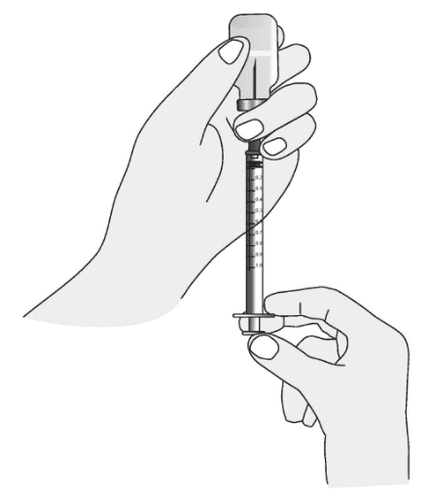
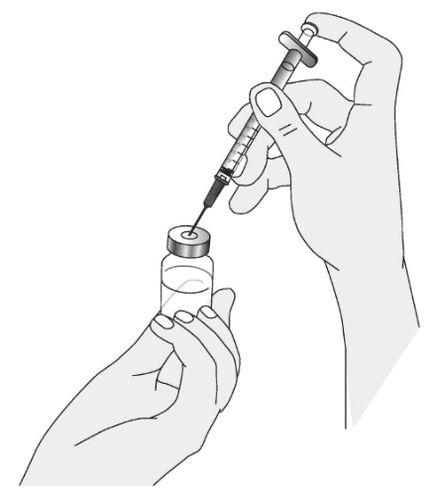
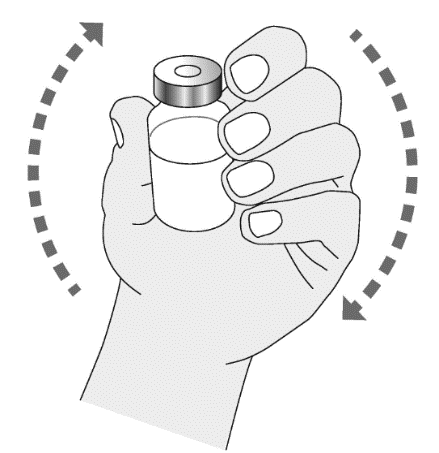
Mixing Ilaris
e n z i a I t a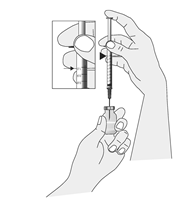 |
|
 |
|
 | a
|
i a I t a l i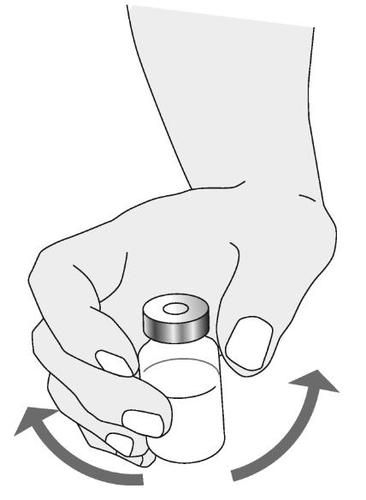 | n
|
 |
|
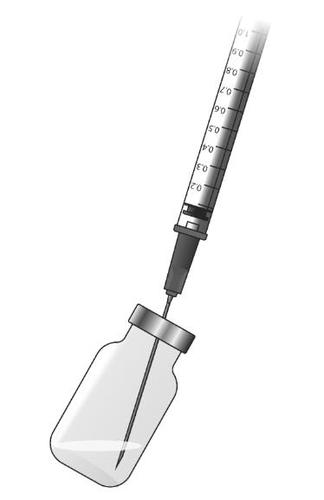
Preparing the injection
t a l i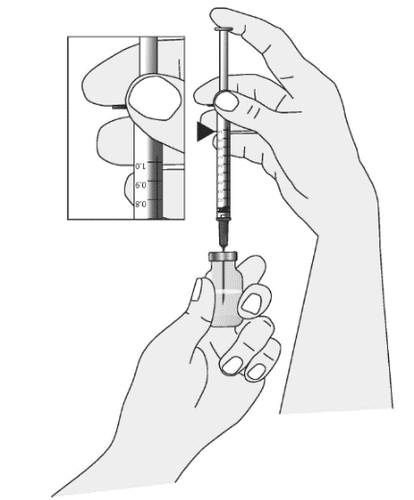 | d
|
A g e n z i a I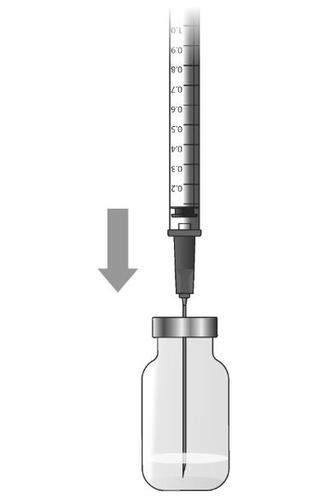 |
|
 |
|
Giving the injection
i a I t a l i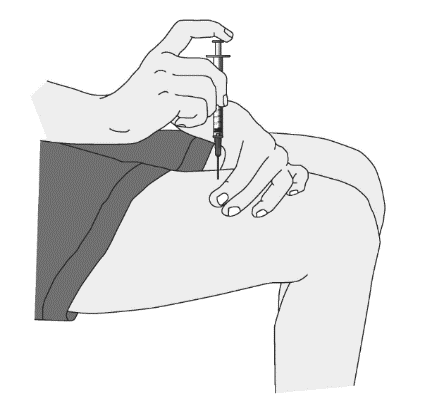 | n
|
A g e n z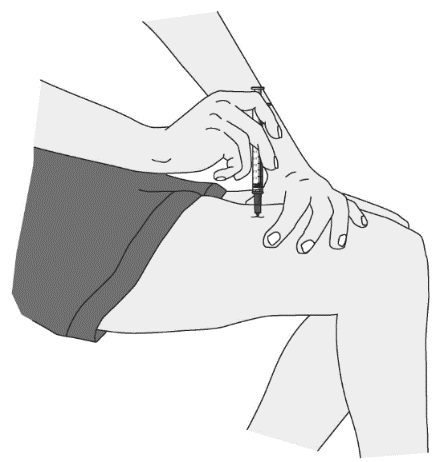 |
|
After the injection
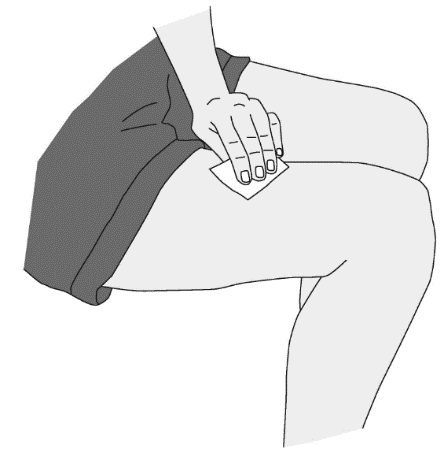 | o
|
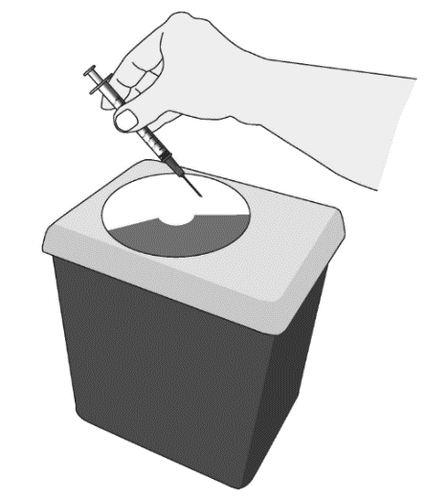 | a
|
Ilaris 150 mg/ml injectable solution
canakinumab
Read this leaflet carefully before using this medicine, as it contains important information for you.
- Keep this leaflet. You may need to read it again.
- If you have any questions, ask your doctor, pharmacist or nurse.
- This medicine has been prescribed for you only. Do not pass it on to others, even if they have the same symptoms as you, as it may be harmful.
- If you get any side effects, even those not listed in this leaflet, tell your doctor, pharmacist or nurse. See section 4.
Contents of this leaflet:
- 1. What Ilaris is and what it is used for
- 2. What you need to know before you use Ilaris
- 3. How to use Ilaris
- 4. Possible side effects
- 5. How to store Ilaris
- 6. Contents of the pack and other information
1. What is Ilaris and what is it used for
What is Ilaris
Ilaris contains the active ingredient canakinumab, a monoclonal antibody that belongs to a group
of medicines known as interleukin inhibitors. It blocks the activity in the body of a
substance called interleukin-1 beta (IL-1 beta), which is present at higher levels in
inflammatory diseases.
What is Ilaris used for
Ilaris is used for the treatment of the following inflammatory diseases:
- Periodic fever syndromes:
- Cryopyrin-associated periodic syndromes (CAPS),
- Tumor necrosis factor receptor-associated periodic syndrome (TRAPS),
- Hyperimmunoglobulinemia D syndrome (HIDS)/mevalonate kinase deficiency (MKD),
- Familial Mediterranean fever (FMF).
- Still’s disease including adult-onset Still’s disease (AOSD) and systemic juvenile idiopathic arthritis (SJIA)
- Gouty arthritis
More information on each of these diseases is provided below.
Periodic fever syndromes
Ilaris is used in adults and children from 2 years of age for the treatment of:
- Cryopyrin-Associated Periodic Syndromes (CAPS) - this is a group of autoinflammatory diseases that includes:
- Muckle-Wells syndrome (MWS),
- Neonatal-onset multisystem inflammatory disease (NOMID), also called chronic infantile neurological, cutaneous and articular syndrome (CINCA),
- Severe forms of familial cold autoinflammatory syndrome (FCAS) / familial cold urticaria (FCU) that manifest with signs and symptoms beyond cold-induced urticarial rash
- Tumor necrosis factor receptor-associated periodic syndrome (TRAPS)
- Hyperimmunoglobulinemia D syndrome (HIDS), also known as mevalonate kinase deficiency (MKD)
- Familial Mediterranean fever (FMF): Ilaris is used for the treatment of FMF. Ilaris can be used together with colchicine, if appropriate.
In patients with periodic fever syndromes (CAPS, TRAPS, HIDS/MKD and FMF), the body
produces too much IL-1 beta. This can cause fever, headache, fatigue, rash or pain
to joints and muscles. By blocking the activity of IL-1 beta, Ilaris can improve these symptoms.
Still’s disease
Ilaris is used in adults, adolescents and children for the treatment of Still’s disease including
adult-onset Still’s disease and systemic juvenile idiopathic arthritis (SJIA), in patients from 2 years of
age, if other treatments have not worked sufficiently. Ilaris can be used alone or in
combination with methotrexate.
Still’s disease, including SJIA and AOSD, is an inflammatory disease that can cause pain,
swelling and inflammation of one or more joints, as well as rash and fever. A
pro-inflammatory protein called IL-1 beta plays an important role in the inflammation of
Still’s disease. Ilaris blocks the activity of IL-1 beta, which can improve the signs and symptoms of Still’s disease.
Gouty arthritis
Ilaris is used in adults for the treatment of symptoms of frequent gout flares if
other treatments have been insufficient.
Gouty arthritis is caused by the formation of urate crystals. These crystals cause an
excessive production of IL-1 beta which in turn can lead to sudden, severe pain, redness,
heat and swelling of a joint (known as a gout flare). By blocking the activity of IL-1
beta, Ilaris can lead to an improvement of these symptoms.
2. What you need to know before using Ilaris
Do not use Ilaris
- if you are allergic to canakinumab or any of the other ingredients of this medicine (listed in section 6).
- if you have or suspect you have a serious infection that is active.
Warnings and precautions
Talk to your doctor before using Ilarisif any of these conditions apply to you:
- if you have an ongoing infection or if you have had recurrent infections or a condition such as a known low level of white blood cells, which may increase the risk of contracting infections.
- if you have or have had tuberculosis or direct contact with a person with active tuberculosis infection. Your doctor may check with a specific test if you have tuberculosis.
- if you have signs of a liver disorder such as yellowing of the skin and eyes, nausea, loss of appetite, dark-colored urine, and pale stools.
- if you need to receive any vaccinations. You are advised to avoid being vaccinated with a type of vaccine also called a live vaccine while being treated with Ilaris (see also “Other medicines and Ilaris”).
Contact your doctor immediately
- if you have previously developed a widespread rash or widespread skin peeling after taking Ilaris. This serious skin reaction, called DRESS (drug reaction with eosinophilia and systemic symptoms), has been rarely reported in association with Ilaris-based therapy, predominantly in subjects with systemic juvenile idiopathic arthritis (SJIA). Immediately consult your doctor if you notice an atypical and widespread rash, which may be associated with high fever and enlarged lymph nodes.
Still’s Disease
- Patients with Still’s disease may develop a condition called macrophage activation syndrome (MAS), which can be life-threatening. Your doctor will monitor you for potential MAS triggers including infections and reactivation of the underlying Still’s disease (flare-up).
Children and adolescents
- CAPS, TRAPS, HIDS/MKD, FMF and SJIA: Ilaris can be used in children from 2 years of age.
- Gouty arthritis: Ilaris is not recommended for children or adolescents under 18 years of age.
Other medicines and Ilaris
Tell your doctor, pharmacist or nurse if you are taking, have recently taken or might
take any other medicine.
- Live vaccines: you are advised to avoid being vaccinated with a type of vaccine known as a live vaccine while being treated with Ilaris. Your doctor may want to check your vaccination history and administer any missing vaccines before starting treatment with Ilaris. If you need a vaccination with a live vaccine after starting treatment with Ilaris, talk to your doctor. A live vaccine should normally be given 3 months after the last Ilaris injection and 3 months before the next injection.
- Medicines called tumor necrosis factor (TNF) inhibitors, such as etanercept, adalimumab or infliximab. These are used mainly in rheumatic and autoimmune diseases. They should not be used with Ilaris as they may increase the risk of infections.
Pregnancy and breastfeeding
If you are pregnant, suspect you are pregnant or are planning to become pregnant, or if you are
breastfeeding, ask your doctor or pharmacist for advice before taking this medicine.
- It is recommended to avoid becoming pregnant and to use adequate contraception while taking Ilaris and for at least 3 months after the last treatment with Ilaris. It is important to inform your doctor if you are pregnant, think you may be pregnant or are planning to become pregnant. Your doctor will discuss with you the potential risk of taking Ilaris during pregnancy.
- If you have been treated with canakinumab while pregnant, it is important to inform your pediatrician or nurse before administering any vaccinations to your baby. Your baby should not receive live vaccines until at least 16 weeks after you have received the last dose of canakinumab before delivery.
- It is not known whether Ilaris passes into breast milk. Your doctor will discuss with you the potential risks of treatment with Ilaris before breastfeeding.
Driving and using machines
Treatment with Ilaris may cause a feeling of dizziness or intense
tiredness (asthenia). This may impair your ability to drive vehicles or use tools or
machinery. If you experience dizziness or tiredness, do not drive vehicles or use tools or
machinery until you feel well again.
3. How to use Ilaris
Use this medicine following the doctor's instructions exactly. If you have any doubts, consult your
doctor, pharmacist or nurse.
Keep your doctor informed about your condition and any symptoms before using or before you
are administered Ilaris (see section 2). Your doctor may decide to delay or discontinue
treatment, but only if necessary.
Ilaris is intended for subcutaneous use. This means that it is injected through a short needle into the
fatty tissue just below the skin.
If you suffer from gouty arthritis, treatment must be supervised by a specialist doctor. Ilaris
must be injected only by healthcare professionals.
If you suffer from CAPS, TRAPS, HIDS/MKD, FMF or Still's disease (AOSD or SJIA), you can inject Ilaris
yourself after adequate training or a person assisting you can inject it for you.
How much Ilaris to use
Periodic syndromes associated with cryopyrin (CAPS)
The recommended initial dose of Ilaris is:
- Adults, adolescents and children 4 years of age or older
- 150 mg for patients with a body weight greater than 40 kg
- 2 mg/kg for patients weighing between 15 kg and 40 kg
- 4 mg/kg for patients weighing between 7.5 kg and less than 15 kg
- Children 2 or 3 years of age
- 4 mg/kg for patients with a body weight of 7.5 kg or more
Ilaris is injected as a single dose every 8 weeks.
- If you have not had a satisfactory response to treatment after 7 days, your doctor may administer another dose of 150 mg or 2 mg/kg.
- If you respond satisfactorily to the second dose, treatment will be continued with 300 mg or 4 mg/kg every 8 weeks.
- If you do not respond satisfactorily to the second dose, you may be administered a third dose of Ilaris of 300 mg or 4 mg/kg.
- If you respond satisfactorily to the third dose, treatment will be continued with 600 mg or 8 mg/kg every 8 weeks.
For children treated with an initial dose of 4 mg/kg who have not had a satisfactory response
after 7 days, the doctor may administer a second dose of 4 mg/kg. If the child responds in
a satisfactory manner to this dose, treatment may continue with a dose of 8 mg/kg every
8 weeks.
Periodic syndrome associated with the tumor necrosis factor receptor (TRAPS), hyperimmunoglobulinemia D syndrome (HIDS)/mevalonate kinase deficiency (MKD) and Familial Mediterranean Fever (FMF)
The recommended initial dose of Ilaris is:
- Adults and children starting from 2 years of age
- 150 mg for patients weighing more than 40 kg
- 2 mg/kg for patients weighing between 7.5 kg and less than 40 kg
Ilaris is injected as a single dose every 4 weeks.
- If you have not responded satisfactorily to treatment after 7 days, your doctor may administer another dose of 150 mg or 2 mg/kg.
- If you respond satisfactorily to this dose, treatment will be continued with 300 mg or 4 mg/kg every 4 weeks.
Still's disease (SJIA and AOSD)
The recommended dose of Ilaris for patients with Still's disease, with a body weight of 7.5 kg and over,
is 4 mg/kg (up to a maximum of 300 mg). Ilaris is injected every 4 weeks as a single dose.
Gouty arthritis
The doctor will discuss with you the need to start or adjust a therapy to lower
uric acid levels (uric acid-lowering therapy), to decrease uric acid levels in the blood.
The recommended dose of Ilaris, for adult patients with gouty arthritis, is 150 mg, administered as
a single dose at the time of a gouty arthritis flare.
If you need another treatment with Ilaris and have experienced relief from the administration of the last
dose, you must wait at least 12 weeks before the next dose.
Self-injection of Ilaris or how to inject Ilaris into a patient
If you are a patient with CAPS, TRAPS, HIDS/MKD, FMF or Still's disease (AOSD or SJIA) or someone
assisting a patient with one of these conditions, you can inject Ilaris yourself after appropriate
training on the correct injection technique.
- The patient or the person assisting them and the doctor must decide together who will administer the Ilaris injections.
- The doctor or nurse will show how to administer the Ilaris injection.
- If you have not been properly instructed or if you are not sure how to do it, do not try to administer the injection yourself.
- Ilaris 150 mg/ml injectable solution, is supplied in a single-dose vial for personal use.
- Never reuse the remaining solution.
For instructions on how to inject Ilaris, read the section “Instructions for Use” at the end of this
For how long to use Ilaris
- CAPS, TRAPS, HIDS/MKD, FMF or Still's disease (AOSD or SJIA):You must continue using Ilaris for the time indicated by your doctor.
- Gouty arthritis:If you have a gouty arthritis flare, you will be administered a single dose of Ilaris. If you experience a new flare, your doctor may consider administering a new dose, but not before 12 weeks from the previous dose.
If you use more Ilaris than you should
If you accidentally inject more Ilaris than the recommended dose, it is probably not serious but you
should inform your doctor, pharmacist or nurse as soon as possible.
If you forget to use Ilaris
If you suffer from CAPS, TRAPS, HIDS/MKD, FMF or Still's disease (AOSD or SJIA) and have forgotten to
inject a dose of Ilaris, inject the next dose as soon as you remember. Then inform your doctor
to discuss when you should inject the next dose. You must then continue with injections at
the recommended intervals as before.
If you stop using Ilaris
Stopping treatment with Ilaris may worsen your condition. Do
not stop treatment with Ilaris unless your doctor has told you to do so.
If you have any doubts about the use of this medicine, consult your doctor, pharmacist or
nurse.
4. Possible side effects
Like all medicines, this medicine can cause side effects, although not everybody gets them.
Some side effects can be serious. If you notice any of the following side effects, tell your doctor immediately:
- Fever lasting more than 3 days or any other symptom that may indicate a serious infection. These include shaking chills, shivering, feeling unwell, loss of appetite, widespread aches, usually associated with a sudden onset of illness, sore throat or mouth sores, cough, mucus, chest pain, difficulty breathing, ear pain, prolonged headache or localised redness, warmth or swelling of the skin or inflammation of connective tissue (cellulitis). These symptoms may be caused by a serious infection, an unusual infection (opportunistic infection) or be related to low levels of white blood cells (known as leucopenia or neutropenia). If deemed necessary, your doctor may subject you to regular blood tests.
- Allergic reactions with skin rash and itching and possibly also hives, difficulty breathing or swallowing, dizziness, unusual perception of heartbeat (palpitations) or low blood pressure.
Other side effects of Ilaris include:
Very common(may affect more than 1 in 10 people):
- Infections of any kind. These may include:
- Respiratory infections such as chest infection, influenza, sore throat, runny nose, stuffy nose, sneezing, feeling of pressure or pain in the cheeks or forehead with or without fever (pneumonia, bronchitis, influenza, sinusitis, rhinitis, pharyngitis, tonsillitis, nasopharyngitis, upper respiratory tract infection).
- Other infections such as ear infection, skin infection (cellulitis), stomach pain and feeling unwell (gastroenteritis) and painful and frequent urination with or without fever (urinary tract infection).
- Upper abdominal pain.
- Joint pain (arthralgia).
- Decrease in the level of white blood cells (leucopenia).
- Abnormal results of kidney function tests (decreased creatinine clearance, proteinuria).
- Reaction at the injection site (such as redness, swelling, warmth and itching).
Common(may affect up to 1 in 10 people):
- Candida - vaginal yeast infection (vulvovaginal candidiasis)
- Feeling dizzy, feeling lightheaded (dizziness or vertigo).
- Back or muscle pain.
- Feeling weak or very tired (fatigue, asthenia).
- Decrease in the levels of white blood cells that help prevent infection (neutropenia).
- Abnormal levels of triglycerides in the blood (lipid metabolism disorder).
- Abnormal liver function test results (increased transaminases) or high levels of bilirubin in the blood with or without yellowing of the skin and eyes (hyperbilirubinemia).
Uncommon(may affect up to 1 in 100 people):
- Heartburn (gastro-oesophageal reflux disease).
- Decrease in the levels of blood cells that help prevent bleeding (platelets).
Tell your doctor or paediatrician immediately if you notice any of these symptoms.
Reporting of side effects
If you get any side effects, even those not listed in this leaflet, tell your doctor, pharmacist or nurse. You can also report side effects directly through the national reporting system listed in Annex V. By reporting side effects you can help provide more information on the safety of this medicine.
5. How to store Ilaris
- Keep this medicine out of the sight and reach of children.
- Do not use this medicine after the expiry date which is stated on the label and the carton. The expiry date refers to the last day of that month.
- Store in a refrigerator (2°C - 8°C). Do not freeze.
- Keep the vial in the box to protect the medicine from light.
- The solution must be used immediately after the first puncture of the vial stopper for the preparation of the injection.
- Do not use this medicine if you notice that the solution is not clear or opalescent or contains particles.
- Any unused medicine must be disposed of after the dose has been injected.
- Do not dispose of any medicine in wastewater or household waste. Ask your pharmacist how to dispose of medicines you no longer use. This will help protect the environment.
6. Contents of the pack and other information
What Ilaris contains
- The active substance is canakinumab. One vial contains 150 mg of canakinumab in 1 ml of solution.
- The other ingredients are mannitol, histidine, histidine hydrochloride monohydrate, polysorbate 80, water for injections.
Description of Ilaris and contents of the pack
- Ilaris is supplied as an injection solution in a 2 ml glass vial.
- The solution is a liquid from clear to opalescent. It is colourless to slightly brownish-yellow. Do not use if the liquid contains readily visible particles, if it is cloudy or if it is distinctly brown in colour.
- Ilaris is available in packs containing one vial.
Marketing Authorisation Holder
Novartis Europharm Limited
Vista Building
Elm Park, Merrion Road
Dublin 4
Ireland
Manufacturer
Novartis Farmacéutica, S.A.
Gran Vía de les Corts Catalanes, 764
08013 Barcelona
Spain
Novartis Pharma GmbH
Roonstrasse 25
90429 Nuremberg
Germany
Lek Pharmaceuticals d.d.
Verovskova Ulica 57
1526 Ljubljana
Slovenia
For further information on this medicinal product, contact the local representative of the Marketing Authorisation Holder:
België/Belgique/Belgien
Novartis Pharma N.V.
Tél/Tel: +32 2 246 16 11
Lietuva
SIA Novartis Baltics Lietuvos filialas
Tel: +370 5 269 16 50
България
Novartis Bulgaria EOOD
Тел.: +359 2 489 98 28
Luxembourg/Luxemburg
Novartis Pharma N.V.
Tél/Tel: +32 2 246 16 11
Česká republika
Novartis s.r.o.
Tel: +420 225 775 111
Magyarország
Novartis Hungária Kft.
Tel.: +36 1 457 65 00
Danmark
Novartis Healthcare A/S
Tlf: +45 39 16 84 00
Malta
Novartis Pharma Services Inc.
Tel: +356 2122 2872
Deutschland
Novartis Pharma GmbH
Tel: +49 911 273 0
Nederland
Novartis Pharma B.V.
Tel: +31 88 04 52 111
Eesti
SIA Novartis Baltics Eesti filiaal
Tel: +372 66 30 810
Norge
Novartis Norge AS
Tlf: +47 23 05 20 00
Ελλάδα
Novartis (Hellas) A.E.B.E.
Τηλ: +30 210 281 17 12
Österreich
Novartis Pharma GmbH
Tel: +43 1 86 6570
España
Novartis Farmacéutica, S.A.
Tel: +34 93 306 42 00
Polska
Novartis Poland Sp. z o.o.
Tel.: +48 22 375 4888
France
Novartis Pharma S.A.S.
Tél: +33 1 55 47 66 00
Portugal
Novartis Farma - Produtos Farmacêuticos, S.A.
Tel: +351 21 000 8600
Hrvatska
Novartis Hrvatska d.o.o.
Tel. +385 1 6274 220
România
Novartis Pharma Services Romania SRL
Tel: +40 21 31299 01
Ireland
Novartis Ireland Limited
Tel: +353 1 260 12 55
Slovenija
Novartis Pharma Services Inc.
Tel: +386 1 300 75 50
Ísland
Vistor hf.
Sími: +354 535 7000
Slovenská republika
Novartis Slovakia s.r.o.
Tel: +421 2 5542 5439
Italia
Novartis Farma S.p.A.
Tel: +39 02 96 54 1
Suomi/Finland
Novartis Finland Oy
Puh/Tel: +358 (0)10 6133 200
Κύπρος
Novartis Pharma Services Inc.
Τηλ: +357 22 690 690
Sverige
Novartis Sverige AB
Tel: +46 8 732 32 00
Latvija
SIA Novartis Baltics
Tel: +371 67 887 070
United Kingdom (Northern Ireland)
Novartis Ireland Limited
Tel: +44 1276 698370
Other sources of information
More detailed information on this medicinal product is available on the website of the European Medicines Agency: http://www.ema.europa.eu/
Instructions for use of Ilaris injection solution
Read these instructions every time before the injection.
- It is important that you do not attempt to inject the medicine yourself until you have been instructed by the healthcare professional.
- See also paragraph 3, “Self-injection of Ilaris or injection of Ilaris to a patient”.
Essential preparations
- Find a clean place to prepare and administer the injection.
- Wash your hands with water and soap, then dry them with a clean towel.
- After removing the vial from the refrigerator, check the expiry date on the vial. Do not use after the expiry date that is stated on the label and the carton. The expiry date refers to the last day of the month.
- Let the vial rest closed for 10 minutes to bring the contents to room temperature. Do not try to warm the vial. Let it warm up on its own.
- Always use new, unopened needles and syringes. Do not touch the needles or the top of the vial.
Preparation of what is needed
Included in the pack
- one vial of Ilaris injection solution (keep in refrigerator)
Not included in the pack
- a 1.0 ml syringe
- a needle (for example 18 G or 21 G x 2 inch or similar, as available on the market) for drawing up the solution from the vial (“drawing-up needle”)
- a 27 G x 0.5 inch needle (or similar, as available on the market) for the injection (“injection needle”)
- alcohol swabs
- clean, dry cotton swabs
- a plaster
- a special container for disposing of used needles, syringes and the vial (sharps container)
Preparing the injection
g e n z i a I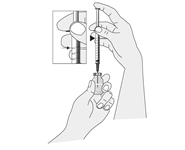 |
|
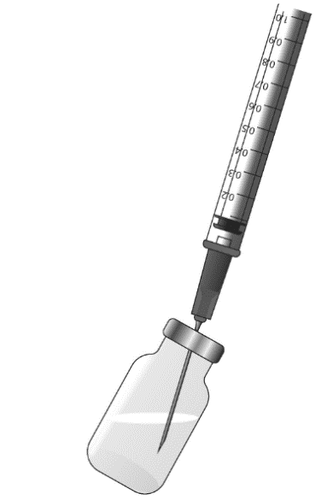 |
|
Giving the injection
i a I t a l i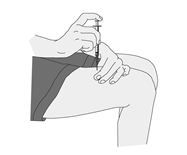 | n a
|
g e n z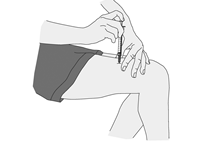 |
|
After the injection
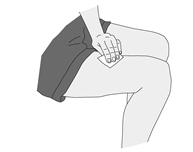 | o
|
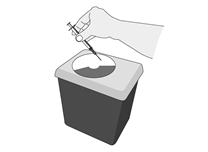 | r
|

Не уверены, подходит ли вам это лекарство?
Обсудите симптомы и варианты лечения с врачом онлайн.

Уже начали прием и появились вопросы?
Обсудите свое состояние и дальнейшие шаги с врачом онлайн.
- Страна регистрации
- Форма выпускаPowder for injectable solution, 150 MG
- Код АТХL04AC08
- Действующее вещество
- Отпускается по рецептуДа
- Производитель
- Информация на этой странице носит справочный характер и не является медицинской консультацией. Перед началом приема лекарства обязательно проконсультируйтесь с врачом.
- Аналоги ILARISФорма выпуска: Injectable solution in pre-filled syringe, 45 mgДействующее вещество: УстекинумабПроизводитель: ACCORD HEALTHCARE, S.L.U.Отпускается по рецептуФорма выпуска: Concentrate for infusion solution, 20 mg/mLДействующее вещество: ТоцилизумабПроизводитель: CELLTRION HEALTHCARE HUNGARY KFTОтпускается по рецептуФорма выпуска: Injectable solution, 160 mgДействующее вещество: БимекизумабПроизводитель: UCB PHARMA S.A.Отпускается по рецепту
Аналоги ILARIS в других странах
Лекарства с тем же действующим веществом, доступные в других странах.
Аналог ILARIS в Испания
Аналог ILARIS в Украина
Получите рецепт на ILARIS онлайн
Заполните форму за 2 минуты
Расскажите о симптомах, истории болезни и нужном препарате.
Выберите врача или мы назначим
Выберите специалиста или мы подберём ближайшего доступного врача.
Врач рассматривает ваш случай
Обычно в течение 30 минут. Может задать уточняющие вопросы в чате.
Получите в любой аптеке
Электронный рецепт отправляется на вашу почту — действителен по всей Польше.
Часто задаваемые вопросы
ILARIS требует рецепта в Италия. Вы можете уточнить у врача онлайн, подходит ли это лекарство для вашей ситуации.
Действующее вещество ILARIS — Канакинумаб. Эта информация помогает определить лекарства с тем же составом под другими торговыми названиями.
ILARIS производится компанией NOVARTIS EUROPHARM LIMITED. Упаковка и торговое название могут отличаться в зависимости от дистрибьютора.
Врачи, включая Семейные врачи, Психиатры, Дерматологи, Кардиологи, Эндокринологи, Гастроэнтерологи, Пульмонологи, Нефрологи, Ревматологи, Гематологи, Инфекционисты, Аллергологи, Гериатры, Педиатры, Онкологи, могут оценить целесообразность применения ILARIS с учетом вашей ситуации и местных правил. Вы можете записаться на онлайн-консультацию, чтобы обсудить возможные варианты.
Польша имеет хорошо развитую систему здравоохранения в крупных городах, таких как Варшава, Краков, Вроцлав и Гданьск. Аптеки широко доступны и работают в соответствии с действующим законодательством, обеспечивая доступ к рецептурным препаратам.
Вы можете купить ILARIS в Варшаве, Кракове, Вроцлаве или Гданьске в любой аптеке при наличии действующего рецепта.
Чтобы получить рецепт, вы можете воспользоваться Oladoctor:
Другие лекарства с тем же действующим веществом (Канакинумаб) включают ABSIMKY, AVTOTSMA, BIMTSELX. Они могут отличаться торговым названием или формой выпуска, но содержат одинаковый терапевтический компонент. Перед изменением лечения рекомендуется проконсультироваться с врачом.
