



FLUSPIRAL 50 MCG Прессurized ингаляционная суспензия

Рассмотрение рецепта онлайн
Врач рассмотрит ваш случай и примет решение о назначении рецепта, если это медицински оправдано.

Поговорите с врачом об этом лекарстве
Обсудите симптомы и возможные дальнейшие шаги на онлайн-консультации.



Инструкция по применению FLUSPIRAL
Содержание инструкции
- Fluspiral 100 mcg Powder for inhalation, 250 mcg Powder for inhalation, 500 mcg Powder for inhalation
- Fluspiral 50 mcg Pressurized Suspension for Inhalation
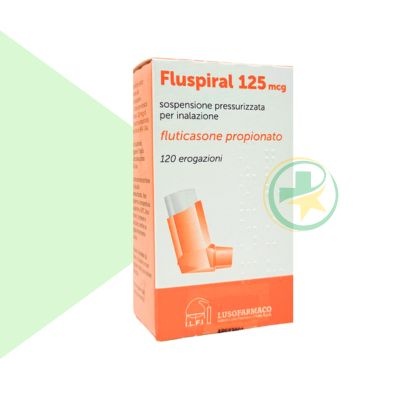
- Fluspiral 125 mcg Pressurized Suspension for Inhalation, 250 mcg Pressurized Suspension for Inhalation
Fluspiral 100 mcg Powder for inhalation, 250 mcg Powder for inhalation, 500 mcg Powder for inhalation
fluticasone propionate
Read this leaflet carefully before you start to take this medicine as it contains important
information for you.
- Keep this leaflet. You may need to read it again.
- If you have any questions, ask your doctor or pharmacist.
- This medicine has been prescribed for you only. Do not pass it on to others, even if their symptoms are the same as yours, as it may be harmful.
- If you get any side effects, even those not listed in this leaflet, tell your doctor, pharmacist or nurse. See section 4.
Contents of this leaflet:
- 1. What Fluspiral is and what it is used for
- 2. What you need to know before you use Fluspiral
- 3. How to use Fluspiral
- 4. Possible side effects
- 5. How to store Fluspiral
- 6. Contents of the pack and other information
1. What is Fluspiral and what is it used for
This medicine contains the active ingredient fluticasone propionate, which belongs to a group of
medicines called corticosteroids, medicines used as antiasmatics (for the treatment of asthma, an inflammatory disease characterized by reversible obstruction of the lower airways) via inhalation.
Fluticasone propionate reduces swelling and inflammation in the lungs (anti-inflammatory action).
This medicine is indicated in the control of asthmatic disease and conditions of bronchostenosis
(reduction of the caliber of a bronchus).
2. What you need to know before using Fluspiral
Do not use Fluspiral
- if you are allergic to fluticasone propionate or to any of the other ingredients of this medicine (listed in section 6).
- if you are allergic or suspect you are allergic to cow's milk, you should not use this medicine as it may contain traces of cow's milk proteins. Serious allergic reactions have occurred in patients allergic to cow's milk.
Warnings and precautions
Talk to your doctor or pharmacist before taking Fluspiral.
In particular, talk to your doctor if:
- you have active or inactive (latent) tuberculosis (TB, a contagious disease caused by a bacterium)
- you are a diabetic patient
- you have a respiratory disease called Chronic Obstructive Pulmonary Disease (COPD)
- you are switching from a therapy with oral steroids to inhaled fluticasone. In this case, you must be treated with particular attention by the doctor who will need to regularly monitor your
adrenal function and gradually discontinue oral therapy following the introduction of inhaled therapy. It is
therefore advisable to carry with you a card indicating that you may require supplementary therapy
with corticosteroids during periods of stress.
If your breathing becomes wheezy (bronchospasm with increased dyspnea) following the use of Fluspiral,
stop taking the medicine and consult your doctor immediately.
Replacing systemic corticosteroid therapy with inhaled corticosteroids can trigger
allergic diseases.
Asthma treatment should normally be carried out as part of a therapeutic plan tailored to the
severity of the disease; your response to therapy should be verified by the doctor both clinically and
through pulmonary function tests.
The need to resort more frequently to medications to control asthma symptoms indicates
a worsening of disease control; in such circumstances your therapeutic plan must be
modified by the doctor.
Sudden worsening of asthma is potentially life-threatening and in this case the doctor must
consider the possibility of increasing the dose of corticosteroids.
Do not abruptly stop treatment with fluticasone propionate.
With the use of inhaled glucocorticoids (such as fluticasone propionate), particularly when prescribed at
high doses for prolonged periods, systemic effects (on the whole body) can occur. Such effects occur
less likely than with treatment with glucocorticoids administered orally.
Possible systemic effects include Cushing's syndrome (a clinical condition characterized by an excess of
glucocorticoids in the blood leading to obesity, lack of facial expression, red skin, extensive stretch marks
and abundant fluff, especially on the face), cushingoid appearance (typical of people affected by Cushing's disease),
adrenal suppression (reduction of adrenal function), growth retardation in children
and adolescents, reduction of bone mineral density, cataract (clouding of the lens located
inside the eye), glaucoma (serious eye disease) and, more rarely, a series of psychological or behavioral effects including psychomotor hyperactivity, irritability, sleep disturbances, anxiety,
depression or behavioral disorders (especially in children) (see section 4 “Possible side effects”). It is therefore important that the dose of inhaled corticosteroid is the lowest dose
possible with which effective asthma control is maintained.
It is recommended to regularly check the height of children receiving prolonged therapies with
inhaled corticosteroids.
Some individuals may experience greater sensitivity to the effects of inhaled corticosteroids
compared to the majority of patients.
Very rare cases of acute adrenal crises have occurred in children exposed to doses higher than
recommended (approximately 1,000 micrograms per day) for prolonged periods (several months or years).
Contact your doctor if you experience blurred vision or other visual disturbances, which may be caused by cataract or
glaucoma.
Other medicines and Fluspiral
Tell your doctor, nurse or pharmacist if you are taking, have recently taken or have recently
taken any other medicines, including over-the-counter medicines. In particular, tell your
doctor or pharmacist if you are taking any of the following medicines:
- ketoconazole, a medicine used to treat fungal infections;
- some medicines may increase the effects of Fluspiral and your doctor may want to monitor you closely if you are taking these medicines (including some medicines for the treatment of HIV: ritonavir, cobicistat).
Fluspiral with food and drink
Fluspiral can be used at any time of day, with or without food.
Pregnancy and breastfeeding
If you are pregnant, suspect you are pregnant or are planning a pregnancy, or if you are breastfeeding with breast
milk, ask your doctor or pharmacist for advice before using this medicine.
Driving and operating machinery
It is unlikely that Fluspiral will affect your ability to drive vehicles or operate machinery.
Fluspiral contains lactose
If your doctor has diagnosed you with lactose intolerance, contact him/her before using this
medicine.
3. How to use Fluspiral
Use this medicine following the instructions of your doctor or pharmacist exactly. If you have doubts
consult your doctor or pharmacist.
It takes 4-7 days for this medicine to take effect and it is very important that you use it
regularly.
You should be informed that treatment with this medicine is for preventive purposes and the drug must
be taken regularly even in the absence of symptoms.
Your doctor will prescribe the dosage suitable for this medicine, following an assessment of the severity
of asthma and your individual response. The doctor may gradually reduce the dose if your
respiratory function is stabilized.
Adults
The standard dose is 200 micrograms per day, divided into two administrations of 100 micrograms
each. The dosage may be increased up to 400 micrograms per day.
The initial dose may then be adjusted until control is achieved, or reduced to the
minimum effective dose, according to individual response.
In severe forms, a maximum dosage of 2000 micrograms per day may allow adequate control
of the disease by reducing the use of oral steroids.
During exacerbations, dosages of 2000 micrograms per day may replace in some cases cycles of
oral steroid.
Children over 4 yearsThe standard dose is 100 micrograms per day, divided into two
administrations of 50 micrograms each. Fluspiral powder for inhalation is not suitable for
the administration of this dose.
The dose may be increased up to 200 micrograms twice a day.
Fluspiral Diskus 250 micrograms and Fluspiral Diskus 500 micrograms are not recommended for children
aged between 1 and 4 years.
It is recommended that the height of children treated with steroids, including Fluspiral powder for inhalation, be
regularly checked by the doctor.
If you are using high doses of an inhaled steroid for a long time, you may sometimes need to use additional doses of steroids, for example during stressful circumstances, such as a
car accident or before surgery. The doctor may decide to prescribe you a
supplement of steroids during that period.
Patients who have been treated with high doses of steroids, including Fluspiral powder for inhalation, for
a long period, should not stop taking the medicine suddenly without informing their doctor. Sudden discontinuation of treatment may cause discomfort and symptoms such as
vomiting, drowsiness, nausea, headache, fatigue, loss of appetite, low blood sugar
(hypoglycemia) and changes in weight.
Instructions on how to use the inhaler are provided in the form of a step-by-step guide.
Fluspiral powder for inhalation must be administered exclusively by inhalation, by means of a
special inhaler called Diskus .
It is made of molded plastic containing a tape strip in which single blisters are arranged
of 28 or 60.
Each blister contains 100, 250 or 500 micrograms of the active ingredient fluticasone propionate.
Fluspiral is available in three different dosages. The doctor will decide the dosage you need. Use this
medicine following the instructions of the doctor exactly. If you have doubts, consult your doctor,
nurse or pharmacist.
Instructions for use
- Your doctor or pharmacist should show you how to use the inhaler. Do not use Fluspiral Diskus incorrectly or as prescribed, it may result in the medicine not providing relief from asthma as it should.
- The Diskus is supplied in a sealed wrapper. The wrapper protects against moisture and should only be opened when you are ready to use it for the first time. Once opened, the wrapper must be discarded.
- The Diskus device contains blisters that are filled with Fluspiral in powder form.
- A counter on the top of the Diskus shows the number of doses remaining. It counts down to 0. The numbers from 5 to 0 will appear in red to warn when only a few doses remain. Once the counter has shown 0, the inhaler will be empty.
- You may not be able to taste the flavor or feel the powder on your tongue, even if the Diskus has been used correctly.
Do not use the inhaler more often than your doctor has told you to. Tell your doctor if the medicine
does not seem to be working as well as usual, as your chest problems may worsen and you
may need a different medicine.
Your doctor may have told you to increase the dosage if your shortness of breath and breathing worsen, as
emergency treatment. It is important to carefully follow your doctor's instructions on how many blisters
to take and how often to use the inhaler.
Using the inhaler
n
| 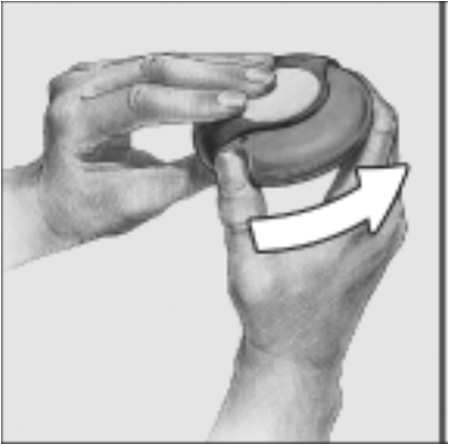 |
| thumb rotating the inner part of the device until you hear a click. A small hole will open in the mouthpiece. | o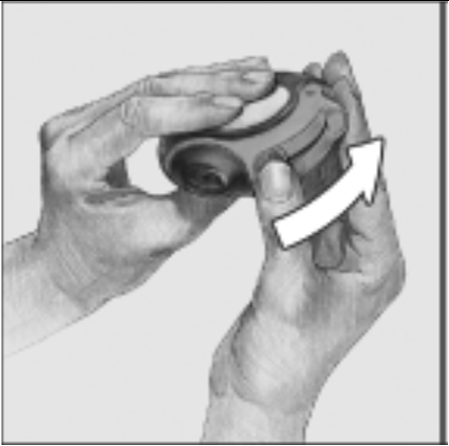 |
| a r m a c |
| e l F |
| n a d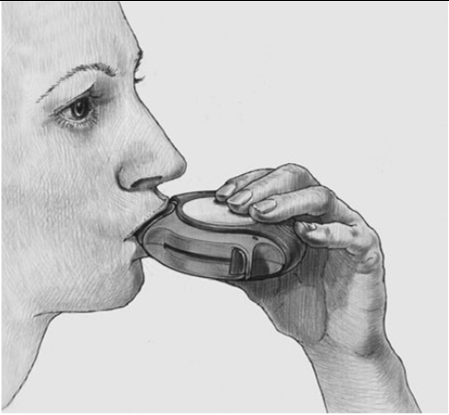 |
i
| 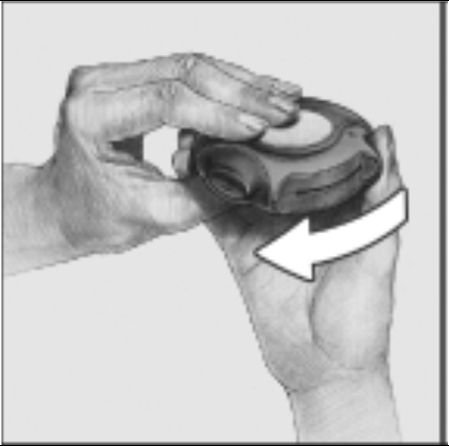 |
After use, rinse your mouth and spit.
If you have been prescribed two inhalations, close the Diskus after the first inhalation and then repeat
operations from 2 to 6.
If you use more Fluspiral than you should
If you ingest/accidentally take an excessive dose of Fluspiral, immediately inform
your doctor or go to the nearest hospital.
Acute inhalation of Fluspiral in doses higher than those recommended may lead to temporary
suppression of adrenal function (for symptoms see “Warnings and precautions”).
Emergency interventions are not necessary as adrenal function returns to normal
within a few days.
However, if doses higher than those recommended are used for prolonged periods, some degree of adrenal suppression may occur. The doctor may request to perform tests to check
the degree of functioning of the adrenal gland.
If you forget to use Fluspiral
- Do not use a double dose to make up for a missed dose.
If you stop taking Fluspiral
- Do not stop treatmenteven if you feel better, unless your doctor tells you to. If so, do not stop Fluspiral abruptly. If you have any doubts about using this medicine, contact your doctor or pharmacist.
4. Possible side effects
Like all medicines, this medicine can cause side effects, although not everyone gets them.
Stop taking the medicine and contact your doctor immediately if any of the following symptoms occur
after taking Fluspiral:
- allergic reactions characterized by skin rashes (cutaneous hypersensitivity);
- swelling of the face, lips, mouth, tongue or throat that may cause difficulty swallowing (angioedema);
- difficulty breathing (dyspnea and/or bronchospasm, paradoxical bronchospasm).
Other side effects include:
Very common(may affect more than 1 in 10 people)
- thrush in the mouth and throat (painful, creamy-yellow raised patches).
Common(may affect up to 1 in 10 people)
- bruising;
- hoarseness. Mouth and throat problems can be reduced with specific precautions, such as brushing your teeth or rinsing your mouth with water immediately after inhaling the dose. In addition, pneumonia (lung infection) has been reported in patients with chronic obstructive pulmonary disease (COPD).
Very rare(may affect up to 1 in 10,000 people)
- thrush (candidiasis) in the esophagus;
- anxiety, sleep disorders and behavioral disturbances, including hyperactivity and irritability; (mainly in children);
- increased blood sugar (glucose) levels (hyperglycemia);
- slowed growth in young people;
- Cushing's syndrome, a condition characterized by an excess of steroid hormones in the bloodstream, which manifests with a rounded face;
- thinning of the bones;
- eye problems such as cataracts (clouding of the eye's lens) and glaucoma (increased pressure inside the eye);
- effects on the adrenal gland (a small gland located next to the kidney).
Not known(frequency cannot be estimated based on available data):
- depression, aggression. These effects are more likely to occur in children;
- blurred vision;
- nosebleeds.
Reporting of side effects
If you get any side effects, talk to your doctor or pharmacist. This includes any possible side effects not listed in this leaflet. By reporting side effects you can help provide more information on the safety of
this medicine.
5How to store Fluspiral
- Keep this medicine out of the sight and reach of children.
- Store this medicine in a dry place to protect from moisture.
- Store the Diskus in the laminated wrapper until you are ready to use it for the first time. Once opened, the laminated wrapper must be discarded.
- Do not use this medicine after the expiry date which is stated on the label and carton after 'Exp'. The expiry date refers to the last day of that month.
- Do not dispose of any medicine via water or household waste. Ask your pharmacist how to dispose of medicines you no longer use. This will help protect the environment.
6Contents of the pack and other information
What Fluspiral contains
- The active ingredient is fluticasone propionate.
- The other ingredient is lactose.
Description of Fluspiral inhalation powder and contents of the pack
Fluspiral inhalation powder must be administered exclusively by inhalation, using a
special inhaler called a Diskus. The Diskus is sealed in a protective wrapper. The Diskus contains
strip with blisters containing fluticasone propionate and lactose. The blisters protect the inhalation powder from the effects of the atmosphere.
Each blister contains 100 micrograms, 250 micrograms or 500 micrograms of fluticasone propionate, and
lactose which acts as a “carrier”.
Packs of Fluspiral 100, 250 or 500 micrograms contain 60 blisters.
The Diskus has a counter that shows the number of doses still available. It counts down from 60 to
- 0. When the counter shows 0, the inhaler is empty and must be discarded.
Marketing Authorisation Holder and Manufacturer
Marketing Authorisation Holder
- A. Menarini Industrie Farmaceutiche Riunite s.r.l. – Via Sette Santi 3 - Florence Trademark owned by companies of the GSK group or licensees © 2020 Companies of the GSK group or licensee Sales concessionaire:Istituto Luso Farmaco d’Italia S.p.A. – Milanofiori - Strada 6 - Edificio L - Rozzano (MI)
Manufacturer
Glaxo Operations UK Ltd – Priory Street - Ware - Great Britain
Glaxo Wellcome Production - 23 Rue Lavoisier - Zone Industrielle, 2 - Evreux – France
- A. Menarini Manufacturing Logistics and Services srl – Via Sette Santi 3, Florence - Italy
Fluspiral 50 mcg Pressurized Suspension for Inhalation
fluticasone propionate
Read this leaflet carefully before taking this medicine as it contains
important information for you.
- Keep this leaflet. You may need to read it again.
- If you have any questions, ask your doctor or pharmacist.
- This medicine has been prescribed for you only. Do not pass it on to others, even if their symptoms are the same as yours, as it could be harmful.
- If you get any side effects, even those not listed in this leaflet, tell your doctor or pharmacist. See section 4.
Contents of this leaflet:
- 1. What is Fluspiral and what it is used for
- 2. What you need to know before you use Fluspiral
- 3. How to use Fluspiral
- 4. Possible side effects
- 5. How to store Fluspiral
- 6. Contents of the pack and other information
7. What is Fluspiral and what is it used for
This medicine contains the active ingredient fluticasone propionate which belongs to a group of
medicines called corticosteroids, medicines used as antiasthmatics (for the treatment of asthma, a disease
characterized by reversible obstruction of the lower airways) via inhalation.
Fluticasone propionate reduces swelling and inflammation in the lungs (anti-inflammatory action)
This medicine is indicated in the control of asthma and conditions of bronchostenosis
(reduction of the caliber of a bronchus).
8. What you need to know before using Fluspiral
Do not use Fluspiral
- if you are allergic to fluticasone propionate or to any of the other ingredients of this medicine (listed in section 6). Warnings and precautionsTalk to your doctor or pharmacist before taking Fluspiral. In particular, talk to your doctor if:
- you have active or quiescent tuberculosis (TB, a contagious disease caused by a bacterium).
- you are a diabetic patient
- you have a respiratory disease called Chronic Obstructive Pulmonary Disease (COPD)
- you are switching from a therapy with oral steroids to inhaled fluticasone. In this case, you must be treated with particular attention by the doctor, who will need to regularly monitor your adrenal function and gradually interrupt oral therapy following the introduction of inhaled therapy. It is therefore advisable to carry with you a card indicating that you may require supplementary corticosteroid therapy during periods of stress. If your breathing becomes labored (bronchospasm with increased dyspnea) following the use of Fluspiral, stop taking the medicine and consult your doctor immediately.
Replacing systemic corticosteroid therapy with inhaled corticosteroids can trigger
allergic diseases.
Asthma treatment should normally be carried out as part of a therapeutic plan tailored to the
severity of the disease; your response to therapy should be verified by the doctor both clinically and
through pulmonary function tests.
The need to resort more frequently to drugs to control asthma symptoms indicates
a worsening of disease control; in this circumstance your therapeutic plan must be
modified by the doctor.
Sudden worsening of asthma is potentially life-threatening and in this case the doctor must
consider the possibility of increasing the dose of corticosteroids.
Do not abruptly stop treatment with fluticasone propionate.
With the use of inhaled glucocorticoids (such as fluticasone propionate), especially when prescribed at
high doses for prolonged periods, systemic effects (on the whole organism) may occur. These effects
are less likely to occur than with treatment with glucocorticoids administered orally.
Possible systemic effects include Cushing's disease (a clinical condition characterized by an excess of
glucocorticoids in the blood that leads to obesity, lack of facial expression, red skin, extensive stretch marks
and thick hair, especially on the face), cushingoid appearance (typical of people affected by Cushing's disease), adrenal suppression (reduction of adrenal function), growth retardation in children
and adolescents, reduction of bone mineral density, cataract (clouding of the lens located
inside the eye), glaucoma (serious eye disease) and, more rarely, a series of psychological or behavioral effects including psychomotor hyperactivity, irritability, sleep disturbances, anxiety,
depression or behavioral disorders (particularly in children) (see section 4 “Possible side effects”). It is therefore important that the dose of inhaled corticosteroid is the lowest dose
possible with which effective asthma control is maintained.
It is recommended to regularly check the height of children receiving prolonged therapies with
inhaled corticosteroids.
Some individuals may experience greater sensitivity to the effects of inhaled corticosteroids
compared to the majority of patients.
Very rare cases of acute adrenal crises have been reported in adolescents exposed to doses higher than
recommended (approximately 1,000 micrograms per day) for prolonged periods (several months or years).
Contact your doctor if you experience blurred vision or other visual disturbances, which may be caused by cataract or
glaucoma.
Other medicines and Fluspiral
Tell your doctor, nurse or pharmacist if you are taking or have recently taken other
medicines, including over-the-counter medicines.
In particular, tell your doctor or pharmacist if you are taking any of the following medicines:
- ketoconazole, a medicine used to treat fungal infections;
- some medicines may increase the effects of Fluspiral and your doctor may want to keep you under close observation if you are taking these medicines (including some medicines for the treatment of HIV: ritonavir, cobicistat). Fluspiral with food and drinkYou can use Fluspiral at any time of the day, with or without food.
Pregnancy and breastfeeding
If you are pregnant, suspect you are pregnant, are planning a pregnancy, or are breastfeeding with breast
milk, ask your doctor or pharmacist for advice before using this medicine.
Driving and using machines
It is unlikely that Fluspiral will affect your ability to drive vehicles or use machines.
3. How to use Fluspiral
Fluspiral is available in three different dosages. The doctor will decide which dosage you need. Use this
medicinal product always exactly as your doctor has instructed. If you have any doubts, consult your doctor,
nurse or pharmacist.
Using this medicinal product
Adults
The standard dose is 200 micrograms per day, divided into two administrations of 100 micrograms
each. The dosage may be increased up to 400 micrograms per day.
The initial dose may then be adjusted until control is achieved, or reduced to the
minimum effective dose, according to individual response.
In severe forms, a maximum dosage of 2000 micrograms per day may allow adequate control of the disease
by reducing the use of oral steroids.
During exacerbations, dosages of 2000 micrograms per day may replace oral steroid cycles in some cases.
Children (from 1 to 4 years)
100 micrograms twice/day administered using a spacer device equipped with a face mask
(spacer device for paediatric use).
Children over 4 years
The standard dose is 100 micrograms per day, divided into two administrations of 50 micrograms
each.
The dosage may be increased up to 200 micrograms per day.
It is recommended that the height of children treated with steroids, including Fluspiral pressurised suspension,
be regularly monitored by the doctor.
If you are using high doses of an inhaled steroid for a long time, you may sometimes need to use supplementary doses of steroids, for example during stressful circumstances, such as a
car accident or before surgery. The doctor may decide to prescribe you a
supplement of steroids during that period.
Patients who have been treated with high doses of steroids, including Fluspiral pressurised suspension,
for a long period, should not stop taking the medicine suddenly without informing their doctor. Sudden discontinuation of treatment can cause discomfort and symptoms such as
vomiting, drowsiness, nausea, headache, fatigue, loss of appetite, low blood sugar
(hypoglycemia) and changes in weight.
Instructions for use
Some people find it difficult to spray the medicine just after starting to inhale.
The spacer device helps to overcome this problem.
The doctor, nurse or pharmacist should show you how to use the inhaler.
Do not use Fluspiral pressurised suspension differently than as prescribed, otherwise the
medicine may not provide relief from asthma.
The medicine is contained in a pressurised canister which is inserted into a plastic casing with a
mouthpiece.
| Checking the inhaler's operation |
| 1 When using the inhaler for the first time, test that it works. Remove the mouthpiece cover by gently pressing the sides with your thumb and index finger and pull it out. 2 To make sure it works, shake well, point the mouthpiece away from you and spray a dose into the air. If you do not use the inhaler for a week or more, spray into the air twice. | a c o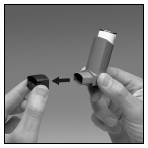 |
| Using the inhaler Before using the inhaler it is important to start breathing as slowly as possible. 1 When using the inhaler remain standing or sitting upright. 2 Remove the mouthpiece cover (as shown in the first image). Check inside and out that the mouthpiece is clean and free from objects. | l F a r m |
| 3 Shake the inhaler 4 or 5 times to make sure that any objects are removed and that the contents of the inhaler are mixed evenly. a | n a d e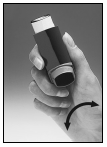 |
| i l 4 Hold the inhaler in a vertical position with your a thumb on the base, under the mouthpiece. Exhale until you are comfortable. Do not inhale yet. t I a | 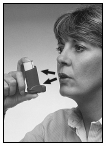 |
| i 5 Position the mouthpiece in your mouth between your teeth. z Close your lips around it without biting it. n e g | 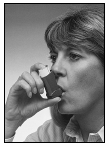 |
Cleaning the inhaler
To prevent the inhaler from becoming blocked, it is important to clean it at least once a week.
To clean the inhaler:
- Remove the protective cap of the mouthpiece;
- never remove the metal canister from the plastic container;
- clean the inside and outside of the mouthpiece with a dry cloth or a tissue;
- replace the protective cap on the mouthpiece;
- do not put the pressurised metal container in water.
If you use more Fluspiral than you should
If you use more Fluspiral than you should, consult your doctor as soon as possible.
It is important to take the dose as prescribed by your doctor. Do not increase or decrease the dose without
asking your doctor for advice.
If you forget to use Fluspiral
- Take the next dose at the scheduled time.
- Do not take a double dose to make up for a missed dose.
If you stop using Fluspiral
- Do not stop treatmenteven if you feel better unless you are told to do so by your doctor. If you have any doubts about using this medicine, ask your doctor, nurse or pharmacist.
4. Possible side effects
Like all medicines, this medicine can cause side effects, although not everybody gets them.
manifest them.
If you notice any of the following serious side effects, stop using this medicine and contact a doctor immediately, asyou may need urgent medical attention:
- allergic reactions (may affect up to 1 in 100 people) - signs include skin rash, redness, itching or hives;
- severe allergic reactions (may affect up to 1 in 10,000 people) - signs include swelling of the face, lips, mouth, tongue or throat that may cause difficulty swallowing or breathing, itchy rash, feeling of fainting and dizziness and collapse;
| 6 Breathe in through your mouth. Immediately after starting to inhale, press down on the canister to release a spray of medicine. Do this while inhaling steadily and deeply. | a c o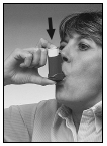 |
| 7 Hold your breath; remove the inhaler from your mouth and your finger from the top of the inhaler. Continue to hold your breath for a few seconds or until you feel comfortable. | F a r m |
8 If your doctor has told you to take two inhalations, wait about half a minute before inhaling another dose, repeating steps 3 to 7.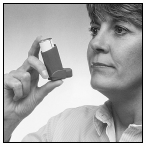 | |
| l e 9 After use, replace the mouthpiece cover to prevent dust from accumulating. Close the cover tightly by pressing it until you hear a click when it is in position. | |
- your breathing or wheezing gets worse immediately after using the inhaler.
Other side effects include:
Very common(may affect more than 1 in 10 people)
- thrush (candidiasis) in the mouth and throat
Common(may affect up to 1 in 10 people)
- dryness of the tongue or throat;
- hoarseness. Problems in the mouth and throat can be reduced with certain precautions immediately after inhaling the dose. These are washing your teeth, rinsing your mouth or gargling with water and spitting. Tell your doctor if you have these problems in the mouth or throat, but do not stop treatment unless they tell you to.
In addition, in patients with chronic obstructive pulmonary disease (COPD), the following side effects have been reported:
- pneumonia and bronchitis (lung infection); tell your doctor if you experience any of the following symptoms: increased sputum production, change in sputum color, fever, chills, increased cough, increased breathing problems;
- bruising.
Rare(may affect up to 1 in 1,000 people)
- thrush (candidiasis) in the esophagus
Very rare(may affect up to 1 in 10,000 people)
- sleep disturbances or feeling anxious, overexcited and irritable; these effects are more likely to occur in young people;
- joint pain;
- indigestion;
- the level of sugars (glucose) in the blood may increase;
- when using Fluspiral, the way steroids are produced by the body may be affected. This is more likely to happen if you use high doses for a long period of time (e.g. 400 micrograms per day in children). This can cause:
- slowed growth in young people;
- the so-called 'Cushing's Syndrome', a condition characterized by an excess of steroid hormones in the bloodstream, which can cause thinning of the bones and problems with the eyes (such as cataracts and glaucoma, which is increased pressure in the eye). The doctor will help to avoid this by ensuring that you use the lowest dose of steroid to control your symptoms.
Although the frequency is unknown, the following side effects may also occur:
- depression, feeling restless or nervous; these effects are more likely to occur in children;
- nosebleeds;
- blurred vision.
Consult your doctor as soon as possible if:
- after 7 days of using Fluspiral, shortness of breath or dyspnea does not improve, or worsens;
- after treatment with high doses of inhaled steroids, a state of malaise develops with symptoms such as stomach pain, nausea, diarrhea, headache and drowsiness. This can happen during an infection, such as a viral infection, or when you have stomach problems. It is important that the steroid dose is not stopped suddenly as this could worsen asthma and could also cause problems with the body's hormones.
Reporting of side effects
If you get any side effects, even those not listed in this leaflet, tell your doctor or pharmacist. You can also report side effects directly through the national reporting system at: https://www.aifa.gov.it/content/segnalazioni-reazioni-avverse . By reporting side effects you can help provide more information on the safety of this medicine.
5How to store Fluspiral
- Keep this medicine out of the sight and reach of children.
- Clean the inhaler weekly as described in the section 'Cleaning'.
- Do not use this medicine after the expiry date which is stated on the label and the carton after 'Exp'. The expiry date refers to the last day of that month.
- Do not store above 30°C. Protect from frost and direct sunlight.
- If the inhaler is very cold, remove the metal canister from the plastic container and warm it between your hands for a few minutes before use. Do not use anything else to warm it.
- The metal canister contains a liquid under pressure. Do not expose to temperatures above 50°C. Do not puncture, break or burn the container, even if it appears empty.
- Do not dispose of any medicines via wastewater or household waste. Ask your pharmacist how to dispose of medicines you no longer use. This will help protect the environment.
6Contents of the pack and other information
What Fluspiral contains
- The active ingredient is fluticasone propionate.
- The other ingredient is HFA 134a.
This medicine contains fluorinated greenhouse gases.
Each inhaler contains 10.6 g of HFC-134a (also known as norflurane or HFA 134a) which corresponds to
0.0152 tonnes of CO equivalent (global warming potential GWP = 1 430).
Description of the appearance of Fluspiral pressurized suspension and contents of the pack
- Fluspiral pressurized suspension consists of a canister, an actuator and a cap to protect against dust.
- Each canister contains 120 doses of 50 micrograms of fluticasone propionate.
Marketing Authorisation Holder and Manufacturer
Marketing Authorisation Holder
- A. Menarini Industrie Farmaceutiche Riunite s.r.l. – Via Sette Santi 3 - Florence Distributor for sales:Istituto Luso Farmaco d’Italia S.p.A. – Milanofiori - Strada 6 - Building L - Rozzano (MI)
Manufacturer
Glaxo Wellcome Production - 23 Rue Lavoisier - Zone Industrielle, 2 - Evreux - France
Glaxo Wellcome S.A. - Avenida de Extremadura, 3 - Aranda de Duero (Burgos) – Spain

Не уверены, подходит ли вам это лекарство?
Обсудите симптомы и варианты лечения с врачом онлайн.
Fluspiral 125 mcg Pressurized Suspension for Inhalation, 250 mcg Pressurized Suspension for Inhalation
fluticasone propionate
Read this leaflet carefully before you start to take this medicine as it contains
important information for you.
- Keep this leaflet. You may need to read it again.
- If you have any questions, ask your doctor or pharmacist.
- This medicine has been prescribed for you only. Do not pass it on to others, even if their symptoms are the same as yours, as it may be harmful.
- If you get any side effects, even those not listed in this leaflet, tell your doctor or pharmacist. See section 4.
Contents of this leaflet:
- 1. What Fluspiral is and what it is used for
- 2. What you need to know before you use Fluspiral
- 3. How to use Fluspiral
- 4. Possible side effects
- 5. How to store Fluspiral
- 6. Contents of the pack and other information
9. What is Fluspiral and what is it used for
This medicine contains the active substance fluticasone propionate, which belongs to a group of
medicines called corticosteroids, medicines used as antiasmatics (for the treatment of asthma, a disease
characterized by reversible obstruction of the lower airways) via inhalation.
Fluticasone propionate reduces swelling and inflammation in the lungs (anti-inflammatory action)
This medicine is indicated in the control of asthma and conditions of bronchostenosis
(reduction of the caliber of a bronchus).
10. What you need to know before using Fluspiral
Do not use Fluspiral
- if you are allergic to fluticasone propionate or to any of the other ingredients of this medicine (listed in section 6).
Warnings and precautions
Talk to your doctor or pharmacist before taking Fluspiral.
In particular, talk to your doctor if:
- you have active or quiescent tuberculosis (TB, a contagious disease caused by a bacterium).
- you are a diabetic patient
- you have a respiratory disease called Chronic Obstructive Pulmonary Disease (COPD)
- you are switching from a therapy with oral steroids to inhaled fluticasone. In this case, you must be treated with particular attention by the doctor, who will need to regularly monitor your
adrenal function and gradually discontinue oral therapy following the introduction of inhaled therapy. It is therefore advisable to carry with you a card indicating that you may require
supplemental corticosteroid therapy during periods of stress.
If your breathing becomes wheezy (bronchospasm with increased dyspnea) following the use of Fluspiral,
stop taking the medicine and consult your doctor immediately.
Replacing systemic corticosteroid therapy with inhaled corticosteroids can trigger
allergic diseases.
Asthma treatment should normally be carried out as part of a therapeutic plan tailored to the
severity of the condition; your response to therapy should be verified by your doctor both clinically and
through lung function tests.
The need to resort more frequently to medications to control asthma symptoms indicates
a worsening of disease control; in such circumstances your therapeutic plan must be
modified by your doctor.
A sudden worsening of asthma is potentially life-threatening and in such cases the doctor must
consider the possibility of increasing the dose of corticosteroids.
Do not abruptly stop treatment with fluticasone propionate.
With the use of inhaled glucocorticoids (such as fluticasone propionate), particularly when prescribed at
high doses for prolonged periods, systemic effects (on the whole body) can occur. These effects are
less likely to occur than with treatment with glucocorticoids administered orally.
Possible systemic effects include Cushing's syndrome (a clinical condition characterized by an excess of
glucocorticoids in the blood leading to obesity, lack of facial expression, red skin, widespread stretch marks
and abundant facial hair, especially on the face), cushingoid appearance (typical of people affected by Cushing's disease),
adrenal suppression (reduction of adrenal function), growth retardation in children
and adolescents, reduction of bone mineral density, cataracts (clouding of the lens located
inside the eye), glaucoma (serious eye disease) and, more rarely, a number of psychological or behavioral effects including psychomotor hyperactivity, irritability, sleep disturbances, anxiety,
depression or behavioral disorders (particularly in children) (see section 4 “Possible side effects”). It is therefore important that the dose of inhaled corticosteroid is the lowest dose
possible with which effective asthma control is maintained.
It is recommended to regularly check the height of children receiving prolonged therapies with
inhaled corticosteroids.
Some individuals may experience greater sensitivity to the effects of inhaled corticosteroids
compared to the majority of patients.
Very rare cases of acute adrenal crises have been reported in children exposed to doses higher than
recommended (approximately 1,000 micrograms per day) for prolonged periods (several months or years).
Contact your doctor if you experience blurred vision or other visual disturbances, which may be caused by cataracts or
glaucoma.
Other medicines and Fluspiral
Tell your doctor, nurse or pharmacist if you are taking or have recently taken any other
medicines, including medicines obtained without a prescription.
In particular, tell your doctor or pharmacist if you are taking any of the following medicines:
- ketoconazole, a medicine used to treat fungal infections;
- some medicines can increase the effects of Fluspiral and your doctor may want to monitor you closely if you are taking these medicines (including some medicines for the treatment of HIV: ritonavir, cobicistat).
Fluspiral with food and drink
Fluspiral can be used at any time of day, with or without food.
Pregnancy and breastfeeding
If you are pregnant, suspect you are pregnant, are planning a pregnancy, or are breastfeeding with breast
milk, ask your doctor or pharmacist for advice before using this medicine.
Driving and using machines
It is unlikely that Fluspiral will affect your ability to drive vehicles or use machines.
3. How to use Fluspiral
Adults
The standard dose is 200 micrograms per day, divided into two administrations of 100 micrograms
each. The dosage may be increased up to 400 micrograms per day.
The initial dose may then be adjusted until control is achieved, or reduced to the
minimum effective dose, according to individual response.
In severe forms, a maximum dosage of 2000 micrograms per day may allow adequate control
of the disease by reducing the use of oral steroids.
During exacerbations, dosages of 2000 micrograms per day may replace oral steroid cycles in some cases.
Children (from 1 to 4 years)
100 micrograms twice/day administered using a spacer device equipped with a facial mask
(spacer device for pediatric use).
The maximum authorized dose in children is 200 micrograms twice a day.
Children over 4 years
The standard dose is 100 micrograms per day, divided into two administrations of 50 micrograms
each.
The dosage may be increased up to 200 micrograms per day.
It is recommended that the height of children treated with steroids, including Fluspiral pressurized suspension,
be regularly checked by the doctor.
If you are using high doses of an inhaled steroid for a long time, you may sometimes need to use
supplementary doses of steroids, for example during stressful circumstances, such as a
car accident or before surgery. The doctor may decide to prescribe you a
supplement of steroids during this period.
Patients who have been treated with high doses of steroids, including Fluspiral pressurized suspension,
for a long period, should not stop taking the medicine suddenly without informing their doctor. Sudden
discontinuation of treatment can cause discomfort and symptoms such as
vomiting, drowsiness, nausea, headache, fatigue, loss of appetite, low blood sugar
(hypoglycemia) and changes in weight.
Instructions for use
Some people find it difficult to spray the medicine immediately after starting to inhale.
The spacer device helps to overcome this problem.
The doctor, nurse or pharmacist must show you how to use the inhaler. Do not use Fluspiral
pressurized suspension differently than as prescribed, otherwise the medicine may not give
relief from asthma.
The medicine is contained in a pressurized canister which is inserted into a plastic casing with a
mouthpiece.
| Checking the inhaler’s operation 1 When using the inhaler for the first time, test that it works. Remove the mouthpiece cap by gently pressing the sides with your thumb and index finger and pull it out. 2 To make sure it works, shake well, point the mouthpiece away from you and spray a dose into the air. If you haven’t used the inhaler for a week or more, spray into the air twice. | a r m a c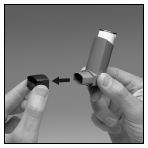 |
| Using the inhaler Before using the inhaler, it is important to start breathing as slowly as possible. 1 When using the inhaler, remain standing or sitting upright. 2 Remove the mouthpiece cap (as shown in the first image). Check inside and out that the mouthpiece is clean and free from objects. | d e l F |
| 3 Shake the inhaler 4 or 5 times to make sure that any objects are removed and that the contents of the inhaler are mixed evenly. i l a | n a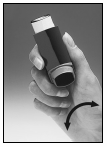 |
| t I 4 Hold the inhaler in a vertical position with your thumb on the base, under the mouthpiece. Exhale until a you are comfortable. Do not inhale yet. i z n | 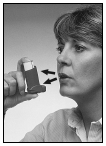 |
| e 5 Position the mouthpiece in your mouth between your teeth. Close your lips around it without biting it. g A | 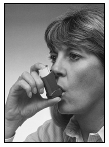 |
Cleaning the inhaler
To prevent the inhaler from becoming blocked, it is important to clean it at least once a week.
To clean the inhaler:
- remove the protective cap of the mouthpiece;
- never remove the metal canister from the plastic container;
- clean the inside and outside of the mouthpiece with a dry cloth or tissue;
- replace the protective cap on the mouthpiece.
- do not put the pressurized metal container in water.
If you use more Fluspiral than you should
If you use more Fluspiral than you should, consult your doctor as soon as possible.
It is important to take the dose as prescribed by your doctor. Do not increase or decrease the dose without
asking your doctor for advice.
If you forget to use Fluspiral
- Take the next dose at the scheduled time.
- Do not take a double dose to make up for a missed dose.
If you stop using Fluspiral
- Do not stop treatmenteven if you feel better unless you are told to do so by your doctor. If you have any doubts about using this medicine, ask your doctor, nurse or pharmacist.
4. Possible side effects
Like all medicines, this medicine can cause side effects, although not everybody gets them.
manifest them.
If you notice any of the following serious side effects, stop using this medicine and see a
doctor immediately, asyou may need urgent medical attention:
- allergic reactions (may affect up to 1 in 100 people) - signs include skin rash, redness, itching or nettle rash or hives;
| 6 Breathe in through your mouth. Immediately after starting to breathe in, press down on the canister to release a puff of medicine. Do this while breathing in steadily and deeply. | a c o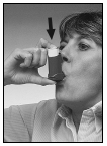 |
| 7 Hold your breath; remove the inhaler from your mouth and your finger from the top of the inhaler. Continue to hold your breath for a few seconds or longer if you are comfortable. | F a r m |
8 If your doctor has told you to take two puffs, wait about half a minute before taking another dose by repeating steps 3 to 7.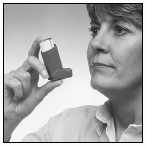 | |
| l e 9 After use, replace the mouthpiece cover to prevent dust from accumulating. Close the cover firmly by pressing it until you hear the click when it is in place. | |
- severe allergic reactions (may affect up to 1 in 10,000 people) - signs include swelling of the face, lips, mouth, tongue or throat which may cause difficulty in swallowing or breathing, itchy skin rash, feeling faint and dizzy and collapse;
- your breath or wheezing gets worse immediately after using the inhaler.
Other side effects include:
Very common(may affect more than 1 in 10 people)
- thrush (candidiasis) in the mouth and throat.
Common(may affect up to 1 in 10 people)
- dryness of the tongue or throat;
- hoarseness of the voice.
Problems in the mouth and throat can be reduced with certain precautions immediately after inhaling
the dose.
These are brushing your teeth, rinsing your mouth or gargling with water and spitting. Tell your doctor
if you have these problems in the mouth or throat, but do not stop treatment unless they tell you to
do so.
In addition, the following side effects have been reported in patients with chronic obstructive pulmonary disease (COPD):
- pneumonia and bronchitis (lung infection). Tell your doctor if you experience any of the following symptoms: increased production of sputum, change in colour of sputum, fever, chills, increased cough, increased breathing problems;
- bruising.
Rare(may affect up to 1 in 1,000 people)
- thrush (candidiasis) in the esophagus.
Very rare(may affect up to 1 in 10,000 people)
- sleep disturbances or feeling anxious, over-excited and irritable; these effects are more likely to happen in young people;
- joint pain;
- indigestion;
- the level of sugar (glucose) in the blood may increase;
- when using Fluspiral, the way steroids are produced by the body may be affected. This is more likely to happen if you are using high doses for a long period of time (e.g. 400 micrograms a day in children). This can cause:
- slowed growth in young people;
- the so-called 'Cushing's Syndrome', a condition characterized by an excess of steroid hormones in the bloodstream, which can cause thinning of the bones and problems with the eyes (such as cataracts and glaucoma, which is an increase in pressure in the eye). The doctor will help to avoid this happening by making sure you use the lowest dose of steroid to control your symptoms.
Although the frequency is not known, the following side effects may also occur:
- depression, feeling restless or nervous. These effects are more likely to happen in children;
- nosebleeds;
- blurred vision.
See your doctor as soon as possible if:
- after 7 days of using Fluspiral, your shortness of breath or dyspnea does not improve, or gets worse;
- after treatment with high doses of inhaled steroids, you experience a feeling of unwellness with symptoms such as stomach pain, nausea, diarrhea, headache and drowsiness. This can happen during an infection, such as a viral infection, or when you have stomach problems. It is important that
the steroid dose is not stopped suddenly as this could worsen asthma and
could also cause problems with the body's hormones.
Reporting of side effects
If you get any side effects, talk to your doctor or pharmacist. This includes any possible side effects not listed in this leaflet. You can also report side effects directly through the national
reporting system at https://www.aifa.gov.it/content/segnalazioni-reazioni-avverse. By reporting side effects you can help provide more information on the safety of this medicine.
5How to store Fluspiral
- Keep this medicine out of the sight and reach of children.
- Clean the inhaler weekly as described in the section 'Cleaning'.
- Do not use this medicine after the expiry date which is stated on the label and the pack after ‘Exp’. The expiry date refers to the last day of that month.
- Do not store above 30°C. Protect from frost and direct sunlight.
- If the inhaler is very cold, remove the metal canister from the plastic container and warm it between your hands for a few minutes before use. Do not use anything else to warm it.
- The metal canister contains liquid under pressure. Do not expose to temperatures above 50°C. Do not puncture, break or burn the container, even if it appears empty.
- Do not dispose of medicines via wastewater or household waste. Ask your pharmacist how to dispose of medicines you no longer use. This will help protect the environment.
6Contents of the pack and other information
What Fluspiral contains
- The active ingredient is fluticasone propionate.
- The other ingredient is HFA 134a.
This medicine contains fluorinated greenhouse gases.
Each inhaler contains 12 g of HFC-134a (also known as norflurane or HFA 134a) which corresponds to
0.0172 tonnes of CO equivalent (global warming potential GWP = 1 430).
Description of Fluspiral pressurized suspension and contents of the pack
- Fluspiral Pressurized suspension for inhalation consists of a canister, an actuator and a cover to protect from dust.
- Each canister contains 120 doses of 125 or 250 micrograms of fluticasone propionate.
Marketing Authorisation Holder and Manufacturer
Marketing Authorisation Holder
- A. Menarini Industrie Farmaceutiche Riunite s.r.l. – Via Sette Santi 3 - Florence
Concessionaire for sale:
Istituto Luso Farmaco d’Italia S.p.A. – Milanofiori - Strada 6 - Building L - Rozzano (MI)
Manufacturer
Glaxo Wellcome Production - 23 Rue Lavoisier - Zone Industrielle, 2 - Evreux - France
Glaxo Wellcome S.A. - Avenida de Extremadura, 3 - Aranda de Duero (Burgos) – Spain

Уже начали прием и появились вопросы?
Обсудите свое состояние и дальнейшие шаги с врачом онлайн.
- Страна регистрации
- Форма выпускаPressurized inhalation suspension, 50 MCG
- Код АТХR03BA05
- Действующее вещество
- Отпускается по рецептуНет
- Производитель
- Информация на этой странице носит справочный характер и не является медицинской консультацией. Перед началом приема лекарства обязательно проконсультируйтесь с врачом.
- Аналоги FLUSPIRALФорма выпуска: Pressurized inhalation suspension, 50 MCGДействующее вещество: fluticasoneПроизводитель: GLAXOSMITHKLINE S.P.A.Отпускается без рецептаФорма выпуска: Nebulizer suspension, 500mcg/2mlДействующее вещество: fluticasoneПроизводитель: GENETIC S.P.A.Отпускается без рецептаФорма выпуска: Pressurized suspension for inhalation, 125 MICROGRAMMIДействующее вещество: fluticasoneПроизводитель: DOC GENERICI SRLОтпускается без рецепта
Аналоги FLUSPIRAL в других странах
Лекарства с тем же действующим веществом, доступные в других странах.
Аналог FLUSPIRAL в Польша
Аналог FLUSPIRAL в Украина
Аналог FLUSPIRAL в Испания
Врачи онлайн по FLUSPIRAL
Обсудите применение FLUSPIRAL и возможные следующие шаги — по оценке врача.









Получите рецепт на FLUSPIRAL онлайн
Заполните форму за 2 минуты
Расскажите о симптомах, истории болезни и нужном препарате.
Выберите врача или мы назначим
Выберите специалиста или мы подберём ближайшего доступного врача.
Врач рассматривает ваш случай
Обычно в течение 30 минут. Может задать уточняющие вопросы в чате.
Получите в любой аптеке
Электронный рецепт отправляется на вашу почту — действителен по всей Польше.
Часто задаваемые вопросы
FLUSPIRAL не требует рецепта в Италия. Вы можете уточнить у врача онлайн, подходит ли это лекарство для вашей ситуации.
Действующее вещество FLUSPIRAL — fluticasone. Эта информация помогает определить лекарства с тем же составом под другими торговыми названиями.
FLUSPIRAL производится компанией A. MENARINI INDUSTRIE FARMACEUTICHE RIUNITE S.R.L.. Упаковка и торговое название могут отличаться в зависимости от дистрибьютора.
Врачи, включая Семейные врачи, Психиатры, Дерматологи, Кардиологи, Эндокринологи, Гастроэнтерологи, Пульмонологи, Нефрологи, Ревматологи, Гематологи, Инфекционисты, Аллергологи, Гериатры, Педиатры, Онкологи, могут оценить целесообразность применения FLUSPIRAL с учетом вашей ситуации и местных правил. Вы можете записаться на онлайн-консультацию, чтобы обсудить возможные варианты.
Польша имеет хорошо развитую систему здравоохранения в крупных городах, таких как Варшава, Краков, Вроцлав и Гданьск. Аптеки широко доступны и работают в соответствии с действующим законодательством, обеспечивая доступ к рецептурным препаратам.
Вы можете купить FLUSPIRAL в Варшаве, Кракове, Вроцлаве или Гданьске в любой аптеке при наличии действующего рецепта.
Чтобы получить рецепт, вы можете воспользоваться Oladoctor:
Другие лекарства с тем же действующим веществом (fluticasone) включают FLIXOTIDE, FLUJENIX, FLUTIKASONE DOK. Они могут отличаться торговым названием или формой выпуска, но содержат одинаковый терапевтический компонент. Перед изменением лечения рекомендуется проконсультироваться с врачом.
