



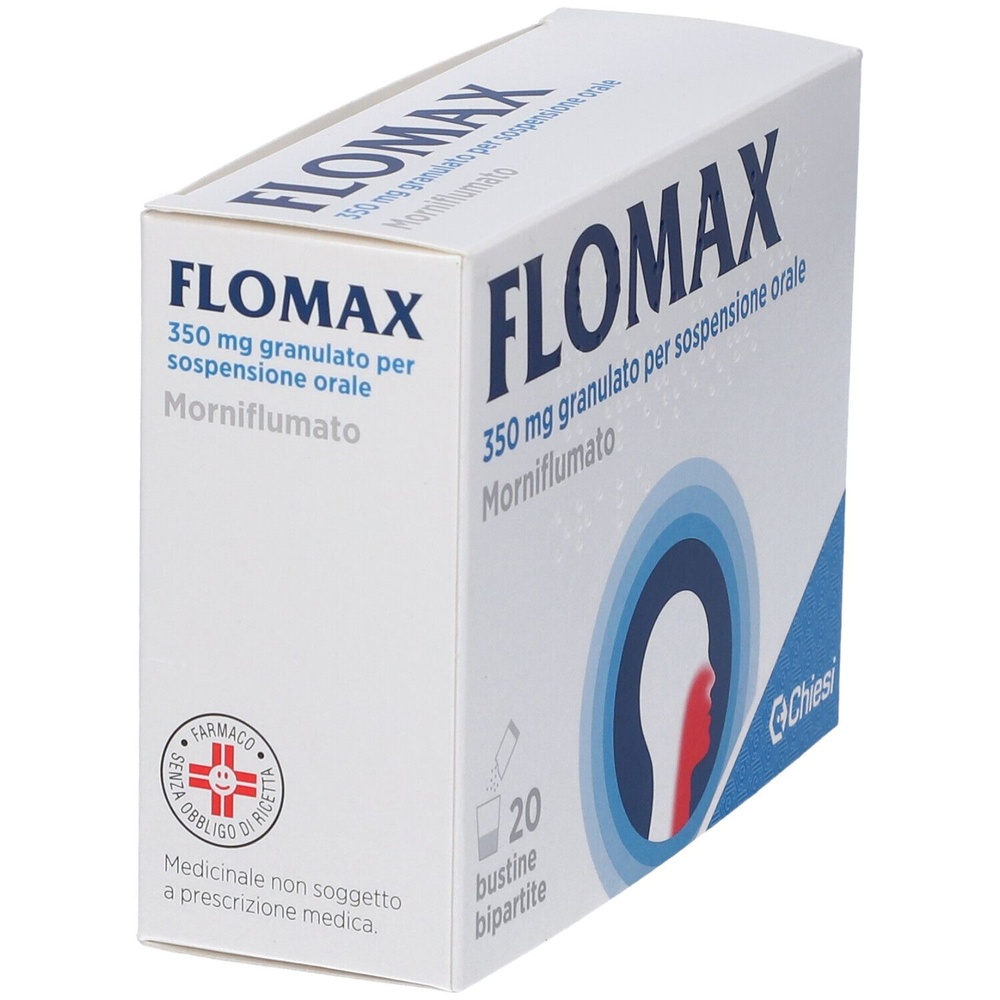
FLOMAX 700 мг Таблетка

Рассмотрение рецепта онлайн
Врач рассмотрит ваш случай и примет решение о назначении рецепта, если это медицински оправдано.

Поговорите с врачом об этом лекарстве
Обсудите симптомы и возможные дальнейшие шаги на онлайн-консультации.



Инструкция по применению FLOMAX
Содержание инструкции
- FLOMAX 700 mg tablets
- FLOMAX 350 mg granules for oral suspension, 700 mg tablets
- FLOMAX ADULTI 700 mg suppositories
- FLOMAX BAMBINI 400 mg suppositories
FLOMAX 700 mg tablets
morniflumate
Read this leaflet carefully before taking this medicine as it contains important
information for you.
- Keep this leaflet. You may need to read it again.
- If you have any questions, ask your doctor or pharmacist.
- This medicine has been prescribed for you only. Do not pass it on to others, even if their symptoms are the same as yours, as it could be harmful.
- If you get any side effects, even those not listed in this leaflet, tell your doctor or pharmacist. See section 4.
Contents of this leaflet:
- 1. What FLOMAX is and what it is used for
- 2. What you need to know before you take FLOMAX
- 3. How to take FLOMAX
- 4. Possible side effects
- 5. How to store FLOMAX
- 6. Contents of the pack and other information
1. What is FLOMAX and what is it used for
This medicine contains the active ingredient morniflumate and belongs to a class of drugs called NSAIDs
(non-steroidal anti-inflammatory drugs) which act against pain, fever and inflammation.
FLOMAX is used:
in ADULTS and adolescents starting from 15 years of age,to treat pains of various origins and nature, even
accompanied by fever, particularly in cases of ear inflammation (otitis), paranasal sinuses
(sinusitis), tonsils (tonsillitis), throat (pharyngitis, laryngitis).
Consult your doctor if you do not feel better or if you feel worse after a 5-day treatment.
2. What you need to know before taking FLOMAX
Do not take FLOMAX:
- if you are allergic to the active ingredient or to any of the other ingredients of this medicine (listed in section 6);
- if you have had allergy or asthma after taking other NSAIDs such as acetylsalicylic acid commonly known as aspirin;
- if you have a stomach and/or duodenal ulcer (gastroduodenal);
- if you have had two or more distinct episodes of ulcer or bleeding in the stomach or intestine (including blood in vomit or during bowel movements or black, tarry stools);
- if you have had even a single episode of ulcer, perforation or bleeding in the stomach or intestine caused by taking medications;
- if you have serious problems with the liver, kidneys or heart;
- after the sixth month of pregnancy.
Flomax is contraindicated in adolescents under 15 years of age and in adolescents with a history of
rectal inflammation (rectitis), rectal bleeding or ulcer.
Warnings and precautions
Talk to your doctor or pharmacist before taking Flomax if:
- you are taking other NSAIDs;
- you have had stomach or intestinal problems, such as ulcers or bleeding, a stomach hernia (hiatal hernia), Crohn's disease, ulcerative colitis;
- you are taking medicines that can increase the risk of ulcers and bleeding (see section “Other medicines and Flomax”);
- you are elderly or feel very weak (debilitated) or have a reduced body weight, as you are more likely to develop unwanted effects;
- you have asthma associated with chronic inflammation of the nose or sinuses, and/or nasal polyps;
- you have chickenpox, as NSAIDs may worsen the severity of skin lesions caused by it;
- you need to undergo urine tests that detect the presence of drugs such as marijuana and hashish, as this medicine may give positive results even in the absence of these substances.
In particular, consult your doctor cautiously if:
- you have reduced kidney function;
- you have recently undergone surgery that caused you to lose a lot of blood;
- you have liver problems;
- you have or have had problems with the heart or blood circulation, such as stroke, heart attack or heart failure, or are at risk for these conditions (for example if you have high blood pressure, diabetes or increased triglycerides or smoke), as medicines like FLOMAX may be associated with a modest increase in the risk of heart attack (myocardial infarction) or stroke.
IN ALL THESE CASES, THE DOCTOR WILL ASSESS THE NEED TO PERFORM CONTROL
EXAMINATIONS.
BE CAREFUL, as during treatment with all NSAIDs:
- at any time, with or without warning symptoms, even in patients without a history of serious stomach or intestinal (gastrointestinal) problems, bleeding, ulceration or perforation of the stomach or intestine have been reported, which can be fatal (see section 4.8);
- although very rarely, serious skin reactions, some of which have been fatal, have been reported, manifesting with redness, blistering and exfoliation (e.g. exfoliative dermatitis, Stevens-Johnson syndrome and toxic epidermal necrolysis). In the early stages of therapy, patients appear to be at higher risk: such reactions occur in most cases within the first month of treatment (see section 4.8);
- the signs of an infection can be masked.
The risk of experiencing unwanted effects increases with high doses and prolonged treatments. Do not exceed the dose
of FLOMAX and do not take it for long periods; always carefully follow your doctor's instructions.
STOP treatment and contact your doctor if:
- you notice any symptoms affecting the stomach and intestines (gastrointestinal), especially if it is bleeding;
- a skin rash, mucosal lesions or any other sign of an allergic reaction appears (e.g. redness, itching, swelling of the face and throat, sudden drop in blood pressure).
Children and adolescents
Do not give this medicine to children and adolescents under the age of 15 years.
FLOMAX should be administered only when absolutely necessary and under the direct supervision of a doctor
as adolescents are more likely to develop unwanted effects with this medicine.
Other medicines and FLOMAX
Tell your doctor or pharmacist if you are taking, have recently taken or might take any
other medicines, as some medicines can interact with FLOMAX or increase the risk of adverse events,
including serious ones.
In particular, tell your doctor if you are taking:
- corticosteroid anti-inflammatory drugs;
- medicines that thin the blood (anticoagulants and antiplatelet agents), for example warfarin, ticlopidine, clopidogrel, acetylsalicylic acid (commonly known as aspirin) and other NSAIDs, tirofiban, eptifibatide, abciximab, iloprost and heparin;
- diuretics and medicines for high blood pressure (hypertension) such as: ACE inhibitors, beta-blockers, angiotensin II antagonists;
- medicines called ‘selective serotonin reuptake inhibitors (SSRIs), used as antidepressants;
- lithium, used in depression;
- methotrexate, used in the treatment of cancer and for some types of autoimmune diseases, such as rheumatoid arthritis;
- cyclosporine and tacrolimus, drugs that reduce the immune defenses;
- trimethoprim, an antibiotic drug;
- potassium salts.
Pregnancy, breastfeeding and fertility
If you are pregnant, suspect you may be pregnant or are planning to become pregnant, or if you are breastfeeding
ask your doctor or pharmacist for advice before taking this medicine.
Do not take FLOMAX in the last 3 months of pregnancy, as it may harm the fetus or cause problems
during childbirth. It may cause problems with the heart, lungs or kidneys of the fetus. It may affect the tendency
yours and your baby's to bleed and delay or prolong labor more than expected.
You should not take FLOMAX in the first 6 months of pregnancy unless absolutely necessary and under
medical advice.
If treatment is needed during this period or during attempts to conceive, the minimum dose should be used for the
shortest possible time.
From the 20th week of pregnancy, FLOMAX may cause kidney problems in the fetus if taken for more than a few
days, reducing the levels of amniotic fluid surrounding the baby (oligohydramnios) or causing
narrowing of a blood vessel (ductus arteriosus) in the baby's heart. If treatment is needed
for more than a few days, your doctor may recommend additional monitoring.
If you are breastfeeding, discontinue breastfeeding as a precaution while taking
Flomax.
This medicine may impair fertility. This effect is reversible when the drug is stopped.
Driving and operating machinery
Like other NSAIDs, this medicine may cause dizziness, fatigue and decreased reflexes. Be
careful before driving vehicles or using machinery.
FLOMAX tablets contain lactose:if your doctor has diagnosed you with lactose intolerance,
contact him/her before taking this medicine.
3. How to take FLOMAX
Take this medicine following the doctor's instructions exactly, who will indicate the correct dose,
based on your condition, and the duration of treatment. If you have any doubts, consult your doctor or pharmacist.
Adults and adolescents over 15 years
1 FLOMAX 700 mg tablet, 2 times a day
Elderly (over 65 years)
Half a 700 mg tablet, 2-3 times a day, unless otherwise indicated by the doctor.
The doctor will determine if a dose reduction is necessary.
Method of administration
Take FLOMAX orally (by mouth) and on a full stomach.
FLOMAX tablets have a fracture line to facilitate dividing them in half.
If you take more FLOMAX than you should
You may experience abdominal pain (gastrointestinal irritation), drowsiness, headache.
In case of taking high doses of FLOMAX, immediately inform your doctor or go to the nearest
hospital, as appropriate measures may be necessary (e.g. activated charcoal, gastric lavage).
If you forget to take FLOMAX
Do not take a double dose to make up for the missed dose.
If you have any doubts about the use of this medicine, consult your doctor or pharmacist.
4. Possible side effects
Like all medicines, this medicine can cause side effects, although not everybody gets them.
Stop taking FLOMAX immediately and contact your doctor if any of the following
conditions occur:
- serious allergic reactions such as: swelling (angioedema) of the face, eyes, lips, throat with difficulty breathing, sudden drop in blood pressure (anaphylactic shock);
- serious breathing difficulties (asthmatic crises);
- serious stomach problems, burning or abdominal pain due to stomach or duodenal (peptic) or abdominal ulcers;
- severe and sudden pain in the epigastric region (ulcer perforation);
- vomiting containing blood (hematemesis) or black stools (melena), associated with bleeding from the stomach or intestines (gastrointestinal) or unusual fatigue with reduced urine output (due to non-visible bleeding);
- serious skin rashes with redness, blistering and exfoliation (e.g. Stevens-Johnson Syndrome, toxic epidermal necrolysis).
Other side effects with unknown frequency (frequency cannot be estimated based on available
data)
- worsening of skin infections caused by chickenpox;
- decrease in platelets (thrombocytopenia), decrease in white blood cells (leukopenia);
- headache and dizziness;
- heart attack (myocardial infarction) or stroke, swelling (edema), high blood pressure (hypertension), inability of the heart to supply blood in adequate quantities to the body (heart failure), low blood pressure
(hypotension), inflammation of blood vessels (vasculitis);
- nausea, vomiting, diarrhea, intestinal gas (flatulence), constipation, indigestion (dyspepsia), abdominal pain, inflammation of the oral mucosa with ulcers (ulcerative stomatitis), worsening of inflammation in the colon (colitis) and Crohn's disease, gastritis;
- more or less sudden appearance of skin lesions, even following exposure to the sun (photosensitivity dermatitis), for example, changes in color in patches or widespread (skin rashes, purpura, erythema multiforme and dermatitis), urticaria, itching;
- alterations in kidney function (renal insufficiency) which can cause swelling (edema), loss of protein in the urine, decreased protein in the blood (nephrotic syndrome), inflammation of the kidney (interstitial nephritis), presence of blood in the urine (hematuria);
- alterations in liver tests;
- alterations in tests (false positive) that detect the presence of drugs such as marijuana and hashish; further analysis is required to confirm the positive result.
- fluoride intoxication (fluorosis), especially if FLOMAX is taken at high doses and for several years.
Reporting of side effects
If you get any side effects, talk to your doctor or pharmacist. You can also report side effects directly through the national
reporting system at https://www.aifa.gov.it/content/segnalazioni-reazioni-avverse . By reporting side effects you can help provide more information on the safety of this medicine.
5. How to store FLOMAX
Keep this medicine out of the sight and reach of children.
Do not use this medicine after the expiry date which is stated on the pack after the wording EXP. The expiry
date refers to the last day of that month. This date applies to the product in intact packaging, correctly stored.
Do not dispose of any medicine in waste water or household waste. Ask your pharmacist how to dispose of
medicines you no longer use. This will help protect the environment.
6. Contents of the pack and other information
What FLOMAX contains
The active ingredient is morniflumate.
Each FLOMAX 700 mg tablet contains: 700 mg of morniflumate.
The other ingredients are:
- FLOMAX tablets: lactose, crospovidone, methylhydroxypropylcellulose, magnesium stearate, sodium lauryl sulfate, hydrated colloidal silica.
Description of the appearance of FLOMAX and contents of the pack
FLOMAX 700 mg tablets is available in packs of 20 or 30 tablets.
Marketing Authorisation Holder and Manufacturer
Marketing Authorisation Holder
CHIESI FARMACEUTICI S.p.A., Via Palermo 26/A Parma.
Manufacturer
CHIESI FARMACEUTICI S.p.A., Officine di Parma, Via S. Leonardo 96
FINE FOODS & Pharmaceuticals N.T.M. S.p.A., Via Grignano, n.43- Brembate - Bergamo.
FLOMAX 350 mg granules for oral suspension, 700 mg tablets
Morniflumate
Read this leaflet carefully before taking this medicine as it contains important information for you.
Always take this medicine exactly as described in this leaflet, or as your doctor or pharmacist has told you.
- Keep this leaflet. You may need to read it again.
- If you have any questions, ask your doctor or pharmacist.
- If you experience any side effects, including those not listed in this leaflet, tell your doctor or pharmacist. See section 4.
- See a doctor if you do not feel better or if your symptoms worsen after 5 days.
Contents of this leaflet:
- 1. What FLOMAX is and what it is used for
- 2. What you need to know before you take FLOMAX
- 3. How to take FLOMAX
- 4. Possible side effects
- 5. How to store FLOMAX
- 6. Contents of the pack and other information
1. What is FLOMAX and what is it used for
This medicine contains the active ingredient morniflumate and belongs to a class of drugs called NSAIDs
(non-steroidal anti-inflammatory drugs) which act against pain, fever and inflammation.
FLOMAX is used:
in ADULTS and adolescents starting from 15 years of age,to treat pain of various origins and nature, even
accompanied by fever, particularly in cases of ear inflammation (otitis), paranasal sinuses
(sinusitis), tonsils (tonsillitis), throat (pharyngitis, laryngitis).
See a doctor if you do not feel better or if you feel worse after a treatment of 5 days.
2. What you need to know before taking FLOMAX
Do not take FLOMAX:
- if you are allergic to the active ingredient or any of the other ingredients of this medicine (listed in section 6);
- if you have had allergy or asthma after taking other NSAIDs such as acetylsalicylic acid known as aspirin;
- if you have a stomach and/or duodenal ulcer (gastroduodenal);
- if you have had two or more distinct episodes of ulcer or bleeding in the stomach or intestine (including blood in vomit or during bowel movements or black, tarry stools);
- if you have had even a single episode of ulcer, perforation or bleeding in the stomach or intestine caused by taking medications;
- if you have serious problems with the liver, kidneys or heart;
- after the sixth month of pregnancy.
FLOMAX is contraindicated in children and adolescents under 15 years of age and in adolescents with
a history of rectal inflammation (rectitis), rectal bleeding or ulcer.
Do not take FLOMAX oral suspension granules if you suffer from phenylketonuria.
Warnings and precautions
Talk to your doctor or pharmacist before taking FLOMAX if:
- you are taking other NSAIDs;
- you have had stomach or intestinal problems, such as ulcers or bleeding, a stomach hernia (hiatal), Crohn's disease, ulcerative colitis;
- you are taking medications that can increase the risk of ulcers and bleeding (see section “Other medicines and FLOMAX”);
- you are elderly or feel very weak (debilitated) or have a reduced body weight, as you are more likely to develop unwanted effects;
- you have asthma associated with chronic inflammation of the nose or sinuses and/or nasal polyps;
- you have chickenpox, as NSAIDs may worsen the severity of skin lesions caused by it;
- you are to undergo urine tests that detect the presence of drugs such as marijuana and hashish, as this medicine may give positive results even in the absence of these substances.
In particular, consult your doctor with caution if:
- you have reduced kidney function;
- you have recently undergone surgery that caused significant blood loss;
- you have liver problems;
- you have or have had heart or circulatory problems, such as stroke, heart attack or heart failure, or are at risk for these conditions (for example if you have high blood pressure, diabetes or elevated triglycerides or smoke), as medicines like FLOMAX may be associated with a modest increase in the risk of heart attack (myocardial infarction) or stroke.
IN ALL THESE CASES, THE DOCTOR WILL ASSESS THE NEED TO PERFORM CONTROL
EXAMINATIONS.
BE CAREFUL, as during treatment with all NSAIDs:
- at any time, with or without warning symptoms, even in patients without a history of serious stomach or intestinal problems (gastrointestinal), bleeding, ulceration or perforation of the stomach or intestine have been reported, which can be fatal (see section 4.8);
- although very rarely, serious skin reactions, some of which have been fatal, have been reported, manifesting with redness, blistering and exfoliation (e.g. exfoliative dermatitis, Stevens-Johnson syndrome and toxic epidermal necrolysis). In the early stages of therapy, patients appear to be at higher risk: such reactions occur in most cases within the first month of treatment (see section 4.8);
- the signs of an infection can be masked.
The risk of experiencing unwanted effects increases with high doses and prolonged treatments. Do not exceed the dose
of FLOMAX and do not take it for long periods; always carefully follow your doctor's instructions.
STOP treatment and contact your doctor if:
- you notice any symptoms affecting the stomach and intestines (gastrointestinal), especially if it is bleeding;
- a skin rash, mucosal lesions or any other sign of an allergic reaction appears (e.g. redness, itching, swelling of the face and throat, sudden drop in blood pressure).
Children and adolescents
Do not give this medicine to children and adolescents under 15 years of age.
FLOMAX should be administered only when absolutely necessary and under the direct supervision of a doctor
as adolescents are more likely to develop unwanted effects with this medicine.
Other medicines and FLOMAX
Tell your doctor or pharmacist if you are taking, have recently taken or may take any
other medicines, as some drugs can interact with FLOMAX or increase the risk of adverse events,
including serious ones.
In particular, tell your doctor if you are taking:
- corticosteroid anti-inflammatory drugs;
- blood-thinning drugs (anticoagulants and antiplatelet agents), for example warfarin, ticlopidine, clopidogrel, acetylsalicylic acid (known as aspirin) and other NSAIDs, tirofiban, eptifibatide, abciximab, iloprost and heparin;
- diuretics and drugs for high blood pressure (hypertension) such as: ACE inhibitors, beta-blockers, angiotensin II receptor antagonists;
- drugs called ‘selective serotonin reuptake inhibitors (SSRIs), used as antidepressants;
- lithium, used in depression;
- methotrexate, used in the treatment of cancer and for some types of autoimmune diseases, such as rheumatoid arthritis;
- cyclosporine and tacrolimus, drugs that reduce the immune system;
- trimethoprim, an antibiotic drug;
- potassium salts.
Pregnancy, breastfeeding and fertility
If you are pregnant, suspect you are pregnant or are planning a pregnancy, or if you are breastfeeding
ask your doctor or pharmacist for advice before taking this medicine.
Do not take FLOMAX in the last 3 months of pregnancy, as it may harm the fetus or cause problems during
childbirth. It may cause problems with the heart, lungs or kidneys of the fetus. It may affect your and your
baby's tendency to bleed and delay or prolong labor longer than expected.
You should not take FLOMAX in the first 6 months of pregnancy unless absolutely necessary and under
medical advice.
If treatment is needed during this period or during attempts to conceive, the minimum dose should be used
for the shortest possible time.
From the 20th week of pregnancy, FLOMAX may cause kidney problems in the fetus if taken for more than
a few days, reducing the levels of amniotic fluid surrounding the baby (oligohydramnios) or causing
narrowing of a blood vessel (ductus arteriosus) in the baby's heart. If treatment is needed
for more than a few days, your doctor may recommend additional monitoring.
If you are breastfeeding, discontinue breastfeeding as a precaution while taking
FLOMAX.
This medicine may impair fertility. This effect is reversible upon discontinuation of the drug.
Driving and operating machinery
Like other NSAIDs, this medicine may cause dizziness, fatigue and decreased reflexes. Be
careful before driving vehicles or using machinery.
FLOMAX granules contain
- sucrose:if you have been diagnosed with intolerance to certain sugars, contact your doctor before taking this medicine;
- sorbitol: this medicine contains 363 mg of sorbitol per sachet. Sorbitol is a source of fructose. If your doctor has told you that you are intolerant to certain sugars, or if you have a diagnosis of hereditary fructose intolerance, a rare genetic disease in which patients cannot transform fructose, talk to your doctor before taking this medicine.
- aspartame: this medicine contains 15 mg of aspartame per sachet. Aspartame is a source of phenylalanine. It may be harmful if you suffer from phenylketonuria, a rare genetic disease that causes the accumulation of phenylalanine because the body cannot eliminate it correctly.
- Yellow Orange S (E 110): may cause allergic reactions.
FLOMAX tablets contain lactose:if you have been diagnosed with intolerance to certain
sugars, contact your doctor before taking this medicine.
3. How to take FLOMAX
Take this medicine following exactly what is reported in this leaflet or the instructions of your
doctor or pharmacist. If you have any doubts, consult your doctor or pharmacist.
The recommended dose is as follows:
Adults and adolescents over 15 years
2 sachets of FLOMAX 350 mg, 2 times a day.
1 tablet of FLOMAX 700 mg, 2 times a day.
Elderly (over 65 years)
1 sachet of FLOMAX 350 mg, 2-3 times a day, unless otherwise indicated by the doctor.
Half a 700 mg tablet, 2-3 times a day, unless otherwise indicated by the doctor.
Contact your doctor if you do not feel better or if you feel worse after 5 days of treatment.
Method of administration
Take FLOMAX orally (by mouth) and on a full stomach.
FLOMAX tablets have a fracture line to facilitate dividing them in half.
If you take more FLOMAX than you should
You may experience abdominal pain (gastrointestinal irritation), drowsiness, headache.
In case of taking high doses of FLOMAX, immediately inform your doctor or go to the nearest
hospital, as appropriate measures may be necessary (e.g. activated charcoal, gastric lavage).
If you forget to take FLOMAX
Do not take a double dose to make up for the forgotten dose.
If you have any doubts about the use of this medicine, consult your doctor or pharmacist.
4. Possible side effects
Like all medicines, this medicine can cause side effects, although not everybody gets them.
Stop taking FLOMAX immediately and contact your doctor if any of the following
conditions occur:
- severe allergic reactions such as: swelling (angioedema) of the face, eyes, lips, throat with difficulty breathing, sudden drop in blood pressure (anaphylactic shock);
- severe breathing difficulties (asthmatic crises);
- severe stomach problems, burning or abdominal pain due to stomach or duodenal (peptic) or abdominal ulcers;
- sudden and severe pain in the epigastrium (ulcer perforation);
- vomiting containing blood (hematemesis) or black stools (melena), associated with bleeding from the stomach or intestines (gastrointestinal) or unusual fatigue with reduced urine output (due to
bleeding that is not visible);
- severe skin rashes with redness, blistering and peeling (e.g. Stevens-Johnson syndrome, toxic epidermal necrolysis).
Other side effects with unknown frequency (frequency cannot be estimated based on available
data)
- worsening of skin infections caused by chickenpox;
- decrease in platelets (thrombocytopenia), decrease in white blood cells (leukopenia);
- headache and dizziness;
- heart attack (myocardial infarction) or stroke, swelling (edema), high blood pressure (hypertension), inability of the heart to supply blood in adequate quantities to the body (heart failure), low blood pressure (hypotension), inflammation of blood vessels (vasculitis);
- nausea, vomiting, diarrhea, intestinal gas (flatulence), constipation, indigestion (dyspepsia), abdominal pain, inflammation of the oral mucosa with ulcers (ulcerative stomatitis), worsening of inflammation in the colon (colitis) and Crohn's disease, gastritis;
- more or less sudden appearance of skin lesions, even after exposure to the sun (photosensitization dermatitis), for example, changes in color in patches or widespread (skin rashes, purpura, erythema multiforme and dermatitis), urticaria, itching;
- changes in kidney function (renal failure) which can cause swelling (edema), loss of protein in the urine, decreased protein in the blood (nephrotic syndrome), inflammation of the kidney (interstitial nephritis), presence of blood in the urine (hematuria);
- changes in liver tests;
- alterations of tests (false positive) that detect the presence of drugs such as marijuana and hashish; further analysis is required to confirm the positive result.
- fluoride poisoning (fluorosis), especially if FLOMAX is taken at high doses and for many years.
Reporting of side effects
If you get any side effects, talk to your doctor or pharmacist. You can also report side effects directly through the national
reporting system at https://www.aifa.gov.it/content/segnalazioni-reazioni-avverse. By reporting side effects you can help provide more information on the safety of this medicine.
5. How to store FLOMAX
Keep this medicine out of the sight and reach of children.
Do not use this medicine after the expiry date which is stated on the pack after the wording EXP. The expiry
date refers to the last day of that month. This date applies to the product in intact packaging, correctly stored.
Do not dispose of any medicine in wastewater or household waste. Ask your pharmacist how to dispose of
medicines you no longer use. This will help protect the environment.
6. Contents of the pack and other information
What FLOMAX contains
The active ingredient is morniflumate.
Each sachet of FLOMAX granules contains: 350 mg of morniflumate.
Each FLOMAX 700 mg tablet contains: 700 mg of morniflumate.
The other ingredients are:
- FLOMAX granules: sucrose, sorbitol, banana flavour, maltodextrin, fruit flavour, crospovidone, hypromellose, aspartame, ammonium glycyrrhizate, xanthan gum, polysorbate 20, Sodium lauryl sulfate,
yellow orange S (E 110).
- FLOMAX tablets: lactose, crospovidone, methylhydroxypropylcellulose, magnesium stearate, sodium lauryl sulfate, hydrated colloidal silica.
Description of FLOMAX and contents of the pack
FLOMAX 350 granules is available in packs of 20 or 30 sachets.
FLOMAX 700 mg tablets are available in packs of 10 tablets.
Marketing Authorisation Holder and Manufacturer
Marketing Authorisation Holder
CHIESI FARMACEUTICI S.p.A., Via Palermo 26/A Parma.
Manufacturer
CHIESI FARMACEUTICI S.p.A., Officine di Parma, Via S. Leonardo 96.
FINE FOODS & Pharmaceuticals N.T.M. S.p.A., Via Grignano, n.43- Brembate - Bergamo.

Не уверены, подходит ли вам это лекарство?
Обсудите симптомы и варианты лечения с врачом онлайн.
FLOMAX ADULTI 700 mg suppositories
morniflumate
Read this leaflet carefully before you start to take this medicine as it contains important
information for you.
- Keep this leaflet. You may need to read it again.
- If you have any questions, ask your doctor or pharmacist.
- This medicine has been prescribed for you only. Do not pass it on to others, even if they have the same symptoms as you, as it may be harmful.
- If you get any side effects, even those not listed in this leaflet, tell your doctor or pharmacist. See section 4.
Contents of this leaflet:
- 1. What FLOMAX is and what it is used for
- 2. What you need to know before you take FLOMAX
- 3. How to take FLOMAX
- 4. Possible side effects
- 5. How to store FLOMAX
- 6. Contents of the pack and other information
1. What is FLOMAX and what is it used for
This medicine contains the active ingredient morniflumate and belongs to a class of drugs called NSAIDs
(non-steroidal anti-inflammatory drugs) which act against pain, fever and inflammation.
FLOMAX is used in adults to reduce inflammation, with or without pain and/or fever, in cases
of inflammation:
- of the ear (otitis), of the nasal cavities as a whole (sinusitis), of the tonsils (tonsillitis), of the mouth and throat (pharyngitis, laryngitis);
- of the trachea (tracheitis), of the bronchi (bronchitis);
- of the bladder (cystitis), of the urethra (urethritis), of the vagina (vaginitis), of the prostate (prostatitis), of the ovaries and fallopian tubes (salpingitis);
- of the bones and joints (musculoskeletal system).
2. What you need to know before taking FLOMAX
Do not take FLOMAX:
- if you are allergic to the active ingredient or to any of the other ingredients of this medicine (listed in section 6);
- if you have had allergy or asthma after taking other NSAIDs such as acetylsalicylic acid, commonly known as aspirin;
- if you have a stomach and/or duodenal ulcer (gastroduodenal);
- if you have had two or more distinct episodes of ulcer or bleeding in the stomach or intestine (including blood in vomit or during bowel movements, or black, tarry stools);
- if you have had even one episode of ulcer, perforation or bleeding in the stomach or intestine caused by taking medications;
- if you have serious problems with the liver, kidneys or heart;
- if you suffer from inflammation or bleeding of the rectum (proctitis or rectorrhagia);
- after the sixth month of pregnancy.
Warnings and precautions
Talk to your doctor or pharmacist before taking Flomax if:
- you are taking other NSAIDs;
- you are taking medicines that can increase the risk of ulcers and bleeding (see section “Other medicines and Flomax”);
- you have had stomach or intestinal problems, such as ulcers or bleeding, a hiatal hernia, Crohn’s disease, ulcerative colitis;
- you are elderly or feel very weak (debilitated) or have a reduced body weight, as you are more likely to develop unwanted effects;
- you have asthma associated with chronic inflammation of the nose or sinuses and/or nasal polyps;
- you have chickenpox, as NSAIDs may worsen the severity of skin lesions caused by it;
- you need to undergo urine tests that detect the presence of drugs such as marijuana and hashish, as this medicine can give positive results even in the absence of these substances.
In particular, consult your doctor cautiously if:
- you have reduced kidney function;
- you have recently undergone surgery that caused significant blood loss;
- you have liver problems;
- you have or have had problems with the heart or blood vessels, such as stroke, heart attack or heart failure, or are at risk for these conditions (for example if you have high blood pressure, diabetes, high cholesterol or triglycerides, or smoke), as medicines like Flomax may be associated with a modest increase in the risk of heart attack (myocardial infarction) or stroke. IN ALL THESE CASES, THE DOCTOR WILL EVALUATE THE NEED TO PERFORM CHECK-UP EXAMS.
PAY ATTENTION, as during treatment with all NSAIDs:
- at any time, with or without warning symptoms, even in patients without previous serious stomach or intestinal (gastrointestinal) problems, bleeding, ulceration or perforation of the stomach or intestine have been reported, which can be fatal (see section 4.8);
- although very rarely, severe skin reactions, some of which have been fatal, have been reported, manifesting with redness, blistering and exfoliation (for example, exfoliative dermatitis, Stevens-Johnson syndrome and toxic epidermal necrolysis). In the early stages of therapy, patients appear to be at higher risk: such reactions occur in most cases within the first month of treatment (see section 4.8);
- signs of an infection can be masked.
The risk of having unwanted effects increases with high doses and prolonged treatments. Do not exceed the dose of FLOMAX and do not take it for long periods; always carefully follow your doctor's instructions.
STOP treatment and contact your doctor if:
- you notice any symptoms affecting the stomach and intestines (gastrointestinal), especially if it is bleeding;
- a skin rash, mucosal lesions or any other sign of an allergic reaction appears (e.g. redness, itching, swelling of the face and throat, sudden drop in blood pressure).
Children
FLOMAX ADULTS 700 mg suppositories are not suitable for children. If necessary, ask your doctor or pharmacist for advice, as there are dosages (lower) of FLOMAX specifically for these patients.
Other medicines and FLOMAX
Tell your doctor or pharmacist if you are taking, have recently taken or might take any other medicines, as some drugs can interact with FLOMAX or increase the risk of adverse events, even serious.
In particular, you should tell your doctor if you are taking:
- steroidal anti-inflammatory drugs (corticosteroids);
- drugs that thin the blood (anticoagulants and antiplatelet agents), for example warfarin, ticlopidine, clopidogrel, acetylsalicylic acid (commonly known as aspirin) and other NSAIDs, tirofiban, eptifibatide, abciximab, iloprost, heparin;
- diuretics and drugs against high blood pressure (hypertension) such as: ACE inhibitors, beta-blockers, angiotensin II antagonists;
- drugs called ‘selective serotonin reuptake inhibitors’ (SSRIs), used as antidepressants;
- lithium, used in depression;
- methotrexate, used in the treatment of cancer and for some types of autoimmune diseases, such as rheumatoid arthritis;
- cyclosporine and tacrolimus, drugs that reduce the immune defenses;
- trimethoprim, an antibiotic drug;
- potassium salts.
Pregnancy, breastfeeding and fertility
If you are pregnant, suspect you are pregnant or are planning a pregnancy, or if you are breastfeeding, ask your doctor or pharmacist for advice before taking this medicine.
Do not take FLOMAX in the last 3 months of pregnancy, as it may harm the fetus or cause problems during childbirth. It may cause problems with the heart, lungs or kidneys of the fetus. It may affect your and your baby's tendency to bleed and delay or prolong labor more than expected.
You should not take FLOMAX in the first 6 months of pregnancy unless absolutely necessary and under the advice of your doctor.
If treatment is necessary during this period or during attempts to conceive, the minimum dose should be used for the shortest possible time.
From the 20th week of pregnancy, FLOMAX can cause kidney problems in the fetus if taken for more than a few days, reducing the levels of amniotic fluid surrounding the baby (oligohydramnios) or causing narrowing of a blood vessel (ductus arteriosus) in the baby's heart. If treatment is needed for more than a few days, your doctor may recommend additional monitoring.
If you are breastfeeding, discontinue breastfeeding as a precaution while taking Flomax.
This medicine may impair fertility. This effect is reversible upon discontinuation of the drug.
Driving and operating machinery
Like other NSAIDs, this medicine may cause dizziness, fatigue and decreased reflexes. Be careful before driving vehicles or using machinery.
3. How to take FLOMAX
Take this medicine following the instructions of your doctor exactly, who will indicate the correct dose,
based on your condition, and the duration of treatment. If you have any doubts, consult your doctor or pharmacist.
Adults
2 FLOMAX ADULTI suppositories per day, 1 in the morning and 1 in the evening.
Elderly (over 65 years)
The doctor will determine if a dosage reduction is necessary.
If you take more FLOMAX than you should
You may notice problems at the level of the rectum.
In case of ingestion/taking of high doses of FLOMAX, immediately inform your doctor or go to
the nearest hospital, as appropriate measures may be necessary.
If you forget to take FLOMAX
Do not take a double dose to make up for the missed dose.
4. Possible side effects
Like all medicines, this medicine can cause side effects, although not everybody gets them.
Stop taking FLOMAX immediately and contact your doctor if any of the following
conditions occur:
- severe allergic reactions such as: swelling (angioedema) of the face, eyes, lips, throat with difficulty breathing, sudden drop in blood pressure (anaphylactic shock);
- severe breathing difficulties (asthmatic crises);
- serious stomach problems, burning or abdominal pain due to stomach or duodenal (peptic) or abdominal ulcers;
- sudden and severe pain in the epigastric region (ulcer perforation);
- vomiting containing blood (hematemesis) or black stools (melena), associated with bleeding from the stomach or intestines (gastrointestinal) or unusual fatigue with reduced urine output (due to non-visible bleeding);
- severe skin rashes with redness, blister formation and exfoliation (e.g. Stevens-Johnson Syndrome, toxic epidermal necrolysis).
Other side effects with unknown frequency (frequency cannot be estimated based on available
data)
- reactions at the rectum level, especially if the therapy is long or frequent or with high doses;
- worsening of skin infections caused by chickenpox;
- decrease in platelets (thrombocytopenia), decrease in white blood cells (leukopenia);
- headache and dizziness;
- heart attack (myocardial infarction) or stroke, swelling (edema), high blood pressure (hypertension), inability of the heart to supply blood in adequate quantities to the body (heart failure), low blood pressure (hypotension), inflammation of blood vessels (vasculitis);
- nausea, vomiting, diarrhea, intestinal gas (flatulence), constipation, indigestion (dyspepsia), abdominal pain, inflammation of the oral mucosa with ulcers (ulcerative stomatitis), worsening of inflammation in the colon (colitis) and Crohn's disease, gastritis;
- more or less sudden appearance of skin lesions, even following exposure to the sun (photosensitization dermatitis), for example changes in color in patches or widespread (skin rashes, purpura, erythema multiforme and dermatitis), urticaria, itching;
- alterations in kidney function (renal failure) which can cause swelling (edema), loss of protein in the urine, decreased protein in the blood (nephrotic syndrome), inflammation of the kidney (interstitial nephritis), presence of blood in the urine (hematuria);
- alterations in liver tests;
- alterations in tests (false positive) that detect the presence of drugs such as marijuana and hashish
- fluoride intoxication (fluorosis), especially if FLOMAX is taken at high doses and for several years.
Reporting of side effects
If you get any side effects, even those not listed in this leaflet, tell your
doctor or pharmacist. You can also report side effects directly through the national
reporting system at https://www.aifa.gov.it/content/segnalazioni-reazioni-avverse . By reporting
side effects you can help provide more information on the safety of this medicine.
5. How to store FLOMAX
Keep this medicine out of the sight and reach of children.
Store at a temperature not exceeding 30 °C.
Do not use this medicine after the expiry date which is stated on the pack after the wording EXP. The expiry
date refers to the last day of that month. This date applies to the product in intact packaging, correctly stored.
Do not dispose of any medicine in waste water or household waste. Ask your pharmacist how to dispose of
medicines you no longer use. This will help protect the environment.
6. Contents of the pack and other information
What FLOMAX contains
The active ingredient is morniflumate.
Each FLOMAX ADULTI 700mg suppository contains: 700 mg of morniflumate.
The other ingredients are: solid semi-synthetic glycerides.
Description of the appearance of FLOMAX and contents of the pack
FLOMAX ADULTI 700 mg suppositories is available in packs of 10 suppositories.
Marketing Authorisation Holder and Manufacturer
Marketing Authorisation Holder
CHIESI FARMACEUTICI S.p.A., Via Palermo 26/A Parma.
Manufacturer
LAMP SAN PROSPERO S.p.A., Via della Pace 25/A, S. Prospero (MO).
FLOMAX BAMBINI 400 mg suppositories
morniflumate
Read this leaflet carefully before taking this medicine as it contains important
information for you.
- Keep this leaflet. You may need to read it again.
- If you have any questions, ask your doctor or pharmacist.
- This medicine has been prescribed for you only. Do not pass it on to others, even if they have the same symptoms as you, as it may be harmful.
- If you get any side effects, even those not listed in this leaflet, tell your doctor or pharmacist. See section 4.
Contents of this leaflet:
- 1. What FLOMAX is and what it is used for
- 2. What you need to know before you take FLOMAX
- 3. How to take FLOMAX
- 4. Possible side effects
- 5. How to store FLOMAX
- 6. Contents of the pack and other information
1. What is FLOMAX and what is it used for
This medicine contains the active ingredient morniflumate and belongs to a class of drugs called NSAIDs
(non-steroidal anti-inflammatory drugs) which act against pain, fever and inflammation.
FLOMAX is used in children to reduce pain associated with inflammation of the ear (otitis), of the
nasal cavities as a whole (sinusitis), of the tonsils (tonsillitis), of the mouth and throat.
2. What you need to know before taking FLOMAX
Do not take FLOMAX:
- if you are allergic to the active ingredient or to any of the other ingredients of this medicine (listed in section 6);
- if you have had an allergy or asthma after taking other NSAIDs such as acetylsalicylic acid known as aspirin;
- if you have an ulcer in the stomach and/or duodenum (gastroduodenal);
- if you have had two or more distinct episodes of ulcer or bleeding in the stomach or intestine (including blood in vomit or during bowel movements or black, tarry stools);
- if you have had even one episode of ulcer, perforation or bleeding in the stomach or intestine caused by taking medicines;
- if you have serious problems with the liver, kidneys or heart;
- if you suffer from inflammation or bleeding of the rectum (proctitis or rectorrhagia);
- after the sixth month of pregnancy.
FLOMAX is contraindicated in children under six months of age.
Warnings and precautions
- Talk to your doctor or pharmacist before using Flomax if you are taking other NSAIDs;
- have had stomach or intestinal problems, such as ulcers or bleeding, a stomach hernia (hiatal hernia), Crohn's disease, ulcerative colitis;
- are taking medicines that can increase the risk of ulcers and bleeding (see section “Other medicines and FLOMAX”);
- are elderly or feel very weak (debilitated) or have a reduced body weight, as you are more likely to develop unwanted effects;
- have asthma associated with chronic inflammation of the nose or nasal cavities (sinusitis) and/or nasal polyps;
- have chickenpox, as NSAIDs may worsen the severity of skin lesions caused by it;
- need to undergo urine tests that detect the presence of drugs such as marijuana and hashish, as this medicine can give positive results even in the absence of these substances.
In particular, consult your doctor cautiously if:
- you have reduced kidney function;
- you have recently undergone surgery that caused you a large loss of blood;
- you have liver problems;
- you have or have had heart or blood circulation problems, such as stroke, heart attack or heart failure, or are at risk for these conditions (for example if you have high blood pressure, diabetes, high cholesterol or triglyceride levels or smoke), as medicines like Flomax may be associated with a modest increase in the risk of heart attack (myocardial infarction) or stroke.
IN ALL THESE CASES, THE DOCTOR WILL EVALUATE THE NEED TO PERFORM CONTROL
EXAMINATIONS.
BE CAREFUL, as during treatment with all NSAIDs:
- at any time, with or without warning symptoms, even in patients without previous serious stomach or intestinal (gastrointestinal) problems, bleeding, ulceration or perforation of the stomach or intestine have been reported, which can be fatal (see section 4.8);
- although very rarely, serious skin reactions, some of which have been fatal, have been reported, which manifest with redness, blistering and exfoliation (for example, exfoliative dermatitis, Stevens-Johnson syndrome and toxic epidermal necrolysis). In the early stages of therapy, patients appear to be at higher risk: such reactions occur in most cases within the first month of treatment (see section 4.8);
- the signs of an infection can be masked.
The risk of having unwanted effects increases with high doses and prolonged treatments. Do not exceed the dose
of FLOMAX and do not take it for long periods; always carefully follow the doctor's instructions.
STOP the treatment and contact your doctor if:
- you notice any symptoms affecting the stomach and intestines (gastrointestinal), especially if it is bleeding;
- a skin rash, mucous membrane lesions or any other sign of an allergic reaction appears (e.g. redness, itching, swelling of the face and throat, sudden drop in blood pressure).
Children and adolescents
FLOMAX should be administered only when necessary and under the direct supervision of the doctor as
children and adolescents are more likely to develop unwanted effects with this medicine.
In particular, children between 6 and 12 months have a high risk of serious skin side effects.
Other medicines and FLOMAX
Tell your doctor or pharmacist if you are taking, have recently taken or might take any
other medicines, as some medicines can interact with FLOMAX or increase the risk of adverse events, even serious.
In particular, you should tell your doctor if you are taking:
- corticosteroid anti-inflammatory drugs;
- medicines that thin the blood (anticoagulants and antiplatelet agents), for example warfarin, ticlopidine, clopidogrel, acetylsalicylic acid (known as aspirin) and other NSAIDs, tirofiban, eptifibatide, abciximab, iloprost and heparin;
- diuretics and medicines against high blood pressure (hypertension) such as: ACE inhibitors, beta-blockers, angiotensin II antagonists;
- medicines called selective serotonin reuptake inhibitors (SSRIs), used as antidepressants;
- lithium, used in depression;
- methotrexate, used in the treatment of cancer and for some types of autoimmune diseases, such as rheumatoid arthritis;
- cyclosporine and tacrolimus, drugs that reduce the immune defenses;
- trimethoprim, an antibiotic drug;
- potassium salts.
Pregnancy, breastfeeding and fertility
If you are pregnant, suspect or are planning a pregnancy or if you are breastfeeding with breast milk
ask your doctor or pharmacist for advice before taking this medicine.
Do not take FLOMAX in the last 3 months of pregnancy, as it may harm the fetus or cause problems during
delivery. It may cause problems with the heart, lungs or kidneys of the fetus. It may affect your and your child's tendency to bleed and delay or prolong labor more than expected.
You should not take FLOMAX in the first 6 months of pregnancy unless absolutely necessary and under
doctor's advice.
If you need treatment during this period or during attempts to conceive, the minimum dose should be used for the shortest possible time.
From the 20th week of pregnancy, FLOMAX can cause kidney problems in the fetus if taken for more than a few
days, thus reducing the levels of amniotic fluid surrounding the baby (oligohydramnios) or causing
narrowing of a blood vessel (ductus arteriosus) in the baby's heart. If you need treatment
for more than a few days, your doctor may recommend additional monitoring.
If you are breastfeeding, discontinue breastfeeding as a precaution while taking
Flomax.
This medicine may impair fertility. This effect is reversible upon discontinuation of the drug.
Driving and using machines
Like other NSAIDs, this medicine may cause dizziness, fatigue and decreased reflexes. Be
careful before driving vehicles or using machinery.
3. How to take FLOMAX
Take this medicine following exactly the instructions of your doctor. If you have any doubts, consult your doctor
or pharmacist.
Children from 6 to 12 months of age:1 suppository of FLOMAX BAMBINI per day.
Children over 1 year of age:from 1 to 3 suppositories of FLOMAX BAMBINI per day, depending on weight and
age.
Because in children the dose of FLOMAX depends on body weight and age, your doctor will indicate the dosage
to administer.
In children, the duration of treatment with FLOMAX is 4-5 days.
If you take more FLOMAX than you should
You may notice problems at the level of the rectum.
In case of ingestion/taking of high doses of FLOMAX, immediately inform your doctor or go to
the nearest hospital, as appropriate measures may be necessary.
If you forget to take FLOMAX
Do not use a double dose to make up for the missed dose.
4. Possible side effects
Like all medicines, this medicine can cause side effects, although not everyone will experience them.
Stop taking FLOMAX immediately and contact your doctor if any of the following
conditions occur:
- severe allergic reactions such as: swelling (angioedema) of the face, eyes, lips, throat with difficulty breathing, sudden drop in blood pressure (anaphylactic shock);
- severe breathing difficulties (asthmatic crises);
- serious stomach problems, burning or abdominal pain due to stomach or duodenal (peptic) or abdominal ulcers;
- sudden and severe pain in the epigastrium (ulcer perforation);
- vomiting containing blood (hematemesis) or black stools (melena), associated with bleeding from the stomach or intestines (gastrointestinal) or unusual fatigue with reduced urine output (due to non-visible bleeding);
- severe skin rashes with redness, blistering and exfoliation (e.g. Stevens-Johnson syndrome, toxic epidermal necrolysis).
Other side effects with unknown frequency (frequency cannot be defined based on available
data)
- reactions at the level of the rectum, especially if the therapy is long or frequent or with high doses;
- worsening of skin infections caused by chickenpox;
- decreased platelets (thrombocytopenia), decreased white blood cells (leukopenia);
- headache and dizziness;
- heart attack (myocardial infarction) or stroke, swelling (edema), high blood pressure (hypertension), inability of the heart to supply blood in adequate quantities to the body (heart failure), low blood pressure (hypotension), inflammation of blood vessels (vasculitis);
- nausea, vomiting, diarrhea, intestinal gas (flatulence), constipation, indigestion (dyspepsia), abdominal pain, inflammation of the oral mucosa with ulcers (ulcerative stomatitis), worsening of inflammation in the colon (colitis) and Crohn's disease, gastritis;
- more or less sudden appearance of skin lesions, even following exposure to the sun (photosensitization dermatitis), for example, changes in color in patches or widespread (skin rashes, purpura, erythema multiforme and dermatitis), urticaria, itching;
- alterations in kidney function (renal failure) which can cause swelling (edema), protein loss in the urine, decreased proteins in the blood (nephrotic syndrome), kidney inflammation (interstitial nephritis), presence of blood in the urine (hematuria);
- alterations in liver tests;
- alterations in tests (false positive) that detect the presence of drugs such as marijuana and hashish;
- fluoride intoxication (fluorosis), especially if FLOMAX is taken at high doses and for several years.
Reporting of side effects
If you experience any side effects, including those not listed in this leaflet, please inform your
doctor or pharmacist. You can also report side effects directly through the national
reporting system at https://www.aifa.gov.it/content/segnalazioni-reazioni-avverse . By reporting
side effects, you can help provide more information on the safety of this medicine.
5. How to store FLOMAX
Keep this medicine out of sight and reach of children.
Store at a temperature not exceeding 30 °C.
Do not use this medicine after the expiry date which is stated on the pack after the wording EXP. The date
of expiry refers to the last day of that month. This refers to the product in intact packaging,
correctly stored.
Do not dispose of any medicine in wastewater or household waste. Ask your pharmacist how to dispose of
medicines you no longer use. This will help protect the environment.
6. Contents of the pack and other information
What FLOMAX contains
The active ingredient is morniflumate.
Each FLOMAX BAMBINI 400mg suppository contains: 400mg of morniflumate.
The other ingredients are: semi-synthetic solid glycerides.
Description of the appearance of FLOMAX and contents of the pack
FLOMAX BAMBINI 400 mg suppositories is available in packs of 10 suppositories.
Marketing Authorisation Holder and Manufacturer
Marketing Authorisation Holder
CHIESI FARMACEUTICI S.p.A., Via Palermo 26/A Parma.
Manufacturer
LAMP SAN PROSPERO S.p.A., Via della Pace 25/A, S. Prospero (MO).

Уже начали прием и появились вопросы?
Обсудите свое состояние и дальнейшие шаги с врачом онлайн.
- Страна регистрации
- Форма выпускаTablet, 700 MG
- Код АТХM01AX22
- Действующее вещество
- Отпускается по рецептуНет
- Производитель
- Информация на этой странице носит справочный характер и не является медицинской консультацией. Перед началом приема лекарства обязательно проконсультируйтесь с врачом.
- Аналоги FLOMAXФорма выпуска: Tablet, 350 MGДействующее вещество: morniflumateПроизводитель: I.B.N. SAVIO S.R.LОтпускается по рецептуФорма выпуска: Coated tablet, 700 MGДействующее вещество: morniflumateПроизводитель: MASTER PHARMA S.R.L.Отпускается по рецептуФорма выпуска: Granules for oral suspension, 100 MGДействующее вещество: нимесулидПроизводитель: SIAR PHARMA S.R.L.Отпускается без рецепта
Аналоги FLOMAX в других странах
Лекарства с тем же действующим веществом, доступные в других странах.
Аналог FLOMAX в Украина
Аналог FLOMAX в Испания
Врачи онлайн по FLOMAX
Обсудите применение FLOMAX и возможные следующие шаги — по оценке врача.









Получите рецепт на FLOMAX онлайн
Заполните форму за 2 минуты
Расскажите о симптомах, истории болезни и нужном препарате.
Выберите врача или мы назначим
Выберите специалиста или мы подберём ближайшего доступного врача.
Врач рассматривает ваш случай
Обычно в течение 30 минут. Может задать уточняющие вопросы в чате.
Получите в любой аптеке
Электронный рецепт отправляется на вашу почту — действителен по всей Польше.
Часто задаваемые вопросы
FLOMAX не требует рецепта в Италия. Вы можете уточнить у врача онлайн, подходит ли это лекарство для вашей ситуации.
Действующее вещество FLOMAX — morniflumate. Эта информация помогает определить лекарства с тем же составом под другими торговыми названиями.
FLOMAX производится компанией CHIESI FARMACEUTICI S.P.A.. Упаковка и торговое название могут отличаться в зависимости от дистрибьютора.
Врачи, включая Семейные врачи, Психиатры, Дерматологи, Кардиологи, Эндокринологи, Гастроэнтерологи, Пульмонологи, Нефрологи, Ревматологи, Гематологи, Инфекционисты, Аллергологи, Гериатры, Педиатры, Онкологи, могут оценить целесообразность применения FLOMAX с учетом вашей ситуации и местных правил. Вы можете записаться на онлайн-консультацию, чтобы обсудить возможные варианты.
Польша имеет хорошо развитую систему здравоохранения в крупных городах, таких как Варшава, Краков, Вроцлав и Гданьск. Аптеки широко доступны и работают в соответствии с действующим законодательством, обеспечивая доступ к рецептурным препаратам.
Вы можете купить FLOMAX в Варшаве, Кракове, Вроцлаве или Гданьске в любой аптеке при наличии действующего рецепта.
Чтобы получить рецепт, вы можете воспользоваться Oladoctor:
Другие лекарства с тем же действующим веществом (morniflumate) включают FLUMARIN, MORNIFLU, ALGOLIDER. Они могут отличаться торговым названием или формой выпуска, но содержат одинаковый терапевтический компонент. Перед изменением лечения рекомендуется проконсультироваться с врачом.
