



FARMORUBICINA 10 mg /5 Ml Порошок И Раствор Для Инъекционного/Инфузионного Раствора

Рассмотрение рецепта онлайн
Врач рассмотрит ваш случай и примет решение о назначении рецепта, если это медицински оправдано.

Поговорите с врачом об этом лекарстве
Обсудите симптомы и возможные дальнейшие шаги на онлайн-консультации.



Инструкция по применению FARMORUBIKINA
Содержание инструкции
- FARMORUBICINA 10 mg/5 ml solution for infusion, 50 mg/25 ml solution for infusion
- Farmorubicina must not be administered directly into the bladder (intravesical administration)
- FARMORUBICINA 10 mg/5 ml powder and solvent for infusion solution
FARMORUBICINA 10 mg/5 ml solution for infusion, 50 mg/25 ml solution for infusion
FARMORUBICINA 200 mg/100 ml solution for intravenous infusion
Epirubicin hydrochloride
Read this leaflet carefully before this medicine is administered as it contains
important information for you.
- Keep this leaflet. You may need to read it again.
- If you have any questions, ask your doctor, pharmacist or nurse.
- If any side effects occur, including those not listed in this leaflet, ask your doctor, pharmacist or nurse. See section 4.
Contents of this leaflet:
- 1. What Farmorubicina is and what it is used for
- 2. What you need to know before Farmorubicina is administered
- 3. How to administer Farmorubicina
- 4. Possible side effects
- 5. How to store Farmorubicina
- 6. Contents of the pack and other information
1. What is Farmorubicina and what is it used for
Farmorubicina contains the active substance epirubicin hydrochloride, which belongs to a group of
medicines called cytotoxic antibiotics, which act against tumors. Epirubicin works by interfering
with the growth of tumor cells which are ultimately destroyed.
Farmorubicina is used in adultsto treatvarious types of tumour:
- breast cancer;
- malignant lymphomas;
- soft tissue tumors (sarcomas);
- stomach and intestinal cancer (sigma rectum);
- liver cancer;
- pancreatic cancer;
- head or neck cancer (cervicofacial region);
- lung cancer;
- ovarian cancer;
- blood cancer (leukemia).
Farmorubicina 10 mg/5 ml and 50 mg/25 ml is also used, directly into the bladder (endovesical route), in the treatment of bladder cancerin the early (superficial) stage and to prevent
recurrences of bladder cancer after surgery (transurethral resection).
2. What you need to know before Farmorubicina is administered
Farmorubicina must not be administered:
- if you are allergic to epirubicin hydrochloride, to other medicines belonging to the same group (anthracyclines or anthracenediones) or to any of the other ingredients of this medicine (listed in section 6);
- if you are breastfeeding.
Farmorubicina must not be administered intravenously (intravenous administration):
- if you have a low number of blood cells (myelosuppression) before a possible start of treatment with this medicine;
- if you suffer from severe liver problems (severe hepatic insufficiency);
- if you suffer from severe heart problems such as heart failure, severe arrhythmia and unstable angina pectoris or have recently had a heart attack;
- if, in the past, you have undergone cancer treatment with maximum doses of this medicine or of other medicines belonging to the group of anthracyclines and anthracenediones (see section “Other medicines and Farmorubicina”);
- if you have a severe ongoing infection.
Farmorubicina must not be administered directly into the bladder (intravesical administration)
endovesical):
- if you have a urinary tract infection;
- if you have inflammation of the bladder;
- if you have noticed the presence of blood in your urine (hematuria);
- if the cancer has penetrated the bladder wall;
- if the doctor has difficulty inserting a catheter (small tube) into the bladder.
Warnings and precautions
Consult your doctor or nurse BEFOREFarmorubicina is administered if you think that any of the following conditions apply to you:
- you have undergone therapy for cancer treatment (cytotoxic therapy) which may have caused toxicity problems such as inflammation and ulcers of the mouth (stomatitis), reduction in the number of white blood cells, red blood cells and platelets in the blood and infections in various parts of the body (generalized). Before starting treatment with Farmorubicina, these toxic effects must have disappeared or have been significantly reduced;
- you suffer from or have suffered in the past from a heart problem. Farmorubicina can cause heart function disorders (cardiac toxicity), especially if you have suffered from heart disorders in the past. Furthermore, the risk that these disorders occur increases if you are undergoing or have recently undergone radiotherapy to the chest area, if you have been treated with other cancer medications similar to Farmorubicina (called anthracyclines or anthracenediones) and if you are taking other medications that cause heart function disorders (e.g. trastuzumab), especially if you are elderly. Trastuzumab (a medication used in the treatment of some cancers) can take up to 7 months to be eliminated from the body. Because trastuzumab can have effects on the heart, Farmorubicina should not be administered until 7 months after stopping trastuzumab. If Farmorubicina is administered within this time interval, cardiac function must be carefully monitored (see section “Other medications and Farmorubicina”). In pregnant women, some reports have indicated that epirubicin has been associated with heart problems in newborns and fetuses, including fetal death;
- you have liver problemsand/or kidney problems. In this case, the toxic effects of Farmorubicina may be higher than expected and the doctor will prescribe a lower dose of this medication. Tell your doctor or nurse if any of the following conditions occur or worsen DURINGtreatment with Farmorubicina (see also section 4 “Possible side effects”):
- heart problemswhich may be:
- acute(occur immediately after the start of treatment): increase or decrease in heart rate and alterations in heart rhythm (arrhythmias). These disorders are easily visible by performing an electrocardiogram (ECG) and are not so important as to require discontinuation of treatment with this medication;
- delayed(occur a long time after the start of treatment, sometimes after 2-3 months but also after many months or years after the end of treatment). The most common manifestations of delayed toxicity are: inability of the heart to provide blood in adequate quantities to the body's needs (heart failure or cardiac insufficiency). The most common symptoms are: difficulty breathing (dyspnea), fluid accumulation in the lungs (pulmonary edema), swelling in other parts of the body, especially in the legs and ankles (dependent edema), enlargement of the heart (cardiomegaly) and liver (hepatomegaly), reduced urine production (oliguria), fluid accumulation in the abdomen (ascites) and in the space between the lungs and the chest
(pleural effusion), alteration of the heartbeat (gallop rhythm). Sometimes, heart failure can be severe and cause death;
- decrease in the blood of the total number of white blood cells(leukopenia) or a type of white blood cells called neutrophils (neutropenia) or platelets(thrombocytopenia) or red blood cells(anemia). Generally, the decrease in white blood cells is maximal after 10-14 days from the start of treatment and then returns to normal levels by day 21. Sometimes, the consequences of the decrease in these cells in the blood can be severe with fever, infections in different organs and in the blood, shock, bleeding, decreased oxygen to the brain and death;
- cancer of the white blood cells in the blood (leukemia) which was not present before the start of treatment with Farmorubicina (secondary leukemia). Leukemia can occur 1-3 years after the end of treatment with Farmorubicina and is more likely to occur if this medication is administered at high doses or in association with other anticancer medications or radiotherapy;
- vomiting and inflammation of the mucous membrane of the mouth (stomatitis). In severe cases, ulcers of the mucous membrane may also appear. Generally, the disappearance of these lesions occurs within the third week of treatment;
- liver problems, as the risk of toxic manifestations on the whole organism increases. The doctor will modify the dosage of Farmorubicina based on your condition;
- inflammation of the vein (phlebitis) in which repeated injections of Farmorubicina have been practiced, inflammation and blockage of the vein (thrombophlebitis), leakage of the medication from the vein where the needle was inserted (extravasation). In case of extravasation, local pain, blisters, redness of the skin and, in the most severe cases, necrosis may appear and therefore the administration of Farmorubicina must be immediately interrupted. Necrosis can occur several weeks after extravasation. These dangers can be avoided if the instructions for intravenous administration of Farmorubicina are strictly followed (see section 3 “How to administer Farmorubicina”);
- excessive increase in the amount of uric acidin the blood;
- inflammation and formation of blood clots in the veins, predominantly of the legs, pelvis (thrombophlebitis) and lungs (pulmonary embolism). In some cases, pulmonary embolism can be fatal. Tell your doctor or nurse if any of the following conditions occur or worsen DURINGthe administration of Farmorubicina directly into the bladder (intravesical administration) (see also section 4 “Possible side effects”):
- difficulty urinating (dysuria), frequent production of small amounts of urine without simultaneous intake of fluids (pollachiuria), frequent need to urinate during the night (nocturia), painful, slow and intermittent emission of urine often in drops (stranguria), presence of blood in the urine (hematuria), discomfort in the bladder, necrosis of the inner wall of the bladder, compression of the bladder.
During treatment with Farmorubicina, you should not be vaccinated with vaccinescalled
“live”or “attenuated”, because, due to low immune defenses, serious or fatal infections may occur. You can, however, be vaccinated with vaccines called “killed” or “inactivated”, even if the effect of this type of vaccination may be reduced.
This medication can cause irreversible damage that can also have consequences on future children.
Therefore, women of childbearing potential must be informed of the need to use an effective contraceptive method during treatment with epirubicin. If you wish to have children after stopping treatment, consult a specialist doctor; before treatment, both men and women should request advice on methods to preserve fertility (see section “Pregnancy, Breastfeeding and Fertility”).
Before and during treatment with Farmorubicina, the doctor will subject you to frequent and regular laboratory tests to assess your condition and the effectiveness of this medication.
Other medications and Farmorubicina
Tell your doctor or nurse if you are taking, have recently taken or may take any other medication.
The following medications can increase the effectiveness and/or the toxic effects of Farmorubicina:
- other medications against cancer.If Farmorubicina is administered concomitantly with other anticancer medications, toxic effects on the bone marrow, blood, stomach and intestines and heart may increase;
- medications toxic to the heartor medications to lower blood pressure (called “calcium antagonists”). If Farmorubicina is administered concomitantly with these medications, the risk of heart function disorders (cardiac toxicity) may increase;
- trastuzumab, a medication used to treat some cancers. Trastuzumab can take up to 7 months to be eliminated from the body. Because trastuzumab can have effects on the heart, Farmorubicina should not be administered until 7 months after stopping trastuzumab. If Farmorubicina is administered within this time interval, cardiac function must be carefully monitored;
- cimetidine(medication to reduce stomach acidity);
- paclitaxeland docetaxel(medications used for some types of cancer). If you are to undergo therapy with these medications, they must be administered at least 24 hours after the administration of Farmorubicina to reduce side effects;
- dexverapamil(medication used to treat some heart disorders);
- quinine(medication used against malaria);
- interferon α b(a product used for some cancers and lymphomas and for some forms of hepatitis);
- dexrazoxane(medication used to treat extravasation of medications);
- other medications that act on the bone marrow: sulfonamides and chloramphenicol(antibiotics) , diphenhydantoin(medication against epilepsy), amidopyrine derivatives(substances used to perform tests for the presence of a bacterium that causes gastritis), antiretroviral agents(medications against HIV infection).
During treatment with Farmorubicina, you should not be vaccinated with live vaccines.
It is possible, however, to be vaccinated with killed or inactivated vaccines (see section “Warnings and precautions”).
Pregnancy, breastfeeding and fertility
If you are pregnant, suspect you may be pregnant or are planning a pregnancy, or if you are breastfeeding, ask your doctor or nurse for advice before being given this medication.
Pregnancy
Avoid becoming pregnant while being treated with Farmorubicina as this medication can harm the unborn child (congenital anomalies). This medication should not be used during pregnancy unless your doctor considers immediate treatment to be essential for your life.
Breastfeeding
Donot breastfeed during treatment with Farmorubicina and for at least 7 days after the last dose.
Fertility
Farmorubicina can have negative effects on the fertility of men and women.
In women, problems such as temporary (amenorrhea) or permanent (early menopause) cessation of menstruation may occur.
In men, damage to sperm may occur. Furthermore, this medication can cause irreversible infertility in men.
Before treatment, both men and women should request advice on methods to preserve fertility.
Contraception
Women of childbearing potential must use an effective contraceptive method during treatment with epirubicin and for at least 6 and a half months after the last dose. Men must use an effective contraceptive method during treatment and for at least 3 and a half months after the last dose.
Driving and operating machinery
Farmorubicina does not impair the ability to drive vehicles or operate machinery.
Farmorubicina contains sodium
Farmorubicina 10 mg/5 ml (2 mg/ml) solution for infusion contains 17.7 mg of sodium (the main component of table salt) in each 5 ml vial. This is equivalent to 0.9% of the recommended daily intake with the diet of an adult.
Farmorubicina 50 mg/25 ml (2 mg/ml) solution for infusion contains 88.5 mg of sodium (the main component of table salt) in each 25 ml vial. This is equivalent to 4.4% of the recommended daily intake with the diet of an adult.
Farmorubicina 200 mg/100 ml (2 mg/ml) solution for infusion contains 354 mg of sodium (the main component of table salt) in each 100 ml vial. This is equivalent to 17.7% of the recommended daily intake with the diet of an adult.
This medication may be prepared with a solution containing sodium. Tell your doctor if you are on a low-salt (sodium) diet.
3. How to administer Farmorubicina
This medicine must be administered to you or your child under the supervision of doctors
experienced in cancer therapy with antineoplastic drugs.
This medicine can only be used in suitable facilities (hospital, clinics and nursing homes),
which ensure the immediate and effective treatment of any complications, even serious ones, caused
by the disease or by therapy with Farmorubicina.
If the doctor deems it necessary, they may decide to administer Farmorubicina in combination with
other medicines for the treatment of the tumor. In this case, the recommended doses must be reduced.
Intravenous (endovenous) administration:
Farmorubicina as the sole medicine against the tumor
The recommended dose is 60-90 mg/m of body surface area to be administered every 21 days, based
on your health conditions.
Treatment of lung cancer
When Farmorubicina is used alone in patients who have not previously received any
treatment for lung cancer, the recommended dose is, depending on the type of tumor, of:
- 120 mg/m of body surface area to be administered in 1 day. The treatment must be repeated every 3 weeks;
- 135 mg/m of body surface area to be administered on day 1 or 45 mg/m of body surface area to be administered on days 1, 2 and 3. The treatment must be repeated every 3 weeks. Treatment of breast cancerThe recommended doses are up to 135 mg/m of body surface area, when Farmorubicina is used alone, and up to 120 mg/m of body surface area, when the treatment involves the association of other medicines, to be administered every 3-4 weeks. In case of therapy performed after removal of a breast tumor in the early stages, with involvement of the lymph nodes, the recommended doses range from 100 mg/m to 120 mg/m administered every 3-4 weeks. The dose and frequency of administration depend on the type of cancer, your health conditions, your age, liver function and other medicines you are taking. Farmorubicina 10mg/5ml and 50mg/25mlAdministration into the bladder (endovesical):
In the treatment of bladder cancer, the recommended dose varies from 50 to 80 mg per week of
Farmorubicina 10 mg/5 ml and 50 mg/25 ml to be administered for 8 weeks, depending on the type of tumor
and the patient's tolerability.
In the prevention of recurrence of bladder tumors, the recommended dose is 50 mg per week,
to be repeated for 4 weeks, followed by monthly administrations of the same dose for up to one year.
If more Farmorubicina than intended has been administered
If you believe that you have been administered more Farmorubicina than necessary, immediately inform
your doctor or nurse as the following may occur:
- reduction in the number of blood cells, in particular reduction in the number of white blood cells (leukopenia) and the number of platelets (thrombocytopenia);
- toxic effects on the stomach and intestines;
- serious heart problems (acute cardiac alterations).
4. Possible side effects
Like all medicines, this medicine can cause side effects, although not everybody gets them.
Contact your doctor immediatelyif you experience any of the following side effects as they are serious:
Very common(may affect more than 1 in 10 people):
- significant reduction in the production of blood cells in the bone marrow (myelosuppression) which can cause:
- reduction in the number of red blood cells (anemia) which can make you tired and lethargic
- reduction in the number of white blood cells (cells that fight infections) which can increase your susceptibility to infections and fever (leukopenia)
- reduction in the number of certain types of white blood cells - neutrophils and granulocytes (neutropenia and granulocytopenia)
- reduction in platelets (platelets in the blood that help blood clotting) which may increase bruising or bleeding more easily when injured (thrombocytopenia)
- reduction in the number of certain types of white blood cells - neutrophils - accompanied by fever (febrile neutropenia)
- inflammation of the veins (phlebitis)
Common(may affect up to 1 in 10 people)
- reduced heart function (heart failure) (see section 2 “Warnings and precautions”). Heart problems can manifest as difficulty breathing (dyspnea), swelling of various parts of the body due to fluid accumulation, especially the feet, ankles, legs and arms, enlargement of the liver, presence of fluid and enlargement in the abdomen (ascites), presence of fluid in the space between the lung or chest (pleural effusion)
- serious heart rhythm disturbance (ventricular arrhythmia)
- certain forms of heart rhythm disturbances (atrioventricular block, bundle branch block)
- slow heart rate (bradycardia)
- bleeding from blood vessels (hemorrhage)
- pain or burning in the gastrointestinal tract
- ulcers of the gastrointestinal tract
- inflammation of the mucous membrane of the gastrointestinal tract
Uncommon(may affect up to 1 in 100 people):
- high fever, chills, general malaise, possible feeling of cold arms and legs due to blood infections
- certain types of blood cell cancers (acute lymphocytic leukemia, acute myeloid leukemia) (see section 2 “Warnings and precautions”)
- blockage of a vein by a blood clot (embolism) which may detach and be carried by the bloodstream to the lungs, which can cause pain and shortness of breath (pulmonary embolism)
- blockage of an artery (arterial embolism)
- swelling and pain in the legs or arms due to inflammation of a blood vessel where repeated injections of the medicine have been given (see section 2 “Warnings and precautions”), or blockage of a vessel caused by a blood clot
- bleeding from the gastrointestinal tract (gastrointestinal hemorrhage)
Rare(may affect up to 1 in 1,000 people):
- absence of sperm in semen
- allergic reactions following administration of Farmorubicina directly into the bladder
- severe allergic reaction (anaphylaxis, anaphylactic shock, anaphylactoid reaction)
Frequency not known(the frequency cannot be estimated on the basis of the available data):
- life-threatening condition in which blood pressure is too low (shock)
- abdominal discomfort
- septic shock
- lack of oxygen to the tissues
- tissue death (tissue necrosis) following leakage of the medicine from the vein where the needle was inserted. In this case, the administration of Farmorubicina will be immediatelystopped (see section 2 “Warnings and precautions”)
The following side effects can also occur:
Very common(may affect more than 1 in 10 people):
- inflammation of the eye, red eyes and watery eyes (conjunctivitis)
- infections
- inflammation of the transparent part of the eye called the cornea (keratitis)
- hot flashes
- nausea
- vomiting
- diarrhea
- inflammation of the mucous membrane of the mouth (stomatitis)
- painful inflammation and ulceration of the mucous membranes lining the digestive tract
- hair loss (alopecia)
- skin lesions
- absence of menstruation (amenorrhea)
- malaise
- fever
- changes in the levels of certain liver enzymes (transaminases)
- bladder inflammation (chemical cystitis) following endovesical administration. Symptoms may include: difficulty urinating (dysuria), frequent production of small amounts of urine without simultaneous fluid intake (pollakiuria), frequent need to urinate at night (nocturia), painful, slow and intermittent urination often in drops (stranguria), presence of blood in the urine (hematuria), bladder discomfort, necrosis of the inner wall of the bladder (see section 2 “Warnings and precautions”)
- reddish coloration of the urine (for 1 or 2 days from the time of Farmorubicina administration) Common(may affect up to 1 in 10 people):
- decreased appetite
- loss of water or fluids from the body (dehydration)
- inflammation of the mucous membrane of the esophagus (esophagitis)
- skin flushing (hot flashes)
- skin rash, itching, skin changes, darkening of the skin and nails (hyperpigmentation)
- irritation at the injection site
- chills
- decrease in the amount of blood pumped by the heart into the body (left ventricular ejection fraction)
- burning sensation following administration of Farmorubicina directly into the bladder
- need to urinate more frequently than normal following administration of Farmorubicina directly into the bladder
Uncommon(may affect up to 1 in 100 people):
- lung infection (pneumonia)
- urticaria
- erythema
- muscle weakness (asthenia)
Rare(may affect up to 1 in 1,000 people):
- dizziness
- abnormalities on the Electrocardiogram (ECG) due to heart function disorders
- increased levels of uric acid in the blood (hyperuricemia)
Frequency not known(the frequency cannot be estimated on the basis of the available data):
- lesion of the mucous membranes of the mouth, pain and burning sensation of the mucous membranes, bleeding from the mouth and appearance of dark spots inside the mouth
- increased sensitivity of the skin previously exposed to radiotherapy
- pain at the injection site
- cellulitis
- thickening of the walls of blood vessels (phlebosclerosis)
Reporting of side effects
If you get any side effects, talk to your doctor, pharmacist or nurse. This includes any side effects not listed in this leaflet. You can also report side effects directly through the national reporting system at https://www.aifa.gov.it/content/segnalazioni-
reazioni-avverse .
By reporting side effects you can help provide more information on the safety of
this medicine.
5. How to store Farmorubicina
Keep this medicine out of the sight and reach of children.
Do not use this medicine after the expiry date which is stated on the package and vial after
“Exp.”. The expiry date refers to the last day of that month.
Store in a refrigerator (2°C-8°C).
Do not dispose of any medicine in waste water or household waste. Healthcare professionals know how to
dispose of medicines that are no longer needed. This will help protect the environment.
6. Package contents and other information
What Farmorubicina 10 mg/5 ml infusion solution contains
- The active ingredient is epirubicin hydrochloride. Each vial contains 10 mg of epirubicin hydrochloride.
- The other ingredients are: sodiumchloride, water for injections, hydrochloric acid (for pH adjustment). What Farmorubicina 50 mg/25 ml infusion solution contains
- The active ingredient is epirubicin hydrochloride. Each vial contains 50 mg of epirubicin hydrochloride.
- The other ingredients are: sodiumchloride, water for injections, hydrochloric acid (for pH adjustment). What Farmorubicina 200 mg/100 ml infusion solution for intravenous use contains
- The active ingredient is epirubicin hydrochloride. Each vial contains 200 mg of epirubicin hydrochloride.
- The other ingredients are: sodiumchloride, water for injections, hydrochloric acid (for pH adjustment).
Description of the appearance of Farmorubicina and package contents
Farmorubicina 10 mg/5 ml and 50 mg/25 ml infusion solution is available in a package containing 1
glass vial with a rubber stopper and an aluminum and plastic crimp cap. Each vial is
packaged in a transparent plastic blister (Onco-tain).
Farmorubicina 200 mg/100 ml infusion solution for intravenous use is available in a package
containing 1 glass vial with a rubber stopper and an aluminum and plastic crimp cap. Each
vial is packaged in a transparent plastic blister (Onco-tain).
Marketing authorization holder and manufacturer
Marketing authorization holder
Pfizer Italia S.r.l.
Via Isonzo, 71
04100 Latina
Manufacturer
Pfizer Service Company BV
Hoge Wei 10
1930 Zaventem (Belgium)
-------------------------------------------------------------------------------------------------------------------------------
The following information is intended exclusively for physicians or healthcare professionals
Incompatibilities
Farmorubicina should not be mixed with heparin due to chemical incompatibility which, in certain
proportions, leads to the formation of a precipitate.
Dosage and administration
For intravenous administration
Dosage schedule for conventional doses
When Farmorubicina is used as a single antineoplastic agent, the recommended dose in adults is 60-90 mg/m² of body surface area to be administered by i.v. injection in 5-10 minutes at intervals of 21
days, compatible with hematological conditions.
Dosage schedule for high doses
Lung cancer
Farmorubicina as a single agent in the treatment of high-dose lung cancer should
be administered according to the following schedules:
- small cell lung cancer in previously untreated patients: 120 mg/m on day 1, every 3 weeks;
- non-small cell lung cancer (epidermoid, squamous and adenocarcinoma) in previously untreated patients: 135 mg/m on day 1 or 45 mg/m on days 1, 2, 3 every three weeks.
Breast cancer
Doses up to 135 mg/m², when used as a single agent, and up to 120 mg/m², when used in
combination, administered every 3-4 weeks have proven to be effective and well tolerated in
patients with breast cancer.
In adjuvant treatment of early-stage breast cancer with positive lymph nodes, the recommended doses
range from 100 mg/m to 120 mg/m administered every 3-4 weeks.
The drug should be administered as a bolus intravenously in 5-10 minutes or as an intravenous
infusion over a maximum of 30 minutes.
Lower doses (60-75 mg/m² or 105-120 mg/m in high-dose schedules) are recommended
for patients with reduced bone marrow reserves due to previous chemo- and/or radiotherapy, advanced age, or bone marrow neoplastic infiltration.
The total dose per cycle can be fractionated over 2-3 consecutive days.
In the case of use in combination with other antineoplastic drugs, the doses must be appropriately
reduced.
Since the most important route of drug elimination is represented by the hepatobiliary system, it is
suggested to reduce the dosage of Farmorubicina in patients who present an impairment
of liver function, in order to avoid an increase in overall toxicity.
As a general rule, when bilirubin levels are between 1.4-3 mg/100 ml, and
bromosulfonftalein (BSF) retention is 9-15%, it is recommended to administer half of the
normal drug dose.
If bilirubin levels and BSF retention are even higher, it is recommended to
administer a quarter of the normal dose.
Moderate impairment of renal function does not appear to be a reason to modify the
recommended doses, given the low excretion of Farmorubicina through the renal route.
FARMORUBICINA 10 mg/5 ml and 50 mg/25 ml
Endovesical administration
In the treatment of transitional cell papillary carcinomas, weekly instillations of 50
mg (in 25-50 ml of physiological solution) are recommended for 8 weeks; in case of local toxicity (chemical cystitis), it may be appropriate to reduce the unit dose to 30 mg. In the treatment of carcinoma in situ, the dose
may be increased to 80 mg according to individual tolerance.
In the prophylaxis of recurrences after transurethral resection of superficial tumors, weekly instillations of 50 mg are recommended, to be repeated for 4 weeks, followed by monthly instillations of the same
dose for up to one year.
Method of administration
Farmorubicina is not active orally and should not be administered intramuscularly or
intrathecally.
Intravenous administration
Intravenous administration should be carried out within 5-10 minutes through the tubing of
an ongoing physiological saline infusion, after ensuring that the needle is perfectly in the vein.
This technique reduces the risk of drug leakage and ensures flushing of the vein at the end of
administration.
If Farmorubicina leaks from the vein during administration, tissue damage may occur
up to necrosis.
Venous sclerosis may be observed when the injection is performed in small vessels or is repeated
in the same vein.
FARMORUBICINA 10 mg/5 ml and 50 mg/25 ml
Endovesical administration
The Farmorubicina solution, to be instilled via catheter, must be retained in situ for one hour,
after which the patient will be invited to empty the bladder. During the instillation, it may be
appropriate to rotate the patient's pelvis, in order to ensure a wider contact of the solution with the
bladder mucosa.
Special precautions for disposal and handling
It is recommended to follow the following safety measures, valid for all antineoplastic agents:
- personnel should be trained in good handling technique;
- pregnant personnel should be excluded from these tasks;
- personnel handling the drug should wear protective clothing: glasses, gowns, masks, and "disposable" gloves;
- all items used for administration and cleaning, including gloves, should be placed in waste bags for high-risk waste, for incineration at high temperatures;
- in case of accidental contact of the drug with the skin or eyes, immediately cleanse the skin abundantly with water and soap and the eyes with a solution of sodium bicarbonate. Follow up with careful checks by a specialist;
- in case of accidental contamination of objects with the drug, immerse them in a 1% hypochlorite solution and then rinse them thoroughly with water;
- cleaning materials must be disposed of as previously indicated. Unused medicinal product and waste derived from such medicinal product must be disposed of in accordance with local regulations. For further information, see the Summary of Product Characteristics.

Не уверены, подходит ли вам это лекарство?
Обсудите симптомы и варианты лечения с врачом онлайн.
FARMORUBICINA 10 mg/5 ml powder and solvent for infusion solution
FARMORUBICINA 50 mg powder for infusion solution
Epirubicin hydrochloride
Read this leaflet carefully before this medicine is administered as it contains
important information for you.
- Keep this leaflet. You may need to read it again.
- If you have any questions, ask your doctor, pharmacist or nurse.
- If any side effects occur, including those not listed in this leaflet, ask your doctor, pharmacist or nurse. See section 4.
Contents of this leaflet:
- 1. What Farmorubicina is and what it is used for
- 2. What you need to know before Farmorubicina is administered
- 3. How to administer Farmorubicina
- 4. Possible side effects
- 5. How to store Farmorubicina
- 6. Contents of the pack and other information
1. What Farmorubicina is and what it is used for
Farmorubicina contains the active ingredient epirubicin hydrochloride, which belongs to a group of
medicines called cytotoxic antibiotics, which act against tumors. Epirubicin works by interfering
with the growth of tumor cells which are ultimately destroyed.
Farmorubicina is used in adultsto treatvarious types of tumour:
- breast cancer;
- malignant lymphomas;
- soft tissue tumors (sarcomas);
- stomach and intestinal cancer (sigma rectum);
- liver cancer;
- pancreatic cancer;
- head or neck cancer (cervicofacial region);
- lung cancer;
- ovarian cancer;
- blood cancer (leukemias).
Farmorubicina is also used, directly into the bladder (intravesical route), in the treatment of
bladder cancerin the early (superficial) stage and to prevent recurrence of bladder cancer
after surgery (transurethral resection).
2. What you need to know before you are given Farmorubicina
Farmorubicina must not be given:
- if you are allergic to epirubicin hydrochloride, to other medicines belonging to the same group (anthracyclines or anthracenediones) or to any of the other ingredients of this medicine (listed in section 6);
- if you are breastfeeding.
Farmorubicina must not be given intravenously (intravenous administration):
- if you have a low number of blood cells (myelosuppression) before a possible start of treatment with this medicine;
- if you suffer from severe liver problems (severe hepatic insufficiency);
- if you suffer from severe heart problems such as heart failure, severe arrhythmia and unstable angina pectoris or have recently had a heart attack;
- if, in the past, you have undergone cancer treatment with maximum doses of this medicine or of other medicines belonging to the group of anthracyclines and anthracenediones (see section “Other medicines and Farmorubicina”);
- if you have a severe ongoing infection.
Farmorubicina must not be given directly into the bladder (intravesical administration):
- if you have a urinary tract infection;
- if you have inflammation of the bladder;
- if you have noticed the presence of blood in your urine (hematuria);
- if the cancer has penetrated the bladder wall;
- if the doctor has difficulty inserting a catheter (small tube) into the bladder.
Warnings and precautions
Talk to your doctor or nurse BEFOREyou are given Farmorubicina if you think that any of the following conditions apply to you:
- you have followed therapy for the treatment of cancer (cytotoxic therapy) which may have caused toxicity problems such as inflammation and ulcers of the mouth (stomatitis), reduction of the number of white blood cells, red blood cells and platelets in the blood and infections in different parts of the body (generalised). Before starting treatment with Farmorubicina, these toxic effects must have disappeared or have been significantly reduced;
- you suffer from or have suffered in the past from a heart problem. Farmorubicina can cause heart function disorders (cardiac toxicity), especially if you have suffered from heart disorders in the past. Furthermore, the risk that these disorders occur increases if you are undergoing or have recently undergone radiotherapy to the chest area, if you have undergone treatment with other cancer medicines similar to Farmorubicina (called anthracyclines or anthracenediones) and if you are taking other medicines that cause heart function disorders (e.g. trastuzumab), especially if you are elderly. Trastuzumab (a medicine used to treat some cancers) may take up to 7 months to be eliminated from the body. Because trastuzumab can have effects on the heart, Farmorubicina must not be given until 7 months after stopping trastuzumab. If Farmorubicina is given within this time interval, heart function must be carefully monitored (see section “Other medicines and Farmorubicina”). Some reports have been made in pregnant women according to which epirubicin has been associated with heart problems in newborns and fetuses, including fetal death;
- you have liverand/or kidneyproblems. In this case, the toxic effects of Farmorubicina may be higher than expected and the doctor will prescribe a lower dose of this medicine. Tell your doctor or nurse if any of the following conditions occur or worsen DURINGtreatment with Farmorubicina (see also section 4 “Possible side effects”):
- heart problemswhich may be:
- acute(occur immediately after the start of treatment): increase or decrease in heart rate and alterations in heart rhythm (arrhythmias). These disorders are easily visible by performing an electrocardiogram (ECG) examination and are not so important as to require interruption of treatment with this medicine;
- delayed(occur a long time after the start of treatment, sometimes after 2-3 months but also after many months or years after the end of treatment). The most common manifestations of delayed toxicity are:
o inability of the heart to provide blood in an adequate quantity to the body's needs
(heart failure or cardiac insufficiency). The most common symptoms are: difficulty in
breathing (dyspnea), accumulation of fluid in the lungs (pulmonary edema), swelling in other
parts of the body, especially in the legs and ankles (dependent edema), enlargement of
the heart (cardiomegaly) and the liver (hepatomegaly), reduced urine production
(oliguria), accumulation of fluid in the abdomen (ascites) and in the space between the lungs and the chest
(pleural effusion), alteration of the heartbeat (gallop rhythm). Sometimes, heart failure can be severe and cause death;
- decrease in the blood of the total number of white blood cells(leukopenia) or of a type of white blood cells called neutrophils (neutropenia) or platelets(thrombocytopenia) or red blood cells(anemia). Generally, the decrease in white blood cells is maximal after 10-14 days from the start of treatment and then returns to normal levels by day 21. Sometimes, the consequences of the decrease in these cells in the blood can be severe with fever, infections in different organs and in the blood, shock, bleeding, decreased oxygen to the brain and death;
- cancer of the white blood cells in the blood (leukemia) which was not present before the start of treatment with Farmorubicina (secondary leukemia). Leukemia can occur 1-3 years after the end of treatment with Farmorubicina and is more likely to occur if this medicine is given at high doses or in association with other anticancer medicines or radiotherapy;
- vomiting and inflammation of the mucous membrane of the mouth (stomatitis). In severe cases, ulcers of the mucous membrane may also appear. Generally, the disappearance of these lesions occurs within the third week of treatment;
- liver problems, as it increases the risk of toxic manifestations throughout the body by this medicine. The doctor will modify the dosage of Farmorubicina according to your condition;
- inflammation of the vein (phlebitis) in which repeated injections of Farmorubicina have been made, inflammation and blockage of the vein (thrombophlebitis), leakage of the medicine from the vein where the needle was inserted (extravasation). In case of extravasation, local pain, blisters, redness of the skin and, in the most severe cases, necrosis may occur and therefore the administration of Farmorubicina must be stopped immediately. Necrosis can manifest even several weeks after extravasation. These risks can be avoided if the instructions for intravenous administration of Farmorubicina are strictly followed (see section 3 “How to administer Farmorubicina”);
- excessive increase in the amount of uric acidin the blood;
- inflammation and formation of blood clots in the veins, predominantly of the legs, pelvis (thrombophlebitis) and lungs (pulmonary embolism). In some cases, pulmonary embolism can be fatal. Tell your doctor or nurse if any of the following conditions occur or worsen DURINGthe administration of Farmorubicina directly into the bladder (intravesical administration) (see also section 4 “Possible side effects”):
difficulty in urinating (dysuria), frequent production of small amounts of urine without simultaneous intake of fluids (pollakiuria), frequent need to urinate during the night (nocturia), painful, slow and intermittent emission of urine often in drops (stranguria), presence of blood in the urine (hematuria), discomfort in the bladder, necrosis of the inner wall of the bladder, compression of the bladder.
During treatment with Farmorubicina you must not be vaccinated with vaccinescalled
“live”or “attenuated”, because, due to low immune defenses, serious or
fatal infections may occur. You can, however, be vaccinated with vaccines called “killed” or “inactivated”, even if the effect of
this type of vaccination may be reduced.
This medicine can cause irreversible damage that can also have consequences on future children.
Therefore, women of childbearing potential must be informed of the need to use an effective contraceptive
method during treatment with epirubicin. If you wish to have children after stopping
treatment, consult a specialist doctor; before treatment, both men and women must
request advice on methods to preserve fertility (see section “Pregnancy, Breastfeeding and Fertility”).
Before and during treatment with Farmorubicina, the doctor will subject you to frequent and regular laboratory
tests to assess your condition and the effectiveness of this medicine.
Other medicines and Farmorubicina
Tell your doctor or nurse if you are taking, have recently taken or may take
any other medicines.
The following medicines can increase the effectiveness and/or the toxic effects of Farmorubicina:
- other cancer medicines.If Farmorubicina is given concomitantly with other anticancer medicines, toxic effects on the bone marrow, blood, stomach and intestines and heart may increase;
- medicines toxic to the heartor medicines used to lower blood pressure(called “calcium antagonists”). If Farmorubicina is given concomitantly with these medicines, the risk of heart function disorders (cardiac toxicity) may increase;
- trastuzumab, a medicine used to treat some cancers. Trastuzumab may take up to 7 months to be eliminated from the body. Because trastuzumab can have effects on the heart, Farmorubicina must not be given until 7 months after stopping trastuzumab. If Farmorubicina is given within this time interval, heart function must be carefully monitored;
- cimetidine(medicine to reduce stomach acidity);
- paclitaxeland docetaxel(medicines used for some types of cancer). If you are to undergo therapy with these medicines, they must be given at least 24 hours after the administration of Farmorubicina, to reduce side effects;
- dexverapamil(medicine used to treat some heart disorders);
- quinine(medicine used against malaria);
- interferon α b(a medicine used for some cancers and lymphomas and for some forms of hepatitis);
- dexrazoxane(used to treat extravasation of medicines);
- other medicines that act on the bone marrow: sulfonamides and chloramphenicol(antibiotics) , diphenhydantoin(medicine against epilepsy) , amidopyrine derivatives(substances used to perform tests for the presence of a bacterium that causes gastritis), antiretroviral agents(medicines against HIV infection).
During treatment with Farmorubicina, you must not be vaccinated with live vaccines.
It is possible, however, to be vaccinated with killed or inactivated vaccines (see section “Warnings and
precautions”).
Pregnancy, breastfeeding and fertility
If you are pregnant, suspect you are pregnant or are planning to become pregnant, or if you are breastfeeding,
ask your doctor or nurse for advice before you are given this medicine.
Pregnancy
Avoid starting a pregnancy while you are being treated with Farmorubicina as this medicine can
harm the unborn child (congenital abnormalities). This medicine must not be used during
pregnancy unless your doctor considers that immediate treatment is essential for your life.
Do notbreastfeed during treatment with Farmorubicina and for at least 7 days after the last dose.
Fertility
Farmorubicina can have negative effects on the fertility of men and women.
In women, problems such as temporary (amenorrhea) or
permanent (early menopause) cessation of menstruation may occur.
In men, damage to sperm may occur. Furthermore, this medicine can cause irreversible infertility
in men. Before treatment, both men and women must request advice on methods to preserve fertility.
Contraception
Women of childbearing potential must use an effective contraceptive method during treatment with
epirubicin and for at least 6 and a half months after the last dose. Men must use an effective
contraceptive method during treatment and for at least 3 and a half months after the last dose.
Driving and operating machinery
Farmorubicina does not impair the ability to drive vehicles or operate machinery.
Farmorubicinacontains methyl parahydroxybenzoate
Farmorubicina contains methyl parahydroxybenzoate. It may cause allergic reactions (including delayed reactions) and,
exceptionally, bronchospasm.
Farmorubicina 10 mg/5ml powder and solvent for solution for infusion contains 17.7 mg of sodium
(main component of table salt) in each vial. This is equivalent to 0.9%
of the maximum recommended daily intake with the diet of an adult.
This medicine may be prepared with a solution containing sodium. Inform your doctor if
you are following a low-salt (sodium) diet.
3. How to administer Farmorubicina
This medicine must be administered to you or your child under the supervision of doctors
experienced in cancer therapy with antineoplastic drugs.
This medicine can only be used in suitable facilities (hospital, clinics and nursing homes),
which ensure the immediate and effective treatment of any complications, even serious ones, caused
by the disease or by therapy with Farmorubicina.
If the doctor deems it necessary, they may decide to administer Farmorubicina in combination with
other medicines for the treatment of the tumor. In this case, the recommended doses must be reduced.
Administration by vein (intravenous):
Farmorubicina as the sole medicine against the tumor
The recommended dose is 60-90 mg/m of body surface area to be administered every 21 days, based
on your health conditions.
Treatment of lung cancer
When Farmorubicina is used alone in patients who have not previously received any
treatment for lung cancer, the recommended dose is, depending on the type of tumor, of:
- 120 mg/m of body surface area to be administered in 1 day. The treatment must be repeated every 3 weeks;
- 135 mg/m of body surface area to be administered on day 1 or 45 mg/m of body surface area to be administered on days 1, 2 and 3. The treatment must be repeated every 3 weeks. Treatment of breast cancerThe recommended doses are up to 135 mg/m of body surface area, when Farmorubicina is used alone, and up to 120 mg/m of body surface area, when the treatment involves the association of other medicines, to be administered every 3-4 weeks. In case of therapy performed after removal of a breast tumor in an early stage, with lymph node involvement, the recommended doses range from 100 mg/m to 120 mg/m administered every 3-4 weeks. The dose and frequency of administration depend on the type of cancer, your health conditions, your age, liver function and other medicines you are taking. Administration inside the bladder (endovesical):In the treatment of bladder cancer, the recommended dose varies from 50 to 80 mg per week to be administered for 8 weeks, depending on the type of tumor and the patient's tolerability.
In the prevention of bladder cancer recurrence, the recommended dose is 50 mg per week,
to be repeated for 4 weeks, followed by monthly administrations of the same dose for up to one year.
If more Farmorubicina than intended has been administered
If you believe that more Farmorubicina has been administered to you than necessary, immediately inform
your doctor or nurse as the following may occur:
- reduction in the number of blood cells, in particular reduction in the number of white blood cells (leukopenia) and the number of platelets (thrombocytopenia);
- toxic effects on the stomach and intestines;
- serious heart problems (acute cardiac alterations).
4. Possible side effects
Like all medicines, this medicine can cause side effects, although not everybody gets them.
Contact your doctor immediatelyif you experience any of the following side effects as they are serious:
Very common(may affect more than 1 in 10 people):
- significant reduction in the production of blood cells in the bone marrow (myelosuppression which can cause):
- reduction in the number of red blood cells (anemia) which can make you tired and lethargic
- reduction in the number of white blood cells (cells that fight infections) which can increase your susceptibility to infections and fever (leukopenia)
- reduction in the number of certain types of white blood cells - neutrophils and granulocytes (neutropenia and granulocytopenia)
- reduction in platelets (platelets in the blood that help blood clotting) which may increase bruising or bleeding more easily when injured (thrombocytopenia)
- reduction in the number of certain types of white blood cells - neutrophils - accompanied by fever (febrile neutropenia)
- inflammation of the veins (phlebitis)
Common(may affect up to 1 in 10 people)
- reduced heart function (heart failure) (see section 2 “Warnings and precautions”). Heart problems can manifest with shortness of breath (dyspnea), swelling of various parts of the body due to fluid accumulation, especially the feet, ankles, legs and arms, enlargement of the liver, presence of fluid and enlargement in the abdomen (ascites), presence of fluid in the space between the lung or chest (pleural effusion)
- serious heart rhythm disorder (ventricular arrhythmia)
- certain forms of heart rhythm disorders (atrioventricular block, bundle branch block)
- slow heart rate (bradycardia)
- bleeding from blood vessels (hemorrhage)
- pain or burning in the gastrointestinal tract
- ulcers in the gastrointestinal tract
- inflammation of the mucous membrane of the gastrointestinal tract
Uncommon(may affect up to 1 in 100 people):
- high fever, chills, general malaise, possible feeling of cold arms and legs due to blood infections
- certain types of blood cell tumors (acute lymphocytic leukemia, acute myeloid leukemia) (see section 2 “Warnings and precautions”)
- blockage of a vein by a blood clot (embolism) which may detach and be carried by the bloodstream to the lungs, which can cause pain and shortness of breath (pulmonary embolism)
- blockage of an artery (arterial embolism)
- swelling and pain in the legs or arms due to inflammation of a blood vessel where repeated injections of the medicine have been given (see section 2 “Warnings and precautions”), or blockage of a vessel caused by a blood clot
- bleeding from the gastrointestinal tract (gastrointestinal hemorrhage)
Rare(may affect up to 1 in 1,000):
- absence of sperm in the semen
- allergic reactions following administration of Farmorubicina directly into the bladder
- severe allergic reaction (anaphylaxis, anaphylactic shock, anaphylactoid reaction)
Not known(frequency cannot be estimated from the available data):
- life-threatening condition where blood pressure is too low (shock)
- abdominal discomfort
- septic shock
- lack of oxygen to the tissues
- tissue death (tissue necrosis) following leakage of the medicine from the vein where the needle was inserted. In this case, the administration of Farmorubicina will be immediatelystopped (see section 2 “Warnings and precautions”)
The following side effects may also occur:
Very common(may affect more than 1 in 10 people):
- inflammation of the eye, red eyes and watery eyes (conjunctivitis)
- infections
- inflammation of the transparent part of the eye called the cornea (keratitis)
- hot flushes
- nausea
- vomiting
- diarrhea
- inflammation of the mucous membrane of the mouth (stomatitis)
- painful inflammation and ulceration of the mucous membranes lining the digestive tract
- hair loss (alopecia)
- skin lesions
- absence of menstruation (amenorrhea)
- malaise
- fever
- changes in the levels of certain liver enzymes (transaminases)
- bladder inflammation (chemical cystitis) following endovesical administration. Symptoms may include: difficulty urinating (dysuria), frequent production of small amounts of urine without simultaneous fluid intake (pollakiuria), frequent need to urinate at night (nocturia), painful, slow and intermittent urination often in drops (stranguria), presence of blood in the urine (hematuria), bladder discomfort, necrosis of the inner wall of the bladder (see section 2 “Warnings and precautions”)
- reddish discoloration of the urine (for 1 or 2 days from the time of Farmorubicina administration) Common(may affect up to 1 in 10 people):
- reduced appetite
- loss of water or fluids from the body (dehydration)
- inflammation of the mucous membrane of the esophagus (esophagitis)
- redness of the skin (hot flushes)
- skin rash, itching, skin changes, darkening of the skin and nails (hyperpigmentation)
- irritation at the injection site
- chills
- decrease in the amount of blood pumped by the heart into the body (left ventricular ejection fraction)
- burning sensation following administration of Farmorubicina directly into the bladder
- need to urinate more often than normal following administration of Farmorubicina directly into the bladder Uncommon(may affect up to 1 in 100 people):
- lung infection (pneumonia)
- urticaria
- erythema
- muscle weakness (asthenia)
Rare(may affect up to 1 in 1,000):
- dizziness
- abnormalities in the Electrocardiogram (ECG) due to heart function disorders
- increased levels of uric acid in the blood (hyperuricemia)
Not known(frequency cannot be estimated from the available data):
- lesion of the mucous membranes of the mouth, pain and burning sensation of the mucous membranes, bleeding from the mouth and appearance of dark spots inside the mouth
- increased sensitivity of the skin previously exposed to radiotherapy
- pain at the injection site
- cellulitis
- thickening of the walls of blood vessels (phlebosclerosis)
Reporting of side effects
If you get any side effects, talk to your doctor, pharmacist or nurse. This includes any side effects not listed in this leaflet. You can also report side effects directly through the national reporting system at https://www.aifa.gov.it/content/segnalazioni-
reazioni-avverse . By reporting side effects you can help provide more information on the safety of this medicine.
5. How to store Farmorubicina
Keep this medicine out of the sight and reach of children.
Do not use this medicine after the expiry date which is stated on the package, vial and
ampoule after “Exp.”. The expiry date refers to the last day of that month.
This medicine does not require any special storage conditions.
The reconstituted solution must be used immediately.
Do not dispose of any medicine in wastewater or household waste. Healthcare professionals know how to
dispose of medicines that are no longer used. This will help protect the environment.
6. Contents of the pack and other information
What Farmorubicina 10 mg/5 ml powder and solvent for infusion solution contains
- The active ingredient is epirubicin hydrochloride. Each vial contains 10 mg of epirubicin hydrochloride.
- The other ingredients are: methyl parahydroxybenzoateand lactose. The solvent vial contains saline physiological solution. What Farmorubicina 50 mg powder for infusion solution contains
- The active ingredient is epirubicin hydrochloride. Each vial contains 50 mg of epirubicin hydrochloride.
- The other ingredients are: methyl parahydroxybenzoateand lactose. Description of the appearance of Farmorubicina and contents of the packFarmorubicina 10 mg/5 ml powder and solvent for infusion solution is available in a pack containing 1 glass vial of 10 mg with a rubber stopper and aluminum crimp cap + 1 solvent vial of 5 ml. Farmorubicina 50 mg powder for infusion solution is available in a pack containing 1 glass vial of 50 mg with a rubber stopper and aluminum crimp cap. Marketing Authorisation Holder and Manufacturer
Marketing Authorisation Holder
Pfizer Italia S.r.l.
Via Isonzo, 71
04100 Latina
Manufacturer
Corden Pharma Latina S.p.A.
Via Murillo, 7
04013 Sermoneta,
Latina
-------------------------------------------------------------------------------------------------------------------------------
----
The following information is intended exclusively for doctors or healthcare professionals
Information on reconstitution:
From a chemical and physical point of view, the reconstituted solution is chemically stable for 24 hours if kept
at room temperature and for 48 hours if stored at a temperature of 2°C/8°C.
From a microbiological point of view, the reconstituted solution must be used immediately. If not
used immediately, the times and conditions of use are the responsibility of the user and should not
normally exceed 24 hours at a temperature between 2°C and 8°C, unless the
reconstitution has taken place under controlled and validated aseptic conditions.
Incompatibilities
Farmorubicina must not be mixed with heparin due to chemical incompatibility which, in certain
proportions, leads to the formation of a precipitate.
Dosage
Intravenous administration
Dosage regimen for conventional doses
When Farmorubicina is used as a single antineoplastic agent, the recommended dose in adults is 60-90 mg/m² of body surface area to be administered by i.v. injection in 5-10 minutes at intervals of 21
days, compatible with bone marrow conditions.
Dosage regimen for high doses
Lung cancer
Farmorubicina as a single agent in the treatment of high-dose lung cancer should
be administered according to the following regimens:
- small cell lung cancer in patients not previously treated: 120 mg/m on day 1, every 3 weeks;
- non-small cell lung cancer (epidermoid, squamous and adenocarcinoma) in patients not previously treated: 135 mg/m on day 1 or 45 mg/m on days 1, 2, 3, every three weeks.
Breast cancer
Doses up to 135 mg/m², when used as a single agent, and up to 120 mg/m², when used in
combination, administered every 3-4 weeks have proven to be effective and well tolerated in
patients with breast cancer.
In adjuvant treatment of early-stage breast cancer with positive lymph nodes, the recommended doses
range from 100 mg/m to 120 mg/m administered every 3-4 weeks.
The drug should be administered as a bolus intravenously in 5-10 minutes or as an intravenous infusion
over a maximum of 30 minutes.
Lower doses (60-75 mg/m² or 105-120 mg/m² in high-dose regimens) are recommended
for patients with reduced bone marrow reserves due to previous chemo- and/or radiotherapy, at
advanced age, or with bone marrow neoplastic infiltration.
The total dose per cycle can be fractionated over 2-3 consecutive days.
In the case of use in combination with other antineoplastic drugs, the doses must be appropriately
reduced.
Since the most important route of drug elimination is represented by the hepatobiliary system, it is
suggested to reduce the dosage of Farmorubicina in patients who present an impairment
of liver function, in order to avoid an increase in overall toxicity.
As a general rule, when bilirubin levels are between 1.4-3 mg/100 ml, and
bromosulfonphthalein (BSP) retention is 9-15%, it is recommended to administer half the
normal dose of drug.
If bilirubin levels and BSP retention are even higher, it is recommended to
administer a quarter of the normal dose.
Moderate impairment of renal function does not seem to be a reason to modify the
recommended doses, given the low excretion of Farmorubicina through the renal route.
Intravesical administration
In the treatment of transitional cell papillary carcinomas, weekly instillations of 50
mg are recommended, to be repeated for 8 weeks; in case of local toxicity (chemical cystitis), it may be appropriate to reduce the unit dose to 30 mg. In the treatment of carcinoma in situ, the dose may be increased to 80 mg depending on
individual tolerance.
In the prophylaxis of recurrences after transurethral resection of superficial tumors, weekly instillations of 50
mg are recommended, to be repeated for 4 weeks, followed by monthly instillations of the same
dose for up to one year.
Route of administration
Farmorubicina is not active orally and should not be administered intramuscularly or
intrathecally.
Intravenous administration
Intravenous administration should be carried out within 5-10 minutes through the tubing of
an ongoing physiological saline infusion, after ensuring that the needle is perfectly in the vein.
This technique reduces the risk of drug leakage and ensures washing of the vein at the end
of administration.
If Farmorubicina leaks from the vein during administration, tissue damage may occur
up to necrosis.
Venous sclerosis may be observed when the injection is performed in small vessels or is repeated
in the same vein.
Intravesical administration
The Farmorubicina solution, to be instilled via catheter, must be retained in situ for one hour,
after which the patient will be invited to empty the bladder. During the instillation, it may be
appropriate to rotate the patient’s pelvis, in order to ensure a wider contact of the solution with the
bladder mucosa.
Preparation of the solution
Intravenous use:Farmorubicina dissolves completely in both water and saline physiological solution.
The latter is preferred because it allows to obtain an isotonic solution, which is notoriously better tolerated.
Intravesical use:the prescribed dose of Farmorubicina must always be dissolved in 50 ml of physiological solution
or sterile distilled water. After adding the diluent, the vial must be shaken to
| g Lyophilized powder vials | Amount of diluent to add | Final concentration |
| A 10 mg | 5 ml | 2 mg/ml |
| 50 mg | 25 ml | 2 mg/ml |
allow complete dissolution of the drug.
Special precautions for disposal and handling
It is recommended to follow the following safety measures, valid for all antineoplastic agents:
- personnel should be trained in good handling technique;
- pregnant personnel should be excluded from these tasks;
- personnel handling the drug should wear protective clothing: glasses, gowns, masks, and disposable gloves;
- a specific area should be identified where the drug is reconstituted (preferably equipped with a vertical laminar flow system); the work surface should be protected with absorbent paper with a plastic bottom;
- all items used for administration and cleaning, including gloves, should be placed in loss bags for high-risk waste, for incineration at high temperatures;
- in case of accidental contact of the drug with the skin or eyes, immediately cleanse the skin abundantly with water and soap and the eyes with a solution of sodium bicarbonate. Follow up with careful checks by the specialist;
- in case of accidental contamination of objects with the drug, immerse them in a 1% hypochlorite solution and then rinse them thoroughly with water;
- cleaning materials must be disposed of as previously indicated. Unused medicinal product and waste derived from such medicinal product must be disposed of in accordance with local regulations. For further information see the Summary of Product Characteristics.

Уже начали прием и появились вопросы?
Обсудите свое состояние и дальнейшие шаги с врачом онлайн.
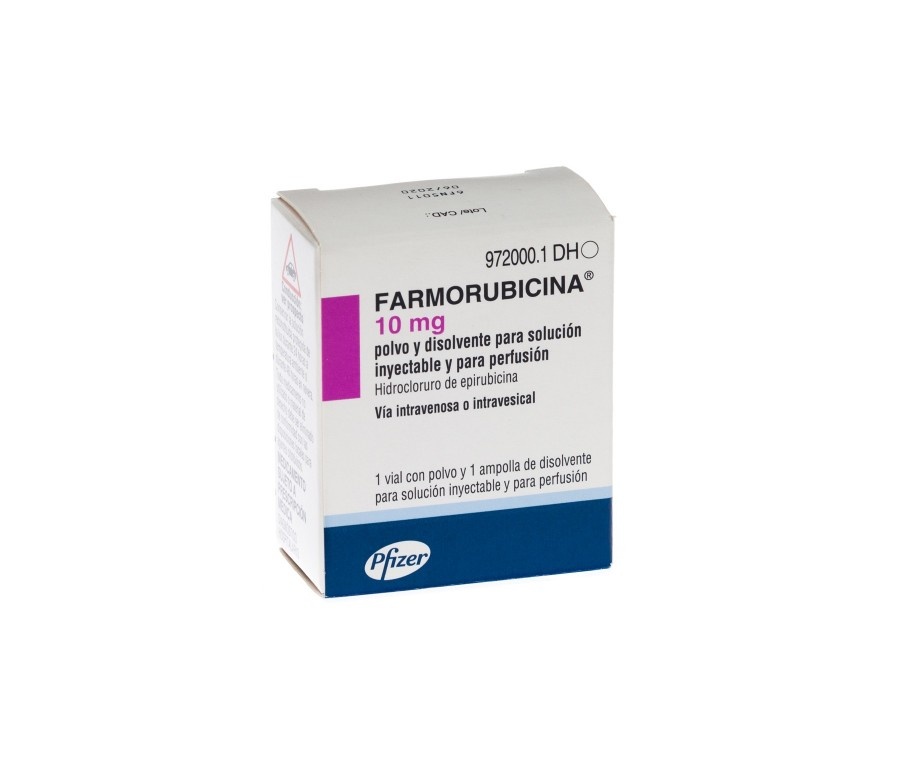
- Страна регистрации
- Форма выпускаPowder and solvent for injectable/infusion solution, 10 MG/5 ML
- Код АТХL01DB03
- Действующее вещество
- Отпускается по рецептуДа
- Производитель
- Информация на этой странице носит справочный характер и не является медицинской консультацией. Перед началом приема лекарства обязательно проконсультируйтесь с врачом.
- Аналоги FARMORUBIKINAФорма выпуска: Injectable solution, 2 MG/MLДействующее вещество: epirubicinПроизводитель: ACCORD HEALTHCARE, S.L.U.Отпускается по рецептуФорма выпуска: Injectable solution, 2 MG/MLДействующее вещество: epirubicinПроизводитель: HIKMA FARMACEUTICA (PORTUGAL) S.A.Отпускается по рецептуФорма выпуска: Injectable or infusion solution, 2 MG/MLДействующее вещество: epirubicinПроизводитель: TEVA ITALIA S.R.L.Отпускается по рецепту
Аналоги FARMORUBIKINA в других странах
Лекарства с тем же действующим веществом, доступные в других странах.
Аналог FARMORUBIKINA в Испания
Аналог FARMORUBIKINA в Польша
Аналог FARMORUBIKINA в Украина
Получите рецепт на FARMORUBIKINA онлайн
Заполните форму за 2 минуты
Расскажите о симптомах, истории болезни и нужном препарате.
Выберите врача или мы назначим
Выберите специалиста или мы подберём ближайшего доступного врача.
Врач рассматривает ваш случай
Обычно в течение 30 минут. Может задать уточняющие вопросы в чате.
Получите в любой аптеке
Электронный рецепт отправляется на вашу почту — действителен по всей Польше.
Часто задаваемые вопросы
FARMORUBIKINA требует рецепта в Италия. Вы можете уточнить у врача онлайн, подходит ли это лекарство для вашей ситуации.
Действующее вещество FARMORUBIKINA — epirubicin. Эта информация помогает определить лекарства с тем же составом под другими торговыми названиями.
FARMORUBIKINA производится компанией PFIZER ITALIA S.R.L.. Упаковка и торговое название могут отличаться в зависимости от дистрибьютора.
Врачи, включая Семейные врачи, Психиатры, Дерматологи, Кардиологи, Эндокринологи, Гастроэнтерологи, Пульмонологи, Нефрологи, Ревматологи, Гематологи, Инфекционисты, Аллергологи, Гериатры, Педиатры, Онкологи, могут оценить целесообразность применения FARMORUBIKINA с учетом вашей ситуации и местных правил. Вы можете записаться на онлайн-консультацию, чтобы обсудить возможные варианты.
Польша имеет хорошо развитую систему здравоохранения в крупных городах, таких как Варшава, Краков, Вроцлав и Гданьск. Аптеки широко доступны и работают в соответствии с действующим законодательством, обеспечивая доступ к рецептурным препаратам.
Вы можете купить FARMORUBIKINA в Варшаве, Кракове, Вроцлаве или Гданьске в любой аптеке при наличии действующего рецепта.
Чтобы получить рецепт, вы можете воспользоваться Oladoctor:
Другие лекарства с тем же действующим веществом (epirubicin) включают EPIRUBIKINA AKL, EPIRUBIKINA IKMA, EPIRUBIKINA TEVA. Они могут отличаться торговым названием или формой выпуска, но содержат одинаковый терапевтический компонент. Перед изменением лечения рекомендуется проконсультироваться с врачом.
