



EYLEA 40 mg /Ml Инъекционный Раствор

Рассмотрение рецепта онлайн
Врач рассмотрит ваш случай и примет решение о назначении рецепта, если это медицински оправдано.

Поговорите с врачом об этом лекарстве
Обсудите симптомы и возможные дальнейшие шаги на онлайн-консультации.



Инструкция по применению EYLEA
Содержание инструкции
- Eylea 40 mg/mL injectable solution in pre-filled syringe
- Eylea 40 mg/mL injectable solution in pre-filled syringe
- Eylea 40 mg/mL injectable solution in a vial
- Eylea 114.3 mg/mL injectable solution
- Eylea 114.3 mg/mL injectable solution in pre-filled syringe
Eylea 40 mg/mL injectable solution in pre-filled syringe
aflibercept
ADULTS
For information for caregivers of premature infants, please see the back of this leaflet.
[applicable for 1 language]
For information for caregivers of premature infants, please see below on this
page.
[applicable for 2 or more languages]
Read this leaflet carefully before using this medicine as it contains
important information for you.
- Keep this leaflet. You may need to read it again.
- If you have any questions, ask your doctor.
- If any side effects occur, including those not listed in this leaflet, tell your doctor. See section 4.
Contents of this leaflet
- 1. What Eylea is and what it is used for
- 2. What you need to know before you use Eylea
- 3. How to use Eylea
- 4. Possible side effects
- 5. How to store Eylea
- 6. Contents of the pack and other information
1. What Eylea is and what it is used for
Eylea is a solution that is injected into the eye to treat eye diseases in adults called
- neovascular age-related macular degeneration (wet AMD),
- impaired vision due to macular edema secondary to retinal vein occlusion (RVO of a branch (BRVO) or central RVO (CRVO)),
- impaired vision due to diabetic macular edema (Diabetic Macular Oedema- DME),
- impaired vision due to myopic choroidal neovascularisation (myopic CNV).
Aflibercept, the active ingredient of Eylea, blocks the activity of a group of factors, known as VEGF-A
(Vascular Endothelial Growth Factor A) and PlGF (Placental Growth Factor).
In patients with wet AMD and myopic CNV, these factors, if in excess, are involved
in the abnormal formation of new blood vessels in the eye. New blood vessels can cause
leakage of blood components into the eye and potential damage to the eye tissues responsible
for vision.
In patients with CRVO, a blockage forms in the main blood vessel that carries away the
blood from the retina. VEGF levels increase in response to this event, causing
leakage of fluid into the retina and therefore causing swelling of the macula (the portion of the
retina responsible for fine vision), called macular edema. When the macula swells with
fluid, central vision becomes blurred.
In patients with BRVO, one or more branches of the main blood vessel that carries away the
blood from the retina is blocked. VEGF levels are consequently elevated and cause leakage
of fluid into the retina, causing macular edema.
Diabetic macular edema is a swelling of the retina that occurs in diabetic patients due to
leakage of fluid from the blood vessels present in the macula. The macula is the portion
of the retina responsible for distinct vision. When the macula fills with fluid, central vision
becomes blurred.
Eylea has been shown to block the growth of abnormal new blood vessels in the eye, from which
fluids or blood often leak. Eylea can help to stabilize and, in many cases, improve the
loss of vision related to wet AMD, CRVO, BRVO, DME and myopic CNV.
2. What you need to know before using Eylea
Do not take Eylea
- if you are allergicto aflibercept or any of the other ingredients of this medicine (listed in section 6).
- if you have a current or suspected infection inside or around the eye (eye infection or periocular infection).
- if you have severe inflammation of the eye (indicated by pain or redness).
Warnings and precautions
Talk to your doctor before taking Eylea
- if you have glaucoma.
- if you have ever experienced flashes of light or floaters and if the number and size of the floaters has suddenly increased.
- if you have had or are scheduled to have eye surgery in the last or next four weeks.
- if you have a severe form of CRVO or BRVO (ischemic CRVO or BRVO), treatment with Eylea is not recommended.
It is also important that you know that
- the safety and efficacy of Eylea when administered to both eyes simultaneously have not been studied and if administered in this way it may lead to an increased risk of experiencing adverse effects.
- injections of Eylea may trigger an increase in eye pressure (intraocular pressure) in some patients within 60 minutes of the injection. The doctor will monitor this effect after each injection.
- if you develop an infection or inflammation inside the eye (endophthalmitis) or other complications, you may experience eye pain or increased discomfort, worsening eye redness, blurred or decreased vision, and increased sensitivity to light. It is important that any symptom is diagnosed and treated as soon as possible.
- the doctor will check if you have other risk factors that may increase the possibility of detachment or rupture of one of the states in the back of the eye (retinal detachment or tear, and retinal pigment epithelium detachment or tear), in these cases Eylea will be administered to you with caution.
- Eylea should not be used during pregnancy unless the potential benefit outweighs the potential risk to the unborn child.
- women of childbearing potential must use effective contraceptive measures during treatment and for at least an additional three months after the last Eylea injection.
The systemic use of VEGF inhibitors, substances similar to those contained in Eylea, is potentially
related to the risk that blood clots block blood vessels (arterial thromboembolic events)
leading to a heart attack or stroke. There is a theoretical risk that such events occur in
following the injection of Eylea into the eye. There are limited data on the safety of treatment of
patients with CRVO, BRVO, DME and myopic CNV who have had a stroke or mini-stroke
(transient ischemic attack) or a heart attack in the last 6 months. If any of these situations apply to your case, Eylea will be administered to you with caution.
Experience is limited with the treatment of
- patients with DME due to type 1 diabetes.
- diabetics with high average blood sugar levels (HbA1c greater than 12%).
- diabetics with an eye disease caused by diabetes called proliferative diabetic retinopathy.
There is no experience with the treatment of
- patients with acute infections.
- patients with other eye diseases such as retinal detachment or macular hole.
- diabetics with uncontrolled high blood pressure.
- non-Asian patients with myopic CNV.
- patients previously treated for myopic CNV.
- patients with lesions located outside the central part of the macula (extrafoveal lesions) for myopic CNV.
If you experience any of the cases described above, the doctor will consider this lack of
information when treating you with Eylea.
Children and adolescents
The use of Eylea in children and adolescents under 18 years of age has not been studied for indications
other than retinopathy of prematurity (ROP).
Other medicines and Eylea
Tell your doctor if you are taking, have recently taken, or might take any other
medicines.
Pregnancy and breastfeeding
- Women of childbearing potential must use effective contraceptive measures during treatment and for at least three months after the last Eylea injection.
- There is no experience with the use of Eylea in pregnant women. Eylea should not be used during pregnancy unless the potential benefit outweighs the potential risk to the unborn child. If you are pregnant or planning a pregnancy, discuss this with your doctor before treatment with Eylea.
- Small amounts of Eylea may pass into breast milk. The effects on breastfed infants are unknown. Eylea is not recommended during breastfeeding. If you are breastfeeding, discuss this with your doctor before treatment with Eylea.
Driving and operating machinery
After the injection of Eylea you may experience some temporary visual disturbances. Do not drive vehicles and
do not use machinery until they have disappeared.
Eylea contains
- per unit dose, less than 1 mmol (23 mg) of sodium, i.e., it is essentially ‘sodium-free’.
- in each dose of 0.05 mL, 0.015 mg of polysorbate 20, equivalent to 0.3 mg/mL. Polysorbates can cause allergic reactions. Tell your doctor if you have known allergies.
3. How to use Eylea
A doctor experienced in ocular injections will inject Eylea into your eye under aseptic (clean
and sterile) conditions.
The recommended dose is 2 mg of aflibercept (0.05 mL).
Eylea is administered as an injection into the eye (intravitreal injection).
Before the injection, the doctor will use a disinfecting eye wash to carefully clean
the eye and prevent infections. The doctor will also give you a local anesthetic to reduce or block the
pain caused by the injection.
Exudative AMD
Patients with exudative AMD will be treated with an injection once a month for three consecutive doses,
followed by another injection after a further 2 months.
Your doctor will then decide whether the treatment interval between injections can be maintained every two
months or should be gradually extended by intervals of 2 or 4 weeks if your condition is
stable.
If your condition worsens, the interval between injections may be shortened.
Unless you have problems or are otherwise advised by your doctor, there is no reason
to visit your doctor during the period between injections.
Macular edema secondary to RVO (Branch RVO and Central RVO)
The doctor will determine the most appropriate treatment frequency for you. Treatment will begin with
a series of monthly injections of Eylea.
The interval between two injections must not be less than one month.
If you have not benefited from continuous treatments, the doctor may decide to discontinue the
treatment with Eylea.
Treatment will be continued with monthly injections until your condition stabilizes.
Three or more monthly injections may be necessary.
The doctor will monitor your response to treatment and may continue treatment with a gradual
increase in the intervals between injections to maintain a stable condition. If extending the duration
of the interval between treatments your condition begins to worsen, the doctor will reduce the intervals
between treatments accordingly.
Based on the individual response to treatment, the doctor may decide when to schedule check-up exams and treatments.
Diabetic macular edema (DME)
Patients with DME will be treated with an injection once a month for the first five consecutive doses
followed by an injection every 2 months.
The interval between treatments can be maintained every 2 months or adjusted for your condition, based on the examinations performed by the doctor. The doctor will decide the frequency of follow-up examinations.
The doctor may decide to discontinue treatment with Eylea if it is determined that you are not
benefiting from continuing treatment.
Myopic choroidal neovascularization (CNV)
Patients with myopic CNV will be treated with a single injection. You will receive further injections
only if examinations performed by the doctor indicate that the disease has not improved.
The interval between two injections must not be less than one month.
If the disease disappears and then recurs, the doctor may resume treatment.
The doctor will establish the schedule for check-up examinations.
prepare and administer Eylea to adults”.
If you forget to use Eylea
Make a new appointment to undergo the examinations and the injection.
If you stop using Eylea
Consult your doctor before stopping treatment.
If you have any doubts about the use of this medicine, please consult your doctor.
4. Possible side effects
Like all medicines, this medicine can cause side effects, although not everybody gets them.
Potentially, allergic reactions(hypersensitivity) can occur, which can be serious and
require immediate medical attention.
With the administration of Eylea, some side effects affecting the eyes may occur,
which are due to the injection procedure. Some of these may be seriousand include blindness,
a serious infection or inflammation inside the eye(endophthalmitis), detachment, tear or
bleeding of the light-sensitive layer at the back of the eye(retinal detachment or
tear), clouding of the lens(cataract), bleeding inside
the eye(vitreous hemorrhage), detachment of the retina from the gelatinous substance inside
the eye(vitreous detachment), and increased pressure inside the eye,see
paragraph 2. These serious eye side effects occurred in less than
1 in 1,900 injections in clinical studies.
If you experience a sudden decrease in vision, or an increase in eye pain and redness
after the injection, contact your doctor immediately.
List of reported side effects
Below is a list of side effects reported as potentially related to
the injection procedure or the medicine. Do not be alarmed, you may not experience any of them. Always talk
to your doctor about any suspected side effects.
Very common side effects(may affect more than 1 in 10 people):
- worsening of vision
- bleeding in the back of the eye (retinal hemorrhage)
- bloodshot eye caused by bleeding from small blood vessels in the outer layers of the eye
- eye pain
Common side effects(may affect up to 1 in 10 people):
- detachment or tear of one of the layers at the back of the eye, causing flashes of light with floaters and sometimes leading to vision loss (retinal pigment epithelium tear* detachment, retinal detachment/tear) or *Conditions known to be associated with age-related macular degeneration (AMD), observed only in patients with exudative AMD.
- degeneration of the retina causing disturbed vision
- bleeding in the eye (vitreous hemorrhage)
- some forms of clouding of the lens (cataract)
- damage to the outermost layer of the eyeball (cornea)
- increased eye pressure
- seeing spots moving (floaters)
- detachment of the retina from the gelatinous substance inside the eye (vitreous detachment, causing flashes of light with floaters)
- feeling something in the eye
- increased tear production
- eyelid swelling
- bleeding at the injection site
- redness of the eye
Uncommon side effects(may affect up to 1 in 100 people):
- allergic reactions (hypersensitivity)** or ** Allergic reactions such as skin rashes, itching, hives and some cases of severe allergic reaction (anaphylactic/anaphylactoid) have been reported.
- serious inflammation or infection inside the eye (endophthalmitis)
- inflammation of the iris or other parts of the eye (iritis, uveitis, iridocyclitis, anterior chamber flare)
- strange sensation in the eye
- irritation of the eyelid
- swelling of the outermost layer of the eyeball (cornea)
Rare side effects(may affect up to 1 in 1,000 people):
- blindness
- clouding of the lens following injury (traumatic cataract)
- inflammation of the gelatinous substance inside the eye
- pus in the eye
Not known(frequency cannot be estimated from the available data):
inflammation of the white part of the eye associated with redness and pain (scleritis)
In clinical studies, an increased incidence of bleeding from small blood vessels
in the outer layer of the eye (conjunctival hemorrhage) was observed in patients with age-related
macular degeneration (AMD) treated with medicines to thin the blood. This
increased incidence was comparable between patients treated with ranibizumab and those treated with Eylea.
Systemic use of vascular endothelial growth factor (VEGF) inhibitors, which are substances
similar to those contained in Eylea, is potentially associated with the risk of blood clots that
block blood vessels (arterial thromboembolic events) that can cause a heart attack or
stroke. There is a potential risk that such events occur following injection of Eylea
into the eye.
As with all therapeutic proteins, it is possible that an immune reaction (antibody formation) is triggered with Eylea.
Reporting of side effects
If you get any side effects, talk to your doctor. This includes any possible side effects not listed in this leaflet. You can also report side effects directly through the National reporting system detailed in Annex V . By reporting side effects you can help provide
more information on the safety of this medicine.
5. How to store Eylea
- Keep this medicine out of the sight and reach of children.
- Do not use this medicine after the expiry date which is stated on the pack and on the label after “Scad.” / “EXP”. The expiry date refers to the last day of that month.
- Store in a refrigerator (2 °C - 8 °C). Do not freeze.
- The closed blister can be stored outside the refrigerator at a temperature below 25 °C for a maximum of 24 hours.
- Store in the original package to protect the medicine from light.
- Do not dispose of any medicine in wastewater or household waste. Ask your pharmacist how to dispose of medicines you no longer use. This will help protect the environment.
6. Package Contents and Other Information
What Eylea contains
- The active substance is aflibercept. A prefilled syringe contains a withdrawable volume of at least 0.09 mL, equivalent to at least 3.6 mg of aflibercept. A prefilled syringe delivers a dose of 2 mg of aflibercept in 0.05 mL.
- The other components are: polysorbate 20 (E432), monobasic sodium phosphate monohydrate (for pH adjustment), dibasic sodium phosphate heptahydrate (for pH adjustment), sodium chloride, sucrose, water for injections.
See ‘Eylea contains’ in paragraph 2 for more information.
Description of Eylea and package contents
Eylea is an injectable solution (injection preparation) in a prefilled syringe. The solution appears from colorless to pale yellow.
Pack of 1 prefilled syringe.
Marketing Authorisation Holder
Bayer AG
51368 Leverkusen
Germany
Manufacturer
Bayer AG
Müllerstraße 178
13353 Berlin
Germany
For further information on this medicinal product, contact the local representative of the Marketing Authorisation Holder:
België / Belgique / Belgien
Bayer SA-NV
Tél/Tel: +32-(0)2-535 63 11
Lietuva
UAB Bayer
Tel: +370-5-233 68 68
България
Байер България ЕООД
Тел: +359-(0)2-424 72 80
Luxembourg / Luxemburg
Bayer SA-NV
Tél/Tel: +32-(0)2-535 63 11
Česká republika
Bayer s.r.o.
Tel: +420-266 101 111
Magyarország
Bayer Hungária KFT
Tel: +36-1-487 4100
Danmark
Bayer A/S
Tlf: +45-45 235 000
Malta
Alfred Gera and Sons Ltd.
Tel: +356-21 44 62 05
Deutschland
Bayer Vital GmbH
Tel: +49-(0)214-30 513 48
Nederland
Bayer B.V.
Tel: +31-23-799 1000
Eesti
Bayer OÜ
Tel: +372-655 85 65
Norge
Bayer AS
Tlf: +47-23 13 05 00
Ελλάδα
Bayer Ελλάς ΑΒΕΕ
Τηλ: +30-210-618 75 00
Österreich
Bayer Austria Ges. m. b. H.
Tel: +43-(0)1-711 460
España
Bayer Hispania S.L.
Tel: +34-93-495 65 00
Polska
Bayer Sp. z. o. o.
Tel: +48-22-572 35 00
France
Bayer HealthCare
Tél (N° vert): +33-(0)800 87 54 54
Portugal
Bayer Portugal, Lda
Tel: +351-21-416 42 00
Hrvatska
Bayer d.o.o.
Tel: + 385-(0)1-6599 900
România
SC Bayer SRL
Tel: +40-(0)21-529 59 00
Ireland
Bayer Limited
Tel: +353-(0)1-216 3300
Slovenija
Bayer d. o .o.
Tel: +386-(0)1-58 14 400
Ísland
Icepharma hf.
Sími: +354-540 80 00
Slovenská republika
Bayer, spol. s. r. o.
Tel: +421-(0)2-59 21 31 11
Italia
Bayer S.p.A.
Tel: +39-02-3978 1
Suomi/Finland
Bayer Oy
Puh/Tel: +358-(0)20-78521
Κύπρος
NOVAGEM Limited
Τηλ: +357-22-48 38 58
Sverige
Bayer AB
Tel: +46-(0)8-580 223 00
Latvija
SIA Bayer
Tel: +371-67 84 55 63
Other sources of information
More detailed information on this medicinal product is available on the website of the European Medicines Agency: https://www.ema.europa.eu .
For local information, scan here to access the site https://www.pi.bayer.com/eylea1 .
--------------------------------------------------------------------------------------------------------------------------
The following information is intended exclusively for healthcare professionals:
How to prepare and administer Eylea to adults
The prefilled syringe must be used exclusively for the treatment of a single eye.
Do not open the sterile blister of the prefilled syringe outside the clean administration room.
The prefilled syringe contains more than the recommended dose of 2 mg of aflibercept (equivalent to 0.05
mL). The excess volume must be removed before administration.
Before administration, visually inspect the injectable solution for the presence of foreign particles and/or color change or any change in appearance. If this occurs, the product should be discarded.
The closed blister can be stored outside the refrigerator at a temperature below 25 °C for a
maximum of 24 hours. Once the blister is opened, proceed under aseptic conditions. A 30 G x ½ inch injection needle should be used for intravitreal injection.
Instructions for use of the prefilled syringe:
- 1. When you are ready to administer Eylea, open the box and remove the sterilized blister. Carefully open the blister ensuring the sterility of its contents. Hold the syringe on the sterile tray until you are ready to assemble.
- 2. Using aseptic technique, remove the syringe from the sterilized blister.
- 3. To remove the syringe cap, hold the syringe with one hand and grasp the cap with the thumb and index finger of the other hand. Caution: the syringe cap must be rotated (not pulled off).
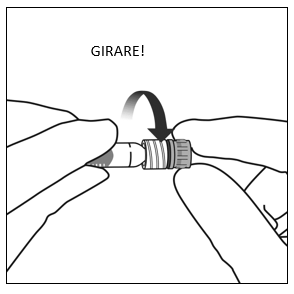
- 4. Do not pull back the plunger to avoid compromising the sterility of the product.
- 5. Using aseptic technique, firmly insert the injection needle by rotating it onto the tip of the syringe with Luer-lock adapter.
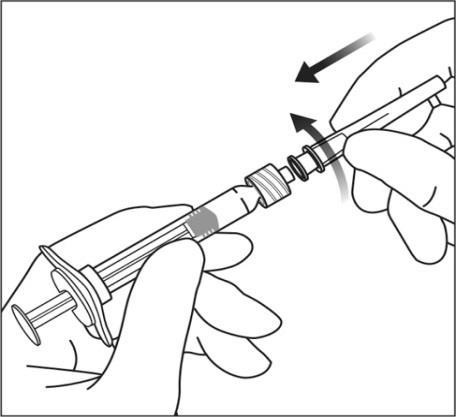
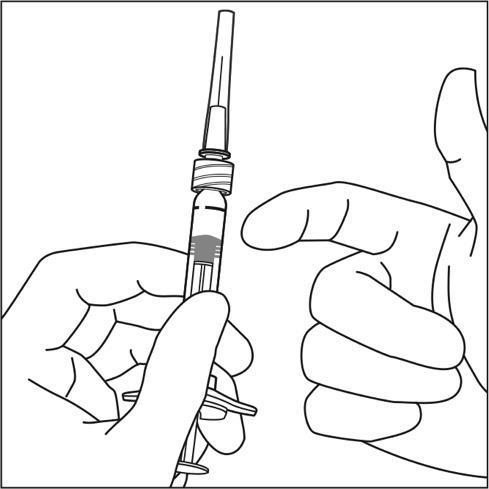
- 6. Holding the syringe with the needle pointing upwards, check for the absence of air bubbles inside. If there are bubbles, gently tap the syringe with your finger to make them rise to the surface.
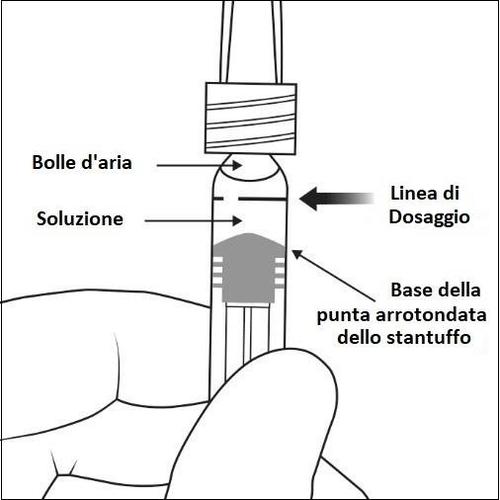
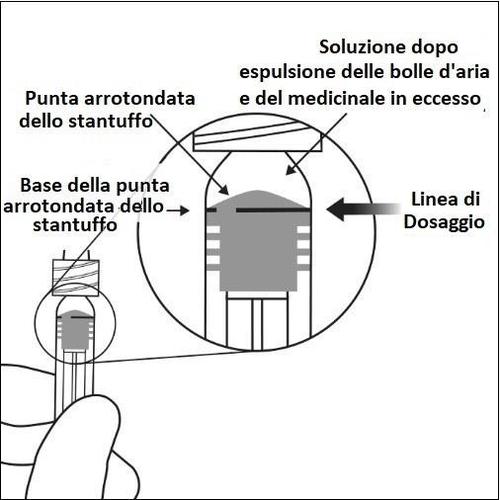
- 7. Eliminate all bubbles and expel the excess medicine by slowly pressing the plungerto align the base of the rounded tip(not the tip of the tip) with the dosage lineon the syringe(equivalent to 0.05 mL, i.e. 2 mg of aflibercept).
Note:This accurate positioning of the plunger is very important, because an
incorrect positioning of the plunger can lead to the delivery of a higher or
lower amount of the recommended dose .
- 8. Inject by pressing the plunger with care and constant pressure. Do not apply further pressure when the plunger has reached the bottom of the syringe. Do not administer the residual solution present in the syringe.
- 9. The prefilled syringe is for single use only. Drawing multiple doses from a prefilled syringe may increase the risk of contamination and subsequent infection.
Unused medicine and waste derived from such medicine must be disposed of in accordance with
current local regulations.
Eylea 40 mg/mL injectable solution in pre-filled syringe
aflibercept
PREMATURE BABIES
for 1 language]
For information for adults, please see the beginning of the page. [applicable for 2 or more
languages]
Read this leaflet carefully before the medicine is given to the child
because it contains important information for you.
- Keep this leaflet. You may need to read it again.
- If you have any questions, ask your child’s doctor.
- If you notice any side effects, including any side effects not listed in this leaflet, tell your child’s doctor. See section 4.
Contents of this leaflet
- 1. What Eylea is and what it is used for
- 2. What you need to know before Eylea is given to the child
- 3. How to give Eylea to the child
- 4. Possible side effects
- 5. How to store Eylea
- 6. Contents of the pack and other information
1. What is Eylea and what is it used for
Eylea is a solution that is injected into the eye. Eylea belongs to a group of medicines
called anti-neovascularization agents. It contains the active substance called aflibercept.
Eylea is used in premature babies to treat an eye disease called retinopathy of prematurity (ROP). Children with ROP have abnormal growth of new blood vessels in the
back of the eye (retina) induced by vascular endothelial growth factor (VEGF). This phenomenon
can cause vision loss and, in severe cases, permanent blindness.
Aflibercept, the active substance of Eylea, blocks the activity of a group of factors, known as VEGF-A
(Vascular Endothelial Growth Factor A) and PlGF (Placental Growth Factor).
It has been shown that Eylea blocks the growth of abnormal new blood vessels in the eye, from which
fluid or blood often leaks. Eylea can help to stabilize and, in many cases, improve
vision loss related to ROP.
2. What you need to know before Eylea is given to your child
Eylea should not be given to your child if
- they are allergicto aflibercept or any of the other ingredients of this medicine (listed in section 6).
- they have a current or suspected infection inside or around the eye (eye or periocular infection).
- they have severe inflammation of the eye (indicated by pain or redness).
Warnings and precautions
Talk to your child’s doctor before Eylea is given to your child
- if your child has had or is scheduled to have eye surgery in the last or next four weeks.
It is also important that you know that
- Eylea injections may cause an increase in eye pressure (intraocular pressure) in some patients within 60 minutes of the injection. Your child’s doctor will monitor this effect after each injection.
- if your child develops an infection or inflammation inside the eye (endophthalmitis) or other complications, they may experience redness/irritation of the eye, eye discharge,swelling of the eyelidsand increased sensitivity to light. It is important that any symptom is diagnosed and treated as soon as possible. Immediately inform your child’s doctor if your child develops any of thesigns or symptoms indicated.
- your child’s doctor will check if your child has other risk factors that may increase the possibility of detachment or rupture of one of the layers in the back of the eye (retinal detachment or rupture), in which case Eylea should be given with caution.
Systemic use of VEGF inhibitors, substances similar to those contained in Eylea, is potentially
related to the risk that blood clots block blood vessels (arterial thromboembolic events)
leading to a heart attack or stroke. There is a theoretical risk that such events may occur in
following the injection of Eylea into the eye.
There is no experience with the treatment of
- patients with acute infections
- patients with other eye diseases such as retinal detachment or macular hole
If your child experiences any of the cases described above, your child’s doctor will take
this lack of information into consideration when treating your child with Eylea.
Other medicines and Eylea
Tell your child’s doctor if your child is taking, has recently taken or might
take any other medicines.
Eylea contains
- per single dose, less than 1 mmol (23 mg) of sodium, i.e., it is essentially ‘sodium-free’.
- in each 0.01mL dose, 0.003 mg of polysorbate 20, equivalent to 0.3 mg/mL. Polysorbates can cause allergic reactions. Tell your doctor if your child has known allergies.
3. How to give Eylea to the child
An experienced doctor in ocular injections will inject Eylea into the child's eyes under aseptic (clean and sterile) conditions.
The recommended dose is 0.4 mg of aflibercept (0.01 mL).
Eylea is administered as an injection into the child's eye (intravitreal injection).
Before the injection, the child's doctor will use a disinfectant eye wash to carefully clean
the child's eye and prevent infections. The child's doctor will also give the child
a local anesthetic to reduce or prevent pain caused by the injection.
Treatment begins with a single injection per eye and may be administered in the second
eye on the same day. The child's doctor will monitor the condition of the eye or eyes of the
child. Depending on how the child responds to treatment, the child's doctor will decide whether and
when further treatment will be necessary. The treatment interval between 2 doses injected into the
same eye must be at least 4 weeks.
prepare and administer Eylea to premature infants.”
If you stop treatment with Eylea
If you are considering stopping the child's treatment with Eylea, discuss this with the child's
doctor at the next appointment. The child's doctor will help you and decide for
how long the child will need to be treated with Eylea.
If you have any doubts about the use of this medicine, please consult the child's doctor.
4. Possible side effects
Like all medicines, this medicine can cause side effects, although not everyone will experience them.
Side effects reported in more than one premature baby have been
- detachment of the layer located in the back of the eye(retinal detachment)
- bleeding in the back of the eye(retinal hemorrhage)
- bloodshot eyecaused by bleeding from small blood vessels in the outer layers of the eye (conjunctival hemorrhage)
- bleeding at the injection site(injection site hemorrhage)
- increased eye pressure
- swelling of the eyelid(palpebral edema)
Further side effectsobserved with Eylea in adultsare listed below. These effects may also occur in premature babies
- allergic reactions(hypersensitivity) These can be serious and require immediate medical attention for the child.
Side effects affecting the eyes, which are due to the injection procedure, can be
seriousand include
- blindness
- a serious infection or inflammationinside the eye (endophthalmitis)
- detachment, tear or bleedingof the light-sensitive layer at the back of the eye (retinal detachment or tear)
- clouding of the lens(cataract)
- bleeding inside the eye(vitreous hemorrhage)
- detachmentof the vitreous from the retina, which is the gelatinous substance inside the eye (vitreous detachment)
- increased pressureinside the eye (increased intraocular pressure), see paragraph 2. These serious eye side effects occurred in less than 1 in 1,900 injections in clinical studies in adults.
It is important to identify and treat serious side effects promptly, such as infections inside the eye or retinal detachment.
Immediately inform the child's doctor if, after the injection, you notice symptoms in the child's eye, such as
- redness/irritation
- eye discharge
- swelling of the eyelid
- increased sensitivity to light
Other side effects observed in adults are described below.
List of reported side effects
Below is a list of side effects reported as potentially related to the injection procedure or the medicine. Do not be alarmed, the child may not experience any of them. Always talk to the child's doctor about any suspected side effects.
Very common side effects(may affect more than 1 in 10 people):
- worsening of vision
- bleeding in the back of the eye (retinal hemorrhage)
- bloodshot eye caused by bleeding from small blood vessels in the outer layers of the eye
- eye pain
Common side effects(may affect up to 1 in 10 people):
- detachment or rupture of one of the layers in the back of the eye, causing flashes of light with floaters, sometimes leading to vision loss (retinal pigment epithelium detachment/tear, retinal detachment/tear)
- Conditions known to be associated with exudative age-related macular degeneration (AMD), observed only in patients with exudative AMD. retinal degeneration causing disturbed vision
- bleeding in the eye (vitreous hemorrhage)
- some forms of clouding of the lens (cataract)
- damage to the outermost layer of the eyeball (the cornea)
- increased eye pressure
- seeing spots moving (floaters)
- detachment of the vitreous from the retina inside the eye (vitreous detachment, causing flashes of light with floaters)
- feeling like something is in the eye
- increased tear production
- swelling of the eyelid
- bleeding at the injection site
- redness of the eye
Uncommon side effects(may affect up to 1 in 100 people):
- allergic reactions (hypersensitivity)** ** Allergic reactions such as skin rashes, itching, hives and some cases of severe allergic (anaphylactic/anaphylactoid) reaction have been reported.
- serious inflammation or infection inside the eye (endophthalmitis)
- inflammation of the iris or other parts of the eye (iritis, uveitis, iridocyclitis, anterior chamber flare)
- strange sensation in the eye
- irritation of the eyelid
- swelling of the outermost layer of the eyeball (cornea)
Rare side effects(may affect up to 1 in 1,000 people):
- blindness
- clouding of the lens following an injury (traumatic cataract)
- inflammation of the vitreous inside the eye
- pus in the eye
Not known(frequency cannot be estimated from available data):
- inflammation of the white part of the eye associated with redness and pain (scleritis)
The systemic use of vascular endothelial growth factor (VEGF) inhibitors, which are substances similar to those contained in Eylea, is potentially related to the risk of blood clots blocking blood vessels (arterial thromboembolic events) that can cause a heart attack or stroke. There is a potential risk that such events may occur following injection of Eylea into the eye.
As with all therapeutic proteins, it is possible that an immune reaction (antibody formation) may be triggered with Eylea.
If you have any doubts about any side effect, please contact the child's doctor.
Reporting of side effects
If you experience any side effect in the child, including those not listed in this leaflet, please contact the child's doctor. You can also report side effects directly through the National reporting system reported in Annex V . By reporting side effects you can help provide more information on the safety of this medicine.
5. How to store Eylea
- Keep this medicine out of the sight and reach of children.
- Do not use this medicine after the expiry date which is stated on the pack and on the label after “Scad.” / “EXP”. The expiry date refers to the last day of that month.
- Store in a refrigerator (2 °C - 8 °C). Do not freeze.
- The closed blister can be stored outside the refrigerator at a temperature below 25 °C for a maximum of 24 hours.
- Store in the original package to protect the medicine from light.
- Do not dispose of any medicine in wastewater or household waste. Ask your pharmacist how to dispose of medicines you no longer use. This will help protect the environment.
6. Package Contents and Other Information
What Eylea contains
- The active substance is aflibercept. A pre-filled syringe contains a withdrawable volume of at least 0.09 mL, equivalent to at least 3.6 mg of aflibercept. A pre-filled syringe provides a single dose of 0.4 mg of aflibercept in 0.01 mL.
- The other components are: polysorbate 20 (E432), monobasic sodium phosphate monohydrate (for pH adjustment), dibasic sodium phosphate heptahydrate (for pH adjustment), sodium chloride, sucrose, water for injections.
See ‘Eylea contains’ in paragraph 2 for more information.
Description of Eylea and package contents
Eylea is an injectable solution (injection preparation) in a pre-filled syringe. The solution appears from colorless to pale yellow.
Pack of 1 pre-filled syringe.
Marketing Authorisation Holder
Bayer AG
51368 Leverkusen
Germany
Manufacturer
Bayer AG
Müllerstraße 178
13353 Berlin
Germany
For further information on this medicinal product, contact the local representative of the Marketing Authorisation Holder:
België / Belgique / Belgien
Bayer SA-NV
Tél/Tel: +32-(0)2-535 63 11
Lietuva
UAB Bayer
Tel: +370-5-233 68 68
България
Байер България ЕООД
Тел: +359-(0)2-424 72 80
Luxembourg / Luxemburg
Bayer SA-NV
Tél/Tel: +32-(0)2-535 63 11
Česká republika
Bayer s.r.o.
Tel: +420-266 101 111
Magyarország
Bayer Hungária KFT
Tel: +36-1-487 4100
Danmark
Bayer A/S
Tlf: +45-45 235 000
Malta
Alfred Gera and Sons Ltd.
Tel: +356-21 44 62 05
Deutschland
Bayer Vital GmbH
Tel: +49-(0)214-30 513 48
Nederland
Bayer B.V.
Tel: +31-23-799 1000
Eesti
Bayer OÜ
Tel: +372-655 85 65
Norge
Bayer AS
Tlf: +47-23 13 05 00
Ελλάδα
Bayer Ελλάς ΑΒΕΕ
Τηλ: +30-210-618 75 00
Österreich
Bayer Austria Ges. m. b. H.
Tel: +43-(0)1-711 460
España
Bayer Hispania S.L.
Tel: +34-93-495 65 00
Polska
Bayer Sp. z. o. o.
Tel: +48-22-572 35 00
France
Bayer HealthCare
Tél (N° vert): +33-(0)800 87 54 54
Portugal
Bayer Portugal, Lda
Tel: +351-21-416 42 00
Hrvatska
Bayer d.o.o.
Tel: + 385-(0)1-6599 900
România
SC Bayer SRL
Tel: +40-(0)21-529 59 00
Ireland
Bayer Limited
Tel: +353-(0)1-216 3300
Slovenija
Bayer d. o .o.
Tel: +386-(0)1-58 14 400
Ísland
Icepharma hf.
Sími: +354-540 80 00
Slovenská republika
Bayer, spol. s. r. o.
Tel: +421-(0)2-59 21 31 11
Italia
Bayer S.p.A.
Tel: +39-02-3978 1
Suomi/Finland
Bayer Oy
Puh/Tel: +358-(0)20-78521
Κύπρος
NOVAGEM Limited
Τηλ: +357-22-48 38 58
Sverige
Bayer AB
Tel: +46-(0)8-580 223 00
Latvija
SIA Bayer
Tel: +371-67 84 55 63
Other sources of information
More detailed information on this medicinal product is available on the website of the European Medicines Agency: https://www.ema.europa.eu .
For local information, scan here to access the site https://www.pi.bayer.com/eylea1 .
--------------------------------------------------------------------------------------------------------------------------
The following information is intended exclusively for healthcare professionals:
How to prepare and administer Eylea to premature infants
The pre-filled syringe must be used exclusively for the treatment of a single eye.
Withdrawing multiple doses from a pre-filled syringe may increase the risk of contamination and
consequent infection.
Do not open the sterile blister of the pre-filled syringe outside of the clean administration room. Unused medicinal product and waste material derived from such medicinal product must be
disposed of in accordance with local regulations.
The pre-filled syringe contains more than the recommended dose of 0.4 mg of aflibercept (equivalent to
0.01 mL). For the treatment of premature infants, the PICLEO pediatric delivery device must be used in association with the pre-filled syringe to administer
a single dose of 0.4 mg of aflibercept (equivalent to 0.01 mL). See the following paragraph
“ Instructions for use of the pre-filled syringe”.
Before administration, the injectable solution must be visually inspected to
check for the presence of foreign particles and/or discoloration or any change
in appearance. If this occurs, the product should be discarded.
The closed blister can be stored outside the refrigerator at a temperature below 25 °C for a
maximum of 24 hours. Once the blister is opened, proceed under aseptic conditions.
A 30 G x ½ inch injection needle should be used for intravitreal injection.
Instructions for use of the pre-filled syringe:
To prepare the pre-filled syringe for administration to premature infants, follow steps 1
and 2 below and then follow the instructions for use included with the PICLEO pediatric delivery device.
- 1. When you are ready to administer Eylea, open the box and remove the sterilized blister. Carefully open the blister ensuring the sterility of its contents. Hold the syringe on the sterile tray until you are ready to assemble.
- 2. Using aseptic technique, remove the syringe from the sterilized blister.

Не уверены, подходит ли вам это лекарство?
Обсудите симптомы и варианты лечения с врачом онлайн.
Eylea 40 mg/mL injectable solution in a vial
aflibercept
Read this leaflet carefully before using this medicine as it contains
important information for you.
- Keep this leaflet. You may need to read it again.
- If you have any questions, ask your doctor.
- If any side effects occur, including those not listed in this leaflet, tell your doctor. See section 4.
Contents of this leaflet
- 1. What Eylea is and what it is used for
- 2. What you need to know before you use Eylea
- 3. How to use Eylea
- 4. Possible side effects
- 5. How to store Eylea
- 6. Contents of the pack and other information
1. What is Eylea and what is it used for
Eylea is a solution that is injected into the eye to treat eye diseases in adults called
- neovascular age-related macular degeneration (wet AMD),
- impaired vision due to macular edema secondary to retinal vein occlusion (RVO of a branch (BRVO) or central RVO (CRVO)),
- impaired vision due to diabetic macular edema (Diabetic Macular Oedema- DME),
- impaired vision due to myopic choroidal neovascularization (myopic CNV).
Aflibercept, the active ingredient of Eylea, blocks the activity of a group of factors, known as VEGF-A
(Vascular Endothelial Growth Factor A) and PlGF (Placental Growth Factor).
In patients with wet AMD and myopic CNV, these factors, if in excess, are involved
in the abnormal formation of new blood vessels in the eye. New blood vessels can cause
leakage of blood components into the eye and potential damage to the eye tissues responsible
for vision.
In patients with CRVO, a blockage forms in the main blood vessel that carries away
blood from the retina. VEGF levels increase in response to this event, causing
leakage of fluid into the retina and therefore causing swelling of the macula (the portion of the
retina responsible for fine vision), called macular edema. When the macula swells with
fluid, central vision becomes blurred.
In patients with BRVO, one or more branches of the main blood vessel that carries away
blood from the retina is blocked. VEGF levels are consequently elevated and cause leakage
of fluid into the retina, causing macular edema.
Diabetic macular edema is a swelling of the retina that occurs in diabetic patients due to
leakage of fluid from blood vessels in the macula. The macula is the portion
of the retina responsible for distinct vision. When the macula fills with fluid, central vision
becomes blurred.
Eylea has been shown to block the growth of abnormal new blood vessels in the eye, from which
fluids or blood often leak. Eylea can help to stabilize and, in many cases, improve the
loss of vision related to wet AMD, CRVO, BRVO, DME and myopic CNV.
2. What you need to know before using Eylea
Do not take Eylea
- if you are allergic to aflibercept or any of the other ingredients of this medicine (listed in section 6).
- if you have a current infection or suspect an infection inside or around the eye (eye infection or periocular infection).
- if you have severe inflammation of the eye (indicated by pain or redness).
Warnings and precautions
Talk to your doctor before taking Eylea:
- if you have glaucoma,
- if you have ever experienced flashes of light or floaters and if the number and size of the floaters have suddenly increased.
- if you have had or are scheduled to have eye surgery in the last or next four weeks.
- if you have a severe form of CRVO or BRVO (ischemic CRVO or BRVO), treatment with Eylea is not recommended.
It is also important that you know that:
- the safety and efficacy of Eylea when administered to both eyes simultaneously have not been studied and if administered in this way it may lead to an increased risk of experiencing undesirable effects.
- Eylea injections may trigger an increase in eye pressure (intraocular pressure) in some patients within 60 minutes of the injection. The doctor will monitor this effect after each injection.
- if you develop an infection or inflammation inside the eye (endophthalmitis) or other complications, you may experience eye pain or increased discomfort, worsening eye redness, blurred vision or decreased vision, and increased sensitivity to light. It is important that any symptom is diagnosed and treated as soon as possible.
- the doctor will check if you have other risk factors that may increase the possibility of detachment or rupture of one of the states in the back of the eye (retinal detachment or tear, and detachment or rupture of the retinal pigment epithelium), in these cases Eylea will be administered to you with caution.
- Eylea should not be used during pregnancy unless the potential benefit outweighs the potential risk to the unborn child.
- women of childbearing potential must use effective contraceptive measures during treatment and for at least an additional three months after the last Eylea injection.
The systemic use of VEGF inhibitors, substances similar to those contained in Eylea, is potentially
related to the risk that blood clots block blood vessels (arterial thromboembolic events)
causing a heart attack or stroke. There is a theoretical risk that these events occur in
following the injection of Eylea into the eye. There are limited data on the safety of treatment of
patients with CRVO, BRVO, DME and myopic CNV who have had a stroke or mini-stroke
(transient ischemic attack) or a heart attack in the last 6 months. If any of these situations apply to your case, Eylea will be administered to you with caution.
Experience is limited with the treatment of
- patients with DME due to type 1 diabetes.
- diabetics with high average blood sugar levels (HbA1c greater than 12%).
- diabetics with an eye disease caused by diabetes called proliferative diabetic retinopathy.
There is no experience with the treatment of
- patients with acute infections.
- patients with other eye diseases such as retinal detachment or macular hole.
- diabetics with uncontrolled high blood pressure.
- non-Asian patients with myopic CNV.
- patients previously treated for myopic CNV.
- patients with lesions located outside the central part of the macula (extrafoveal lesions) for myopic CNV.
If you experience any of the cases described above, the doctor will take this lack of
information into consideration when treating you with Eylea.
Children and adolescents
The use of Eylea in children or adolescents under the age of 18 has not been studied because exudative AMD,
CRVO, BRVO, DME and myopic CNV occur mainly in adults.
Therefore, its use in this age group is not relevant.
Other medicines and Eylea
Tell your doctor if you are taking, have recently taken or might take any other
medicines.
Pregnancy and breastfeeding
- Women of childbearing potential must use effective contraceptive measures during treatment and for at least three months after the last Eylea injection.
- There is no experience with the use of Eylea in pregnant women. Eylea should not be used during pregnancy unless the potential benefit outweighs the potential risk to the unborn child. If you are pregnant or planning a pregnancy, discuss this with your doctor before treatment with Eylea.
- Small amounts of Eylea may pass into breast milk. The effects on breastfed infants are unknown. Eylea is not recommended during breastfeeding. If you are breastfeeding, discuss this with your doctor before treatment with Eylea.
Driving and operating machinery
After the injection of Eylea you may experience some temporary visual disturbances. Do not drive vehicles and
do not use machinery until they have disappeared.
Eylea contains
- per unit dose, less than 1 mmol (23 mg) of sodium, i.e., it is essentially ‘sodium-free’.
- in each dose of 0.05 mL, 0.015 mg of polysorbate 20, equivalent to 0.3 mg/mL. Polysorbates can cause allergic reactions. Tell your doctor if you have known allergies.
3. How to use Eylea
A doctor experienced in ocular injections will inject Eylea into your eye under aseptic (clean
and sterile) conditions.
The recommended dose is 2 mg of aflibercept (0.05 mL).
Eylea is administered as an injection into the eye (intravitreal injection).
Before the injection, the doctor will use a disinfectant eye wash to thoroughly clean
the eye and prevent infections. The doctor will also give you a local anesthetic to reduce or block the
pain caused by the injection.
Exudative AMD
Patients with exudative AMD will be treated with an injection once a month for three consecutive doses,
followed by another injection after an additional 2 months.
Your doctor will then decide whether the treatment interval between injections can be maintained every two
months or should be gradually extended by intervals of 2 or 4 weeks if your condition is
stable.
If your condition worsens, the interval between injections may be shortened.
Unless you have problems or are otherwise advised by your doctor, there is no reason
to visit the doctor during the period between injections.
Macular edema secondary to RVO (Branch RVO and Central RVO)
The doctor will determine the most appropriate treatment frequency for you. Treatment will begin with
a series of monthly injections of Eylea.
The interval between two injections should not be less than one month.
If you have not benefited from continuous treatments, the doctor may decide to discontinue the
treatment with Eylea.
Treatment will be continued with monthly injections until your condition stabilizes.
Three or more monthly injections may be necessary.
The doctor will monitor your response to treatment and may continue treatment with a gradual
increase in the intervals between injections to maintain a stable condition. If extending the duration
of the interval between treatments your condition begins to worsen, the doctor will reduce the intervals
between treatments accordingly.
Based on the individual response to treatment, the doctor may decide when to schedule check-up exams and treatments.
Diabetic macular edema (DME)
Patients with DME will be treated with an injection once a month for the first five consecutive doses
followed by an injection every 2 months.
The interval between treatments may be maintained every 2 months or adjusted for your condition, based on
the examinations performed by the doctor. The doctor will decide the frequency of follow-up examinations.
The doctor may decide to discontinue treatment with Eylea if it is determined that you are not
benefiting from continuing treatment.
Myopic CNV
Patients with myopic CNV will be treated with a single injection. You will receive further injections
only if examinations performed by the doctor indicate that the disease has not improved.
The interval between two injections should not be less than one month.
If the disease disappears and then recurs, the doctor may resume treatment.
The doctor will establish the schedule for check-up examinations.
If you forget to use Eylea
Make a new appointment to undergo the examinations and the injection.
If you stop using Eylea
Consult your doctor before stopping treatment.
If you have any doubts about the use of this medicine, ask your doctor.
4. Possible side effects
Like all medicines, this medicine can cause side effects, although not everybody gets them.
Potentially, allergic reactions(hypersensitivity) may occur, which can be serious and
require immediate medical attention.
With the administration of Eylea, some side effects affecting the eyes may occur,
which are due to the injection procedure. Some of these can be seriousand include blindness,
a severe infection or inflammation inside the eye(endophthalmitis), detachment, tear or
bleeding of the light-sensitive layer at the back of the eye(retinal detachment or
tear), clouding of the lens(cataract), bleeding inside
the eye(vitreous hemorrhage), detachment of the retina from the gelatinous substance present inside
the eye(vitreous detachment), and increased pressure inside the eye,see paragraph
- 2. These serious eye side effects occurred in less than 1 in 1,900 injections in clinical studies.
If you experience a sudden decrease in vision, or an increase in eye pain and redness
after the injection, contact your doctor immediately.
List of reported side effects
Below is a list of side effects reported as potentially related to
the injection procedure or the medicine. Do not be alarmed, you may not experience any of them. Always talk
to your doctor about any suspected side effects.
Very common side effects(may affect more than 1 in 10 people):
- worsening of vision
- bleeding in the back of the eye (retinal hemorrhage)
- bloodshot eye caused by bleeding from small blood vessels in the outer layers of the eye
- eye pain
Common side effects(may affect up to 1 in 10 people):
- detachment or tear of one of the layers at the back of the eye, causing flashes of light with floaters and sometimes leading to vision loss (epithelial tear of the retinal epithelium / detachment, retinal detachment / tear)
- degeneration of the retina (causing blurred vision)
- bleeding in the eye (vitreous hemorrhage)
- some forms of clouding of the lens (cataract)
- damage to the outermost layer of the eyeball (the cornea)
- increased eye pressure
- seeing spots moving (floaters)
- detachment of the retina from the gelatinous substance inside the eye (vitreous detachment, causing flashes of light with floaters)
- feeling something in the eye
- increased tear production
- swelling of the eyelid
- bleeding at the injection site
- redness of the eye Conditions known to be associated with exudative age-related macular degeneration (AMD), observed only in patients with exudative AMD.
Uncommon side effects(may affect up to 1 in 100 people):
- allergic reactions (hypersensitivity)**
- severe inflammation or infection inside the eye (endophthalmitis)
- inflammation of the iris or other parts of the eye (iritis, uveitis, iridocyclitis, anterior chamber flare)
- strange sensation in the eye
- irritation of the eyelid swelling of the outermost layer of the eyeball (cornea) ** Allergic reactions such as skin rashes, itching, hives and some cases of severe allergic reaction (anaphylactic/anaphylactoid) have been reported.
Rare side effects(may affect up to 1 in 1,000 people):
- blindness
- clouding of the lens following an injury (traumatic cataract)
- inflammation of the gelatinous substance inside the eye
- pus in the eye
Not known(frequency cannot be estimated based on available data)
- inflammation of the white part of the eye associated with redness and pain (scleritis)
In clinical studies, an increased incidence of bleeding from small blood vessels
in the outer layer of the eye (conjunctival hemorrhage) was observed in patients with exudative
age-related macular degeneration (AMD) treated with medicines to thin the blood. This
increased incidence was comparable between patients treated with ranibizumab and those treated with Eylea.
Systemic use of vascular endothelial growth factor (VEGF) inhibitors, which are substances
similar to those contained in Eylea, is potentially related to the risk of blood clots that
block blood vessels (arterial thromboembolic events) that can cause a heart attack or
stroke. There is a potential risk that such events occur following injection of Eylea
into the eye.
As with all therapeutic proteins, with Eylea it is possible to trigger an immune
reaction (formation of antibodies).
Reporting of side effects
If you get any side effects, even those not listed in this leaflet, tell
your doctor. You can also report side effects directly through the National reporting system reported in
Appendix V. By reporting side effects you can help provide
more information on the safety of this medicine.
5. How to store Eylea
- Keep this medicine out of the sight and reach of children.
- Do not use this medicine after the expiry date which is stated on the pack and on the label after “Scad.” / “EXP”. The expiry date refers to the last day of that month.
- Store in a refrigerator (2 °C - 8 °C). Do not freeze.
- The closed vial can be stored outside the refrigerator at a temperature below 25 °C for a maximum of 24 hours.
- Store in the original package to protect the medicine from light.
- Do not dispose of any medicine in wastewater or household waste. Ask your pharmacist how to dispose of medicines you no longer use. This will help protect the environment.
6. Package Contents and Other Information
What Eylea contains
- The active substance is aflibercept. One vial contains a withdrawable volume of at least 0.1 mL, equivalent to at least 4 mg of aflibercept. One vial provides a dose of 2 mg of aflibercept in 0.05 mL.
- The other ingredients are: polysorbate 20 (E432), monobasic sodium phosphate monohydrate (for pH adjustment), dibasic sodium phosphate heptahydrate (for pH adjustment), sodium chloride, sucrose, water for injections.
See ‘Eylea contains’ in section 2 for more information.
Description of Eylea and package contents
Eylea is an injectable solution (injection preparation) in a vial. The solution appears from colorless to pale yellow.
Pack of 1 vial + 1 filter needle.
Marketing Authorisation Holder
Bayer AG
51368 Leverkusen
Germany
Manufacturer
Bayer AG
Müllerstraße 178
13353 Berlin
Germany
For further information on this medicinal product, contact the local representative of the Marketing Authorisation Holder:
België / Belgique / Belgien
Bayer SA-NV
Tél/Tel: +32-(0)2-535 63 11
Lietuva
UAB Bayer
Tel: +370-5-233 68 68
България
Байер България ЕООД
Тел: +359-(0)2-424 72 80
Luxembourg / Luxemburg
Bayer SA-NV
Tél/Tel: +32-(0)2-535 63 11
Česká republika
Bayer s.r.o.
Tel: +420-266 101 111
Magyarország
Bayer Hungária KFT
Tel: +36-1-487 4100
Danmark
Bayer A/S
Tlf: +45-45 235 000
Malta
Alfred Gera and Sons Ltd.
Tel: +356-21 44 62 05
Deutschland
Bayer Vital GmbH
Tel: +49-(0)214-30 513 48
Nederland
Bayer B.V.
Tel: +31-23-799 1000
Eesti
Bayer OÜ
Tel: +372-655 85 65
Norge
Bayer AS
Tlf: +47-23 13 05 00
Ελλάδα
Bayer Ελλάς ΑΒΕΕ
Τηλ: +30-210-618 75 00
Österreich
Bayer Austria Ges. m. b. H.
Tel: +43-(0)1-711 460
España
Bayer Hispania S.L.
Tel: +34-93-495 65 00
Polska
Bayer Sp. z. o.o.
Tel: +48-22-572 35 00
France
Bayer HealthCare
Tél (N° vert): +33-(0)800 87 54 54
Portugal
Bayer Portugal, Lda
Tel: +351-21-416 42 00
Hrvatska
Bayer d.o.o.
Tel: + 385-(0)1-6599 900
România
SC Bayer SRL
Tel: +40-(0)21-529 59 00
Ireland
Bayer Limited
Tel: +353-(0)1-216 3300
Slovenija
Bayer d. o. o.
Tel: +386-(0)1-58 14 400
Ísland
Icepharma hf.
Sími: +354-540 80 00
Slovenská republika
Bayer, spol. s r.o.
Tel: +421-(0)2-59 21 31 11
Italia
Bayer S.p.A.
Tel: +39-02-3978 1
Suomi/Finland
Bayer Oy
Puh/Tel: +358-(0)20-78521
Κύπρος
NOVAGEM Limited
Τηλ: +357-22-48 38 58
Sverige
Bayer AB
Tel: +46-(0)8-580 223 00
Latvija
SIA Bayer
Tel: +371-67 84 55 63
Other sources of information
More detailed information on this medicinal product is available on the website of the European Medicines Agency: https://www.ema.europa.eu .
For local information, scan here to access the site https://www.pi.bayer.com/eylea2 .
--------------------------------------------------------------------------------------------------------------------------
The following information is intended exclusively for healthcare professionals:
The vial must be used exclusively for the treatment of one eye.
The vial contains more than the recommended dose of 2 mg of aflibercept (equivalent to 0.05 mL). The excess volume must be discarded before administration.
Before administration, visually inspect the injectable solution for the presence of foreign particles and/or discoloration or any change in appearance. If this occurs, the product should be discarded.
The unopened vial can be stored outside the refrigerator at a temperature below 25 °C for a maximum of 24 hours. Once the vial is opened, proceed under aseptic conditions.
A 30 G x ½ inch injection needle should be used for intravitreal injection.
Instructions for using the vial:
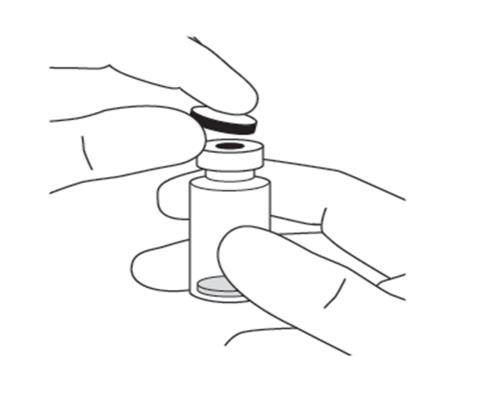
- 1. Remove the plastic cap and disinfect the outside of the rubber stopper of the vial.
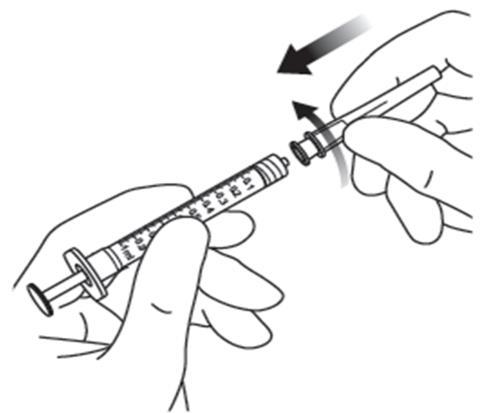
- 2. Connect the 18 G filter needle provided in the box to a sterile 1 mL Luer-lock adapter syringe.
- 3. Push the filter needle into the center of the vial stopper until the needle is fully inserted into the vial and the tip touches the bottom or the angle at the bottom of the vial.
- 4. Using aseptic technique, draw the entire contents of the Eylea vial into the syringe while keeping the vial in a vertical position, slightly tilted to facilitate complete aspiration. To prevent air introduction, ensure that the needle angle is completely immersed in the liquid. Keep the vial tilted during aspiration, keeping the needle angle completely immersed in the liquid.
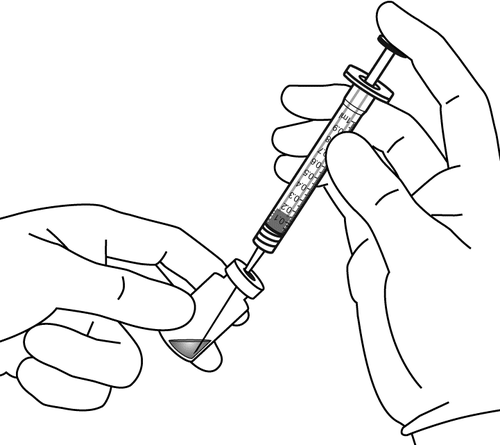
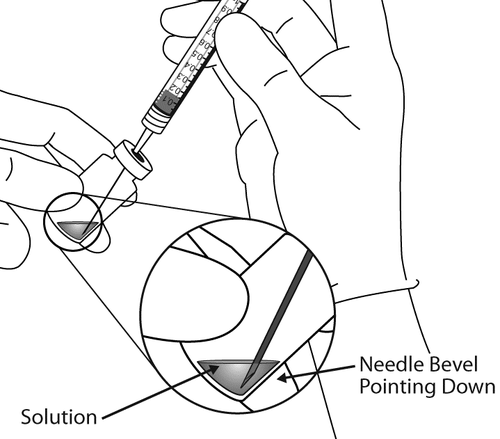
- 5. Make sure the plunger rod is pulled back sufficiently when emptying the vial so as to completely empty the filter needle.
- 6. Remove the filter needle and dispose of it properly. Note: The filter needle must not be used for intravitreal injection.
- 7. Using aseptic technique, insert a 30 G x ½ inch injection needle onto the tip of the syringe with a Luer-lock adapter by twisting it firmly.
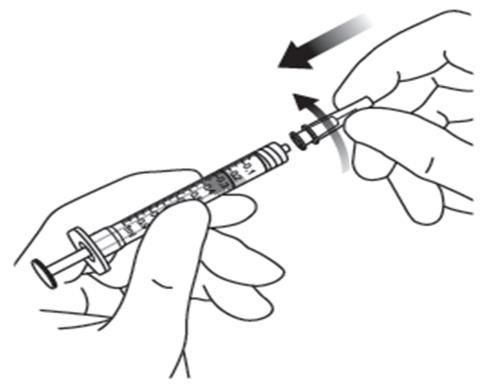
- 8. Holding the syringe with the needle pointing upwards, check for bubbles. If any are present, gently tap the syringe with your finger to make them rise to the surface.
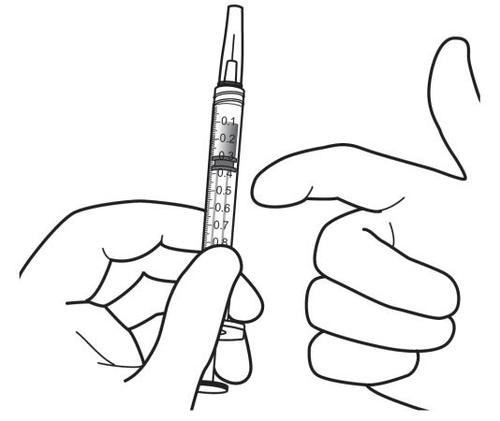
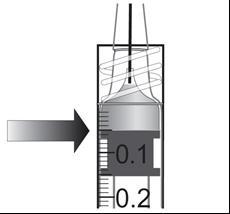
- 9. Eliminate all bubbles and expel excess medicine by slowly pressing the plunger so that the flat end of the plunger aligns with the line marking 0.05 mL on the syringe.
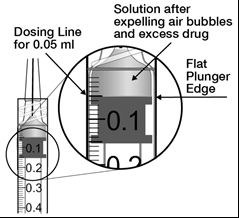
- 10. The vial is for single use only. Drawing multiple doses from a vial may increase the risk of contamination and subsequent infection.
Medicinal product not used and waste material derived from such medicinal product
must be disposed of in accordance with local regulations.
Eylea 114.3 mg/mL injectable solution
aflibercept
Read this leaflet carefully before using this medicine as it contains
important information for you.
- Keep this leaflet. You may need to read it again.
- If you have any questions, ask your doctor.
- If any side effects occur, including those not listed in this leaflet, tell your doctor. See section 4.
Contents of this leaflet
- 1. What Eylea is and what it is used for
- 2. What you need to know before you receive Eylea
- 3. How Eylea will be given to you
- 4. Possible side effects
- 5. How to store Eylea
- 6. Contents of the pack and other information
1. What is Eylea and what is it used for
What is Eylea
Eylea contains the active substance aflibercept. It belongs to a group of medicines called anti-vascular endothelial growth factor (anti-VEGF) agents.
Your doctor will inject Eylea into your eye to treat eye conditions in adults called:
- exudative age-related macular degeneration (wet AMD),
- impaired vision due to diabetic macular oedema (Diabetic Macular Oedema- DME).
These conditions affect the macula. The macula is the central part of the light-sensitive layer
at the back of the eye. It is responsible for sharp vision.
Wet AMD occurs with the formation of abnormal blood vessels that grow under
the macula. Abnormal blood vessels can cause fluid or blood to leak into the eye.
Leakage of fluid into the retina causing swelling of the macula causes DME. Both
conditions can affect your vision.
How Eylea works
Eylea blocks the growth of new abnormal blood vessels in the eye. Eylea may help to stabilise
and, often, to improve vision.
2. What you need to know before you receive Eylea
You must not receive Eylea if:
- you are allergic to aflibercept or any of the other ingredients of this medicine (listed in section 6),
- you have an infection inside or around your eye,
- you have eye pain or redness (severe inflammation of the eye).
Warnings and precautions
Talk to your doctor before you receiveEylea if:
- you have glaucoma - an eye disease caused by increased pressure in the eye,
- you have ever experienced flashes of light or dark spots in your vision, and if the number or size of these spots has increased suddenly,
- you have had eye surgery in the last 4 weeks or are scheduled to have eye surgery in the next 4 weeks.
Tell your doctor immediately if you develop:
- eye redness,
- eye pain,
- increased discomfort,
- blurred or decreased vision,
- increased sensitivity to light. These may be symptoms of inflammation or infection, and your doctor may stop treatment with Eylea.
It is also important that you know that:
- the safety and effectiveness of Eylea when administered to both eyes at the same time have not been studied, and this use may increase the risk of experiencing adverse effects,
- injections of Eylea may trigger an increase in eye pressure in some patients within 60 minutes of the injection. Your doctor will monitor this effect after each injection.
- your doctor will check for other risk factors that may increase the possibility of detachment or rupture of one of the layers in the back of the eye. In these cases, your doctor will administer Eylea with caution,
- women of childbearing potential must use effective contraceptive measures during treatment and for at least 4 months after the last Eylea injection.
The use of substances similar to those contained in Eylea is potentially related to the risk that blood clots block blood vessels, leading to a heart attack or stroke. In theory, this can also happen after an Eylea injection into the eye. If you have had a stroke, a mini-stroke, or a heart attack in the last 6 months, your doctor will administer Eylea with caution.
Children and adolescents
The use of Eylea in children or adolescents under the age of 18 has not been studied because the diseases indicated occur primarily in adults. Therefore, its use in this age group is not relevant.
Other medicines and Eylea
Tell your doctor if you are taking, have recently taken, or might take any other medicines.
Pregnancy and breastfeeding
- Women of childbearing potential must use an effective contraceptive method during treatment and for at least 4 months after the last Eylea injection.
- There is limited experience with the use of Eylea in pregnant women. Women should not receive Eylea during pregnancy unless the potential benefit to the woman outweighs the potential risk to the unborn child.
- Small amounts of Eylea may pass into breast milk. The effect on the breastfed infant is unknown. Eylea is not recommended during breastfeeding. Therefore, if you are pregnant, suspect you are pregnant, or are planning to become pregnant, or if you are breastfeeding, ask your doctor for advice before receiving this medicine.
Driving and using machines
After receiving Eylea, you may experience some temporary visual disturbances. Do not drive vehicles and do not use machines until these have disappeared.
Eylea contains polysorbate 20
Each 0.07 mL dose of this medicine contains 0.021 mg of polysorbate 20, equivalent to 0.3 mg/mL. Polysorbates can cause allergic reactions. Tell your doctor if you have any known allergies.
3. How Eylea will be administered
The recommended dose is 8 mg of aflibercept by injection.
- You will receive 1 injection every month for the first 3 months.
- Afterwards, you may receive injections at most every 6 months. The doctor will decide the frequency based on the condition of your eye.
- If the doctor changes your treatment, switching to Eylea 114.3 mg/mL, after the first injection, the doctor will decide on the frequency.
Method of administration
The doctor will administer Eylea as an injection into the eye (intravitreal injection).
Before the injection, the doctor will use a disinfecting eye wash to carefully clean
the eye and prevent infections. The doctor will give you an eye drop (local anesthetic) to numb
the eye to reduce or prevent the pain of the injection.
If you forget to use Eylea
Make a new appointment with the doctor as soon as possible.
Before stopping treatment with Eylea
Contact your doctor before stopping treatment. Stopping treatment may
increase the risk of losing your sight, and your vision may worsen.
If you have any doubts about the use of this medicine, contact your doctor.
4. Possible side effects
Like all medicines, this medicine can cause side effects, although not everybody gets them.
The side effects of Eylea injection are due to the medicine itself or to the injection procedure, and mainly affect the eyes.
Some side effects may be serious
Contact your doctor immediately if you experience any of these conditions:
- common side effects, which may occur in up to 1 in 10 people
- clouding of the lens (cataract)
- bleeding in the back of the eye (retinal hemorrhage)
- increased pressure inside the eye
- bleeding inside the eye (vitreous hemorrhage)
- uncommon side effects, which may occur in up to 1 in 100 people
- some forms of clouding of the lens (subcapsular/nuclear cataract)
- detachment, tear or bleeding of the light-sensitive layer at the back of the eye, which causes flashes of light and floaters and can sometimes lead to vision loss (retinal detachment or tear).
Other possible side effects
Common(may occur in up to 1 in 10 people):
- allergic reactions
- seeing spots moving (floaters)
- detachment of the gel-like substance inside the eye (vitreous detachment)
- reduced visual acuity
- eye pain
- bleeding inside the eye (conjunctival hemorrhage)
- damage to the clear layer of the eyeball covering the iris (punctate keratitis, corneal abrasion)
Uncommon(may occur in up to 1 in 100 people):
- detachment or tear of one of the layers at the back of the eye, which causes flashes of light and floaters and can sometimes lead to vision loss (retinal pigment epithelium tear/detachment)
- inflammation of the iris, other parts of the eye or the gel-like substance inside the eye (uveitis, iritis, iridocyclitis, vitreitis)
- some forms of clouding of the lens (cortical cataract)
- damage to the outermost layer of the eyeball (corneal erosion)
- blurred vision
- eye pain at the injection site
- feeling something in the eye
- increased tear production
- bleeding at the injection site
- redness of the eye
- swelling of the eyelid
- redness of the eye (ocular hyperemia)
- irritation at the injection site
Rare(may occur in up to 1 in 1,000 people):
- swelling of the front layer of the eyeball (corneal edema)
- clouding of the lens (lenticular opacity)
- degeneration of the light-sensitive membrane at the back of the eye (retinal degeneration)
- irritation of the eyelid
Not known(frequency cannot be estimated from available data)
- inflammation of the white part of the eye associated with redness and pain (scleritis)
In addition to those listed above, the following side effects may occur:
- abnormal eye sensitivity
- damage to the front transparent surface of the eye (corneal epithelial defect)
- inflammation of other parts of the eye (anterior chamber flare)
- severe inflammation or infection inside the eye (endophthalmitis)
- blindness
- clouding of the lens following injury (traumatic cataract)
- pus in the eye (hypopyon)
- serious allergic reactions
Reporting of side effects
If you get any side effects, even those not listed in this leaflet, tell your doctor.
You can also report side effects directly through the national reporting system listed in Annex V. By
reporting side effects you can help provide more information on the safety of this medicine.
5. How to store Eylea
- Keep this medicine out of the sight and reach of children.
- Do not use this medicine after the expiry date which is stated on the pack and on the label after “Scad.” / “EXP”. The expiry date refers to the last day of that month.
- Store in a refrigerator (2 °C - 8 °C). Do not freeze.
- The closed vial can be stored outside the refrigerator at a temperature below 25 ° for a maximum of 24 hours.
- Keep the vial in the outer packaging to protect the medicine from light.
6. Contents of the pack and other information
What Eylea contains
- The active ingredient is aflibercept. 1 mL of solution contains 114.3 mg of aflibercept. Each vial contains 0.263 mL. This provides a usable amount for the administration of a single dose of 0.07 mL containing 8 mg of aflibercept.
- The other ingredients are: sucrose, arginine hydrochloride, histidine hydrochloride monohydrate, histidine, polysorbate 20, water for injections.
See ‘Eylea contains polysorbate 20’ in section 2 for more information.
Description of the appearance of Eylea and contents of the pack
Eylea is an injectable solution (injectable). The solution is from colourless to pale yellow.
Pack: 1 vial + 1 filter needle.
Marketing Authorisation Holder
Bayer AG
51368 Leverkusen
Germany
Manufacturer
Bayer AG
Müllerstraße 178
13353 Berlin
Germany
For further information on this medicinal product, contact the local representative of the marketing
authorisation holder:
België/Belgique/Belgien
Bayer SA-NV
Tél/Tel: +32-(0)2-535 63 11
Lietuva
UAB Bayer
Tel. +37 05 23 36 868
България
Байер България ЕООД
Tел.: +359 (0)2 4247280
Luxembourg/Luxemburg
Bayer SA-NV
Tél/Tel: +32-(0)2-535 63 11
Česká republika
Bayer s.r.o.
Tel: +420 266 101 111
Magyarország
Bayer Hungária KFT
Tel:+36 14 87-41 00
Danmark
Bayer A/S
Tlf: +45 45 23 50 00
Malta
Alfred Gera and Sons Ltd.
Tel: +35 621 44 62 05
Deutschland
Bayer Vital GmbH
Tel: +49 (0)214-30 513 48
Nederland
Bayer B.V.
Tel: +31-23 – 799 1000
Eesti
Bayer OÜ
Tel: +372 655 8565
Norge
Bayer AS
Tlf: +47 23 13 05 00
Ελλάδα
Bayer Ελλάς ΑΒΕΕ
Τηλ: +30-210-61 87 500
Österreich
Bayer Austria Ges.m.b.H.
Tel: +43-(0)1-711 46-0
España
Bayer Hispania S.L.
Tel: +34-93-495 65 00
Polska
Bayer Sp. z o.o.
Tel: +48 22 572 35 00
France
Bayer HealthCare
Tél (N° vert): +33-(0)800 87 54 54
Portugal
Bayer Portugal, Lda.
Tel: +351 21 416 42 00
Hrvatska
Bayer d.o.o.
Tel: +385-(0)1-6599 900
România
SC Bayer SRL
Tel: +40 21 529 59 00
Ireland
Bayer Limited
Tel: +353 1 216 3300
Slovenija
Bayer d. o. o.
Tel: +386 (0)1 58 14 400
Ísland
Icepharma hf.
Sími: +354 540 8000
Slovenská republika
Bayer spol. s r.o.
Tel. +421 2 59 21 31 11
Italia
Bayer S.p.A.
Tel: +39 02 397 8 1
Suomi/Finland
Bayer Oy
Puh/Tel: +358- 20 785 21
Κύπρος
NOVAGEM Limited
Τηλ: +357 22 48 38 58
Sverige
Bayer AB
Tel: +46 (0) 8 580 223 00
Latvija
SIA Bayer
Tel: +371 67 84 55 63
Other sources of information
More detailed information on this medicinal product is available on the website of the European
Medicines Agency, https://www.ema.europa.eu .
--------------------------------------------------------------------------------------------------------------------------
The following information is intended exclusively for healthcare professionals:
The vial is for single use for one eye only. Multiple doses drawn from a
vial may increase the risk of contamination and subsequent infection.
Donot use if the pack or its components are expired, damaged or have been tampered with.
Check the label on the vial to ensure you have the Eylea strength you
intend to use. The 8 mg dose requires the use of the Eylea 114.3 mg/mL
vial
Intravitreal injection must be performed with a 30 G × ½ inch injection needle
( not included). Using a smaller gauge needle than the recommended 30 G × ½ inch injection
needle may lead to increased injection forces.
- 1. Before administration, visually inspect the injectable solution. Donot use the vial if particles, turbidity or a visible colour change are present.
- 2. Remove the plastic cap and disinfect the outside of the rubber stopper of the vial.
| For local information, scan here to access the site https://www.pi.bayer.com/eylea3. | |
| The QR code with the link to the package leaflet is included. | |
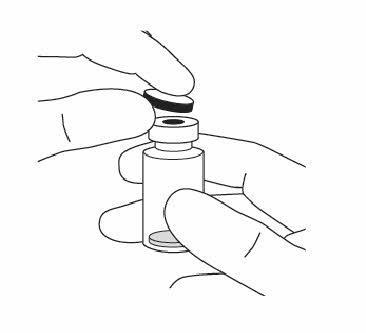
- 3. Use aseptic technique to perform steps 3 to 10. Attach the filter needle provided in the box to a sterile 1 mL syringe with a Luer-lock adapter.
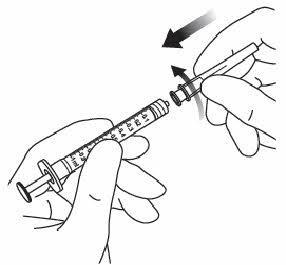
- 4. Push the filter needle into the centre of the vial stopper until the needle is fully inserted into the vial and the tip touches the bottom or the bevel on the bottom of the vial.
- 5. Draw the entire contents of the Eylea vial into the syringe while keeping the vial in an upright position, slightly tilted to facilitate complete aspiration. To avoid introducing air, make sure the entire bevel of the needle is completely immersed in the liquid. Keep the vial tilted during aspiration, keeping the tip of the needle completely immersed in the liquid.
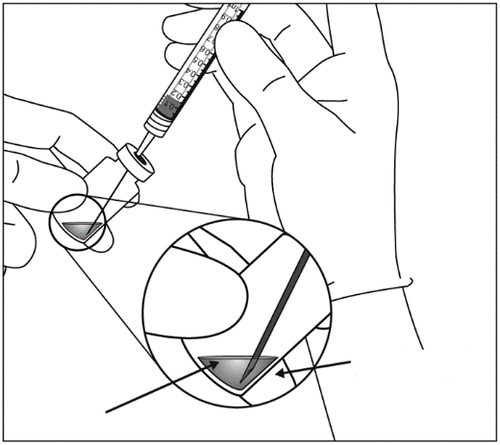
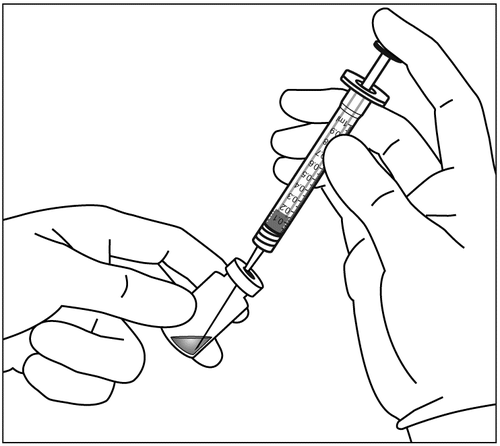
- 6. Make sure the plunger rod is pulled back sufficiently when emptying the vial so as to completely empty the filter needle. After injection, unused medicine must be discarded.
- 7. Remove the filter needle and dispose of it properly. Note:the filter needle must notbe used for intravitreal injection.
- 8. Insert a 30 G × ½ inch injection needle onto the tip of the syringe with a Luer-lock adapter by twisting it firmly.
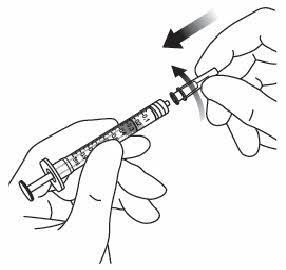
- 9. Holding the syringe with the needle pointing upwards, check for bubbles. If any are present, gently tap the syringe with your finger to make them rise to the surface.
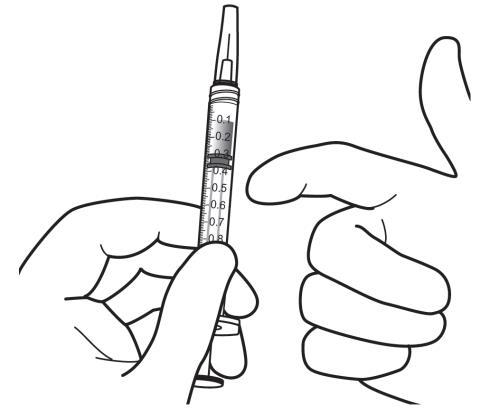
Unused medicine and waste materials from such medicine should be disposed of in accordance with
local regulations.
| To eliminate all bubbles and expel excess medicine, slowly depress the plunger so that the flat end of the plunger aligns with the line marking 0.07 mL on the syringe. |
o c Solution after expelling air bubbles and excess medicine a Dosage line for 0.07 mL m r Flat end of plunger F l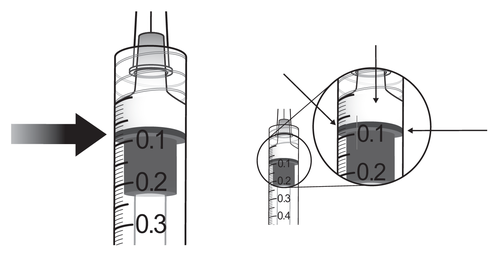 |

Уже начали прием и появились вопросы?
Обсудите свое состояние и дальнейшие шаги с врачом онлайн.
Eylea 114.3 mg/mL injectable solution in pre-filled syringe
aflibercept
Read this leaflet carefully before using this medicine as it contains
important information for you.
- Keep this leaflet. You may need to read it again.
- If you have any questions, ask your doctor.
- If any side effects occur, including those not listed in this leaflet, tell your doctor. See section 4.
Contents of this leaflet
- 1. What Eylea is and what it is used for
- 2. What you need to know before you receive Eylea
- 3. How Eylea will be administered
- 4. Possible side effects
- 5. How to store Eylea
- 6. Contents of the pack and other information
1. What is Eylea and what is it used for
What is Eylea
Eylea contains the active substance aflibercept. It belongs to a group of medicines called anti-vascular endothelial growth factor (anti-VEGF) agents.
Your doctor will inject Eylea into your eye to treat eye conditions in adults called:
- exudative age-related macular degeneration (wet AMD),
- impaired vision due to diabetic macular oedema (Diabetic Macular Oedema- DME).
These conditions affect the macula. The macula is the central part of the light-sensitive layer
at the back of the eye. It is responsible for sharp vision.
Wet AMD occurs with the formation of abnormal blood vessels that grow under
the macula. Abnormal blood vessels can cause fluid or blood to leak into the eye.
Leakage of fluid into the retina causing swelling of the macula causes DME. Both
conditions can affect your vision.
How Eylea works
Eylea blocks the growth of new abnormal blood vessels in the eye. Eylea may help to stabilise
and, often, to improve your vision.
2. What you need to know before you receive Eylea
You must not receive Eylea if:
- you are allergic to aflibercept or any of the other ingredients of this medicine (listed in section 6),
- you have an infection inside or around your eye,
- you have eye pain or redness (severe eye inflammation).
Warnings and precautions
Talk to your doctor before you receiveEylea if:
- you have glaucoma - an eye disease caused by an increase in eye pressure,
- you have ever experienced flashes of light or dark spots and if the number or size of these spots has increased suddenly,
- you have had eye surgery in the last 4 weeks or are scheduled to have eye surgery in the next 4 weeks.
Immediatelyinform your doctor if you develop:
- eye redness,
- eye pain,
- increased discomfort,
- blurred or decreased vision,
- increased sensitivity to light. These may be symptoms of inflammation or infection and your doctor may stop treatment with Eylea.
It is also important that you know that:
- the safety and effectiveness of Eylea when administered to both eyes simultaneously have not been studied and this use may increase the risk of experiencing adverse effects,
- injections of Eylea may trigger an increase in eye pressure in some patients within 60 minutes of the injection. Your doctor will monitor this effect after each injection.
- the doctor will check for other risk factors that may increase the possibility of detachment or rupture of one of the states in the back of the eye. In these cases, the doctor will administer Eylea with caution,
- women of childbearing potential must use effective contraceptive measures during treatment and for at least 4 months after the last Eylea injection.
The use of substances similar to those contained in Eylea is potentially related to the risk that blood clots block blood vessels, leading to a heart attack or stroke. In theory, this can also happen after an Eylea injection into the eye. If you have had a stroke, a mini-stroke, or a heart attack in the last 6 months, your doctor will administer Eylea with caution.
Children and adolescents
The use of Eylea in children or adolescents under the age of 18 has not been studied because the indicated diseases occur primarily in adults. Therefore, its use in this age group is not relevant.
Other medicines and Eylea
Tell your doctor if you are taking, have recently taken, or might take any other medicines.
Pregnancy and breastfeeding
- Women of childbearing potential must use an effective contraceptive method during treatment and for at least 4 months after the last Eylea injection.
- There is limited experience with the use of Eylea in pregnant women. Women should not receive Eylea during pregnancy unless the potential benefit to the woman outweighs the potential risk to the unborn child.
- Small amounts of Eylea may pass into human milk. The effect on the breastfed infant is unknown. Eylea is not recommended during breastfeeding. Therefore, if you are pregnant, suspect you are pregnant, or are planning to become pregnant, or if you are breastfeeding, ask your doctor for advice before receiving this medicine.
Driving and operating machinery
After receiving Eylea you may experience some temporary visual disturbances. Do not drive vehicles and do not use machinery until they have disappeared.
Eylea contains polysorbate 20
Each 0.07 mL dose of this medicine contains 0.021 mg of polysorbate 20, equivalent to 0.3 mg/mL. Polysorbates can cause allergic reactions. Tell your doctor if you have known allergies.
3. How Eylea will be administered
The recommended dose is 8 mg of aflibercept by injection.
- You will receive 1 injection every month for the first 3 months.
- Afterwards, you may receive injections at most every 6 months. The doctor will decide the frequency based on the condition of your eye.
- If the doctor changes the treatment, switching to Eylea 114.3 mg/mL, after the first injection, the doctor will decide on the frequency.
Method of administration
The doctor will administer Eylea as an injection into the eye (intravitreal injection).
Before the injection, the doctor will use a disinfecting eye wash to thoroughly clean
the eye and prevent infections. The doctor will give you an eye drop (local anesthetic) to numb
the eye to reduce or prevent the pain of the injection.
If you forget to use Eylea
Make a new appointment with the doctor as soon as possible.
Before stopping treatment with Eylea
Contact your doctor before stopping treatment. Stopping treatment may
increase the risk of losing your sight, and your vision may worsen.
If you have any doubts about the use of this medicine, ask your doctor.
4. Possible side effects
Like all medicines, this medicine can cause side effects, although not everybody gets them.
The side effects of Eylea injection are due to the medicine itself or to the injection procedure, and mainly affect the eyes.
Some side effects can be serious
Contact your doctor immediately if you experience any of these conditions:
- common side effects, which may occur in up to 1 in 10 people
- clouding of the lens (cataract)
- bleeding in the back of the eye (retinal hemorrhage)
- increased pressure inside the eye
- bleeding inside the eye (vitreous hemorrhage)
- uncommon side effects, which may occur in up to 1 in 100 people
- some forms of clouding of the lens (subcapsular/nuclear cataract)
- detachment, tear or bleeding of the light-sensitive layer at the back of the eye, which causes flashes of light and floaters and can sometimes lead to vision loss (retinal detachment or tear).
Other possible side effects
Common(may occur in up to 1 in 10 people):
- allergic reactions
- seeing spots moving around (floaters)
- detachment of the gel-like substance inside the eye (vitreous detachment)
- reduced sharpness of vision
- eye pain
- bleeding inside the eye (conjunctival hemorrhage)
- damage to the clear layer of the eyeball that covers the iris (keratitis punctata, corneal abrasion)
Uncommon(may occur in up to 1 in 100 people):
- detachment or tear of one of the layers at the back of the eye, which causes flashes of light and floaters and can sometimes lead to vision loss (retinal pigment epithelial tear/detachment)
- inflammation of the iris, other parts of the eye or the gel-like substance inside the eye (uveitis, iritis, iridocyclitis, vitreitis)
- some forms of clouding of the lens (cortical cataract)
- damage to the outermost layer of the eyeball (corneal erosion)
- blurred vision
- eye pain at the injection site
- feeling like something is in your eye
- increased tear production
- bleeding at the injection site
- redness of the eye
- swelling of the eyelid
- redness of the eye (ocular hyperemia)
- irritation at the injection site
Rare(may occur in up to 1 in 1,000 people):
- swelling of the front layer of the eyeball (corneal edema)
- clouding of the lens (lenticular opacity)
- degeneration of the light-sensitive membrane at the back of the eye (retinal degeneration)
- irritation of the eyelid
Not known(frequency cannot be estimated from available data)
- inflammation of the white part of the eye associated with redness and pain (scleritis)
In addition to those listed above, the following side effects can occur:
- abnormal eye sensitivity
- damage to the transparent front surface of the eye (corneal epithelial defect)
- inflammation of other parts of the eye (anterior chamber flare)
- serious inflammation or infection inside the eye (endophthalmitis)
- blindness
- clouding of the lens following injury (traumatic cataract)
- pus in the eye (hypopyon)
- serious allergic reactions
Reporting of side effects
If you get any side effects, even those not listed in this leaflet, tell your
doctor. You can also report side effects directly through the national reporting system listed in
Appendix V. By reporting side effects you can help provide more information on the safety of this medicine.
5. How to store Eylea
- Keep this medicine out of the sight and reach of children.
- Do not use this medicine after the expiry date which is stated on the box and label after “Scad.” / “EXP”. The expiry date refers to the last day of that month.
- Store in a refrigerator (2 °C - 8 °C). Do not freeze.
- Keep the pre-filled syringe in its container (blister) and in the outer packaging to protect the medicine from light.
- Before use, the closed container (blister) can be stored outside the refrigerator at a temperature below 25 °C for a maximum of 24 hours.
6. Contents of the pack and other information
What Eylea contains
- The active substance is aflibercept. 1 mL of solution contains 114.3 mg of aflibercept. Each pre-filled syringe contains 0.184 mL. This provides a usable amount for administering a single dose of 0.07 mL, containing 8 mg of aflibercept.
- The other ingredients are: sucrose, arginine hydrochloride, histidine hydrochloride monohydrate, histidine, polysorbate 20, water for injections.
See ‘Eylea contains polysorbate 20’ in section 2 for more information.
Description of the appearance of Eylea and contents of the pack
Eylea 114.3 mg/mL solution for injection in a pre-filled syringe is an injectable solution (injectable).
The solution is from colourless to pale yellow.
Pack: 1 pre-filled syringe.
Marketing Authorisation Holder
Bayer AG
51368 Leverkusen
Germany
Manufacturer
Bayer AG
Müllerstraße 178
13353 Berlin
Germany
For further information on this medicinal product, contact the local representative of the Marketing Authorisation Holder:
België/Belgique/Belgien
Bayer SA-NV
Tél/Tel: +32-(0)2-535 63 11
Lietuva
UAB Bayer
Tel. +37 05 23 36 868
България
Байер България ЕООД
Tел.: +359 (0)2 4247280
Luxembourg/Luxemburg
Bayer SA-NV
Tél/Tel: +32-(0)2-535 63 11
Česká republika
Bayer s.r.o.
Tel: +420 266 101 111
Magyarország
Bayer Hungária KFT
Tel:+36 14 87-41 00
Danmark
Bayer A/S
Tlf: +45 45 23 50 00
Malta
Alfred Gera and Sons Ltd.
Tel: +35 621 44 62 05
Deutschland
Bayer Vital GmbH
Tel: +49 (0)214-30 513 48
Nederland
Bayer B.V.
Tel: +31-23 – 799 1000
Eesti
Bayer OÜ
Tel: +372 655 8565
Norge
Bayer AS
Tlf: +47 23 13 05 00
Ελλάδα
Bayer Ελλάς ΑΒΕΕ
Τηλ: +30-210-61 87 500
Österreich
Bayer Austria Ges.m.b.H.
Tel: +43-(0)1-711 46-0
España
Bayer Hispania S.L.
Tel: +34-93-495 65 00
Polska
Bayer Sp. z o.o.
Tel: +48 22 572 35 00
France
Bayer HealthCare
Tél (N° vert): +33-(0)800 87 54 54
Portugal
Bayer Portugal, Lda.
Tel: +351 21 416 42 00
Hrvatska
Bayer d.o.o.
Tel: +385-(0)1-6599 900
România
SC Bayer SRL
Tel: +40 21 529 59 00
Ireland
Bayer Limited
Tel: +353 1 216 3300
Slovenija
Bayer d. o. o.
Tel: +386 (0)1 58 14 400
Ísland
Icepharma hf.
Sími: +354 540 8000
Slovenská republika
Bayer spol. s r.o.
Tel. +421 2 59 21 31 11
Italia
Bayer S.p.A.
Tel: +39 02 397 8 1
Suomi/Finland
Bayer Oy
Puh/Tel: +358- 20 785 21
Κύπρος
NOVAGEM Limited
Τηλ: +357 22 48 38 58
Sverige
Bayer AB
Tel: +46 (0) 8 580 223 00
Latvija
SIA Bayer
Tel: +371 67 84 55 63
Altre fonti di informazione
More detailed information on this medicinal product is available on the European Medicines Agency website, https://www.ema.europa.eu.
For local information, scan here to access the site https://www.pi.bayer.com/eylea4.
--------------------------------------------------------------------------------------------------------------------------
The following information is intended for healthcare professionals only:
The pre-filled syringe with OcuClick dosing system is for single use only and for one eye only. Multiple doses drawn from a pre-filled syringe with OcuClick dosing system may increase the risk of contamination and subsequent infection.
Donot use if the pack or its components are expired, damaged or have been tampered with.
Check the label on the pre-filled syringe with OcuClick dosing system to ensure you have the Eylea strength you intend to use. The 8 mg dose requires the use of the Eylea 114.3 mg/mL pre-filled syringe.
Intravitreal injection must be performed with a 30 G × ½ inch injection needle (not included).
The use of a smaller gauge needle than the recommended 30 G × ½ inch injection needle may lead to increased injection force.
| and Description of the pre-filled syringe with integrated OcuClick dosing system d syringe cap a Luer-lock n lower tip of the plunger i the view at 90° t handle I System for the fingers dosing a OcuClick plunger rod i guide z slot | |
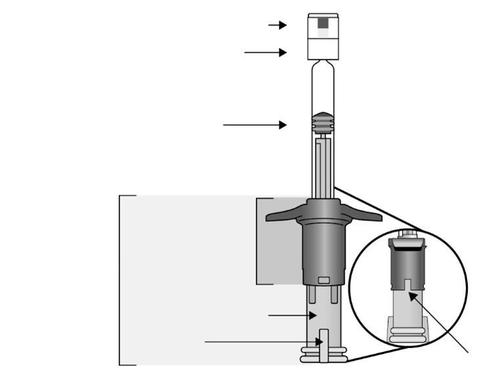 | n Preparation and When you are ready to administer Eylea 114.3mg/mL, open the box and remove the sterile blister. Carefully open the blister ensuring the sterility of its contents. g Hold the syringe on the sterile tray until you are ready to attach the injection needle. Use aseptic technique to perform steps 2 to 9. |
| A Removing the syringe Remove the syringe from the sterile blister. |
| Inspect the syringe and injectable solution o Do not use the pre-filled syringe if
|
| a Removing the syringe cap m To detach (do not rotate) the syringe cap, hold the syringe with one hand and tighten the cap with your thumb and index finger r DETACH! of the other hand. a Note: do not pull back the plunger rod. F l e d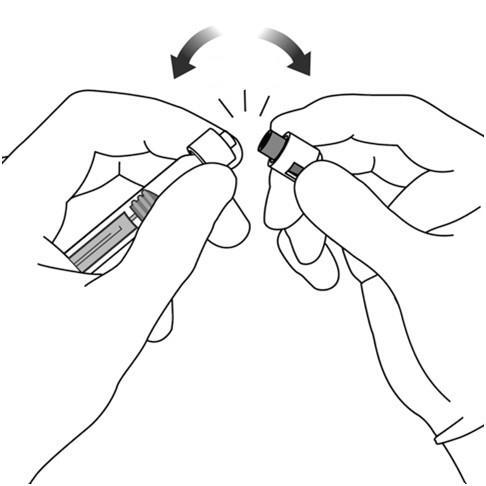 |
| Connecting the needle a Insert a 30 G × ½ inch injection needle n onto the tip of the syringe with the Luer-lock adapter by rotating it firmly. a Luer-lock i the t I a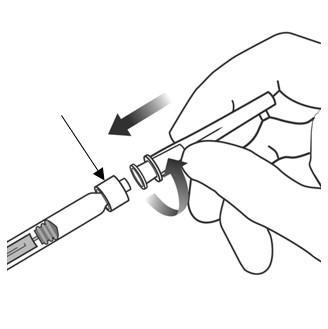 |
| Removing air bubbles o Holding the syringe with the needle pointing upwards, check for air bubbles inside. If there are bubbles, gently tap the syringe with your finger to make them rise to the surface. a m TAP! r a F l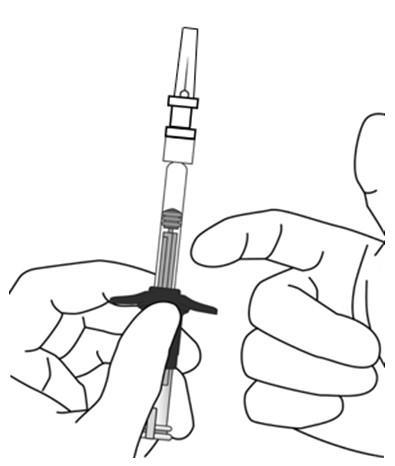 |
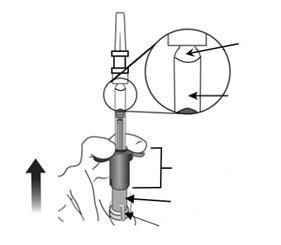 | e Removing air and excess volume to load the syringe d The syringe does not have a dosage line as it is designed to set the dose mechanically, as illustrated in the following steps. Loading the syringe and setting the dose must be done by completing the n following steps. To eliminate all air bubbles and expel excess medicine, slowly press the plunger rod (left image) until it stops, i.e. until the guide on the plunger rod reaches the finger grip (right image). Make sure that l the air bubbles are air in the top because they can plunger rod t be expelled I solution finger grip a finger grip completely z plunger rod pressed guide guide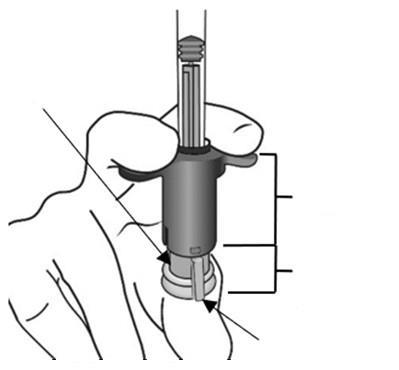 |
| Setting the dose o Rotate the end of the plunger rod 90 degrees clockwise or counterclockwise CLICK! until the plunger rod guide is aligned with the slot. You may hear a “click”. Note: the device is now ready for administration. Do not push the plunger rod before inserting it into the eye. fessura guide a F plunger rod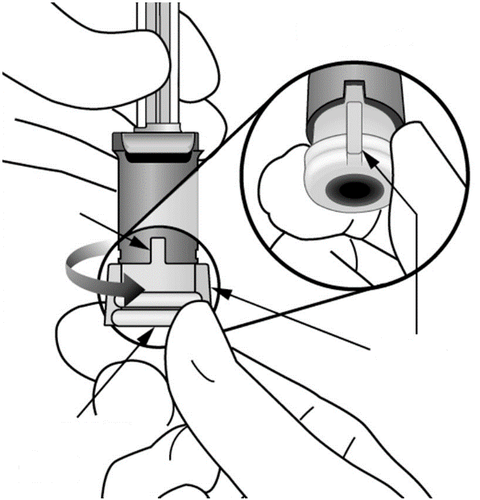 |
| l Administering the injection e Insert the needle into the ocular injection site. Inject the solution by pushing the plunger rod until it stops, i.e. until the guide is fully retracted into the slot. Do not press further once the guide has been retracted into the slot. It is normal to see a small amount of solution remaining in the syringe. fessura plunger rod i l |
| a t The pre-filled syringe is for single dose administration, and is for single use only. I After injection, dispose of the used syringe in a sharps container.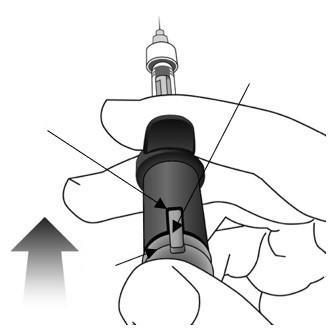 |
Unused medicine or waste material shall be disposed of in accordance with local regulations.

- Страна регистрации
- Форма выпускаInjectable solution, 40MG/ML
- Код АТХS01LA05
- Действующее вещество
- Отпускается по рецептуДа
- Производитель
- Информация на этой странице носит справочный характер и не является медицинской консультацией. Перед началом приема лекарства обязательно проконсультируйтесь с врачом.
- Аналоги EYLEAФорма выпуска: Injectable solution, 40 mg/mLДействующее вещество: АфлиберцептПроизводитель: SANDOZ GMBHОтпускается по рецептуФорма выпуска: Injectable solution in pre-filled syringe, 120 MG/MLДействующее вещество: БролуцизумабПроизводитель: NOVARTIS EUROPHARM LIMITEDОтпускается по рецептуФорма выпуска: Injectable solution, 10 mg/mlДействующее вещество: РанибизумабПроизводитель: SAMSUNG BIOEPIS NL B.V.Отпускается по рецепту
Аналоги EYLEA в других странах
Лекарства с тем же действующим веществом, доступные в других странах.
Аналог EYLEA в Испания
Аналог EYLEA в Украина
Врачи онлайн по EYLEA
Обсудите применение EYLEA и возможные следующие шаги — по оценке врача.









Получите рецепт на EYLEA онлайн
Заполните форму за 2 минуты
Расскажите о симптомах, истории болезни и нужном препарате.
Выберите врача или мы назначим
Выберите специалиста или мы подберём ближайшего доступного врача.
Врач рассматривает ваш случай
Обычно в течение 30 минут. Может задать уточняющие вопросы в чате.
Получите в любой аптеке
Электронный рецепт отправляется на вашу почту — действителен по всей Польше.
Часто задаваемые вопросы
EYLEA требует рецепта в Италия. Вы можете уточнить у врача онлайн, подходит ли это лекарство для вашей ситуации.
Действующее вещество EYLEA — Афлиберцепт. Эта информация помогает определить лекарства с тем же составом под другими торговыми названиями.
EYLEA производится компанией BAYER AG. Упаковка и торговое название могут отличаться в зависимости от дистрибьютора.
Врачи, включая Семейные врачи, Психиатры, Дерматологи, Кардиологи, Эндокринологи, Гастроэнтерологи, Пульмонологи, Нефрологи, Ревматологи, Гематологи, Инфекционисты, Аллергологи, Гериатры, Педиатры, Онкологи, могут оценить целесообразность применения EYLEA с учетом вашей ситуации и местных правил. Вы можете записаться на онлайн-консультацию, чтобы обсудить возможные варианты.
Польша имеет хорошо развитую систему здравоохранения в крупных городах, таких как Варшава, Краков, Вроцлав и Гданьск. Аптеки широко доступны и работают в соответствии с действующим законодательством, обеспечивая доступ к рецептурным препаратам.
Вы можете купить EYLEA в Варшаве, Кракове, Вроцлаве или Гданьске в любой аптеке при наличии действующего рецепта.
Чтобы получить рецепт, вы можете воспользоваться Oladoctor:
Другие лекарства с тем же действующим веществом (Афлиберцепт) включают AFQLIR, BEOVU, BYOOVITS. Они могут отличаться торговым названием или формой выпуска, но содержат одинаковый терапевтический компонент. Перед изменением лечения рекомендуется проконсультироваться с врачом.
