



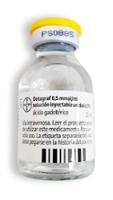
DOTAGRAF 0.5 mmol/mL Инъекционный раствор

Рассмотрение рецепта онлайн
Врач рассмотрит ваш случай и примет решение о назначении рецепта, если это медицински оправдано.

Поговорите с врачом об этом лекарстве
Обсудите симптомы и возможные дальнейшие шаги на онлайн-консультации.



Инструкция по применению DOTAGRAF
Содержание инструкции
Dotagraf 0.5mmol/ml
Injectable solution
Gadoteric acid
Generic Medicine
Read this leaflet carefully before using this medicine, as it contains
important information for you.
- Keep this leaflet. You may need to read it again.
- If you have any questions, ask your doctor or radiologist.
- If any side effects occur, including those not listed in this leaflet, tell your doctor, radiologist or pharmacist. See section 4.
- 1. What Dotagraf is and what it is used for
- 2. What you need to know before Dotagraf is administered to you
- 3. How Dotagraf will be administered to you
- 4. Possible side effects
- 5. How to store Dotagraf
- 6. Contents of the pack and other information
1. What is Dotagraf and what is it used for
Dotagraf is a contrast agent containing gadoteric acid. The medicine is for diagnostic use only.
Dotagraf is used to enhance the contrast of images obtained in Magnetic Resonance Imaging (MRI) examinations. This contrast enhancement improves the visualization and delineation in:
Adult and paediatric population (0-18 years)
- MRI of the Central Nervous System including defects (lesions) of the brain, spinal cord and adjacent tissues;
- MRI of the whole body including defects (lesions) affecting the liver, kidneys, pancreas, pelvis, lungs, heart, breast and musculoskeletal system;
Adult population
- MRI angiography, including defects (lesions) and constrictions (stenoses) of the arteries, except in the coronary arteries.
2. What you need to know before you are given Dotagraf
Dotagraf MUST NOT be given to you
- If you are allergic to the active substance or to any other component of this medicine (listed in section 6).
- If you are allergic to medicines containing gadolinium (such as other contrast agents used in magnetic resonance imaging). Warnings and precautionsTell your doctor or radiologist if any of the following applies to you:
- you have previously had reactions to a contrast agent during an examination
- you suffer from asthma
- you have a history of allergies (e.g. to seafood, hives, hay fever)
- you are being treated with a beta-blocker (medicine used for heart and blood pressure disorders, such as metoprolol)
- you do not have proper kidney function
- you have recently undergone or are planning to undergo a liver transplant soon
- you suffer from a disease affecting the heart or blood vessels
- you have had seizures or are being treated for epilepsy. In all these cases, the doctor or radiologist will assess the benefit-risk ratio and decide whether it is necessary to administer Dotagraf. If you are treated with Dotagraf, the doctor or radiologist will take the necessary precautions and the administration of Dotagraf will be carefully monitored. The doctor or radiologist may decide to perform a blood test to check proper kidney function before deciding to give you Dotagraf, especially if you are 65 years of age or older.
Newborns and infants
Since kidney function is immature in newborns up to 4 weeks of age and in infants up to 1
year of age, Dotagraf will only be used in these patients after the doctor has carefully considered
the need to administer it.
Before the examination, remove all metallic objects you are wearing. Tell your doctor or radiologist if you are a carrier of:
- a pacemaker
- a vascular clip
- an infusion pump
- a nerve stimulator
- cochlear implant (in the inner ear)
- any foreign body suspected of metal, especially in the eye. This information is important, because the presence of these devices can cause serious problems, as very strong magnetic fields are used in magnetic resonance imaging.
Other medicines and Dotagraf
Tell your doctor or radiologist if you are taking, have recently taken or might take any other
medicines. In particular, please inform your doctor, radiologist or pharmacist if you are taking or
have recently taken medicines for heart and blood pressure disorders such as beta-blockers, vasoactive
substances, angiotensin converting enzyme inhibitors, angiotensin II receptor antagonists.
Dotagraf with food and drink
No interactions between Dotagraf and food and drink are known. However, please check with your doctor,
radiologist or pharmacist if you are required not to eat or drink before the examination.
Pregnancy and breastfeeding
If you are pregnant, suspect you are pregnant, are planning a pregnancy, or are breastfeeding, ask your doctor or radiologist for advice before taking this medicine.
Pregnancy
Dotagraf should not be used during pregnancy unless absolutely necessary.
Breastfeeding
Your doctor or radiologist will decide whether you should continue breastfeeding or stop it for a period of 24
hours after the administration of Dotagraf.
Driving and operating machinery
No data are available on the effects of Dotagraf on the ability to drive vehicles. If you do not feel well
after the examination, you should not drive or operate machinery.
3 .How to use Dotagraf
Dotagraf will be given to you by intravenous injection.
During the examinationyou will be under the supervision of a doctor or radiologist. A needle will be left in your vein; this will allow the doctor or radiologist to inject you with appropriate emergency medicines should this be
necessary. If you experience an allergic reaction, the administration of Dotagraf will be stopped.
Dotagraf can be administered manually or by an automatic injector. In newborns and infants the
product will only be administered manually.
The procedure will be performed in a hospital, clinic or private facility. The staff performing
the examination know the precautions to be taken for this investigation and are also aware of the possible
complications that may occur.
Dosage
The doctor or radiologist will decide the dose that will be given to you and will monitor the injection.
Dosage in special patient groups
The use of Dotagraf is not recommended in patients with severe kidney problems who have recently undergone, or are planning to undergo, a liver transplant. However, if it is necessary to use it, you will only receive one dose of Dotagraf during the scan and should not receive a second dose for at least 7 days.
Newborns, infants, children and adolescents
Since kidney function is immature in newborns up to 4 weeks of age and in infants up to 1 year
of age, Dotagraf will only be used in these patients after the doctor has carefully considered the
need to administer it.
Newborns and infants should only receive one dose of Dotagraf during a scan and should not
receive a second injection for at least 7 days.
The use of angiography is not recommended in children under 18 years of age.
Elderly
No dose adjustment is necessary if you are 65 years of age or older, but a blood test may be performed
to check proper kidney function.
If you are given too much Dotagraf
It is highly unlikely that you will be given an excessive dose of the medicine. Dotagraf will be
administered in a medical facility by a specialist. In case of overdose, Dotagraf
can be removed from your body by hemodialysis (blood cleansing).
Further information regarding use and treatment by the doctor or healthcare professional
is provided at the end of this leaflet.
If you have any questions about the use of this medicine, ask your doctor or radiologist.
4 .Possible side effects
Like all medicines, this medicine can cause side effects, although not everybody gets them.
After administrationyou will be kept under observation for at least half an hour. Most side
effects occur immediately or sometimes later. Some effects may appear up to seven
days after the injection of Dotagraf.
There is a slight risk of allergic reactions to Dotagraf. These reactions can be serious and
cause shock(a case of an allergic reaction that can put the patient's life in danger). The following
symptoms may be early signs of shock. Tell your doctor, radiologist or healthcare professional immediately if you notice any of the following effects:
- swelling of the face, mouth or throat that can cause difficulty swallowing or breathing
- swelling of the hands or feet
- feeling dizzy (low blood pressure)
- difficulty breathing
- wheezing
- cough
- itching
- runny nose
- sneezing
- eye irritation
- hives
- skin rash
Uncommon side effects (may affect up to 1 in 100 people)
- hypersensitivity (allergic reaction)
- headache
- unusual taste in the mouth
- dizziness
- drowsiness (feeling sleepy)
- sensation of tingling, heat/burning, cold and/or pain
- decreased or increased blood pressure
- nausea
- stomach pain
- skin rash
- feeling of warmth, feeling of cold
- asthenia (loss of energy; weakness)
- discomfort at the injection site, reaction at the injection site, coldness at the injection site, swelling at the injection site, leakage of the product outside the blood vessels which can cause inflammation (local redness and pain)
Rare side effects (may affect up to 1 in 1,000 people)
- anxiety, fainting (feeling faint and impending loss of consciousness)
- swelling of the eyelids
- palpitations
- sneezing
- vomiting
- diarrhea
- increased salivation
- hives, itching, sweating
- chest pain, chills
Very rare side effects (may affect up to 1 in 10,000 people)
- anaphylactic or anaphylactoid reactions (a serious allergic reaction, potentially life-threatening)
- agitation
- coma, seizures, syncope (brief loss of consciousness), olfactory disturbance (frequent perception of unpleasant odors), tremor
- conjunctivitis, red eyes, blurred vision, increased tear production,
- cardiac arrest, accelerated, delayed or irregular heartbeat, palpitations, vasodilation,
pallor
- respiratory arrest, pulmonary edema, difficulty breathing, wheezing, nasal congestion, sneezing, dry throat, constriction of the throat with a feeling of suffocation, respiratory spasms, swelling of the throat
- eczema, skin redness, swelling of the lips and locally in the mouth
- muscle cramps, myasthenia, back pain
- malaise, chest discomfort, fever, facial edema, extravasation of the product outside the blood vessels which can cause tissue necrosis at the injection site, inflammation of a vein
- decreased blood oxygen levels
Cases of nephrogenic systemic fibrosis (which causes hardening of the skin and can also affect soft tissues and internal organs) have been reported, most of them in patients treated with Dotagraf in association with
other gadolinium-containing contrast agents. If you notice changes in skin color and/or thickness in any part of the body in the weeks following the MRI, inform the radiologist who performed the examination.
Reporting of side effects
If you get any side effects, talk to your radiologist, pharmacist, doctor or nurse. You can also report side effects directly through the
www.agenziafarmaco.gov.it/content/come-segnalare-una-sospetta-reazione-avversa. By reporting side effects you can help provide more information on the safety of this medicine.
5. How to conserve Dotagraf
Keep this medicine out of the sight and reach of children.
This medicine does not require any special storage precautions.
Chemical and physical stability has been demonstrated during use for 72 hours at room temperature. From a
microbiological point of view, the product must be used immediately. If not, the storage times during use and the
conditions prior to use are the responsibility of the user and generally do not exceed 24 hours at temperatures
between 2 and 8°C, unless the opening took place under controlled and validated aseptic conditions.
Do not use this medicine after the expiry date indicated on the vial and the packaging after the
abbreviation “Exp”. The expiry date refers to the last day of that month.
6. Content of the package and other information
What contains Dotagraf
- The active ingredient is gadoteric acid. One millilitre of injectable solution contains 279.32 mg of gadoteric acid (as meglumine salt), equivalent to 0.5 mmol of gadoteric acid (as meglumine salt).
- The other components are meglumine, 1,4,7,10-tetra-azacyclododecane-1,4,7,10-tetra-acetic acid (DOTA) and water for injections. Description of the appearance of Dotagraf and contents of the packDotagraf is a clear, colourless to yellow solution for intravenous injection. The pack of Dotagraf contains one or ten vials of 60 and 100 ml of injectable solution. Not all pack sizes may be marketed.
Marketing Authorisation Holder
Bayer S.p.A.
Viale Certosa, 130
20156 Milano
Manufacturer
Sanochemia Pharmazeutika AG
Landeggerstrasse 7
2491 Neufeld/Leitha, Austria
This medicinal product is authorised in the Member States of the European Economic Area with the following names:
The following information is intended exclusively for healthcare professionals:
Posology
Use the lowest dose that allows to obtain a sufficient improvement for diagnostic purposes. The dose should
be calculated based on the patient's body weight and must not exceed the recommended dose per kilogram of body
weight reported in this paragraph.
- MRI of the brain and spinal cord: in neurological examinations the dose may vary from 0.1 to 0.3 mmol/kg of body weight, corresponding to 0.2-0.6 ml/kg body weight. After administration of 0.1 mmol/kg of body weight to patients with brain tumors, an additional dose of 0.2 mmol/kg of body weight may improve tumor characterization and facilitate therapeutic decision-making.
| Austria, Germany | Dotagraf 0,5 mmol/ml Injektionslösung |
| Belgium | F Dotagraph 0,5 mmol/ml oplossing voor injectie / solution injectable / Injektionslösung |
| Bulgaria | Dotagraf 0.5 mmol/ml solution for injection |
| Croatia | l Dotagraf LV 0,5 mmol/ml otopina za injekciju |
| Cyprus, Denmark, Estonia, Greece, Iceland, Italy, Norway, Portugal | e Dotagraf d |
| Czech Republic | Dotagraf vícedávkový 0,5 mmol/ml |
| Finland | a Dotagraf 0,5 mmol/ml injektioneste, liuos |
| Hungary | Dotagraf 0,5 mmol/ml oldatos injekció, többadagos |
| Ireland | n Dotagraf 279.32 mg/ml solution for injection |
| Latvia | Dotagraf 0,5 mmol/ml šķīdums injekcijām (vairākkārtējai lietošanai) |
| Lithuania | a Dotagraf 0,5 mmol/ml injekcinis tirpalas |
| Luxembourg | i Dotagraph 0,5 mmol/ml solution injectable |
| Netherlands | Dotagraf 0,5 mmol/ml (voor meervoudig gebruik), oplossing voor injectie |
| Poland | l Dotagraf multidose |
| Romania | a Dotagraf 0,5 mmol/ml soluţie injectabilă în flacon multidoză |
| Slovakia | Dotagraf viacdávkový 0,5 mmol/ml injekčný roztok |
| Slovenia | t Dotagraf LV 0,5 mmol/ml raztopina za injiciranje |
| Spain | I Dotagraf 0,5 mmol/ml solución inyectable EFG |
| Sweden | Dotagraf (stor injektionsflaska) |
- MRI for whole-body pathologies and Angiography: the recommended dose for intravenous injection is 0.1 mmol/kg of body weight (i.e. 0.2 ml/kg of body weight) to provide adequate diagnostic contrast. Angiography: in particular circumstances (e.g. failure to obtain satisfactory images of a large vascular territory), administration of a second consecutive injection of 0.1 mmol/kg of body weight, equivalent to 0.2 ml/kg of body weight may be justified. However, if the use of 2 consecutive doses of Dotagraf is anticipated before the start of angiography, the use of 0.05 mmol/kg of body weight, equivalent to 0.1 ml/kg of body weight for each dose may be beneficial, depending on the imaging equipment available.
- Paediatric population:MRI of the brain and spinal cord / MRI for whole-body pathologies: the recommended dose and the maximum dose of Dotagraf is 0.1 mmol/kg of body weight. More than one dose should not be used during a scan.
Given the immature renal function of neonates up to 4 weeks of age and infants up to 1 year of
age, Dotagraf should be used in these patients only after carefully considering the
need for use at a dose not exceeding 0.1 mmol/kg of body weight. More than one dose should not
be used during a scan. Given the lack of information on
repeated administration, Dotagraf injections should not be repeated unless the interval
between injections is at least 7 days. Dotagraf is not recommended for angiography in children
under 18 years of age as data on efficacy and safety in this indication are insufficient.
- Patients with renal impairment: the dose used in adults applies to patients with mild to moderate renal impairment (GFR ≥ 30 ml/min/1.73m ). See also the paragraph below “Impairment of renal function”.
- Patients with hepatic impairment: the dose used in adults applies to these patients. Caution is recommended, especially during the perioperative period of liver transplantation.
Route of administration
Dotagraf is indicated exclusively for intravenous administration. Do not use by the intrathecal route. Particular
care must be taken to ensure that the injection is strictly intravenous: extravasation may cause
local intolerance reactions, which require standard local treatment.
Infusion rate: 3-5 ml/min (for angiographic procedures, higher infusion rates up to 120 ml/min, i.e. 2 ml/sec may be used).
Optimal imaging: within 45 minutes of the injection.
Optimal image sequence: T1-weighted.
The intravascular administration of contrast agents should be performed, if possible with the patient
lying down. After administration, the patient should be monitored for at least half an hour, given
that experience shows that most adverse reactions occur within this time interval.
The rubber stopper must be punctured only once with an appropriate sampling device (needle)
In general, the sampling device should have the following characteristics: trocar, sterile air filter, luer and a
cap with a protective seal.
It can be used with a single-use manual pre-filled syringe (sterile) to perform a single-dose protocol or to inject a second bolus of contrast agent, if clinically necessary.
An automatic injection system can only be used for a single patient to perform repeated injections.
At the end of the examination, the amounts of product remaining in the vial or the single-use device must be
disposed of within a maximum of 24 hours after puncturing the rubber stopper. Carefully follow the instructions of the
manufacturer of the device used.
The injectable solution must be visually inspected before use. Only clear solutions free from visible particles must be used.
Paediatric population
Based on the amount of Dotagraf administered to the child, it is preferable to use vials of Dotagraf with a single-use syringe
appropriate for that amount in order to have greater precision of the injected volume.
In neonates and infants, the required dose should be administered by hand.
Impairment of renal function
Before administering Dotagraf, all patients are recommended to be screened
for renal dysfunction by performing laboratory tests:
Cases of nephrogenic systemic fibrosis (NSF) associated with the use of certain gadolinium-containing contrast agents have been reported
in patients with severe acute or chronic renal impairment (GFR < 30ml/min/1.73m ). Patients
undergoing liver transplantation are particularly at risk, given that the incidence of acute renal failure is
high in this group. Since there is a possibility that NSF may occur with Dotagraf, the product must
be used in patients who present with severe renal impairment and in patients who are in the
perioperative phase of liver transplantation only after carefully considering the risk/benefit ratio and in
the case where diagnostic information is essential and not obtainable by MRI without contrast agent.
If Dotagraf is necessary, the dose should not exceed 0.1 mmol/kg of body weight. More than one dose should not
be administered during a scan. Given the lack of information on
repeated administration, Dotagraf injections should not be repeated unless the interval between
injections is at least 7 days. Haemodialysis immediately after the administration of Dotagraf may be useful for
removing this medicine from the body. There is no evidence to support the initiation of haemodialysis for the
prevention or treatment of NSF in patients already undergoing it.
Elderly
Given that the renal clearance of gadoteric acid may be impaired in the elderly, it is particularly
important to screen for renal dysfunction in patients aged 65 years or older.
Neonates and infants
See above Posology, and route of administration, paediatric population
Pregnancy and breastfeeding
Dotagraf should not be used during pregnancy unless the clinical condition of the woman requires
the use of gadoteric acid.
Continuation or discontinuation of breastfeeding for a period of 24 hours after the administration of
Dotagraf, must be at the discretion of the doctor and the breastfeeding mother.
Instructions for handling
The traceability adhesive label on the vials should be detached and applied to the patient's documentation, to
allow accurate recording of the gadolinium-containing contrast agent used. The dose used
must also be recorded. If electronic patient records are used, the product name, batch number
and dose must be recorded in the electronic record.
Dotagraf 0.5mmol/ml
Injectable solution
Gadoteric acid
Generic Medicine
Read this leaflet carefully before using this medicine, as it contains
important information for you.
- Keep this leaflet. You may need to read it again.
- If you have any questions, ask your doctor or radiologist.
- If any side effects occur, including those not listed in this leaflet, tell your doctor, radiologist or pharmacist. See section 4.
- 7. What is Dotagraf and what it is used for
- 8. What you need to know before Dotagraf is administered to you
- 9. How Dotagraf will be administered to you
- 10. Possible side effects
- 11. How to store Dotagraf
- 12. Contents of the pack and other information
1. What is Dotagraf and what is it used for
Dotagraf is a contrast agent that contains gadoteric acid. The medicine is for diagnostic use only.
Dotagraf is used to enhance the contrast of images obtained in Magnetic Resonance Imaging (MRI) examinations. This contrast enhancement improves the visualization and delineation in:
Adult and paediatric population (0-18 years)
- MRI of the Central Nervous System including defects (lesions) of the brain, spinal cord and adjacent tissues;
- MRI of the whole body including defects (lesions) affecting the liver, kidneys, pancreas, pelvis, lungs, heart, breast and musculoskeletal system Adult population
- MR angiography, including defects (lesions) and narrowing (stenoses) of the arteries, except in the coronary arteries.
2. What you need to know before you are given Dotagraf
Dotagraf MUST NOT be given to you
- If you are allergic to the active ingredient or to any other component of this medicine (listed in section 6).
- If you are allergic to medicines containing gadolinium (like other contrast agents used in magnetic resonance imaging). Warnings and precautionsTell your doctor or radiologist if any of the following applies to you:
- you have previously had reactions to a contrast agent during an examination
- you suffer from asthma
- you have a history of allergies (e.g. to seafood, hives, hay fever)
- you are being treated with a beta-blocker medicine (medicine used for heart and blood pressure disorders, such as metoprolol)
- you do not have correct kidney function
- you have recently had or are planning to have a liver transplant soon
- you suffer from a disease affecting the heart or blood vessels
- you have had seizures or are being treated for epilepsy. In all these cases, the doctor or radiologist will assess the benefit-risk ratio and decide whether it is necessary to administer Dotagraf. If you are treated with Dotagraf, the doctor or radiologist will take the necessary precautions and the administration of Dotagraf will be carefully monitored. The doctor or radiologist may decide to perform a blood test to check correct kidney function before deciding to give you Dotagraf, especially if you are 65 years of age or older.
Newborns and infants
Since kidney function is immature in newborns up to 4 weeks of age and in infants up to 1 year of
age, Dotagraf will only be used in these patients after the doctor has carefully considered the
need to administer it.
Before the examination, remove all metallic objects you are wearing. Tell your doctor or radiologist if you are carrying:
- a pacemaker
- a vascular clip
- an infusion pump
- a nerve stimulator
- cochlear implant (in the inner ear)
- any foreign body suspected of metal, especially in the eye. This information is important, because the presence of these devices can cause serious problems, as very strong magnetic fields are used in magnetic resonance imaging.
Other medicines and Dotagraf
Tell your doctor or radiologist if you are taking, have recently taken or might take any other
medicines. In particular, please tell your doctor, radiologist or pharmacist if you are taking or have
recently taken medicines for heart and blood pressure disorders such as beta-blockers, vasoactive substances, angiotensin converting enzyme (ACE) inhibitors (such as ramipril), angiotensin II receptor blockers.
Dotagraf with food and drink
No interactions between Dotagraf and food and drinks are known. However, please check with your doctor,
radiologist or pharmacist if you are required not to eat or drink before the examination.
Pregnancy and breastfeeding
If you are pregnant, suspect you are pregnant or are planning a pregnancy, or if you are breastfeeding, ask your doctor or radiologist for advice before taking this medicine.
Pregnancy
Dotagraf should not be used during pregnancy unless it is strictly necessary.
Breastfeeding
Your doctor or radiologist will decide whether you should continue breastfeeding or interrupt it for a period of 24
hours after the administration of Dotagraf.
Driving and operating machinery
No data are available on the effects of Dotagraf on the ability to drive vehicles. If you do not feel well after
the examination, you should not drive or operate machinery.
5 .How to use Dotagraf
Dotagraf will be given to you by intravenous injection.
During the examinationyou will be under the supervision of a doctor or radiologist. A needle will be left in your vein; this
will allow the doctor or radiologist to inject you with appropriate emergency medicines if necessary. If an allergic reaction occurs, the administration of Dotagraf will be stopped.
Dotagraf can be administered manually or by means of an automatic injector. In newborns and infants the
product will only be administered manually.
The procedure will be performed in a hospital, clinic or private facility. The staff performing
the examination know the precautions to take for this investigation and are also aware of the possible
complications that may occur.
Dosage
The doctor or radiologist will decide the dose that will be given to you and will monitor the injection.
Dosage in special patient groups
The use of Dotagraf is not recommended in patients with severe kidney problems who have recently had, or are planning to have, a liver transplant. However, if it is necessary to use it, you
will only receive one dose of Dotagraf during the scan and should not receive a second one for at least 7 days.
Newborns, infants, children and adolescents
Since kidney function is immature in newborns up to 4 weeks of age and in infants up to 1 year of
age, Dotagraf will only be used in these patients after the doctor has carefully considered the
need to administer it.
Newborns and infants should only receive one dose of Dotagraf during a scan and should not receive
a second injection for at least 7 days.
The use of angiography is not recommended in children under 18 years of age.
Elderly
The dose does not need to be adjusted if you are 65 years of age or older, but a blood test
may be performed to check the correct functioning of the kidneys.
If you are given too much Dotagraf
It is highly unlikely that you will be given an overdose of the medicine. Dotagraf will be
administered in a medical facility by a specialist. In case of overdose, Dotagraf
can be removed from your body by hemodialysis (blood cleansing).
Further information regarding use and treatment by the doctor or healthcare professional
is provided at the end of this leaflet.
If you have any doubts about using this medicine, ask your doctor or radiologist.
6 .Possible side effects
Like all medicines, this medicine can cause side effects, although not everybody gets them.
After administrationyou will be kept under observation for at least half an hour. Most side
effects occur immediately or sometimes later. Some effects may appear up to seven
days after the injection of Dotagraf.
There is a slight risk of allergic reactions to Dotagraf. These reactions can be serious and
cause shock(a case of an allergic reaction that can put the patient's life in danger). The following
symptoms may be the first signs of shock. Immediately tell your doctor, radiologist or
healthcare professional if you notice any of the following effects:
- swelling of the face, mouth or throat which may cause difficulty swallowing or breathing
- swelling of the hands or feet
- feeling dizzy (low blood pressure)
- difficulty breathing
- wheezing
- cough
- itching
- runny nose
- sneezing
- eye irritation
- hives
- skin rash
Uncommon side effects (may affect up to 1 in 100 people)
- hypersensitivity (allergic reaction)
- headache
- abnormal taste sensation in the mouth
- dizziness
- drowsiness (feeling sleepy)
- sensation of tingling, heat/burning, cold and/or pain
- decrease or increase in blood pressure
- nausea
- stomach pain
- skin rash
- feeling of warmth, feeling of cold
- asthenia (loss of energy; weakness)
- discomfort at the injection site, reaction at the injection site, coldness at the injection site, swelling at the injection site, extravasation of the product outside the blood vessels which can cause inflammation (local redness and pain)
Rare side effects (may affect up to 1 in 1,000)
- anxiety, fainting (dizziness and feeling of impending loss of consciousness)
- swelling around the eyes
- palpitations
- sneezing
- vomiting
- diarrhea
- increased saliva production
- hives, itching, sweating
- chest pain, chills Rare side effects (may affect up to 1 in 10,000)
- anaphylactic or anaphylactoid reactions (a serious allergic reaction, potentially life-threatening)
- agitation
- coma, seizures, syncope (brief loss of consciousness), disturbance of smell (frequent perception of unpleasant odors), tremor
- conjunctivitis, red eyes, blurred vision, increased tear production
- cardiac arrest, fast, slow or irregular heartbeat, palpitations, vasodilation,
pallor
- respiratory arrest, pulmonary edema, difficulty breathing, wheezing, nasal congestion, sneezing, sore throat, constriction of the throat with a feeling of suffocation, respiratory spasms, swelling of the throat
- eczema, skin redness, swelling of the lips and locally in the mouth
- muscle cramps, myasthenia, back pain
- malaise, chest discomfort, fever, facial edema, extravasation of the product outside the blood vessels which can cause tissue necrosis at the injection site, inflammation of a vein
- reduction in blood oxygen levels
Cases of nephrogenic systemic fibrosis (which causes hardening of the skin and can also affect soft tissues and internal organs) have been reported, most of them in patients treated with Dotagraf in association with
other gadolinium-containing contrast agents. If you notice changes in the color and/or thickness of the skin in any part of your body in the weeks following the MRI, tell the radiologist who
performed the examination.
Reporting of side effects
If you get any side effects, even those not listed in this leaflet, tell your radiologist,
pharmacist, doctor or nurse. You can also report side effects directly through the
www.agenziafarmaco.gov.it/content/come-segnalare-una-sospetta-reazione-avversa . By reporting side
effects you can help provide more information on the safety of this medicine.
7. How to store Dotagraf
Keep this medicine out of the sight and reach of children.
This medicine does not require special storage precautions.
Chemical and physical stability has been demonstrated during use for 72 hours at room temperature. From a
microbiological point of view, the product must be used immediately. If not, the storage times during use and
the conditions prior to use are the responsibility of the user and generally do not exceed 24 hours at temperatures
between 2 and 8°C, unless the opening took place under controlled and validated aseptic conditions.
Do not use this medicine after the expiry date indicated on the vial and the packaging after the
abbreviation “Exp”. The expiry date refers to the last day of that month.
8. Content of the package and other information
What Dotagraf contains
- The active ingredient is gadoteric acid. One millilitre of injectable solution contains 279.32 mg of gadoteric acid (as meglumine salt), equivalent to 0.5 mmol of gadoteric acid (as meglumine salt).
- The other ingredients are meglumine, 1,4,7,10-tetra-azacyclododecane-1,4,7,10-tetra-acetic acid (DOTA) and water for injections. Description of the appearance of Dotagraf and contents of the packDotagraf is a clear, colourless to yellow solution for intravenous injection. The pack of Dotagraf contains one or ten vials of 10, 15 and 20 ml of injectable solution. Not all pack sizes may be marketed.
Marketing Authorisation Holder
Bayer S.p.A.
Viale Certosa, 130
20156 Milano
Manufacturer
Sanochemia Pharmazeutika AG
Landeggerstrasse 7
2491 Neufeld/Leitha, Austria
This medicinal product is authorised in the Member States of the European Economic Area with the following names
| Austria | r Dotagraf 0,5 mmol/ml Injektionslösung im Einzeldosisbehältnis |
| Belgium | a Dotagraph 0,5 mmol/ml solution for injection / solution injectable / Injektionslösung |
| Bulgaria, Malta, United Kingdom | F Dotagraf 0.5 mmol/ml solution for injection |
| Croatia | Dotagraf 0,5 mmol/ml otopina za injekciju |
| Cyprus, Denmark, Estonia, Greece, Iceland, Italy, Norway, Poland, Portugal, Sweden | l Dotagraf e d |
| Czech Republic | Dotagraf 0,5 mmol/ml |
| Finland | Dotagraf 0,5 mmol/ml injektioneste, liuos |
| France | a ACIDE GADOTÉRIQUE BAYER HEALTHCARE 0,5 mmol/ml, solution injectable |
| Germany | n Dotagraf 0.5 mmol/ml Injektionslösung |
| Hungary | Dotagraf 0,5 mmol/ml oldatos injekció, egyadagos |
| Ireland | a Dotagraf 279.32 mg/ml solution for injection |
| Latvia | i Dotagraf 0,5 mmol/ml šķīdums injekcijām |
| Lithuania | Dotagraf 0,5 mmol/ml injekcinis tirpalas |
| Luxembourg | l Dotagraph 0,5 mmol/ml solution injectable |
| Netherlands | a Dotagraf 0,5 mmol/ml, oplossing voor injectie |
| Romania | Dotagraf 0,5 mmol/ml soluţie injectabilă în flacon unidoză |
| Slovakia | t Dotagraf 0,5 mmol/ml injekčný roztok |
| Slovenia | I Dotagraf 0,5 mmol/ml raztopina za injiciranje |
| Spain | Dotagraf 0,5 mmol/ml solución inyectable unidosis EFG |
The following information is intended exclusively for medical or healthcare professionals:
Posology
Use the lowest dose that allows sufficient improvement for diagnostic purposes. The dose should be
calculated based on the patient's body weight and must not exceed the recommended dose per kilogram of body
weight stated in this paragraph.
- MRI of the brain and spinal cord: in neurological examinations, the dose may vary from 0.1 to 0.3 mmol/kg of body weight, corresponding to 0.2-0.6 ml/kg body weight. After administering 0.1 mmol/kg of body weight to patients with brain tumors, an additional dose of 0.2 mmol/kg of body weight may improve tumor characterization and facilitate therapeutic decision-making.
- MRI for whole-body pathologies and Angiography: the recommended dose for intravenous injection is 0.1 mmol/kg of body weight (i.e. 0.2 ml/kg of body weight) to provide adequate diagnostic contrast. Angiography: in particular circumstances (e.g. failure to obtain satisfactory images of a large vascular territory), administering a second consecutive injection of 0.1 mmol/kg of body weight, equivalent to 0.2 ml/kg of body weight, may be justified. However, if the use of 2 consecutive doses of Dotagraf is anticipated before the start of angiography, the use of 0.05 mmol/kg of body weight, equivalent to 0.1 ml/kg of body weight per dose, may be beneficial, depending on the imaging equipment available.
- Paediatric population:MRI of the brain and spinal cord / MRI for whole-body pathologies: the recommended dose and maximum dose of Dotagraf is 0.1 mmol/kg of body weight. More than one dose should not be used during a scan.
Given the immature renal function of neonates up to 4 weeks of age and infants up to 1 year of
age, Dotagraf should only be used in these patients after carefully considering the
need for use at a dose not exceeding 0.1 mmol/kg of body weight. More than one dose should not
be used during a scan. Due to the lack of information on repeated administration, Dotagraf injections should not be repeated unless the interval
between injections is at least 7 days.
Dotagraf is not recommended for angiography in children under 18 years of age because the data on efficacy and
safety in this indication are insufficient.
- Patients with renal impairment: the dose used in adults applies to patients with mild to moderate renal impairment (GFR ≥ 30 ml/min/1.73m). See also the section below “Impairment of renal function”.
- Patients with hepatic impairment: the dose used in adults applies to these patients. Caution is recommended, especially during the perioperative period of liver transplantation.
Method of administration
Dotagraf is indicated exclusively for intravenous administration. Do not use by the intrathecal route. Particular
care must be taken to ensure that the injection is strictly intravenous: extravasation can cause
local intolerance reactions, which require standard local treatment.
Infusion rate: 3-5 ml/min (for angiographic procedures, higher infusion rates up to 120 ml/min, i.e. 2 ml/sec, can be used).
Optimal imaging: within 45 minutes of the injection.
Optimal image sequence: T1-weighted.
The intravascular administration of contrast agents should be performed, if possible, with the patient
lying down. After administration, the patient should be monitored for at least half an hour, given
that experience shows that most adverse reactions occur within this time
frame.
Prepare a syringe with a needle. Remove the plastic disc. After cleaning the stopper with an alcohol swab, puncture the stopper with the needle. Withdraw the amount of product required for the examination and inject it
intravenously.
The product is for single use only, discard any unused solution.
The injectable solution must be visually inspected before use. Only clear solutions free from visible particles should be used.
Paediatric population
Based on the amount of Dotagraf administered to the child, it is preferable to use vials of Dotagraf with a
suitable single-use syringe to allow for greater precision in the volume injected.
In neonates and infants, the required dose should be administered manually.
Impairment of renal function
Before administering Dotagraf, all patients are recommended to be screened
for renal dysfunction by performing laboratory tests:
Cases of nephrogenic systemic fibrosis (NSF) associated with the use of certain gadolinium-containing contrast agents have been reported in patients with severe acute or chronic renal impairment (GFR < 30ml/min/1.73m). Patients
undergoing liver transplantation are particularly at risk, given that the incidence of acute renal failure is
high in this group. Since there is a possibility that NSF may occur with Dotagraf, the product must
be used in patients with severe renal impairment and in patients who are in the
perioperative phase of liver transplantation only after carefully considering the risk/benefit ratio and in
the case where diagnostic information is essential and not obtainable by MRI without contrast agent.
If Dotagraf is necessary, the dose should not exceed 0.1 mmol/kg of body weight. More than one dose should not
be administered during a scan. Due to the lack of information on repeated
administration, Dotagraf injections should not be repeated unless the interval between
injections is at least 7 days. Haemodialysis immediately after the administration of Dotagraf may be useful for
removing this medicine from the body. There is no evidence to support the initiation of haemodialysis for the
prevention or treatment of NSF in patients already undergoing it.
Elderly
Given that the renal clearance of gadoteric acid may be impaired in the elderly, it is particularly
important to screen for renal dysfunction in patients aged 65 years or older.
Neonates and infants
See above Posology, and method of administration,
paediatric population
Pregnancy and breastfeeding
Dotagraf should not be used during pregnancy unless the clinical condition of the woman requires
the use of gadoteric acid.
Continuation or discontinuation of breastfeeding for a period of 24 hours after administration of
Dotagraf, should be at the discretion of the doctor and the breastfeeding mother.
Instructions for handling
The traceable adhesive label on the vials should be removed and applied to the patient's documentation, to
allow accurate recording of the gadolinium-containing contrast agent used. The dose used
must also be recorded. If electronic patient records are used, the product name, batch number
and dose must be recorded in the electronic record.

Не уверены, подходит ли вам это лекарство?
Обсудите симптомы и варианты лечения с врачом онлайн.

Уже начали прием и появились вопросы?
Обсудите свое состояние и дальнейшие шаги с врачом онлайн.
- Страна регистрации
- Форма выпускаInjectable solution, 0.5 mmol/mL
- Код АТХV08CA02
- Действующее вещество
- Отпускается по рецептуДа
- Производитель
- Информация на этой странице носит справочный характер и не является медицинской консультацией. Перед началом приема лекарства обязательно проконсультируйтесь с врачом.
- Аналоги DOTAGRAFФорма выпуска: Injectable solution, 0,5 MMOL/MLДействующее вещество: Гадотеровая кислотаПроизводитель: GE HEALTHCARE ASОтпускается по рецептуФорма выпуска: Injectable solution, 0,5 MMOLMLДействующее вещество: Гадотеровая кислотаПроизводитель: SANOCHEMIA PHARMAZEUTIKA GMBHОтпускается по рецептуФорма выпуска: Injectable solution, 0.5 mmol / mLДействующее вещество: ГадопикленолПроизводитель: GUERBETОтпускается по рецепту
Аналоги DOTAGRAF в других странах
Лекарства с тем же действующим веществом, доступные в других странах.
Аналог DOTAGRAF в Польша
Аналог DOTAGRAF в Украина
Аналог DOTAGRAF в Испания
Врачи онлайн по DOTAGRAF
Обсудите применение DOTAGRAF и возможные следующие шаги — по оценке врача.









Получите рецепт на DOTAGRAF онлайн
Заполните форму за 2 минуты
Расскажите о симптомах, истории болезни и нужном препарате.
Выберите врача или мы назначим
Выберите специалиста или мы подберём ближайшего доступного врача.
Врач рассматривает ваш случай
Обычно в течение 30 минут. Может задать уточняющие вопросы в чате.
Получите в любой аптеке
Электронный рецепт отправляется на вашу почту — действителен по всей Польше.
Часто задаваемые вопросы
DOTAGRAF требует рецепта в Италия. Вы можете уточнить у врача онлайн, подходит ли это лекарство для вашей ситуации.
Действующее вещество DOTAGRAF — Гадотеровая кислота. Эта информация помогает определить лекарства с тем же составом под другими торговыми названиями.
DOTAGRAF производится компанией BAYER S.P.A.. Упаковка и торговое название могут отличаться в зависимости от дистрибьютора.
Врачи, включая Семейные врачи, Психиатры, Дерматологи, Кардиологи, Эндокринологи, Гастроэнтерологи, Пульмонологи, Нефрологи, Ревматологи, Гематологи, Инфекционисты, Аллергологи, Гериатры, Педиатры, Онкологи, могут оценить целесообразность применения DOTAGRAF с учетом вашей ситуации и местных правил. Вы можете записаться на онлайн-консультацию, чтобы обсудить возможные варианты.
Польша имеет хорошо развитую систему здравоохранения в крупных городах, таких как Варшава, Краков, Вроцлав и Гданьск. Аптеки широко доступны и работают в соответствии с действующим законодательством, обеспечивая доступ к рецептурным препаратам.
Вы можете купить DOTAGRAF в Варшаве, Кракове, Вроцлаве или Гданьске в любой аптеке при наличии действующего рецепта.
Чтобы получить рецепт, вы можете воспользоваться Oladoctor:
Другие лекарства с тем же действующим веществом (Гадотеровая кислота) включают KLARIKYKLIK, MAKROKYLUX, ELUKIREM. Они могут отличаться торговым названием или формой выпуска, но содержат одинаковый терапевтический компонент. Перед изменением лечения рекомендуется проконсультироваться с врачом.
