



DECADRON 0.5 мг Таблетка

Рассмотрение рецепта онлайн
Врач рассмотрит ваш случай и примет решение о назначении рецепта, если это медицински оправдано.

Поговорите с врачом об этом лекарстве
Обсудите симптомы и возможные дальнейшие шаги на онлайн-консультации.



Инструкция по применению DEKADRON
Содержание инструкции
- Decadron 0.5 mg tablets, 0.75 mg tablets
- Decadron 2 mg/ml oral drops, solution
- Decadron 4 mg/1 ml vials, 8 mg/2 ml vials
Decadron 0.5 mg tablets, 0.75 mg tablets
desametasone
Read this leaflet carefully before taking this medicine as it contains important information for you.
- Keep this leaflet. You may need to read it again.
- If you have any questions, ask your doctor or pharmacist.
- This medicine has been prescribed for you only. Do not pass it on to others, even if their symptoms are the same as yours, as it could be harmful.
- If you get any side effects, even those not listed in this leaflet, tell your doctor or pharmacist. See section 4.
Contents of this leaflet:
- 1. What Decadron is and what it is used for
- 2. What you need to know before you take Decadron
- 3. How to take Decadron
- 4. Possible side effects
- 5. How to store Decadron
- 6. Contents of the pack and other information
1. What is Decadron and what is it used for
The active ingredient of Decadron is dexamethasone, a potent anti-inflammatory medicine.
Decadron is used in the treatment of the following conditions:
- Allergies and debilitating conditions following allergies that do not respond to conventional anti-allergic medicines. These allergic forms can include:
- seasonal (pollen allergies) or perennial allergic rhinitis;
- bronchial asthma, including status asthmaticus (spasm of the airways);
- contact dermatitis (caused by allergenic or irritating substances that come into contact with the skin);
- atopic dermatitis (localized and itchy irritation);
- serum sickness (allergy that occurs following intravenous administration of blood derivatives);
- angioneurotic edema (fluid swelling);
- urticaria (skin irritation).
- Temporary supplement to other medicines during acute rheumatic pains or during exacerbation of rheumatic conditions such as:
- psoriatic arthritis (skin scaling followed by joint pain);
- rheumatoid arthritis (joint pain and stiffness), including juvenile rheumatoid arthritis (maintenance therapy at low doses may be necessary in certain cases);
- ankylosing spondylitis (chronic inflammatory disease affecting mainly the spine and pelvic joints);
- acute and subacute bursitis (painful inflammation of elbow or knee);
- acute nonspecific tenosynovitis (painful inflammation of a tendon);
- acute gouty arthritis (joint pain associated with increased uric acid levels).
- Skin diseases such as:
- pemphigus (blisters on the skin and mucous membranes);
- herpetiform bullous dermatitis (widespread reddish blisters and vesicles);
- Stevens-Johnson syndrome (severe potentially fatal allergic reaction);
- exfoliative dermatitis (desquamative reaction of the skin);
- mycosis fungoides (skin infection caused by fungi);
- severe psoriasis (severe redness and patchy scaling of the skin).
- Allergies and inflammation of the eyes and surrounding areas of short or long duration such as:
- allergic conjunctivitis (eye infection and redness);
- keratitis (infection of the transparent part of the eye);
- allergic marginal corneal ulcer (wound of the transparent part of the eye);
- ophthalmic herpes zoster (viral eye infection);
- iritis and iridocyclitis (inflammation of the iris and ciliary body);
- chorioretinitis (inflammation of the retina with blurred vision);
- inflammation of the anterior segment (inflammation of the front part of the eye);
- diffuse posterior uveitis and choroiditis (inflammation of the deep part of the eye associated with pain);
- optic neuritis (inflammation of the optic nerve);
- retrobulbar neuritis (inflammation of the optic nerve);
- sympathetic ophthalmia (traumatic inflammation with possible vision loss).
- Endocrine (hormonal) diseases:
- primary or secondary adrenal insufficiency (insufficiency of the gland that produces hormones produced by the adrenal gland). In these cases, the drugs of first choice are hydrocortisone or cortisone and other chemically derived drugs can be used, when combined with mineralcorticoids (a type of hormone normally present in the body); in children, the supply of mineralcorticoid hormones is particularly important.
- congenital adrenal hyperplasia (hereditary disease characterized by excessive size of the adrenal gland);
- non-suppurative thyroiditis (inflammation of the thyroid not caused by bacteria).
- Respiratory diseases such as:
- sarcoidosis (disease characterized by the growth of small inflammatory nodules in the lungs or other areas);
- Loeffler's syndrome not treatable with other means (disease that causes heart damage);
- berylliosis (disease caused by exposure to beryllium);
- fulminant or disseminated pulmonary tuberculosis (severe lung infection by bacteria), in association with other medicines against tuberculosis;
- pulmonary emphysema (ruptures of the microstructures of the lungs), in cases where bronchial constriction (bronchospasm) or fluid accumulation in the lungs (bronchial edema) play a significant role;
- diffuse interstitial pulmonary fibrosis or Hamman-Rich syndrome (growth of fibrous tissue in the lungs).
- Blood diseases such as:
- idiopathic and secondary thrombocytopenia in adults (reduction of some blood clotting elements without obvious cause);
- acquired autoimmune hemolytic anemia (immune system disease that causes self-destruction of red blood cells);
- erythroblastopenia (deficiency of red blood cells);
- congenital erythroid hypoplastic anemia (hereditary disease characterized by insufficient production of red blood cells by the bone marrow).
- Tumors:
- treatment of symptoms (without removing the cause) of leukemias and lymphomas (tumors of the blood and lymphatic system) in adults;
- acute leukemia (active blood tumors) in children.
- Edematous states (fluid swelling):
- to increase urine excretion or for the treatment of protein loss through urine in patients with kidney disease of uncertain cause or due to systemic lupus erythematosus (immune system disease that self-destructs the body's tissues). Decadron is used in association with medicines that increase urine excretion (diuretics).
- hepatic cirrhosis (severe liver disease) with fluid accumulation in the abdomen;
- congestive heart failure (heart failure);
- cerebral edema (fluid accumulation in the skull) of various nature and origin. In patients with cerebral edema due to brain tumors, oral administration of Decadron may be useful.
This medicine can also be used:
- for preparation for surgery in patients with high intracranial pressure caused by tumors;
- to relieve symptoms in patients with inoperable or recurrent (relapsed) brain tumors;
- in the treatment of cerebral edema (fluid accumulation in the skull) following neurosurgical interventions; Certain patients with excess fluid volume in the skull due to head injuries or brain pseudo-tumors (excess fluid in the skull due to high blood pressure or overweight) may benefit from oral therapy with this medicine. The use of this medicine in cerebral edema does not exclude the need for careful neurosurgical evaluation and radical treatments, such as neurosurgical interventions, or other specific therapies.
- Diseases of the digestive system: this medicine can be used as an adjunct in:
- ulcerative colitis (inflammation of the colon with ulcerations of the mucosa);
- regional enteritis (intestinal inflammation);
- refractory sprue (intestinal disease that does not respond to diet).
- Various diseases such as:
- tuberculous meningitis (brain inflammation following tuberculosis) with subarachnoid block or obstructing (this medicine can be used with various methods of anesthesia) in association with appropriate antitubercular therapy;
- inflammatory reactions following dental surgery;
- exacerbation or for maintenance therapy in selected cases of systemic lupus erythematosus (immune system disease characterized by self-destruction of body tissues);
- inflammation of the muscle and heart valves caused by infection (acute rheumatic endocarditis).
- For the diagnosis of the various possible causes of adrenal gland diseases.
2. What you need to know before taking Decadron
Do not take Decadron
- if you are allergic to dexamethasone or any of the other ingredients of this medicine (listed in section 6),
- if you have widespread fungal infections;
- if you have tuberculosis;
- if you have a gastric ulcer;
- if you suffer from psychiatric disorders (psychosis);
- if you have simplex ocular herpes;
- if live viral vaccines are being administered;
- if you are breastfeeding.
Warnings and precautions
Talk to your doctor or pharmacist before taking Decadron.
Take the minimum dose necessary to control the disease, implementing a gradual reduction of the dose
as soon as possible.
Pay particular attention with Decadron:
If you are taking medium or high doses of hydrocortisone or cortisone (hormonal medicines similar to
Decadron), as they may cause an increase in blood pressure, water and mineral salt retention, or excessive
loss of potassium. These effects are less likely to occur with synthetic derivatives (like this medicine),
provided they are administered at low doses. It may be necessary to reduce salt intake and increase
potassium in your diet.
If you suffer from bone fragility due to calcium deficiency, as Decadron increases the elimination of calcium
from the body.
If you are exposed to significant stress, as in this case an increase in the dose of fast-acting corticosteroids
(such as hydrocortisone or cortisone) is indicated, before, during and after the stressful situation. Gradually
reduce the dose of this medicine to reduce the risk of adverse effects such as secondary adrenal
insufficiency (insufficiency of the adrenal gland in the production of hormones). This type of relative
insufficiency may however persist for some months after discontinuation of therapy.
If you suffer from adrenal insufficiency (poor hormone production) in stressful situations that
occur during this period, resume hormone therapy. If you are already undergoing steroid (hormonal)
treatment, an increase in the dose may be necessary. Since the secretion of
mineralocorticoids (the normal hormone secretion by your body) may be
inadequate, concomitant administration of salts and/or a mineralcorticoid is appropriate.
If you have low levels of prothrombin (a blood clotting element); use caution when taking
aspirin (acetylsalicylic acid) during therapy with Decadron.
If you have reduced thyroid function or suffer from liver cirrhosis (severe inflammatory disease of the
liver), as your body's response to this medicine may increase.
If you have active tuberculosis; this medicine should only be prescribed to you in case of
fulminant or disseminated tuberculosis and should still be taken in association with appropriate
antitubercular medicines. If you have latent tuberculosis (not active) or have a positive
tuberculin reaction (test for tuberculosis), you must undergo rigorous checks, as the disease may reactivate.
If you suffer from simplex ophthalmic herpes (viral infection of the eye area), given the possible risk
of corneal ulceration and perforation.
Symptoms of tumor lysis syndrome such as muscle cramps, muscle weakness, confusion, loss
or shortness of breath, if you suffer from hematologic malignancies.
If you suffer from psychiatric disorders; in fact, during treatment with this medicine, psychiatric changes
may occur ranging from euphoria, insomnia, mood swings, personality changes, severe depression, to
full-blown psychotic manifestations. When present, psychiatric instability and psychotic tendencies may be
aggravated by this medicine.
If you need to take this medicine for prolonged periods, as it may cause cataracts (clouding of the
vision), glaucoma (high pressure inside the eye) with possible damage to the optic nerves, and
may promote the onset of infections in the eyes due to fungi or viruses.
Also pay attention if you suffer from:
- ulcerative colitis (intestinal inflammation) with a risk of perforation,
- abscesses (fluid swellings) or other pyogenic infections (with fluids or pus),
- diverticulitis (intestinal inflammation),
- recent intestinal anastomoses (surgical removal of parts of the intestine),
- gastric ulcer (laceration or wound in the stomach) in progress or latent,
- renal insufficiency (reduced kidney function),
- hypertension (high blood pressure),
- osteoporosis (poor bone calcification),
- myasthenia gravis (severe disease characterized by muscle loss). During treatment with Decadron you should not be vaccinated against smallpox. Also, do not undergo any other immunization procedures, especially if you receive high doses of Decadron, given the risk of nervous system complications and the ineffectiveness of the vaccine or immunization procedure.
This medicine may mask the symptoms of infection and other infections (latent amebiasis) may occur
during its use. During therapy with Decadron, a reduced resistance to
infections and a tendency of infectious processes not to localize can be observed.
Articles in the literature suggest an association between the use of corticosteroids and the rupture of the left
ventricular wall after a recent myocardial infarction; therefore, corticosteroids should be used with
extreme caution in these patients.
For athletes: the use of this medicine without therapeutic necessity (curative) constitutes
doping and may result in positive anti-doping tests.
Children and adolescents
Decadron should not be used in premature infants with breathing problems.
Children and adolescents undergoing prolonged therapy with Decadron should be carefully monitored
regarding growth and development.
Other medicines and Decadron
Tell your doctor or pharmacist if you are taking, have recently taken or might take any
other medicines.
Tell your doctor in particular if you are taking:
Diphenylhydantoin, phenobarbital(used for epilepsy), ephedrine(used for asthma and to relieve
nasal congestion) or rifampicin(an antibiotic) and other medicines that belong to the inducers of
cytochrome P 450 3A4 enzymes, as these medicines may increase the elimination of
Decadron reducing its presence in the blood and decreasing its activity. An adjustment of the dose of
Decadron may be necessary.
Interactions with the aforementioned medicines may interfere with dexamethasone tests (tests to
evaluate adrenal gland function), which should be interpreted with caution during
administration of these medicines.
Anticoagulant medicines(used to thin the blood). If you receive Decadron frequently
concurrently with anticoagulant medicines, the doctor should often check the blood clotting speed, as in
some cases medicines similar to Decadron have altered the response
to these anticoagulants
Potassium-depleting diuretic medicines(used to increase urine and potassium salt elimination); in this
case you should be carefully monitored for the development of hypokalemia
(potassium deficiency in the blood).
Some medicines may increase the effects of Decadron and the doctor may want to keep you under
close observation if you are taking these medicines (including some medicines for the treatment
of HIV: ritonavir, cobicistat).
Erythromycin and some anti-HIV drugs (indinavir, ritonavir, lopinavir, saquinavir): may decrease
the effect of Decadron..
Phenytoin (used for epilepsy): both increases and decreases in the levels of this
drug may occur when administered with Decadron, causing alterations in seizure control.
The effects of some drugs that lower blood sugar, including insulin, may be
counteracted.
This medicine contains lactose. If you have been diagnosed with intolerance to some sugars, contact
your doctor before taking this medicine.
Pregnancy, breastfeeding and fertility
If you are pregnant, suspect you may be pregnant or are planning to become pregnant, or if you are
breastfeeding, ask your doctor or pharmacist for advice before taking this medicine.
If you are pregnant or planning a pregnancy or if you are breastfeeding, take this medicine only if
you have been clearly indicated by your doctor.
Children born to mothers who have been treated with considerable doses of Decadron
during pregnancy should be subjected to careful checks to ascertain any signs of reduced adrenal
gland function.
Breastfeeding
Do not use Decadron if you are breastfeeding, as it passes into breast milk.
In some patients, steroids may increase or decrease sperm motility and number.
Driving and using machines
This medicine does not interfere with the ability to drive vehicles and operate machinery.
Decadron contains lactose
If you have been diagnosed with intolerance to some sugars, contact your doctor before taking this
medicine.
3. How to take Decadron
Take this medicine following exactly the instructions of your doctor or pharmacist. If you have
doubts consult your doctor or pharmacist.
Therapy must be conducted according to the following general principles:
- 1. The dose must be adapted to individual cases, depending on the severity of the disease and the individual response. For children, the recommended doses must generally be reduced: the choice of the appropriate dose must however be dictated more by the severity of the case than by age or body weight.
- 2. Hormonal therapy is a complement and not a substitute for conventional therapy which, when indicated, must be established.
- 3. When Decadron is administered for a period of time longer than a few days, the reduction of the dose or the suspension of treatment must be implemented gradually.
- 4. After stopping therapy with this medicine, you should be monitored as the sudden reappearance of serious symptoms of the disease for which you have been treated may be observed.
In acute forms where an immediate effect is necessary, you may be given high doses,
which for a short period of time may be indispensable.
In chronic forms that require long-term therapy, it is advisable to use the
minimum dose sufficient to determine adequate relief but not necessarily complete. If the
doctor considers it essential to administer this medicine at a high dose for prolonged periods of
time, you should be subjected to rigorous checks to be able to detect any symptom that may make
necessary the reduction of the dose or the suspension of hormonal treatment.
Chronic diseases (of long duration) are subject to periods of temporary spontaneous healing. During
these periods the administration of Decadron should be suspended gradually. During prolonged
therapy it is advisable that you undergo regular intervals to the usual laboratory tests such as
urine analysis, the determination of blood sugar levels (glycemia) two hours after a meal, blood
pressure and body weight control and chest radiography. If you are given
high doses of Decadron, your doctor may advise you to periodically check
blood potassium levels.
If you have a previous or current history of peptic ulcer (wounds or lacerations of the stomach lining) or
disorders of the digestive system and receive this medicine for long periods, you should be subjected to
radiological examinations of the upper gastrointestinal tract.
By adequately adjusting the dose, it is possible to switch from the administration of any other glucocorticoid
(hormonal medicine similar to this medicine) to the administration of Decadron.
The recommended doses are:
Chronic diseases normally not life-threatening, such as:
- endocrine (hormonal) diseases and chronic rheumatic forms
- edematous states (fluid swelling)
- respiratory and gastrointestinal diseases
- skin and blood diseases
You will be advised to start with low doses (from 0.5 to 1 mg per day), gradually increasing the dose until
reaching the minimum effective dose sufficient to induce the desired degree of disease relief. The
dose can be divided into two, three or four daily doses. When you have obtained adequate control
of the symptoms, the maintenance dose should consist of the minimum dose necessary to allow
sufficient relief without excessive hormonal effects. Once the optimal maintenance dose is established,
regardless of the initial daily dose, it is usually sufficient to continue with a regimen of 2
administrations per day.
Congenital adrenal hyperplasia(hereditary disease characterized by excessive size of the adrenal gland)
The recommended daily dose is 0.5-1.5 mg per day.
Acute non-life-threatening diseases,such as:
- allergic states
- eye diseases
- acute and subacute rheumatic diseases The recommended dose varies from 2 to 3 mg per day. In some patients, however, higher doses may be necessary. Generally you should not need prolonged maintenance therapy as these diseases have a well-defined course and resolve within a given period of time.
Therapy associated with other medicines:
Acute self-limiting allergies and exacerbations of chronic allergic diseasessuch as:
- acute allergic rhinitis (pollen allergy)
- acute attacks of seasonal allergic bronchial asthma (allergy-related airway obstruction)
- urticaria from medicines
- angioneurotic edema (fluid swelling) and contact dermatitis (caused by allergenic or irritating substances that come into contact with the skin)
The following dosage scheme of parenteral (for injection) and oral (by mouth) therapy association is recommended:
1st day: a single injection into the muscle of 1 ml (4 mg) of Decadron 4 mg injectable solution
(desamethasone 21-sodium bisphosphate)
2nd day: 2 tablets of Decadron (0.5 mg) twice a day
3rd day: 2 tablets of Decadron (0.5 mg) twice a day
4th day: 1 tablet of Decadron (0.5 mg) twice a day
5th day: 1 tablet of Decadron (0.5 mg) twice a day
6th day: 1 tablet of Decadron (0.5 mg) once a day
7th day: 1 tablet of Decadron (0.5 mg) once a day
8th day: check-up visit
Or the following alternative dosage scheme:
1st day: 1 or 2 ml (4 mg/ml) for injection into the muscle of Decadron 4 mg injectable solution
2nd day: 2 tablets of Decadron (0.75 mg) twice a day
3rd day: 2 tablets of Decadron (0.75 mg) twice a day
4th day: 1 tablet of Decadron (0.75 mg) twice a day
5th day: 1 tablet of Decadron (0.75 mg) once a day
6th day: 1 tablet of Decadron (0.75 mg) once a day
7th day: no treatment
8th day: check-up visit
The aim of this scheme is to offer adequate therapy during acute episodes and at the same time to
minimize the danger of overdose in chronic cases. In some patients, further treatment may be necessary, for example with topical steroids, with antihistamines, with bronchodilators, or with
other systemic steroids.
Chronic diseases potentially life-threateningsuch as:
- systemic lupus erythematosus (immune system disease)
- pemphigus (skin and mucous membrane blisters)
- symptomatic sarcoidosis (disease characterized by the growth of small inflammatory nodules in the lungs or other areas) The recommended initial dose is 2-4.5 mg per day. In some patients, higher doses are necessary. As soon as adequate relief is obtained, the dose should be gradually reduced to the minimum dose sufficient to determine the desired therapeutic effect.
Acute life-threatening diseases,such as:
- acute rheumatic endocarditis (inflammation of the heart valve wall)
- acute attacks of systemic lupus erythematosus (severe immune system disease)
- severe allergic reactions
- pemphigus (skin and mucous membrane blisters)
- neoplasms (tumors) The recommended initial dose varies from 4 to 10 mg per day to be divided into at least four doses. To obtain constant control, it may be necessary to increase the dose in some patients. As soon as control is obtained, your dose should be gradually reduced to the minimum sufficient to maintain the relief achieved. If an extremely rapid onset of action is necessary, the first two or three doses of Decadron injectable solution may be administered intravenously. In severe allergic reactions, adrenaline is the drug of first choice. Decadron tablets is useful as an association medicine or for supportive therapy. Cerebral edema(accumulation of fluids in the skull) Decadron injectable solution is generally administered at the beginning at a dose of 10 mg intravenously (direct injection into a vein) and subsequently at a dose of 4 mg into the muscle every 6 hours until the symptoms of cerebral edema disappear. A response is usually observed within 12-24 hours and treatment can be reduced after 2-4 days and gradually eliminated over 5-7 days. In the treatment of symptoms of inoperable or recurring brain tumors, the maintenance dose should be adapted to individual cases using Decadron injectable solution or Decadron tablets. A dose of 2 mg two or three times a day may be adequate. It is advisable to use the minimum dose necessary to control cerebral edema and follow the usual precautions associated with corticosteroid therapy. Your doctor should consider the possible opportunity to prescribe you medicines against stomach acidity (antacids), anticholinergics (medicines for the treatment of respiratory spasms) and dietary measures to prevent the appearance of gastrointestinal ulcers or bleeding.
Adrenogenital syndrome(hormonal imbalance)
The recommended dose is 0.5-1.5 mg per day. This dose may be sufficient for disease control and to prevent the recurrence of abnormal hormonal function.
Massive therapyof certain diseases such as:
- acute leukemia (blood cancer)
- nephrotic syndrome (kidney disease)
- pemphigus (skin and mucous membrane blisters)
The recommended dose varies from 10 to 15 mg per day. If you receive such high doses, you should be subjected to
severe checks, in order to promptly identify the appearance of serious reactions.
Desamethasone suppression test and test for the ascertainment of Cushing's syndrome
The recommended dose is 1 tablet of 0.5 mg of Decadron every 6 hours for 48 hours. The
17-hydroxycorticosteroids in a 24-hour urine sample will need to be determined. For greater accuracy, the doctor will make you
administer 1.0 mg of Decadron orally (by mouth) at 11 pm. A sample of your blood will then be
taken for the determination of plasma cortisol (a hormone) at 8 am the next morning.
Diagnostic test to differentiate adrenal tumors from adrenal hyperplasia
The recommended dose is 2 mg of Decadron orally (by mouth) every 6 hours for 48 hours. Your urine
will be collected for the determination of the excretion of 17-hydroxycorticosteroids (test of functionality of the
hormonal system and the adrenal gland).
Use in children and adolescents
For children, the recommended doses must generally be reduced: the choice of the appropriate dose must
however be dictated more by the severity of the case than by age or body weight.
If you take more Decadron than you should
In case of accidental ingestion/intake of an excessive dose of Decadron, immediately warn
your doctor or go to the nearest hospital.
If you forget to take Decadron
Do not take a double dose to make up for the missed dose.
If you stop taking Decadron
Do not suddenly stop taking this medicine unless you have been clearly
indicated by your doctor.
When Decadron is administered for a period of time longer than a few days, the reduction
of the dose or the suspension of treatment must be implemented gradually.
If you have any doubts about the use of this medicine, consult your doctor or pharmacist.
4. Possible side effects
Like all medicines, this medicine can cause side effects, although not everyone will experience them.
- With Decadron, the following side effects may occur: sodium retention
- water retention
- loss of potassium from the body
- decreased blood acidity caused by low potassium concentration (hypokalemic alkalosis)
- elimination of proteins (protein catabolism) with negative nitrogen balance (therefore, in prolonged treatments, the protein intake in the diet must be adequately increased)
- increased appetite
- loss of calcium
- congestive heart failure (heart insufficiency) in predisposed individuals
- high blood pressure
- circulation problems (thromboembolism)
- loss of muscle tone (weakness)
- muscle disease caused by hormone therapy (steroid myopathy)
- reduction of muscle mass
- bone decalcification (osteoporosis)
- vertebral compression fractures
- loss of bone tissue in the femoral head and humerus (aseptic necrosis of the femoral and humeral head)
- spontaneous fractures of long bones
- tendon ruptures
- laceration of the stomach mucosa (peptic ulcer) with possible perforation and bleeding (hemorrhage)
- perforation of the small and large intestine
- severe disease characterized by inflammation of the pancreas (pancreatitis)
- abdominal bloating
- inflammation of the esophagus with laceration of the mucous membrane (ulcerative esophagitis)
- nausea
- hiccups
- difficulty digesting
- fungal infection (candidiasis)
- delayed wound healing
- thin and fragile skin
- micro-bleeds and bruising (petechiae and ecchymoses)
- irritation and redness of the face (facial erythema)
- acne
- increased sweating
- suppression of responses to skin tests (distortion of skin test results)
- other skin reactions such as irritation (allergic dermatitis, urticaria), angioedema (fluid swelling)
- convulsions
- increased pressure inside the skull with papilledema (cerebral edema)
- dizziness
- headache
- various mental alterations such as: euphoria, depression, mood swings, suicidal thoughts, symptoms of psychosis (including mania, delusions, hallucinations and worsening of schizophrenia), irritability, anxiety, sleep disturbances, confusion and memory disorders. These reactions are common and can occur in both adults and children.
- widespread swelling of the face and limbs (development of Cushing's syndrome)
- adrenal and pituitary insufficiency secondary (deficiency of hormone production by the adrenal gland and pituitary gland), especially during periods of stress due to trauma, surgery or serious illness
- manifestations of latent diabetes mellitus (sugar intolerance not evident from blood tests)
- increased need for insulin or oral hypoglycemic agents (medicines that reduce blood sugar concentration) in diabetic patients
- excess glucose in the blood
- menstrual irregularities
- cataract (progressive clouding of vision)
- increased pressure inside the eye
- glaucoma (optic nerve disease)
- exophthalmos (increased protrusion of the eyeball)
- chorioretinopathy, worsening of viral eye diseases, papilledema, thinning of the cornea or sclera
- hypersensitivity;
- discomfort;
Withdrawal syndrome: a too rapid reduction of the Decadron dosage after prolonged treatment can lead to acute liver failure, hypotension and death.
Diagnostic tests: reduced carbohydrate tolerance, weight gain.
In some cases, the symptoms of withdrawal may mimic a clinical relapse of the disease for which the
patient was treated.
Additional side effects in children and adolescents
- growth arrest in children.
Reporting of side effects
If you experience any side effects, including those not listed in this leaflet, please inform your
doctor, pharmacist or nurse. You can also report side effects directly through the
national reporting system at the address: www.agenziafarmaco.gov.it/content/come-segnalare-una-
sospetta-reazione-avversa. By reporting side effects, you can help provide more
information on the safety of this medicine.
5. How to store Decadron
Keep this medicine out of sight and reach of children.
Store at a temperature not exceeding 25 °C.
Do not use this medicine after the expiry date which is stated on the pack after "Scad". The expiry
date refers to the last day of that month.
Do not dispose of any medicine in waste water or household waste. Ask your pharmacist how to dispose of
medicines you no longer use. This will help protect the environment.
6. Package Contents and Other Information
What Decadron contains
Decadron 0.5 mg tablets
- The active ingredient is dexamethasone. Each tablet contains 0.5 mg of dexamethasone.
- The other ingredients are: corn starch, dibasic calcium phosphate dihydrate, lactose monohydrate, magnesium stearate.
Decadron 0.75 mg tablets
- The active ingredient is dexamethasone. Each tablet contains 0.75 mg of dexamethasone.
- The other ingredients are: corn starch, dibasic calcium phosphate dihydrate, lactose monohydrate, magnesium stearate, E142 brilliant green acid BS.
Description of the appearance of Decadron and package contents
Decadron is available in tablet form.
Decadron 0.5 mg tablets contains 10 tablets of 0.5 mg.
Decadron 0.75 mg tablets contains 10 tablets of 0.75 mg.
Marketing Authorisation Holder
I.B.N. Savio srl – Via del Mare, 36 – 00071 Pomezia (RM)
Manufacturer:
SPECIAL PRODUCT’S LINE S.p.A. – Via Fratta Rotonda Vado Largo, 1 Anagni (FR)
--------------------------------------------------------------------------------------------------------------------------------
The following information is intended exclusively for healthcare professionals:
Also carefully read the information contained in sections 1-6.
By appropriately adjusting the dosage, it is possible to switch from the administration of any other
glucocorticoid to the administration of Decadron. The following equivalencies (milligram per
milligram) facilitate the switch from other glucocorticoids to Decadron:
Table 1: Equivalence
Milligram for milligram, dexamethasone is practically equivalent to betamethasone, four to six
times more potent than methylprednisolone and triamcinolone, six to eight times more potent than prednisone and
prednisolone, 25 to 30 times more potent than hydrocortisone, and about 35 times more potent than cortisone. At
equal anti-inflammatory doses, dexamethasone is almost completely free from the sodium retention effects of
hydrocortisone and is very similar, in this respect, to hydrocortisone derivatives.
| Decadron | 0.75 mg |
| Methylprednisolone and triamcinolone | 4 mg |
| Prednisolone and prednisone | 5 mg |
| Hydrocortisone | 20 mg |
| Cortisone | 25 mg |
Decadron 2 mg/ml oral drops, solution
Desametasone sodium phosphate
Read this leaflet carefully before you start taking this medicine as it contains important
information for you.
- Keep this leaflet. You may need to read it again.
- If you have any questions, ask your doctor or pharmacist.
- This medicine has been prescribed for you only. Do not pass it on to others, even if their symptoms are the same as yours, as it could be harmful.
- If you get any side effects, even those not listed in this leaflet, tell your doctor, pharmacist or nurse. See section 4.
Contents of this leaflet:
- 1. What Decadron is and what it is used for
- 2. What you need to know before you take Decadron
- 3. How to take Decadron
- 4. Possible side effects
- 5. How to store Decadron
- 6. Contents of the pack and other information
1. What is Decadron and what is it used for
Decadron contains the active ingredient desamethasone, which belongs to a group of medicines called
corticosteroids.
This medicine inhibits inflammatory symptoms and is used for the treatment of the following conditions:
inflammatory states of the joints caused by: degenerative and post-traumatic osteoarthritis,
chronic progressive polyarthritis (diseases that cause pain and joint stiffness), ankylosing spondylitis
(inflammation and stiffness of the joints of the spine)
asthmatic states
dermatitis and allergic dermatoses
in all cases where therapy with a corticosteroid medicine is necessary.
2. What you need to know before taking Decadron
Do not take Decadron
- if you are allergic to dexamethasone or any of the other ingredients of this medicine (listed in section 6);
- if you have a fungal infection (mycosis);
- if you have tuberculosis;
- if you have a peptic ulcer (wound of the stomach or duodenum lining);
- if you suffer from psychiatric disorders (psychosis);
- if you have an eye infection caused by the Herpes simplexvirus;
- if you are pregnant, unless otherwise prescribed by your doctor (see “Pregnancy and breastfeeding”);
- if you are breastfeeding (see “Pregnancy and breastfeeding”);
- if you are receiving live viral vaccines.
Warnings and precautions
Talk to your doctor or pharmacist before taking Decadron.
Before administering Decadron, your doctor will ask you about any allergic reactions you have had
in the past, as cases of anaphylactoid reactions in patients undergoing parenteral (by injection) corticosteroid therapy
have been rarely reported.
Pay particular attention with Decadron:
If you suffer from active tuberculosis; in this case, the use of the medicine should be limited to cases of
fulminant or disseminated disease, in which Decadron should be used with appropriate anti-tuberculosis therapy. If you suffer
from latent tuberculosis or if you have a positive tuberculin reaction (test to diagnose tuberculosis),
especially if you need to take Decadron for a prolonged period, your doctor will keep you under close
monitoring and prescribe appropriate prophylactic therapy to prevent reactivation of the disease.
If you suffer from inflammation of the colon (ulcerative colitis) with a risk of perforation or
inflammation of the diverticula, small growths that develop on the wall of the colon (diverticulitis), or
if you have pus collections (abscesses) and purulent infections in general;
If you have recently undergone intestinal surgery (intestinal anastomoses);
If you have reduced kidney function (renal insufficiency);
If you have high blood pressure (hypertension);
If you suffer from a disease characterized by muscle weakness and fatigue called “myasthenia gravis”;
If you have diabetes;
If you have osteoporosis (“porous” bones);
If you have acute and chronic infections.
If your thyroid gland does not produce enough hormones (hypothyroidism) or if you have cirrhosis of the liver
(progressive destruction of liver cells), as in this case the response to the medicine may be
increased.
If you need to take high doses and for a prolonged period, as an alteration of the
balance of minerals present in the body may occur. It may be necessary to adjust the intake of sodium,
potassium and/or calcium.
If you have symptoms of tumor lysis syndrome such as muscle cramps, muscle weakness, confusion,
loss or disturbances of vision and shortness of breath, if you suffer from hematological malignancies.
These types of medicines can mask some signs of infection and other infections can occur during their use. In these cases, consult your doctor to establish adequate therapy with antibiotics.
If you are under particular stress and are taking corticosteroid medicines (such as Decadron), your doctor
will adjust the dose in relation to the extent of the stressful condition. Secondary adrenal insufficiency
(inadequate production of adrenal hormones) induced by corticosteroids can be minimized
with a gradual reduction of the dosage. This type of relative insufficiency can persist for months after
discontinuation of therapy. Therefore, in any stressful situation that occurs during this period, you should
consult your doctor to resume hormone therapy.
Literature articles suggest an association between the use of corticosteroids and rupture of the left ventricular wall
after a recent myocardial infarction; therefore, corticosteroids should be used with
extreme caution in these patients.
For those who play sports: the use of the medicine without therapeutic need constitutes doping; it may
determine doping effects and cause positive results to anti-doping tests even if taken at the recommended doses. .
Children and adolescents
Decadron should not be used in premature infants with breathing problems.
In early infancy, Decadron should be administered only when absolutely necessary and under the direct control
of the doctor.
Children undergoing prolonged treatment with corticosteroid medicines (such as Decadron) should be
closely monitored for growth and development.
Other medicines and Decadron
Tell your doctor or pharmacist if you are taking, have recently taken or might take any
other medicines.
In particular, tell your doctor if you are taking:
Diphenylhydantoin, phenobarbital(used for epilepsy), ephedrine(used for asthma and to relieve nasal
congestion) or rifampicin(an antibiotic) and other medicines that belong to the cytochrome P 450 3A4 enzyme inducers: these medicines can increase the elimination of Decadron and decrease
its activity.
The interaction with these medicines can interfere with the dexamethasone test (test to evaluate
the function of the adrenal gland).
Cumarinic anticoagulant medicines(used to thin the blood): the doctor will check the
blood coagulation speed (prothrombin time).
Potassium-depleting diuretic medicines(used to increase urine and potassium salt excretion) because
potassium deficiency in the blood may occur.
Some medicines can increase the effects of Decadron and your doctor may want to keep you under
close observation if you are taking these medicines (including some medicines for the treatment
of HIV: ritonavir, cobicistat).
Erythromycin and some anti-HIV drugs (indinavir, ritonavir, lopinavir, saquinavir): can decrease
the effect of Decadron.
Phenytoin (used for epilepsy): both increases and decreases in the levels of this
drug may occur when administered with Decadron, causing alterations in seizure control.
The effects of some drugs that lower blood sugar, including insulin, may be
counteracted.
Decadron contains 34.5 mg of propylene glycol per drop equivalent to 1036 mg/ml.
If the child is less than 4 weeks of age, talk to your doctor or pharmacist before
administering this medicine, especially if the child is taking other medicines
containing propylene glycol or alcohol.
This medicine contains less than 1 mmol (23 mg) of sodium per drop, i.e. essentially
‘sodium-free’.
Pregnancy and breastfeeding and fertility
If you are pregnant, suspect you are pregnant, are planning a pregnancy, or are breastfeeding, ask your doctor or pharmacist for advice before taking this medicine.
During pregnancy, take Decadron only if clearly indicated by your doctor, in cases of
actual need and under the direct control of the doctor.
Children born to mothers treated with corticosteroids (such as Decadron) during pregnancy
should be carefully monitored to ascertain any signs of reduced adrenal gland function (adrenal insufficiency).
Driving and using machines
Decadron does not interfere with the ability to drive vehicles and operate machinery.
3. How to take Decadron
Take this medicine following exactly the instructions of your doctor or pharmacist. If you have
any doubts, consult your doctor or pharmacist.
The recommended dose is:
The dosage must be adjusted according to your condition and response to treatment.
Indicatively, treatment may be started with administration from 2 mg to 5 mg in 3 daily doses (2 mg/day in three daily doses corresponds to 10 drops 3 times a day; 5 mg/day
corresponds to 25 drops 3 times a day).
As soon as improvement occurs, it is necessary to gradually reduce the dosage to the minimum
dose therapeutically capable of controlling the symptoms, which can vary from 0.2 mg (equivalent to 3 drops) to 2 mg per
day (equivalent to 30 drops).
1 ml of solution (= 2 mg) corresponds to 30 drops
Dilute the drops in a little water and shake the resulting solution before administration.
If you take more Decadron than you should
In case of overdose, the following symptoms may occur: obesity, reduction of muscle mass
(muscle atrophy), “porous” bones (osteoporosis), excessive hair growth (hirsutism), purpura, acne,
excitation, agitation, glycosuria, excess sugar in the blood (hyperglycemia), reduced levels of
potassium in the blood (hypokalemia), excessive production of the hormone cortisol by the adrenal gland
(Cushing's syndrome), growth arrest in children.
In case of taking excessive doses of the medicine, you should gradually reduce the administration.
In case of accidental ingestion/intake of an excessive dose of Decadron, immediately inform
your doctor or go to the nearest hospital.
If you forget to take Decadron
Do not take a double dose to make up for a missed dose.
If you stop taking Decadron
Do not abruptly stop taking this medicine unless you have been clearly
instructed to do so by your doctor.
Dose reduction or treatment discontinuation must be implemented gradually.
If you have any doubts about the use of this medicine, consult your doctor or pharmacist.
4. Possible side effects
Like all medicines, this medicine can cause side effects, although not everyone will experience them.
With Decadron, the following side effects may occur:
- sodium retention
- water retention
- loss of potassium from the body
- decreased blood acidity caused by low potassium concentration (hypokalemic alkalosis)
- elimination of proteins (protein catabolism) with negative nitrogen balance (therefore, in prolonged treatments, the protein intake in the diet must be adequately increased)
- increased appetite
- loss of calcium
- congestive heart failure (heart insufficiency) in predisposed subjects
- high blood pressure
- circulation problems (thromboembolism)
- loss of muscle tone (weakness)
- muscle disease caused by hormone therapy (steroid myopathy)
- reduction of muscle mass
- bone decalcification (osteoporosis)
- compression vertebral fractures
- loss of bone tissue in the femoral bone (aseptic necrosis of the femoral and humeral head)
- spontaneous fractures of long bones
- tendon ruptures
- laceration of the stomach mucosa (peptic ulcer) with possible perforation and bleeding (hemorrhage)
- perforation of the small and large intestine
- severe disease characterized by inflammation of the pancreas (pancreatitis)
- abdominal bloating
- inflammation of the esophagus with laceration of the mucous membrane (ulcerative esophagitis)
- nausea
- hiccups
- difficulty digesting
- fungal infection (candidiasis)
- delayed wound healing
- thin and fragile skin
- microbleeds and bruising (petechiae and ecchymoses)
- irritation and redness of the face (facial erythema)
- acne
- increased sweating
- suppression of responses to skin tests (distortion of skin test results)
- other skin reactions such as irritation (allergic dermatitis, urticaria), angioedema (fluid swelling)
- convulsions
- increased pressure inside the skull with papilledema (cerebral edema)
- dizziness
- headache
- various kinds of mental alterations such as: euphoria, depression, mood swings, suicidal thoughts, symptoms of psychosis (including mania, delusions, hallucinations and worsening of schizophrenia), irritability, anxiety, sleep disturbances, confusion and memory disorders. These reactions are common and can occur in both adults and children.
- widespread swelling of the face and limbs (development of Cushing's syndrome)
- adrenal and pituitary insufficiency secondary (deficiency in hormone production by the adrenal gland and pituitary gland), especially during periods of stress due to trauma, surgery or serious illness
- manifestations of latent diabetes mellitus (sugar intolerance not evident from blood tests)
- increased need for insulin or oral hypoglycemic agents (medicines that reduce blood sugar levels) in diabetic patients
- excess glucose in the blood
- menstrual irregularities
- cataract (progressive clouding of vision)
- increased pressure inside the eye
- glaucoma (disease of the optic nerve)
- exophthalmos (increased protrusion of the eyeball)
- chorioretinopathy, worsening of viral eye diseases, papilledema, thinning of the cornea or sclera
- hypersensitivity;
- discomfort;
Withdrawal syndrome: a too rapid reduction of the Decadron dosage after prolonged treatment can lead to acute liver failure, hypotension and death.
Diagnostic tests: reduced carbohydrate tolerance, weight gain.
In some cases, withdrawal symptoms may mimic a clinical relapse of the disease for which the patient was treated.
Additional side effects in children and adolescents
- growth disorders.
Reporting of side effects
If you experience any side effects, including those not listed in this leaflet, please inform your doctor, pharmacist or nurse. You can also report side effects directly through the national reporting system at the address: http://www.agenziafarmaco.gov.it/content/come-segnalare-una-sospetta-reazione-avversa. By reporting side effects, you can contribute to providing more information on the safety of this medicine.
5. How to store Decadron
Keep this medicine out of the sight and reach of children.
Do not use this medicine after the expiry date which is stated on the packaging after “Exp.”. The expiry date refers to the last day of that month. The expiry date refers to the product in
intact packaging, correctly stored.
Store at a temperature not exceeding 25°C.
Use the medicine within 80 days after first opening the vial. After this period, discard any
remaining medicine.
Do not dispose of any medicine in wastewater or household waste. Ask your pharmacist how to dispose of
medicines you no longer use. This will help protect the environment.
6. Contents of the pack and other information
What Decadron contains
1 ml of solution contains:
- The active ingredient is dexamethasone sodium phosphate. 1 ml of solution contains 2 mg of dexamethasone sodium phosphate.
- The other component is: propylene glycol.
Description of the appearance of Decadron and contents of the pack
Decadron is presented as oral drops, solution.
Pack of 1 bottle of 10 ml
Pack of 1 bottle of 30 ml.
Marketing Authorisation Holder
I.B.N. Savio S.r.l. – Via del Mare, 36 – Pomezia (RM)
Manufacturer
Genetic S.p.A. – Contrada Canfora – Fisciano (SA)

Не уверены, подходит ли вам это лекарство?
Обсудите симптомы и варианты лечения с врачом онлайн.
Decadron 4 mg/1 ml vials, 8 mg/2 ml vials
desametasone 21-phosphate disodium
Read this leaflet carefully before you are given this medicine as it contains important information for you.
- Keep this leaflet. You may need to read it again.
- If you have any questions, ask your doctor or nurse.
- This medicine has been prescribed for you only. Do not pass it on to others, even if they have the same symptoms as you, as it may be harmful.
- If you get any side effects, even those not listed in this leaflet, tell your doctor, pharmacist or nurse. See section 4.
Contents of this leaflet:
- 1. What Decadron is and what it is used for
- 2. What you need to know before you are given Decadron
- 3. How Decadron is administered
- 4. Possible side effects
- 5. How to store Decadron
- 6. Contents of the pack and other information
1. What is Decadron and what is it used for?
The active ingredient of Decadron vials is desamethasone 21-phosphate disodium, a medicine
with anti-inflammatory properties.
Decadron vials is used via intravenous (direct injection into a vein) or intramuscular
(deep injection into the muscle) administration when oral administration is not applicable, in the
following indications:
Adrenal insufficiency
Decadron injectable solution possesses a predominantly anti-inflammatory
(glucocorticoid) activity and poor activity on hormonal metabolism (mineralcorticoid). Therefore, its
use must be supplemented with mineral salts or deoxycorticosterone (a hormonal medicine) or
both. When so supplemented, this medicine is indicated in all types of adrenal gland insufficiency such as Addison's disease or following surgical removal of the adrenal glands
that requires medication-based support.
Partial adrenal gland insufficiency.
Partial adrenal gland insufficiency that can occur following
discontinuation of prolonged treatment with suppressive doses of hormones. When the need
for an immediate effect arises, Decadron injectable solution can be vital, given that
its effectiveness can manifest within minutes of administration.
Pre- and post-operative supportive treatment in patients undergoing surgical removal
of both adrenal glands or the pituitary gland (which regulates body development):
- Surgical situations where inadequate adrenal gland hormonal reserve is suspected;
- Cases of post-operative shock crisis that do not respond to conventional therapy.
Thyroid infection (non-suppurative thyroiditis), when treatment with medicines taken orally
(by mouth) is not possible.
Shock
- Additional treatment of shock when high doses of corticosteroids are necessary, such as severe shock from bleeding, trauma or, surgical. Treatment with Decadron injectable solution is a complement and not a substitute for specific or supportive measures that may be necessary, for example, restoring blood volume, correcting water and electrolyte balance, administering oxygen, surgical measures, antibiotic treatment.
- Rheumatic diseases such as:
- bone and joint pain following trauma (post-traumatic osteoarthritis);
- inflammation of the spaces between joints (synovitis from osteoarthritis);
- psoriatic arthritis (skin scaling followed by joint pain);
- rheumatoid arthritis (joint pain and stiffness), including juvenile rheumatoid arthritis (maintenance therapy at low doses may be necessary in particular cases);
- ankylosing spondylitis (chronic inflammatory disease primarily affecting the spine and pelvic joints);
- epicondylitis
- acute and subacute bursitis (painful inflammation of the elbow or knee);
- acute nonspecific tenosynovitis (painful inflammation of a tendon);
- acute gouty arthritis (joint pain associated with increased uric acid levels);
- joint pain and stiffness in young people (juvenile rheumatoid arthritis).
- Collagen diseases (basic substance of human tissues such as skin, bones and tendons)
- During exacerbation or for maintenance treatment in selected cases of systemic lupus erythematosus (severe autoimmune disease) and acute rheumatic heart inflammation (carditis).
- Skin diseases such as:
- pemphigus (blisters on the skin and mucous membranes);
- - Stevens-Johnson syndrome (severe potentially fatal allergic reaction);
- exfoliative dermatitis (scaling skin reaction);
- herpetiform bullous dermatitis (skin reaction with blisters and vesicles);
- severe seborrheic dermatitis (eczema of the skin associated with sebum);
- mycosis fungoides (skin infection caused by fungi);
- severe psoriasis (severe patchy redness and scaling of the skin).
- Allergic conditions Initial treatment of severe allergic conditions such as:
- bronchial asthma, including status asthmaticus (spasm of the airways);
- contact dermatitis (caused by allergenic or irritating substances that come into contact with the skin);
- atopic dermatitis (localized and itchy irritation);
- hypersensitivity reaction to medicines;
- allergic rhinitis (inflammation of the nasal sinuses) seasonal or perennial;
- allergic reactions to transfusions;
- swelling of the throat of a non-infectious type (the drug of first choice is adrenaline);
- swelling of the face, neck or limbs, in association with adrenaline (a medicine that stimulates the nervous system) in severe hypersensitivity reactions.
- Allergies and inflammation of the eyes and surrounding areas of short or long duration such as:
- allergic conjunctivitis (eye infection and redness);
- keratitis (infection of the transparent part of the eye);
- allergic corneal marginal ulcer (wound of the transparent part of the eye);
- herpes zoster ophthalmicus (viral eye infection);
- iritis and iridocyclitis (inflammation of the iris and ciliary body);
- chorioretinitis (inflammation of the retina with blurred vision);
- inflammation of the anterior segment (inflammation of the front part of the eye);
- diffuse posterior uveitis and choroiditis (inflammation of the deep part of the eye associated with pain);
- optic neuritis (inflammation of the optic nerve);
- retrobulbar neuritis (inflammation of the optic nerve);
- sympathetic ophthalmia (traumatic inflammation with possible vision loss).
- Respiratory diseases such as:
- sarcoidosis (disease characterized by the growth of small inflammatory nodules in the lungs or other areas);
- Loeffler's syndrome not treatable by other means (disease that causes heart damage);
- berylliosis (disease caused by exposure to beryllium);
- fulminant or disseminated pulmonary tuberculosis (severe lung infection caused by bacteria), in association with other medicines against tuberculosis;
- pulmonary emphysema (ruptures of the microstructures of the lungs), in cases where bronchospasm (bronchospasm) or the presence of fluid in the lungs (bronchial edema) play a significant role;
- diffuse interstitial pulmonary fibrosis or Hamman-Rich syndrome (growth of fibrous tissue in the lungs);
- aspiration pneumonia.
- Blood diseases such as:
- idiopathic and secondary thrombocytopenia in adults (reduction of some blood clotting elements without obvious cause);
- acquired autoimmune hemolytic anemia (autoimmune system disease that causes self-destruction of red blood cells);
- erythroblastopenia (deficiency of red blood cells);
- congenital erythroid hypoplastic anemia (inherited disease characterized by insufficient production of red blood cells by the bone marrow).
- Tumors:
- treatment to alleviate the symptoms of leukemias and lymphomas (blood and lymphatic system tumors) in adults;
- acute leukemia (active blood tumors) in children.
- Edematous states (fluid swelling):
- to increase urine excretion or for the treatment of protein loss through urine in patients with kidney disease of uncertain or lupus erythematosus (autoimmune disease that self-destructs the body's tissues). Decadron is used in association with medicines that increase urine excretion (diuretics);
- liver cirrhosis (severe liver disease) with fluid accumulation in the abdomen;
- congestive heart failure (heart failure);
- cerebral edema (fluid accumulation in the skull) of various nature and origin. When fluid accumulation is due to brain tumors, oral administration (by mouth) of Decadron may be useful.
This medicine can also be used:
- for preparation for surgery in patients with high intracranial pressure caused by tumors;
- to relieve symptoms in patients with inoperable or recurrent (relapsing) brain tumors;
- in the treatment of cerebral edema (fluid accumulation in the skull) following neurosurgical interventions.
- Diseases of the digestive system: this medicine can be used as an adjunct in:
- ulcerative colitis (inflammation of the colon with laceration of the intestinal mucosa);
- regional enteritis (intestinal inflammation).
- For injection into natural cavities between joints or into soft tissues; supplementary treatment for a short period of time in the following forms:
- inflammation of the spaces between joints (synovitis) caused by osteoarthritis,
- joint pain and stiffness (rheumatoid arthritis),
- inflammation of the tendons of elbows, knees or shoulders (acute and subacute bursitis),
- inflammation of the joints due to gout (acute gouty arthritis),
- inflammation of the arm tendon (epicondylitis),
- inflammation of the sheath surrounding the tendons (acute nonspecific tenosynovitis),
- disease of the joints following trauma (post-traumatic osteoarthritis),
- joint pain following trauma (traumatic arthritis),
- Dupuytren's disease (disease that produces hand deformity),
- muscle inflammation (fibromyalgia),
- inflammation of the nerves and nerves located between the ribs (neuritis and intercostal neuralgia),
- inflammation of the tendons (tendinitis),
- inflammation of the areas around the tendons (peritendinitis),
- inflammation of the tendons of the wrist (De Quervain's diseases),
- trigger finger.
- Various diseases such as:
- tuberculous meningitis (brain inflammation following tuberculosis) with blockage of nerve transmission in association with appropriate anti-tuberculosis treatment,
- Croup
- episodes of laryngospasm (spasm of the larynx, the soft part of the throat),
- swelling with consequent narrowing of the airways, cough or stridor. This medicine generally determines a persistent improvement within 12 hours of administration of the first dose. Simultaneously, conventional antidiphtheria therapy, including antibiotics, must be administered.
- Decadron can be used by hospital staff to distinguish the various possible causes of adrenal gland diseases.
2. What you need to know before you are given Decadron
You must not be given Decadron
- if you are allergic to desamethasone or any of the other ingredients of this medicine (listed in section 6);
- if you have widespread infections caused by fungi,
- if you have tuberculosis;
- if you have a stomach ulcer;
- if you suffer from psychiatric disorders (psychosis);
- if you have simplex ocular herpes;
- if you are currently receiving live viral vaccines.
- if you are breastfeeding.
Warnings and precautions
Consult your doctor or nurse before you are given Decadron.
Take the minimum dose necessary to control the disease, implementing a gradual reduction
of the dose as soon as possible.
Pay particular attention with Decadron:
If you are taking medium or high doses of hydrocortisone or cortisone (hormonal medicines similar
to
Decadron), as they may cause an increase in blood pressure, retention of
water and minerals, or excessive loss of potassium. It may be necessary to reduce salt intake and increase potassium in your diet.
If you suffer from bone fragility due to calcium deficiency, as Decadron increases the elimination of
calcium from the body.
If you need to receive this medicine for long periods of time; in this case your doctor
may prescribe you medicines against stomach acidity, as a precaution.
If you are exposed to significant stress, as in this case an increase in the dose of
fast-acting corticosteroids (such as hydrocortisone or cortisone) is indicated, before, during and after
the stressful situation. Gradually reduce the dose of this medicine to reduce the
risk of side effects such as secondary adrenal insufficiency (insufficiency of the
adrenal gland in the production of hormones).
Keep in mind that if you receive this medicine by deep intramuscular injection, its
absorption into the body will be slower and therefore its effect more lasting. If you suffer from
adrenal insufficiency (poor hormone production) in stressful situations that
occur during this period, resume hormone therapy. If you are already under steroid (hormonal) treatment, it may be necessary to increase the dose. Since the normal
hormonal secretion from your body may be inadequate, simultaneous administration of salts and/or a hormonal medicine is appropriate.
If you have previously suffered from allergic reactions to medicines; in this case your
doctor will need to take important precautions before giving you this medicine, as
severe allergic reactions have been reported in rare cases in patients who had received
steroid (hormonal) treatment by injection.
If you have low levels of prothrombin (a blood clotting element); in this
case use caution when taking aspirin (acetylsalicylic acid) during therapy with Decadron.
If you have reduced thyroid function or suffer from hepatic cirrhosis (severe inflammatory disease of the
liver), as your body's response to this medicine may increase.
If during a state of severe widespread infection (called septic shock) for which you may
receive this medicine, you present elevated creatinine levels (waste product produced
by the liver) or present an additional infection to the one for which you are receiving treatment;
in this case you may be at a higher risk of death.
If you suffer from active tuberculosis; this medicine should be
prescribed to you only in case of fulminant or disseminated tuberculosis and should still be
taken in association with appropriate anti-tuberculosis medicines. If you suffer from
latent tuberculosis (not in active phase) or have a positive tuberculin reaction (test for
tuberculosis), you must undergo rigorous checks, as the disease may reactivate.
If you suffer from herpes simplex ophthalmic (viral infection of the eye area), given the
possible risk of corneal ulceration and perforation.
If you have symptoms of tumor lysis syndrome such as muscle cramps, muscle weakness,
confusion, loss or disturbances of vision and shortness of breath, if you suffer from hematologic malignancies.
If you suffer from psychiatric disorders; during treatment with this medicine, psychiatric changes may
manifest themselves, ranging from euphoria, insomnia, mood swings, personality changes, severe depression, to full-blown psychotic manifestations.
When present, psychiatric instability and psychotic tendencies may be aggravated by this medicine.
If you need to take this medicine for prolonged periods, as it may cause cataracts
(progressive clouding of vision), glaucoma (high pressure inside the eye) with
possible damage to the optic nerves, and eye infections due to fungi or viruses may develop.
If you have inflammatory fluids in the joints, as in this case you need appropriate tests,
in order to exclude severe inflammation. If you experience a marked increase in
pain accompanied by local swelling, further limitation of joint mobility, fever and general malaise, you may have a serious infection. If the
medical staff confirms a similar condition, you should be given appropriate anti-infective care. Injection of this medicine should not be
administered in an infected area, in unstable joints or in tendons. It is important that you
do not abuse the joints in which you have obtained improvement of symptoms, until the
inflammation persists.
Direct injection of Decadron into the joints can cause general and local effects.
Also pay attention if you suffer from:
- ulcerative colitis (intestinal inflammation) with risk of perforation,
- abscesses (swelling from fluids) or other pyogenic infections (with fluids or pus),
- diverticulitis (intestinal inflammation),
- recent intestinal anastomoses (surgical removal of parts of the intestine),
- gastric ulcer (laceration or wound in the stomach) in progress or latent,
- renal insufficiency (reduced kidney function),
- hypertension (high blood pressure),
- osteoporosis (poor bone calcification),
- myasthenia gravis (severe disease characterized by muscle loss),
- if you suffer from hepatic cirrhosis
- if you suffer from reduced thyroid function (hypothyroidism)
During treatment with Decadron you must not be vaccinated against smallpox. Also, do not
perform any other immunization procedure, especially if you receive high doses of Decadron, given the
risk of complications of the nervous system and the ineffectiveness of the vaccine or immunization procedure.
This medicine may mask the symptoms of infection and other infections may occur during its use. A reduced
resistance to infections may be observed during therapy with Decadron.
Literature articles suggest an association between the use of corticosteroids and rupture of the
left ventricular wall after a recent myocardial infarction; therefore, corticosteroids should
be used with extreme caution in these patients.
For athletes: the use of this medicine without therapeutic necessity (curative)
constitutes doping and may result in a positive doping test.
Children and adolescents
Decadron should not be used in premature infants with breathing problems.
Children and adolescents undergoing prolonged therapy with Decadron should be
carefully monitored for growth and development.
Other medicines and Decadron
Tell your doctor or nurse if you are taking, have recently taken or may take
any other medicines.
Tell your doctor in particular if you are taking:
Diphenylhydantoin, phenobarbital(used for epilepsy), ephedrine(used for asthma and for
relieving nasal congestion) or rifampicin(an antibiotic) and other medicines that belong
to the inducers of cytochrome P 450 3A4 enzymes, as these medicines may
increase the elimination of Decadron and decrease its activity. An adjustment of the
dosage of Decadron may be necessary.
Interactions with the aforementioned medicines may interfere with desamethasone tests (tests
to assess adrenal gland function).
Anticoagulant medicines(used to thin the blood). If you receive Decadron frequently together with anticoagulant medicines, the doctor should check
the blood clotting speed often, as in some cases medicines similar to
Decadron have altered the response to these anticoagulants
Potassium-depleting diuretic medicines(used to increase urine and
potassium salt elimination); in this case you should be carefully monitored for the development of
hypokalemia (potassium deficiency in the blood).
Some medicines may increase the effects of Decadron and the doctor may want to keep you
under close observation if you are taking these medicines (including some
medicines for the treatment of HIV: ritonavir, cobicistat).
Erythromycin and some anti-HIV drugs (indinavir, ritonavir, lopinavir, saquinavir): may
decrease the effect of Decadron..
Phenytoin (used for epilepsy): both increases and decreases in the levels of this drug may occur if administered with Decadron, causing alterations in the control of
seizures.
The effects of some drugs that lower blood sugar, including insulin, may be counteracted.
Decadron contains para-hydroxybenzoate which may cause allergic reactions (including delayed ones) and, exceptionally, bronchospasm.
This medicine contains less than 1 mmol (23 mg) of sodium per vial, i.e. essentially ‘sodium-free’.
Pregnancy, breastfeeding and fertility
If you are pregnant, suspect or are planning a pregnancy, or if you are breastfeeding with
breast milk, ask your doctor or nurse before you are given this
medicine.
If you are pregnant or planning a pregnancy or if you are breastfeeding, take this medicine
only if it has been clearly indicated by your doctor.
Children born to mothers who have been treated with considerable doses of
Decadron during pregnancy should be subjected to accurate checks to ascertain any signs of
reduced adrenal gland function.
Do not breastfeed if you are receiving this medicine. Corticosteroids (medicines of the same type
as Decadron) have been found in breast milk and can stop growth, interfere with
hormone production or cause other unwanted effects in the baby.
In some patients steroids may increase or decrease the mobility and number of sperm.
Driving and operating machinery
This medicine does not interfere with the ability to drive vehicles and operate machinery.
Decadron contains para-hydroxybenzoates (parabens) and sodium bisulfite
This medicine contains methyl para-hydroxybenzoate and propyl para-hydroxybenzoate which may
cause allergic reactions (including delayed ones) and, exceptionally, bronchospasm.
This medicine contains sodium bisulfite which rarely may cause serious reactions of
hypersensitivity and bronchospasm.
If you suffer from celiac disease, you can take DECADRON without risk.
3. How to take Decadron
Decadron will be administered to you intravenously or deeply into the muscle by a doctor or a
nurse. If you have any doubts, consult your doctor or nurse.
The doctor will decide the amount you need, when the medicine should be administered and
the duration of treatment. This will depend on your age, weight, medical history, other
medicines you are taking and the type and severity of your illness.
However, in certain emergency situations, in which your life may be in danger, you may
be given a dose higher than usual. The initial dose will be repeated unchanged
or adjusted according to the needs of the case. If, after a reasonable period of time, the medical
staff do not observe a satisfactory clinical response, your treatment should be discontinued
and you should switch to another appropriate therapy.
Each dose must be adapted to your case based on the response of your body.
Once a favorable response is obtained, the doctor will determine the appropriate maintenance dose by reducing, in small amounts and at adequate time intervals, the initial dose until
reaching the minimum sufficient dose. You should be constantly monitored for correct
determination of the most appropriate dose for you. Among the situations that may require a
correction of the dose are changes in your conditions (improvements or worsening
of your illness, the response of your body to the medicine and other situations not directly
related to the disease).
If you suffer from other conditions not directly related to the disease, it may be necessary
to increase the dose of this medicine for a period of time that varies depending on your
conditions. When the medicine has been administered to you for a period of time longer than
a few days, discontinuation of treatment must be done gradually and not abruptly.
Intravenous (into the vein) and intramuscular (into the muscle) administration
If you are in a state of shock, hospital staff will administer Decadron by direct injection
into the vein for both the initial dose and all subsequent doses (this
because in such cases any other route of administration, whatever the medicine, determines an
irregular absorption into the body). If the hospital staff notice a positive response (an
increase in pressure) of your body, they will use deep intramuscular administration
until it is possible to switch to oral administration. To avoid discomfort, no more than 2 ml should be injected into the muscle per injection site.
Use in children and adolescents
For children, the doses will be reduced compared to those administered to adults and will be decided by the
doctor based on the severity of the case and age or body weight.
If you take more Decadron than you should
If you are accidentally given more Decadron than the prescribed dose, contact
your doctor or the nearest hospital immediately.
If you forget to take Decadron
If you miss an injection, you should receive it as soon as possible. However, if it is almost time to receive the
next scheduled injection, skip the missed injection. Do not take a double dose (two
injections together) to make up for the missed dose.
If you stop taking Decadron
Do not stop taking Decadron unless your doctor tells you to do so.
In some cases, when the medicine has been administered to you for a period of time longer than
a few days, discontinuation of treatment must be done gradually and not abruptly.
If you have any questions about the use of this medicine, ask your doctor or nurse.
4. Possible side effects
Like all medicines, this medicine can cause side effects, although not everyone will experience them.
With Decadron, the following side effects may occur
- sodium retention
- water retention
- loss of potassium from the body
- decreased blood acidity caused by low potassium concentration (hypokalemic alkalosis)
- elimination of proteins (protein catabolism) with negative nitrogen balance (therefore, in prolonged treatments, the protein intake in the diet must be adequately increased)
- increased appetite
- loss of calcium
- congestive heart failure (heart insufficiency) in predisposed individuals
- high blood pressure
- formation of blood clots in the veins (thromboembolism)
- loss of muscle tone (weakness)
- muscle disease caused by hormone therapy (steroid myopathy)
- reduction of muscle mass
- bone decalcification (osteoporosis)
- vertebral compression fractures
- loss of bone tissue in the femoral head and humerus (aseptic necrosis of the femoral and humeral head)
- spontaneous fractures of long bones
- laceration of the stomach lining (peptic ulcer) with possible perforation and bleeding
- perforation of the small and large intestine
- severe disease characterized by inflammation of the pancreas (pancreatitis)
- abdominal bloating
- inflammation of the esophagus with laceration of the mucous membrane (ulcerative esophagitis)
- nausea
- hiccups
- difficulty digesting
- fungal infection (candidiasis)
- delayed wound healing
- thin and fragile skin
- microbleeds and bruises (petechiae and ecchymoses)
- irritation and redness of the face (facial erythema)
- acne
- increased sweating
- suppression of responses to skin tests (distortion of skin test results)
- other skin reactions such as irritation (allergic dermatitis, urticaria), angioedema (fluid swelling)
- convulsions
- increased pressure inside the skull with papilledema (cerebral edema)
- dizziness
- headache
- various mental alterations such as: euphoria, depression, mood swings, suicidal thoughts, symptoms of psychosis (including mania, delusions, hallucinations, and worsening of schizophrenia), irritability, anxiety, sleep disturbances, confusion, and memory impairment. Reactions are common and can occur in both adults and children.
- widespread swelling of the face and limbs (development of Cushing's syndrome)
- adrenal and pituitary insufficiency (deficiency in hormone production by the adrenal gland and pituitary gland), especially during periods of stress due to trauma, surgery, or serious illness
- manifestations of latent diabetes mellitus (sugar intolerance not evident from blood tests)
- increased need for insulin or oral hypoglycemic agents (medicines that reduce blood sugar concentration) in diabetic patients
- excess glucose in the blood
- menstrual irregularities
- cataract (progressive clouding of vision)
- increased pressure inside the eye
- glaucoma (optic nerve disease)
- exophthalmos (protrusion of the eyeball)
- chorioretinopathy, worsening of viral eye diseases, papilledema, thinning of the cornea or sclera
- hypersensitivity;
- discomfort,
Withdrawal syndrome: a too rapid reduction of the Decadron dosage after prolonged treatment can lead to acute liver failure, hypotension, and death.
In some cases, withdrawal symptoms may mimic a clinical relapse of the disease for which the patient was treated.
Additional side effects in children and adolescents
- growth arrest in children.
Reporting of side effects
If you experience any side effects, including those not listed in this leaflet, please tell your doctor, pharmacist or nurse. You can also report side effects directly through the national reporting system at:
http://www.agenziafarmaco.gov.it/content/come-segnalare-una-sospetta-reazione-avversa.
By reporting side effects, you can help provide more information on the safety of this medicine.
5. How to store Decadron
Keep this medicine out of sight and reach of children.
Do not use this medicine after the expiry date which is reported on the pack. The expiry date
refers to the last day of that month.
This product, like other steroid preparations, is sensitive to heat. Therefore, it should not be placed
in an autoclave when you want to sterilize the external surface of the vials. Protect the medicine from
freezing.
Do not dispose of any medicine in wastewater or household waste. Ask your pharmacist how
to dispose of medicines you no longer use. This will help protect the environment.
6. Package Contents and Other Information
What Decadron Contains
- The active ingredient is desamethasone-21-phosphate. Each ml of injectable solution contains 4 mg of desamethasone-21-phosphate.
- The other ingredients are: creatinine, sodium bisulfite, sodium citrate, methyl p-hydroxybenzoate, propyl p-hydroxybenzoate, water for injections.
Description of the Appearance of Decadron and Package Contents
Decadron 4 mg/1 ml vials contains 1 vial of 1 ml and 3 vials of 1 ml
Decadron 8 mg/2 ml vials contains 1 vial of 2 ml and 3 vials of 2 ml.
Marketing Authorization Holder
I.B.N. Savio S.r.l. – Via del Mare, 36 – Pomezia (RM)
Manufacturer:
Savio Industrial S.r.l.
Via E.Bazzano, 14 - Ronco Scrivia (GE)
------------------------------------------------------------------------------------------------------------------------
---------
The following information is intended exclusively for healthcare professionals:
Read carefully also the information contained in sections 1-6.
How to Administer Decadron
The preparation can be injected directly from the vial, without mixing or diluting. If preferred,
it can be added, without loss of efficacy, to sodium chloride injectable solution, dextrose injectable solution or
blood suitable for transfusion and can be administered by slow intravenous infusion.
When Decadron injectable solution is added to an infusion solution, the mixture
must be used within 24 hours, as the solutions do not contain preservatives.
Normal aseptic precautions for injections must be observed.
- Intravenous and intramuscular injection: whenever possible, the intravenous route should be used for both the initial dose and all subsequent doses while the patient is in shock (this is because in such patients any other route of administration, whatever the drug, determines an irregular absorption rate). If a pressor response is observed, the intramuscular route should be used until oral therapy can be initiated. To avoid discomfort to the patient, no more than 2 ml should be injected intramuscularly at each injection site. In emergency cases, the usual dose of Decadron injectable solution for intravenous or intramuscular injection is 1-5 ml (4 to 20 mg) depending on the severity of the disease (see also "Shock"). This dose may be repeated until an adequate response is observed. Once initial improvement has been achieved, single doses of 0.5-1 ml (2 to 4 mg) may be sufficient, repeatable as needed. The total daily dose should generally not exceed 20 ml (80 mg), even in severe cases. When a constant maximum effect is desired, administration should be repeated at intervals of 3-4 hours or should be carried out by slow intravenous infusion. Intravenous and intramuscular injections are indicated in acute diseases. Once the acute phase has passed, switch to oral steroid therapy as soon as possible.
- Shock: the usual dose is 2-6 mg/kg of body weight administered as a single intravenous injection. If shock persists, this dose may be repeated within 2-6 hours. Alternatively, Decadron injectable solution can be administered at a dose of 2-6 mg/kg of body weight as a single intravenous injection immediately followed by an intravenous infusion of an equal dose. Therapy with Decadron injectable solution is a complement to, not a substitute for, conventional therapy (see "Precautions for Use"). These recommendations reflect the trend in current medical practice to use high (pharmacological) doses of corticosteroids in the treatment of shock. The following dosage indications for Decadron injectable solution have been suggested by various authors:
- Cavanagh: 3 mg/kg of body weight for continuous intravenous infusion for 24 hours, after an initial intravenous injection of 20 mg.
- Dietzman: 2-6 mg/kg of body weight as a single intravenous injection.
- Frank: initially 40 mg, followed by repeated intravenous injection every 4-6 hours if shock persists.
- Oaks: initially 40 mg, followed by repeated intravenous injection every 2-6 hours if shock persists.
- Schumer: 1 mg/kg of body weight as a single intravenous injection. These doses are higher than the doses usually recommended for Decadron injectable solution: however, these are dosages to be used in emergency situations, in acute conditions requiring high pharmacological doses. The administration of corticosteroids at high doses should only be prolonged until the patient's condition is stabilized and generally for a period not exceeding 48-72 hours. Avoid prolonged therapy with these high doses, in order to prevent possible complications such as adrenal insufficiency or gastrointestinal ulcer.
Cerebral edema associated with acute apoplexy: initially 10 mg (2.5 ml) of Decadron
injectable solution intravenously and then intramuscularly 4 mg (1 ml) every 6
hours for 10 days. The dose should be reduced to zero within the following 7 days.
Cerebral edema associated with the treatment of primary or metastatic brain tumors, neurosurgical interventions, head trauma, pseudotumors of the brain or preparations for surgery in patients with increased intracranial pressure due to brain tumor:
initially 10 mg (2.5 ml) of Decadron injectable solution intravenously and then
intramuscularly 4 mg (1 ml) every 6 hours until the symptoms of cerebral edema regress.
A response is generally observed within 12-24 hours: the dosage may be reduced after
2-4 days and gradually discontinued over 5-7 days. For palliative treatment of
patients with recurrent or inoperable tumors: the maintenance dosage must be adapted to
individual cases using Decadron injectable solution or Decadron tablets. A dosage of 2 mg two or three times a day may be
appropriate. The minimum dosage necessary to control cerebral edema should be used. Usual
precautions associated with corticosteroid therapy should be followed. The possible opportunity to prescribe antacids, anticholinergics and dietary measures to prevent
the onset of gastrointestinal ulcers or bleeding should be considered.
Croup: the usual dosage generally involves a single dose ranging from 0.5 to 1.25 ml (from
2 to 5 mg) depending on the age and weight of the child. At the same time, conventional antidiphtheria therapy must be implemented, including adequate doses of antibiotics. In
particularly severe cases, steroid therapy may be continued at low doses for 2 or 3 days
as a precautionary measure to prevent the onset of further acute attacks.
Association of parenteral and oral therapy: in acute self-limiting allergies or in
exacerbations of chronic allergic diseases (acute allergic rhinitis, acute attacks of allergic asthma
seasonal, drug-induced urticaria, angioedema, contact dermatitis, etc.), the following dosage scheme is recommended, according to which parenteral and oral therapy are administered in association:
DOSAGE (total daily)
1st day a single injection of 1 ml (4 mg) of Decadron 4 mg solution
injectable intramuscularly
2nd day 2 tablets of 0.5 mg of Decadron 2 times a day 4 tablets
3rd day 2 tablets of 0.5 mg of Decadron 2 times a day 4 tablets
4th day 1 tablet of 0.5 mg of Decadron 2 times a day 2 tablets
5th day 1 tablet of 0.5 mg of Decadron 2 times a day 2 tablets
6th day 1 tablet of 0.5 mg of Decadron per day 1 tablet
7th day 1 tablet of 0.5 mg of Decadron per day 1 tablet
8th day Check-up visit
DOSAGE SCHEME (as an alternative to the previous one)
1st day 1 or 2 ml (4 mg) of Decadron injectable solution (4 mg/ml) 4 or 8 mg
intramuscularly
2nd day 2 tablets of 0.75 mg of Decadron 2 times a day 4 tablets
3rd day 2 tablets of 0.75 mg of Decadron 2 times a day 4 tablets
4th day 1 tablet of 0.75 mg of Decadron 2 times a day 2 tablets
5th day 1 tablet of 0.75 mg of Decadron per day 1 tablet
6th day 1 tablet of 0.75 mg of Decadron per day 1 tablet
7th day No treatment
8th day Check-up visit
The objective of this scheme is to offer adequate therapy during acute episodes and at the same time
to minimize the risk of overdose in chronic cases. In some patients it is
sufficient, alone, to allow control of the disease. Other patients require a
further treatment, for example topical steroids, antihistamines, or bronchodilators. In
a limited number of patients, systemic steroid therapy may also be necessary. In
based on the dosage used the day before the recurrence of symptoms in the latter
group of patients, the doctor will be able to more easily decide on the opportunity to
prescribe further treatment. In exacerbations of asthma accompanied by symptoms of
infection, the simultaneous administration of antibiotics is recommended.
Intrasinovial and soft tissue injections: intrasinovial and soft tissue injections are
generally used when the joints and affected sites are no longer more than one or two. They do
not eliminate the need to implement conventional measures usually adopted. While acting
favorably on the symptoms, they absolutely do not constitute a cure, since the hormone does not
have any effect on the cause of the inflammation.
We indicate some of the single doses normally used:
Injection site Volume of injection Quantity of desamethasone
(ml) phosphate (mg)
Large joints (e.g. knee) 0.5-1 2-4
Small joints (e.g. interphalangeal,
temporo-mandibular) 0.2-0.25 0.8-1
Bursae (including calcified ones) 0.5-0.75 2-3
Tendon sheaths 0.1-0.25 0.4-1
Calluses and corns 0.05-0.25 0.2-1
Plantar 0.1-0.25 0.4-1
Digital 0.05-0.2 0.2-0.8
Soft tissue infiltration 0.5-1.5 2-6
Ganglia 0.25-0.5 1-2
The frequency of the injection varies from once every 3-5 days to once every 2-3 weeks, to
depending on the response to treatment.
Incompatibilities
No incompatibilities with other drugs are known
Validity
Intact packaging: 24 months
Special precautions for storage
This product, like other steroid preparations, is sensitive to heat. It must therefore not be placed in
autoclave when you want to sterilize the outer surface of the vials. Protect from
freezing.

Уже начали прием и появились вопросы?
Обсудите свое состояние и дальнейшие шаги с врачом онлайн.
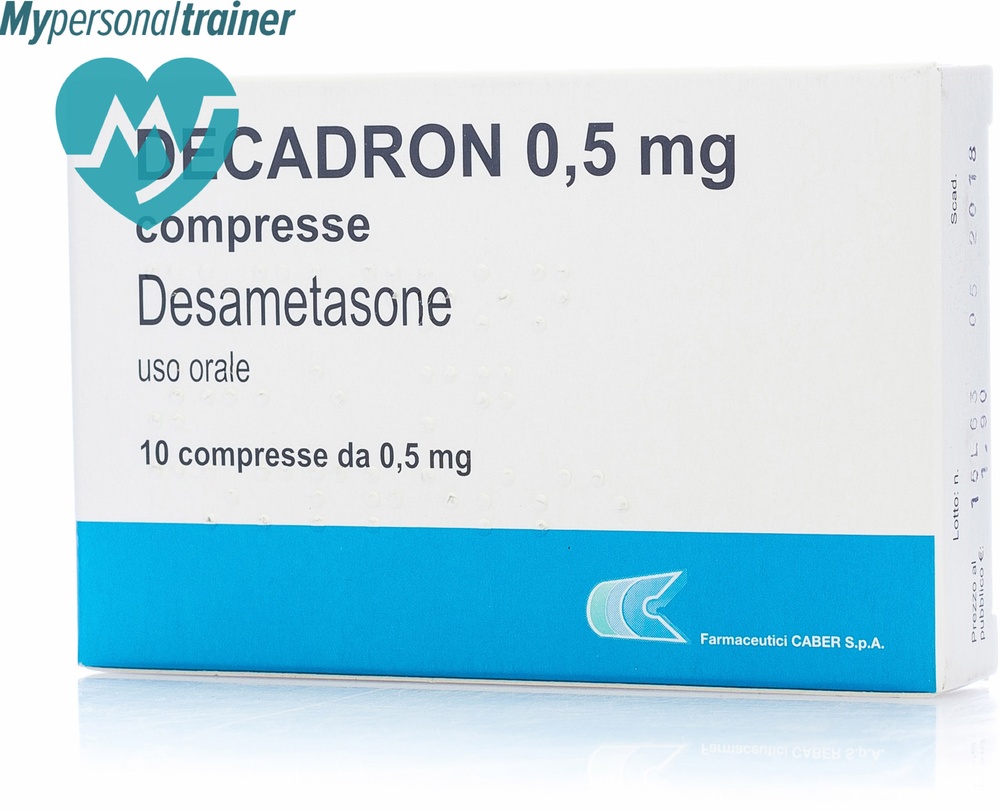
- Страна регистрации
- Форма выпускаTablet, 0.5 MG
- Код АТХH02AB02
- Действующее вещество
- Отпускается по рецептуДа
- Производитель
- Информация на этой странице носит справочный характер и не является медицинской консультацией. Перед началом приема лекарства обязательно проконсультируйтесь с врачом.
- Аналоги DEKADRONФорма выпуска: Injectable solution, 4MG/MLДействующее вещество: ДексаметазонПроизводитель: PFIZER ITALIA S.R.L.Отпускается по рецептуФорма выпуска: Injectable solution, 4 MG/MLДействующее вещество: ДексаметазонПроизводитель: HAMELN PHARMA GMBHОтпускается по рецептуФорма выпуска: Injectable or infusion solution, 4 MG/MLДействующее вещество: ДексаметазонПроизводитель: AS KALCEKSОтпускается по рецепту
Аналоги DEKADRON в других странах
Лекарства с тем же действующим веществом, доступные в других странах.
Аналог DEKADRON в Испания
Аналог DEKADRON в Польша
Аналог DEKADRON в Украина
Врачи онлайн по DEKADRON
Обсудите применение DEKADRON и возможные следующие шаги — по оценке врача.


Получите рецепт на DEKADRON онлайн
Заполните форму за 2 минуты
Расскажите о симптомах, истории болезни и нужном препарате.
Выберите врача или мы назначим
Выберите специалиста или мы подберём ближайшего доступного врача.
Врач рассматривает ваш случай
Обычно в течение 30 минут. Может задать уточняющие вопросы в чате.
Получите в любой аптеке
Электронный рецепт отправляется на вашу почту — действителен по всей Польше.
Часто задаваемые вопросы
DEKADRON требует рецепта в Италия. Вы можете уточнить у врача онлайн, подходит ли это лекарство для вашей ситуации.
Действующее вещество DEKADRON — Дексаметазон. Эта информация помогает определить лекарства с тем же составом под другими торговыми названиями.
DEKADRON производится компанией I.B.N. SAVIO S.R.L. Упаковка и торговое название могут отличаться в зависимости от дистрибьютора.
Врачи, включая Семейные врачи, Психиатры, Дерматологи, Кардиологи, Эндокринологи, Гастроэнтерологи, Пульмонологи, Нефрологи, Ревматологи, Гематологи, Инфекционисты, Аллергологи, Гериатры, Педиатры, Онкологи, могут оценить целесообразность применения DEKADRON с учетом вашей ситуации и местных правил. Вы можете записаться на онлайн-консультацию, чтобы обсудить возможные варианты.
Польша имеет хорошо развитую систему здравоохранения в крупных городах, таких как Варшава, Краков, Вроцлав и Гданьск. Аптеки широко доступны и работают в соответствии с действующим законодательством, обеспечивая доступ к рецептурным препаратам.
Вы можете купить DEKADRON в Варшаве, Кракове, Вроцлаве или Гданьске в любой аптеке при наличии действующего рецепта.
Чтобы получить рецепт, вы можете воспользоваться Oladoctor:
Другие лекарства с тем же действующим веществом (Дексаметазон) включают DESAMETASONE FOSFATO PFITSER, DESAMETASONE AMELN, DESAMETASONE KALKEKS. Они могут отличаться торговым названием или формой выпуска, но содержат одинаковый терапевтический компонент. Перед изменением лечения рекомендуется проконсультироваться с врачом.
