



DAPAGLIFLOZIN TEKNIJEN 5 mg Фильм-coated таблетки

Рассмотрение рецепта онлайн
Врач рассмотрит ваш случай и примет решение о назначении рецепта, если это медицински оправдано.

Поговорите с врачом об этом лекарстве
Обсудите симптомы и возможные дальнейшие шаги на онлайн-консультации.



Инструкция по применению DAPALYFLOTSIN TEKNIJEN
Содержание инструкции
- MEDICINE NAME
- QUALITATIVE AND QUANTITATIVE COMPOSITION
- PHARMACEUTICAL FORM
- 2 Dosage and Administration
- 3 Contraindications
- 4 Special warnings and precautions for use
- 5 Interactions with other medicinal products and other forms of interaction
- 6 Fertility, pregnancy and lactation
- 7 Effects on the ability to drive and operate machinery
- 8 Undesirable effects
- 9 Overdosage
- 2 Pharmacokinetic Properties
- 3 Preclinical Safety Data
- 2 Incompatibilities
- 3 Shelf life
- 4 Special precautions for storage
- 5 Nature and contents of container
- 6 Special precautions for disposal
- MARKETING AUTHORISATION HOLDER
- MARKETING AUTHORISATION NUMBER(S)
- DATE OF FIRST AUTHORIZATION/RENEWAL OF AUTHORIZATION
- DATE OF TEXT REVISION
SUMMARY OF PRODUCT CHARACTERISTICS
1. MEDICINE NAME
Dapaglifozin Tecnigen 5 mg film-coated tablets
Dapaglifozin Tecnigen 10 mg film-coated tablets
2. QUALITATIVE AND QUANTITATIVE COMPOSITION
Dapaglifozin Tecnigen 5 mg film-coated tablets
Each tablet contains dapagliflozin propanediol monohydrate equivalent to 5 mg of dapagliflozin.
Dapaglifozin Tecnigen 10 mg film-coated tablets
Each tablet contains dapagliflozin propanediol monohydrate equivalent to 10 mg of dapagliflozin.
For the complete list of excipients, see section 6.1.

Не уверены, подходит ли вам это лекарство?
Обсудите симптомы и варианты лечения с врачом онлайн.
3. PHARMACEUTICAL FORM
Film-coated tablet (tablet).
The 5 mg Dapagliflozin film-coated tablets are described as round, yellow film-coated tablets
with a diameter of 7.0 mm ± 0.2 mm, with "5" imprinted on one side.
The 10 mg Dapagliflozin film-coated tablets are described as oval, yellow film-coated tablets
with a length of 11.5 mm ± 0.2 mm and a width of 7.0 mm ± 0.2 mm.
4. CLINICAL INFORMATION
4.1 Therapeutic indications
Type 2 diabetes mellitus
Dapaglifozin Tecnigen is indicated in adult and paediatric patients aged 10 years and over, inadequately
controlled for the treatment of type 2 diabetes mellitus in addition to diet and exercise:
- as monotherapy when the use of metformin is considered inappropriate due to intolerance.
- In addition to other medicinal products for the treatment of type 2 diabetes.
For study results regarding combinations with other medicinal products, effects on glycaemic control,
cardiovascular and renal events, and studied populations, see sections 4.4, 4.5 and 5.1.
Heart failure
Dapaglifozin Tecnigen is indicated in adults for the treatment of symptomatic chronic heart failure.
Chronic kidney disease
Dapaglifozin Tecnigen is indicated in adults for the treatment of chronic kidney disease.
4.2 Dosage and Administration
Dosage
Type 2 diabetes mellitus
The recommended dose is 10 mg of dapagliflozin once daily.
When dapagliflozin is used in association with insulin or a medicinal product that stimulates insulin secretion, such as
a sulfonylurea, to reduce the risk of hypoglycemia, consideration should be given to administering a lower dose of
insulin or the insulin-secreting medicinal product (see sections 4.5 and 4.8).
Heart failure
The recommended dose is 10 mg of dapagliflozin once daily.
Chronic kidney disease
The recommended dose is 10 mg of dapagliflozin once daily.
Special populations
Renal impairment
No dose adjustment is required based on renal function.
In patients with GFR < 25 mL/min, due to limited experience, initiation of treatment with dapagliflozin is not recommended.
In patients with type 2 diabetes mellitus, the hypoglycemic efficacy of dapagliflozin is reduced when the
glomerular filtration rate (GFR) is < 45 mL/min, and is likely absent in patients with
severe renal impairment. Therefore, in patients with type 2 diabetes mellitus, if the GFR falls below
45 mL/min, if further glycemic control is needed, additional hypoglycemic treatment should be considered (see sections 4.4, 4.8, 5.1 and 5.2).
Hepatic impairment
No dose adjustment is necessary in patients with mild or moderate hepatic impairment.
In patients with severe hepatic impairment, a starting dose of 5 mg is recommended. If well tolerated,
the dose may be increased to 10 mg (see sections 4.4 and 5.2).
Elderly (≥ 65 years)
No dose adjustment is recommended based on age.
Paediatric population
No dose adjustment is required for the treatment of type 2 diabetes mellitus in children
aged 10 years and over (see sections 5.1 and 5.2). No data are available for children under
10 years of age.
The safety and efficacy of dapagliflozin for the treatment of heart failure or for the treatment
of chronic kidney disease in children < 18 years have not yet been established. No data are
available.
Route of administration
Dapaglifozin Tecnigen can be taken orally once daily regardless of meals in
any time of the day. The tablets should be swallowed whole.

Уже начали прием и появились вопросы?
Обсудите свое состояние и дальнейшие шаги с врачом онлайн.
4.3 Contraindications
Hypersensitivity to the active substance or to any of the excipients listed in section 6.1.
4.4 Special warnings and precautions for use
General
Dapagliflozin should not be used in patients with type 1 diabetes mellitus (see “Diabetic Ketoacidosis” in section 4.4).
Renal impairment
In patients with GFR < 25 mL/min, due to limited experience, initiation of treatment with dapagliflozin is not recommended.
The hypoglycemic efficacy of dapagliflozin depends on renal function, and is reduced in patients with GFR < 45 mL/min and is practically absent in patients with severe renal impairment (see sections 4.2, 5.1 and 5.2).
In a study conducted in patients with type 2 diabetes mellitus with moderate renal impairment (GFR < 60 mL/min), a higher proportion of patients treated with dapagliflozin had adverse reactions such as increased creatinine, phosphorus, parathyroid hormone (PTH) and hypotension, compared to placebo.
Hepatic impairment
There is limited experience in clinical studies in patients with hepatic impairment. Exposure to dapagliflozin was increased in patients with severe hepatic impairment (see sections 4.2 and 5.2).
Use in patients at risk of volume depletion, and/or hypotension
Due to its mechanism of action, dapagliflozin increases diuresis which may lead to a modest reduction in blood pressure observed in clinical studies (see section 5.1). The latter may be more pronounced in patients with very high blood glucose concentrations.
Caution should be exercised in patients for whom a blood pressure decrease induced by dapagliflozin may represent a risk, such as patients on antihypertensive therapy with a history of hypotension or elderly patients.
In case of intercurrent conditions that may lead to volume depletion (e.g. gastrointestinal diseases), careful monitoring of volume status (e.g. medical examination, blood pressure measurements, laboratory tests including hematocrit and electrolytes) is recommended. Temporary interruption of dapagliflozin treatment is recommended for patients who develop volume depletion until the depletion is corrected (see section 4.8).
Diabetic Ketoacidosis
Rare cases, including potentially life-threatening and fatal cases, of diabetic ketoacidosis (DKA) have been reported in patients treated with sodium-glucose co-transporter 2 (SGLT2) inhibitors, including dapagliflozin. In a number of reports, the clinical condition presented atypically, with only a moderate increase in blood glucose levels, less than 14 mmol/L (250 mg/dL).
The risk of diabetic ketoacidosis should be considered in case of non-specific symptoms such as nausea, vomiting, anorexia, abdominal pain, excessive thirst, difficulty breathing, confusion, unusual fatigue or drowsiness. If these symptoms occur, patients should be evaluated immediately for ketoacidosis, regardless of blood glucose levels.
In patients in whom DKA is suspected or diagnosed, treatment with dapagliflozin should be discontinued immediately.
Treatment should be discontinued in patients hospitalised for major surgical procedures or acute serious illness. In these patients, ketone monitoring is recommended. Measurement of ketone levels in the blood is preferable to that in the urine.
Treatment with dapagliflozin may be resumed when ketone values are normal and the patient's condition has stabilised.
Before initiating treatment with dapagliflozin, factors in the patient's history that may predispose to ketoacidosis should be considered.
Patients who may be at higher risk of DKA include patients with low beta-cell functional reserve (e.g. patients with type 2 diabetes with low peptide C or latent autoimmune diabetes in adults (LADA, latent autoimmune diabetes in adults)), patients with conditions that lead to reduced food intake or severe dehydration, patients for whom insulin doses are reduced and patients with increased insulin requirements due to acute illness, surgery or alcohol abuse. SGLT2 inhibitors should be used with caution in these patients.
Resumption of treatment with SGLT2 inhibitors in patients with previous DKA is not recommended, unless another triggering factor has been identified and resolved.
In studies of type 1 diabetes mellitus with dapagliflozin, DKA has been reported with a common frequency.
Dapagliflozin should not be used for treatment in patients with type 1 diabetes.
Necrotizing fasciitis of the perineum (Fournier's gangrene)
Subsequently to marketing authorization, cases of necrotizing fasciitis of the perineum (also known as Fournier's gangrene) have been reported in female and male patients treated with SGLT2 inhibitors (see section 4.8). This is a rare but serious and potentially life-threatening event that requires urgent surgical intervention and antibiotic therapy.
Patients should be advised to contact their doctor if they experience a combination of symptoms of pain, tenderness, erythema or swelling in the genital or perineal area, in association with fever or malaise. It should be remembered that necrotizing fasciitis may be preceded by a urogenital infection or perineal abscess. If Fournier's gangrene is suspected, Dapaglifozin Tecnigen should be discontinued and immediate treatment initiated (including antibiotics and surgical removal of tissues).
Urinary tract infections
Urinary glucose excretion may be associated with an increased risk of urinary tract infection; therefore, temporary interruption of dapagliflozin should be considered during the treatment of pyelonephritis or urinary sepsis.
Elderly (≥ 65 years)
Elderly patients may be more at risk of volume depletion and are more likely to be treated with diuretics.
Elderly patients are more likely to have reduced renal function and/or be treated with antihypertensive medications that can cause changes in renal function such as angiotensin converting enzyme (ACE) inhibitors and angiotensin receptor blockers type 1 (ARB). The same recommendations for renal function apply to elderly patients as to all patients (see sections 4.2, 4.4, 4.8 and 5.1).
Heart failure
Experience with dapagliflozin in NYHA Class IV is limited.
Infiltrative cardiomyopathy
Patients with infiltrative cardiomyopathy have not been studied.
Chronic kidney disease
For the treatment of chronic kidney disease in patients without diabetes who do not have albuminuria, there is no experience with dapagliflozin. Patients with albuminuria may benefit more from treatment with dapagliflozin.
Lower limb amputations
An increase in cases of lower limb amputations (mainly of the toes) has been observed in long-term clinical studies with type 2 diabetes mellitus conducted with SGLT2 inhibitors. It is not known whether this constitutes a class effect. It is important to advise diabetic patients to perform regular preventive foot care.
Urine tests
Due to its mechanism of action, patients taking Dapaglifozin Tecnigen will test positive for glucose in their urine.
4.5 Interactions with other medicinal products and other forms of interaction
Pharmacodynamic interactions
Diuretics
Dapagliflozin may increase the diuretic effect of thiazide and loop diuretics and may increase the risk
of dehydration and hypotension (see section 4.4).
Insulin and insulin secretagogues
Insulin and insulin secretagogues, such as sulfonylureas, cause hypoglycemia. Therefore, a lower dose of insulin or an insulin secretagogue may be required to reduce the risk
of hypoglycemia when used in combination with dapagliflozin in patients with type 2 diabetes
(see sections 4.2 and 4.8).
Pharmacokinetic interactions
Dapagliflozin is primarily metabolized through glucuronide conjugation mediated by
UDP glucuronosyltransferase 1A9 (UGT1A9).
In in vitrostudies, dapagliflozin did not inhibit cytochrome P450 (CYP) 1A2, CYP2A6, CYP2B6, CYP2C8,
CYP2C9, CYP2C19, CYP2D6, CYP3A4, nor did it induce CYP1A2, CYP2B6 or CYP3A4.
Therefore, dapagliflozin is not expected to alter the metabolic clearance of co-administered medicinal products
that are metabolized by these enzymes.
Effect of other medicinal products on dapagliflozin
Interaction studies conducted in healthy subjects, using primarily a single-dose design,
suggest that the pharmacokinetic profile of dapagliflozin is not altered by metformin, pioglitazone,
sitagliptin, glimepiride, voglibose, hydrochlorothiazide, bumetanide, valsartan or simvastatin.
Following co-administration with rifampicin (an inducer of several active transporters and enzymes that metabolize medicinal products), a 22% reduction in dapagliflozin systemic exposure (AUC) was observed, but without any clinically significant effect on urinary glucose excretion over 24 hours. No dose adjustment is recommended. A clinically relevant effect with other inducers (e.g. carbamazepine, phenytoin, phenobarbital) is not expected.
Following co-administration with mefenamic acid (a UGT1A9 inhibitor), a 55% increase in dapagliflozin systemic exposure was observed, but without any clinically significant effect on urinary glucose excretion over 24 hours. No dose adjustment is recommended.
Effect of dapagliflozin on other medicinal products
Dapagliflozin may increase the renal excretion of lithium and blood levels of lithium may decrease. Following
initiation of dapagliflozin and dose changes, serum lithium concentration should be monitored
more frequently. Please direct the patient to the physician who prescribed the lithium to monitor
serum lithium concentration.
In interaction studies conducted in healthy subjects, using primarily a single-dose design,
dapagliflozin did not alter the pharmacokinetic profiles of metformin, pioglitazone, sitagliptin, glimepiride,
hydrochlorothiazide, bumetanide, valsartan, digoxin (a substrate of P-glycoprotein,
P-gp) or warfarin (S-warfarin, a substrate of CYP2C9) nor the anticoagulant effects of warfarin measured
through INR. The co-administration of a single dose of dapagliflozin 20 mg and simvastatin (a CYP3A4 substrate) resulted in a 19% increase in simvastatin AUC and a 31% increase in simvastatin acid AUC. The increase in exposure to simvastatin and simvastatin acid is not considered
clinically relevant.
Interference with 1,5-anhydroglucitol (1,5-AG) assay
Monitoring of glycemic control through 1,5-AG assay is not recommended as 1,5-AG measurements are unreliable in assessing glycemic control in patients
taking SGLT2 inhibitors. Alternative methods for monitoring glycemic control are recommended.
Paediatric population
Interaction studies have only been performed in adults.
4.6 Fertility, pregnancy and lactation
Pregnancy
No data are available regarding the use of dapagliflozin in pregnant women. Studies in rats have shown
toxicity during the phase of kidney development which corresponds to the second and third trimester of pregnancy
in humans (see section 5.3). Consequently, the use of dapagliflozin is not recommended
during the second and third trimester of pregnancy.
When pregnancy is established, treatment with dapagliflozin must be discontinued.
Lactation
It is not known whether dapagliflozin and/or its metabolites are excreted in human milk. Available
pharmacodynamic/toxicological data in animals have shown the excretion of dapagliflozin/metabolites
in milk, as well as pharmacologically mediated effects in the suckling offspring (see section 5.3). The risk
to newborns/infants cannot be excluded. Dapagliflozin should not be used during lactation.
Fertility
The effect of dapagliflozin on fertility has not been studied in humans. In male and female rats,
dapagliflozin has not shown effects on fertility at any dose tested.
4.7 Effects on the ability to drive and operate machinery
Dapaglifozin Tecnigen does not alter or negligibly alters the ability to drive vehicles and operate machinery.
Patients must be warned of the risk of hypoglycemia when dapagliflozin is used in
association with a sulfonylurea or insulin.
4.8 Undesirable effects
Summary of the safety profile
Type 2 diabetes mellitus
In clinical studies in type 2 diabetes, more than 15,000 patients have been treated with dapagliflozin.
The primary assessment of safety and tolerability was conducted in a predefined pooled analysis of 13
short-term studies (up to 24 weeks) controlled with placebo, with 2,360 subjects treated with
dapagliflozin 10 mg and 2,295 treated with placebo.
In the dapagliflozin study on cardiovascular outcomes in type 2 diabetes mellitus (DECLARE study,
see section 5.1), 8,574 patients received dapagliflozin 10 mg and 8,569 received placebo
for a mean exposure time of 48 months. In total, there were 30,623 patient-years of exposure to
dapagliflozin.
The most frequently reported adverse reactions through clinical studies were genital infections.
Heart failure
In the dapagliflozin cardiovascular outcome study in patients with heart failure with reduced ejection fraction
(DAPA-HF study), 2,368 patients were treated with dapagliflozin 10 mg and 2,368
patients with placebo for a median exposure time of 18 months. The patient population
included patients with type 2 diabetes mellitus and patients without diabetes, and patients with eGFR ≥ 30
mL/min/1.73 m . In the dapagliflozin cardiovascular outcome study in patients with heart failure
with left ventricular ejection fraction > 40% (DELIVER), 3,126 patients were treated
with dapagliflozin 10 mg and 3,127 patients with placebo for an exposure time
of 27 months. The patient population included patients with type 2 diabetes mellitus and
patients without diabetes, and patients with eGFR ≥ 25 mL/min/1.73 m .
The overall safety profile of dapagliflozin in patients with heart failure was consistent
with the known safety profile of dapagliflozin.
Chronic kidney disease
The results of the dapagliflozin renal study (DAPA-CKD), conducted in patients with chronic kidney disease,
2,149 patients were treated with dapagliflozin 10 mg and 2,149 patients with placebo for a
median exposure time of 27 months. The patient population included patients with type 2 diabetes
mellitus and without diabetes, with eGFR from ≥ 25 to ≤ 75 mL/min/1.73 m and albuminuria (urinary albumin creatinine ratio [ACR] ≥ 200 and ≤ 5000 mg/g). Treatment was continued if the eGFR
fell to levels below 25 mL/min/1.73 m .
In patients with chronic kidney disease, the overall safety profile of dapagliflozin was consistent
with the known safety profile of dapagliflozin.
Table of adverse reactions
The following adverse reactions have been identified in controlled clinical studies with placebo and post-marketing
surveillance. None have been dose-related. The adverse reactions
listed below are classified according to frequency and system organ class (SOC).
Frequency categories are defined according to the following convention: very common (≥ 1/10), common
(≥ 1/100, < 1/10), uncommon (≥ 1/1,000, < 1/100), rare (≥ 1/10,000,
< 1/1,000), very rare (< 1/10,000), and not known (frequency cannot be estimated on the basis of
available data).
Table 1. Adverse reactions observed in controlled clinical studies with placeboaand in post-marketing experience
| Classification by system and organ | t Very common I | a Common* | Uncommon** | Rare | Very rare |
| Infections and infestations n e | z i a | Vulvovaginitis, balanitis and genital infections related*,b,c Urinary tract infection*,b,d | Fungal infection** | Necrotizing fasciitis of the perineum (Fournier's gangrene)b,i | |
| g Metabolism and A nutrition disorders | Hypoglycemia (when used with SU or insulin)b | Volume depletionb,e Thirst** | Diabetic ketoacidosis (when used in type 2 diabetes mellitus)b,i,k | ||
| Nervous system disorders | Dizziness |
| Gastrointestinal disorders | Constipation** Dry mouth** | ||||
| Skin and subcutaneous tissue disorders | Skin eruptionj | o c Angioedema | |||
| Musculoskeletal and connective tissue disorders | Back pain* | m a | |||
| Renal and urinary disorders | Dysuria Polyuria*,f | Nocturia** | r | Tubulo- interstitial nephritis | |
| Reproductive system and breast disorders | F Pruritus Vulvovaginal** Genital Pruritus** | a | |||
| Diagnostic tests | Increased hematocritg Reduced renal creatinine clearance during initial treatment n Dislipidemiah | l Increased creatinine and hematocrit d during initial treatment**,b a Increased blood urea** Weight decrease** |
Description of selected adverse reactions
Vulvovaginitis, balanitis and related genital infections
In the pooled data from 13 aggregated safety studies, vulvovaginitis, balanitis and related genital infections were
reported in 5.5% and 0.6% of subjects receiving dapagliflozin 10 mg and placebo, respectively. Most infections were mild to moderate, and subjects responded
to an initial course of treatment and rarely resolved with discontinuation of dapagliflozin treatment. These infections were more frequent in women (8.4% and 1.2% for dapagliflozin and
placebo, respectively), and subjects with a prior history were more likely to have a recurrent infection.
In the DECLARE study, the number of patients with serious genital infection adverse events were few
and balanced: 2 patients in each group of dapagliflozin and placebo.
In the DAPA-HF study, no patients reported serious genital infection adverse events in the dapagliflozin group and one in the placebo group. There were 7 (0.3%) patients with adverse events leading
to treatment discontinuation due to genital infections in the dapagliflozin group and none in the placebo group. In the DELIVER study, one patient (<0.1%) in each treatment group reported a
serious genital infection adverse event. There were 3 (0.1%) patients with adverse events leading to treatment discontinuation due to genital infections in the dapagliflozin group and none
in the placebo group. In the DAPA-CKD study, there were 3 (0.1%) patients with serious genital infection adverse events, in
the dapagliflozin group and none in the placebo group. There were 3 (0.1%) patients with adverse events leading to discontinuation due to genital infections in the dapagliflozin group and none
in the placebo group. No serious genital infection adverse events or adverse events leading to discontinuation due to genital infections were reported for any patients without diabetes.
Cases of phimosis/acquired phimosis have been reported in association with genital infections and, in some cases, circumcision has been necessary.
Necrotizing fasciitis of the perineum (Fournier's gangrene)
Post-marketing experience has revealed cases of Fournier's gangrene in patients
treated with SGLT2 inhibitors, including dapagliflozin (see section 4.4).
In the DECLARE study with 17,160 patients with type 2 diabetes mellitus and a median exposure
time of 48 months, a total of 6 cases of Fournier's gangrene were reported, one in the group treated
with dapagliflozin and 5 in the placebo group.
Hypoglycemia
The frequency of hypoglycemia depended on the type of background therapy used in clinical studies with diabetes
mellitus.
In dapagliflozin monotherapy studies, as add-on therapy to metformin, or as add-on therapy to sitagliptin (with or without metformin), the frequency of minor hypoglycemic episodes was similar (< 5%) between treatment groups, including placebo up to 102 weeks of
treatment. In all studies, major hypoglycemic events were uncommon and comparable between the
groups treated with dapagliflozin or placebo. Studies with sulfonylurea and insulin add-on therapies have
found higher rates of hypoglycemia (see section 4.5).
In a study with glimepiride add-on therapy, minor hypoglycemic episodes were reported more frequently at weeks 24 and 48 in the group treated with dapagliflozin 10 mg plus glimepiride
(6.0% and 7.9%, respectively), compared to the group treated with placebo plus glimepiride (2.1% and 2.1%,
respectively).
In a study with insulin add-on therapy, major hypoglycemic episodes were reported in 0.5% and 1.0% of subjects treated with dapagliflozin 10 mg plus insulin at weeks
24 and 104, and in 0.5% of subjects in the placebo plus insulin group at weeks 24 and 104.
Minor hypoglycemic episodes were reported at weeks 24 and 104, respectively in 40.3% and
53.1% of subjects who had received dapagliflozin 10 mg plus insulin and in 34.0% and 41.6% of subjects
who had received placebo plus insulin.
In a study with metformin and sulfonylurea add-on therapy up to 24 weeks, no
major hypoglycemic episodes were reported. Minor hypoglycemic episodes were reported in 12.8%
of subjects who had received dapagliflozin 10 mg plus metformin and a sulfonylurea and in 3.7% of
subjects who had received placebo plus metformin and a sulfonylurea.
In the DECLARE study, no increase in the risk of severe hypoglycemia was observed with dapagliflozin therapy in comparison to placebo. Severe hypoglycemic events were reported in 58 (0.7%)
patients treated with dapagliflozin and 83 (1.0%) patients treated with placebo.
In the DAPA-HF study, major hypoglycemic events were reported in 4 (0.2%) patients in
both the dapagliflozin and placebo treatment groups. In the DELIVER study, major hypoglycemic events were reported in 6 (0.2%) patients in the dapagliflozin group and in 7 (0.2%) in the placebo
group. Major hypoglycemic events were observed only in patients with type 2 diabetes mellitus.
- 2.
In the DAPA-CKD study, major hypoglycemic events were observed in 14 (0.7%) patients in
the dapagliflozin group and 28 (1.3%) patients in the placebo group and observed only in patients with type 2 diabetes
mellitus.
Volume depletion
In the pooled data from 13 safety studies, adverse reactions indicative of volume depletion
(including cases of dehydration, hypovolemia or hypotension) were reported in 1.1% and 0.7% of subjects treated
with dapagliflozin 10 mg and placebo, respectively. Serious reactions occurred in < 0.2% of subjects, balanced between dapagliflozin 10 mg and placebo (see section 4.4).
In the DECLARE study, the number of patients with events indicative of volume depletion were
balanced between treatment groups: 213 (2.5%) and 207 (2.4%) in the dapagliflozin and placebo groups,
respectively. 81 (0.9%) and 70 (0.8%) serious adverse events were reported in the dapagliflozin and placebo groups, respectively. Events were generally balanced between treatment groups in the
different age subgroups, diuretic use, blood pressure and use of angiotensin-converting enzyme (ACE) inhibitors/ angiotensin II receptor blockers (ARB). In patients with
eGFR < 60 mL/min/1.73 m at baseline, there were 19 serious adverse events indicative of volume depletion in the dapagliflozin group and 13 in the placebo group.
In the DAPA-HF study, the number of patients with events indicative of volume depletion were 170
(7.2%) in the dapagliflozin group and 153 (6.5%) in the placebo group. There was a smaller number of patients with
serious events of symptoms indicative of volume depletion in the dapagliflozin group (23 [1.0%]) compared to the
placebo group (38 [1.6%]). The results were similar regardless of the presence of diabetes at
baseline and eGFR at baseline. In the DELIVER study, the number of patients with serious events with symptoms
indicative of volume depletion were 35 (1.1%) in the dapagliflozin group and 31 (1.0%) in the placebo
group.
In the DAPA-CKD study, the number of patients with events indicative of volume depletion was 120
(5.6%) in the dapagliflozin group and 84 (3.9%) in the placebo group. There were 16 (0.7%) patients with
serious events of symptoms indicative of volume depletion in the dapagliflozin group and 15 (0.7%) patients
in the placebo group.
Diabetic ketoacidosis in type 2 diabetes mellitus
In the DECLARE study, with a median exposure time of 48 months, events of DKA
were reported in 27 patients in the 10 mg dapagliflozin group and in 12 patients in the placebo group. Events occurred evenly during the study period. Of the 27 patients with DKA events, 22
were receiving concomitant insulin therapy at the time of the event. Precipitating factors for
DKA were as expected in a type 2 diabetes mellitus population
(see section 4.4).
In the DAPA-HF study, DKA events were reported in 3 patients with type 2 diabetes mellitus in the
dapagliflozin group and none in the placebo group. In the DELIVER study, DKA events were reported
in 2 patients with type 2 diabetes mellitus in the dapagliflozin group and none in the placebo
group.
In the DAPA-CKD study, no DKA events were observed in any patient in the
dapagliflozin group and in 2 patients with type 2 diabetes mellitus in the placebo group.
Urinary tract infections
In the pooled data from 13 safety studies, urinary tract infections were reported more frequently for dapagliflozin 10 mg compared to placebo (4.7% vs 3.5%, respectively; see section
- 4.4). Most infections were mild to moderate, and subjects responded to an initial course of standard treatment, and rarely led to discontinuation of dapagliflozin treatment. Such infections were reported more frequently in women and subjects with a prior history were more likely to have a recurrent infection.
In the DECLARE study, serious urinary tract infection adverse events were reported less
frequently with dapagliflozin 10 mg compared to placebo, 79 (0.9%) events versus 109 (1.3%)
events, respectively.
In the DAPA-HF study, the number of patients with serious urinary tract infection adverse events were
14 (0.6%) in the dapagliflozin group and 17 (0.7%) in the placebo group. There were 5 (0.2%) patients
with adverse events leading to treatment discontinuation due to urinary tract infections in both the dapagliflozin and placebo groups. In the DELIVER study the number of patients with
serious urinary tract infection adverse events were 41 (1.3%) in the dapagliflozin group and 37 (1.2%) in the
placebo group. There were 13 (0.4%) patients with adverse events leading to treatment discontinuation due to urinary tract infections in the dapagliflozin group and 9 (0.3%) in the placebo
group.
In the DAPA-CKD study, the number of patients with serious urinary tract infection adverse events was
29 (1.3%) in the dapagliflozin group and 18 (0.8%) in the placebo group. There were 8 (0.4%) patients
with adverse events leading to discontinuations due to urinary tract infections in the dapagliflozin group and 3 (0.1%) in the placebo group. The number of patients without diabetes who experienced
serious urinary tract infection adverse events or adverse events leading to discontinuation due to urinary tract infections was similar between treatment groups (6 [0.9%] versus 4 [0.6%] for
serious adverse events and 1 [0.1%] versus 0 for adverse events leading to discontinuation,
respectively in the dapagliflozin and placebo groups).
Increased creatinine
Drug-related adverse reactions related to increased creatinine were grouped (e.g., reduced
renal creatinine clearance, renal impairment, increased plasma creatinine and reduced glomerular filtration rate). In the pooled data from 13 safety studies, this group of reactions was
reported in 3.2% and 1.8% of patients receiving dapagliflozin 10 mg and placebo,
respectively. In patients with normal or mildly impaired renal function (baseline eGFR ≥ 60 mL/min/1.73m ) this group of reactions was reported in 1.3% and
0.8% of patients receiving dapagliflozin 10 mg and placebo, respectively. These reactions
were more common in patients with baseline eGFR ≥ 30 and < 60 mL/min/1.73 m (18.5%
in patients treated with dapagliflozin 10 mg and 9.3% in those treated with placebo).
Further evaluation of the pati
la maggior parte ha avuto cambiamenti nei livelli di creatinina nel siero di ≤ 44 micromoli/L (≤ 0,5 mg/dL)
dal basale. Gli aumenti nei livelli di creatinina sono stati generalmente transitori durante il trattamento
continuo o reversibili dopo l’interruzione del trattamento.
Nello studio DECLARE, comprendente pazienti anziani e pazienti con compromissione renale (eGFR
inferiore a 60 mL/min/1,73 m ), l’eGFR è diminuito nel tempo in entrambi i gruppi di trattamento. A 1
anno, la media di eGFR era leggermente inferiore, e a 4 anni, l’eGFR medio era leggermente superiore
nel gruppo dapagliflozin rispetto al gruppo placebo.
Negli studi DAPA-HF e DELIVER, eGFR è diminuito nel tempo sia nel gruppo dapagliflozin che nel
gruppo placebo. Nello studio DAPA-HF, la diminuzione iniziale dell'eGFR medio è stata di -4,3
mL/min/1,73 m nel gruppo dapagliflozin e di -1,1 mL/min/1,73 m nel gruppo placebo. A 20 mesi, la
variazione rispetto al basale di eGFR era simile tra i gruppi di trattamento: -5,3 mL/min/1,73 m per
dapagliflozin e -4,5 mL/min/1,73 m per placebo. Nello studio DELIVER, la diminuzione dell'eGFR
medio a un mese è stata di -3,7 mL/min/1,73 m nel gruppo dapagliflozin e di -0,4 mL/min/1,73 m nel
gruppo placebo. A 24 mesi, la variazione rispetto al basale di eGFR era simile tra i gruppi di trattamento:
- 4,2 ml/min/1,73 m nel gruppo dapagliflozin e -3,2 ml/min/1,73 m nel gruppo placebo.
Nello studio DAPA-CKD, l'eGFR è diminuito nel tempo sia nel gruppo dapagliflozin che nel gruppo
placebo. La diminuzione iniziale (giorno 14) dell'eGFR medio è stata di -4,0 mL/min/1,73 m nel gruppo
dapagliflozin e di -0,8 mL/min/1,73 m nel gruppo placebo. A 28 mesi, la variazione rispetto al basale
dell'eGFR è stata di -7,4 mL/min/1,73 m nel gruppo dapagliflozin e di -8,6 mL/min/1,73 m
nel gruppo placebo.
Popolazione pediatrica
Il profilo di sicurezza di dapagliflozin osservato in uno studio clinico in bambini dai 10 anni di età in su
con diabete mellito di tipo 2 (vedere paragrafo 5.1) era simile a quello osservato negli studi sugli adulti.
Segnalazione delle reazioni avverse sospette
La segnalazione delle reazioni avverse sospette che si verificano dopo l’autorizzazione del medicinale è
importante, in quanto permette un monitoraggio continuo del rapporto beneficio/rischio del medicinale.
Agli operatori sanitari è richiesto di segnalare qualsiasi reazione avversa sospetta tramite il sistema
nazionale di segnalazione all’indirizzo https://www.aifa.gov.it/content/segnalazioni-reazioni-avverse.
4.9 Overdosage
Dapagliflozin administered at single oral doses up to 500 mg (50 times the maximum recommended dose
in humans) showed no evidence of toxicity in healthy subjects. These subjects had detectable
levels of glucose in the urine for a dose-related period of time (at least 5 days for 500 mg of
dose), without cases of dehydration, hypotension, or electrolyte imbalance, and without a clinically
relevant effect on the QTc interval. The incidence of hypoglycemia was similar to placebo. In clinical
studies in which single daily doses up to 100 mg
(10 times the maximum recommended dose in humans) were administered for 2 weeks in healthy subjects and with type 2 diabetes
mellitus, the incidence of hypoglycemia was slightly higher than placebo and was not dose related.
The rates of adverse event frequency including dehydration or hypotension were similar to
placebo, and there were no dose-related clinically relevant alterations in laboratory parameters,
including serum electrolyte levels and markers of renal function.
In case of overdose, appropriate supportive treatment should be implemented as required
by the patient's clinical condition. The elimination of dapagliflozin through hemodialysis has not
been studied.
5. PHARMACOLOGICAL PROPERTIES
5.1 Pharmacodynamic properties
Pharmacotherapeutic category: Drugs used in diabetes, sodium-glucose co-transporter inhibitors of
type 2 (SGLT2), ATC code: A10BK01
Mechanism of action
Dapagliflozin is a very potent (Ki: 0.55 nM), selective and reversible inhibitor of SGLT2.
Inhibition of SGLT2 by dapagliflozin reduces the reabsorption of glucose from glomerular filtrate in the proximal
renal tubule with a concomitant reduction in sodium reabsorption, leading to urinary glucose excretion and osmotic diuresis. Dapagliflozin also increases sodium release
at the distal tubule level, which increases tubuloglomerular feedback and reduces intraglomerular pressure. All of this, combined with osmotic diuresis, leads to a reduction in volume overload, blood pressure reduction, reduction in preload and afterload, which may have
beneficial effects on cardiac remodeling and diastolic function and preserve renal function. The
cardiac and renal benefits of dapagliflozin do not depend exclusively on the effect of reducing
glycemia and are not limited to patients with diabetes, as demonstrated in the DAPA-HF, DELIVER and
DAPA-CKD studies. Other effects include an increase in hematocrit and a reduction in body weight.
Dapagliflozin improves both fasting and postprandial glucose by reducing renal reabsorption of
glucose, leading to urinary glucose excretion. This glucose excretion (glycosuric effect) is
observed after the first dose, is continuous for a 24-hour administration interval, and is maintained
for the duration of treatment. The amount of glucose removed by the kidney through this mechanism
depends on blood glucose concentration and GFR. Therefore, in subjects with normal blood glucose levels, dapagliflozin has a low propensity to cause hypoglycemia. Dapagliflozin does not
impair normal endogenous glucose production in response to hypoglycemia. Dapagliflozin acts
independently of insulin secretion and insulin action. In clinical studies with
dapagliflozin, an improvement in the homeostasis model assessment of beta-cell function (HOMA beta-cell) has been observed.
SGLT2 is selectively expressed in the kidney. Dapagliflozin does not inhibit other glucose transporters
important for glucose transport in peripheral tissues and is > 1,400 times more selective for SGLT2
compared to SGLT1, the main transporter in the intestine responsible for glucose absorption.
Pharmacodynamic effects
Increases in the amount of glucose excreted in the urine of healthy subjects and those with type 2 diabetes
mellitus have been observed following the administration of dapagliflozin. Approximately 70 g of glucose per day
were excreted in the urine (corresponding to 280 kcal/day) at a dose of dapagliflozin of 10 mg/day
in subjects with type 2 diabetes mellitus for 12 weeks. Evidence has emerged confirming
prolonged glucose excretion in subjects with type 2 diabetes mellitus who received a dose
of 10 mg/day of dapagliflozin for up to 2 years.
This urinary glucose excretion, induced by dapagliflozin, also determines an osmotic diuresis and
increases in urine volume in subjects with type 2 diabetes mellitus. Increases in urine volume
in subjects with type 2 diabetes mellitus treated with 10 mg of dapagliflozin persisted up to 12
weeks and corresponded to approximately 375 mL/day. The increase in urine volume is
correlated with a small and transient increase in urinary sodium excretion, which was not associated
with alterations in serum sodium concentrations.
Urinary uric acid excretion also increased temporarily (for 3-7 days) and was associated
with a prolonged decrease in serum uric acid concentration. At 24 weeks, reductions in
serum uric acid concentrations ranged from -48.3 to -18.3 micromoles/L (from -0.87 to -0.33 mg/dL).
Clinical efficacy and safety
Type 2 diabetes mellitus
Improved glycemic control and reduction of cardiovascular and renal comorbidity and
mortality are integral parts of the treatment of type 2 diabetes.
Fourteen randomized, controlled, double-blind clinical studies with 7,056 adult subjects
with type 2 diabetes mellitus were conducted to evaluate the glycemic efficacy and safety of Dapaglifozin
Tecnigen; in these studies 4,737 subjects were treated with dapagliflozin. Twelve studies involved a
treatment period of 24 weeks, 8 studies had long-term extension phases from 24 to 80
weeks (up to a maximum total study duration of 104 weeks), one study had a treatment period of
28 weeks, and one study had a duration of 52 weeks with long-term extension of 52 and 104 weeks (total study duration of 208 weeks). The average duration of diabetes
ranged from 1.4 to 16.9 years. 50% of subjects had mild renal impairment and 11% had
moderate renal impairment. 51% of subjects were male, 84% were white,
8% were Asian, 4% were black, and 4% belonged to other racial groups. 81% of subjects
had a body mass index (BMI) 27. Two 12-week controlled studies versus placebo were also conducted in patients with type 2 diabetes not adequately controlled and
hypertension.
One cardiovascular outcomes study (DECLARE) was conducted with dapagliflozin 10 mg versus
placebo in 17,160 patients with type 2 diabetes mellitus with or without established cardiovascular disease to assess the effect on cardiovascular and renal events.
Glycemic control
Monotherapy
A double-blind, placebo-controlled study lasting
24 weeks (with a supplementary extension period) was conducted to evaluate the safety and efficacy of
Dapaglifozin Tecnigen monotherapy in subjects with type 2 diabetes mellitus not adequately
controlled. Treatment with dapagliflozin once daily produced statistically significant reductions (p < 0.0001) in glycated hemoglobin (HbA1c) compared to placebo (Table 2).
In the extension phase, the reductions in HbA1c persisted up to week 102 (a mean adjusted change from baseline of -0.61% and -0.17% with dapagliflozin 10 mg and
placebo, respectively).
Table 2. Results detected at week 24 (LOCFa) in a clinical study with dapagliflozin in
monotherapy controlled with placebo
Monotherapy
Dapagliflozin
10 mg
Placebo
N 70 75
HbA1c (%)
Baseline (mean)
Change from baselinec
Difference from placeboc
(95% CI)
8.01
- 0.89
- 0.66* (-0.96; -0.36) 7.79
- 0.23
Subjects (%) who achieved:
HbA1c < 7%
Adjusted for baseline values 50.8§ 31.6
Body weight (kg)
Baseline (mean)
Change from baselinec
Difference from placeboc
(95% CI)
94.13
- 3.16
- 0.97 (-2.20; 0.25) 88.77
- 2.19
Additional combination therapy (add-on)
In a non-inferiority study with active control, lasting 52 weeks (with extension periods of 52 and 104 weeks), Dapaglifozin Tecnigen was evaluated as add-on
therapy to metformin compared to a sulfonylurea (glipizide) as add-on therapy to metformin, in
subjects with inadequate glycemic control (HbA1c > 6.5% and ≤ 10%). The results showed a similar mean reduction in HbA1c from baseline to week 52, compared to glipizide,
thus demonstrating the non-inferiority of the treatment (Table 3). At week 104, the change
from baseline in the mean HbA1c was -0.32% for dapagliflozin and -0.14% for glipizide. At
week 208, the change from baseline in the mean HbA1c was -0.10% for dapagliflozin
and 0.20% for glipizide. At weeks 52, 104 and 208, a significantly lower percentage
of subjects in the dapagliflozin-treated group (3.5%, 4.3% and 5.0% respectively) experienced at least one hypoglycemic event compared to the glipizide-treated group (40.8%, 47.0%
and 50.0% respectively). The percentage of subjects remaining in the study at week 104 and week 208 was 56.2% and 39.7% for the dapagliflozin-treated group and 50.0% and 34.6% for the
glipizide-treated group.
Table 3. Results detected at week 52 (LOCFa) in an active-control study
comparing dapagliflozin versus glipizide as add-on therapy to metformin
Parameter
Dapagliflozin
+ metformin
Glipizide
+ metformin
N400 401
HbA1c (%)
Baseline (mean)
Change from baseline
Difference from
glipizide + metformin
(95% CI)
7.69
- 0.52 0.00 (-0.11; 0.11) 7.74
- 0.52
88.44
- 3.22
- 4.65* (-5.14; -4.17) 87.60 1.44 Body weight (kg)Baseline (mean) Change from baseline Difference from glipizide + metformin (95% CI)
Dapagliflozin in addition to metformin, glimepiride, metformin and a sulfonylurea, sitagliptin
(with or without metformin) or insulin produced statistically significant reductions in HbA1c
at week 24, compared to what was observed in subjects who received placebo (p <
0.0001; Tables 4, 5 and 6).
The reductions in HbA1c detected at week 24 persisted in the combination therapy studies (glimepiride and insulin) based on the data at week 48 (glimepiride) and up to
week 104 (insulin). At week 48, when added to sitagliptin (with or without
metformin), the mean adjusted changes from baseline for dapagliflozin 10 mg and for
placebo were -0.30% and 0.38% respectively. According to the add-on study to
metformin, the reductions in HbA1c were maintained up to week 102 (mean adjusted change
from baseline, equal to -0.78% and 0.02% for 10 mg and placebo, respectively). At week 104 for insulin (with or without the association
of oral hypoglycemic agents), the mean reductions in HbA1c compared to baseline were -0.71% and -0.06%
respectively for dapagliflozin 10 mg and placebo. At weeks 48 and 104 the dose of insulin
remained stable compared to baseline in subjects treated with dapagliflozin 10 mg at a mean dose of
76 IU/day. In the placebo group there was an average increase from baseline of 10.5
IU/day and 18.3 IU/day (mean of the average dose of 84 and 92 IU/day) at weeks 48 and 104. The
percentage of subjects remaining in the study at week 104 was 72.4% for the dapagliflozin-treated group and 54.8% for the placebo group.
Table 4. Results detected at week 24 (LOCFa) of clinical studies of dapagliflozin
controlled with placebo in additional combination therapy with metformin, or sitagliptin
(with or without metformin)
Additional combination therapy
MetforminDPP-4 inhibitors
(sitagliptin) ±
metformin
DapagliflozinPlaceboDapagliflozinPlacebo
10 mg10 mg
Nb135 137 223 224
HbA1c (%)
Baseline (mean) 7.92 8.11 7.90 7.97
Change from
baseline -0.84 -0.30 -0.45 0.04
Difference from
placebo -0.54 -0.48
(95% CI) (-0.74, -0.34) (-0.62, -0.34)
Subjects(%)who
achieved:
HbA1c < 7%
Adjusted for baseline values
- 40.6 25.9
Body weight (kg)
Baseline (mean) 86.28 87.74 91.02 89.23
Change from
baseline -2.86 -0.89 -2.14 -0.26
Difference from
placebo -1.97 -1.89
(95% CI) (-2.63, -1.31) (-2.37, -1.40)
Table 5. Results detected at week 24 in a placebo-controlled clinical study regarding the use of dapagliflozin in additional combination with sulfonylurea (glimepiride) or metformin and a sulfonylurea
Additional combination therapy
Sulfonylurea (glimepiride)Sulfonylurea + metformin2
Dapagliflozin
10 mg
PlaceboDapagliflozin
10 mg
Placebo
N 151 145 108 108
HbA1c (%)
Baseline (mean)
Change from
baseline
Difference from
placebo
(95% CI)
8.08
- 0.86
- 0.69*
(-0.89; -0.49)
8.15
- 0.13 8.24
- 0.17 8.07
- 0.82
- 0.68*
(-0.86; -0.51)
Subjects (%) who
achieved:
HbA1c < 7%
(LOCF)
Adjusted for
baseline values 31.7* 13.0 31.8* 11.1
Body weight (kg)
(LOCF)
Baseline (mean)
Change from
baseline
Difference from
placebo
80.56
- 2.26
- 1.54*
(-2.17; -0.92)
88.57
- 2.65
- 2.07*
(-2.79; -1.35)
80.94
- 0.72 90.07
- 0.58
(95% CI)
Table 6. Results detected at week 24 (LOCFa) in a placebo-controlled clinical study regarding the use of dapagliflozin in combination with insulin (alone or with oral hypoglycemic agents)
Placebo
+ insulin
± oral hypoglycemic agents
N194 193
HbA1c (%)
Baseline (mean)
Change from
baseline
Difference from
placebo
(95% CI)
Dapagliflozin 10 mg
+ insulin
± oral hypoglycemic agents
Parameter
8.46
- 0.30 8.58
- 0.90
- 0.60* (-0.74; -0.45)
94.21
0.02
8.58
- 0.90
- 0.60* (-0.74; -0.45) Body weight (kg)Baseline (mean) Change from baseline Difference from placebo (95% CI)
77.96
- 1.16
- 6.23* (-8.84; -3.63)
19.7**
73.96
5.08
11.0
Average daily dose
of
insulin (IU)
Baseline (mean)
Change from
baseline
Difference from
placebo
(95% CI)
Subjects with reduction
of
average daily insulin dose by at least 10%
(%)
In combination with metformin in patients naive to therapy
A total of 1236 patients naive to therapy with type 2 diabetes not adequately controlled (HbA1c ≥ 7.5% and ≤ 12%) participated in two active-controlled studies lasting 24 weeks to evaluate the efficacy and safety of dapagliflozin (5 mg or 10 mg) in combination with metformin in patients naive to therapy compared to monotherapy.
Treatment with dapagliflozin 10 mg in combination with metformin (up to 2000 mg per day) provided significant improvements in HbA1c compared to the individual components (Table 7) and led to a greater reduction in fasting plasma glucose (FPG, fasting plasma glucose) (compared to the individual components) and body weight (compared to metformin).
Table 7. Results detected at week 24 (LOCFa) in an active-controlled clinical study regarding the combination therapy of dapagliflozin and metformin in patients naive to therapy
Parameter
Dapagliflozin 10 mgDapagliflozin 10 mgMetformin
+
metformin
N 211 219 208
HbA1c (%)
Baseline (mean)
Change from
baselinec
Difference from
dapagliflozin
(95% CI)
Difference from
metformin
(95% CI)
9.03
- 1.44 9.03
- 1.45
- 0.01 (-0.22; 0.20) 9.10
- 1.98
- 0.53* (-0.74; -0.32)
- 0.54* (-0.75; -0.33)
Combination therapy with prolonged-release exenatide
In a controlled, double-blind, active-comparator study at 28 weeks, the combination of dapagliflozin and prolonged-release exenatide (a GLP-1 receptor agonist) was compared with dapagliflozin alone and prolonged-release exenatide alone in patients with inadequate glycemic control with metformin alone (HbA1c ≥ 8% and ≤ 12%). All treatment groups showed a reduction in HbA1c from baseline.
Combination treatment with dapagliflozin 10 mg and prolonged-release exenatide showed a greater reduction in HbA1c from baseline compared to dapagliflozin alone and prolonged-release exenatide alone (Table 8).
Table 8: Results of a 28-week study of dapagliflozin and prolonged-release exenatide versus dapagliflozin alone and prolonged-release exenatide alone, in combination with metformin (intent-to-treat patients)
Prolonged-release exenatide 2 mg
QW
+
placebo QD
N228230227
HbA1c (%)
Baseline (mean)
Change from
baseline
Mean difference in change from baseline between combination and single drug (95% CI)
Dapagliflozin 10 mg
QD
+
placebo QW
Dapagliflozin 10 mg
QD
+
prolonged-release exenatide 2 mg
ParameterQW
9.29
- 1.98 9.26
- 1.60
- 0.38** (-0.63; -0.13) Patients (%) whoachieved anHbA1c < 7%44.7 19.1 26.9 9.25
- 1.39
- 0.59* (-0.84; -0.34)
92.13
- 3.55 90.87
- 2.22
- 1.33* (-2.12; -0.55) 89.12
- 1.56
- 2.00* (-2.79; -1.20)
Fasting plasma glucose
Treatment with dapagliflozin 10 mg as monotherapy or as add-on therapy to metformin, glimepiride, metformin and a sulfonylurea, sitagliptin (with or without metformin) or insulin produced statistically significant reductions in FPG (from -1.90 to -1.20 mmol/L [from -34.2 to -21.7 mg/dL]) compared to placebo (from -0.33 to 0.21 mmol/L [from -6.0 to 3.8 mg/dL]). This effect was observed at week 1 of treatment and persisted in extension studies up to week 104.
The combination therapy of dapagliflozin 10 mg and prolonged-release exenatide resulted in significantly larger reductions in FPG at week 28: -3.66 mmol/L (-65.8 mg/dL), compared to -2.73 mmol/L (-49.2 mg/dL) for dapagliflozin alone (p < 0.001) and -2.54 mmol/L (-45.8 mg/dL) for exenatide alone (p < 0.001).
In a dedicated study, in diabetic patients with an eGFR of ≥ 45 to < 60 mL/min/1.73 m, treatment with dapagliflozin demonstrated a reduction in FPG at week 24: -1.19 mmol/L (-21.46 mg/dL) compared to -0.27 mmol/L (-4.87 mg/dL) for placebo (p=0.001).
Postprandial glucose
Treatment with dapagliflozin 10 mg as add-on therapy to glimepiride produced statistically significant reductions in postprandial glucose measured 2 hours after the meal at week 24, which persisted up to week 48.
Treatment with dapagliflozin 10 mg as add-on therapy to sitagliptin (with or without metformin) produced reductions in postprandial glucose measured 2 hours after the meal at week 24 that persisted up to week 48.
The combination therapy of dapagliflozin 10 mg and prolonged-release exenatide resulted in significantly larger reductions in postprandial glucose 2 hours after the meal at week 28 compared to either drug alone.
Body weight
Dapagliflozin 10 mg as add-on therapy to metformin, glimepiride, metformin and a sulfonylurea, sitagliptin (with or without metformin) or insulin produced a statistically significant decrease in body weight at week 24 (p < 0.0001, Tables 4 and 5). These effects persisted in long-term clinical studies. At 48 weeks the difference for dapagliflozin in combination with sitagliptin (with or without metformin) compared to placebo was -2.22 kg. At 102 weeks the difference for dapagliflozin in combination with metformin compared to placebo, or in combination with insulin compared to placebo was -2.14 and -2.88 kg, respectively.
As add-on therapy to metformin in a non-inferiority study with active control, dapagliflozin produced a statistically significant decrease in body weight compared to glipizide of – 4.65 kg at week 52 (p < 0.0001, Table 3) which persisted at weeks 104 and 208 (- 5.06 kg and - 4.38 kg, respectively).
The combination of dapagliflozin 10 mg and prolonged-release exenatide showed significantly larger reductions in body weight compared to either drug alone (Table 8).
A 24-week clinical study in 182 diabetic subjects using dual-energy X-ray absorptiometry (DXA, X-ray absorptiometry) to assess body composition showed a reduction with dapagliflozin 10 mg plus metformin compared to placebo plus metformin, respectively, of body weight and body fat mass, as measured by DXA, rather than lean mass or fluid loss. Treatment with Dapaglifozin Tecnigen plus metformin produced a numerical reduction in visceral adipose tissue compared to placebo plus metformin in a sub-study by magnetic resonance imaging.
Blood pressure
In a pre-defined pooled analysis of 13 placebo-controlled studies, treatment with dapagliflozin 10 mg produced a change from baseline in systolic blood pressure of -3.7 mmHg and diastolic blood pressure of -1.8 mmHg vs -0.5 mmHg (systolic blood pressure) and -0.5 mmHg (diastolic blood pressure) for the placebo group at week 24. Similar reductions were observed up to week 104.
The combination therapy of dapagliflozin 10 mg and prolonged-release exenatide resulted in a greater reduction in systolic blood pressure at week 28 (-4.3 mmHg) compared to dapagliflozin alone (-1.8 mmHg, p < 0.05) and prolonged-release exenatide alone (-1.2 mmHg, p < 0.01).
In two 12-week placebo-controlled studies, a total of 1,062 patients with type 2 diabetes not adequately controlled and hypertension (despite pre-existing stable treatment with ACE-I or ARB in one study and ACE-I or ARB plus another antihypertensive treatment in the other study) were treated with dapagliflozin 10 mg or placebo. At week 12 in both studies, dapagliflozin 10 mg plus usual antidiabetic treatment produced an improvement in HbA1c and reduced systolic blood pressure adjusted for placebo by an average of 3.1 and 4.3 mmHg, respectively.
In a dedicated study, in diabetic patients with an eGFR of ≥ 45 to < 60 mL/min/1.73 m, treatment with dapagliflozin demonstrated a reduction in systolic blood pressure at week 24: -4.8 mmHg compared to -1.7 mmHg for placebo (p < 0.05).
Glycemic control in patients with moderate renal impairment CKD 3A
(eGFR ≥ 45 to < 60 mL/min/1.73 m)
The efficacy of dapagliflozin was evaluated in a dedicated study with diabetic patients with eGFR ≥ 45 to < 60 mL/min/1.73 m who have inadequate glycemic control with usual treatment. Treatment with dapaglifozin led to a decrease in HbA1c and body weight compared to placebo (Table 9).
Table 9. Results at week 24 of a dapaglifozin-controlled study versus placebo in diabetic patients with an eGFR ≥ 45 to < 60 mL/min/1.73 m
Dapagliflozin
10 mg
Placebo
N159 161
HbA1c (%)
Baseline value (mean)
Change from baseline
Difference from placebo
(95% CI)
8.03
- 0.03 8.35
- 0.37
- 0.34* (-0.53; -0.15)
88.30
- 2.02 92.51
- 3.42
- 1.43* (-2.15; -0.69) Body weight (kg)Baseline value (mean) Percentage change from baseline Percentage difference from placebo (95% CI)
Patients with HbA1c at baseline ≥ 9%
In a pre-defined analysis of subjects with HbA1c at baseline ≥ 9.0%, treatment with dapagliflozin 10 mg
as monotherapy led to statistically significant reductions in HbA1c at week 24
(adjusted mean change from baseline: -2.04% and 0.19% for dapagliflozin 10 mg and placebo,
respectively) and in additional combination with metformin (adjusted mean change from baseline:
- 1.32% and -0.53% for dapagliflozin and placebo, respectively).
Cardiovascular and renal outcomes
The effects of dapagliflozin on cardiovascular events (DECLARE) is an international,
multicentre, randomized, double-blind, placebo-controlled study conducted to determine
the effect of dapagliflozin versus placebo on cardiovascular outcomes when added to therapy in
place. All patients had type 2 diabetes mellitus and at least two other additional cardiovascular risk
factors (age ≥ 55 years in men or ≥ 60 years in women and one or more of
dyslipidemia, hypertension or tobacco use) or established cardiovascular disease.
Of the 17,160 randomized patients, 6,974 (40.6%) had established cardiovascular disease and
- 10,186 (59.4%) did not have known cardiovascular disease. 8,582 patients were randomized to dapagliflozin 10 mg and 8,578 to placebo, and were followed for a mean of 4.2 years.
The mean age of the study population was 63.9 years, 37.4% were women. In total, 22.4%
had been diagnosed with diabetes ≤ 5 years, the mean duration of diabetes was 11.9 years. The mean
of HbA1c was 8.3% and the mean of BMI was 32.1 kg/m².
At baseline, 10.0% of patients had a history of heart failure. The mean of eGFR was
85.2 mL/min/1.73 m², 7.4% of patients had an eGFR < 60 mL/min/1.73 m², and 30.3% of patients
had micro- or macroalbuminuria (ACR ≥ 30 to ≤ 300 mg/g or > 300 mg/g, respectively).
Many of the patients (98%) were using one or more medications for diabetes at baseline, including metformin
(82%), insulin (41%) and sulfonylurea (43%).
The primary endpoints were the time to first event of the composite of cardiovascular death,
myocardial infarction or ischemic stroke (MACE) and the time to first event of hospitalization for
heart failure or cardiovascular death. The secondary endpoints were a composite renal endpoint and all-cause mortality.
Major adverse cardiovascular events
Dapagliflozin 10 mg demonstrated non-inferiority versus placebo for the composite of cardiovascular death,
myocardial infarction and ischemic stroke (p one-sided < 0.001).
Heart failure and cardiovascular death
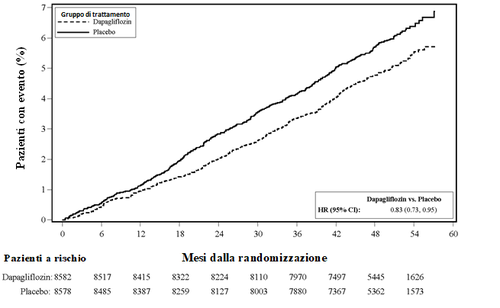
Dapagliflozin 10 mg demonstrated superiority versus placebo in the prevention of the composite of
hospitalization for heart failure or cardiovascular death (Figure 1). The difference
in therapeutic effect was driven by hospitalization for heart failure, with no difference in cardiovascular death (Figure 2).
The benefit of dapagliflozin treatment versus placebo was observed for patients with or
without established cardiovascular disease and with or without heart failure at baseline, and was
consistent across subgroups including age, gender, renal function (eGFR) and region.
Figure 1: Time to first event of hospitalization for heart failure or cardiovascular death.
Patients at risk is the number of patients at risk at the beginning of the period.
HR=Hazard ratio CI=Confidence interval.
The results of the primary and secondary endpoints are illustrated in Figure 2. The superiority of
dapagliflozin over placebo was not demonstrated for MACE (p=0.172). The composite renal endpoint and all-cause mortality were, therefore, not tested within the confirmatory testing procedure.
Figure 2: Treatment effects for the primary composite endpoints and their components, and
secondary endpoints
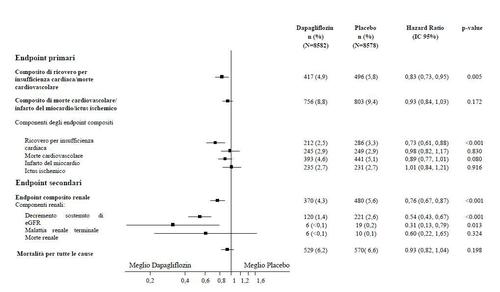
The composite renal endpoint was defined as: sustained and confirmed ≥ 40%
decrease in eGFR to eGFR <60 mL/min/1.73 m² and/or end-stage renal disease (dialysis ≥ 90 days or kidney transplant,
sustained and confirmed eGFR < 15 mL/min/1.73 m²) and/or renal or cardiovascular death.
P-values were two-sided. P-values for secondary endpoints and for individual components are
nominal. Time to first event was analyzed using the Cox proportional hazards model. The
number of first adverse events for individual components is the current number of first events for each
component and does not sum to the number of events in the composite endpoint.
CI=confidence interval.
Nephropathy
Dapagliflozin reduced the incidence of events of the composite of sustained and
confirmed eGFR decrease, end-stage renal disease, renal or cardiovascular death. The difference
between groups was driven by reductions in the renal component events; sustained decrease of eGFR, end-stage renal disease and renal death (Figure 2).
The hazard ratio (HR) for time to nephropathy (sustained decrease in eGFR, end-stage
renal disease and renal death) was 0.53 (95% CI 0.43; 0.66) for dapagliflozin versus placebo.
In addition, dapagliflozin reduced the new onset of sustained albuminuria (HR 0.79 [95%
CI 0.72; 0.87]) and led to greater regression of macroalbuminuria (HR 1.82 [95% CI
1.51; 2.20]) compared with placebo.
Heart failure
DAPA-HF study: Heart failure with reduced ejection fraction (LVEF ≤ 40%)
Dapagliflozin and Prevention of Adverse Outcomes in Heart Failure (DAPA-HF) was a
international, multicentre, randomized, double-blind, placebo-controlled study in patients
with heart failure (New York Heart Association [NYHA] functional class II-IV) with reduced ejection fraction (left ventricular ejection fraction [LVEF] ≤ 40%) to determine the effect of
dapagliflozin versus placebo, when added to standard of care therapy, on the incidence of cardiovascular death and worsening heart failure.
Of the 4,744 patients, 2,373 were randomized to dapagliflozin 10 mg and 2,371 to placebo and followed
for a median of 18 months. The mean age of the study population was 66 years, 77% were male.
At baseline, 67.5% of patients were classified as NYHA class II, 31.6% in class III and
0.9% in class IV, median LVEF was 32%, 56% of heart failures were of ischemic origin, 36% were non-ischemic and 8% were of unknown etiology. In each treatment
group, 42% of patients had a history of type 2 diabetes mellitus, and an additional 3% of
patients in each group were classified as having type 2 diabetes mellitus on the
basis of an HbA1c ≥ 6.5% measured at both enrollment and randomization. Patients were on
standard of care therapy for heart failure; 94% of patients were treated with ACE-I, ARB or angiotensin receptor-neprilysin inhibitor (ARNI, 11%), 96% with beta-
blocker, 71% with a mineralocorticoid receptor antagonist (MRA), 93% with diuretic and 26%
had an implantable device (with defibrillator function).
Patients with eGFR ≥ 30 mL/min/1.73 m² were included in the study at enrollment.
The mean eGFR was 66 mL/min/1.73 m², 41% of patients had eGFR< 60 mL/min/1.73 m² and
15% had eGFR < 45 mL/min/1.73 m².
Cardiovascular death and worsening heart failure
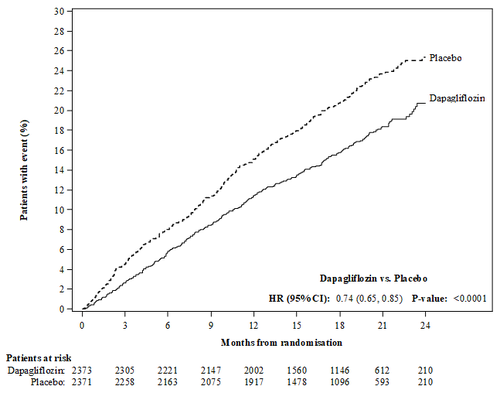
Dapagliflozin was superior to placebo in preventing the primary composite endpoint of cardiovascular death,
hospitalization for heart failure or urgent visit for heart failure
(HR 0.74 [95% CI 0.65; 0.85], p < 0.0001). The effect was observed early and was maintained
throughout the duration of the study (Figure 3).
Figure 3: Time to first event of the composite of cardiovascular death,
hospitalization for heart failure or urgent visit for heart failure
Patients with event (%)
Months from randomization
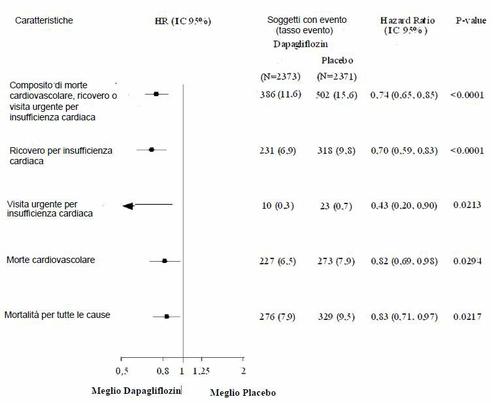
All three components of the primary composite endpoint contributed individually to the treatment effect (Figure 4). There were few urgent visits for heart failure.
Figure 4: Treatment effects for the primary composite endpoint, its components, and
all-cause mortality
Dapagliflozin also reduced the total number of events of hospitalization for heart failure
(first and recurrent) and cardiovascular death; there were 567 events in the dapagliflozin group versus
742 events in the placebo group (Rate Ratio 0.75 [95% CI 0.65;0.88]; p=0.0002).
The benefit of dapagliflozin treatment was observed in patients with heart failure with or
without type 2 diabetes mellitus. Dapagliflozin reduced the primary composite endpoint
of incidence of cardiovascular death and worsening heart failure with an HR of 0.75
(95% CI 0.63; 0.90) in patients with diabetes and 0.73 (95% CI 0.60; 0.88) in patients without diabetes.
The benefit of dapagliflozin treatment versus placebo on the primary endpoint was consistent
also in other key subgroups, including those with concomitant heart failure therapy,
renal function (eGFR), age, gender and region.
Patient-reported outcome – heart failure symptoms
The effect of dapagliflozin treatment on heart failure symptoms was assessed by the
Kansas City Cardiomyopathy Questionnaire Total Symptom Score (KCCQ-TSS), which quantifies
the frequency and severity of heart failure symptoms, including fatigue, peripheral edema,
dyspnea and orthopnea. The score ranges from 0 to 100, with higher scores representing better
health status.
Treatment with dapagliflozin led to a statistically significant and clinically
meaningful benefit versus placebo in heart failure symptoms, as measured by the
change from baseline to month 8 in the KCCQ-TSS, (Win Ratio 1.18 [95% CI 1.11; 1.26]; p < 0.0001).
Both the frequency and severity of symptoms contributed to the findings. The benefit was seen both
in improvement of heart failure symptoms and in preventing worsening of
heart failure symptoms.
In the analysis of responders, the proportion of patients with a clinically meaningful improvement on the KCCQ-TSS from baseline to 8 months, defined as an increase of 5
points or more, was higher for the dapagliflozin treatment group compared with placebo. The
proportion of patients with a clinically meaningful worsening, defined as a decrease
of 5 points or more, was lower for the dapagliflozin treatment group compared with placebo. The
benefits observed with dapagliflozin remained when applying more conservative limits for a
clinically more significant change (Table 10).
Table 10. Number and percentage of patients with clinically significant improvement and
worsening on the KCCQ-TSS at 8 months
| Change from baseline to 8 months: | Dapagliflozin 10 mg n=2086 | Placebo n=2062 | ||
| Improvement | n (%) improved | n (%) improved | Odds Ratio (95% CI) | p-value |
| ≥ 5 points | 933 (44.7) | 794 (38.5) | 1.14 (1.06; 1.22) | 0.0002 |
| ≥ 10 points | 689 (33.0) | 579 (28.1) | 1.13 (1.05; 1.22) | 0.0018 |
| ≥ 15 points | 474 (22.7) | 406 (19.7) | 1.10 (1.01; 1.19) | 0.0300 |
| Worsening | n (%) worsened | n (%) worsened | Odds Ratio (95% CI) | p-value |
| ≥ 5 points | 537 (25.7) | 693 (33.6) | 0.84 (0.78; 0.89) | <0.0001 |
| ≥ 10 points | 395 (18.9) | 506 (24.5) | 0.85 (0.79; 0.92) | <0.0001 |
Nephropathy
There were few events of the composite renal endpoint (a confirmed and sustained decrease of
eGFR ≥ 50%, ESKD, or renal death); the incidence was 1.2% in the dapagliflozin group and 1.6%
in the placebo group.
DELIVER Study: Heart Failure with Left Ventricular Ejection Fraction > 40%
Dapagliflozin Evaluation to Improve the LIVEs of Patients with PReserved Ejection Fraction Heart
Failure (DELIVER) was an international, multicentre, randomized, double-blind,
placebo-controlled study conducted in patients aged ≥ 40 years with heart failure (NYHA class
II-IV) with LVEF > 40% and evidence of structural heart disease, to determine the effect of dapagliflozin
versus placebo on the incidence of cardiovascular death and worsening of heart failure.
Of the 6,263 patients, 3,131 were randomized to dapagliflozin 10 mg and 3,132 to placebo and
followed for a median of 28 months. The study included 654 (10%) patients with subacute heart failure
(defined as randomized during hospitalization for heart failure or within 30 days
of discharge). The mean age of the study population was 72 years and 56% were male.
At baseline, 75% of patients were classified as NYHA class II, 24% class III and 0.3% class
IV. The median LVEF was 54%, 34% of patients had LVEF ≤ 49%, 36% had LVEF 50-
59% and 30% had LVEF ≥ 60%. In each treatment group, 45% had a history of type 2
diabetes mellitus. Background therapy included ACEi/ARB/ARNI (77%), beta-blockers (83%), diuretics
(98%) and MRA (43%).
The mean eGFR was 61 mL/min/1.73 m2, 49% of patients had eGFR < 60 mL/min/1.73 m2, the
23% had eGFR < 45 mL/min/1.73 m2 and 3% had eGFR < 30 mL/min/ 1.73 m2.
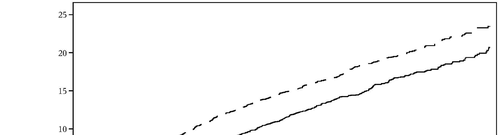
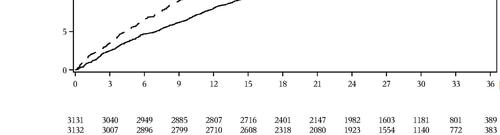
Dapagliflozin was superior to placebo in reducing the incidence of the primary composite endpoint of
cardiovascular death, hospitalization for heart failure or urgent visit for heart failure (HR 0.82 [95% CI 0.73, 0.92]; p=0.0008) (Figure 5).
Figure 5: Time to first occurrence of composite of cardiovascular death, hospitalization for
heart failure or urgent visit for heart failure

An urgent visit for heart failure was defined as an urgent and unplanned assessment by a physician, e.g. in an emergency room, requiring treatment for
| cience cardiaca (d | Miveesir dsaoll ad raan udnom siezzmazpiolniece | increase in oral diuretics). |
| Patients at risk Dapagliflozin: | |
| a |
An urgent visit for heart failure was defined as an urgent and unplanned assessment
by a physician, e.g. in an emergency room, requiring treatment for the worsening
of heart failure (other than a simple increase in oral diuretics).
Patients at risk: number of patients at risk at the start of the period.
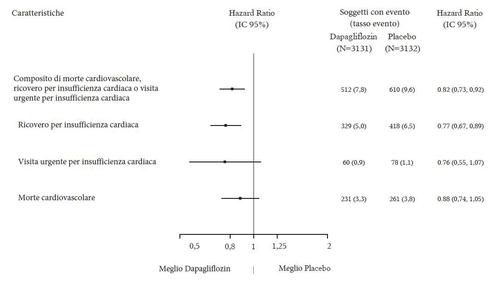
Figure 6 presents the contribution of the three components of the primary composite endpoint to the treatment effect.
Figure 6: Treatment effects for the primary composite endpoint and its components
An urgent visit for heart failure was defined as an urgent and unplanned assessment by a physician, e.g. in an emergency room, requiring treatment for the
worsening of heart failure (other than a simple increase in oral diuretics).
The number of first events for the individual components is the actual number of first events for each
component and does not sum to the number of events in the composite endpoint.
Event rates are presented as the number of subjects with an event per 100 patient-years of
observation ( follow-up). Cardiovascular death, presented here as a component of the primary
endpoint, was tested under formal type 1 error control also as a secondary endpoint.
Dapagliflozin was superior to placebo in reducing the total number of heart failure events (defined as hospitalization, first and recurrent, for heart failure or urgent visits for
heart failure) and cardiovascular death; 815 events occurred in the dapagliflozin group
compared to 1057 events in the placebo group (Rate Ratio 0.77 [95% CI 0.67, 0.89]; p=0.0003).
The treatment benefit of dapagliflozin versus placebo on the primary endpoint was observed
in subgroups of patients with LVEF ≤ 49%, 50-59% and ≥ 60%. The effects were consistent also in other
key subgroups stratified e.g. by age, sex, NYHA class, NT-proBNP level, subacute status
and type 2 diabetes mellitus status.
Patient-reported outcome - heart failure symptoms
Treatment with dapagliflozin resulted in a statistically significant benefit versus
placebo in heart failure symptoms, as measured by the change in KCCQ-TSS at month
8 compared to baseline, (Win Ratio 1.11 [95% CI 1.03, 1.21]; p=0.0086). Both symptom frequency and
symptom burden contributed to the results.
In responder analyses, the percentage of patients experiencing a moderate (≥ 5 points) or large (≥ 14 points) worsening in KCCQ-TSS at month 8 compared to baseline was lower in the
dapagliflozin treatment group; 24.1% of patients treated with dapagliflozin versus 29.1%
with placebo experienced a moderate worsening (Odds Ratio 0.78 [95% CI 0.64, 0.95]) and
13.5% of patients treated with dapagliflozin versus 18.4% with placebo experienced a large
worsening (Odds Ratio 0.70 [95 %CI 0.55, 0.88]). The proportion of patients with a small to moderate improvement (≥ 13 points) or a large improvement (≥ 17 points) did not differ between treatment groups.
Heart Failure in the DAPA-HF and DELIVER studies
In an aggregated analysis of DAPA-HF and DELIVER, the HR for dapagliflozin versus placebo
on the composite of cardiovascular death, hospitalization for heart failure or urgent visit
for heart failure was 0.78 (95% CI 0.72, 0.85), p < 0.0001. The treatment effect was
consistent across the range of LVEF, without attenuation of the effect as a function of LVEF.
In a pre-specified subject-level aggregated analysis of the DAPA-HF and DELIVER studies,
dapagliflozin versus placebo reduced the risk of cardiovascular death (HR 0.85 [95% CI 0.75,
0.96], p=0.0115). Both studies contributed to the effect.
Chronic Kidney Disease
The study to evaluate the effect of Dapagliflozin on renal outcomes and cardiovascular mortality in
patients with chronic kidney disease (DAPA-CKD) was an international, multicentre,
randomized, double-blind, placebo-controlled study in patients with chronic kidney disease (CKD)
with eGFR from ≥ 25 to 75 mL/min/1.73 m and albuminuria (ACR ≥ 200 and ≤ 5000 mg/g) to determine,
versus placebo, the effect of dapagliflozin, when added to standard background therapy, on the incidence
of the composite endpoint of sustained ≥ 50% decline in eGFR, end-stage kidney disease (ESKD) (defined as sustained eGFR < 15 mL/min/1.73 m , chronic dialysis treatment
or kidney transplant), cardiovascular or renal death.
Of the 4,304 patients, 2,152 were randomized to dapagliflozin 10 mg and 2,152 to placebo and followed
for a median of 28.5 months. Treatment was continued if, during the study, eGFR declined to
levels below 25 mL/min/1.73 m and could continue in cases where dialysis was required.
The mean age of the study population was 61.8 years, 66.9% were male. At baseline, the mean eGFR
was 43.1 mL/min/1.73 m and the median ACR was 949.3 mg/g, 44.1% of patients had eGFR from
30 to < 45 mL/min/1.73 m and 14.5% had eGFR < 30 mL/min/1.73 m . 67.5% of patients had
type 2 diabetes mellitus. Patients were on standard of care (SOC) therapy; 97.0% of patients were treated
with an angiotensin-converting enzyme (ACE) inhibitor or an angiotensin receptor blocker (ARB).
The study was stopped early for efficacy prior to the planned analysis based on a
recommendation from the Independent Data Monitoring Committee. Dapagliflozin was superior
to placebo in preventing the primary composite endpoint of a sustained ≥ 50% decline in
eGFR, progression to end-stage kidney disease, cardiovascular or renal death.
Based on the Kaplan-Meier curve, the time to first occurrence of the primary composite endpoint, the treatment effect was evident starting at 4 months and was maintained
throughout the study (Figure 7).
Figure 7: Time to first occurrence of the composite endpoint of sustained ≥ 50% decline in
eGFR, end-stage kidney disease, cardiovascular or renal death
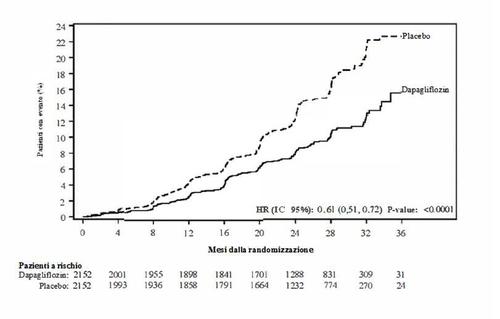
All four components of the primary composite endpoint individually contributed to the treatment effect. Dapagliflozin also reduced the incidence of the composite endpoint of sustained ≥ 50% decline in eGFR, end-stage kidney disease or
renal death and the composite endpoint of cardiovascular death and hospitalization for
heart failure. In patients with chronic kidney disease, treatment with dapagliflozin
improved overall survival, with a significant reduction in all-cause mortality (Figure 8).
Figure 8: Effects of treatment on the composite primary and secondary (endpoints) objectives, their individual components, and all-cause mortality
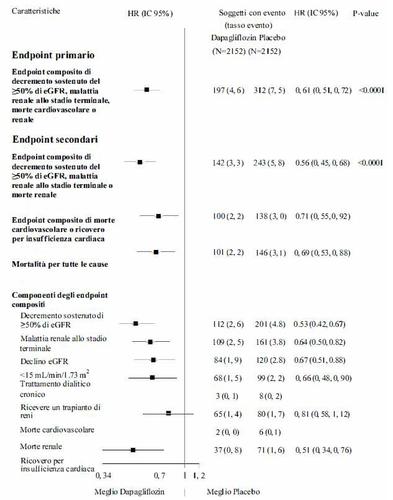
The benefit of dapagliflozin treatment was consistent in patients with chronic kidney disease with and without type 2 diabetes mellitus. Dapagliflozin reduced the composite primary ( endpoint) objective of a sustained ≥ 50% decline in eGFR, end-stage renal disease, cardiovascular or renal death by an HR of 0.64 (95% CI 0.52; 0.79) in patients with type 2 diabetes mellitus and 0.50 (95% CI 0.35; 0.72) in patients without diabetes.
The benefit of dapagliflozin treatment compared to placebo on the primary ( endpoint) objective was also consistent in other key subgroups, including eGFR levels, age, sex, and region.
Paediatric population
Type 2 diabetes mellitus
In a clinical study of children and adolescents aged 10 to 24 years with type 2 diabetes mellitus, 39 patients were randomised to dapagliflozin 10 mg and 33 to placebo, in addition to metformin, insulin or a combination of metformin and insulin. At the time of randomisation, 74% of patients were <18 years of age. The adjusted mean change in HbA1c for dapagliflozin versus placebo from baseline to week 24 was -0.75% (95% CI -1.65, 0.15).
In the < 18 years age group, the adjusted mean change in HbA1c for dapagliflozin versus placebo was -0.59% (95% CI -1.66, 0.48). In the ≥ 18 years age group, the adjusted mean change from baseline in HbA1c was -1.52% in the dapagliflozin-treated group (n=9) and 0.17% in the placebo-treated group (n=6). Efficacy and safety were similar to those observed in the adult population treated with dapagliflozin. Safety and tolerability were further confirmed in a 28-week safety extension of the study.
Heart failure and chronic kidney disease
The European Medicines Agency has waived the requirement to submit the results of studies with dapagliflozin in all paediatric population subgroups for the prevention of cardiovascular events in patients with chronic heart failure and in the treatment of chronic kidney disease (see section 4.2 for information on paediatric use).
5.2 Pharmacokinetic Properties
Absorption
Dapagliflozin is rapidly and effectively absorbed after oral administration. Maximum plasma concentrations (Cmax) of dapagliflozin are generally reached within 2 hours of administration under fasting conditions. The geometric mean of Cmax and AUCτ values of dapagliflozin at steady state, detected following the administration of a single daily dose of dapagliflozin 10 mg, are respectively 158 ng/mL and 628 ng hour/mL. The absolute oral bioavailability of dapagliflozin following the administration of a 10 mg dose is 78%. Co-administration with a high-fat meal reduced the Cmax of dapagliflozin by up to 50% and prolonged the Tmax by approximately 1 hour, but did not alter the AUC compared to what was observed under fasting conditions. These changes are not considered clinically significant. Therefore, Dapaglifozin Tecnigen can be taken with or without food.
Distribution
Dapagliflozin is bound to proteins by approximately 91%. Protein binding was not altered in the presence of various disease states (e.g., renal impairment or hepatic impairment). The apparent volume of distribution of dapagliflozin at steady state was 118 liters.
Biotransformation
Dapagliflozin is extensively metabolized, primarily to dapagliflozin 3-O-glucuronide, which is an inactive metabolite. Dapagliflozin 3-O-glucuronide or other metabolites do not contribute to the hypoglycemic effects. The formation of dapagliflozin 3-O-glucuronide is mediated by UGT1A9, an enzyme present in the liver and kidney, and the CYP-mediated metabolic pathway represented a secondary clearance route in humans.
Elimination
The mean terminal plasma half-life (t1/2) of dapagliflozin was 12.9 hours following the administration of a single oral dose of dapagliflozin 10 mg in healthy subjects. The mean total systemic clearance of dapagliflozin, administered intravenously, was 207 mL/min. Dapagliflozin and its metabolites are eliminated primarily through urinary excretion, with less than 2% as unchanged dapagliflozin. Following the administration of a [ 14C]-dapagliflozin 50 mg dose, 96% was recovered, 75% in the urine and 21% in the feces. In the feces, approximately 15% of the dose was excreted as parent drug.
Linearity
Exposure to dapagliflozin increased proportionally to the increase in the dapagliflozin dose in the range of 0.1-500 mg and its pharmacokinetic profile did not change over time following repeated daily administrations for up to 24 weeks.
Special Populations
Renal Impairment
At steady state (20 mg of dapagliflozin administered once daily for 7 days), subjects with type 2 diabetes mellitus and mild, moderate, or severe renal impairment (as defined based on plasma iohexol clearance) exhibited mean systemic exposures to dapagliflozin of 32%, 60%, and more than 87%, respectively, compared to those of patients with type 2 diabetes mellitus and normal renal function. Urinary glucose excretion over 24 hours at steady state was highly dependent on renal function, and 85, 52, 18, and 11 g of glucose/day were excreted in subjects with type 2 diabetes mellitus and normal or mild, moderate, or severe renal impairment, respectively. The impact of hemodialysis on dapagliflozin exposure is unknown. The effect of reduced renal function on systemic exposure was evaluated in a population pharmacokinetic model. Consistent with previous findings, the model-predicted AUC was higher in patients with chronic kidney disease compared to patients with normal renal function and was not significantly different in patients with chronic kidney disease with and without type 2 diabetes mellitus.
Hepatic Impairment
In subjects with mild or moderate hepatic impairment (Child-Pugh A and B classes), mean Cmax and AUC values for dapagliflozin were up to 12% and 36% higher, respectively, compared to those observed in matched healthy control subjects. These differences were not considered clinically significant. In subjects with severe hepatic impairment (Child-Pugh C class), mean Cmax and AUC values for dapagliflozin were 40% and 67% higher, respectively, compared to matched healthy controls.
Elderly (≥ 65 years)
No clinically relevant increase in exposure is observed based solely on age in subjects up to 70 years. However, an increase in exposure may be predicted due to age-related decline in renal function. Sufficient data are not available to draw conclusions regarding exposure in patients > 70 years of age.
Pediatric Population
The pharmacokinetic and pharmacodynamic (glycosuria) profile in children with type 2 diabetes mellitus aged 10-17 years were similar to those observed in adults with type 2 diabetes mellitus.
Sex
The mean AUCss of dapagliflozin in women was estimated to be approximately 22% higher than that observed in men.
Ethnicity
No clinically relevant differences in systemic exposures were observed between White, Black, or Asian subjects.
Body Weight
Exposure to dapagliflozin has been shown to decrease with increasing body weight. Consequently, patients with reduced body weight may sometimes have increased exposure and subjects with high body weight may sometimes have reduced exposure. However, the relative differences in exposure were not considered clinically significant.
5.3 Preclinical Safety Data
Preclinical data do not reveal any particular risks for humans based on conventional pharmacology
safety studies, repeated-dose toxicity, genotoxicity, carcinogenic potential and fertility. Dapagliflozin
did not induce tumors in mice or rats at any of the doses evaluated in two-year carcinogenicity studies.
Reproductive and developmental toxicity
Direct administration of dapagliflozin to young, recently weaned rats and indirect exposure during the
late phase of pregnancy (time periods corresponding to the second and third trimesters of pregnancy
with respect to human renal development) and during lactation are each associated with an increase in the
incidence and/or severity of renal tubular and pelvic dilations in the offspring.
In a toxicity study conducted on young animals, when dapagliflozin was directly administered to young
rats starting from the 21st day to the 90th day after birth, renal tubular and pelvic dilations were detected
at all dose levels; offspring exposure to the lowest dose tested was ≥ 15 times the maximum recommended
dose in humans. These results were associated with dose-related increases in kidney weight and macroscopic
kidney enlargement detected at all dosages. Dilations of the renal pelvis and tubules, observed in young
animals, did not completely disappear within an approximate recovery period of 1 month.
In a single prenatal and postnatal development study, some rat mothers were treated from the 6th day of
gestation to the 21st day after birth, while the offspring were exposed indirectly in uteroand during the
entire lactation period (a satellite study was conducted to evaluate exposures to dapagliflozin in milk and
offspring). An increase in the incidence or severity of renal pelvic dilation was observed in the offspring
of treated mothers, although only at the maximum dose tested (mother and offspring exposures associated
with dapagliflozin were 1,415 times and 137 times the values observed in humans at the maximum
recommended dose, respectively). Further developmental toxicity was limited to dose-related reductions in
offspring body weight and was observed only at dosages ≥ 15 mg/kg/ day(associated with offspring exposures
that are ≥ 29 times the values observed in humans at the maximum recommended dose). Toxicity in mothers
was evident only at the maximum dose tested, and was limited to transient reductions in body weight and
food consumption upon dose administration. The no-observed-adverse-effect level (NOAEL) for
developmental toxicity, at the minimum dose tested, is associated with a multiple systemic maternal exposure
that is approximately 19 times the human value at the maximum recommended dose in humans.
In further embryo-fetal development studies conducted on rats and rabbits, dapagliflozin was
administered at intervals coinciding with the most important stages of organogenesis in each species. No
form of toxicity in mothers or development was observed in rabbits at any dose tested; the maximum dose
tested is associated with a multiple systemic exposure of approximately
- 1,191 times the maximum recommended dose in humans. In rats, dapagliflozin did not appear
embryolethal or teratogenic at exposures up to 1,441 times the maximum recommended dose in humans.
6. PHARMACEUTICAL INFORMATION
6.1 List of excipients
Tablet core
Microcrystalline cellulose (type SMCC 50)
Croscarmellose sodium
Mannitol (type M 100)
Talc
Magnesium stearate
Film coating
Polyvinyl alcohol
Titanium dioxide (E171)
Macrogol/ polyethylene glycol
Talc
Yellow iron oxide (E172).
6.2 Incompatibilities
Not applicable.
6.3 Shelf life
2 years
6.4 Special precautions for storage
This medicinal product does not require any particular storage conditions.
6.5 Nature and contents of container
OPA grey opaque blister pack (Polyamide 25 µm + Aluminium 45 µm + PVC 60 µm)
sealed with 20 µm aluminium foil.
Dapaglifozin Tecnigen 5 mg film-coated tablets
Packs of 14 and 28 film-coated tablets.
Dapaglifozin Tecnigen 10 mg film-coated tablets
Packs of 14 and 28 film-coated tablets.
Not all pack sizes may be marketed.
6.6 Special precautions for disposal
Unused medicine and waste derived from this medicine must be disposed of in accordance with
current local regulations.
7. MARKETING AUTHORISATION HOLDER
Tecnigen S.r.l.
Via Galileo Galilei 40
Cinisello Balamo 20092 MI - Italy
8. MARKETING AUTHORISATION NUMBER(S)
- 051232015 - "5 mg film-coated tablets" 14 tablets in OPA/AL/PVC blister
- 051232027 - "5 mg film-coated tablets" 28 tablets in OPA/AL/PVC blister
- 051232039 - "10 mg film-coated tablets" 14 tablets in OPA/AL/PVC blister
- 051232041 - "10 mg film-coated tablets" 28 tablets in OPA/AL/PVC blister
9. DATE OF FIRST AUTHORIZATION/RENEWAL OF AUTHORIZATION
Date of first authorization:
10. DATE OF TEXT REVISION
- Страна регистрации
- Форма выпускаFilm-coated tablet, 5 MG
- Код АТХA10BK01
- Действующее вещество
- Отпускается по рецептуДа
- Производитель
- Информация на этой странице носит справочный характер и не является медицинской консультацией. Перед началом приема лекарства обязательно проконсультируйтесь с врачом.
- Аналоги DAPALYFLOTSIN TEKNIJENФорма выпуска: Film-coated tablet, 5 MGДействующее вещество: dapagliflozinПроизводитель: AUROBINDO PHARMA (ITALIA) S.R.L.Отпускается без рецептаФорма выпуска: Film-coated tablet, 5 MGДействующее вещество: dapagliflozinПроизводитель: DOC GENERICI SRLОтпускается по рецептуФорма выпуска: Film-coated tablet, 5 mgДействующее вещество: dapagliflozinПроизводитель: TEVA B.V.Отпускается без рецепта
Аналоги DAPALYFLOTSIN TEKNIJEN в других странах
Лекарства с тем же действующим веществом, доступные в других странах.
Аналог DAPALYFLOTSIN TEKNIJEN в Испания
Аналог DAPALYFLOTSIN TEKNIJEN в Польша
Аналог DAPALYFLOTSIN TEKNIJEN в Украина
Врачи онлайн по DAPALYFLOTSIN TEKNIJEN
Обсудите применение DAPALYFLOTSIN TEKNIJEN и возможные следующие шаги — по оценке врача.


Получите рецепт на DAPALYFLOTSIN TEKNIJEN онлайн
Заполните форму за 2 минуты
Расскажите о симптомах, истории болезни и нужном препарате.
Выберите врача или мы назначим
Выберите специалиста или мы подберём ближайшего доступного врача.
Врач рассматривает ваш случай
Обычно в течение 30 минут. Может задать уточняющие вопросы в чате.
Получите в любой аптеке
Электронный рецепт отправляется на вашу почту — действителен по всей Польше.
Часто задаваемые вопросы
DAPALYFLOTSIN TEKNIJEN требует рецепта в Италия. Вы можете уточнить у врача онлайн, подходит ли это лекарство для вашей ситуации.
Действующее вещество DAPALYFLOTSIN TEKNIJEN — dapagliflozin. Эта информация помогает определить лекарства с тем же составом под другими торговыми названиями.
DAPALYFLOTSIN TEKNIJEN производится компанией TECNIGEN S.R.L.. Упаковка и торговое название могут отличаться в зависимости от дистрибьютора.
Врачи, включая Семейные врачи, Психиатры, Дерматологи, Кардиологи, Эндокринологи, Гастроэнтерологи, Пульмонологи, Нефрологи, Ревматологи, Гематологи, Инфекционисты, Аллергологи, Гериатры, Педиатры, Онкологи, могут оценить целесообразность применения DAPALYFLOTSIN TEKNIJEN с учетом вашей ситуации и местных правил. Вы можете записаться на онлайн-консультацию, чтобы обсудить возможные варианты.
Польша имеет хорошо развитую систему здравоохранения в крупных городах, таких как Варшава, Краков, Вроцлав и Гданьск. Аптеки широко доступны и работают в соответствии с действующим законодательством, обеспечивая доступ к рецептурным препаратам.
Вы можете купить DAPALYFLOTSIN TEKNIJEN в Варшаве, Кракове, Вроцлаве или Гданьске в любой аптеке при наличии действующего рецепта.
Чтобы получить рецепт, вы можете воспользоваться Oladoctor:
Другие лекарства с тем же действующим веществом (dapagliflozin) включают DAPALYFLOTSIN AUROBINDO, DAPALYFLOTSIN DOK, DAPALYFLOTSIN TEVA. Они могут отличаться торговым названием или формой выпуска, но содержат одинаковый терапевтический компонент. Перед изменением лечения рекомендуется проконсультироваться с врачом.
