



COFACT 250 IU Порошок и раствор для инъекционного раствора

Рассмотрение рецепта онлайн
Врач рассмотрит ваш случай и примет решение о назначении рецепта, если это медицински оправдано.

Поговорите с врачом об этом лекарстве
Обсудите симптомы и возможные дальнейшие шаги на онлайн-консультации.



Инструкция по применению KOFAKT
Содержание инструкции
- Cofact 250 UI powder and solvent for injectable solution.
- Cofact 500 UI powder and solvent for injectable solution.
Cofact 250 UI powder and solvent for injectable solution.
Human prothrombin complex
Read this leaflet carefully before using this medicine as it contains important
information for you.
- Keep this leaflet. You may need to read it again.
- If you have any questions, ask your doctor or pharmacist.
- If any side effects occur, including those not listed in this leaflet, tell your doctor or pharmacist. See section 4.
Contents of this leaflet:
- 1. What Cofact is and what it is used for
- 2. What you need to know before using Cofact
- 3. How to use Cofact
- 4. Possible side effects
- 5. How to store Cofact
- 6. Contents of the pack and other information
1. What is Cofact and what is it used for?
Cofact contains, as active ingredients, factors II, VII, IX and X, which are factors of human blood coagulation.
These factors are normal constituents of human blood, commonly called Prothrombin Complex.
They are vitamin K dependent. If there is a deficiency of one or more of these factors, blood coagulation disorders may occur.
As a result of this, there is an increased tendency to bleeding. The administration of Cofact serves to supplement this deficiency,
combating or preventing bleeding.
Cofact can be used for:
The treatment or prevention of bleeding as a result of
- acquired deficiency of the prothrombin complex coagulation factors. For example, in cases of deficiency caused by treatment with medicines that reduce the effect of vitamin K antagonists of vitamin K) or by an overdose of such antagonists, when acute correction of the deficiency is necessary.
- congenital deficiencies of one of the vitamin K dependent coagulation factors, when purified and specific coagulation factors are not available.
2. What you need to know before using Cofact
Do not use Cofact
- If you are allergic (hypersensitive) to any of the active ingredients or to any of the other ingredients of this medicine (listed in section 6).
1/19
Warnings and precautions
Talk to your specialist doctor for coagulation problems before using Cofact.
- If you have an acquired deficiency of vitamin K-dependent coagulation factors (e.g. caused by treatment with vitamin K antagonists), Cofact should only be used when rapid correction of prothrombin complex levels is necessary, such as in the case of severe bleeding or emergency surgery. In other cases, it is usually sufficient to reduce the dose of the vitamin K antagonist and/or administer vitamin K.
- If you are receiving vitamin K antagonists you may incur a greater risk of blood clots. In this case, treatment with Cofact may increase this risk.
- If you were born with a deficiency of one of the vitamin K-dependent coagulation factors (congenital deficiency), specific coagulation factors should be used when available.
- If an allergic or anaphylactic reaction occurs, the administration of Cofact must be stopped immediately. There is a risk of thrombosis or disseminated intravascular coagulation (e.g. formation of blood clots in blood vessels) when you receive Cofact, particularly when you receive it repeatedly.
- Your doctor will check if the administration of Cofact involves a risk of thrombosis (see section 4., Possible side effects). The following individuals have a greater chance of developing thrombosis: o individuals who have had a heart attack or who have (or still have) other coronary artery disease o individuals with liver disease o newborns o individuals about to undergo or who have recently undergone surgery o individuals with a greater likelihood of having coagulation complications (e.g. with a history of thrombo-embolic events or disseminated intravascular coagulation)
Your doctor will carefully evaluate the benefits of treatment with Cofact in relation to the risks of these
complications.
Viral safety
When medicines are produced from human blood or plasma, certain
measures are taken to avoid the transmission of infections to patients.
These include:
- careful selection of blood and plasma donors to ensure that those at risk of transmitting infections are excluded,
- testing of each donation and plasma pool for signs of viruses/infections,
- inclusion of virus inactivation/removal processes during the processing of blood or plasma. Nevertheless, when administering medicinal products prepared from human blood or plasma, the possibility of transmitting infectious agents cannot be completely excluded. This is also valid for unknown or emerging viruses or other types of infections. The measures taken are considered effective against enveloped viruses such as the human immunodeficiency virus (HIV), the hepatitis B virus (HBV), the hepatitis C virus (HCV) and the non-enveloped hepatitis A virus (HAV). The measures taken may have limited efficacy against other non-enveloped viruses such as Parvovirus B19. Infection with Parvovirus B19 can be severe in pregnant women (fetal infection) and
2/19
for those patients with a weakened immune system or who suffer from certain types of anemia (e.g.
sickle cell anemia or hemolytic anemia).
It is strongly recommended that the name and batch number of the product are recorded each time you
receive a dose of Cofact, in order to maintain traceability of the batches used.
Children and adolescents
No data are available on the use of Cofact in children and adolescents.
Other medicines and Cofact
Tell your doctor or pharmacist if you are taking, have recently taken or might take
any other medicines, including medicines obtained without a prescription.
No information is available on possible interactions between Cofact and other medicines, except
for anticoagulants.
Pregnancy and breastfeeding
If you are pregnant, suspect you are pregnant, are planning to become pregnant or are breastfeeding with breast
milk, ask your doctor for advice before taking this medicine.
If you are pregnant or breastfeeding, your doctor will prescribe Cofact only if necessary.
Driving and using machines
No studies have been conducted on the effects on the ability to drive and use machines.
Cofact contains sodium
Cofact contains up to 448 mg of sodium (the main component of table salt) per 100 ml.
This is equivalent to up to 22% of the maximum daily recommended intake of sodium for adults.
This should be taken into consideration if you are on a low-sodium diet.
3. How to use Cofact
Your therapy must be initiated, administered and monitored by a physician experienced in the
treatment of coagulation disorders.
Your physician will determine the amount of Cofact you need for the treatment or prevention of
bleeding following the use of anticoagulants or in case of congenital deficiency of one of the
coagulation factors dependent on vitamin K.
The exact dose depends on
- the severity of your condition
- your weight
- the coagulation factors you need
- the amount of these factors in your blood (your blood level).
In case of congenital deficiency of coagulation factors, it is important to regularly monitor their
levels in the blood.
If you take more Cofact than you should
Your physician must regularly check the state of your blood coagulation during the
treatment. High doses of prothrombin complex concentrate have been associated with episodes of
3/19
myocardial infarction, disseminated intravascular coagulation and increased formation of blood clots
in blood vessels in patients at risk of such complications.
4. Possible side effects
Like all medicines, this medicine can cause side effects, although not everybody gets them.
The following side effects have been observed:
Common(may affect up to 1 in 10 people):
- There is a risk of blood clot formation (see section 2). Uncommon(may affect up to 1 in 100):
- There is a risk of a drop in blood pressure. The frequency of the following side effects is Not known(the frequency cannot be estimated on the basis of the available data):
- Hypersensitivity or allergic reactions (see section 2)
- Heart attack
- Nausea, vomiting
- Redness at the infusion site, irritation at the infusion site, swelling at the infusion site, discomfort
- Transient increase in liver function tests
- Stroke, dizziness
- Pulmonary embolism, difficulty breathing
- Excessive sweating, itching, urticaria, rash
Patients with a deficiency of one of the coagulation factors II, VII, IX or X may develop
antibodies against these factors as a consequence of Cofact use. In this case, the product's
activity will not be optimal.
Reporting of side effects
If you get any side effects, even those not listed in this leaflet, tell your doctor or pharmacist. You can also report side effects directly through the Italian Medicines Agency Website: http://www.aifa.gov.it/content/segnalazioni-reazioni-avverse .
By reporting side effects you can help provide more information on the safety of
this medicine.
5. How to store Cofact
Keep this medicine out of the sight and reach of children.
Do not use this medicine after the expiry date which is stated on the package and on the label of the
vial after EXP.
The expiry date refers to the last day of that month.
Store in a refrigerator (2 C - 8 C). Do not freeze. Store the vial in the outer packaging
to protect the medicine from light.
Cofact can be stored at 25℃ or at lower temperatures for a maximum of six months.
The date on which it was brought to room temperature must be marked on the packaging. If the
product is not used during these six months of storage at room temperature, it must
be discarded.
4/19
Once the product has been removed from the refrigerator, it must not be returned to the refrigerator.
The stability of the dissolved product has been demonstrated for up to 3 hours at 15-25℃. However, the dissolved product must be used immediately, to avoid contamination.
Do not dispose of any medicine in wastewater or household waste. Ask your pharmacist how to
dispose of medicines that you no longer use. This will help protect the environment.
6. Contents of the pack and other information
What Cofact contains
- The active ingredients are coagulation factors II, VII, IX and X and other active ingredients are protein C and protein S.
- One vial of Cofact 250 IU contains 250 IU of factor IX; 140 - 350 IU of factor II;
- 70 - 200 IU of factor VII and 140 - 350 IU of factor X; 111 – 390 IU of protein C; 10 – 80 IU of protein S. After dissolving the powder in the supplied water for injectable preparations, the ready-to-use injectable solution contains:
- Not less than 14 IU and not more than 35 IU of factor II per ml;
- Not less than 7 IU and not more than 20 IU of factor VII per ml;
- 25 IU of factor IX per ml;
- Not less than 14 IU and not more than 35 IU of factor X per ml;
- Not less than 11 IU and not more than 39 IU of protein C per ml;
- Not less than 1 IU and not more than 8 IU of protein S per ml;
The other ingredients are trisodium citrate dihydrate, sodium chloride and antithrombin.
Description of the appearance of Cofact and contents of the pack
Cofact is available as powder and solvent for injectable solution.
Cofact powder for injectable solution appears as a bluish powder. The solvent is a clear,
colourless liquid, free from visible particles. The ready-to-use injectable solution is bluish in colour.
Contents of the 250 IU box:
- One vial of powder of 250 IU.
- One vial with 10 ml of water for injectable preparations.
- a transfer needle. Not all packs may be marketed.
Marketing Authorisation Holder and Manufacturer
Prothya Biosolutions Netherlands B.V.
Plesmanlaan 125
NL-1066 CX Amsterdam
Netherlands
Tel: + 31 (0)20 5123355
This medicinal product is authorised in the Member States of the European Economic Area with the following
denominations:
Austria, Belgium, Finland, France, Germany, Iceland, Italy, Luxembourg, Netherlands and Spain:
Cofact.
Sweden: Thyaplex
5/19
This leaflet was last updated on
---------------------------------------------------------------------------------------------------------------------------
The following information is intended exclusively for healthcare professionals:
Qualitative and quantitative composition
Cofact is presented as powder and solvent for injectable solution containing human prothrombin complex. The product contains nominally the following IU of human coagulation factors as reported in the following table:
Cofact 250 IU After
reconstitution*
(IU/ml)
Active ingredients
Coagulation factor II 140 – 350 14 – 35
Coagulation factor VII 70 – 200 7 – 20
Coagulation factor IX 250 25
Coagulation factor X 140 – 350 14 – 35
Other active ingredients
Protein C 111 – 390 11 – 39
Protein S 10 – 80 1 – 8
The total protein content per 250 IU vial is 130 - 350 mg. The specific activity of the
product is ≥0.6 IU/mg, expressed as factor IX activity.
The activities of all coagulation factors, as well as Proteins C and S (antigens) have been
tested in accordance with WHO or European Pharmacopoeia standards.
After reconstitution, this medicine contains 125 – 195 mmol of sodium/l, up to 44.8 mg of sodium
per 250 IU vial.
Dosage and method of administration
Dosage
The following are only general guidelines for dosage. Treatment must be initiated
under the supervision of a physician specialist in the treatment of coagulation disorders. The
dosage and duration of replacement therapy depend on the severity of the condition, the site and
extent of the bleeding, as well as the patient's clinical condition.
The dose and frequency of administrations must be calculated based on the specific
conditions of the individual patient. Dosage ranges must be adjusted to the different circulation
half-life of the various coagulation factors present in the prothrombin complex. The individual
dosage requirement can only be defined based on regular determinations of individual plasma
levels of the coagulation factor involved, or complete tests of the prothrombin complex levels
(prothrombin time, INR), and continuous monitoring of the patient's clinical condition.
In case of major surgical interventions, precise monitoring of replacement therapy is essential
through coagulation tests (tests for the specific coagulation factor and/or global tests of the
prothrombin complex levels).
Bleeding and perioperative prophylaxis of bleeding during treatment with vitamin K antagonists:
The dose will depend on the INR before treatment, the desired (target) INR and body weight. The
approximate doses required to normalise the INR are reported in the following tables based on
different initial INR levels.
The dosage tables represent only general dosage guidelines that cannot replace individual dose
assessment for each patient and careful monitoring of the INR and other
coagulation parameters during therapy.
Recommended doses of Cofact in ml to achieve a target INR ≤ 2.1
| INR initial Body weight |
|
|
|
|
|
|
|
| r a
|
|
|
|
| 50 kg | 40 | 40 | 40 | 30 | 30 | 30 | 20 | F 20 | X | X | X | X |
| 60 kg | 50 | 50 | 40 | 40 | 30 | 30 | 30 | 20 | X | X | X | X |
| 70 kg | 60 | 50 | 50 | 50 | 40 | 40 | 30 | 30 | X | X | X | X |
| 80 kg | 60 | 60 | 60 | 50 | 50 | 40 | 40 | l 30 | X | X | X | X |
| 90 kg | 60 | 60 | 60 | 60 | 50 | 50 | 40 | 30 | X | X | X | X |
| 100 kg | 60 | 60 | 60 | 60 | 60 | 50 | e 40 | 40 | X | X | X | X |
Recommended doses of Cofact in ml to achieve a target INR ≤ 1.5
| INR Initial Body weight |
|
|
|
|
| a
|
|
|
|
|
|
|
| 50 kg | 60 | 60 | 60 | 50 | 50 | 50 | 40 | 40 | 30 | 30 | 30 | 30 |
| 60 kg | 80 | 70 | 70 | 60 | 60 | 60 | 50 | 50 | 40 | 40 | 40 | 30 |
| 70 kg | 90 | 80 | 80 | 70 | a 70 | 70 | 60 | 60 | 50 | 40 | 40 | 40 |
| 80 kg | 100 | 100 | 90 | 90 | 90 | 80 | 80 | 70 | 60 | 50 | 50 | 40 |
| 90 kg | 100 | 100 | 100 | 90 | i 90 | 90 | 80 | 80 | 70 | 60 | 50 | 40 |
| 100 kg | 100 | 100 | 100 | 100 | l 100 | 90 | 90 | 80 | 70 | 70 | 60 | 50 |
The doses are calculated based on the concentration of factor IX in Cofact, due to its relatively short half-life
and low recovery after infusion compared to the other coagulation factors in Cofact.
It is assumed that an average plasma concentration of factor IX 30% is sufficient to achieve an
INR 2.1 and of 60% to achieve an INR 1.5. The calculated amounts are rounded to multiples of 10 ml
and an upper limit of 60 or 100 ml in total has been set (see tables above). The target INR values are
recommended by the Dutch Thrombosis Service and are of the same order as the English and German
recommendations.
Correction of the haemostatic alteration induced by the vitamin K antagonist persists for approximately
6-8 hours. However, the effects of vitamin K, when administered simultaneously, are usually
achieved within 4-6 hours. Therefore, repeat treatment with human prothrombin complex is usually not
necessary when vitamin K has been administered.
Since these recommendations are based on empirical observations and the recovery and duration of effects
may vary, it is essential to monitor the INR during treatment.
Haemorrhage and perioperative prophylaxis in congenital deficiency of any of the
coagulation factors dependent on vitamin K, when specific factor-based products are not available:
The calculation of the therapeutic dose required is based on the empirical observation that approximately 1 IU of
factor VII or factor IX per kg of body weight increases the activity of factor VII or IX in plasma,
7/19
respectively, by 0.01 IU/ml, 1 IU of factor II or X per kg of body weight increases the activity of
factor II or X in plasma by 0.02 and 0.017 IU/ml, respectively.
The dose of a specific factor administered is expressed in International Units (IU) which are related
to the current WHO standard defined for each factor. The activity in plasma of a specific coagulation
factor is expressed as a percentage (relative to normal plasma) or in International Units
(relative to the international standard for the specific coagulation factor).
One International Unit (IU) of the activity of a coagulation factor is equivalent to the amount
in 1 ml of normal human plasma.
For example, the calculation of the dose required of factor X is based on the empirical data that 1 International
Unit (IU) of factor X per kg of body weight increases the plasma factor X activity by
0.017 IU/mL. The required dose is determined using the following formula:
Units required = body weight (kg) x desired increase of factor X (IU/ml) x 60
Where 60 (ml/kg) is the reciprocal of the estimated recovery.
If individual recovery is known, that value should be used for the calculation.
Paediatric population
The safety and efficacy of Cofact have not been established in paediatric patients.
Method of administration
For instructions on reconstituting the medicinal product before administration, see section
“Special precautions for disposal and handling”. Cofact must be administered by
intravenous route.
It is recommended to administer the reconstituted product at a rate of approximately 2 ml per minute.
Incompatibilities
This medicine must not be mixed with other medicines.
Cofact is compatible with polypropylene materials. Treatment failure may occur
as a consequence of the adsorption of coagulation factors to the internal surface of other
injection/infusion equipment.
Shelf life
3 years.
After reconstitution, chemical and physical stability has been demonstrated in use for 3 hours at 15-25°C. From
a microbiological point of view, the product must be used immediately after reconstitution. If
not used immediately, the storage times and conditions of the reconstituted product
before use are the responsibility of the user.
Special precautions for disposal and handling
Dissolution
The lyophilized protein fraction must be dissolved in the prescribed volume of water for
injectable preparations. If stored at 2-8℃, the vials of Cofact and water for
injectable preparations must be brought to room temperature (15-25℃) before dissolving the preparation.
Transfer needle procedure
8/19
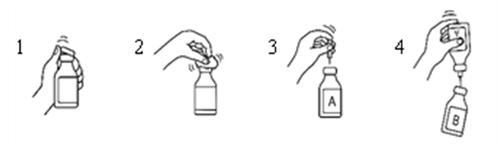
- 1. Remove the plastic protective cap from both the vial containing the water for injectable preparations and the vial containing the product.
- 2. Disinfect the rubber stoppers of both vials with a piece of gauze soaked in alcohol (70%).
- 3. Remove the protective cover from one end of the transfer needle and insert the needle into the vial containing the water for injectable preparations (A).
- 4. Then remove the protective cover from the other end of the transfer needle, invert the vial containing the transfer needle, and immediately insert the still-free needle into the vial containing the product (B). The vacuum in the vial containing the product will cause the water for injectable preparations to be drawn into the vial. Recommendation: while the water for injectable preparations flows, hold the vial containing the product tilted and allow the water to flow down the wall of the vial. This helps to dissolve the product more quickly. As soon as all the water has flowed, remove the emptied vial and the transfer needle in one action.
To speed up the dissolution process, you can gently rotate the vial and, if
necessary, heat it to 30℃. The vial must never be shaken and the temperature must not
exceed 37℃. If the vial is heated in a water bath, care must be taken that the water
does not come into contact with the protective cap and/or the rubber stopper.
Normally, the lyophilized substance must completely dissolve within 10 minutes forming a
blue-colored solution; the blue color is caused by the presence of the plasma protein
ceruloplasmin.
The solution should be clear or slightly opalescent. Do not use turbid solutions or with
deposits. Before administration, the reconstituted product must be visually inspected
for particulate matter and color changes.
Unused medicine and waste derived from such medicine must be disposed of in accordance with
current local regulations.
9/19
Cofact 500 UI powder and solvent for injectable solution.
Human prothrombin complex
Read this leaflet carefully before using this medicine as it contains important
information for you.
- Keep this leaflet. You may need to read it again.
- If you have any questions, ask your doctor or pharmacist.
- If any side effects occur, including those not listed in this leaflet, tell your doctor or pharmacist. See section 4.
Contents of this leaflet:
- 1. What Cofact is and what it is used for
- 2. What you need to know before using Cofact
- 3. How to use Cofact
- 4. Possible side effects
- 5. How to store Cofact
- 6. Contents of the pack and other information
1. What is Cofact and what is it used for
Cofact contains, as active ingredients, factors II, VII, IX and X, which are factors of human blood coagulation.
These factors are normal constituents of human blood, commonly called Prothrombin Complex.
They depend on vitamin K. If there is a deficiency of one or more of these factors, blood coagulation disorders may occur.
As a result of this, there is an increased tendency to bleed. The administration of Cofact serves to supplement this deficiency,
combating or preventing bleeding.
Cofact can be used for:
The treatment or prevention of bleeding as a result of
- acquired deficiency of the coagulation factors of the prothrombin complex. For example, in cases of deficiency caused by treatment with medicines that reduce the effect of vitamin K antagonists of vitamin K) or from an overdose of such antagonists, when acute correction of the deficiency is necessary.
- congenital deficiencies of one of the vitamin K-dependent coagulation factors, when purified and specific coagulation factors are not available.
2. What you need to know before using Cofact
Do not use Cofact
- If you are allergic (hypersensitive) to any of the active ingredients or to any of the other ingredients of this medicine (listed in section 6). Warnings and precautionsTalk to your specialist doctor for coagulation problems before using Cofact.
10/19
- If you have an acquired deficiency of vitamin K-dependent coagulation factors (e.g. caused by treatment with vitamin K antagonists), Cofact should only be used when rapid correction of prothrombin complex levels is necessary, such as in the case of severe bleeding or emergency surgery. In other cases, it is usually sufficient to reduce the dose of the vitamin K antagonist and/or administer vitamin K.
- If you are receiving vitamin K antagonists, you may be at increased risk of blood clots. In this case, treatment with Cofact may increase this risk.
- If you were born with a deficiency of one of the vitamin K-dependent coagulation factors (congenital deficiency), specific coagulation factors should be used when available.
- If an allergic or anaphylactic reaction occurs, the administration of Cofact must be stopped immediately. There is a risk of thrombosis or disseminated intravascular coagulation (e.g. formation of blood clots in blood vessels) when you receive Cofact, especially when you receive it repeatedly.
- Your doctor will check if the administration of Cofact involves a risk of thrombosis (see section 4, Possible side effects). The following individuals have a greater chance of developing thrombosis: o individuals who have had a heart attack or who have (or still have) other coronary artery diseases o individuals with liver disease o newborns o individuals about to undergo or who have recently undergone surgery o individuals with a greater likelihood of having coagulation complications (e.g. with a history of thromboembolic events or disseminated intravascular coagulation)
Your doctor will carefully assess the benefits of treatment with Cofact in relation to the risks of these
complications.
Viral safety
When medicines are made from human blood or plasma, certain
measures are taken to prevent the transmission of infections to patients.
These include:
- careful selection of blood and plasma donors to ensure that those at risk of transmitting infections are excluded,
- testing each donation and plasma pool for signs of viruses/infections,
- inclusion of virus inactivation/removal processes during the processing of blood or plasma. Despite this, when administering medicinal products prepared from human blood or plasma, the possibility of transmission of infectious agents cannot be completely excluded. This also applies to unknown or emerging viruses or other types of infections. The measures taken are considered effective against enveloped viruses such as the human immunodeficiency virus (HIV), the hepatitis B virus (HBV), the hepatitis C virus (HCV) and the non-enveloped hepatitis A virus (HAV). The measures taken may have limited effectiveness against other non-enveloped viruses such as Parvovirus B19. Parvovirus B19 infection can be severe in pregnant women (fetal infection) and for patients with a weakened immune system or who suffer from certain types of anemia (e.g. sickle cell anemia or hemolytic anemia). It is strongly recommended that the name and batch number of the product be recorded each time you receive a dose of Cofact, in order to maintain traceability of the batches used.
11/19
Children and adolescents
No data are available on the use of Cofact in children and adolescents.
Other medicines and Cofact
Tell your doctor or pharmacist if you are taking, have recently taken or might take
any other medicines, including medicines obtained without a prescription.
No information is available on possible interactions between Cofact and other medicines, with the exception
of anticoagulants.
Pregnancy and breastfeeding
If you are pregnant, suspect you are pregnant, are planning to become pregnant or are breastfeeding with breast
milk, ask your doctor for advice before taking this medicine.
If you are pregnant or breastfeeding, your doctor will only prescribe Cofact if necessary.
Driving and using machines
No studies have been performed on the effects on the ability to drive and operate machinery.
Cofact contains sodium
Cofact contains up to 448 mg of sodium (the main component of table salt) per 100 ml.
This is equivalent to up to 22% of the recommended maximum daily intake of sodium for adults.
This should be taken into consideration if you are on a low-sodium diet.
3. How to use Cofact
Your therapy must be initiated, administered and monitored by a physician experienced in the
treatment of coagulation disorders.
Your doctor will determine the amount of Cofact you need for the treatment or prevention of
bleeding following the use of anticoagulants or in case of a congenital deficiency of one of the
vitamin K-dependent coagulation factors.
The exact dose depends on
- the severity of your condition
- your weight
- the coagulation factors you need
- the amount of these factors in your blood (your blood level).
In case of congenital deficiency of coagulation factors, it is important to regularly monitor their
levels in the blood.
If you take more Cofact than you should
Your doctor must regularly check the state of your blood coagulation during the
treatment. High doses of prothrombin complex concentrate have been associated with episodes of
infarction, disseminated intravascular coagulation and increased formation of blood clots
in blood vessels in patients at risk of such complications.
12/19
4. Possible side effects
Like all medicines, this medicine can cause side effects, although not everybody gets them.
The following side effects have been observed:
Common(may affect up to 1 in 10 people):
- There is a risk of blood clot formation (see section 2). Uncommon(may affect up to 1 in 100 people):
- There is a risk of a drop in blood pressure. The frequency of the following side effects is Not known(the frequency cannot be estimated on the basis of the available data):
- Hypersensitivity or allergic reactions (see section 2)
- Heart attack
- Nausea, vomiting
- Redness at the infusion site, irritation at the infusion site, swelling at the infusion site, discomfort
- Transient increase in liver function tests
- Stroke, dizziness
- Pulmonary embolism, difficulty breathing
- Excessive sweating, itching, urticaria, rash
Patients with a deficiency of one of the coagulation factors II, VII, IX or X may develop
antibodies against these factors as a consequence of using Cofact. In this case, the product’s
activity will not be optimal.
Reporting of side effects
If you get any side effects, even those not listed in this leaflet, tell your doctor or pharmacist. You can also report side effects directly through the Italian Medicines Agency Website: http://www.aifa.gov.it/content/segnalazioni-reazioni-avverse .
By reporting side effects you can help provide more information on the safety of
this medicine.
5. How to store Cofact
Keep this medicine out of the sight and reach of children.
Do not use this medicine after the expiry date which is stated on the package and on the label of the
vial after EXP.
The expiry date refers to the last day of that month.
Store in a refrigerator (2 C - 8 C). Do not freeze. Keep the vial in the outer packaging
to protect the medicine from light.
Cofact can be stored at 25℃ or at lower temperatures for a maximum of six months.
The date on which it was brought to room temperature must be marked on the packaging. If the
product is not used during these six months of storage at room temperature, it must
be discarded.
Once the product has been removed from the refrigerator, it must not be put back in the refrigerator.
The stability of the dissolved product has been demonstrated for up to 3 hours at 15-25℃. However, the dissolved product must be used immediately to avoid contamination.
13/19
Do not dispose of any medicine in wastewater or household waste. Ask your pharmacist how to
dispose of medicines you no longer use. This will help protect the environment.
6. Contents of the pack and other information
What Cofact contains
- The active substances are coagulation factors II, VII, IX and X and other active substances are protein C and protein S.
- One vial of Cofact 500 IU contains 500 IU of factor IX; 280 - 700 IU of factor II;
- 140 - 400 IU of factor VII and 280 - 700 IU of factor X; 222 – 780 IU of protein C;
- 20 – 160 IU of protein S. After dissolving the powder in the supplied water for injections, the ready-to-use solution for injections contains:
- Not less than 14 IU and not more than 35 IU of factor II per ml;
- Not less than 7 IU and not more than 20 IU of factor VII per ml;
- 25 IU of factor IX per ml;
- Not less than 14 IU and not more than 35 IU of factor X per ml;
- Not less than 11 IU and not more than 39 IU of protein C per ml;
- Not less than 1 IU and not more than 8 IU of protein S per ml;
The other ingredients are trisodium citrate-dihydrate, sodium chloride and antithrombin.
Description of the appearance of Cofact and contents of the pack
Cofact is available as powder and solvent for injectable solution.
Cofact powder for solution for injection appears as a bluish powder. The solvent is a clear,
colourless liquid, free from visible particles. The ready-to-use injectable solution is bluish in colour.
Contents of the 500 IU box:
- One vial of powder of 500 IU.
- One vial with 20 ml of water for injections.
- One nextaro v. transfer device. It is possible that not all packs are marketed.
Marketing Authorisation Holder and Manufacturer
Prothya Biosolutions Netherlands B.V.
Plesmanlaan 125
NL-1066 CX Amsterdam
Netherlands
Tel: + 31 (0)20 5123355
This medicinal product is authorised in the Member States of the European Economic Area with the following
denominations:
Austria, Belgium, Finland, France, Germany, Iceland, Italy, Luxembourg, Netherlands and Spain:
Cofact.
Sweden: Thyaplex
This leaflet was last updated on
---------------------------------------------------------------------------------------------------------------------------
14/19
The following information is intended exclusively for healthcare professionals:
Qualitative and quantitative composition
Cofact is presented as powder and solvent for solution for injection containing human prothrombin complex. The product contains nominally the following IU of human coagulation factors as reported in the following table:
Cofact 500 IU After
reconstitution*
(UI/ml)
Active substances
Coagulation factor II 280 – 700 14 – 35
Coagulation factor VII 140 – 400 7 – 20
Coagulation factor IX 500 25
Coagulation factor X 280 – 700 14 – 35
Other active substances
Protein C 222 – 780 11 – 39
Protein S 20 – 160 1 – 8
The total protein content per 500 IU vial is 260 - 700 mg. The specific activity of the
product is ≥0.6 UI/mg, expressed as factor IX activity.
The activities of all coagulation factors, as well as of Proteins C and S (antigens) have been
tested in accordance with WHO or European Pharmacopoeia standards.
After reconstitution, this medicinal product contains 125 – 195 mmol of sodium/l, up to 89.6 mg of sodium
per 500 IU vial.
Dosage and method of administration
Dosage
The following are only general guidelines for dosage. Treatment should be initiated
under the supervision of a physician specialist in the treatment of coagulation disorders. The
dosage and duration of replacement therapy depend on the severity of the condition, the site and
extent of the haemorrhage, as well as the patient's clinical condition.
The dose and frequency of administrations must be calculated based on the specific conditions
of the individual patient. Dosage ranges must be adjusted to the different circulation half-life
of the various coagulation factors present in the prothrombin complex. The individual dosage requirement can only be defined by regular determinations of individual plasma levels of the coagulation factor involved, or by complete tests of the prothrombin complex levels (prothrombin time, INR), and by continuous monitoring of the patient's clinical condition.
In case of major surgery, precise monitoring of replacement therapy through coagulation tests (tests for the specific coagulation factor and/or global tests of the prothrombin complex levels) is essential.
Bleeding and perioperative prophylaxis of haemorrhages during treatment with vitamin K antagonists:
The dose will depend on the INR before treatment, the desired (target) INR and body weight. The approximate doses required to normalise the INR are reported in the following tables.
15/19
The dosage tables represent only general dosage guidelines that cannot replace individual dose assessment for each patient and careful monitoring of the INR and other
coagulation parameters during therapy.
Recommended doses of Cofact in ml to achieve a target INR ≤ 2.1
| INR initial Body weight |
|
|
|
|
|
|
|
|
| a
|
|
|
| 50 kg | 40 | 40 | 40 | 30 | 30 | 30 | 20 | 20 | X | X | X | X |
| 60 kg | 50 | 50 | 40 | 40 | 30 | 30 | 30 | 20 | X | X | X | X |
| 70 kg | 60 | 50 | 50 | 50 | 40 | 40 | 30 | 30 | r X | X | X | X |
| 80 kg | 60 | 60 | 60 | 50 | 50 | 40 | 40 | 30 | X | X | X | X |
| 90 kg | 60 | 60 | 60 | 60 | 50 | 50 | 40 | 30 | a X | X | X | X |
| 100 kg | 60 | 60 | 60 | 60 | 60 | 50 | 40 | 40 | X | X | X | X |
Recommended doses of Cofact in ml to achieve a target INR ≤ 1.5
| INR Initial Body weight |
|
|
|
|
|
| e
| l
|
|
|
|
|
| 50 kg | 60 | 60 | 60 | 50 | 50 | 50 | d 40 | 40 | 30 | 30 | 30 | 30 |
| 60 kg | 80 | 70 | 70 | 60 | 60 | 60 | 50 | 50 | 40 | 40 | 40 | 30 |
| 70 kg | 90 | 80 | 80 | 70 | 70 | 70 | 60 | 60 | 50 | 40 | 40 | 40 |
| 80 kg | 100 | 100 | 90 | 90 | 90 | 80 | 80 | 70 | 60 | 50 | 50 | 40 |
| 90 kg | 100 | 100 | 100 | 90 | 90 | a 90 | 80 | 80 | 70 | 60 | 50 | 40 |
| 100 kg | 100 | 100 | 100 | 100 | 100 | 90 | 90 | 80 | 70 | 70 | 60 | 50 |
The doses are calculated based on the concentration of factor IX in Cofact, due to its relatively short half-life and low recovery after infusion compared to the other coagulation factors in Cofact.
It is assumed that an average plasma concentration of factor IX 30% is sufficient to achieve an INR 2.1 and 60% to achieve an INR 1.5. The calculated amounts are rounded to multiples of 10 ml and an upper limit of 60 or 100 ml in total has been set (see tables above). The target INR values are
recommended by the Dutch Federation for Thrombosis Services and are of the same order as the
recommendations from England and Germany.
Correction of the haemostatic alteration induced by the vitamin K antagonist persists for approximately
6-8 hours. However, the effects of vitamin K, when administered simultaneously, are usually
achieved within 4-6 hours. Therefore, it is usually not necessary to repeat treatment with human prothrombin complex when vitamin K has been administered.
Since these recommendations are based on empirical observations and the recovery and duration of effects
may vary, it is essential to monitor the INR during treatment.
Haemorrhage and perioperative prophylaxis in congenital deficiency of any of the
vitamin K-dependent coagulation factors, when specific factor concentrates are not available:
The calculation of the therapeutic dose required is based on the empirical observation that approximately 1 IU of
factor VII or factor IX per kg of body weight increases the activity of factor VII or IX in plasma,
respectively, by 0.01 UI/ml, 1 IU of factor II or X per kg of body weight increases the activity of
factor II or X in plasma by 0.02 and 0.017 UI/ml, respectively.
The dose of a specific factor administered is expressed in International Units (IU) which are related
to the current WHO standard defined for each factor. The activity in plasma of a specific coagulation factor is expressed as a percentage (relative to normal plasma) or in International Units
(relative to the international standard for the specific coagulation factor).
16/19
One International Unit (IU) of the activity of a coagulation factor is equivalent to the amount
in 1 ml of normal human plasma.
For example, the calculation of the dose necessary for factor X is based on the empirical data that 1 International
Unit (IU) of factor X per kg of body weight increases the plasma activity of factor X by
0.017 UI/mL. The necessary dose is determined using the following formula:
Units required = body weight (kg) x desired increase of factor X (UI/ml) x 60
Where 60 (ml/kg) is the reciprocal of the estimated recovery.
If individual recovery is known, that value must be used for the calculation.
Paediatric population
The safety and efficacy of Cofact in paediatric patients have not been established.
Method of administration
For instructions on reconstituting the medicinal product before administration, see section
“Special precautions for disposal and handling”. Cofact must be administered by
intravenous route.
It is recommended to administer the reconstituted product at a rate of approximately 2 ml per minute.
Incompatibilities
This medicinal product must not be mixed with other medicinal products.
Cofact is compatible with polypropylene materials. Treatment failure may occur
as a consequence of adsorption of coagulation factors to the inner surface of other
injection/infusion equipment.
Shelf life
3 years.
After reconstitution, chemical and physical stability in use has been demonstrated for 3 hours at 15-25°C. From
a microbiological point of view, the product must be used immediately after reconstitution. If
not used immediately, the storage times and conditions of the reconstituted product
before use are the responsibility of the user.
Special precautions for disposal and handling
General instructions for using the nextaro v transfer device
- The lyophilized protein fraction must be dissolved in 20 ml of water for injectable preparations. If stored at 2 ℃-8 ℃, the closed vials of powder and solvent (water for injectable preparations) must be brought to room temperature (15 ℃-25 ℃) before dissolving the preparation. This temperature must be maintained during reconstitution. If heating is done in a water bath, care must be taken to prevent water from coming into contact with the rubber stoppers or tear-off capsules. The temperature of the water bath must not exceed 37 ℃.
- During the procedure described below, aseptic technique must be adopted. Before opening the packaging of the transfer device, remove the tear-off capsules from the vials of powder and solvent, disinfect the cap and rubber stoppers with an antiseptic solution and
17/19
allow to dry. Do not touch the rubber stoppers of the solvent vial or the powder vial.
- The vacuum in the powder vial will cause the solvent to be automatically drawn into it.
- As a general rule, the powder must be completely dissolved within 10 minutes, forming a blue-colored solution. The solution should appear clear or slightly opalescent. Do not use turbid solutions or those with deposits. Before administration, the solution must be visually inspected for particulates and color changes.
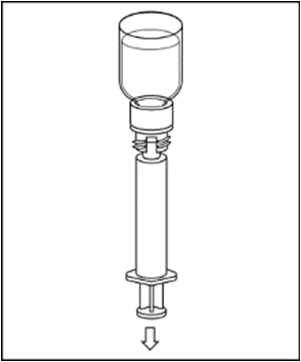
- Unused medicine and waste derived from such medicine must be disposed of in accordance with current local regulations. Procedure with nextaro v transfer device
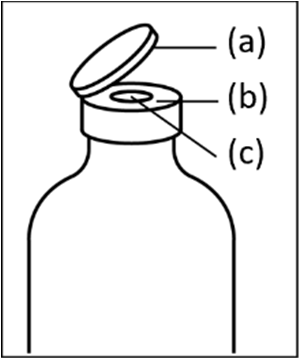
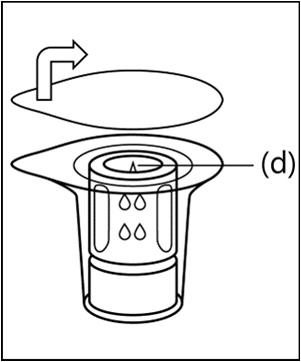
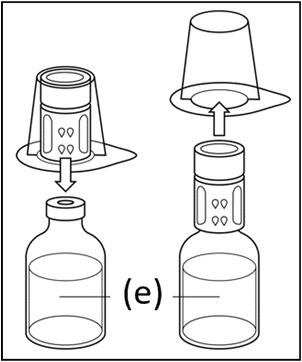
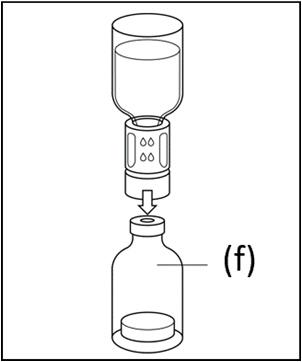
18/19
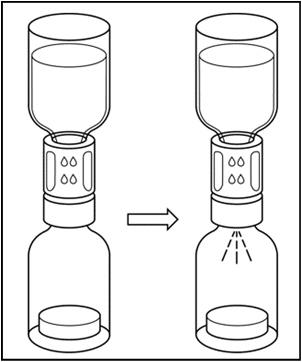
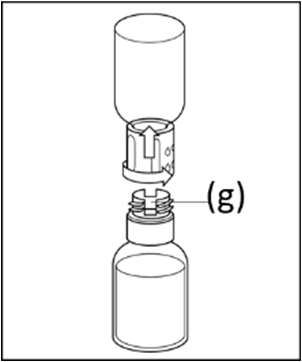
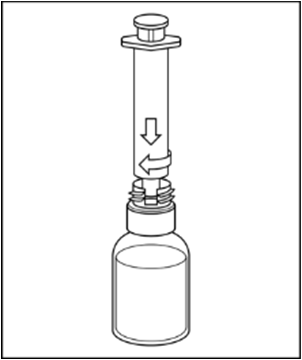
19/19

Не уверены, подходит ли вам это лекарство?
Обсудите симптомы и варианты лечения с врачом онлайн.

Уже начали прием и появились вопросы?
Обсудите свое состояние и дальнейшие шаги с врачом онлайн.
- Страна регистрации
- Форма выпускаPowder and solvent for injectable solution, 250 IU
- Код АТХB02BD01
- Действующее вещество
- Отпускается по рецептуДа
- Производитель
- Информация на этой странице носит справочный характер и не является медицинской консультацией. Перед началом приема лекарства обязательно проконсультируйтесь с врачом.
- Аналоги KOFAKTФорма выпуска: Powder and solvent for injectable solution, 20 MLДействующее вещество: Coagulation factor IX, II, VII and X in combinationПроизводитель: CSL BEHRING GMBHОтпускается по рецептуФорма выпуска: Powder and solvent for intravenous infusion solution, 500 UI/20 MLДействующее вещество: Coagulation factor IX, II, VII and X in combinationПроизводитель: KEDRION S.P.A.Отпускается по рецептуФорма выпуска: Powder and solvent for injectable solution, 500 IUДействующее вещество: Coagulation factor IX, II, VII and X in combinationПроизводитель: OCTAPHARMA ITALY S.P.A.Отпускается по рецепту
Аналоги KOFAKT в других странах
Лекарства с тем же действующим веществом, доступные в других странах.
Аналог KOFAKT в Испания
Аналог KOFAKT в Польша
Аналог KOFAKT в Украина
Врачи онлайн по KOFAKT
Обсудите применение KOFAKT и возможные следующие шаги — по оценке врача.









Получите рецепт на KOFAKT онлайн
Заполните форму за 2 минуты
Расскажите о симптомах, истории болезни и нужном препарате.
Выберите врача или мы назначим
Выберите специалиста или мы подберём ближайшего доступного врача.
Врач рассматривает ваш случай
Обычно в течение 30 минут. Может задать уточняющие вопросы в чате.
Получите в любой аптеке
Электронный рецепт отправляется на вашу почту — действителен по всей Польше.
Часто задаваемые вопросы
KOFAKT требует рецепта в Италия. Вы можете уточнить у врача онлайн, подходит ли это лекарство для вашей ситуации.
Действующее вещество KOFAKT — Coagulation factor IX, II, VII and X in combination. Эта информация помогает определить лекарства с тем же составом под другими торговыми названиями.
KOFAKT производится компанией Prothya Biosolutions Netherlands B.V.. Упаковка и торговое название могут отличаться в зависимости от дистрибьютора.
Врачи, включая Семейные врачи, Психиатры, Дерматологи, Кардиологи, Эндокринологи, Гастроэнтерологи, Пульмонологи, Нефрологи, Ревматологи, Гематологи, Инфекционисты, Аллергологи, Гериатры, Педиатры, Онкологи, могут оценить целесообразность применения KOFAKT с учетом вашей ситуации и местных правил. Вы можете записаться на онлайн-консультацию, чтобы обсудить возможные варианты.
Польша имеет хорошо развитую систему здравоохранения в крупных городах, таких как Варшава, Краков, Вроцлав и Гданьск. Аптеки широко доступны и работают в соответствии с действующим законодательством, обеспечивая доступ к рецептурным препаратам.
Вы можете купить KOFAKT в Варшаве, Кракове, Вроцлаве или Гданьске в любой аптеке при наличии действующего рецепта.
Чтобы получить рецепт, вы можете воспользоваться Oladoctor:
Другие лекарства с тем же действующим веществом (Coagulation factor IX, II, VII and X in combination) включают KONFIDEX, KEDKOM, PRONATIV. Они могут отличаться торговым названием или формой выпуска, но содержат одинаковый терапевтический компонент. Перед изменением лечения рекомендуется проконсультироваться с врачом.
