



BENILEXA <20 микрограммов/24 ч Внутриматочная система

Рассмотрение рецепта онлайн
Врач рассмотрит ваш случай и примет решение о назначении рецепта, если это медицински оправдано.

Поговорите с врачом об этом лекарстве
Обсудите симптомы и возможные дальнейшие шаги на онлайн-консультации.



Инструкция по применению BENILEXA
Содержание инструкции
Benilexa
20 micrograms/24 hours intrauterine releasing system
Levonorgestrel
Read this leaflet carefully before you start to use this medicine as it contains
important information for you.
- Keep this leaflet. You may need to read it again.
- If you have any questions, ask your doctor or pharmacist.
- If you get any side effects, even those not listed in this leaflet, tell your doctor or pharmacist. See section 4.
Contents of this leaflet:
- 1. What Benilexa is and what it is used for
- 2. What you need to know before you use Benilexa
- 3. How to use Benilexa
- 4. Possible side effects
- 5. How to store Benilexa
- 6. Contents of the pack and other information
1. What is Benilexa and what is it used for
Benilexa is an intrauterine releasing system (IUS) to be inserted into the uterus where it slowly releases the hormone levonorgestrel.
It is indicated for:
Contraception
Benilexa is an effective long-term and non-permanent (reversible) method of contraception. Benilexa prevents pregnancy by making the inner lining of your uterus thinner, making the typical mucus in the beginning of the uterus (cervical canal) thicker so that sperm cannot pass through to fertilize the egg and in some women preventing the release of egg cells (ovulation). Furthermore, the presence of the T-shaped part of the device causes some local effects on the inner lining of the uterus. Benilexa must be removed after 8 years of use when used for contraception
Treatment of heavy menstrual bleeding
Benilexa is also useful for reducing blood flow during the menstrual cycle, so it can be used if you suffer from heavy menstrual bleeding (menstrual periods). This is called menorrhagia. The hormone present in Benilexa works by making the inner lining of your uterus thinner so as to reduce bleeding each month.
Benilexa must be removed or changed after 8 years of use, or sooner if heavy or bothersome menstrual bleeding recurs.
Children and adolescents
Benilexa is not indicated for use before the first menstruation (menarche).
2. What you need to know before using Benilexa
Before you can start using Benilexa, your doctor or nurse will ask you some questions to
make sure that using Benilexa is suitable for you. This will include a pelvic exam and may
include other tests such as a breast exam, if your doctor or nurse deems it
necessary.
Before Benilexa is inserted, any genital infections must have been successfully treated.
If you have epilepsy, tell your doctor or nurse who is going to insert Benilexa because, although
rare, a seizure may occur during insertion. After the procedure, some women
may feel weak. This is normal and your doctor or nurse will tell you to rest for
a while.
Not all women can use Benilexa.
Do not use Benilexa if:
- you are pregnant/are currently pregnant or suspect you may be pregnant;
- you have or have had a pelvic inflammatory disease;
- you have unusual and unpleasant vaginal discharge, or vaginal itching, which may indicate an infection;
- you have or have had an infection of the uterine lining after giving birth to your baby;
- you have or have had an infection of the uterus after a delivery or after an abortion in the last 3 months;
- you have or have had inflammation of the cervix (neck of the uterus);
- you have or have had abnormal Pap test results (changes in the cervix);
- you have or have had liver problems;
- you have a liver tumor;
- you have an abnormal uterus, including uterine fibroids, especially those that deform the uterine cavity;
- you have abnormal vaginal bleeding;
- you have a condition that makes you susceptible to infections. Your doctor will tell you if this is the case;
- you have or have had a tumor whose growth is hormone-sensitive, such as breast cancer;
- you have or have had any type of tumor or a suspected tumor including blood cancer (leukemia) uterine and cervical cancer, unless it is in remission;
- you have or have had a trophoblastic disease. Your doctor will tell you if this applies to you;
- you are allergic (hypersensitive) to levonorgestrel or any of the other ingredients of this medicine (listed in paragraph 6).
Warnings and precautions
Before using Benilexa, your doctor or nurse will ask you some questions to ensure that the use
of Benilexa is suitable for you. This will include a pelvic exam and may also include other
tests such as a breast exam, if your doctor or nurse deems it necessary.
Genital infections must be successfully treated before Benilexa is inserted.
If you suffer from epilepsy, inform your doctor or nurse who is going to insert Benilexa because,
although rare, a seizure may occur during insertion. Some women may
experience a feeling of fainting after the procedure. This is normal and your doctor or
nurse will advise rest.
Benilexa may not be suitable for all women.
Benilexa, like other hormonal contraceptives, does not protect against HIV (AIDS) infection or
other sexually transmitted diseases (chlamydia, genital herpes, warts, gonorrhea, hepatitis
B and syphilis). You will need to use a condom to protect yourself from these diseases.
Benilexa should not be used as emergency contraception (after unprotected sexual intercourse).
Talk to your doctor before using Benilexa if you:
- have or develop migraine, dizziness, blurred vision, unusually severe headaches, or if you experience headaches more frequently than usual;
- have yellowing of the skin or whites of the eyes (jaundice);
- have diabetes (high blood sugar levels), have high blood pressure, or abnormal blood fat levels;
- have had a blood cell tumor (including leukemia) that is now in remission;
- are on long-term steroid therapy;
- have ever had an ectopic pregnancy (development of the fetus outside the uterus) or have a history of ovarian cysts;
- have or have had a severe arterial disease, such as heart attack or stroke, or if you have had some heart problems;
- have a history of blood clots (thrombosis);
- are taking other medicines as some medicines can interfere with the correct functioning of Benilexa;
- have irregular bleeding;
- have seizures (epilepsy). If you have or have had any of the conditions described above, your doctor will decide whether you can use Benilexa. You should also tell your doctor if any of these conditions occur for the first time while you have Benilexa inserted. Expulsion Uterine muscle contractions during menstruation can sometimes move the device from its position or cause it to be expelled. This is more likely to occur if you are overweight at the time of insertion of the intrauterine system or if you have a history of heavy periods. If the intrauterine system is misplaced, it may not function properly and therefore the risk of pregnancy increases. If the intrauterine system is expelled, protection against pregnancy is lost. Possible symptoms of expulsion are pain and abnormal bleeding, but Benilexa can also be expelled without you realizing it. As Benilexa induces a decrease in menstrual flow, an increase in it may be indicative of expulsion. It is recommended to check the threads with your fingers, for example when you shower. See also paragraph 3 “How to use Benilexa - How can I tell if Benilexa is inserted correctly?” If you have signs indicating expulsion or no longer feel the threads, you should use another method of contraception (e.g. a condom) and consult a healthcare professional.
Psychiatric disorders
Some women using hormonal contraceptives including Benilexa have reported depression
or depressed mood. Depression can be severe and sometimes can lead to suicidal thoughts.
If you experience changes in mood and depressive symptoms, see your doctor as soon as possible for
further medical advice.
Benilexa and smoking
Women are advised to stop smoking. Smoking increases the risk of heart attack, stroke or blood clot.
Use of tampons and menstrual cups
The use of pads is recommended. If you use tampons or menstrual cups, you should
change them carefully so as not to pull on the threads of Benilexa.
Other medicines and Benilexa
The effectiveness of hormonal contraceptives like Benilexa can be reduced by medicines that
increase
the amounts of enzymes produced by the liver. Tell your doctor if you are taking:
- phenobarbital, phenytoin or carbamazepine (to treat epilepsy);
- griseofulvin (an antifungal);
- rifampicin or rifabutin (antibiotics);
- nevirapine or efavirenz (for HIV).
Tell your doctor if you are using, have recently used or may use any other
medicines. Benilexa should not be used at the same time as other hormonal contraceptive methods.
Pregnancy, breastfeeding and fertility
Benilexa must not be used during pregnancy or if you suspect you may be pregnant.
Can I get pregnant while using Benilexa?
It is very rare for women to become pregnant when Benilexa is inserted.
The absence of menstruation is not necessarily a sign of pregnancy. Some women
may not have a menstrual period while using the device.
If you have not had a menstrual period for 6 weeks, consider taking a pregnancy test.
If the test is negative, you do not need to repeat it unless you have other
symptoms of pregnancy, for example, feeling unwell, fatigue, or breast tenderness.
If you become pregnant while Benilexa is inserted, contact a healthcare
professional immediately to remove Benilexa. Removal may cause abortion. However, if Benilexa
remains in place during pregnancy, not only is the risk of abortion higher, but there is also
the risk of preterm labor. If Benilexa cannot be removed, discuss the benefits and risks of continuing the pregnancy with a healthcare professional. If you continue the
pregnancy you will be closely monitored during pregnancy and must contact
your doctor immediately if you experience crampy abdominal pain, stomach pain
and fever.
Benilexa contains a hormone called levonorgestrel and there have been isolated cases of
effects on the genitals of female infants if exposed to levonorgestrel-containing intrauterine devices
while in the womb.
What should I do if I want to get pregnant?
If you want to get pregnant, ask your doctor to remove Benilexa. Your usual levels of
fertility will tend to return very quickly once the device has been
removed.
Can I breastfeed while using Benilexa?
Very small amounts of levonorgestrel, the hormone that is
in Benilexa, have been found in breast milk, but levels are lower than those detected with other hormonal contraceptive
methods. No risk to newborns has been observed. If you want to breastfeed your
baby, you should talk to your doctor.
Driving and using machines
There are no known effects on the ability to drive or operate machinery.
Benilexa contains barium sulfate
The T-shaped part of Benilexa contains barium sulfate to make it visible on X-rays.
3. How to use Benilexa
Only a properly trained doctor or nurse can insert the device (see the Instructions for Use and Handling in the package). They will explain the insertion procedure and the risks associated with its use. You will then be visited by the doctor or nurse before Benilexa is inserted. If you have any problems during use, you should discuss them with them.
The device should be inserted during menstruation or within seven days of the start of menstruation. If you already have the device inserted and it is time to replace it with a new one, it is not necessary to wait for your period.
If you have recently given birth, you should wait at least 6 weeks before Benilexa is inserted. Sometimes Benilexa can be inserted immediately after an abortion, provided that you do not have genital infections.
How quickly does Benilexa work?
Contraception
As soon as the system is inserted, you are protected from pregnancy.
Treatment of heavy menstrual bleeding (menorrhagia)
Benilexa generally makes menstrual cycles lighter after 3-6 months of treatment.
How will Benilexa affect my menstrual cycle?
Many women have spotting (light bleeding) for the first 3-6 months after system insertion. Others may have heavy or prolonged bleeding.
However, you may experience an increase in vaginal bleeding, usually in the first 2-3 months, before a reduction in vaginal bleeding occurs. Overall, you are likely to have fewer days of menstrual bleeding each month and may eventually stop having periods altogether. This is due to the effect of the hormone (levonorgestrel) on the lining of the uterus. If you do not experience a significant reduction in vaginal bleeding after 3-6 months, alternative treatments should be considered.
If you have been using Benilexa for a long period of time and then start to experience problems with vaginal bleeding, contact your doctor or healthcare provider for advice.
How often should I have the system checked?
Generally, you should have the system checked 6 weeks after insertion, again at 12 months, and then once a year until it is removed.
How can I tell if Benilexa is inserted correctly?
After each period, you can feel the two thin threads attached to the lower end of the system. The doctor will show you how to do this.
Do not pullon the threads as you may accidentally remove the device. If you cannot feel the threads, contact your doctor or nurse as soon as possible and in the meantime avoid sexual intercourse or use a barrier contraceptive (e.g., condoms). The threads may have simply retracted into the uterus or cervical canal.
If your doctor or nurse has difficulty finding the threads, they may have broken or Benilexa may have come out on its own, or in rare cases it may have perforated the wall of your uterus (uterine perforation, see section 4).
You should also see a doctor if you can feel the lower end of the device itself or if you or your partner experience pain or discomfort during sexual intercourse.
What happens if the system is expelled on its own?
If the system is expelled completely or partially, you may not be protected against pregnancy. This is rare, but it can happen during a period without you realizing it. An unusual increase in the amount of bleeding during your period may be a sign that this has occurred. Contact your doctor or healthcare provider if you notice unexpected changes in your vaginal bleeding.
If you stop using Benilexa
The doctor can remove the system at any time. Removal is very simple. Unless you are planning to use a new system or an intrauterine device immediately, it is important that you use another method of contraception in the week before removal. Sexual intercourse during this week may lead to pregnancy after Benilexa has been removed.
4. Possible side effects
Like all medicines, this medicine can cause side effects, although not everyone will experience them.
With Benilexa, side effects are more common during the first few months after
device insertion and decrease over time.
If you experience any of the following serious side effects, seek immediate medical attention from your
doctor or nurse:
- Severe pain or the onset of fever shortly after insertionmay indicate a serious infection that needs to be treated immediately. In rare cases, a very serious infection (sepsis) may occur.
- Severe pain and continued bleedingmay be a sign of damage or perforation of the uterine wall. Perforation is uncommon, but is more likely to occur during the insertion of Benilexa, although the perforation may not be detected until some time later. Benilexa placed outside the uterine cavity is not effective in preventing pregnancy and should be removed as soon as possible; very rarely this may require surgical intervention. The risk of perforation is low, but is increased in women who are breastfeeding and in women who have had a baby up to 36 weeks before insertion, and may be increased in women with a fixed and tilted backward uterus (fixed retroverted uterus). If you suspect you have experienced a perforation, seek immediate advice from a healthcare professional and remind them that you have inserted Benilexa, especially if they are not the person who inserted it. Possible signs and symptoms of perforation may include:
- severe pain (like menstrual cramps) or more pain than expected
- heavy bleeding (after insertion)
- pain or bleeding that continues for more than a few weeks
- sudden changes in your menstrual cycle
- pain during sex
- you can no longer feel the threads of Benilexa (see section 3 "How to use Benilexa - How can I tell if Benilexa is inserted correctly?" in section 3).
- Lower abdominal pain, especially if you also have a fever or have missed a menstrual period, orhave unexpected bleeding,as this could be a sign of ectopic pregnancy (development of the fetus outside the uterus). The absolute risk of ectopic pregnancy in users of Benilexa is low. However, when a woman becomes pregnant while Benilexa is inserted, the relative probability of ectopic pregnancy is increased .
- Lower abdominal pain or experienced pain or difficulty during sexual intercourseas this could be a sign of ovarian cysts or pelvic inflammatory disease. This is important because pelvic infections can reduce the likelihood of having a baby and can increase the risk of ectopic pregnancy. Other side effects Very commonside effects (may affect more than 1 in 10 women) may include:
- - absent, light or infrequent periods (see "How will Benilexa affect my menstrual cycle?" in section 3);
- vaginal bleeding including spotting;
- bacterial or fungal infections of the vagina and external genitalia (vulva);
- pimples (acne). Commonside effects (may affect up to 1 in 10 women) may include:
- depression, nervousness or other mood changes;
- decreased sexual desire;
- headache;
- migraine;
- feeling faint (presyncope);
- dizziness;
- abdominal, pelvic or back pain;
- abdominal discomfort;
- feeling sick (nausea);
- bloated abdomen;
- vomiting;
- painful periods;
- increased vaginal discharge;
- tender and painful breasts;
- painful sexual intercourse;
- uterine spasm;
- Benilexa comes out on its own;
- weight gain. Uncommonside effects (may affect up to 1 in 100 women) may include:
- genital infections that can cause: vaginal itching, pain when passing urine; or lower abdominal (stomach) pain from inflammation of the uterus, ovaries or fallopian tubes;
- fainting;
- eczema;
- inflammation of the cervix (cervicitis);
- swelling and numbness in the legs or ankles;
- increased hair growth on the face and body;
- hair loss;
- itchy skin;
- skin discoloration or increased skin pigment, especially on the face (cloasma) Rareside effects (may affect up to 1 in 1,000 women) may include:
- skin rashes, itching. The onset of severe pain or fever shortly after insertion may indicate that you have a serious infection that needs to be treated immediately. In rare cases, very serious infections (sepsis) may occur.
Reporting of side effects
If you get any side effects, even those not listed in this leaflet, tell your doctor or pharmacist.
You can also report side effects directly through the national reporting system at
https://www.aifa.gov.it/content/segnalazioni-reazioni-avverse
By reporting side effects you can help provide more information on the safety of this medicine.
5. How to store Benilexa
Store in the original packaging. Keep the bag in the outer packaging to
protect the medicine from light. Do not open the Benilexa packaging. Only the doctor or
healthcare professional should do this.
Keep this medicine out of the sight and reach of children.
Do not use this system after the expiry date which is stated on the label and on the box
after EXP. The expiry date refers to the last day of that month.
Do not dispose of any medicine in wastewater or household waste. Ask your pharmacist
how to dispose of medicines you no longer use. This will help protect the environment.
6. Content of the pack and other information
What Benilexa contains
- It contains 52 mg of levonorgestrel, the active ingredient. The hormone is contained within a substance called polydimethylsiloxane. This is surrounded by a membrane (film) also made of polydimethylsiloxane.
Description of the appearance of Benilexa and contents of the
pack
- Benilexa consists of a small T-shaped body made of a plastic called polyethylene. This structure allows for a device that releases the hormone gradually into the uterus.
- There are two thin threads, made of polypropylene and blue copper phthalocyanin, attached to the lower end of the structure. These allow for easy removal of the device and allow you and your doctor to verify that the device is inserted.
Packs:
1 intrauterine system with insertion device.
5 intrauterine systems with insertion device.
It is possible that not all packs are marketed.
Marketing authorisation holder and manufacturer
Marketing authorisation holder
Gedeon Richter Plc.
Gyömrői út 19-21
1103 Budapest
Hungary
Manufacturer
Odyssea Pharma SA
Rue du Travail 164460
Grâce Hollogne
Belgium
Gedeon Richter Plc.
Gyömrői út 19-21
1103 Budapest
Hungary
This medicinal product is authorised in the Member States of the European Economic Area and
in the United Kingdom (Northern Ireland)with the following denominations:
Austria Levosert
Cyprus Levosert
Germany Levosert
Denmark Levosert
Spain Levosert 0.02 mg every 24 hours intrauterine delivery system
Ireland Levosert 52 mg Intrauterine Delivery System
Iceland Levosert 20 micrograms/24 hrs. Release system
Italy Benilexa
Malta Levosert
Norway Levosert
Sweden Levosert
Slovenia Levosert 20 micrograms/24 hours intrauterine delivery system
United Kingdom
(Northern
Ireland)
Benilexa
---------------------------------------------------------------------------------------------------------------------------
The following information is intended exclusively for physicians or healthcare professionals
See the special instructions leaflet included in the pack.
Instructions for use and handling
Benilexa 20 micrograms/24 hours intrauterine release system
Levonorgestrel
The following information is intended exclusively for physicians or healthcare professionals
Checklist for prescribers
Ask yourself the following questions before prescribing/inserting Benilexa:
Have I checked that the patient’s needs are consistent with the indications for
contraception and heavy menstrual bleeding (menorrhagia) and for the duration of
use up to eight years?
Have I completed the patient card included in the box and given it to the patient
as a reminder (any insertion of more than eight years duration must be reported as off-label use)?
Read the following instructions for use carefully as there may be differences in the type of insertion device compared to other intrauterine devices
used previously.
Conditions for use:
- 1. In women of childbearing potential, Benilexa is inserted within 7 days of the start of menstruation. It can be replaced by a new system at any time during the cycle.
- 2. It is strongly recommended that Benilexa is inserted only by physicians/healthcare professionals who have been adequately trained and who have read these instructions carefully before inserting Benilexa.
- 3. Benilexa is supplied in a sterile pack that must not be opened until the time of insertion. The product must be handled under aseptic conditions. Do not use if the inner pack is damaged or open.
- 4. With a gynaecological examination, determine the position (anteverted, retroverted) and size of the uterus. Exclude pregnancy and contraindications.
- 5. Place a speculum, use a suitable antiseptic solution to cleanse the vagina and cervix.
- 6. Use cervical dilators if cervical stenosis has been diagnosed. Do not force to overcome resistance. If cervical dilation is necessary, consider the use of analgesics and/or a paracervical block.
- 7. Lock the cervix with a tenaculum clamp and apply gentle traction to align the cervical canal and the uterine cavity.
- 8. Determine the depth of the uterine cavity by hysterometry. If the uterine depth is < 5.5 cm, stop the procedure.
Description
a) reservoir containing
levonorgestrel with membrane
b) lateral arms
c) threads
d)
protrusions
e) flange
f) graduated scale
g) thickening point
h) first marking
i) second marking
j) eyelet
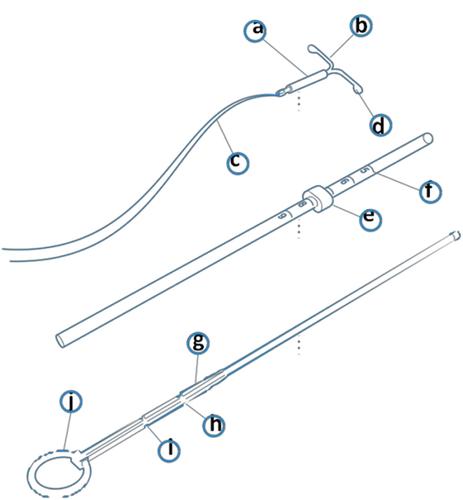
Preparation for insertion
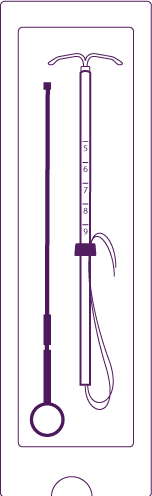
Load the plunger and the device
intrauterine system (IUS) into the
inserter tube
Partially open the blister (about 1/3
from the bottom end) and insert the
plunger into the inserter tube.
Release the threads from the flange. Pull the thread to
load the intrauterine device into the
tube. The arms of the intrauterine device
must be in a horizontal position,
parallel to the flat side of the
flange.
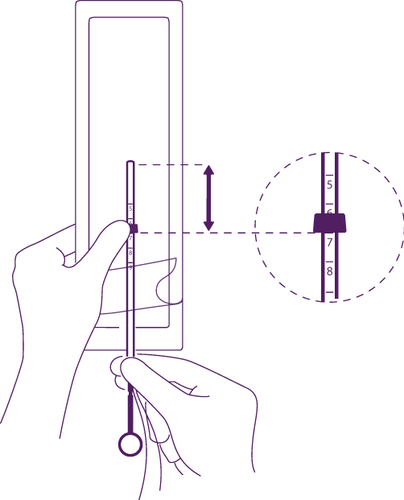
Position the lower edge
of the flange in correspondence with the
value measured with the probe
Position the blue flange so that the
lower edge of the flange
corresponds to the value determined
by hysterometry. The flat sides of the
flange must always remain parallel
to the arms. This will allow the arms
to open correctly into the uterine
cavity.
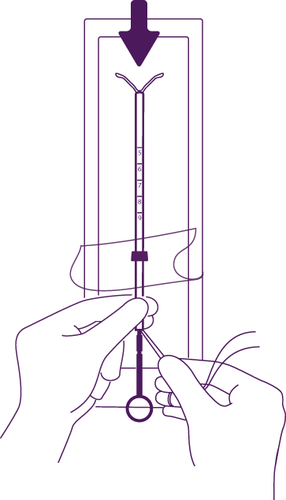
Adjust the position of the
intrauterine device in the inserter tube.
Hold the plunger firmly while
pulling the thread and moving the tube to
adjust the position of the intrauterine device.
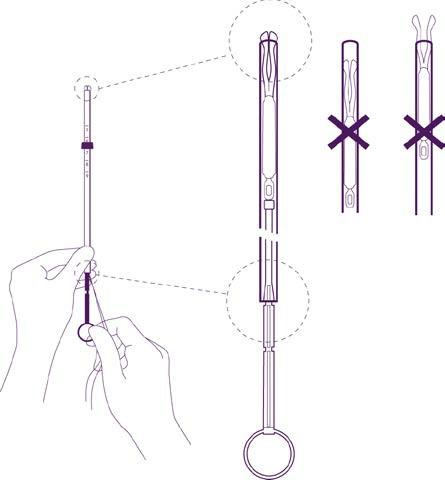
The protrusions of the lateral arms
must be close to each other, opposite
each other, slightly above
the upper end of the inserter tube (see zoom 1) and the distal
end of the tube must be aligned
with the first marking on the
plunger (see zoom 2). If the tube is not
aligned with the first marking on the
plunger, pull the thread more firmly.
Insertion
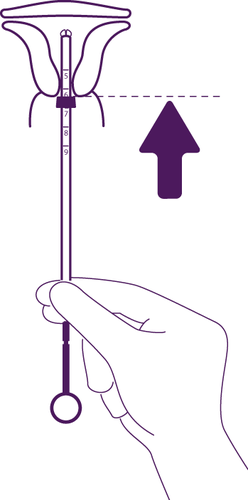
Introduce the device into the cervical canal until the blue flange is
in contact with the cervix
Pull the entire device out of the
blister, holding the plunger and tube firmly together in the
correctly adjusted position.
Introduce the assembly into the cervical canal until the blue flange is in
contact with the cervix.
Release the arms of the
intrauterine device
Holding the plunger, release the thread and
pull the inserter tube until its lower end reaches the
second marking on the
plunger.
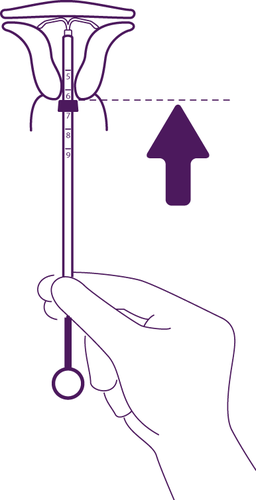
Push the intrauterine device
towards the fundus.
To position the intrauterine device in the uterine cavity,
push the inserter tube
simultaneously with the plunger,
until the blue flange is again
in contact with the cervix.
Benilexa is, therefore,
correctly positioned
in the uterine cavity.
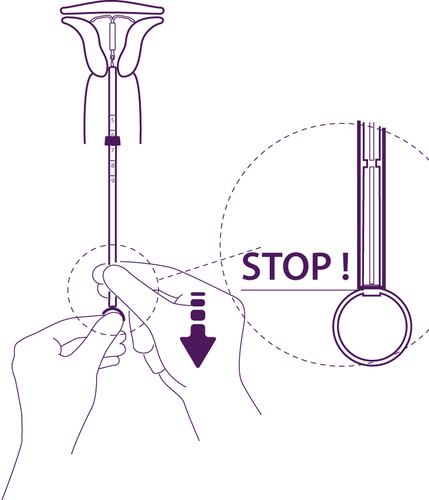
Release the intrauterine device
from the tube into the uterine cavity.
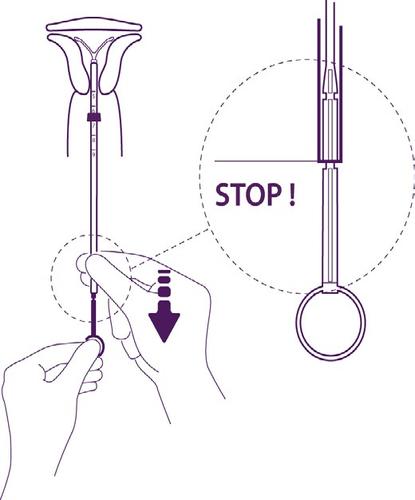
Without moving the plunger, extract the
inserter tube towards the eyelet
of the plunger.
A slight resistance marks the
passage of the thickening point
of the plunger. Nevertheless, pull
down the tube towards the eyelet of
the plunger.
Benilexa is then completely released
from the inserter tube.
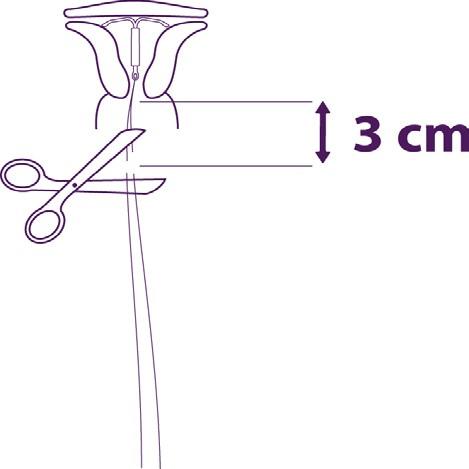
Remove the components of the inserter in sequence and
cut the threads.
Remove in sequence, first the
plunger, then the inserter tube.
Cut the threads about 3 cm from the cervix.
The insertion of Benilexa is now complete.
Important information to consider during or after insertion:
- If you suspect that the IUS is not in the correct position: o Check the insertion with an ultrasound or other appropriate radiological test. o If incorrect insertion is suspected, remove Benilexa. Do not reinsert the same Benilexa IUS after removal.
IMPORTANT!
In case of difficulty with insertion and/or unusual pain or bleeding during or after
insertion, a medical examination and ultrasound must be performed immediately to
exclude perforation of the uterine body or cervix. A medical examination alone (including
checking the threads) may not be sufficient to exclude partial perforation. If necessary,
remove the system and insert a new sterile system.
Healthcare professionals are reminded to report all cases of uterine perforation or difficulty
inserting through the national pharmacovigilance system at
https://www.aifa.gov.it/content/segnalazioni-reazioni-avverse.
How to remove Benilexa
Benilexa is removed by gently pulling the threads with forceps. Excessive force or
sharp objects during removal may cause the device to break. If the threads cannot be
located and the device is not visible in the uterine cavity, it can be removed
with thin forceps or a thread retrieval instrument. Dilation of the cervical canal may be
necessary.
In women of childbearing potential, if pregnancy is not desired, the device should be
removed during menstruation, provided there is a menstrual cycle.
If the device is removed mid-cycle and the woman has had intercourse during the
week before removal, she is at risk of pregnancy. To ensure continued contraceptive
protection, a new device must be inserted immediately or another method of
contraception must be used.
After removal of Benilexa, the device must be examined to ensure it is intact
and has been removed completely. In isolated cases, during difficult removals, it has
been reported that the cylinder containing the hormone has slipped over the horizontal arms, hiding them
inside. Once the integrity of the device has been confirmed, no further intervention is required.
The protrusions of the horizontal arms usually prevent the complete detachment of the cylinder from
the T-body.
Benilexa
20 micrograms/24 hours intrauterine releasing system
levonorgestrel
Read this leaflet carefully before you use this medicine as it contains
important information for you.
- Keep this leaflet. You may need to read it again.
- If you have any questions, ask your doctor or pharmacist.
- If any side effects occur, including those not listed in this leaflet, tell your doctor or pharmacist. See section 4.
Contents of this leaflet:
- 1. What Benilexa is and what it is used for
- 2. What you need to know before you use Benilexa
- 3. How to use Benilexa
- 4. Possible side effects
- 5. How to store Benilexa
- 6. Contents of the pack and other information
1. What is Benilexa and what is it used for
Benilexa is an intrauterine releasing system (IUS) to be inserted into the uterus, where it slowly releases the hormone levonorgestrel.
It is indicated for:
Contraception
Benilexa is an effective method of long-term and non-permanent (reversible) contraception. Benilexa prevents pregnancy by making the lining of your uterus thinner, making the typical mucus in the beginning of your uterus (cervical canal) thicker so that sperm cannot pass through to fertilize the egg and in some women preventing the release of egg cells (ovulation). Furthermore, the presence of the T-shaped part of the device causes local effects on the uterine lining. Benilexa must be removed after 8 years of use when used for contraception.
Treatment of heavy menstrual bleeding
Benilexa is also useful for reducing blood flow during the menstrual cycle, so it can be used if you suffer from heavy menstrual bleeding (menstrual periods). This is called menorrhagia. The hormone present in Benilexa works by making the lining of the uterus thinner, thus reducing bleeding each month.
Benilexa must be removed or replaced after 8 years of use or sooner if heavy or troublesome menstrual bleeding recurs.
Children and adolescents
Benilexa is not indicated for use before the first menstruation (menarche).
2. What you need to know before using Benilexa
Do not use Benilexa if:
- you are pregnant or suspect you may be pregnant;
- you have or have had a pelvic inflammatory disease;
- you have unusual and unpleasant vaginal discharge, or vaginal itching, which may indicate an infection;
- you have or have had an infection of the uterine lining after giving birth to your baby;
- you have or have had an infection of the uterus after a delivery or after an abortion in the last 3 months;
- you have or have had inflammation of the cervix (neck of the uterus);
- you have or have had abnormal results on a Pap test (changes in the cervix);
- you have or have had liver problems;
- you have a liver tumor;
- you have an abnormal uterus, including uterine fibroids, especially those that deform the uterine cavity;
- you have abnormal vaginal bleeding;
- you have a condition that makes you susceptible to infections. Your doctor will tell you if this is the case;
- you have or have had a tumor whose growth is sensitive to hormones, such as breast cancer;
- you have or have had any type of tumor or a suspected tumor including blood cancer (leukemia), uterine and cervical cancer, unless it is in remission;
- you have or have had a trophoblastic disease. Your doctor will tell you if this is the case;
- you are allergic (hypersensitive) to levonorgestrel or any of the other ingredients of this medicine (listed in section 6).
Warnings and precautions
Before using Benilexa, your doctor or nurse will perform some examinations to make sure that
Benilexa is suitable for you. This will include a pelvic exam and may also include other
tests such as a breast exam, if your doctor or nurse deems it necessary.
Genital infections must be treated successfully before Benilexa is inserted.
If you suffer from epilepsy, tell your doctor or nurse who inserts Benilexa because, although rare,
a seizure may occur during insertion. Some women may experience a
feeling of faintness after the procedure. This is normal and your doctor or nurse will
advise you to rest.
Benilexa may not be suitable for all women.
Benilexa, like other hormonal contraceptives, does not protect against HIV (AIDS) infection or
other sexually transmitted diseases (chlamydia, genital herpes, warts, gonorrhea, hepatitis
B and syphilis). Benilexa should not be used as emergency contraception (after
unprotected sexual intercourse.
Consult your doctor before using Benilexa if you:
- have or develop migraine, dizziness, blurred vision, unusually severe headaches, or if you experience headaches more frequently than usual;
- have a yellowing of the skin or whites of the eyes (jaundice);
- have diabetes (high blood sugar levels), high blood pressure, or abnormal levels
of fats in the blood;
- have had a blood cell tumor (including leukemia) that is now in remission;
- are undergoing long-term steroid therapy;
- have ever had an ectopic pregnancy (development of the fetus outside the uterus) or a history of ovarian cysts;
- have or have had severe arterial disease, such as heart attack or stroke, or if you have had other heart problems;
- have a history of blood clots (thrombosis);
- are taking other medicines as some medicines may interfere with the proper functioning of Benilexa;
- have irregular bleeding;
- have seizures (epilepsy).
If you have or have had any of the conditions described above, your doctor will decide if you can
use Benilexa.
You should also tell your doctor if any of these conditions occur for the first
time while you have Benilexa inserted.
Expulsion
Uterine muscle contractions during menstruation can sometimes move the
device from its position or cause it to be expelled. This is more likely to occur if
you are overweight at the time of intrauterine system insertion or if you have a history of
heavy periods. If the intrauterine system is incorrectly positioned, it may not perform its
function and therefore the risk of pregnancy increases. If the intrauterine system is expelled,
protection against pregnancy is lost. Possible symptoms of expulsion are pain and
abnormal bleeding, but Benilexa can also be expelled without you realizing it.
Since Benilexa induces a decrease in menstrual flow, an increase in it may be
indicative of expulsion.
It is recommended to check the threads with your fingers, for example when you shower. See also
section 3 “How to use Benilexa – How can I tell if Benilexa is inserted correctly?”
If you experience signs indicating expulsion or no longer feel the threads, you should use another
contraceptive method (e.g. a condom) and consult a healthcare professional.
Psychiatric disorders
Some women using hormonal contraceptives including Benilexa have reported depression
or depressed mood. Depression can be severe and sometimes can lead to suicidal thoughts.
If you experience mood changes and depressive symptoms, see your doctor as soon as possible
for further medical advice.
Benilexa and smoking
Women are advised to quit smoking. Smoking increases the risk of a heart attack, stroke, or blood clot.
Use of tampons and menstrual cups
The use of pads is recommended. If you use tampons or menstrual cups, you should
change them carefully so as not to pull on the threads of Benilexa.
Other medicines and Benilexa
The effectiveness of hormonal contraceptives such as Benilexa may be reduced by medicines that
increase
the amounts of enzymes produced by the liver. Tell your doctor if you are taking:
- phenobarbital, phenytoin or carbamazepine (to treat epilepsy);
- griseofulvin (an antifungal);
- rifampicin or rifabutin (antibiotics);
- nevirapine or efavirenz (for HIV).
Tell your doctor if you are using, have recently used or may use any
other medicine. Benilexa should not be used at the same time as another hormonal contraceptive method.
Pregnancy, breastfeeding and fertility
Benilexa must not be used during pregnancy or if you suspect you are pregnant.
Can I get pregnant while using Benilexa?
It is very rare for women to become pregnant when Benilexa is inserted.
The absence of menstruation is not necessarily a sign of pregnancy. Some women
may not have a menstrual period while using the device.
If you have not had a menstrual period for 6 weeks, consider taking a pregnancy test.
If the test is negative, you do not need to repeat it unless you have other
symptoms of pregnancy, such as nausea, fatigue, or breast tenderness.
If you become pregnant while Benilexa is inserted, contact a healthcare
professional immediately to remove Benilexa. Removal may cause an abortion. However, if Benilexa
remains in place during pregnancy, not only is the risk of abortion higher, but there is also
a risk of preterm labor. If Benilexa cannot be removed, discuss with a healthcare
professional the benefits and risks associated with continuing the pregnancy. If you continue the
pregnancy, you will be closely monitored during pregnancy and must contact
your doctor immediately if you experience crampy abdominal pain, stomach upset
and fever.
Benilexa contains a hormone called levonorgestrel and isolated cases of
effects on the genitals of female infants have been observed if exposed to levonorgestrel-containing
intrauterine devices while in the womb.
What should I do if I want to get pregnant?
If you want to get pregnant, ask your doctor to remove Benilexa. Your usual levels of
fertility will tend to return very quickly once the device has been
removed.
Can I breastfeed while using Benilexa?
Very small amounts of the hormone contained in Benilexa have been found in breast milk
There is no expected risk to newborns / infants. Breastfeeding can be
continued while using Benilexa.
Driving and using machines
There are no known effects on the ability to drive or operate machinery.
Benilexa contains barium sulfate
The T-shaped part of Benilexa contains barium sulfate to make it visible on X-rays.
3. How to use Benilexa
Only a properly trained doctor or nurse can insert the device (see
the package leaflet for special instructions for insertion).
They will explain the insertion procedure and the risks associated with its use. You will
then be examined by the doctor or nurse before Benilexa is inserted. If you have any
problems during use, you should discuss them with them.
The device should be inserted during menstruation or within seven days from the start of
menstruation. If you already have the device inserted and it is time to replace it with another
new one, you do not need to wait for your period.
If you have just had a baby, you should wait at least 6 weeks before Benilexa is
inserted. Sometimes Benilexa can be inserted immediately after an abortion, provided that you do not have
genital infections.
How quickly does Benilexa work?
Contraception
As soon as the system is inserted, you are protected from pregnancy.
Treatment of heavy menstrual bleeding (menorrhagia)
Benilexa generally leads to menstrual cycles after 3-6 months of treatment.
How will Benilexa affect my menstrual cycle?
Many women experience spotting (light bleeding) for the first 3-6 months after
insertion of the system. Others may have heavy or prolonged bleeding.
However, you may experience an increase in vaginal bleeding, usually in the first
2-3 months, before a reduction in vaginal bleeding occurs. Overall, you are likely to have
fewer days of menstrual bleeding each month and
you may eventually stop having periods altogether. This is due to the effect of the hormone
(levonorgestrel) on the lining of the uterus. If after 3-6 months you do not experience a
significant reduction in vaginal bleeding, contact your doctor or healthcare
professional for advice.
If you have been using Benilexa for a long period and then start to experience problems with
vaginal bleeding, contact your doctor or healthcare professional for advice.
How often should I check the system?
You should generally have the system checked 6 weeks after insertion, again at 12 months and
then once a year until it is removed.
How can I tell if Benilexa is inserted correctly?
After each period, you can feel the two thin threads attached to the lower end of the system.
The doctor will show you how to do this.
Do not pullon the threads as you could accidentally remove the device. If you cannot feel the threads,
contact your doctor or nurse as soon as possible and in the meantime avoid sexual intercourse or
use a barrier method of contraception (e.g. condoms). The threads may have simply
retracted into the uterus or cervix.
If the doctor or nurse cannot find the threads, they may have broken or Benilexa
may have come out on its own, or in rare cases it may have perforated the wall of your uterus
(uterine perforation, see section 4).
You should also see a doctor if you can feel the lower end of the device itself or if
you or your partner experience pain or discomfort during sexual intercourse.
What happens if the system is expelled on its own?
If the system is expelled completely or partially, you may not be protected against
pregnancy. This is rare, but it is possible that this may happen during a period without you
realizing it. An unusual increase in the amount of bleeding during your period
may be a sign that this has happened. Contact your doctor or healthcare professional if you notice
unexpected changes in your vaginal bleeding.
If you stop using Benilexa
The doctor can remove the system at any time. Removal is very simple. Unless
you are planning to use a new system or an intrauterine device immediately, it is important that you use another method of contraception in the week before
removal. Sexual intercourse during this week may lead to pregnancy after
Benilexa has been removed.
If you have any questions about using this medicine, ask your doctor.
4. Possible side effects
Like all medicines, this medicine can cause side effects, although not everyone will experience them.
With Benilexa, side effects are more common during the first few months after
device insertion and decrease over time.
If you experience any of the following serious side effects, seek immediate medical or nursing attention:
- Severe pain or the onset of fever shortly after insertionmay indicate a serious infection that needs immediate treatment. In rare cases, a very serious infection (sepsis) may occur.
- Severe pain and continuous bleedingmay be a sign of damage or perforation of the uterine wall. Perforation is not common, but is more likely to occur during the insertion of Benilexa, although it may not be detected until some time later. Benilexa placed outside the uterine cavity is not effective in preventing pregnancy and should be removed as soon as possible; very rarely this may require surgical intervention. The risk of perforation is low, but increases in women who are breastfeeding and in women who have had a baby up to 36 weeks before insertion, and may increase in women with a fixed and tilted-back uterus (fixed retroverted uterus). If you suspect you have experienced a perforation, seek advice from a healthcare professional immediately and remind them that you have inserted Benilexa, especially if it is not the same person who inserted it. Possible signs and symptoms of perforation may include:
- severe pain (like menstrual cramps) or more pain than expected
- heavy bleeding (after insertion)
- pain or bleeding that continues for more than a few weeks
- sudden changes in your menstrual cycle
- pain during sexual intercourse
- you can no longer feel the threads of Benilexa (see "How can I tell if Benilexa is inserted correctly?" in section 3).
- Lower abdominal pain, especially if you also have a fever or have missed a menstrual period, orhave unexpected bleeding,as this could be a sign of ectopic pregnancy (development of the fetus outside the uterus). The absolute risk of ectopic pregnancy in Benilexa users is low. However, when a woman becomes pregnant while Benilexa is in place, the relative probability of ectopic pregnancy is increased .
- Lower abdominal pain or experiencing pain or difficulty during sexual intercourseas this could be a sign of ovarian cysts or pelvic inflammatory disease. This is important because pelvic infections can reduce the likelihood of becoming pregnant and can increase the risk of ectopic pregnancy. Other side effects Very common(may affect more than 1 in 10 people) may include:
- Absent, light or infrequent menstrual periods (see “How will Benilexa affect my menstrual cycle?” in section 3),
- vaginal bleeding including spotting;
- bacterial or fungal infections of the vagina and external genitalia (vulva);
- pimples (acne). Common(may affect up to 1 in 10 people) may include:
- depression, nervousness or other mood changes;
- decreased sexual desire;
- headache;
- migraine;
- feeling faint (presyncope);
- back pain;
- abdominal discomfort;
- feeling unwell (nausea);
- bloated abdomen;
- vomiting;
- painful periods;
- increased vaginal discharge;
- tender and sore breasts;
- uterine spasm;
- Benilexa comes out on its own;
- weight gain. Uncommon(may affect up to 1 in 100 people) may include:
- fainting;
- eczema;
- inflammation of the cervix (cervicitis);
- swelling or edema of the legs or ankles;
- increased hair growth on the face and body;
- hair loss;
- itchy skin (pruritus);
- skin discoloration or increased skin pigmentation, especially on the face (chloasma). Rare(may affect up to 1 in 1,000 people) may include:
- skin rashes, feeling of itching.
Reporting of side effects
If you get any side effects, even those not listed in this leaflet, please
tell your doctor or pharmacist. You can also report side effects directly through
the national reporting system at https://www.aifa.gov.it/content/segnalazioni-
reazioni-avverse. By reporting side effects you can help provide more
information on the safety of this medicine.
5. How to store Benilexa
Store in the original package. This medicine does not require any particular storage
temperature. Keep the blister sealed in the outer packaging to protect the medicine from
light. Do not open the Benilexa package. Only the doctor or healthcare professional should
do so.
Keep this medicine out of the sight and reach of children.
Do not use this system after the expiry date which is stated on the label and the carton
after SCAD. The expiry date refers to the last day of that month.
Do not dispose of any medicine in wastewater or household waste. Ask your pharmacist
how to dispose of medicines you no longer use. This will help protect the environment.
6. Content of the pack and other information
What contains Benilexa
- Benilexa contains 52 mg of levonorgestrel, the active ingredient. The hormone is contained within a substance called polydimethylsiloxane. This is surrounded by a membrane (film) also made of polydimethylsiloxane.
Description of the appearance of Benilexa and content of the pack
- Benilexa consists of a small T-shaped body made of a plastic called polyethylene. This structure provides a device that gradually releases the hormone into the uterus.
- There are two thin threads, made of polypropylene and copper phthalocyanin blue, attached to the lower end of the structure. These allow for easy removal of the device and allow you or your doctor to verify that the device is inserted. Benilexa IUS with the insertion device are packaged in a thermoformed plastic tray (PETG) with a detachable lid (TYVEK-polyethylene). The sterile trays are packaged in a foldable cardboard box.
Pack sizes:
One Intrauterine System with insertion device.
Multipack containing five packs of one intrauterine system with the device for
insertion.
Not all pack sizes may be marketed.
Marketing Authorisation Holder and Manufacturer
Marketing Authorisation Holder
Gedeon Richter Plc.
Gyömrői út 19-21.
1103 Budapest
Hungary
Manufacturer
Odyssea Pharma SA
Rue du Travail 16
4460 Grâce-Hollogne
Belgium
Gedeon Richter Plc.
Gyömrői út 19-21.
1103 Budapest
Hungary
This medicinal product is authorised in the Member States of the European Economic Area and
in the United Kingdom (Northern Ireland) with the following denominations:
Austria Levosert One
Cyprus Levosert One
Germany Levosert One
Denmark Levosert One
Spain LEVOSERT ONE 0.02 MG EVERY 24 HOURS INTRAUTERINE RELEASE SYSTEM
Ireland Levosert SHI
Iceland Levosertone
Italy Benilexa
Malta Levosert One
Norway Levosertone
Sweden Levosertone
Slovenia Levosert SHI 20 micrograms/ 24 hours intrauterine delivery system
United Kingdom
(Northern
Ireland)
Benilexa One Handed
---------------------------------------------------------------------------------------------------------------------------
The following information is intended exclusively for physicians or healthcare professionals
Instructions for use and handling
Checklist for prescribers
Ask yourself the following questions before prescribing/inserting Benilexa:
Have I checked that the patient's needs are consistent with the indications for
contraception or heavy menstrual bleeding (menorrhagia) and for the duration of
use up to eight years?
Have I completed the patient card included in the package and given it to the
patient as a reminder?
Conditions for use:
- 1. In women of childbearing potential, Benilexa is inserted within 7 days of the start of menstruation. It can be replaced by a new system at any time during the cycle.
- 2. It is strongly recommended that Benilexa is inserted only by physicians/healthcare professionals who have been adequately trained and who have read these instructions carefully before inserting Benilexa.
- 3. Benilexa is supplied in a sterile package that must not be opened until the time of insertion. The product must be handled under aseptic conditions. Do not use if the inner packaging is damaged or open.
- 4. By means of a gynecological examination, determine the position (anteverted, retroverted) and the size of the uterus. Exclude pregnancy and contraindications.
- 5. Place a speculum, use a suitable antiseptic solution to cleanse the vagina and cervix.
- 6. Use cervical dilators if cervical stenosis has been diagnosed. Do not force to overcome resistance. If cervical dilation is necessary, consider the use of analgesics and/or a paracervical block.
- 7. Lock the cervix with Tenaculum forceps and apply gentle traction to align the cervical canal and the uterine cavity.
- 8. Determine the depth of the uterine cavity by hysterometry. If the uterine depth is < 5.5 cm, discontinue the procedure.
Description
Figure 1a: Benilexa intrauterine release system (IUS)
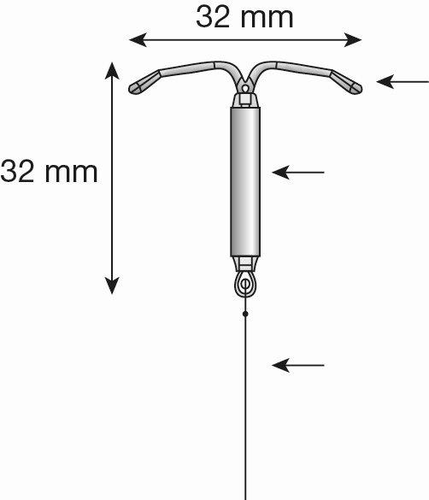
T-shaped plastic body
Hormone reservoir with
Blue removal threads
Figure 1b: Benilexa intrauterine release system (IUS) with inserter
Slit

Benilexa IUS
Insertion tube
Flange
BLUE slider
GREEN slider
Handle
Threads
Figure 2: Inserter sliders
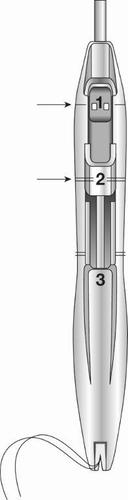
- Benilexa is partially preloaded inside the inserter. The threads are passed through the insertion tube and exit through an opening in the handle at the slit.
- The inserter handle contains a BLUE slider indicated with the number 1 and a GREEN slider indicated with the number 2, and the handle is indicated with the number 3 to facilitate the insertion process.
- Moving the sliders obtains the positions required to complete the insertion process.
Preparation for insertion
Step 1: Open the sterile Benilexa package
- Remove the sealed tray containing Benilexa from the box.
- Check the sealed tray and do not use the product if the packaging, inserter or IUS are damaged.
- Place the tray on a flat surface with the removable part facing up.
- Remove the removable part. Step 2: Remove the inserter from the tray (Figure 3)Figure 3
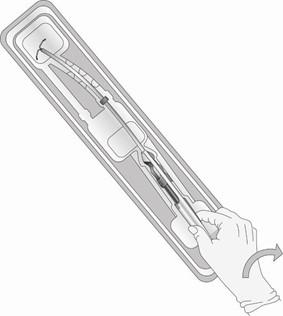
- To remove the inserter from the tray, grasp the handle under the sliders and gently rotate (Figure 3). NOTE: Do not attempt to remove the inserter by pulling the tube
Step 3: Sliders fully forward to load Benilexa (Figure 4)
Figure 4
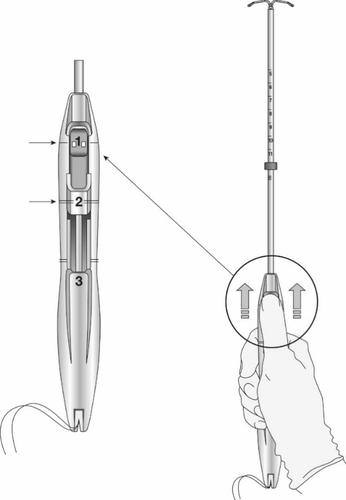
- The BLUE slider (indicated with the number
- 1) has a single marking line that will align with the single marking line of the handle.
- The GREEN slider (indicated with the number 2) has a double line marking that will align with the double line marking of the handle.
- Grasp the handle keeping your thumb or finger in the groove of the BLUE slider (above number 1) and apply forward pressureensuring that both sliders are fully moved forward.
Step 4: Load Benilexa into the inserter:
- Make sure that the arms of the IUS are horizontal (aligned with the horizontal plane of the handle and flange); adjust the rotation of the IUS as needed using the sterile flat surface of the tray
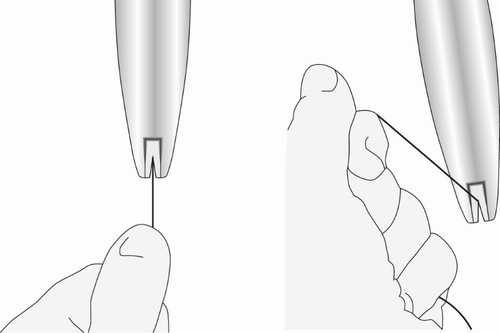
- Maintaining forward pressureon the blue slider, gently pull the threads straightback to load Benilexa into the insertion tube. Make sure that uniform tension is applied to both threads during pulling. Pull the threads up or down tolock the threadsin the slot at the lower end of the handle (figure 5); the threads must be locked in the slot to prevent the IUS from shifting from the top of the insertion tube. Once the threads are locked in the slot, stop holding the threads
Figure 5: Locking the threads in the slot
- After loading the IUS, continue to maintain forward pressure on the BLUE slider to maintain the correct position of the IUS.
- If loaded correctly, the IUS is completely in the insertion tube with the tips of the arms forming a hemispherical dome at the top of the tube (Figure 6, Zoom 1).
Figure 6: Position of the IUS in the insertion tube
Zoom 1
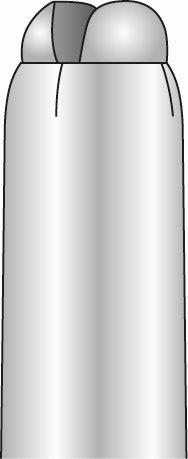
The knobs of the lateral arms must
be strictly opposite each other,
slightly above the upper end
of the insertion tube (Zoom
1).
Zoom 2
- If the IUS is not loaded correctly (Zoom 2), do not attempt insertion.
- To reload Benilexa:
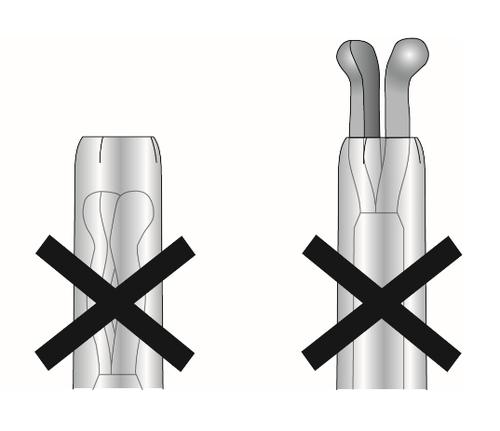
- Pull the BLUE slider back with your thumb until the groove aligns with the GREEN slider to release the IUS.
- Manually extract the threads from the slot.
- Return the BLUE slider to the forward position and repeat the loading steps.
Step 5: Adjusting the flange (Figure 7)
Figure 7
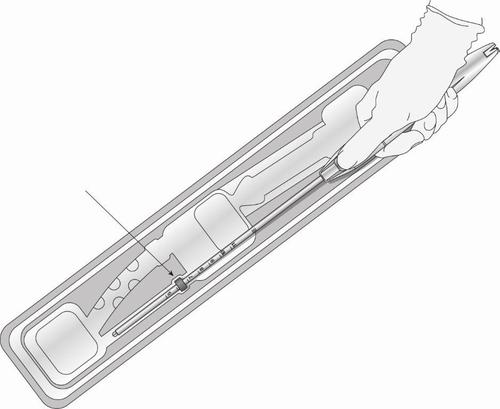
- Adjust the flange to the uterine depth measured with a hysterometer. To adjust the flange, place the flat side of the flange in the notch of the tray (Figure 7) or against a sterile edge within the tray. Slide the insertion tube as needed to move the flange to the correct measurement. Make sure that the flat sides of the flange are on the same horizontal plane as the handle.
- If adjustment of the curvature of the insertion tube is necessary to adapt to the anatomical orientation of the uterus,
it is possible to bend or straighten
the insertion tube. When bending the tube, avoid sharp curves
to avoid kinks.
- Once the flange is correctly positioned, avoid contact with the flange against objects that may change its position (e.g. tray, speculum, tenaculum, etc.).
Note: if at any stage it was
necessary to touch the flange or
another sterile surface, sterile gloves must
be used.
Tray notch
Step 6: Inserting Benilexa into the uterus (Figure 8)
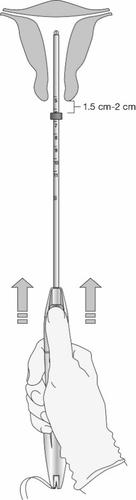
Figure 8
- Apply gentle traction on the tenaculum and continue to apply forward pressureon the BLUE slider while inserting the loaded insertion tube through the cervix. Advance the tube until the upper edge of the flange is 1.5-2 cm from the external cervical os (Figure 8). Maintain forward pressure on the BLUE slider throughout the insertion process.
- DO NOT advance the flange towards the cervix at this time.
- DO NOT force the inserter. If necessary, dilate the cervical canal.
Step 7: Releasing and opening the arms of the IUS
Figure 9
- Using your thumb or finger, gently slide the BLUE slider back until you feel resistance. The BLUE and GREEN sliders will merge together to form a common recess for the sliders. Do not move the BLUE slider more than necessary to create the recess. Keep the GREEN slider so that the double line markings on the slider and the inserter handle remain aligned (Figure 9). This will allow the arms of the IUS to open in the lower uterine segment. Do not pull the sliders back further as this may cause premature release of the IUS in the wrong position.
Wait 10-15 seconds to allow
the arms of the IUS to open
completely.
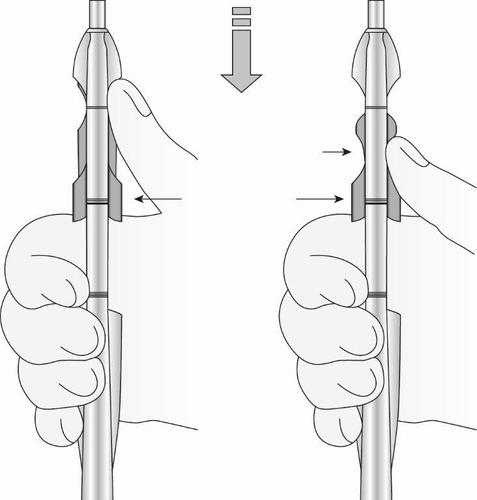
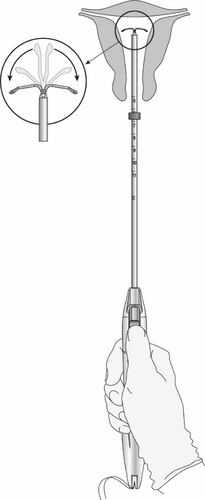
Figure 10: Moving Benilexa into the fundal position
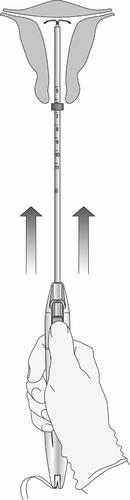
- Without moving the sliders, advance the inserter until the flange touches the cervix. If resistance is encountered on the fundus, do not continue to advance. Benilexa is now in the fundal position (Figure 10).
Note: the fundal position is important
to prevent expulsions .
Step 8: Release of Benilexa and completion of the procedure
Figure 11: Release of Benilexa from the inserter tube
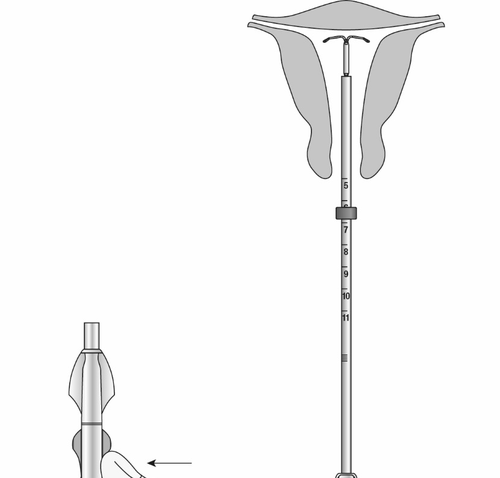
- Keeping the inserter steady and maintaining its position relative to the cervix, move bothsliders (BLUE and GREEN) together while maintaining the common slider indentation downwards towards the number 3 on the handle (Figure 11) until a click is felt and the GREEN indicator at the bottom of the handle becomes visible (Figure 12).
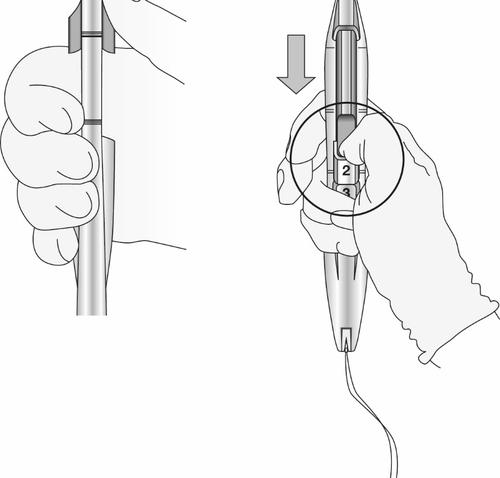
Figure 12: Green indicator visible and threads released from the slot
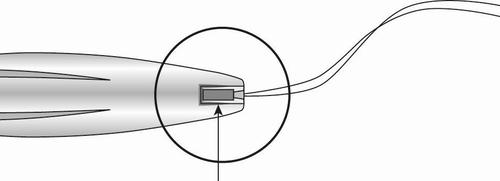
- Look at the slot to ensure that the threads have been released correctly (Figure 12); if they have not been released or if a click is not felt, grasp the threads and gently pull the threads out of the slot. Green indicator
Figure 13: Cut the threads approximately 3 cm from the cervix
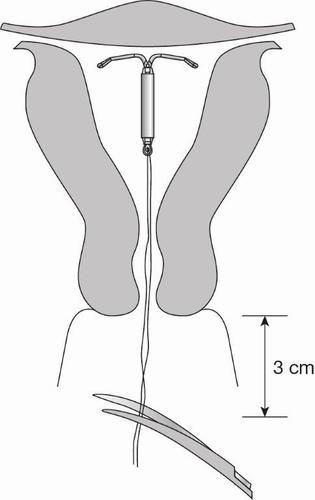
- Withdraw the inserter from the uterus.
- Use sharp blunt-tipped scissors to cut the IUS threads perpendicularly to the length of the thread, leaving approximately 3 cm outside the cervix (Figure 13). Note: do not cut the threads at an angle to avoid leaving sharp ends. Do not apply tension or pull on the threads during cutting to avoid displacing the IUS.
The insertion of Benilexa is now complete.
Important information to consider during or after insertion:
- If you suspect that the IUS is not in the correct position: o Verify the insertion with an ultrasound or other appropriate radiological test. o If incorrect insertion is suspected, remove Benilexa. Do not reinsert the same Benilexa IUS after removal.
IMPORTANT!
In case of difficulty with insertion and/or unusual pain or bleeding during or after
insertion, a medical examination and ultrasound must be performed immediately to
rule out perforation of the uterine body or cervix. A medical examination alone (including
checking the threads) may not be sufficient to rule out partial perforation. If necessary,
remove the system and insert a new sterile system.
Please remember to report all cases of uterine perforation or insertion difficulties through the
national pharmacovigilance system at
https://www.aifa.gov.it/content/segnalazioni-reazioni-avverse.
How to remove Benilexa
Benilexa is removed by gently pulling on the threads with forceps. Using excessive force or
sharp objects during removal may cause the device to break. If the threads are not
visible and the device is located in the uterine cavity, it can be removed using a
tight tenaculum or an intrauterine thread retrieval device. This may require
dilation of the cervical canal.
In women of childbearing potential, if pregnancy is not desired, removal of the device should
be performed during menstruation, provided there is a menstrual cycle.
If the device is removed mid-cycle and the woman has had intercourse during the
week prior to removal, she is at risk of pregnancy. To ensure continued contraceptive
protection, a new device must be inserted immediately or an alternative contraceptive
method must be used.
After removal of Benilexa, the device should be checked to ensure that it is
intact and has been completely removed. In isolated cases, during difficult removals,
it has been reported that the hormone-containing cylinder has slipped over the horizontal arms,
hiding them inside. Once the integrity of the device has been confirmed, no further
intervention is required. The protrusions of the horizontal arms usually prevent the complete
detachment of the cylinder from the T-body.

Не уверены, подходит ли вам это лекарство?
Обсудите симптомы и варианты лечения с врачом онлайн.

Уже начали прием и появились вопросы?
Обсудите свое состояние и дальнейшие шаги с врачом онлайн.
- Страна регистрации
- Форма выпускаIntrauterine releasing system, <20 micrograms/24 h
- Код АТХG02BA03
- Действующее вещество
- Отпускается по рецептуДа
- Производитель
- Информация на этой странице носит справочный характер и не является медицинской консультацией. Перед началом приема лекарства обязательно проконсультируйтесь с врачом.
- Аналоги BENILEXAФорма выпуска: Vaginal solution, 13,5 mgДействующее вещество: plastic IUD with progestogenПроизводитель: BAYER S.P.A.Отпускается по рецептуФорма выпуска: Intrauterine releasing system, 19,5 MGДействующее вещество: plastic IUD with progestogenПроизводитель: BAYER S.P.A.Отпускается по рецептуФорма выпуска: Intrauterine releasing system, 20 micrograms/24 hoursДействующее вещество: plastic IUD with progestogenПроизводитель: BAYER AGОтпускается по рецепту
Аналоги BENILEXA в других странах
Лекарства с тем же действующим веществом, доступные в других странах.
Аналог BENILEXA в Польша
Аналог BENILEXA в Украина
Аналог BENILEXA в Испания
Врачи онлайн по BENILEXA
Обсудите применение BENILEXA и возможные следующие шаги — по оценке врача.
Получите рецепт на BENILEXA онлайн
Заполните форму за 2 минуты
Расскажите о симптомах, истории болезни и нужном препарате.
Выберите врача или мы назначим
Выберите специалиста или мы подберём ближайшего доступного врача.
Врач рассматривает ваш случай
Обычно в течение 30 минут. Может задать уточняющие вопросы в чате.
Получите в любой аптеке
Электронный рецепт отправляется на вашу почту — действителен по всей Польше.
Часто задаваемые вопросы
BENILEXA требует рецепта в Италия. Вы можете уточнить у врача онлайн, подходит ли это лекарство для вашей ситуации.
Действующее вещество BENILEXA — plastic IUD with progestogen. Эта информация помогает определить лекарства с тем же составом под другими торговыми названиями.
BENILEXA производится компанией GEDEON RICHTER PLC. Упаковка и торговое название могут отличаться в зависимости от дистрибьютора.
Врачи, включая Семейные врачи, Психиатры, Дерматологи, Кардиологи, Эндокринологи, Гастроэнтерологи, Пульмонологи, Нефрологи, Ревматологи, Гематологи, Инфекционисты, Аллергологи, Гериатры, Педиатры, Онкологи, могут оценить целесообразность применения BENILEXA с учетом вашей ситуации и местных правил. Вы можете записаться на онлайн-консультацию, чтобы обсудить возможные варианты.
Польша имеет хорошо развитую систему здравоохранения в крупных городах, таких как Варшава, Краков, Вроцлав и Гданьск. Аптеки широко доступны и работают в соответствии с действующим законодательством, обеспечивая доступ к рецептурным препаратам.
Вы можете купить BENILEXA в Варшаве, Кракове, Вроцлаве или Гданьске в любой аптеке при наличии действующего рецепта.
Чтобы получить рецепт, вы можете воспользоваться Oladoctor:
Другие лекарства с тем же действующим веществом (plastic IUD with progestogen) включают JAYDESS, KYLEENA, MIRENA. Они могут отличаться торговым названием или формой выпуска, но содержат одинаковый терапевтический компонент. Перед изменением лечения рекомендуется проконсультироваться с врачом.
