



ATENOL 100 mg Таблетка

Рассмотрение рецепта онлайн
Врач рассмотрит ваш случай и примет решение о назначении рецепта, если это медицински оправдано.

Поговорите с врачом об этом лекарстве
Обсудите симптомы и возможные дальнейшие шаги на онлайн-консультации.



Инструкция по применению ATENOL
Содержание инструкции
Atenol 100 mg tablets
Atenolol
Read this leaflet carefully before taking this medicine as it contains important information for you.
- Keep this leaflet. You may need to read it again.
- If you have any questions, ask your doctor or pharmacist.
- This medicine has been prescribed for you only. Do not pass it on to others, even if their symptoms are the same as yours, as it could be harmful.
- If you get any side effects, even those not listed in this leaflet, tell your doctor or pharmacist. See section 4.
Contents of this leaflet:
- 1. What Atenol is and what it is used for
- 2. What you need to know before you take Atenol
- 3. How to take Atenol
- 4. Possible side effects
- 5. How to store Atenol
- 6. Contents of the pack and other information
1. What is Atenol and what is it used for
Atenol contains atenolol as its active ingredient, which belongs to the category of beta-blocker medications.
This medicine is used for the treatment of the following conditions:
- High blood pressure (arterial hypertension), including that of renal origin;
- Angina pectoris (severe chest pain in the region behind the sternum due to insufficient blood and oxygen supply to the heart).
2. What you need to know before taking Atenol
Do not take Atenol
- if you are allergic to atenolol or any of the other ingredients of this medicine (listed in section 6);
- if you have a heart rate that is too slow (bradycardia);
- in case of cardiogenic shock;
- if your blood pressure is very low (hypotension);
- if you have an increased concentration of acids in the body (metabolic acidosis);
- if you have severe disorders of peripheral arterial circulation;
- if you suffer from a particular type of heart rhythm disturbance (irregular heartbeat) called second or third degree atrioventricular block;
- if you suffer from sinus node disease;
- if you suffer from a rare, untreated tumor of the adrenal glands (pheochromocytoma);
- if you suffer from a severe heart disease (heart failure) not controlled by adequate therapy;
- if you are affected by a rare disease characterized by short episodes of narrowing of the arteries, the blood vessels that carry blood from the heart to the rest of the body (Raynaud's syndrome)
- if you suffer from severe asthma and severe chronic obstructive pulmonary diseases
- in association with intravenous therapy with verapamil or diltiazem
- if you are breastfeeding.
If you are in any of the above situations, tell your doctor.
Warnings and precautions
Talk to your doctor or pharmacist before taking Atenol:
- if you have kidney problems
- if you have thyroid problems (a gland located in the neck)
- if you suffer from diabetes (a disease characterized by an excess of sugars in the blood) and hypoglycemia (a disease characterized by a low level of sugars in the blood) because it may mask the signs of hypoglycemia such as changes in heart rate (tachycardia)
- if you have heart problems or blood circulation problems even if controlled by adequate therapy
- if you have respiratory problems or asthma
- if you suffer from a type of chest pain called “Prinzmetal's angina”
- if you are pregnant or planning to become pregnant
- if you have ever had an allergic-type reaction (for example, from an insect sting)
- do not suddenly stop taking Atenol, especially if you suffer from insufficient oxygenation of the heart (ischemic heart disease). If you need to stop or suspend therapy with Atenol after prolonged use, the reduction must always be done gradually with a gradual decrease, as a sudden suspension can lead to a reduced supply of oxygenated blood to the heart (myocardial ischemia) with exacerbation of angina pectoris (heart disease that manifests with chest pain), or myocardial infarction, or may cause an exacerbation of hypertension.
- if you suffer from severe impairment of renal function, an adjustment of the
- dose is necessary because Atenol is eliminated via the kidneys
Anesthesia
Particular caution must be exercised when using anesthetic agents during treatment with Atenol.
If you are scheduled for surgery, the therapy with Atenol must be stopped
at least 24 hours before the operation, as there is an increased risk of decreased blood pressure
(hypotension). Consult your doctor regarding the risk-benefit assessment of stopping
taking Atenol.
In the event of hospitalization, inform the medical staff of the ongoing treatment with Atenol and, in
particular, the anesthesiologist in case of surgery.
Reduced heart rate (number of heartbeats per minute)
During treatment with Atenol you may experience a reduction in heartbeats (see section
“Possible side effects”). This effect is normal, but if it becomes a cause for concern, it is
advisable to consult your doctor.
Diabetes or hypoglycemia (low blood sugar levels)
If you have diabetes and are being treated with antidiabetics (medicines to treat diabetes), Atenol may increase
blood sugar levels. This generally induces an increase in heart rate.
For those who play sports: the use of the medicine without a therapeutic need constitutes doping and may
still result in positive doping tests.
Children and adolescents
Atenol should not be given to children and adolescents under 18 years of age.
Other medicines and Atenol
Tell your doctor or pharmacist if you are taking, have recently taken or might take any
other medicines.
In particular, tell your doctor if you are taking:
- medicines for high blood pressure or angina (verapamil, diltiazem, nifedipine) because concomitant administration with these medicines can lead to a worsening of the conditions above reported, especially in patients with impaired cardiac function. This can cause a severe reduction in blood pressure (severe hypotension), a heart rate below 60 beats per minute (bradycardia) and heart failure. At least 48 hours must have elapsed since the suspension of any previous intravenous therapy with verapamil or diltiazem before starting treatment with Atenol, or vice versa
- medicines for heart failure (digitalis glycosides)
- medicines for the treatment of irregular heartbeats (disopyramide or amiodarone)
- sympathomimetic drugs such as adrenaline
- indomethacin or ibuprofen (analgesics)
- nasal decongestants or other medicines (containing for example pseudoephedrine) for the treatment of colds
- clonidine, a medicine used to treat high blood pressure (hypertension) or to prevent migraine; in this case, the treatment of clonidine or Atenol should not be interrupted without first consulting a doctor. Consult your doctor also if you need to replace clonidine with Atenol
- Insulin or drugs that decrease glucose concentration in the blood (hypoglycemic drugs).
Pregnancy and breastfeeding
If you are pregnant, suspect you are pregnant or are planning to become pregnant, or if you are breastfeeding,
ask your doctor or pharmacist for advice before taking this medicine.
Babies born to mothers who have taken Atenol before delivery or during breastfeeding may be at
risk of hypoglycemia (low blood sugar levels) or bradycardia (reduced heart rate
per minute).
Atenolol accumulates in breast milk, therefore its use is contraindicated during breastfeeding.
Driving and using machines
It is unlikely that taking Atenol will affect your ability to drive vehicles or use
machines. However, dizziness and fatigue can sometimes occur; if you experience these symptoms
avoid performing these activities.
3. How to take Atenol
Take this medicine following exactly the instructions of your doctor or pharmacist. If you have doubts
consult your doctor or pharmacist.
The doctor will tell you how many tablets to take each day and when depending on your condition, the initial dose
recommended, especially in the elderly, is the lowest possible dose in order to promptly recognize
the onset of symptoms of heart failure (the heart's inability to provide blood in
adequate quantity compared to the actual request of the body), bradycardia (reduction of the heart rate
below the value of 60 beats per minute) and bronchial symptoms.
The tablets must be swallowed whole with a little water, preferably always at the same time.
The tablets should not be chewed and must be taken with a sufficient amount of liquid to
facilitate swallowing.
The recommended doses are:
Adults
- Arterial hypertension including that of renal origin: start therapy with 50 mg of atenolol per day using another medicine based on atenolol for which this dosage is available/obtainable. Usually the full effect of reducing blood pressure is achieved after one or two weeks of therapy. If you do not obtain a satisfactory effect, take one tablet a day during the second week. If necessary, a further reduction in blood pressure can be obtained by taking Atenol with other drugs used to control high blood pressure (antihypertensive drugs).
- Angina pectoris: 1 tablet a day.
Use in patients with severe renal impairment
If you suffer from severe kidney problems, your doctor may decide to prescribe you a lower dose of Atenol.
Use in the elderly
Your doctor may consider it necessary to reduce the dosage.
Use in children and adolescents
Atenol should not be given to children and adolescents under the age of 18.
If you take more Atenol than you should
In case of accidental ingestion/taking of doses higher than those recommended, immediately inform your
doctor or go to the nearest hospital.
If you forget to take Atenol
Do not take a double dose to make up for the missed tablet.
If you forget to take a dose, it is advisable to take it as soon as possible. Do not take two doses
at the same time.
If you stop taking Atenol
Improvement in your health condition should not lead to discontinuation of treatment, unless
requested by your doctor.
Discontinuation of treatment must occur gradually.
If you have any doubts about the use of this medicine, ask your doctor or pharmacist.
4. Possible side effects
Like all medicines, this medicine can cause side effects, although not everyone will experience them.
During treatment with Atenol, as with any medicine, the following side effects may occur with the following frequency:
Common(may affect up to 1 in 10 people)
- slowed heartbeat
- cold hands and feet
- gastrointestinal disorders (nausea, vomiting, diarrhea, abdominal pain)
- alterations in blood tests related to liver function (transaminases)
- fatigue
Uncommon(may affect up to 1 in 100 people)
- sleep disturbances
Rare(may affect up to 1 in 1,000 people)
- difficulty breathing and/or swelling of the ankles in patients with heart failure
- worsening of heart function up to heart block (which can cause an abnormal heartbeat, dizziness, fatigue or fainting)
- sudden drop in blood pressure when standing up with the possibility of loss of consciousness
- intense cramps and muscle pain in the legs when walking (worsening of intermittent claudication that resolves with rest)
- numbness and cramping of the fingers followed by a sensation of warmth and pain (Raynaud's phenomenon)
- dizziness, headache, tingling in the hands or feet
- mood changes, nightmares, confusion, psychosis (mental disorders), hallucinations (seeing inexplicable things), worsening of nervous syndromes with mental depression, catatonia (apathy and reduced motor activity) and memory disorders
- dry mouth
- liver damage (hepatic toxicity) including intrahepatic cholestasis (with yellowing of the skin and eyes)
- purpura (purple spots on the skin), thrombocytopenia (reduction in the number of platelets in the blood)
- hair loss, skin rashes, including worsening of psoriasis, skin redness; furthermore, atenolol may worsen depigmentation in subjects affected by vitiligo (a disease characterized by the appearance on the skin, hair or mucous membranes, of patches where there is a complete lack of color)
- dry eyes, visual disturbances
- impotence (inability to obtain an erection)
- bronchospasm (worsening of breathing difficulties) in patients with asthma or who suffer from asthmatic problems
Frequency not known (the frequency cannot be estimated based on available data):
- lupus-like syndrome (a disease in which the immune system produces antibodies that primarily attack the skin and joints)
- hypotension (condition in which blood pressure is much lower than considered normal values)
- dyspnea (difficulty breathing)
Reporting of side effects
If you experience any side effects, including those not listed in this leaflet, please inform your doctor
or pharmacist. You can also report side effects directly through the national reporting system at https://www.aifa.gov.it/content/segnalazioni-reazioni-avverse .
By reporting side effects, you can contribute to providing more information on the safety of this
medicine.
5. How to store Atenol
Keep this medicine out of the sight and reach of children.
Do not use this medicine after the expiry date which is stated on the packaging. The expiry date refers to the last day of that month. The period of validity refers to the product in intact packaging,
correctly stored.
Do not dispose of any medicine in wastewater or household waste. Ask your pharmacist how to eliminate the
medicines that you no longer use. This will help protect the environment.
6. Contents of the pack and other information
What Atenol contains
- The active ingredient is atenolol. One tablet contains 100 mg of atenolol.
- The other ingredients are: magnesium carbonate, pregelatinized corn starch, magnesium stearate, sodium lauryl sulfate.
Description of the appearance of Atenol andcontents of the pack
50 tablets of 100 mg
Marketing Authorisation Holder
Errekappa Euroterapici S.p.A. - Via Ciro Menotti, 1/A - Milan
Manufacturer
Laboratorio Farmaceutico C.T. S.r.l. - Via Dante Alighieri, 71 - Sanremo (IM)

Не уверены, подходит ли вам это лекарство?
Обсудите симптомы и варианты лечения с врачом онлайн.

Уже начали прием и появились вопросы?
Обсудите свое состояние и дальнейшие шаги с врачом онлайн.
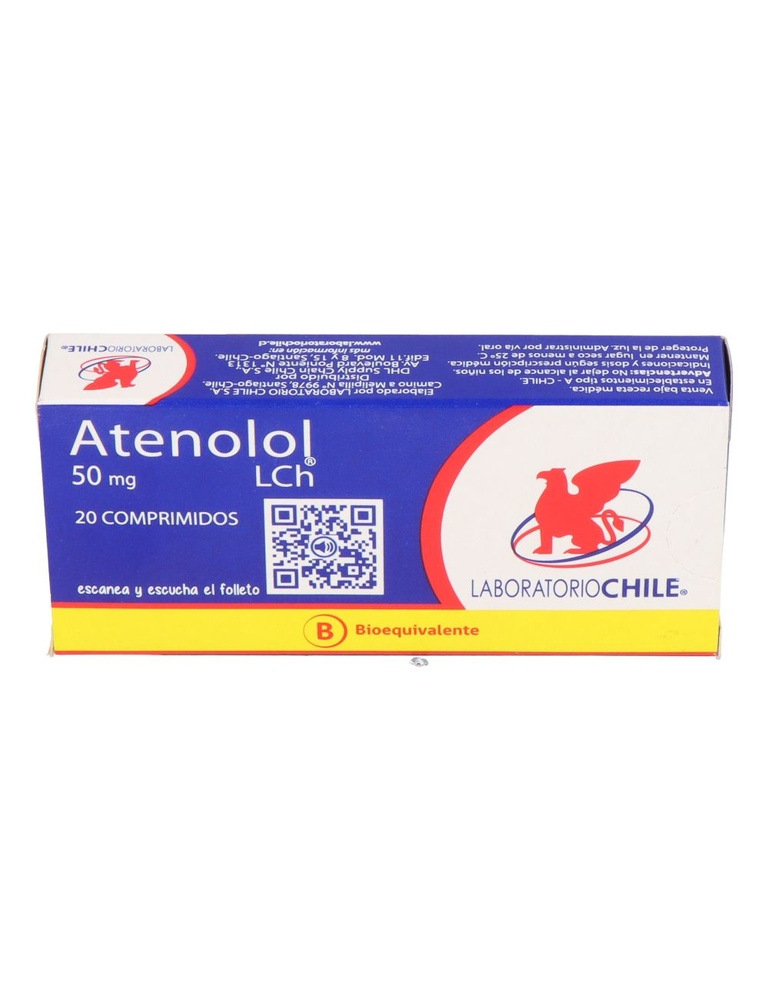
- Страна регистрации
- Форма выпускаTablet, 100 MG
- Код АТХC07AB03
- Действующее вещество
- Отпускается по рецептуНет
- Производитель
- Информация на этой странице носит справочный характер и не является медицинской консультацией. Перед началом приема лекарства обязательно проконсультируйтесь с врачом.
- Аналоги ATENOLФорма выпуска: Film-coated tablet, 100 MGДействующее вещество: АтенололПроизводитель: ABC FARMACEUTICI S.P.A.Отпускается по рецептуФорма выпуска: Coated tablet, 25 MGДействующее вещество: АтенололПроизводитель: ACCORD HEALTHCARE, S.L.U.Отпускается по рецептуФорма выпуска: Tablet, 100 MGДействующее вещество: АтенололПроизводитель: ALMUS S.R.L.Отпускается по рецепту
Аналоги ATENOL в других странах
Лекарства с тем же действующим веществом, доступные в других странах.
Аналог ATENOL в Испания
Аналог ATENOL в Польша
Аналог ATENOL в Украина
Врачи онлайн по ATENOL
Обсудите применение ATENOL и возможные следующие шаги — по оценке врача.
Получите рецепт на ATENOL онлайн
Заполните форму за 2 минуты
Расскажите о симптомах, истории болезни и нужном препарате.
Выберите врача или мы назначим
Выберите специалиста или мы подберём ближайшего доступного врача.
Врач рассматривает ваш случай
Обычно в течение 30 минут. Может задать уточняющие вопросы в чате.
Получите в любой аптеке
Электронный рецепт отправляется на вашу почту — действителен по всей Польше.
Часто задаваемые вопросы
ATENOL не требует рецепта в Италия. Вы можете уточнить у врача онлайн, подходит ли это лекарство для вашей ситуации.
Действующее вещество ATENOL — Атенолол. Эта информация помогает определить лекарства с тем же составом под другими торговыми названиями.
ATENOL производится компанией ERREKAPPA EUROTERAPICI S.P.A.. Упаковка и торговое название могут отличаться в зависимости от дистрибьютора.
Врачи, включая Семейные врачи, Психиатры, Дерматологи, Кардиологи, Эндокринологи, Гастроэнтерологи, Пульмонологи, Нефрологи, Ревматологи, Гематологи, Инфекционисты, Аллергологи, Гериатры, Педиатры, Онкологи, могут оценить целесообразность применения ATENOL с учетом вашей ситуации и местных правил. Вы можете записаться на онлайн-консультацию, чтобы обсудить возможные варианты.
Польша имеет хорошо развитую систему здравоохранения в крупных городах, таких как Варшава, Краков, Вроцлав и Гданьск. Аптеки широко доступны и работают в соответствии с действующим законодательством, обеспечивая доступ к рецептурным препаратам.
Вы можете купить ATENOL в Варшаве, Кракове, Вроцлаве или Гданьске в любой аптеке при наличии действующего рецепта.
Чтобы получить рецепт, вы можете воспользоваться Oladoctor:
Другие лекарства с тем же действующим веществом (Атенолол) включают ATENOLOLO ABK, ATENOLOLO AKL, ATENOLOLO ALMUS. Они могут отличаться торговым названием или формой выпуска, но содержат одинаковый терапевтический компонент. Перед изменением лечения рекомендуется проконсультироваться с врачом.
