



АРПОЯ 5 мг Таблетка

Рассмотрение рецепта онлайн
Врач рассмотрит ваш случай и примет решение о назначении рецепта, если это медицински оправдано.

Поговорите с врачом об этом лекарстве
Обсудите симптомы и возможные дальнейшие шаги на онлайн-консультации.



Инструкция по применению ARPOYA
Содержание инструкции
ARPOYA 5 mg tablets, 10 mg tablets, 15 mg tablets
Aripiprazole
Generic medicine
Read this leaflet carefully before you start taking this medicine because it contains
important information for you.
- Keep this leaflet. You may need to read it again.
- If you have any questions, ask your doctor or pharmacist.
- This medicine has been prescribed for you only. Do not pass it on to others, even if their symptoms are the same as yours, as it could be harmful.
- If you get any side effects, even those not listed in this leaflet, tell your doctor or pharmacist. See section 4.
Contents of this leaflet:
- 1. What ARPOYA is and what it is used for
- 2. What you need to know before you take ARPOYA
- 3. How to take ARPOYA
- 4. Possible side effects
- 5. How to store ARPOYA
- 6. Contents of the pack and other information
1. What is ARPOYA and what is it used for
ARPOYA contains the active substance aripiprazole and belongs to a group of medicines
called antipsychotics. It is used for the treatment of adults and adolescents starting from 15 years of
age who suffer from an illness characterized by symptoms such as hearing, seeing or perceiving
things that are not present, suspiciousness, false beliefs, incoherent speech and behavior
and emotional blunting. People who present this condition
may also feel depressed, guilty, anxious or tense.
ARPOYA is used for the treatment of adults and adolescents starting from 13 years of age who are
affected by a condition characterized by symptoms such as feeling “revved up”, having excessive
energy, not needing to sleep as much as usual, talking very quickly with “flight of
ideas” and sometimes severe irritability. Furthermore, it prevents this condition in adults who
have responded to treatment with ARPOYA.
2. What you need to know before taking ARPOYA
Do not take ARPOYA
- if you are allergic to aripiprazole or any of the other ingredients of this medicine (listed in section 6).
Warnings and precautions
Before treatment with ARPOYA, tell your doctor if you suffer from
- high blood sugar levels (characterised by symptoms such as excessive thirst, producing large amounts of urine, increased appetite and feeling weak) or a family history of diabetes
- epilepsy (seizures) as your doctor may decide to monitor you more closely
- involuntary, irregular muscle movements, especially of the face
- cardiovascular diseases (heart and circulation diseases), a family history of cardiovascular disease, stroke or transient ischaemic attack, blood pressure abnormalities
- blood clots or a family history of blood clots, as antipsychotics have been associated with the formation of blood clots
- previous experience of excessive gambling.
If you notice that your weight is increasing, if you develop unusual movements, if you feel sleepy
that interferes with normal daily activities, if you have difficulty swallowing or if you have allergic
symptoms, tell your doctor.
If you are an elderly patient suffering from dementia (loss of memory and other mental abilities),
you or the person caring for you must inform the doctor if you have had a stroke or transient
ischaemic attack (TIA) in the past.
Tell your doctor immediately if you are thinking about harming yourself.
Suicidal thoughts and behaviours have been reported during treatment with aripiprazole.
Tell your doctor immediately if you suffer from stiffness or muscle rigidity with high fever,
sweating, altered mental state or a very fast or irregular heartbeat.
Inform your doctor if you, your family members or your caregiver notice that you are
developing an urge or desire to behave in ways that are unusual for you and that you cannot
resist the impulse, drive or temptation to carry out certain activities that may
harm yourself or others. These phenomena are called impulse control disorders and may include
behaviours such as gambling addiction, excessive eating or spending, unusually high sexual
drive or preoccupation with sexual thoughts or feelings.
Your doctor may need to adjust your dose or stop your therapy.
Aripiprazole can cause drowsiness, low blood pressure when getting up, dizziness and changes in
your ability to move and maintain balance, which can lead to falls. Be careful, especially if you
are elderly or in some way debilitated.
Children and adolescents
Do not use this medicine in children and adolescents under the age of 13 years. It is not known
whether it is safe and effective in these patients.
Other medicines and ARPOYA
Tell your doctor or pharmacist if you are taking, have recently taken or might
take any other medicines, including medicines obtained without a prescription.
Medicines that lower blood pressure: ARPOYA may increase the effect of
medicines used to lower blood pressure. Tell your doctor if you are taking a
medicine to control your blood pressure.
Taking ARPOYA together with certain medicines may mean that your doctor will need to
change the dose of ARPOYA or the other medicines. It is particularly important
to inform your doctor about the following medicines:
- medicines to correct heart rhythm (e.g. quinidine, amiodarone, flecainide)
- antidepressants or herbal remedies used to treat depression and anxiety (e.g. fluoxetine, paroxetine, venlafaxine, St John's wort)
- antifungal medicines (e.g. ketoconazole, itraconazole)
- some medicines to treat HIV infection (e.g. efavirenz, nevirapine, a protease inhibitor such as indinavir, ritonavir)
- anticonvulsants used to treat epilepsy (e.g. carbamazepine, phenytoin, phenobarbital)
- some antibiotics used to treat tuberculosis (rifabutin, rifampicin).
These medicines may increase the risk of side effects or reduce the effect of
ARPOYA. Consult your doctor if you experience any unusual symptoms while taking any
of these medicines together with ARPOYA.
The medicines that increase the level of serotonin are typically used in conditions such as
depression, generalized anxiety disorder, obsessive-compulsive disorder (OCD) and social
phobia, as well as migraine and pain:
- triptans, tramadol and tryptophan used in conditions such as depression, generalized anxiety disorder, obsessive-compulsive disorder (OCD) and social phobia, as well as migraine and pain
- selective serotonin reuptake inhibitors (SSRIs) (e.g. paroxetine and fluoxetine) used for depression, OCD, panic and anxiety
- other antidepressants (e.g. venlafaxine and tryptophan) used in major depression
- tricyclics (e.g. clomipramine and amitriptyline) used for depressive illness
- St John's wort (Hypericum perforatum), used as a herbal remedy for mild depression
- painkillers (e.g. tramadol and pethidine) used to relieve pain
- triptans (e.g. sumatriptan and zolmitriptan) used for the treatment of migraine.
These medicines may increase the risk of side effects. Consult your doctor if
you experience any unusual symptoms while taking any of these medicines
together with ARPOYA.
ARPOYA with food, drinks and alcohol
This medicine can be taken independently of food.
Alcohol should be avoided.
Pregnancy, breastfeeding and fertility
If you are pregnant, suspect you may be pregnant, or are planning to become pregnant, ask your
doctor for advice before taking this medicine.
The following symptoms may occur in newborns of mothers who have used ARPOYA
in the last trimester (last three months of pregnancy): tremor, rigidity and/or muscle weakness,
drowsiness, agitation, breathing problems, and difficulty feeding. If the
child presents any of these symptoms, it may be necessary to contact the doctor.
If you are taking ARPOYA, your doctor will discuss with you whether you should continue
breastfeeding, considering the benefit you receive from the therapy and the benefit for the baby
from breastfeeding.
One choice excludes the other. If you are taking this medicine, discuss with your doctor the best
way to feed your baby .
Driving and using machines
Dizziness and visual disturbances may occur during treatment with this medicine (see section 4).
This should be taken into account in situations where full alertness is required, for example when
driving a vehicle or using machinery.
ARPOYA contains maltose
If you have been diagnosed by a doctor as intolerant to some sugars, contact him before
taking this medicine.
ARPOYA contains sodium
This medicine contains less than 1 mmol (23 mg) of sodium per tablet, which is
essentially “sodium-free”.
3. How to take ARPOYA
Take this medicine following exactly the instructions of your doctor or pharmacist. If you have any doubts, ask your doctor or pharmacist.
The recommended dose for adults is 15 mg once a day. However, your doctor may prescribe a lower or higher dose up to a maximum of 30 mg once a day.
Use in children and adolescents
This medicine can be started with a low dose using ABILIFY oral solution (liquid).
The dose can be gradually increased to the recommended dose for adolescents of 10 mg once a day. However, your doctor may prescribe a lower or higher dose up to a maximum of 30 mg once a day.
If you feel that the effect of ARPOYA is too strong or too weak, contact your doctor or pharmacist.
Try to take ARPOYA every day at the same time. It does not matter if you take it with food or not. Always take the tablet with water, swallowing it whole.
Even if you feel well, do not change or stop the daily dose of ARPOYA without first consulting your doctor.
If you take more ARPOYA than you should
If you should realize that you have taken more ARPOYA than your doctor has recommended (or if someone else has taken ARPOYA), contact your doctor immediately. If you cannot reach your doctor, go to the nearest hospital and bring the package with you.
Patients who have taken too much aripiprazole have experienced the following symptoms:
- rapid heartbeat, agitation/aggression, speech problems, unusual movements (especially of the face or tongue) and reduced level of consciousness.
Other symptoms may include:
- acute confusion, seizures (epilepsy), coma, a combination of fever, rapid breathing, sweating,
- muscle rigidity and drowsiness or sleepiness, slowed breathing, feeling of suffocation, high or low blood pressure, heart rhythm disturbances.
Contact your doctor or hospital immediately if you have any of these symptoms.
If you forget to take ARPOYA
If you should forget a dose, take it as soon as you remember. Do not take a double dose to make up for a forgotten dose.
If you stop taking ARPOYA
Do not stop treatment just because you feel better. It is important to continue taking ARPOYA for the entire period indicated by your doctor.
If you have any doubts about the use of this medicine, ask your doctor or pharmacist.
4. Possible side effects
Like all medicines, this medicine can cause side effects, although not everybody gets them.
Common side effects(may affect up to 1 in 10 people):
- diabetes mellitus,
- difficulty sleeping,
- feeling anxious,
- feeling restless and unable to stay still, difficulty remaining seated,
- akathisia (an unpleasant feeling of inner restlessness and an irresistible need to move continuously),
- uncontrollable muscle contractions, jerking or twisting movements,
- tremor,
- headache,
- fatigue,
- drowsiness,
- feeling lightheaded,
- agitation and blurred vision,
- reduced number of bowel movements or difficulty evacuating,
- indigestion,
- nausea,
- increased saliva production,
- vomiting,
- feeling tired.
Uncommon side effects(may affect up to 1 in 100 people):
- increased levels of the hormone prolactin in the blood,
- high blood sugar levels,
- depression,
- altered or increased sexual interest,
- uncontrollable movements of the mouth, tongue and limbs (tardive dyskinesia),
- muscle disorder causing twisting movements (dystonia),
- restless legs,
- double vision,
- eye sensitivity to light
- fast heartbeat,
- low blood pressure when getting up, which causes dizziness, lightheadedness or fainting,
- hiccups.
The following side effects have been reported since aripiprazole oral was launched but the frequency with which they have occurred is not known:
- low levels of white blood cells,
- low levels of platelets,
- allergic reaction (e.g. swelling of the mouth, tongue, face and throat, itching, hives), onset or worsening of diabetes, ketoacidosis (ketones in the blood and
in the urine) or coma,
- high blood sugar levels,
- low level of sodium in the blood,
- loss of appetite (anorexia),
- weight loss,
- weight gain,
- thoughts of suicide, attempted suicide and suicide,
- feeling aggressive,
- agitation,
- nervousness,
- combination of fever, muscle rigidity, fast breathing, sweating, reduced awareness and sudden changes in blood pressure and heart rate, fainting (malignant neuroleptic syndrome),
- convulsions,
- serotonin syndrome (a reaction that can cause a feeling of great happiness, drowsiness, clumsiness, restlessness, feeling drunk, fever, sweating or muscle rigidity),
- speech disorders,
- eyeballs fixed in one position,
- sudden unexplained death,
- potentially fatal irregular heartbeat,
- heart attack,
- slowed heartbeat,
- blood clots in the veins, especially in the legs (symptoms include swelling, pain and redness of the leg), which can travel to the lungs causing chest pain and difficulty breathing (if you notice any of these symptoms, seek medical advice immediately),
- high blood pressure,
- fainting,
- accidental inhalation of food with risk of pneumonia (lung infection),
- spasm of the muscles around the larynx,
- inflammation of the pancreas,
- difficulty swallowing,
- diarrhoea,
- abdominal discomfort,
- stomach discomfort,
- liver failure,
- liver inflammation,
- yellowing of the skin and the whites of the eyes,
- cases of abnormal liver function test values,
- skin rash,
- skin sensitivity to light,
- hair loss,
- excessive sweating,
- serious allergic reactions such as drug reaction with eosinophilia and systemic symptoms (DRESS). DRESS initially manifests with flu-like symptoms and a rash on the face that then spreads, high temperature, enlarged lymph nodes, increased levels of liver enzymes found in blood tests and an increase in a type of white blood cells (eosinophilia),
- abnormal breakdown of muscles that can cause kidney problems,
- muscle pain,
- stiffness,
- involuntary loss of urine (incontinence),
- difficulty urinating,
- withdrawal symptoms in newborns if exposed during pregnancy,
- prolonged and/or painful erection,
- difficulty controlling internal body temperature or conditions of excessive heat,
- chest pain,
- swelling of the hands, ankles or feet,
- in blood tests: increase or fluctuation of blood sugar levels, increased glycated hemoglobin,
- inability to resist the urge, drive or temptation to perform an action that may be harmful to you or others, which may include:
- strong urge to gamble excessively despite serious personal or family consequences
- altered or increased sexual interest and behaviour that causes significant concern to you or others, for example an increase in sexual drive
- excessive shopping or spending,
- binge eating (eating large amounts of food in a short period of time) or compulsive eating (eating more food than normal and more than needed to satisfy your appetite).
- tendency to wander. Inform your doctor if you experience any of these behaviours; they will explain how to manage or reduce the symptoms.
In elderly patients with dementia, more fatal cases have been reported during the intake of aripiprazole. In addition, cases of stroke or "mini" strokes have been reported.
Additional side effects in children and adolescents
Adolescents aged 13 years and over have had side effects similar in type and frequency to those of adults, except for drowsiness, uncontrollable muscle contractions or jerking movements, restlessness and fatigue which were very common (more than 1 in 10) and for upper abdominal pain, dry mouth, increased heart rate, weight gain, increased appetite, muscle contraction, uncontrollable movements of the limbs and feeling dizzy, especially when getting up from a lying or sitting position, which were common (more than 1 in 100).
Reporting of side effects
If you get any side effects, talk to your doctor or pharmacist. This includes any possible side effects not listed in this leaflet. You can also report side effects directly through the national reporting system at
https://www.aifa.gov.it/content/segnalazioni-reazioni-avverse
By reporting side effects you can help provide more information on the safety of this medicine.
5. How to store ARPOYA
Keep this medicine out of the sight and reach of children.
Do not use this medicine after the expiry date which is stated on the blister and the package
after “Exp.”. The expiry date refers to the last day of that month.
Store in the original package to protect the medicine from moisture.
Do not dispose of any medicine in wastewater or household waste. Ask your pharmacist
how to dispose of medicines you no longer use. This will help protect the environment.
6. Package Contents and Other Information
What ARPOYA contains
- The active ingredient is aripiprazole. Each ARPOYA 5 mg tablet contains 5 mg of aripiprazole. Each ARPOYA 10 mg tablet contains 10 mg of aripiprazole. Each ARPOYA 15 mg tablet contains 15 mg of aripiprazole.
- The other ingredients are: Tablet core: crystalline maltose, microcrystalline cellulose, pregelatinized starch, sodium croscarmellose and magnesium stearate
Tablet coating:
ARPOYA 5 mg tablets
Indigotine (E132)
ARPOYA 10 mg tablets
Red iron oxide (E172)
ARPOYA 15 mg tablets
Yellow iron oxide (E172)
Description of the appearance of APROYA and package contents
ARPOYA 5 mg tablets are azure to blue, mottled, round and biconvex of
- 6.1 mm in diameter, with “5” imprinted on one side. ARPOYA 10 mg tablets are pink, round and biconvex of 8.1 mm in diameter, with “10” imprinted on one side. ARPOYA 15 mg tablets are yellow, round and biconvex of 10.1 mm in diameter, with “15” imprinted on one side.
They are distributed in aluminum PA/Alu/PVC-Aluminum blister packs packaged in
cardboard boxes containing 14, 28, 42, 49, 56, 84, 91 or 98 tablets.
Not all pack sizes may be marketed.
Marketing Authorization Holder
Sintesy Pharma S.r.l.
Via G. Mazzini, 20
- 20123 - Milan (Italy)
Manufacturer
Pharmathen International S.A.
Industrial Park Sapes,
Rodopi Prefecture, Block No 5,
Rodopi 69300,
Greece
or
Pharmathen S.A.
6, Dervenakion
Pallini 15351
Attiki,
Greece

Не уверены, подходит ли вам это лекарство?
Обсудите симптомы и варианты лечения с врачом онлайн.

Уже начали прием и появились вопросы?
Обсудите свое состояние и дальнейшие шаги с врачом онлайн.
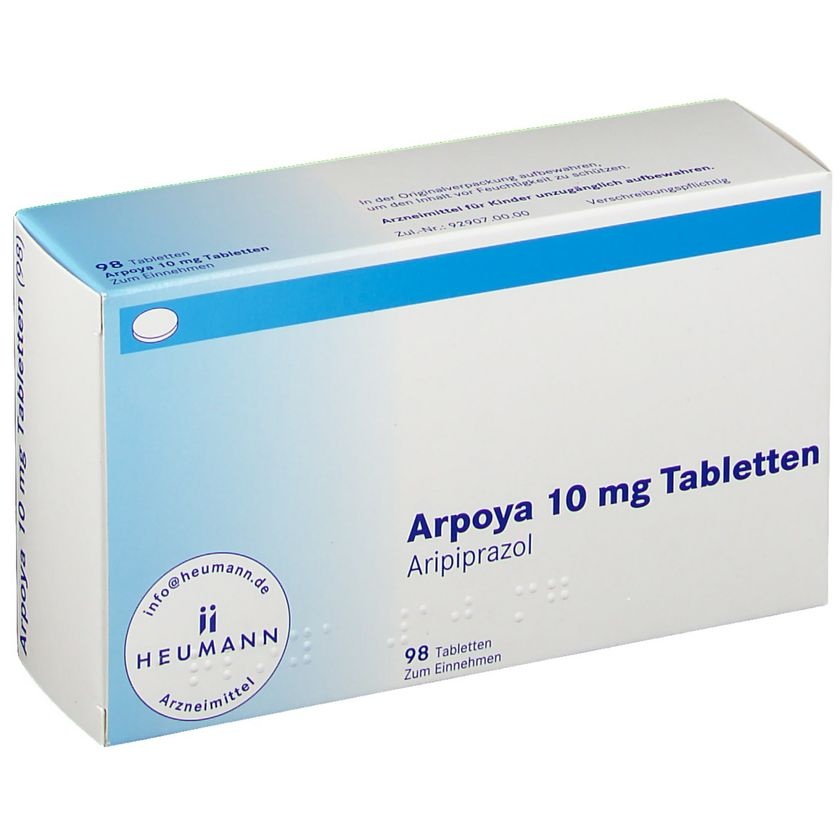
- Страна регистрации
- Форма выпускаTablet, 5 MG
- Код АТХN05AX12
- Действующее вещество
- Отпускается по рецептуДа
- Производитель
- Информация на этой странице носит справочный характер и не является медицинской консультацией. Перед началом приема лекарства обязательно проконсультируйтесь с врачом.
- Аналоги ARPOYAФорма выпуска: Tablet, 5 MGДействующее вещество: АрипипразолПроизводитель: ECUPHARMA S.R.L.Отпускается по рецептуФорма выпуска: Powder and solvent for injectable suspension, 300 MGДействующее вещество: АрипипразолПроизводитель: OTSUKA PHARMACEUTICAL NETHERLANDS BVОтпускается без рецептаФорма выпуска: Tablet, 5 MGДействующее вещество: АрипипразолПроизводитель: OTSUKA PHARMACEUTICAL NETHERLANDS BVОтпускается по рецепту
Аналоги ARPOYA в других странах
Лекарства с тем же действующим веществом, доступные в других странах.
Аналог ARPOYA в Испания
Аналог ARPOYA в Польша
Аналог ARPOYA в Украина
Врачи онлайн по ARPOYA
Обсудите применение ARPOYA и возможные следующие шаги — по оценке врача.







Получите рецепт на ARPOYA онлайн
Заполните форму за 2 минуты
Расскажите о симптомах, истории болезни и нужном препарате.
Выберите врача или мы назначим
Выберите специалиста или мы подберём ближайшего доступного врача.
Врач рассматривает ваш случай
Обычно в течение 30 минут. Может задать уточняющие вопросы в чате.
Получите в любой аптеке
Электронный рецепт отправляется на вашу почту — действителен по всей Польше.
Часто задаваемые вопросы
ARPOYA требует рецепта в Италия. Вы можете уточнить у врача онлайн, подходит ли это лекарство для вашей ситуации.
Действующее вещество ARPOYA — Арипипразол. Эта информация помогает определить лекарства с тем же составом под другими торговыми названиями.
ARPOYA производится компанией SINTESY PHARMA S.R.L.. Упаковка и торговое название могут отличаться в зависимости от дистрибьютора.
Врачи, включая Семейные врачи, Психиатры, Дерматологи, Кардиологи, Эндокринологи, Гастроэнтерологи, Пульмонологи, Нефрологи, Ревматологи, Гематологи, Инфекционисты, Аллергологи, Гериатры, Педиатры, Онкологи, могут оценить целесообразность применения ARPOYA с учетом вашей ситуации и местных правил. Вы можете записаться на онлайн-консультацию, чтобы обсудить возможные варианты.
Польша имеет хорошо развитую систему здравоохранения в крупных городах, таких как Варшава, Краков, Вроцлав и Гданьск. Аптеки широко доступны и работают в соответствии с действующим законодательством, обеспечивая доступ к рецептурным препаратам.
Вы можете купить ARPOYA в Варшаве, Кракове, Вроцлаве или Гданьске в любой аптеке при наличии действующего рецепта.
Чтобы получить рецепт, вы можете воспользоваться Oladoctor:
Другие лекарства с тем же действующим веществом (Арипипразол) включают ABERIPRA, ABILIFY MAINTENA, ABILIFY. Они могут отличаться торговым названием или формой выпуска, но содержат одинаковый терапевтический компонент. Перед изменением лечения рекомендуется проконсультироваться с врачом.
