



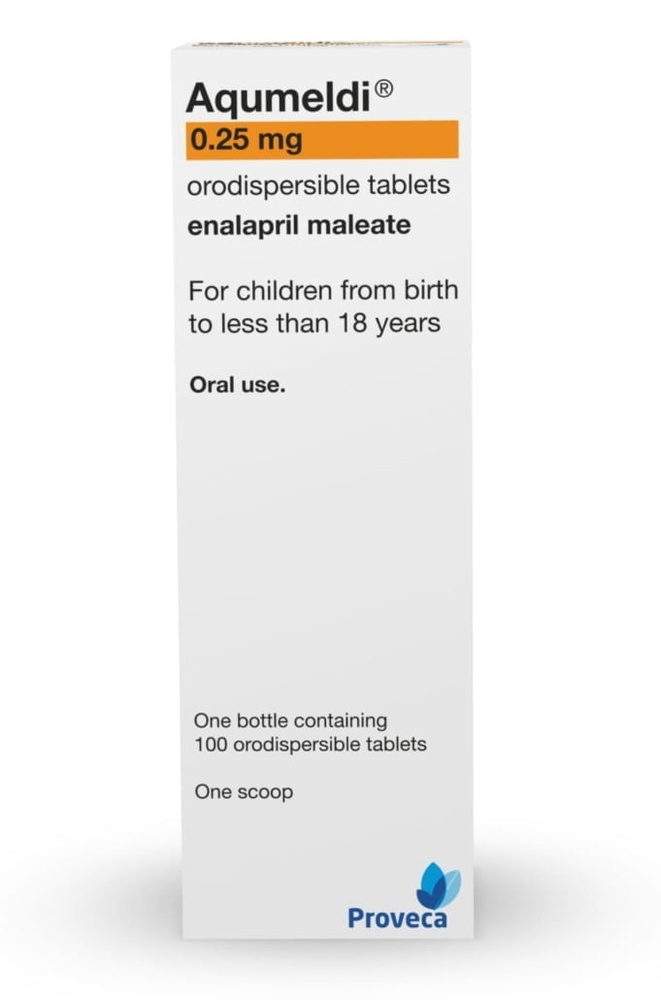
AQUMELDI 0.25 mg Ородисперсная таблетка

Рассмотрение рецепта онлайн
Врач рассмотрит ваш случай и примет решение о назначении рецепта, если это медицински оправдано.

Поговорите с врачом об этом лекарстве
Обсудите симптомы и возможные дальнейшие шаги на онлайн-консультации.



Инструкция по применению AQUMELDI
Содержание инструкции
Aqumeldi 0.25 mg, orodispersible tablets, 1 mg, orodispersible tablets
enalapril maleate
Read this leaflet carefully before you or your child take this medicine, as it contains important information for you.
- Keep this leaflet. You may need to read it again.
- If you have any questions, ask your doctor or pharmacist.
- This medicine has been prescribed only for you or your child. Do not give it to other people, even if their symptoms are the same as yours or your child's, as it could be dangerous.
- If you or your child experience any side effects, including those not listed in this leaflet, tell your doctor or pharmacist. See section 4.
Contents of this leaflet
- 1. What Aqumeldi is and what it is used for
- 2. What you need to know before you/your child use Aqumeldi
- 3. How to use Aqumeldi
- 4. Possible side effects
- 5. How to store Aqumeldi
- 6. Contents of the pack and other information
1. What is Aqumeldi and what it is used for
Aqumeldi contains the active substance enalapril maleate.
It is indicated in infants and adolescents from birth to 17 years of age for the treatment of heart failure (the heart's inability to pump a sufficient amount of blood throughout the body).
Enalapril belongs to a group of medicines called angiotensin converting enzyme (ACE) inhibitors, which means it prevents an enzyme (protein) present in the body from forming the hormone angiotensin II. By narrowing blood vessels, angiotensin II can cause a rise in blood pressure, forcing the heart to work harder to pump blood throughout the body. Angiotensin II also releases hormones, such as aldosterone, which increase blood pressure by causing fluid retention.
By blocking the formation of angiotensin II, Aqumeldi modifies the hormonal system involved in blood pressure and fluid balance within the body. This action helps to lower blood pressure and increases the supply of blood and oxygen to the heart. The medicine usually starts to have an effect within one hour, but several weeks of treatment may be necessary before the patient's condition improves.
2. What you need to know before you or your child use Aqumeldi
Do not use Aqumeldi if you or the child
- are allergic to enalapril maleate, to any of the other ingredients of this medicine (listed in section 6) or to other ACE inhibitors (such as captopril, lisinopril or ramipril). ACE
inhibitors are used for the treatment of high blood pressure or heart failure);
- have ever had an angioedema reaction (rapid swelling under the skin in parts of the body such as the face, throat, arms and legs, which can be potentially life-threatening if swelling of the throat blocks the airways) following the taking of another ACE inhibitor or when the cause of the angioedema was not known or was hereditary;
- if you are pregnant for more than 3 months. It is also preferable to avoid Aqumeldi at the beginning of pregnancy (see section 2 “Pregnancy, breastfeeding and fertility”);
- suffer from diabetes or have reduced kidney function and are being treated with a medicine for lowering blood pressure containing aliskiren (see section 2 “Other medicines and Aqumeldi”);
- have taken or are currently taking sacubitril/valsartan, a medicine used for the treatment of a type of long-term (chronic) heart failure, as the risk of angioedema is greater. Wait at least 36 hours after the last dose of sacubitril/valsartan before taking Aqumeldi;
- suffer from severe kidney disease.
If you have any doubts, ask your doctor or pharmacist before using Aqumeldi.
Warnings and precautions
Talk to your doctor before using Aqumeldi if you or the child:
- have a heart problem called left ventricular outflow obstruction, outflow tract obstruction or cardiogenic shock;
- have a condition affecting the blood vessels in the brain (e.g. stenosis, thrombosis, embolism, haemorrhage);
- have a collagen vascular disease (conditions that cause long-lasting inflammation of connective tissues, namely the tissues that hold together bones, muscles and ligaments);
- are following immunosuppressive therapy (used to reduce the body's immune response), treatment with allopurinol (used to reduce uric acid levels) or procainamide (used for the treatment of heart rhythm disorders). In these cases, enalapril may increase the risk of low levels of neutrophils (neutropenia), a type of white blood cell that fights infections, very low levels of a type of white blood cells called granulocytes (agranulocytosis) which are important for fighting infections, low levels of platelets in the blood (thrombocytopenia) which can lead to bleeding and bruising and low levels of red blood cells (anaemia) which can cause fatigue and pale skin (see section 2 “Other medicines and Aqumeldi”);
- have had an allergic reaction to ACE inhibitors in the past, with swelling of the face, lips, tongue or throat with difficulty swallowing or breathing (angioedema). Angioedema can occur at any time during treatment with Aqumeldi. If symptoms appear, Aqumeldi should be discontinued and a doctor should be called immediately for treatment. You should be aware that black patients are at a higher risk of these types of reactions to ACE inhibitors (medicines that act like Aqumeldi). The risk of angioedema may be higher in patients taking other medicines (see section 2 “Other medicines and Aqumeldi”);
- suffer from a kidney problem (including kidney transplant), diabetes, dehydration, sudden worsening of heart failure, an accumulation of acid in the body or the use of diuretics (water tablets) that maintain the amount of potassium in the blood (such as spironolactone, eplerenone, triamterene or amiloride) or substitutes containing potassium or medicines for which it is known that they increase potassium in the blood (such as heparin, trimethoprim or co-trimoxazole). These situations can lead to high levels of potassium in the blood (hyperkalaemia) which can cause fatigue, muscle weakness, nausea and heart rhythm disturbances. The doctor may need to adjust the dose of Aqumeldi or regularly check the amount of potassium in the blood (see section 2 “Other medicines and Aqumeldi”);
- have a problem with the renal arteries, as this may increase the risk of low blood pressure or kidney dysfunction;
- have been very ill (excessive vomiting) or have recently had severe diarrhoea;
- have diabetes. You should monitor blood sugar levels, which may be low, especially during the first month of treatment. The amount of potassium in the blood may also be higher;
- are on dialysis, as the dose of Aqumeldi may need to be adjusted;
- have low blood pressure (you may notice this because you have fainting or dizziness, especially when standing up);
- are taking any of the following medicines used to treat high blood pressure: an angiotensin II receptor blocker (ARB) (also known as sartans, e.g. valsartan, telmisartan, irbesartan) as they may increase the risk of low blood pressure, high potassium in the blood and kidney problems (see section 2 “Other medicines and Aqumeldi”);
- the child is less than 1 month old and has a liver problem or jaundice (yellowing of the skin and whites of the eyes);
- the child is less than 1 month old, as very young children are at greater risk of problems with low blood pressure, kidney problems and high levels of potassium in the blood.
The doctor may regularly check kidney function, blood pressure and the level of
electrolytes (e.g. potassium) in your or the child’s blood.
If you are not sure whether any of the above conditions apply to you or the child, consult your
doctor or pharmacist before giving Aqumeldi.
If you or the child are going to have a medical procedure
Tell the doctor that you or the child are taking Aqumeldi if you are about to undergo
one of the following procedures:
- any surgical procedure or medicine to make you numb (anaesthetic) (including at the dentist);
- desensitization as treatment for allergies, for example with bee or wasp venom (hymenoptera venom);
- treatment for removing cholesterol from the blood called LDL apheresis.
If you fall into one of the above cases, consult your doctor or dentist before starting the procedure.
Other medicines and Aqumeldi
Tell your doctor or pharmacist if you or the child are taking, have recently taken or
might take any other medicines, including those available without a prescription. This
includes herbal medicines. The doctor may need to adjust your or the child’s dose and/or
take other precautions.
Taking Aqumeldi with the following medicines may affect how Aqumeldi or the
listed medicines work or may increase the risk of side effects:
- antihypertensives, medicines to lower blood pressure (different types are listed below): or angiotensin II receptor blockers (ARBs), sometimes called sartans (e.g. losartan, valsartan); or aliskiren; or beta-blockers (e.g. atenolol, propranolol); or diuretics (medicines that increase urine production) (e.g. furosemide, chlorothiazide); or vasodilators [medicines to open (dilate) blood vessels] (e.g. nitroglycerin, isosorbide mononitrate); or neprilysin inhibitors (e.g. sacubitril, racecadotril).
The risk of angioedema (swelling of the face, lips, tongue or throat with difficulty
swallowing or breathing) may increase when using these medicines (see
section 2 “Do not use Aqumeldi if you or the child”).
- medicines that preserve potassium, medicines that increase potassium in the blood may cause an excessive concentration of potassium) (different types are listed below): or potassium supplements and salt substitutes; or potassium-sparing diuretics (medicines that increase urine production) (e.g. spironolactone, amiloride); or antibiotics, used to treat bacterial infections (e.g. trimethoprim and co-trimoxazole); or heparin used to thin the blood and prevent blood clots;
- lithium, medicine for the treatment of depression;
- tricyclic antidepressantsused to treat depression (e.g. amitriptyline);
- antipsychotics, medicines for the treatment of mental health problems;
- medicines for cough and coldsand weight loss medicines(e.g. pseudoephedrine, amphetamine);
- goldused for the treatment of pain or arthritis;
- antidiabetic medicines, including insulin and vildagliptin, used to lower blood sugar levels;
- non-steroidal anti-inflammatory drugs(NSAIDs), medicines to reduce inflammation and relieve pain (different types are listed below): or selective cyclooxygenase-2 inhibitors (COX-2 inhibitors, for example ibuprofen); or acetylsalicylic acid (aspirin);
- medicines against transplant rejection, used to prevent organ transplant rejection (e.g. cyclosporine, temsirolimus, sirolimus, everolimus).
If you are not sure whether any of the above conditions apply to you or the child, consult your
doctor or pharmacist before giving Aqumeldi.
Aqumeldi with food, drinks and alcohol
You or the child should not drink alcohol while taking Aqumeldi. Alcohol can cause
an excessive lowering of blood pressure and you or the child may experience dizziness,
lightheadedness or fainting.
Pregnancy, breastfeeding and fertility
You must tell your doctor if you think you or your daughter are (or might be) pregnant.
Generally, your doctor will advise you to stop taking Aqumeldi before becoming
pregnant, or as soon as you know you are pregnant, and to take another medicine instead of
Aqumeldi.
Aqumeldi is not recommended in early pregnancy and should not be taken when the
patient is pregnant for more than 3 months, as it can cause serious harm to the unborn baby if used after
the third month of pregnancy (see section 2 “Do not use Aqumeldi if you or the child”).
If you are a woman of childbearing potential, you should use effective contraceptive measures during and up to 1 week
after treatment.
Breastfeeding
Tell your doctor if you are breastfeeding or are planning to start breastfeeding and discuss with him
whether to stop breastfeeding or discontinue treatment with Aqumeldi.
Driving and using machines
Aqumeldi may cause drowsiness in you or the child or affect concentration and
coordination. This may affect your ability to perform tasks that require special skills
such as driving, cycling or using machinery.
Aqumeldi contains sodium
This medicine contains less than 1 mmol of sodium (23 mg) per dose, which means that it is
essentially “sodium-free”.
3. How to use Aqumeldi
Use this medicine following the instructions of your doctor or pharmacist exactly. If you have
any doubts, consult your doctor or pharmacist.
The dose will be recommended by your doctor and will depend on your weight or that of the child and the response
to treatment.
- The recommended initial dose is up to 2 mg as a single dose.
- The recommended maintenance dose is from 1 mg to 20 mg once a day.
The pediatrician will advise you when to increase the dose based on the child's blood pressure, the
levels of potassium in the blood, and kidney function.
INSTRUCTIONS FOR USE
Read carefully before using one or more orodispersible tablets.
Aqumeldi must be taken only orally. It is an orodispersible tablet, which means it
dissolves in the mouth or in water. The tablet can be taken with or without food.
- 1. Since the tablets are small in size, use the measuring device provided in the package to make it easier to remove them from the bottle. As much as possible, avoid touching the tablets with your hands.
- 2. Place the tablet or orodispersible tablets on the tongue or in the space between the gum and cheek (buccal cavity) and allow them to dissolve.
- 3. Do not break the orodispersible tablets.
If the dose prescribed by the doctor is less than 0.25 mg, this can be obtained as follows:
- 1. introduce one 0.25 mg orodispersible tablet to be dissolved in a 10 mL oral administration syringe.
- 2. Draw 10 mL of fresh tap water into the syringe (up to the 10 mL mark). For children under 6 months of age, sterilized water must be used.
- 3. Gently rotate the syringe for 3 minutes until the orodispersible tablet is completely dissolved.
- 4. This will result in a concentration of 0.025 mg/mL of enalapril maleate.
- 5. Of the resulting solution, 1 mL will contain 0.025 mg of enalapril and 4 mL will contain 0.1 mg of enalapril.
- 6. The necessary dispersion volume must then be administered to the patient immediately; do not store the dispersion in the oral administration syringe.
If you or the child are given the medicine through a feeding tube,
follow the following procedure:
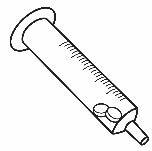
- 1. remove the plunger from the syringe used with the feeding tube (syringe not provided) and place the desired number of orodispersible tablets into the syringe barrel.
Note: a maximum of four orodispersible tablets can be dissolved in 1 mL; you may
need to repeat the following procedure to obtain the recommended dose.
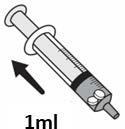
- 2. Replace the plunger in the syringe and draw 1 mL of fresh tap water. For children under 6 months of age, sterilized water must be used.
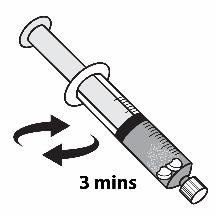
- 3. Cap the syringe and gently rotate or shake it for 3 minutes to allow the orodispersible tablets to dissolve.
- 4. Remove the cap and administer the dose through the feeding tube.
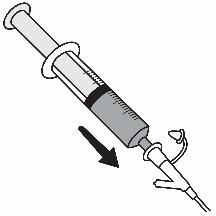
- 5. Flush the feeding tube with at least 3 mL of water after administering the medicine.
The solution must be administered to you or the child immediately. Do not store it.
Standard feeding tubes (polyurethane, polyvinyl chloride and silicone) have been considered
suitable for use with this medicine.
If you or the child take too much Aqumeldi
Do not take more medicine than prescribed by your doctor. If you or the child have ingested more
tablets than prescribed by your doctor, contact the nearest hospital emergency room or your doctor immediately. Bring the package of the medicine with you.
The most common signs and symptoms of overdose are a drop in blood pressure (you may experience
dizziness or lightheadedness) and a state of near-complete unconsciousness (stupor). Other symptoms
may include a fast and strong heartbeat, rapid pulse, anxiety, cough, kidney problems, and
rapid breathing.
If you or the child forget to take Aqumeldi
If you or the child forget to take Aqumeldi, skip the missed dose.
Take the next dose as usual.
Do not take a double dose to make up for the missed dose.
If you or the child stop taking Aqumeldi
Do not stop taking Aqumeldi unless your doctor tells you to.
If you have any questions about the use of this medicine, ask your doctor, pharmacist, or
nurse.
4. Possible side effects
Like all medicines, this medicine can cause side effects, although not everybody gets them.
li manifestino.
The following serious side effects have been reported in adult patients. If you or the child
experience any of these side effects, stop using the medicine and consult a
doctor urgently:
- swelling of the lips, eyes, mouth or throat that can cause difficulty breathing or swallowing (angioedema) - common;
- blood disorders including changes in blood counts, such as a decrease in the number of white blood cells and red blood cells, decreased hemoglobin, decreased number of platelets - uncommon;
- heart attack (probably due to very low blood pressure in some high-risk patients, including those with heart or brain blood circulation problems) - uncommon;
- stroke (probably due to very low blood pressure in high-risk patients) - uncommon;
- blood disorders (depression of bone marrow activity), including changes in blood values such as a lower number of white blood cells (neutropenia), a lower number of platelets (thrombocytopenia), lower levels of hemoglobin, lower levels of hematocrit, pancytopenia, agranulocytosis - rare;
- severe skin reactions with redness and peeling of the skin, blisters or open sores (Stevens-Johnson syndrome, toxic epidermal necrolysis) - rare;
- sudden, unexpected skin rash or burning, redness or peeling of the skin - rare;
- the bone marrow stops producing new blood cells causing fatigue, reduced ability to fight infections and uncontrolled bleeding (aplastic anemia) - rare;
- liver inflammation, liver disease (hepatopathy), increased liver enzymes or bilirubin (measured in tests), jaundice (yellowing of the skin and/or eyes) - rare. Side effects observed in children taking Aqumeldi for heart failure:
Common (may affect up to 1 in 10 people)
- Dizziness, low blood pressure (postural dizziness)
- Cough
- Vomiting
- High levels of potassium (hyperkalemia), measured in the blood
- Slightly increased protein in the urine (microalbuminuria)
You or the child may feel dizzy when you start taking Aqumeldi. This is caused by
a drop in blood pressure. If this happens, it will be helpful to lie down. Contact your doctor or pediatrician.
Other possible side effects observed in adults treated with enalapril include:
Very common (may affect more than 1 in 10 people)
- Dizziness
- Weakness (asthenia)
- Nausea
- Blurred vision
- Cough
Common (may affect up to 1 in 10 people)
- Diarrhea
- Abdominal pain
- Vomiting
- Skin rash
- Headache
- Fainting (syncope)
- Low blood pressure
- Changes in heart rate
- Fast heartbeat
- Angina
- Chest pain
- Fatigue (tiredness)
- Depression
- Increased potassium level (hyperkalemia), measured in blood tests
- Increased creatinine levels (increased serum creatinine), measured in blood tests
- Abnormal loss of albumin in the urine (microalbuminuria), measured in urine tests
- Altered sense of taste
- Shortness of breath (dyspnea)
Uncommon (may affect up to 1 in 100 people)
- Indigestion
- Constipation
- Loss of appetite (anorexia)
- Slow transit of food through the intestine
- Pancreatitis
- Irritated stomach (gastric irritation)
- Dry mouth
- Ulcer
- Impaired kidney function
- Kidney failure
- Runny nose
- Hoarseness
- Sore throat
- Fast or irregular heartbeat (palpitations)
- Excessive destruction of red blood cells resulting in fatigue and paleness (hemolytic anemia)
- Confusion
- Difficulty sleeping
- Sleepiness
- Nervousness
- Tingling or numbness of the skin
- Feeling of dizziness (vertigo)
- Ringing in the ears (tinnitus)
- Asthma
- Chest tightness associated with asthma (bronchospasm)
- Increased sweating
- Itching
- Hives
- Hair loss
- Muscle cramps
- Flushing
- Low blood pressure when standing up (postural hypotension)
- Feeling unwell
- Fever
- Impotence (erectile dysfunction)
- High levels of protein in the urine (measured in a test)
- Low blood sugar levels
- Low sodium levels (hyponatremia), measured in the blood
- High levels of urea in the blood measured in the blood
Rare (may affect up to 1 in 1,000 people)
- Small blisters filled with fluid on the skin (pemphigus)
- Impaired liver function (liver failure)
- Problems with bile flow (cholestasis)
- Increased liver enzymes
- Raynaud's phenomenon, where the hands and feet can become very cold and pale due to low blood pressure
- Autoimmune diseases
- Unusual dreams
- Sleep disorders
- Accumulation of fluid or other substances in the lungs (seen on X-ray)
- Inflammation of the nose
- Inflammation of the lungs caused by an accumulation of blood cells resulting in difficulty breathing (eosinophilic pneumonia)
- Inflammation of the mouth (stomatitis)
- Inflammation of the tongue (glossitis)
- Sores in the mouth (aphthous ulcer)
- Reduced amount of urine produced
- Skin disorder due to an allergic reaction or infection (erythema multiforme)
- Enlargement of the breasts in men
- Swelling of the glands in the neck, armpit or groin
- Swelling of the hands, feet or ankles
Very rare (may affect up to 1 in 10,000 people)
- Swelling in the intestine (intestinal angioedema)
Not known (frequency cannot be estimated from available data)
- Overproduction of antidiuretic hormone, a hormone that helps the kidneys control the amount of water the body loses through urine, causing fluid retention, resulting in weakness, fatigue or confusion (syndrome of inappropriate diuretic hormone secretion, SIADH)
- Severe skin reactions. A complex of symptoms has been reported that may include some or all of the following symptoms: fever, inflammation of blood vessels (serositis/vasculitis), muscle pain (myalgia/myositis), joint pain (arthralgia/arthritis) Skin rash, sensitivity to sunlight and UV radiation or other skin manifestations may occur.
Reporting of side effects
If you or the child experience any side effects, tell your doctor, pharmacist or
nurse, including any not listed in this leaflet, tell your doctor or pharmacist. You can
also report side effects directly through the national reporting system
reported in Annex V. By reporting side effects you can help provide more
information on the safety of this medicine.
5. How to store Aqumeldi
Keep this medicine out of the sight and reach of children.
Do not use this medicine after the expiry date which is stated on the package and the bottle after
EXP. The expiry date refers to the last day of that month.
Do not store at a temperature above 25 ºC. Store in the original package to protect the
medicine from humidity.
Do not dispose of any medicine in the wastewater and household waste. Ask your pharmacist how to
dispose of medicines you no longer use. This will help protect the environment.
6. Contents of the pack and other information
What Aqumeldi contains
- The active ingredient is enalapril maleate. The other excipients are: mannitol (E421), crospovidone, poly(vinyl acetate), povidone, sodium lauryl sulfate (see section 2 “Aqumeldi contains sodium”), sodium stearyl fumarate, anhydrous colloidal silica - (only 0.25 mg tablet), yellow iron oxide (E172) - (only 1 mg tablet).
Description of the appearance of Aqumeldi and contents of the pack
Aqumeldi 0.25 mg orodispersible tablets are white, round, biconvex tablets,
with a diameter of 2 mm.
Aqumeldi 1 mg orodispersible tablets are yellowish to yellow in colour,
round, biconvex, with a diameter of 2 mm.
The tablets are supplied in a plastic bottle with a child-resistant and tamper-evident plastic cap,
inside a cardboard box. Each cardboard box contains a bottle and a
blue measuring cup.
Packs of 0.25 mg or 1 mg containing 50, 100 or 200 orodispersible tablets per
bottle are available.
Not all pack sizes may be marketed.
When the bottle is opened for the first time, the seal must be broken:
- hold the bottle firmly with one hand.
- With the other hand: push down firmly and turn the cap counterclockwise.
- Continue to turn until the seal is broken.
Marketing Authorisation Holder
Proveca Pharma Limited
2 Dublin Landings
North Wall Quay
Dublin 1
Ireland
Manufacturer
Pharbil Waltrop GmbH
Im Wirrigen 25
45731 Waltrop
Germany
Other sources of information
More detailed information on this medicine is available on the website of the European
Medicines Agency, https://www.ema.europa.eu .
------------------------------------------------------------------------------------------------------------------------

Не уверены, подходит ли вам это лекарство?
Обсудите симптомы и варианты лечения с врачом онлайн.

Уже начали прием и появились вопросы?
Обсудите свое состояние и дальнейшие шаги с врачом онлайн.
- Страна регистрации
- Форма выпускаOrodispersible tablet, 0.25 mg
- Код АТХC09AA02
- Действующее вещество
- Отпускается по рецептуДа
- Производитель
- Информация на этой странице носит справочный характер и не является медицинской консультацией. Перед началом приема лекарства обязательно проконсультируйтесь с врачом.
- Аналоги AQUMELDIФорма выпуска: Tablet, 20 MGДействующее вещество: enalaprilПроизводитель: TEOFARMA S.R.L.Отпускается по рецептуФорма выпуска: Tablet, 5 MGДействующее вещество: enalaprilПроизводитель: ALMUS S.R.L.Отпускается по рецептуФорма выпуска: Coated tablet, 5 MGДействующее вещество: enalaprilПроизводитель: AUROBINDO PHARMA (ITALIA) S.R.L.Отпускается по рецепту
Аналоги AQUMELDI в других странах
Лекарства с тем же действующим веществом, доступные в других странах.
Аналог AQUMELDI в Испания
Аналог AQUMELDI в Польша
Аналог AQUMELDI в Украина
Врачи онлайн по AQUMELDI
Обсудите применение AQUMELDI и возможные следующие шаги — по оценке врача.
Получите рецепт на AQUMELDI онлайн
Заполните форму за 2 минуты
Расскажите о симптомах, истории болезни и нужном препарате.
Выберите врача или мы назначим
Выберите специалиста или мы подберём ближайшего доступного врача.
Врач рассматривает ваш случай
Обычно в течение 30 минут. Может задать уточняющие вопросы в чате.
Получите в любой аптеке
Электронный рецепт отправляется на вашу почту — действителен по всей Польше.
Часто задаваемые вопросы
AQUMELDI требует рецепта в Италия. Вы можете уточнить у врача онлайн, подходит ли это лекарство для вашей ситуации.
Действующее вещество AQUMELDI — enalapril. Эта информация помогает определить лекарства с тем же составом под другими торговыми названиями.
AQUMELDI производится компанией PROVECA PHARMA LTD. Упаковка и торговое название могут отличаться в зависимости от дистрибьютора.
Врачи, включая Семейные врачи, Психиатры, Дерматологи, Кардиологи, Эндокринологи, Гастроэнтерологи, Пульмонологи, Нефрологи, Ревматологи, Гематологи, Инфекционисты, Аллергологи, Гериатры, Педиатры, Онкологи, могут оценить целесообразность применения AQUMELDI с учетом вашей ситуации и местных правил. Вы можете записаться на онлайн-консультацию, чтобы обсудить возможные варианты.
Польша имеет хорошо развитую систему здравоохранения в крупных городах, таких как Варшава, Краков, Вроцлав и Гданьск. Аптеки широко доступны и работают в соответствии с действующим законодательством, обеспечивая доступ к рецептурным препаратам.
Вы можете купить AQUMELDI в Варшаве, Кракове, Вроцлаве или Гданьске в любой аптеке при наличии действующего рецепта.
Чтобы получить рецепт, вы можете воспользоваться Oladoctor:
Другие лекарства с тем же действующим веществом (enalapril) включают KONVERTEN, ENALAPRIL ALMUS, ENALAPRIL AUROBINDO PARMA ITALIA. Они могут отличаться торговым названием или формой выпуска, но содержат одинаковый терапевтический компонент. Перед изменением лечения рекомендуется проконсультироваться с врачом.
