



APIDRA 100 U/ML Инъекционный раствор

Рассмотрение рецепта онлайн
Врач рассмотрит ваш случай и примет решение о назначении рецепта, если это медицински оправдано.

Поговорите с врачом об этом лекарстве
Обсудите симптомы и возможные дальнейшие шаги на онлайн-консультации.



Инструкция по применению APIDRA
Содержание инструкции
- Apidra 100 Units/ml injectable solution in a vial
- Apidra 100 Units/ml injectable solution in a cartridge
- Apidra SoloStar 100 Units/ml injectable solution in a pre-filled pen
- Apidra SoloStar injectable solution in a pre-filled pen. INSTRUCTIONS FOR USE
Apidra 100 Units/ml injectable solution in a vial
insulin glulisine
Read this leaflet carefully before you start using this medicine as it contains important
information for you.
- Keep this leaflet. You may need to read it again.
- If you have any questions, ask your doctor, pharmacist or nurse.
- This medicine has been prescribed for you only. Do not pass it on to others, even if their symptoms are the same as yours, as it could be harmful.
- If you get any side effects, even those not listed in this leaflet, tell your doctor, pharmacist or nurse. See section 4.
Contents of this leaflet
- 1. What Apidra is and what it is used for
- 2. What you need to know before you use Apidra
- 3. How to use Apidra
- 4. Possible side effects
- 5. How to store Apidra
- 6. Contents of the pack and other information
1. What is Apidra and what it is used for
Apidra is an antidiabetic drug, used to reduce high blood sugar (glycemia) levels in adult, adolescent and children patients starting from 6 years of age affected by diabetes mellitus. Diabetes mellitus is a disease in which the body does not produce a sufficient amount of insulin to control blood sugar.
Apidra is produced by a biotechnological process. It has a rapid onset of action within 10-20 minutes and a short duration of action of about 4 hours.
2. What you need to know before using Apidra
Do not use Apidra
- If you are allergic to insulin glulisine or any of the other ingredients of this medicine (listed in section 6).
- If your blood sugar is too low (hypoglycemia), follow the guidelines for hypoglycemia (see section
Warnings and precautions
Talk to your doctor, pharmacist or nurse before using Apidra.
Carefully follow the instructions regarding the dose, monitoring (blood tests), diet and
physical activity (work and exercise) discussed with your doctor.
Special patient groups
If you have liver or kidney problems, consult your doctor as you may need a lower
dose.
There is not enough clinical information on the use of Apidra in children under 6 years of age.
Changes in the skin at the injection site:
The injection site must be rotated to prevent changes in the skin, such as the appearance of
lumps under the skin. Insulin may not work as well as it should if you inject it into
an area with lumps (see section How to use Apidra). If you are currently injecting into
an area with lumps, talk to your doctor before starting to inject into another area. Your
doctor may advise you to check your blood sugar more carefully and adjust your insulin or
other antidiabetic medications.
Travel
Before starting a trip, consult your doctor. You may need to discuss the following
aspects:
- availability of insulin in the destination country,
- sufficient supplies of insulin, syringes, etc.,
- proper storage of insulin during the trip,
- interval between meals and insulin administration during the trip,
- possible effects of the time zone change,
- possible risks of contracting new diseases in the countries visited,
- what to do in emergency situations if you do not feel well or become ill.
Illness and injuries
In the following situations, diabetes control may require more attention:
- If you are ill or have serious injuries, there is a risk that your blood sugar level will increase (hyperglycemia).
- If you do not eat enough, there is a risk that your blood sugar level will decrease (hypoglycemia). In most cases, medical intervention is necessary. Contact your doctor quickly.
Also, if you suffer from type 1 diabetes (insulin-dependent diabetes mellitus), do not stop treatment
with insulin or carbohydrate intake. It is also necessary to inform people close to you of your need for insulin.
Some patients with long-standing type 2 diabetes mellitus and heart disease or with a previous
stroke, treated with pioglitazone and insulin, have developed heart failure. Tell your doctor
as soon as possible if you have signs of heart failure such as unusually short breath or rapid
weight gain or localized swelling (edema).
Other medicines and Apidra
Some medicines can cause changes in blood sugar levels (reduction or
increase or both depending on the situation). In any case, optimization of the
insulin dose is necessary to avoid blood sugar levels that are too low or too high. Be
careful when starting or stopping another medicine.
Tell your doctor or pharmacist if you are taking or have recently taken or may take
any other medicine. Before taking a medicine, ask your doctor if, and how,
this can affect your blood sugar and whether countermeasures are necessary.
Medicines that can cause a decrease in blood sugar levels (hypoglycemia)
include:
- all other medicines used to treat diabetes,
- angiotensin converting enzyme (ACE) inhibitors (used to treat some heart conditions or high blood pressure),
- disopyramide (used to treat some heart conditions),
- fluoxetine (used to treat depression),
- fibrates (used to lower high levels of fats in the blood),
- monoamine oxidase inhibitors (MAO) (used to treat depression),
- pentoxifylline, propoxyphene, salicylates (such as aspirin, used to relieve pain and lower fever),
- sulfonamide antibiotics.
Medicines that can cause an increase in blood sugar levels (hyperglycemia)
include:
- corticosteroids (such as "cortisone", used to treat inflammation),
- danazol (a drug that affects ovulation),
- diazoxide (used to treat high blood pressure),
- diuretics (used to treat high blood pressure or excessive fluid retention),
- glucagon (pancreatic hormone used to treat severe hypoglycemia),
- isoniazid (used to treat tuberculosis),
- estrogens and progestogens (such as in the birth control pill used for contraception),
- phenothiazine derivatives (used to treat psychiatric disorders),
- somatropin (growth hormone),
- sympathomimetic agents (such as epinephrine [adrenaline], salbutamol, terbutaline used to treat asthma),
- thyroid hormones (used to treat thyroid disorders),
- protease inhibitors (used to treat HIV),
- atypical antipsychotic medicines (such as olanzapine and clozapine).
Blood sugar levels may decrease or increase if you take:
- beta-blockers (used to treat high blood pressure),
- clonidine (used to treat high blood pressure),
- lithium salts (used to treat psychiatric disorders).
Pentamidine (used to treat some infections caused by parasites) can cause hypoglycemia, and
sometimes followed by hyperglycemia.
Beta-blockers, like all other sympatholytics (such as clonidine, guanethidine and reserpine), can
reduce or completely cancel the warning signs that help you recognize hypoglycemia.
If you are not sure if you are taking any of these medicines, ask your doctor or pharmacist.
Apidra with alcohol
Blood sugar levels may decrease or increase if you drink alcohol.
Pregnancy and breastfeeding
If you are pregnant, suspect you are pregnant, are planning a pregnancy, or are breastfeeding with
breast milk, ask your doctor or pharmacist for advice before taking this medicine.
Tell your doctor if you are planning a pregnancy, or if you are already pregnant. It may be
necessary to adjust the dose of insulin during pregnancy and after delivery. It is important
to carefully control diabetes and prevent hypoglycemia for the health of the baby.
There is no data or limited data on the use of Apidra in pregnant women.
If you are breastfeeding, consult your doctor, as adjustments to the
dose of insulin and diet may be necessary.
Driving and operating machinery
Your ability to concentrate or react may be impaired in case of
- hypoglycemia (low blood sugar levels)
- hyperglycemia (high blood sugar levels)
Keep this possibility in mind in all situations where you could
pose a risk to yourself and others (such as driving a car or
operating machinery). Ask your doctor for advice on whether you should drive if:
- you have frequent episodes of hypoglycemia,
- the typical signs that help you identify hypoglycemia are reduced or absent.
Important information about some of the ingredients of Apidra
This medicine contains less than 1 mmol (23 mg) of sodium per dose, i.e. it is essentially sodium-free.
Apidra contains metacresol
Apidra contains metacresol which can cause allergic reactions.
3. How to use Apidra
Dose
Use this medicine following exactly the instructions of your doctor. If you have any doubts, consult your
doctor or pharmacist.
Based on your lifestyle, the results of blood sugar tests (glycemia) and your previous insulin use, your
doctor will determine the amount of Apidra you need.
Apidra is a short-acting insulin. Your doctor may advise you to combine it with a long-acting or
intermediate-acting insulin, a basal insulin or tablets used to treat high blood sugar levels.
If you switch from another insulin to insulin glulisina, your doctor may need to adjust your
insulin dose.
Many factors can influence your blood sugar levels. It is advisable that you are aware of these
factors so that you can act appropriately in case of changes in blood sugar levels and thus avoid them
becoming too high or too low. For further information, see the box at the end of this leaflet.
Method of administration
Apidra must be injected under the skin (subcutaneously). It can also be administered intravenously by
qualified healthcare personnel under close medical supervision.
Your doctor will indicate the most suitable area for injecting Apidra. Apidra can be injected into the
abdominal wall, thigh or forearm or as a continuous infusion into the abdominal wall.
The effect of the insulin will be slightly faster when injected into the abdominal wall.
As with all insulins, injection and infusion sites must be rotated from one injection to another within a
chosen area (abdomen, thigh or forearm).
Frequency of administration
Apidra should be administered shortly before or immediately after meals (0-15 minutes).
Instructions for correct use
How to use vials
Apidra vials are to be used with insulin syringes with the corresponding graduated scale and with an
insulin infusion pump system.
Check the vial before use. Use it only if the solution is clear, colorless and without visible particles
inside. Do not shake or mix before use.
Always use a new vial if you notice that your blood sugar control has unexpectedly worsened. This is
because the insulin may have lost some of its effectiveness. If you think you may have a problem with
Apidra, have it checked by your doctor or pharmacist.
If you need to mix two types of insulin
Apidra should not be mixed with any preparation other than human NPH insulin.
If Apidra is mixed with human NPH insulin, Apidra should be drawn into the syringe first. The injection
should be performed immediately after mixing.
How to handle an infusion pump system
Before using Apidra in the pump system you should have received detailed instructions on how to use
the pump system. In addition, you should have information on what to do in case of illness, blood
sugar levels that are too high or too low, or pump malfunction.
Use the pump system recommended by your doctor. Read and follow the instructions that are provided
with the insulin infusion pump. Follow the instructions provided by your doctor regarding the basal
infusion rate and the amount of insulin bolus to be taken with meals. Measure your blood sugar
regularly to ensure you are benefiting from the insulin infusion and to ensure the insulin pump is
functioning correctly.
Replace the infusion set and reservoir at least every 48 hours using aseptic technique. These
instructions may differ from those provided with the insulin infusion pump. When using Apidra in the
pump system, it is important to always follow these specific instructions. Failure to follow these
specific instructions may lead to serious adverse events.
Apidra should never be mixed with diluents or any other insulin when used in a pump.
What to do in case of malfunction or incorrect use of the infusion pump system
Problems with the pump or infusion set or incorrect use of the pump can result in insufficient insulin
delivery. This can quickly lead to hyperglycemia and diabetic ketoacidosis (build-up of acid in the blood
because the body is using fats instead of sugars). If blood sugar starts to rise, consult your doctor,
pharmacist or nurse as soon as possible.
They will tell you what to do.
You may need to use Apidra with syringes or pens. You should always have an alternative insulin
delivery system available for subcutaneous injection in case of pump malfunction.
If you use more Apidra than you should
If you have injected too high a dose of Apidra,blood sugar levels may become too low (hypoglycemia).
Check your blood sugar frequently. In general, to prevent hypoglycemia, you should consume more
substantial meals and check your blood sugar. For information on treating hypoglycemia, see the box at
the end of this leaflet.
If you forget to use Apidra
If you have forgotten a dose ofApidraor have not injected enough insulin, blood sugar levels may
become too high (hyperglycemia). Check your blood sugar frequently. For information on treating
hyperglycemia, see the box at the end of this leaflet. Do not take a double dose to make up for a
missed dose.
If you stop treatment with Apidra
This can lead to severe hyperglycemia (very high blood sugar levels) and ketoacidosis (build-up of acid
in the blood because the body is metabolizing fat instead of sugar). Do not stop Apidra without
consulting a doctor, who will tell you what is necessary to do.
If you have any doubts about the use of this medicine, ask your doctor, pharmacist or nurse.
Insulin exchanges
You should always check the insulin label before each injection to avoid exchanges of medicine between
Apidra and other insulins.
4. Possible side effects
Like all medicines, this medicine can cause side effects, although not everybody gets them.
Serious side effects
Hypoglycemia (low blood sugar levels) can be very serious.Hypoglycemia is a very commonly reported adverse event (may affect more than 1 in 10 people).
Hypoglycemia (low blood sugar) means that there is not enough sugar in the blood.If your blood sugar levels drop too low, you may lose consciousness. Severe hypoglycemic episodes can cause brain damage and can be life-threatening. If you have symptoms of low blood sugar levels, act immediatelyto raise your blood sugar levels. See the box at the end of this leaflet for further important information about hypoglycemia and how it should be treated.
If you experience the following symptoms, contact your doctor immediately:
Systemic allergic reactionsare adverse events reported uncommonly (may affect up to 1 in 100 people)
General allergy to insulin: associated symptoms may include widespread skin reactions (rashes and itching all over the body), severe swelling of the skin or mucous membranes (angioedema), shortness of breath, low blood pressure with rapid heartbeat and sweating. These may be symptoms of severe cases of a general allergic reaction to insulins, including anaphylactic reaction, which may be life-threatening.
Hyperglycemia means that there is too much sugar in the blood.The frequency of hyperglycemia cannot be estimated. Blood sugar that is too high may indicate that you may need more insulin than you have been taking.
Hyperglycemia can cause diabetic ketoacidosis (build-up of acid in the blood because the body is using fat instead of sugar).
These are serious side effects.
These conditions can occur when there are problems with the infusion pump or when the pump system is used incorrectly.
This means that you may not always receive enough insulin to treat your diabetes.
If this happens, seek urgent medical attention.
Always have a backup insulin delivery system available for subcutaneous injection(see section 3 of the sections “How to handle an infusion pump system” and “What to do in case of malfunction or incorrect use of the infusion pump system”).
For more information on the signs and symptoms of hyperglycemia, refer to the box at the end of this leaflet.
Other side effects
- Changes in the skin at the injection site: If you inject insulin too often in the same place, the fatty tissue may become thinner (lipoatrophy) or thicker (lipohypertrophy) (may affect up to 1 in 1,000 people). Lumps under the skin can also be caused by the build-up of a protein called amyloid (cutaneous amyloidosis: the frequency with which it occurs is unknown). Insulin may not work as well as it should if you inject it into an area with lumps. Change the injection site with each injection to prevent these skin changes.
Commonly reported side effects(may affect up to 1 in 10 people)
- Skin and allergic reactions at the injection site Reactions may occur at the injection site (such as redness, unusually intense pain during injection, itching, blisters, swelling or inflammation). These disturbances may spread around the injection site. Most minor insulin reactions resolve within a few days or weeks.
Side effects with unknown frequency based on available data:
- Eye reactionsA marked change (improvement or worsening) in blood sugar levels can temporarily disturb vision. If you suffer from proliferative retinopathy (an eye disease associated with diabetes), severe hypoglycemic episodes can cause temporary loss of vision.
Reporting of side effects
If you get any side effects, even those not listed in this leaflet, tell your doctor, pharmacist or nurse. You can also report side effects directly through the national reporting system listed in Annex V.
By reporting side effects you can help provide more information on the safety of this medicine.
5. How to store Apidra
Keep this medicine out of the sight and reach of children.
Do not use this medicine after the expiry date which is stated on the pack and on the
vial label after Exp/Scad. The expiry date refers to the last day of that month.
Intact vials
Store in a refrigerator (2°-8°C).
Do not freeze.
Do not place Apidra in direct contact with the freezer compartment or with refrigerant packs.
Keep the vial in the outer packaging to protect the medicine from light.
Opened vials
Once used, the vial can be stored for a maximum of 4 weeks in the
original packaging at a temperature below 25°C away from direct heat or direct light. Do not
use the vial after this period.
It is recommended to write the date of first use on the vial label.
Do not use this medicine if the solution does not appear clear and colourless.
Do not dispose of any medicine in wastewater or household waste. Ask your pharmacist how to
dispose of medicines you no longer use. This will help protect the environment.
6. Contents of the pack and other information
What Apidra contains
- The active substance is insulin glulisine. Each ml of the solution contains 100 Units of insulin glulisine (equivalent to 3.49 mg). Each vial contains 10 ml of injectable solution, equivalent to 1000 Units.
- The other ingredients are: metacresol (see section 2 “Apidra contains”), sodium chloride (see section 2 “Important information about some ingredients of Apidra”), trometamol, polysorbate 20, concentrated hydrochloric acid, sodium hydroxide, water for injections.
Description of the appearance of Apidra and contents of the pack
Apidra 100 Units/ml solution for injection in a vial is a clear, colourless aqueous solution
without visible particles.
Each vial contains 10 ml of solution (1000 Units). Packs of 1, 2, 4 and
5 vials are available. Not all pack sizes may be marketed.
Marketing authorisation holder and manufacturer
Marketing authorisation holder:
Sanofi-Aventis Deutschland GmbH
D-65926 Frankfurt am Main
Germany
Manufacturer:
Sanofi-Aventis Deutschland GmbH
Industriepark Höchst, D-65926 Frankfurt
Germany
For further information on this medicinal product, contact the local representative of the marketing
authorisation holder.
België/Belgique/Belgien
Sanofi Belgium
Tél/Tel: +32 (0)2 710 54 00
Lietuva
UAB “SANOFI-AVENTIS LIETUVA”
Tel: +370 5 2755224
България
Sanofi Bulgaria EOOD
Тел.: +359 (0)2 970 53 00
Luxembourg/Luxemburg
Sanofi Belgium
Tél/Tel: +32 (0)2 710 54 00
(Belgique/Belgien)
Česká republika
sanofi-aventis, s.r.o.
Tel: +420 233 086 111
Magyarország
SANOFI-AVENTIS Zrt., Tel.: +36 1 505
0050
Danmark
Sanofi A/S
Tlf: +45 45 16 70 00
Malta
Sanofi S.r.l.
Tel: +39 02 39394275
Deutschland
Sanofi-Aventis Deutschland GmbH
Tel.: 0800 52 52 010
Tel. Aus dem Ausland: +49 69 305 21 131
Nederland
Genzyme Europe B.V.
Tel: +31 20 245 4000
Eesti
sanofi-aventis Estonia OÜ
Tel: +372 627 34 88
Norge
sanofi-aventis Norge AS
Tlf: +47 67 10 71 00
Ελλάδα
sanofi-aventis AEBE
Τηλ: +30 210 900 16 00
Österreich
sanofi-aventis GmbH
Tel: +43 1 80 185 – 0
España
sanofi-aventis, S.A.
Tel: +34 93 485 94 00
Polska
sanofi-aventis Sp. z o.o.
Tel.: +48 22 280 00 00
France
sanofi-aventis France
Tél: 0 800 222 555
Appel depuis l’étranger : +33 1 57 63 23 23
Portugal
Sanofi - Produtos Farmacêuticos, Lda.
Tel: +351 21 35 89 400
Hrvatska
sanofi-aventis Croatia d.o.o.
Tel: +385 1 600 34 00
România
Sanofi Romania SRL
Tel: +40 (0) 21 317 31 36
Ireland
sanofi-aventis Ireland Ltd. T/A SANOFI
Tel: +353 (0) 1 403 56 00
Slovenija
sanofi-aventis d.o.o.
Tel: +386 1 560 48 00
Ísland
Vistor hf.
Sími: +354 535 7000
Slovenská republika
sanofi-aventis Slovakia s.r.o.
Tel: +421 2 33 100 100
Italia
Sanofi S.r.l.
Tel: 800 13 12 12 (technical questions)
800 536389 (other questions)
Suomi/Finland
Sanofi Oy
Puh/Tel: +358 (0) 201 200 300
Κύπρος
sanofi-aventis Cyprus Ltd.
Τηλ: +357 22 871600
Sverige
Sanofi AB
Tel: +46 (0)8 634 50 00
United Kingdom
Sanofi
Tel: +44 (0) 845 372 7101
Other sources of information
More detailed information on this medicinal product is available on the website of the European Medicines
Agency http://www.ema.europa.eu/
Latvija
sanofi-aventis Latvia SIA
Tel: +371 67 33 24 51
HYPERGLYCEMIA AND HYPOGLYCEMIA
Always carry some sugar with you (at least 20 grams).
Carry information indicating that you are a person with diabetes.
HYPERGLYCEMIA (high blood sugar levels)
If your blood sugar levels are too high (hyperglycemia), you may not have injected
enough insulin.
What causes hyperglycemia?
Examples include:
- you did not inject insulin or administered an insufficient amount, or when the insulin becomes less effective (for example, because it was not stored correctly),
- you are doing less exercise than usual, or are particularly stressed (emotionally or physically), or in cases of injury, surgery, infection or fever,
- you are taking or have taken certain other medicines (see section 2 “Apidra and other medicines”).
Warning signs of hyperglycemia
Thirst, increased need to urinate, weakness, dry skin, facial redness, loss
of appetite, low blood pressure, rapid heartbeat and the presence of glucose or ketones
in the urine. Abdominal pain, deep and rapid breathing, drowsiness or even loss
of consciousness may indicate a serious condition (ketoacidosis) resulting from insulin deficiency.
What should you do if you have hyperglycemia?
Check your blood sugar and the presence of ketones in your urine as soon as possible
if you experience any of the symptoms mentioned above. Severe hyperglycemia or
ketoacidosis must always be treated by a doctor, usually in a hospital setting.
HYPOGLYCEMIA (low blood sugar levels)
If your blood sugar levels drop too low, you may lose consciousness. Severe hypoglycemic
episodes can cause heart attack or brain damage and can be life-threatening.
Generally, you should be able to recognise when your blood sugar levels are dropping too low, so that you can take appropriate precautions.
What causes hypoglycemia?
Examples include:
- you injected too much insulin,
- you skipped or delayed meals,
- you are not eating enough, or the food consumed contains less carbohydrates than usual (carbohydrates are sugar and sugar-like substances; however, artificial sweeteners are NOT carbohydrates),
- you have lost carbohydrates due to vomiting or diarrhoea,
- you drink alcoholic beverages, especially if you are eating little,
- you are doing more exercise than usual, or a different type of activity,
- you are recovering from injury, surgery or stress,
- you are recovering from an illness or fever,
- you are taking or have taken certain other medicines (see section 2 “Apidra and other medicines”).
Hypoglycemia can also occur more easily if:
- you are at the beginning of insulin treatment or have switched to a different type of insulin,
- your blood sugar levels are almost normal or show variations,
- you have changed the area of skin where you inject the insulin (for example from the thigh to the upper arm),
- you suffer from severe kidney or liver disease, or other diseases such as hypothyroidism.
Warning signs of hypoglycemia
- In the body Examples of symptoms indicating that blood sugar levels are dropping too low or too quickly: sweating, clammy skin, anxiety, rapid heartbeat, high blood pressure, palpitations and irregular heartbeat. These symptoms can often develop before those indicating a reduction in brain sugar levels.
- In the brain Examples of symptoms indicating a reduction in brain sugar levels: headache, insatiable hunger, nausea, vomiting, fatigue, drowsiness, sleep disturbances, restlessness, aggressiveness, difficulty concentrating, reduced ability to react, depressed mood, confusion, difficulty speaking (sometimes aphasia), visual disturbances, tremor, paralysis, sensory disturbances (paresthesia), sensations of tingling and numbness in the mouth, dizziness, loss of self-control, inability to care for oneself, convulsions and loss of consciousness.
The early characteristic symptoms of a state of hypoglycemia (“warning symptoms”) may vary,
be less noticeable or even completely absent if:
- you are elderly,
- you have had diabetes for a long time,
- you suffer from a certain type of neurological disease (diabetic autonomic neuropathy),
- after a recent hypoglycemic episode (for example the day before) or if hypoglycemia appears slowly,
- blood glucose levels are almost normal or at least significantly improved,
- you are taking or have taken certain other medicines (see section 2 “Apidra and other medicines”).
In these cases, a severe hypoglycemia (even with loss of consciousness) may develop without
recognising it in time. Therefore, learn to know the warning symptoms. If necessary,
more frequent blood sugar checks may help identify mild hypoglycemic episodes
that might otherwise go unnoticed. If you are unable to recognise the warning signs
of hypoglycemia, avoid all those situations (such as driving) that may be
risky for you and others due to hypoglycemia.
What should you do if you have hypoglycemia?
- 1. Do not inject insulin. Immediately take 10 to 20 g of sugar, such as glucose, sugar cubes or a drink sweetened with sugar. Caution: artificial sweeteners and foods containing sweeteners (such as diet drinks) do not help treat hypoglycemia.
- 2. Then consume food that can cause a release of sugar into the blood for a long period of time (e.g. bread or pasta). Your doctor or nurse should have discussed these measures with you beforehand.
- 3. If you experience another hypoglycemia, take another 10 to 20 g of sugar again.
- 4. Talk to your doctor as soon as you notice an inability to control hypoglycemia or if it happens again.
Inform your family, friends and close colleagues that:
if you are unable to swallow or lose consciousness, intervention with an injection of glucose or
glucagon (a medicine that increases blood sugar levels) is necessary. These injections are
justified even if you are not sure that a hypoglycemic event has occurred.
It is advisable to check blood sugar immediately after taking sugar to confirm that a hypoglycemic episode was occurring.
The following information is intended exclusively for healthcare professionals:
Apidra can be administered intravenously. This must be done by qualified healthcare personnel.
Instructions for intravenous administration
Apidra must be used at a concentration of 1 Unit/ml of insulin glulisine in infusion systems with a sodium chloride 9 mg/ml (0.9%) solution for infusion with or without 40 mmol/l
of potassium chloride using co-extruded polyolefin/polyamide plastic infusion bags with a
dedicated infusion line. Insulin glulisine for intravenous use at a concentration of 1 Unit/ml is
stable at room temperature for 48 hours.
After dilution for intravenous use, the solution must be visually inspected for particulate matter before administration. It should only be used if the solution is
clear and colourless, and should not be used if it is cloudy or contains visible particles.
Apidra has been shown to be incompatible with 5% glucose solution and Ringer’s solution and therefore
must not be used with these solutions. The use of other solutions has not been studied.
Apidra 100 Units/ml injectable solution in a cartridge
insulin glulisine
Read this leaflet carefully before using this medicine as it contains important information for you. Instructions for using the insulin pen are provided with your insulin pen. Refer to these before using your medicine.
- Keep this leaflet. You may need to read it again.
- If you have any questions, ask your doctor, pharmacist or nurse.
- This medicine has been prescribed for you only. Do not pass it on to others, even if their symptoms are the same as yours, as it could be harmful.
- If you get any side effects, even those not listed in this leaflet, tell your doctor, pharmacist or nurse. See section 4.
Contents of this leaflet
- 1. What Apidra is and what it is used for
- 2. What you need to know before you use Apidra
- 3. How to use Apidra
- 4. Possible side effects
- 5. How to store Apidra
- 6. Contents of the pack and other information
1. What is Apidra and what it is used for
Apidra is an antidiabetic, used to reduce high blood sugar (glycemia) levels in adult, adolescent and children patients starting from 6 years of age affected by diabetes mellitus. Diabetes mellitus is a disease in which the body does not produce a sufficient amount of insulin to control blood sugar.
Apidra is produced by a biotechnological process. It has a rapid onset of action within 10-20 minutes and a short duration of action of about 4 hours.
2. What you need to know before using Apidra
Do not use Apidra
- If you are allergic to insulin glulisine or any of the other ingredients of this medicine (listed in section 6).
- If your blood sugar is too low (hypoglycemia), follow the guidelines for hypoglycemia (see the
Warnings and precautions
Apidra in cartridges is only suitable for subcutaneous injections with a reusable pen (see
section 3). Talk to your doctor if you need to inject insulin in another way.
Consult your doctor, pharmacist or nurse before using Apidra.
Carefully follow the instructions regarding the dose, monitoring (blood tests), diet and
physical activity (work and exercise) discussed with your doctor.
Special patient groups
If you have liver or kidney problems, consult your doctor because you may need a lower
dose.
There is insufficient clinical information on the use of Apidra in children under 6 years of age.
Changes in the skin at the injection site:
The injection site must be rotated to prevent changes in the skin, such as the appearance of
lumps under the skin. Insulin may not work as well as it should if you inject it into
an area with lumps (see section How to use Apidra). If you are currently injecting into
an area with lumps, consult your doctor before starting to inject into another area. The
doctor may advise you to check your blood sugar more carefully and adjust the dose of insulin or
other antidiabetic medicines.
Travel
Before starting a trip, consult your doctor. You may need to discuss the following
aspects:
- availability of insulin in the destination country,
- sufficient supplies of insulin, needles, etc.,
- correct storage of insulin during the trip,
- interval between meals and insulin administration during the trip,
- possible effects of the time zone change,
- possible risks of contracting new diseases in the countries visited,
- what to do in emergency situations if you do not feel well or become ill.
Illness and injuries
In the following situations, blood sugar control may require more attention:
- If you are ill or have serious injuries, there is a risk that your blood sugar level will increase (hyperglycemia).
- If you do not eat enough, there is a risk that your blood sugar level will decrease (hypoglycemia). In most cases, medical intervention is necessary. Contact your doctor quickly.
Also, if you suffer from type 1 diabetes (insulin-dependent diabetes mellitus), do not stop treatment
with insulin or the intake of carbohydrates. It is also necessary to inform people close to you of your need for insulin.
Some patients with long-standing type 2 diabetes mellitus and heart disease or with a previous
stroke, treated with pioglitazone and insulin, have developed heart failure. Inform your doctor
as soon as possible if you have signs of heart failure such as unusually short breath or rapid
weight gain or localized swelling (edema).
Other medicines and Apidra
Some medicines can cause changes in blood sugar levels (reduction or
increase or both depending on the situation). In any case, optimization of the
insulin dose is necessary to avoid blood sugar levels that are too low or too high. Be
careful when starting or stopping the use of another medicine.
Tell your doctor or pharmacist if you are taking or have recently taken or may take
any other medicine. Before taking a medicine, ask your doctor if, and how,
this can affect blood sugar and if countermeasures are necessary.
Medicines that can cause a decrease in blood sugar levels (hypoglycemia)
include:
- all other medicines used to treat diabetes,
- angiotensin converting enzyme (ACE) inhibitors (used to treat some heart conditions or high blood pressure),
- disopyramide (used to treat some heart conditions),
- fluoxetine (used to treat depression),
- fibrates (used to lower high levels of fats in the blood),
- monoamine oxidase inhibitors (MAO) (used to treat depression),
- pentoxifylline, propoxyphene, salicylates (such as aspirin, used to relieve pain and lower fever),
- sulfonamide antibiotics.
Medicines that can cause an increase in blood sugar levels (hyperglycemia)
include:
- corticosteroids (such as "cortisone", used to treat inflammation),
- danazol (a drug that affects ovulation),
- diazoxide (used to treat high blood pressure),
- diuretics (used to treat high blood pressure or excessive fluid retention),
- glucagon (pancreatic hormone used to treat severe hypoglycemia),
- isoniazid (used to treat tuberculosis),
- estrogens and progestogens (such as in the birth control pill used for birth control),
- phenothiazine derivatives (used to treat psychiatric disorders),
- somatotropin (growth hormone),
- sympathomimetic agents (such as epinephrine [adrenaline], salbutamol, terbutaline used to treat asthma),
- thyroid hormones (used to treat thyroid disorders),
- protease inhibitors (used to treat HIV),
- atypical antipsychotic medicines (such as olanzapine and clozapine).
Blood sugar levels may decrease or increase if you take:
- beta-blockers (used to treat high blood pressure),
- clonidine (used to treat high blood pressure),
- lithium salts (used to treat psychiatric disorders).
Pentamidine (used to treat some infections caused by parasites) can cause hypoglycemia, a
sometimes followed by hyperglycemia.
Beta-blockers, like all other sympatholytics (such as clonidine, guanethidine and reserpine), can
reduce or completely cancel the warning signs that help you recognize hypoglycemia.
If you are not sure if you are taking one of these medicines, ask your doctor or pharmacist.
Apidra with alcohol
Blood sugar levels may decrease or increase if you drink alcohol.
Pregnancy and breastfeeding
If you are pregnant, suspect you may be pregnant, or are planning a pregnancy, or if you are breastfeeding with
breast milk, ask your doctor or pharmacist for advice before taking this medicine.
Tell your doctor if you are planning a pregnancy, or if you are already pregnant. It may be
necessary to adjust the dose of insulin during pregnancy and after delivery. It is important
to carefully control diabetes and prevent hypoglycemia for the health of the baby.
There are no data or limited data on the use of Apidra in pregnant women.
If you are breastfeeding, consult your doctor, as adjustments to the
dose of insulin and diet may be necessary.
Driving and operating machinery
Your ability to concentrate or react may be reduced in case of
- hypoglycemia (low blood sugar levels),
- hyperglycemia (high blood sugar levels).
Take this into account in all situations where you could
pose a risk to yourself and others (such as driving a car or
operating machinery). Ask your doctor for advice on whether it is appropriate for you to drive if:
- you have frequent episodes of hypoglycemia,
- the typical signs that help you identify hypoglycemia are reduced or absent.
Important information about some ingredients of Apidra
This medicine contains less than 1 mmol (23 mg) of sodium per dose, i.e. it is essentially sodium-free.
Apidra contains metacresol
Apidra contains metacresol which can cause allergic reactions.
3. How to use Apidra
Dose
Use this medicine following exactly the instructions of your doctor. If you have any doubts, ask your
doctor or pharmacist.
Based on your lifestyle, the results of blood sugar level tests (glycaemia) and
your previous insulin use, your doctor will determine the amount of Apidra you need.
Apidra is a short-acting insulin. Your doctor may advise you to combine it with a long-
acting or intermediate-acting insulin, a basal insulin or tablets used to treat high levels of
blood sugar.
If you switch from another insulin to insulin glulisine, your doctor may need to adjust your
insulin dose.
Many factors can influence your blood sugar levels. It is advisable that you are aware of
these factors so that you can act appropriately in case of changes in blood sugar
levels and thus prevent them from becoming too high or too low. For further information,
see the box at the end of this leaflet.
Method of administration
Apidra must be injected under the skin (subcutaneously).
Your doctor will indicate the most suitable area for injecting Apidra. Apidra can be injected into the
abdominal wall, thigh or forearm, or as a continuous infusion into the abdominal wall.
The effect of the insulin will be slightly faster when injected into the abdominal wall.
As with all insulins, the injection and infusion sites must be rotated from one injection
to another within a chosen area (abdomen, thigh or forearm).
Frequency of administration
Apidra should be administered shortly before or immediately after meals (0-15 minutes).
Instructions for correct use
How to use the cartridges
Apidra in cartridges is only suitable for subcutaneous injections with a reusable pen. Talk to your
doctor if you need to inject insulin in another way.
Apidra cartridges must only be used with the following pens:
- JuniorStar for administering Apidra in dose increments of 0.5 units
- ClikSTAR, Tactipen, Autopen 24, AllStar or AllStar PRO, for administering Apidra in dose increments of 1 unit. These cartridges must not be used with any other rechargeable pen as dosage accuracy has only been established with the listed pens. Not all pens may be marketed in your country.
The pens must be used following the recommendations of the information provided
by the manufacturer of the device.
The manufacturer's instructions for using the pen must be carefully followed for
loading the cartridge, inserting the needle and administering insulin.
It is recommended to store the cartridge at room temperature for 1-2 hours before inserting it into
the pen.
Check the cartridge before use. Use it only if the solution is clear, colourless and does
not contain visible particles.
Do not shake or mix before use.
Special precautions before injection
Before use, remove all air bubbles (see the pen's instructions for use).
Do not refill empty cartridges.
To prevent any contamination, the pen must only be reused by you.
Problems with the insulin pen?
Refer to the manufacturer's instructions for using the pen.
If the insulin pen is damaged or does not work properly (due to mechanical defects) it must be discarded and a new insulin pen must be used.
If you use more Apidra than you should
If you have injected too high a dose of Apidra,blood sugar levels may become
too low (hypoglycaemia).
Check your blood sugar frequently. In general, to prevent hypoglycaemia, you should
eat more substantial meals and check your blood sugar. For information on treating
hypoglycaemia, see the box at the end of this leaflet.
If you forget to use Apidra
If you have forgotten a dose ofApidraor have not injected enough insulin, blood sugar
levels may become too high (hyperglycaemia). Check your blood sugar
frequently. For information on treating hyperglycaemia, see the box at the end of
this leaflet.
Do not take a double dose to make up for a missed dose.
If you stop taking Apidra
This can lead to severe hyperglycaemia (very high blood sugar levels) and ketoacidosis
(build-up of acid in the blood because the body is metabolising fat instead of sugar). Do
not stop Apidra without consulting a doctor, who will tell you what you need to do.
If you have any questions about using this medicine, ask your doctor, pharmacist or
nurse.
Insulin exchanges
You should always check the insulin label before each injection to avoid exchanging
medicines between Apidra and other insulins.
4. Possible side effects
Like all medicines, this medicine can cause side effects, although not everybody gets them.
Serious side effects
Hypoglycemia (low blood sugar levels) can be very serious.Hypoglycemia is a very commonly reported adverse event (may affect more than 1 in 10 people). Hypoglycemia (low blood sugar) means that there is not enough sugar in the blood.If your blood sugar levels drop too low, you may lose consciousness. Severe hypoglycemic episodes can cause brain damage and can be life-threatening. If you have symptoms of low blood sugar levels, act immediatelyto raise your blood sugar levels. See the box at the end of this leaflet for further important information about hypoglycemia and how it should be treated.
If you experience the following symptoms, contact your doctor immediately:
Systemic allergic reactionsare uncommon adverse events (may affect up to 1 in 100 people)
General allergy to insulin: associated symptoms may include widespread skin reactions (rashes and itching all over the body), severe swelling of the skin or mucous membranes (angioedema), shortness of breath, low blood pressure with rapid heartbeat and sweating. These may be symptoms of severe cases of a general allergic reaction to insulins, including anaphylactic reaction, which may be life-threatening.
Hyperglycemia means that there is too much sugar in the blood.The frequency of hyperglycemia cannot be estimated. Blood sugar that is too high can indicate that you may need more insulin than you have been taking. It can be serious if blood sugar becomes very high. For more information on signs and symptoms of hyperglycemia, refer to the box at the end of this leaflet.
Other side effects
- Changes in the skin at the injection site: If you inject insulin too often in the same place, the fatty tissue may thin (lipoatrophy) or thicken (lipohypertrophy) (may affect up to 1 in 1,000 people). Lumps under the skin can also be caused by the build-up of a protein called amyloid (cutaneous amyloidosis: the frequency with which it occurs is unknown). Insulin may not work as well as it should
if you inject into an area with lumps. Change the injection site with each injection to prevent these skin changes.
Common side effects(may affect up to 1 in 10 people)
- Skin and allergic reactions at the injection site Reactions may occur at the injection site (such as redness, unusually intense pain during injection, itching, wheals (blisters), swelling or inflammation). These disturbances may spread around the injection site. Most minor reactions to insulin resolve within a few days or within a few weeks.
Side effects with unknown frequency based on available data:
- Eye reactionsA marked (improvement or worsening) change in blood sugar levels can temporarily disturb vision. If you suffer from proliferative retinopathy (an eye disease associated with diabetes), severe hypoglycemic episodes can cause temporary loss of vision.
Reporting of side effects
If you get any side effects, even those not listed in this leaflet, tell your doctor, pharmacist or nurse. You can also report side effects directly through the national reporting system listed in Annex V. By reporting side effects you can help provide more information on the safety of this medicine.
5. How to store Apidra
Keep this medicine out of the sight and reach of children.
Do not use this medicine after the expiry date which is stated on the pack and on the label of the
cartridge after Exp/Scad. The expiry date refers to the last day of that month.
Intact cartridges
Store in a refrigerator (2°C-8°C).
Do not freeze.
Do not place Apidra in direct contact with the freezer compartment or with ice packs.
Store the cartridge in the outer packaging to protect the medicine from light.
Cartridges in use
Cartridges in use (in the insulin pen) can be stored for a maximum of 4 weeks
at a temperature below 25°C away from direct heat or direct light. The cartridge in use
should not be stored in a refrigerator. Do not use it after this period.
Do not use this medicine if the solution does not appear clear and colourless.
Do not dispose of any medicine in waste water or household waste. Ask your pharmacist how to
dispose of medicines you no longer use. This will help protect the environment.
6. Contents of the pack and other information
What Apidra contains
- The active substance is insulin glulisine. Each ml of the solution contains 100 Units of insulin glulisine (equivalent to 3.49 mg). Each cartridge contains 3 ml of injectable solution, equivalent to 300 Units.
- The other ingredients are: metacresol (see section 2 “Apidra contains”), sodium chloride (see section 2 “Important information about some components of Apidra”), trometamol, polysorbate 20, concentrated hydrochloric acid, sodium hydroxide, water for injections.
Description of Apidra and contents of the pack
Apidra 100 Units/ml solution for injection in a cartridge is a clear, colourless aqueous solution
free from visible particles.
Each cartridge contains 3 ml of solution (300 Units). Packs of 1, 3, 4, 5, 6,
8, 9 and 10 cartridges are available. Not all pack sizes may be marketed.
Marketing Authorisation Holder and Manufacturer
Marketing Authorisation Holder:
Sanofi-Aventis Deutschland GmbH
D-65926 Frankfurt am Main
Germany
Manufacturer:
Sanofi-Aventis Deutschland GmbH
Industriepark Höchst, D-65926 Frankfurt
Germany
For further information on this medicine, contact the local representative of the Marketing Authorisation Holder.
België/Belgique/Belgien
Sanofi Belgium
Tél/Tel: +32 (0)2 710 54 00
Lietuva
UAB “SANOFI-AVENTIS LIETUVA”
Tel: +370 5 2755224
България
Sanofi Bulgaria EOOD
Тел.: +359 (0)2 970 53 00
Luxembourg/Luxemburg
Sanofi Belgium
Tél/Tel: +32 (0)2 710 54 00
(Belgique/Belgien)
Česká republika
sanofi-aventis, s.r.o.
Tel: +420 233 086 111
Magyarország
SANOFI-AVENTIS Zrt.,
Tel.: +36 1 505 0050
Danmark
Sanofi A/S
Tlf: +45 45 16 70 00
Malta
Sanofi S.r.l.
Tel: +39 02 39394275
Deutschland
Sanofi-Aventis Deutschland GmbH
Tel: 0800 52 52 010
Tel. Aus dem Ausland: +49 69 305 21 131
Nederland
Genzyme Europe B.V.
Tel: +31 20 245 4000
Eesti
sanofi-aventis Estonia OÜ
Tel: +372 627 34 88
Norge
sanofi-aventis Norge AS
Tlf: +47 67 10 71 00
Ελλάδα
sanofi-aventis AEBE
Τηλ: +30 210 900 16 00
Österreich
sanofi-aventis GmbH
Tel: +43 1 80 185 – 0
España
sanofi-aventis, S.A.
Tel: +34 93 485 94 00
Polska
sanofi-aventis Sp. z o.o.
Tel.: +48 22 280 00 00
France
sanofi-aventis France
Tél: 0 800 222 555
Appel depuis l’étranger : +33 1 57 63 23 23
Portugal
Sanofi - Produtos Farmacêuticos, Lda.
Tel: +351 21 35 89 400
Hrvatska
sanofi-aventis Croatia d.o.o.
Tel: +385 1 600 34 00
România
Sanofi Romania SRL
Tel: +40 (0) 21 317 31 36
Ireland
sanofi-aventis Ireland Ltd. T/A SANOFI
Tel: +353 (0) 1 403 56 00
Slovenija
sanofi-aventis d.o.o.
Tel: +386 1 560 48 00
Ísland
Vistor hf.
Sími: +354 535 7000
Slovenská republika
sanofi-aventis Slovakia s.r.o.
Tel: +421 2 33 100 100
Italia
Sanofi S.r.l.
Tel: 800 13 12 12 (technical questions)
800 536389 (other questions)
Suomi/Finland
Sanofi Oy
Puh/Tel: +358 (0) 201 200 300
Κύπρος
sanofi-aventis Cyprus Ltd.
Τηλ: +357 22 871600
Sverige
Sanofi AB
Tel: +46 (0)8 634 50 00
United Kingdom
Sanofi
Tel: +44 (0) 845 372 7101
Other sources of information
More detailed information on this medicine is available on the European Medicines Agency website http://www.ema.europa.eu/
Latvija
sanofi-aventis Latvia SIA
Tel: +371 67 33 24 51
HYPERGLYCEMIA AND HYPOGLYCEMIA
Always carry some sugar with you (at least 20 grams).
Carry information indicating that you are a person with diabetes.
HYPERGLYCEMIA (high blood sugar levels)
If your blood sugar levels are too high (hyperglycemia), you may not have injected
enough insulin.
Why does hyperglycemia occur?
Examples include:
- you did not inject insulin or administered an insufficient amount, or when the insulin becomes less effective (e.g. because it was not stored correctly),
- you are doing less exercise than usual, or are particularly stressed (emotionally or physically), or in cases of injury, surgery, infection or fever,
- you are taking or have taken certain other medicines (see section 2 “Apidra and other medicines”).
Warning signs of hyperglycemia
Thirst, increased need to urinate, weakness, dry skin, flushing of the face, loss
of appetite, low blood pressure, rapid heartbeat and the presence of glucose or ketones
in the urine. Abdominal pain, deep and rapid breathing, drowsiness or even loss
of consciousness may indicate a serious condition (ketoacidosis) resulting from insulin deficiency.
What should you do if you have hyperglycemia?
Check your blood sugar and the possible presence of ketones
in the urine as soon as possible if you experience any of the symptoms mentioned above. Severe hyperglycemia or
ketoacidosis must always be treated by a doctor, usually in a hospital setting.
HYPOGLYCEMIA (low blood sugar levels)
If your blood sugar levels drop too low, you may lose consciousness. Severe hypoglycemic
episodes can cause heart attack or brain damage and can be life-threatening.
Generally, you should be able to recognize when your blood sugar levels are dropping too low, so you can take appropriate precautions.
Why does hypoglycemia occur?
Examples include:
- you injected too much insulin,
- you skipped or delayed meals,
- you are not eating enough, or the food consumed contains a lower amount of carbohydrates than normally consumed (carbohydrates are sugar and sugar-like substances; however, artificial sweeteners are NOT carbohydrates),
- you have lost carbohydrates due to vomiting or diarrhea,
- you drink alcoholic beverages, especially if you are eating little,
- you are doing more exercise than usual, or a different type of activity,
- you are recovering from injury, surgery or stress,
- you are recovering from illness or fever,
- you are taking or have taken certain other medicines (see section 2 “Apidra and other medicines”).
Hypoglycemia can also occur more easily if:
- you are at the beginning of insulin treatment or have switched to a different type of insulin,
- your blood sugar levels are almost normal or show variations,
- you have changed the area of skin where you inject insulin (e.g. from the thigh to the upper arm),
- you suffer from severe kidney or liver disease, or other diseases such as hypothyroidism.
Warning signs of hypoglycemia
- In the body Examples of symptoms indicating that blood sugar levels are dropping too low or too quickly: sweating, clammy skin, anxiety, rapid heartbeat, high blood pressure, palpitations and irregular heartbeat. These symptoms can often develop before those indicating a decrease in brain sugar levels.
- In the brain Examples of symptoms indicating a decrease in brain sugar levels: headache, insatiable hunger, nausea, vomiting, fatigue, drowsiness, sleep disturbances, restlessness, aggression, difficulty concentrating, reduced ability to react, depressed mood, confusion, difficulty speaking (sometimes aphasia), visual disturbances, tremor, paralysis, sensory disturbances (paresthesia), tingling and numbness of the mouth, dizziness, loss of self-control, inability to care for oneself, convulsions and loss of consciousness.
The early characteristic symptoms of a state of hypoglycemia (“warning symptoms”) may vary,
be less noticeable or even completely absent if:
- you are elderly,
- you have had diabetes for a long time,
- you suffer from a certain type of neurological disease (diabetic autonomic neuropathy),
- after a recent hypoglycemic episode (e.g. the day before) or if hypoglycemia appears slowly,
- blood glucose levels are almost normal or at least significantly improved,
- you are taking or have taken certain other medicines (see section 2 “Apidra and other medicines”).
In these cases, a severe hypoglycemia (even with loss of consciousness) may develop without
recognizing it in time. Therefore, learn to know your warning symptoms. If necessary, more frequent blood sugar checks may be helpful in identifying mild hypoglycemic episodes that might otherwise go unnoticed. If you are unable to recognize the warning signs of hypoglycemia, avoid all those situations (such as driving a car) that may
be risky for you and others due to hypoglycemia.
What should you do if you have hypoglycemia?
- 1. Do not inject insulin. Immediately take 10 to 20 g of sugar, such as glucose, sugar cubes or a sugar-sweetened drink. Caution: artificial sweeteners and foods containing sweeteners (such as diet drinks) do not help treat hypoglycemia.
- 2. Then consume food that can cause a release of sugar into the blood for a long period of time (e.g. bread or pasta). Your doctor or nurse should have discussed these measures with you previously.
- 3. If another hypoglycemia occurs, take another 10 to 20 g of sugar again.
- 4. Talk to your doctor as soon as you notice that you are unable to control hypoglycemia or if it happens again.
Inform your relatives, friends and close colleagues that:
if you are unable to swallow or if you lose consciousness, action must be taken with an injection of glucose or
glucagon (a medicine that increases blood sugar levels). These injections are
justified even if you are not sure that a hypoglycemic event has occurred.
It is advisable to check blood glucose immediately after taking sugar to have
confirmation that a hypoglycemic episode was occurring.

Не уверены, подходит ли вам это лекарство?
Обсудите симптомы и варианты лечения с врачом онлайн.
Apidra SoloStar 100 Units/ml injectable solution in a pre-filled pen
insulin glulisine
Read this leaflet carefully, including the Instructions for Use of Apidra SoloStar, pre-filled pen, before using this medicineas it contains important information for you.
- Keep this leaflet. You may need to read it again.
- If you have any questions, ask your doctor, pharmacist or nurse.
- This medicine has been prescribed for you only. Do not pass it on to others, even if their symptoms are the same as yours, as it could be harmful.
- If you get any side effects, even those not listed in this leaflet, tell your doctor, pharmacist or nurse. See section 4.
Contents of this leaflet
- 1. What Apidra is and what it is used for
- 2. What you need to know before you use Apidra
- 3. How to use Apidra
- 4. Possible side effects
- 5. How to store Apidra
- 6. Contents of the pack and other information
1. What is Apidra and what it is used for
Apidra is an antidiabetic drug, used to reduce high blood sugar (glycemia) levels in adult, adolescent and children patients starting from 6 years of age affected by diabetes mellitus. Diabetes mellitus is a disease in which the body does not produce enough insulin to control blood sugar.
Apidra is produced by a biotechnological process. It has a rapid onset of action within 10-20 minutes and a short duration of action of about 4 hours.
2. What you need to know before using Apidra
Do not use Apidra
- If you are allergic to insulin glulisine or any of the other ingredients of this medicine (listed in section 6).
- If your blood sugar is too low (hypoglycemia), follow the guidelines for hypoglycemia (see section
Warnings and precautions
Apidra in pre-filled pen is only suitable for subcutaneous injections (see also section 3).
Talk to your doctor if you need to inject insulin in a different way.
Consult your doctor, pharmacist or nurse before using Apidra.
Follow carefully the instructions regarding the dose, monitoring (blood tests), diet and
physical activity (work and exercise) discussed with your doctor.
Special patient groups
If you have liver or kidney problems, consult your doctor as you may need a lower
dose.
There is not sufficient clinical information on the use of Apidra in children under 6 years of age.
Skin changes at the injection site:
The injection site must be rotated to prevent skin changes, such as the appearance of
lumps under the skin. Insulin may not work as well as it should if you inject into an
area with lumps (see section How to use Apidra). If you are currently injecting into
an area with lumps, consult your doctor before starting to inject into another area. The
doctor may advise you to check your blood sugar more carefully and adjust your insulin or
other antidiabetic medicines.
Travel
Before starting a trip consult your doctor. You may need to discuss the following
aspects:
- availability of insulin in the destination country,
- sufficient supplies of insulin, needles, etc.,
- correct storage of insulin during the trip,
- interval between meals and insulin administration during the trip,
- possible effects of the time zone change,
- possible risks of contracting new diseases in the countries visited,
- what to do in emergency situations if you do not feel well or become ill.
Illness and injuries
In the following situations, diabetes control may require more attention:
- If you are ill or have serious injuries, there is a risk that your blood sugar level will increase (hyperglycemia).
- If you do not eat enough, there is a risk that your blood sugar level will decrease (hypoglycemia). In most cases, medical intervention is necessary. Contact your doctor quickly.
Also, if you suffer from type 1 diabetes (insulin-dependent diabetes mellitus), do not stop treatment
with insulin or carbohydrate intake. It is also necessary to inform people close to you of your need for insulin.
Some patients with long-lasting type 2 diabetes mellitus and heart disease or with a previous
stroke, treated with pioglitazone and insulin have developed heart failure. Inform your doctor
as soon as possible if you have signs of heart failure such as unusually short breath or rapid
weight gain or localized swelling (edema).
Other medicines and Apidra
Some medicines can cause changes in blood sugar levels (reduction or
increase or both depending on the situation). In any case, optimization of the
insulin dose is necessary to avoid blood sugar levels that are too low or too high. Be
careful when starting or stopping another medicine.
Tell your doctor or pharmacist if you are taking or have recently taken or may take
any other medicine. Before taking a medicine, ask your doctor if, and how, it can
affect blood sugar and if countermeasures are necessary.
Medicines that can cause a decrease in blood sugar levels (hypoglycemia)
include:
- all other medicines used to treat diabetes,
- angiotensin converting enzyme (ACE) inhibitors (used to treat some heart conditions or high blood pressure),
- disopyramide (used to treat some heart conditions),
- fluoxetine (used to treat depression),
- fibrates (used to lower high levels of fats in the blood),
- monoamine oxidase inhibitors (MAO) (used to treat depression),
- pentoxifylline, propoxyphene, salicylates (such as aspirin, used to relieve pain and reduce fever),
- sulfonamide antibiotics.
Medicines that can cause an increase in blood sugar levels (hyperglycemia)
include:
- corticosteroids (such as "cortisone", used to treat inflammation),
- danazol (a drug that affects ovulation),
- diazoxide (used to treat high blood pressure),
- diuretics (used to treat high blood pressure or excessive fluid retention),
- glucagon (pancreatic hormone used to treat severe hypoglycemia),
- isoniazid (used to treat tuberculosis),
- estrogens and progesterone (such as in the birth control pill used for birth control),
- phenothiazine derivatives (used to treat psychiatric disorders),
- somatropin (growth hormone),
- sympathomimetic agents (such as epinephrine [adrenaline], salbutamol, terbutaline used to treat asthma),
- thyroid hormones (used to treat thyroid disorders),
- protease inhibitors (used to treat HIV),
- atypical antipsychotic medicines (such as olanzapine and clozapine).
Blood sugar levels may decrease or increase if you take:
- beta-blockers (used to treat high blood pressure),
- clonidine (used to treat high blood pressure),
- lithium salts (used to treat psychiatric disorders).
Pentamidine (used to treat some infections caused by parasites) can cause hypoglycemia,
sometimes followed by hyperglycemia.
Beta-blockers, like all other sympatholytics (such as clonidine, guanethidine and reserpine), can
reduce or completely cancel the warning signs that help you recognize hypoglycemia.
If you are not sure if you are taking any of these medicines, ask your doctor or pharmacist.
Apidra with alcohol
Blood sugar levels may decrease or increase if you drink alcohol.
Pregnancy and breastfeeding
If you are pregnant, suspect you are pregnant, are planning to become pregnant, or are
breastfeeding, ask your doctor or pharmacist for advice before taking this medicine.
Inform your doctor if you are planning a pregnancy, or if you are already pregnant. It may be
necessary to adjust the dose of insulin during pregnancy and after delivery. It is important
to carefully control diabetes and prevent hypoglycemia for the health of the baby.
There are no data or limited data on the use of Apidra in pregnant women.
If you are breastfeeding, consult your doctor, as adjustments to the
dose of insulin and diet may be necessary.
Driving and operating machinery
Your ability to concentrate or react may be impaired in case of
- hypoglycemia (low blood sugar levels),
- hyperglycemia (high blood sugar levels).
Take this into account in all situations where you could
pose a risk to yourself and others (such as driving a car or
operating machinery). Ask your doctor for advice on whether it is appropriate for you to drive if:
- you have frequent episodes of hypoglycemia,
- the typical signs that help you identify hypoglycemia are reduced or absent.
Important information about some ingredients of Apidra
This medicine contains less than 1 mmol (23 mg) of sodium per dose, i.e. it is essentially sodium-free.
Apidra contains metacresol
Apidra contains metacresol which can cause allergic reactions.
3. How to use Apidra
Dose
Use this medicine following exactly the instructions of your doctor. If you have any doubts, ask your
doctor or pharmacist.
Based on your lifestyle, blood sugar test results (glycaemia) and previous insulin use, your doctor will
determine the amount of Apidra you need.
Apidra is a short-acting insulin. Your doctor may advise you to combine it with a long- or intermediate-
acting insulin, a basal insulin or tablets used to treat high blood sugar levels.
If you switch from another insulin to insulin glulisine, your doctor may need to adjust your
insulin dose.
Many factors can influence your blood sugar levels. It is advisable that you are aware of
these factors so that you can act appropriately in case of changes in blood sugar
levels and thus avoid them becoming too high or too low. For further information,
see the box at the end of this leaflet.
Method of administration
Apidra must be injected under the skin (subcutaneously).
Your doctor will indicate the most suitable area for injecting Apidra. Apidra can be injected into the
abdominal wall, thigh or forearm or as a continuous infusion into the abdominal wall.
The effect of the insulin will be slightly faster when injected into the abdominal wall.
As with all insulins, injection and infusion sites must be rotated from one injection
to the next within a chosen area (abdomen, thigh or forearm).
Frequency of administration
Apidra should be administered shortly before or immediately after meals (0-15 minutes).
Instructions for correct use
How to use SoloStar
SoloStar is a disposable pre-filled pen containing insulin glulisine. Apidra in a pre-filled pen is
suitable only for subcutaneous injections. Talk to your doctor if you need to inject insulin
using another method.
You must use the pen as described in these Instructions for Use.
To prevent possible transmission of disease, each pen must be used by only one
patient.
Always insert a new needle before use and perform the safety test. Use only
needles that are compatible for use with SoloStar (see "SoloStar Instructions for Use").
Check the cartridge inserted in the pen injector before using it. Use it only if the
solution is clear, colourless and without visible particles inside. Do not shake or mix before
use.
Always use a new pen if you notice that your blood sugar control has
unexpectedly worsened. If you think you have a problem with SoloStar, please contact
your doctor or pharmacist.
If you use more Apidra than you should
If you have injected too high a dose of Apidra,blood sugar levels may become
too low (hypoglycaemia).
Check your blood sugar frequently. In general, to prevent hypoglycaemia, you should
eat more substantial meals and check your blood sugar. For information on treating
hypoglycaemia, see the box at the end of this leaflet.
If you forget to use Apidra
If you have forgotten a dose ofApidraor have not injected enough insulin, blood sugar
levels may become too high (hyperglycaemia). Check your blood sugar
frequently. For information on treating hyperglycaemia, see the box at the end of
this leaflet.
Do not take a double dose to make up for a missed dose.
If you stop using Apidra
This can lead to severe hyperglycaemia (very high blood sugar levels) and ketoacidosis
(build-up of acid in the blood because the body is metabolising fat instead of sugar). Do
not stop Apidra without consulting a doctor, who will tell you what you need to do.
If you have any further questions, ask your doctor, pharmacist or
nurse.
Insulin exchanges
You should always check the insulin label before each injection to avoid exchanges
of medicine between Apidra and other insulins.
4. Possible side effects
Like all medicines, this medicine can cause side effects, although not everybody gets them.
Serious side effects
Hypoglycemia (low blood sugar levels) can be very serious.Hypoglycemia is a very commonly reported adverse event (may affect more than 1 in 10 people). Hypoglycemia (low blood sugar) means that there is not enough sugar in the blood.If your blood sugar levels drop too low, you may lose consciousness. Severe hypoglycemic episodes can cause brain damage and can be life-threatening. If you have symptoms of low blood sugar levels, act immediatelyto raise your blood sugar levels. See the box at the end of this leaflet for further important information about hypoglycemia and how it should be treated.
If you experience the following symptoms, contact your doctor immediately:
Systemic allergic reactionsare uncommon adverse events (may affect up to 1 in 100 people)
General allergy to insulin: associated symptoms may include widespread skin reactions (rashes and itching all over the body), severe swelling of the skin or mucous membranes (angioedema), shortness of breath, low blood pressure with rapid heartbeat and sweating. These may be symptoms of severe cases of a general allergic reaction to insulins, including anaphylactic reaction, which may be life-threatening.
Hyperglycemia means that there is too much sugar in the blood.The frequency of hyperglycemia cannot be estimated. Blood sugar that is too high can indicate that you may need more insulin than you have been taking. It can be serious if blood sugar becomes very high. For more information on signs and symptoms of hyperglycemia, refer to the box at the end of this leaflet.
Other side effects
- Changes in the skin at the injection site: If you inject insulin too often into the same place, the fatty tissue may thin (lipoatrophy) or thicken (lipohypertrophy) (may affect up to 1 in 1,000 people). Lumps under the skin can also be caused by a build-up of a protein called amyloid (cutaneous amyloidosis: the frequency with which it occurs is unknown). Insulin may not work as well as it should if you inject into an area with lumps. Change the injection site with each injection to prevent these skin changes
Commonly reported side effects(may affect up to 1 in 10 people)
- Skin and allergic reactions at the injection site Reactions may occur at the injection site (such as redness, unusually intense pain during injection, itching, wheals (blisters), swelling or inflammation). These disturbances may spread around the injection site. Most minor reactions to insulin resolve within a few days or within a few weeks.
Side effects with unknown frequency based on available data:
- Eye reactionsA marked (improvement or worsening) change in blood sugar levels can temporarily disturb vision. If you suffer from proliferative retinopathy (an eye disease associated with diabetes), severe hypoglycemic episodes can cause temporary loss of vision.
Reporting of side effects
If you get any side effects, even those not listed in this leaflet, tell your doctor, pharmacist or nurse. You can also report side effects directly through the national reporting system listed in Annex V. By reporting side effects you can help provide more information on the safety of this medicine.
5. How to store Apidra
Keep this medicine out of the sight and reach of children.
Do not use this medicine after the expiry date which is stated on the package and on the label
of the pen after Scad/Exp. The expiry date refers to the last day of that month.
Pens not in use
Store in a refrigerator (2°-8°C). Do not freeze. Do not put SoloStar in direct contact with the
freezer compartment or with ice packs.
Keep the pre-filled pen in the outer packaging to protect the medicine from light.
Pens in use
Pens in use or kept as a “reserve” can be stored for a maximum of 4 weeks at a
temperature below 25°C and away from direct heat or direct light and must not be
stored in a refrigerator.
Do not use them after this period.
Do not use this medicine if the solution does not appear clear and colourless.
Do not dispose of any medicine in wastewater or household waste. Ask your pharmacist how to
dispose of medicines you no longer use. This will help protect the environment.
6. Content of the pack and other information
What Apidra contains
- The active substance is insulin glulisine. Each ml of the solution contains 100 Units of insulin glulisine (equivalent to 3.49 mg).
- The other ingredients are: metacresol (see section 2 “Apidra contains”), sodium chloride (see section 2 “Important information about some ingredients of Apidra”), trometamol, polysorbate 20, concentrated hydrochloric acid, sodium hydroxide, water for injections.
Description of the appearance of Apidra and contents of the pack
Apidra SoloStar 100 Units/ml solution for injection in a pre-filled pen. It is an aqueous
solution, clear, colourless, without visible particles.
Each pen contains 3 ml of solution equivalent to 300 Units. Packs of 1,
3, 4, 5, 6, 8, 9 and 10 pre-filled pens are available. Not all pack sizes may
be marketed.
Marketing Authorisation Holder and Manufacturer
Marketing Authorisation Holder:
Sanofi-Aventis Deutschland GmbH
D-65926 Frankfurt am Main
Germany
Manufacturer:
Sanofi-Aventis Deutschland GmbH
Industriepark Höchst, D-65926 Frankfurt
Germany
For further information on this medicinal product, contact the local representative of the Marketing
Authorisation Holder.
België/Belgique/Belgien
Sanofi Belgium
Tél/Tel: +32 (0)2 710 54 00
Lietuva
UAB ”SANOFI-AVENTIS LIETUVA”
Tel: +370 5 2755224
България
Sanofi Bulgaria EOOD
Тел.: +359 (0)2 970 53 00
Luxembourg/Luxemburg
Sanofi Belgium
Tél/Tel: +32 (0)2 710 54 00
(Belgique/Belgien)
Česká republika
sanofi-aventis, s.r.o.
Tel: +420 233 086 111
Magyarország
SANOFI-AVENTIS Zrt.,
Tel.: +36 1 505 0050
Danmark
Sanofi A/S
Tlf: +45 45 16 70 00
Malta
Sanofi S.r.l.
Tel: +39 02 39394275
Deutschland
Sanofi-Aventis Deutschland GmbH
Tel: 0800 52 52 010
Tel. Aus dem Ausland: +49 69 305 21 131
Nederland
Genzyme Europe B.V.
Tel: +31 20 245 4000
Eesti
sanofi-aventis Estonia OÜ
Tel: +372 627 34 88
Norge
sanofi-aventis Norge AS
Tlf: +47 67 10 71 00
Ελλάδα
sanofi-aventis AEBE
Τηλ: +30 210 900 16 00
Österreich
sanofi-aventis GmbH
Tel: +43 1 80 185 – 0
España
sanofi-aventis, S.A.
Tel: +34 93 485 94 00
Polska
sanofi-aventis Sp. z o.o.
Tel.: +48 22 280 00 00
France
sanofi-aventis France
Tél: 0 800 222 555
Appel depuis l’étranger : +33 1 57 63 23 23
Portugal
Sanofi - Produtos Farmacêuticos, Lda.
Tel: +351 21 35 89 400
Hrvatska
sanofi-aventis Croatia d.o.o.
Tel: +385 1 600 34 00
România
Sanofi Romania SRL
Tel: +40 (0) 21 317 31 36
Ireland
sanofi-aventis Ireland Ltd. T/A SANOFI
Tel: +353 (0) 1 403 56 00
Slovenija
sanofi-aventis d.o.o.
Tel: +386 1 560 48 00
Ísland
Vistor hf.
Sími: +354 535 7000
Slovenská republika
sanofi-aventis Slovakia s.r.o.
Tel: +421 2 33 100 100
Italia
Sanofi S.r.l.
Tel: 800 13 12 12 (technical questions)
800 536389 (other questions)
Suomi/Finland
Sanofi Oy
Puh/Tel: +358 (0) 201 200 300
Κύπρος
sanofi-aventis Cyprus Ltd.
Τηλ: +357 22 871600
Sverige
Sanofi AB
Tel: +46 (0)8 634 50 00
United Kingdom
Sanofi
Tel: +44 (0) 845 372 7101
Other sources of information
More detailed information on this medicinal product is available on the website of the European
Medicines Agency http://www.ema.europa.eu/
Latvija
sanofi-aventis Latvia SIA
Tel: +371 67 33 24 51
HYPERGLYCEMIA AND HYPOGLYCEMIA
Always carry with you some sugar (at least 20 grams).
Carry information indicating that you are a person with diabetes.
HYPERGLYCEMIA (high blood sugar levels)
If your blood sugar levels are too high (hyperglycemia), you may not have injected
enough insulin.
Why does hyperglycemia occur?
Examples include:
- you did not inject insulin or administered an insufficient amount, or when the insulin becomes less effective (for example, because it was not stored correctly),
- you are doing less exercise than usual, or are particularly stressed (emotionally or physically), or in cases of injury, surgery, infection or fever,
- you are taking or have taken certain other medicines (see section 2 “Apidra and other medicines”).
Warning signs of hyperglycemia
Thirst, increased need to urinate, weakness, dry skin, flushing of the face, loss
of appetite, low blood pressure, rapid heartbeat and the presence of glucose or ketones in the urine. Abdominal pain, deep and rapid breathing, drowsiness or even loss
of consciousness may indicate a serious condition (ketoacidosis) resulting from insulin deficiency.
What should you do in case of hyperglycemia?
Check your blood sugar and the possible presence of ketones
in your urine as soon as possible if you experience any of the symptoms reported above. Severe hyperglycemia or
ketoacidosis must always be treated by a doctor, usually in a hospital setting.
HYPOGLYCEMIA (low blood sugar levels)
If your blood sugar levels drop too low, you may lose consciousness. Severe hypoglycemic
episodes can cause heart attack or brain damage and can be life-threatening.
Generally, you should be able to recognize when your blood sugar levels are dropping too low, so that you can take appropriate precautions.
Why does hypoglycemia occur?
Examples include:
- you injected too much insulin,
- you skipped or delayed meals,
- you are not eating enough, or the food consumed contains a lower amount of carbohydrates than normally consumed (carbohydrates are sugar and sugar-like substances; however, artificial sweeteners are NOT carbohydrates),
- you have lost carbohydrates due to vomiting or diarrhea,
- you drink alcoholic beverages, especially if you are eating little,
- you are doing more exercise than usual, or a different type of activity,
- you are recovering from injury, surgery or stress,
- you are recovering from an illness or fever,
- you are taking or have taken certain other medicines (see section 2 “Apidra and other medicines”).
Hypoglycemia can also occur more easily if:
- you are at the beginning of treatment with insulin or have switched to a different type of insulin,
- your blood sugar levels are almost normal or show variations,
- you have changed the area of skin where you inject the insulin (for example from the thigh to the upper arm),
- you suffer from severe kidney or liver disease, or other diseases such as hypothyroidism.
Warning signs of hypoglycemia
- In the body Examples of symptoms indicating that blood sugar levels are dropping too low or too quickly: sweating, clammy skin, anxiety, rapid heartbeat, high blood pressure, palpitations and irregular heartbeat. These symptoms can often develop before those indicating a reduction in brain sugar levels.
- In the brain Examples of symptoms indicating a reduction in brain sugar levels: headache, insatiable hunger, nausea, vomiting, fatigue, drowsiness, sleep disturbances, restlessness, aggressiveness, difficulty concentrating, reduced ability to react, depressed mood, confusion, difficulty speaking (sometimes aphasia), visual disturbances, tremor, paralysis, sensory disturbances (paresthesia), sensations of tingling and numbness in the mouth, dizziness, loss of self-control, inability to care for oneself, convulsions and loss of consciousness.
The early characteristic symptoms of a state of hypoglycemia (“warning symptoms”) may vary,
be less noticeable or even completely absent if:
- you are elderly,
- you have had diabetes for a long time,
- you suffer from a certain type of neurological disease (diabetic autonomic neuropathy),
- after a recent hypoglycemic episode (for example the day before) or if hypoglycemia appears slowly,
- blood glucose levels are almost normal or at least significantly improved,
- you are taking or have taken certain other medicines (see section 2 “Apidra and other medicines”).
In these cases, a severe hypoglycemia (even with loss of consciousness) may develop without
recognizing it in time. Therefore, learn to know your warning symptoms. If necessary, more frequent blood glucose checks may be helpful in identifying mild hypoglycemic episodes that might otherwise go unnoticed. If you are unable to recognize the warning signs of hypoglycemia, avoid all those situations (such as driving a car) that may be risky for you and others due to hypoglycemia.
What should you do in case of hypoglycemia?
- 1. Do not inject insulin. Immediately take 10 to 20 g of sugar, such as glucose, sugar cubes or a sugary drink. Caution: artificial sweeteners and foods containing sweeteners (such as diet drinks) do not help treat hypoglycemia.
- 2. At this point, consume food that can cause a release of sugar into the blood for a long period of time (for example bread or pasta). Your doctor or nurse should discuss these measures with you beforehand.
- 3. If another hypoglycemia occurs, take another 10 to 20 g of sugar again.
- 4. Talk to your doctor as soon as you notice that you are unable to control hypoglycemia or if it happens again.
Inform your relatives, friends and close colleagues that:
if you are unable to swallow or lose consciousness, it is necessary to intervene with an injection of glucose or
glucagon (a medicine that increases blood sugar levels). These injections are
justified even if you are not sure that a hypoglycemic event has occurred.
It is advisable to check blood glucose immediately after taking sugar to have
confirmation that a hypoglycemic episode was occurring.
Apidra SoloStar injectable solution in a pre-filled pen. INSTRUCTIONS FOR USE
SoloStar is a pre-filled pen for insulin injection. Your doctor has decided that SoloStar is suitable
for you based on your ability to use SoloStar. Talk to your doctor, pharmacist or nurse about
the correct injection technique before using SoloStar.
Read these instructions carefully and completely before using your SoloStar. If you are unable to use SoloStar or to follow all the instructions completely on your own, you must use SoloStar
only if you can get help from a person who can follow all the instructions completely. Hold it
correctly, hold the pen horizontally, with the needle on the left and the dosage selector on the
right, as shown in the figures below.
Doses from 1 to 80 units can be selected in 1-unit increments. Each pen contains multiple doses.
Keep this instruction leaflet for future reference.
If you have any questions about SoloStar or diabetes, ask your doctor, pharmacist or nurse, or
call the local sanofi-aventis number on the front of this leaflet.

Schematic illustration of the pen
Important information for using SoloStar:
- Always insert a new needle before each use. Use only needles compatible for use with SoloStar.
- Do not select a dose and/or press the injection button without a needle inserted.
- Always perform the safety test before each injection (see point 3).
- This pen is for personal use only. Do not lend it to anyone else.
- If the injection is given by another person, that person must pay particular attention to avoid accidental needle injuries and the transmission of infections.
- Never use SoloStar if it is damaged or if you are unsure of its correct operation.
- Always have a spare SoloStar available in case your SoloStar is damaged or lost.
Point 1.Insulin Check
- A.Check the label on the SoloStar to make sure you have the correct insulin. Apidra SoloStar is blue in color. The injection button is dark blue and has a raised ring on top.
- B.Remove the pen cap.
- C.Check the appearance of your insulin. Apidra is a clear insulin. Do not use SoloStar if the insulin is cloudy, colored or contains particles.
Point 2.Needle Insertion
Always use a new sterile needle for each injection. This will help prevent contamination and
potential needle blockage.
- A.Remove the protective tab from the packaging of a new needle.
- B.Align the needle with the pen and keep it straight while inserting it onto the pen (screw on or press on, depending on the type of needle).
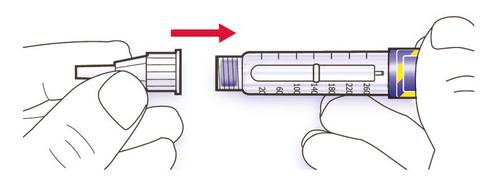
- If the needle is not held straight while inserting it, the rubber seal may be damaged and cause leaks, or the needle may break.
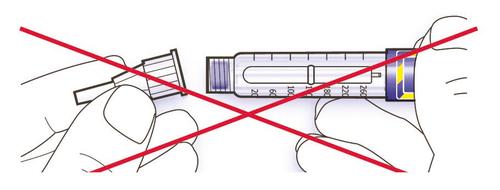
Point 3.Perform the safety test
Always perform the safety test before each injection. This ensures the delivery of a correct dose because:
- it ensures that the pen and needle are working correctly
- it removes air bubbles
A. Select a dosage of 2 units by rotating the dosage selector.
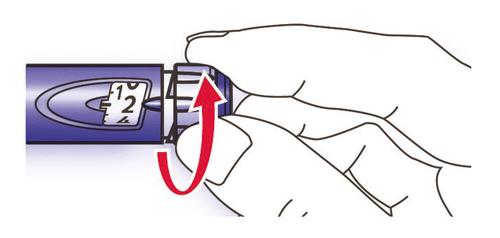
- B.Remove the outer cap of the needle and keep it to remove the used needle after the injection. Remove the inner cap of the needle and discard it.
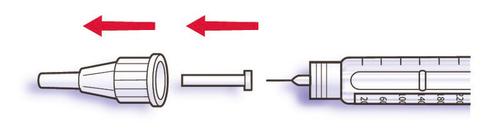
- C.Hold the pen vertically with the needle pointing upwards.
- D.Tap the insulin reservoir with your finger so that any air bubbles rise to the needle.
E. Press the injection button all the way down. Check that insulin comes out of the tip
of the needle.
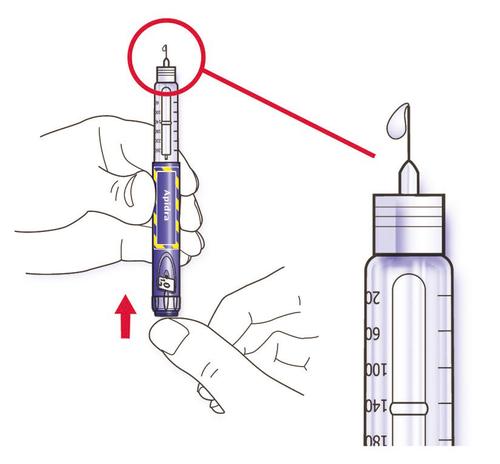
You may need to repeat the safety test several times before insulin comes out.
- If insulin does not come out, check for air bubbles and repeat the safety test twice more to remove them.
- If insulin still does not come out, the needle may be blocked. Change the needle and try again.
- If insulin still does not come out after changing the needle, the SoloStar may be damaged. Do not use this SoloStar.
Point 4.Selecting the dose
The dose can be selected in 1-unit increments, from a minimum of 1 unit to a maximum of
80 units. If a dose greater than 80 units is needed, it must be administered by two or
more injections.
A. Check that the dosage window shows “0” at the end of the safety test.
B. Select the required dose (in the example below, the selected dose is 30 units). If a
higher dose has been selected, you can rotate the dosage selector in the
opposite direction.
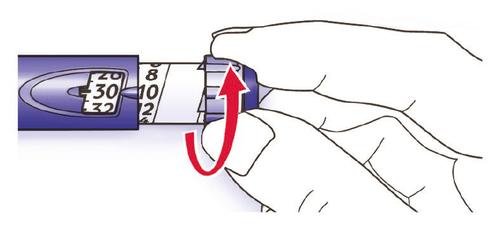
- Do not push the injection button while rotating, as insulin will come out.
- You cannot rotate the dosage selector beyond the number of units remaining in the pen. Do not force the dosage selector further. In this case, you can inject what remains in the pen and complete the dose with a new SoloStar or use a new SoloStar for the entire dose.
Point 5.Injecting the dose
A. Use the injection technique as instructed by your healthcare professional, pharmacist or nurse.
B. Insert the needle into the skin.
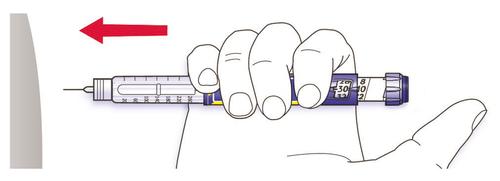
C. Administer the dose by pressing the injection button all the way down. The number appearing
in the dosage window will return to “0” during the injection.
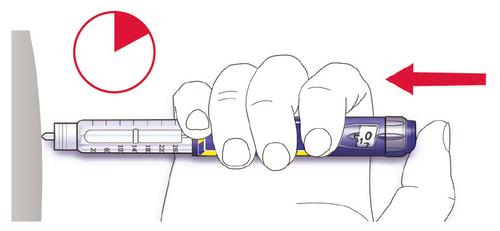
D. Keep the injection button pressed all the way down. Count slowly to 10 before
removing the needle from the skin. This ensures that the entire dose of insulin has been injected.
The pen plunger moves with each dose. The plunger reaches the end of the cartridge when
a total of 300 units of insulin have been used.
Point 6.Removing and disposing of the needle
Always remove the needle after each injection and store SoloStar without the needle inserted. This helps
to prevent:
- contamination and/or infection,
- air entering the insulin reservoir and insulin leakage, which can cause inaccurate dosing.
A. Put the outer cap back on the needle and use it to unscrew the needle from the pen. To reduce
the risk of accidental needle injuries, never reposition the inner cap of the needle.
- If the injection is given by another person, or if you are giving the injection to another person, you must pay particular attention when removing and
disposing of the needle. Follow the recommended safety measures for removing and
disposing of needles (ask healthcare personnel) to reduce the risk of accidental needle injuries and the transmission of infectious diseases.
- B.Dispose of the needle safely, following the instructions of your healthcare professional, pharmacist or nurse.
C. Always put the cap back on the pen, then store the pen until the next
injection.
Storage instructions
Refer to the back of this leaflet (insulin) for instructions on how to store SoloStar.
If your SoloStar is stored in the refrigerator, take it out 1-2 hours before the injection so that it
can warm up to room temperature. Injecting cold insulin is more painful.
Dispose of your used SoloStar in accordance with local legal requirements.
Maintenance
SoloStar must be protected from dust and dirt.
The outside of SoloStar can be cleaned with a damp cloth.
Do not wet, wash or lubricate the pen as this could damage it.
Your SoloStar is designed to operate safely and accurately. It must be handled
with care. You must avoid situations where SoloStar could be damaged. If you
are concerned that SoloStar is damaged, use a new one.

Уже начали прием и появились вопросы?
Обсудите свое состояние и дальнейшие шаги с врачом онлайн.

- Страна регистрации
- Форма выпускаInjectable solution, 100 U/ML
- Код АТХA10AB06
- Действующее вещество
- Отпускается по рецептуДа
- Производитель
- Информация на этой странице носит справочный характер и не является медицинской консультацией. Перед началом приема лекарства обязательно проконсультируйтесь с врачом.
- Аналоги APIDRAФорма выпуска: Injectable solution, 40 IU/MLДействующее вещество: инсулин человекаПроизводитель: NOVO NORDISK A/SОтпускается по рецептуФорма выпуска: Injectable solution, 100 U/MLДействующее вещество: Инсулин аспартПроизводитель: NOVO NORDISK A/SОтпускается по рецептуФорма выпуска: Injectable solution, 100 U/MLДействующее вещество: инсулин лиспроПроизводитель: ELI LILLY NEDERLAND B.V.Отпускается по рецепту
Аналоги APIDRA в других странах
Лекарства с тем же действующим веществом, доступные в других странах.
Аналог APIDRA в Испания
Врачи онлайн по APIDRA
Обсудите применение APIDRA и возможные следующие шаги — по оценке врача.









Получите рецепт на APIDRA онлайн
Заполните форму за 2 минуты
Расскажите о симптомах, истории болезни и нужном препарате.
Выберите врача или мы назначим
Выберите специалиста или мы подберём ближайшего доступного врача.
Врач рассматривает ваш случай
Обычно в течение 30 минут. Может задать уточняющие вопросы в чате.
Получите в любой аптеке
Электронный рецепт отправляется на вашу почту — действителен по всей Польше.
Часто задаваемые вопросы
APIDRA требует рецепта в Италия. Вы можете уточнить у врача онлайн, подходит ли это лекарство для вашей ситуации.
Действующее вещество APIDRA — инсулина глюлизина. Эта информация помогает определить лекарства с тем же составом под другими торговыми названиями.
APIDRA производится компанией SANOFI-AVENTIS DEUTSCHLAND GMBH. Упаковка и торговое название могут отличаться в зависимости от дистрибьютора.
Врачи, включая Семейные врачи, Психиатры, Дерматологи, Кардиологи, Эндокринологи, Гастроэнтерологи, Пульмонологи, Нефрологи, Ревматологи, Гематологи, Инфекционисты, Аллергологи, Гериатры, Педиатры, Онкологи, могут оценить целесообразность применения APIDRA с учетом вашей ситуации и местных правил. Вы можете записаться на онлайн-консультацию, чтобы обсудить возможные варианты.
Польша имеет хорошо развитую систему здравоохранения в крупных городах, таких как Варшава, Краков, Вроцлав и Гданьск. Аптеки широко доступны и работают в соответствии с действующим законодательством, обеспечивая доступ к рецептурным препаратам.
Вы можете купить APIDRA в Варшаве, Кракове, Вроцлаве или Гданьске в любой аптеке при наличии действующего рецепта.
Чтобы получить рецепт, вы можете воспользоваться Oladoctor:
Другие лекарства с тем же действующим веществом (инсулина глюлизина) включают AKTRAPID, FIASP, UMALOG. Они могут отличаться торговым названием или формой выпуска, но содержат одинаковый терапевтический компонент. Перед изменением лечения рекомендуется проконсультироваться с врачом.
