



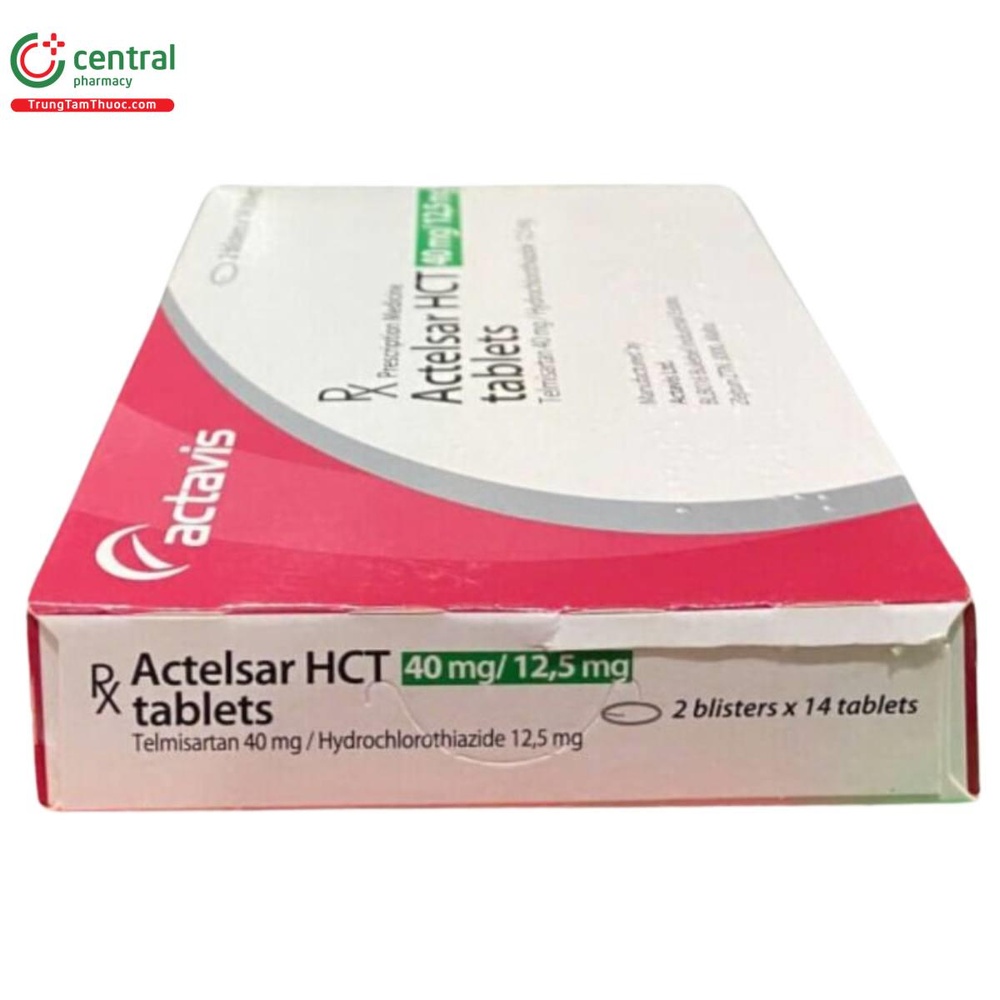
АКТЕЛСАР КТ 40 мг/12,5 мг Таблетки

Рассмотрение рецепта онлайн
Врач рассмотрит ваш случай и примет решение о назначении рецепта, если это медицински оправдано.

Поговорите с врачом об этом лекарстве
Обсудите симптомы и возможные дальнейшие шаги на онлайн-консультации.



Инструкция по применению AKTELSAR KT
Содержание инструкции
- Actelsar HCT 40 mg/12,5 mg tablets
- Actelsar HCT 80 mg/12,5 mg tablets
- Actelsar HCT 80 mg/25 mg tablets
Actelsar HCT 40 mg/12,5 mg tablets
telmisartan/hydrochlorothiazide
Read this leaflet carefully before you start taking this medicine as it contains important information for you.
- Keep this leaflet. You may need to read it again.
- If you have any questions, ask your doctor or pharmacist.
- This medicine has been prescribed for you only. Do not pass it on to others, even if their symptoms are the same as yours, as it could be harmful.
- If you get any side effects, even those not listed in this leaflet, tell your doctor or pharmacist. See section 4.
Contents of this leaflet:
- 1. What Actelsar HCT is and what it is used for
- 2. What you need to know before you take Actelsar HCT
- 3. How to take Actelsar HCT
- 4. Possible side effects
- 5. How to store Actelsar HCT
- 6. Contents of the pack and other information
1. What is Actelsar HCT and what it is used for
Actelsar HCT is a combination of two active ingredients, telmisartan and hydrochlorothiazide in a single
tablet. Each of these substances helps to control high blood pressure.
- Telmisartan belongs to a group of medicines known as angiotensin II receptor antagonists. Angiotensin II is a substance present in the body that causes the constriction of blood vessels, thereby increasing blood pressure. Telmisartan blocks this effect of angiotensin II, causing a relaxation of the blood vessels and thus reducing blood pressure.
- Hydrochlorothiazide belongs to a group of medicines known as thiazide diuretics which cause an increase in urine flow, thus contributing to the reduction of blood pressure.
Hypertension, if left untreated, can damage blood vessels in many organs, which can sometimes cause
heart attack, heart or kidney failure, stroke or blindness. Normally hypertension does not give symptoms
before such damage occurs. Therefore, it is important to regularly measure
blood pressure to check if it is within the normal range.
Actelsar HCT is used totreat high blood pressure (essential hypertension) in
adults in whom blood pressure is not sufficiently controlled by telmisartan used
alone.
2. What you need to know before taking Actelsar HCT
Do not take Actelsar HCT
- if you are allergic to telmisartan or any of the other ingredients of this medicine (listed in section 6).
- if you are allergic to hydrochlorothiazide or any other medicine derived from sulfonamide.
- if you are pregnant for more than 3 months (it is best to avoid taking Actelsar HCT even in the early stages of pregnancy - see the pregnancy section).
- if you suffer from severe liver problems such as cholestasis or a bile duct obstruction (problems in
draining bile from the liver and gallbladder) or any other serious liver disease.
- if you have severe kidney disease.
- if your doctor determines that the levels of potassium in your blood are low or the levels of calcium are high and do not improve following treatment.
- If you have diabetes or your kidney function is impaired and you are being treated with a medicine that lowers blood pressure, containing aliskiren.
If you are in any of these conditions, tell your doctor or pharmacist before taking Actelsar HCT.
Warnings and precautions
Talk to your doctor before taking Actelsar HCT if you suffer or have suffered from any of the
following conditions or illnesses:
- Low blood pressure (hypotension), which is more likely to occur if you are dehydrated (excessive water loss from the body) or have a salt deficiency due to diuretic therapy (diuretics), a low-salt diet, diarrhea, vomiting, or hemodialysis.
- Kidney disease or kidney transplant.
- Stenosis of the renal artery (narrowing of the blood vessels of one or both kidneys).
- Liver disease.
- Heart problems.
- Diabetes.
- Gout.
- Increased levels of aldosterone (retention of water and salt in the body with an imbalance of various minerals in the blood).
- Systemic lupus erythematosus (also called “lupus” or “SLE”) a disease in which the body's immune system attacks the body itself.
- The active ingredient hydrochlorothiazide can cause an uncommon reaction, resulting in decreased vision and eye pain. These may be symptoms of fluid accumulation in the vascular layer of the eye (choroidal effusion) or an increase in pressure in your eye and can occur from hours to weeks after taking Actelsar HCT. This condition can lead to permanent visual impairment if left untreated.
- If you have had skin cancer in the past or if you are developing an unexpected skin lesion during treatment. Treatment with hydrochlorothiazide, especially long-term use with high doses, may increase the risk of certain types of skin cancer and lip cancer (non-melanoma skin cancer). Protect your skin from exposure to the sun and UV rays while taking Actelsar HCT.
- If you have had breathing or lung problems (including inflammation or fluid in the lungs) following the intake of hydrochlorothiazide in the past. If shortness of breath or severe difficulty breathing occurs after taking Actelsar HCT, consult a doctor immediately.
Talk to your doctor before taking Actelsar HCT if you are taking:
- one of the following medicines used to treat high blood pressure:
- an "angiotensin II receptor antagonist" (AIIRA) (also known as sartans - for example valsartan, telmisartan, irbesartan), especially if you suffer from kidney problems related to diabetes.
- aliskiren” The doctor may check your kidney function, blood pressure, and the amount of electrolytes (e.g. potassium) in your blood at regular intervals. See also what is stated under "Do not take Actelsar HCT”.
- digoxin.
You must tell your doctor if you think you may be pregnant (or if there is a possibility of starting
a pregnancy). Actelsar HCT is not recommended in early pregnancy and must not be
taken if you are pregnant for more than 3 months, as it can cause serious harm to the baby if
taken during this period (see the pregnancy section).
Treatment with hydrochlorothiazide can cause an electrolyte imbalance in the body. Typical
symptoms of fluid or electrolyte imbalance include dry mouth, weakness, lethargy,
drowsiness, restlessness, muscle pain or cramps, nausea (feeling sick), vomiting,
muscle fatigue and abnormally fast heartbeat (more than 100 beats per minute). If
you experience any of these symptoms, tell your doctor.
You should also tell your doctor if you have experienced increased sensitivity of the skin to the sun, which
manifests with the faster onset than normal of sunburn symptoms (such as redness, itching,
swelling, blistering).
In case of surgery or administration of anesthetics, you must inform the doctor that you are
taking Actelsar HCT.
Actelsar HCT may be less effective in lowering blood pressure in patients of African
ethnicity.
Children and adolescents
The use of Actelsar HCT is not recommended in children and adolescents up to 18 years of age.
Other medicines and Actelsar HCT
Tell your doctor or pharmacist if you are taking, have recently taken or might take
any other medicines. Your doctor may decide to change the dose of these other medicines or
take other precautions. In some cases, it may be necessary to stop taking one of
these medicines. This applies in particular to the medicines listed below, taken
simultaneously with Actelsar HCT:
- Medicines containing lithium to treat some types of depression.
- Medicines associated with low blood potassium levels (hypokalemia) such as other diuretics, laxatives (e.g. castor oil), corticosteroids (e.g. prednisone), ACTH (a hormone), amphotericin (antifungal medicine), carbenoxolone (used for the treatment of mouth ulcers), sodium penicillin G (antibiotic), salicylic acid and its derivatives.
- Medicines that can increase blood potassium levels such as potassium-sparing diuretics, potassium supplements, potassium-containing salt substitutes, ACE inhibitors, cyclosporine (immunosuppressant medicine) and other medicines such as sodium heparin (anticoagulant).
- Medicines that are affected by changes in blood potassium levels such as heart medicines (e.g. digoxin) or medicines to control heart rhythm (e.g. quinidine, disopyramide, amiodarone, sotalol), medicines used for mental disorders (e.g. thioridazine, chlorpromazine, levomepromazine) and other medicines such as some antibiotics (e.g. sparfloxacin, pentamidine) or some medicines for the treatment of allergic reactions (e.g. terfenadine).
- Medicines for the treatment of diabetes (insulin or oral agents such as metformin).
- Cholestyramine and colestipol, medicines to lower blood fat levels.
- Medicines to increase blood pressure, such as norepinephrine.
- Medicines that relax the muscles, such as tubocurarine.
- Calcium and/or vitamin D supplements.
- Anticholinergic medicines (drugs used to treat a variety of disorders such as gastrointestinal cramps, urinary bladder spasms, asthma, motion sickness, muscle spasms, Parkinson's disease and as an aid to anesthesia), such as atropine and biperiden.
- Amantadine (medicine used to treat Parkinson's disease and also used to treat or prevent diseases caused by viruses).
- Other substances used to treat high blood pressure, corticosteroids, pain relievers (such as non-steroidal anti-inflammatory drugs [NSAIDs]), medicines for cancer, gout or arthritis.
- If you are taking an angiotensin II receptor antagonist (AIIRA) or aliskiren (see also what is stated under "Do not take Actelsar HCT" and "Warnings and precautions“)
- Digoxin
Actelsar HCT may increase the effect of other medicines used to lower blood pressure or of
medicines that have the potential to lower high blood pressure (e.g.: baclofen, amifostine).
In addition, a decrease in blood pressure may be aggravated by alcohol, barbiturates, narcotics or
antidepressants. You may notice this as dizziness when getting up. You should contact your doctor if
you need to change the dose of other medicines while taking Actelsar HCT.
The effect of Actelsar HCT may be reduced when you take NSAIDs (non-steroidal anti-inflammatory
drugs, e.g. acetylsalicylic acid and ibuprofen).
Actelsar HCT with food and alcohol
You can take Actelsar HCT with or without food.
Avoid drinking alcohol before talking to your doctor. Alcohol can further lower
blood pressure and/or increase the risk of dizziness or fainting.
Pregnancy and breastfeeding
Pregnancy
You must tell your doctor if you think you may be pregnant (or if there is a possibility of starting
a pregnancy). As a rule, your doctor will advise you to stop taking Actelsar HCT
before starting pregnancy or as soon as you become aware of being pregnant and
will advise you to take another medicine instead of Actelsar HCT. Actelsar HCT is not
recommended during pregnancy and must not be taken if you are pregnant for more than
3 months as it can cause serious harm to the baby if taken after the third month of pregnancy.
Breastfeeding
Tell your doctor if you are breastfeeding or are about to start breastfeeding. Actelsar HCT is not
recommended for women who are breastfeeding and your doctor may choose another treatment
for you if you wish to breastfeed.
Driving and using machines
Some patients may experience dizziness or drowsiness when taking Actelsar HCT. If you
experience these effects, do not drive or use machines.
Actelsar HCT contains sodium
This medicine contains less than 1 mmol (23 mg) of sodium per tablet, which is
essentially ‘sodium-free’.
3. How to take Actelsar HCT
Always take this medicine exactly as your doctor has told you. If you have any doubts, ask your
doctor or pharmacist.
The recommended dose is one tablet a day. Try to take the tablet
at the same time each day. You can take Actelsar HCT with or without food. The tablets must be
swallowed with a little water or other non-alcoholic beverage. It is important to take Actelsar HCT every
day until your doctor tells you otherwise.
If your liver is not functioning properly, the usual dose of
40 mg/12.5 mg once a day should not be exceeded.
If you take more Actelsar HCT than you should
If you have accidentally taken too many tablets, you may experience symptoms such as low
blood pressure and a fast heartbeat. Slow heartbeat, dizziness,
vomiting, and reduced kidney function including renal failure have also been reported. Due to the presence of
hydrochlorothiazide, markedly low blood pressure and low levels of
potassium in the blood may also occur, which can cause nausea, drowsiness and muscle cramps and/or irregular
heartbeat associated with the concomitant use of medicines such as digoxin or certain antiarrhythmic
treatments. Contact your doctor or pharmacist immediately,
or the emergency room of the nearest hospital.
If you forget to take Actelsar HCT
If you forget to take the medicine, do not worry. Take it as soon as you remember, then
continue as before. If you miss a dose for one day, take your normal dose the next day. Do not
take a double dose to make up for a missed dose.
If you have any further questions on the use of this medicine, ask your doctor or pharmacist.
4. Possible side effects
Like all medicines, this medicine can cause side effects, although not everybody gets them.
Some side effects may be serious and require immediate medical attention: You should see a doctor immediately if you experience any of the following symptoms:
Sepsis* (often called "blood infection") is a serious infection with inflammatory response of the whole body, rapid swelling of the skin and mucous membranes (angioedema), appearance of blisters and peeling of the outermost layer of skin (toxic epidermal necrolysis); these side effects are rare (may affect up to 1 in 1,000 people) or of unknown frequency (toxic epidermal necrolysis), but extremely serious and patients must stop taking the medicine and consult a doctor immediately. If these effects are not treated they can be fatal. An increase in the incidence of sepsis has been observed with telmisartan alone, however it cannot be excluded for Actelsar HCT.
Very rare (may affect up to 1 in 10,000 people): Acute respiratory distress (signs include severe shortness of breath, fever, weakness and confusion).
Possible side effects of Actelsar HCT:
Common (may affect up to 1 in 10 people):
Dizziness.
Uncommon (may affect up to 1 in 100 people):
Reduced potassium levels in the blood, anxiety, fainting (syncope), sensation of numbness, sensation of tingling (paresthesia), sensation of spinning (vertigo), fast heartbeat (tachycardia), heart rhythm disorders, low blood pressure, sudden drop in blood pressure when standing up, shortness of breath (dyspnea), diarrhea, dry mouth, flatulence, back pain, muscle spasm, muscle pain, erectile dysfunction (inability to achieve or maintain an erection), chest pain, increased uric acid levels in the blood.
Rare (may affect up to 1 in 1,000 people):
Lung inflammation (bronchitis), activation or worsening of systemic lupus erythematosus (a disease in which the immune system attacks the body itself, causing joint pain, rash and fever), sore throat, sinusitis, feeling of sadness (depression), difficulty falling asleep (insomnia), altered vision, difficulty breathing, abdominal pain, constipation, bloating (dyspepsia), feeling unwell (vomiting), inflammation of the stomach (gastritis), abnormal liver function (Japanese patients are more likely to experience this side effect), skin redness (erythema), allergic reactions such as itching or rash, increased sweating, hives, joint pain (arthralgia) and pain in the extremities, muscle cramps, flu-like illness, pain, low levels of sodium, increased creatinine levels, liver enzymes or creatine phosphokinase in the blood.
Adverse reactions reported with one of the individual components may be potential adverse reactions with Actelsar HCT, even if not observed in clinical studies with this product.
Telmisartan
The following additional side effects have been observed in patients treated with telmisartan alone:
Uncommon (may affect up to 1 in 100 people):
Upper respiratory tract infection (e.g. sore throat, sinusitis, common cold), urinary tract infections, reduced red blood cells (anemia), high potassium levels, slow heartbeat (bradycardia), impaired kidney function including acute renal failure, feeling of weakness, cough.
Rare (may affect up to 1 in 1,000 people):
Low platelet count (thrombocytopenia), increase in certain white blood cells (eosinophilia), severe allergic reaction (e.g. hypersensitivity, anaphylactic reaction, drug rash), low blood sugar levels (in diabetic patients), stomach upset, eczema (skin disorder), osteoarthritis, inflammation of the tendons, decreased hemoglobin (a blood protein), drowsiness.
Very rare (may affect up to 1 in 10,000 people):
Progressive scarring of lung tissue (interstitial lung disease)**.
*The event may have occurred by chance or may be related to a currently unknown mechanism.
**Cases of progressive scarring of lung tissue have been reported during the intake of telmisartan. However, it is not known whether telmisartan was the cause
Hydrochlorothiazide
The following additional side effects have been observed in patients treated with hydrochlorothiazide alone:
Common (may affect up to 1 in 10 people):
Feeling unwell (nausea), low magnesium levels in the blood.
Rare (may affect up to 1 in 1,000 people):
Reduced platelets, which increases the risk of bleeding or bruising (small purple-red spots on the skin or other tissues caused by bleeding), high calcium levels in the blood, headache.
Very rare (may affect up to 1 in 10,000 people):
Increased pH (altered acid-base balance) due to low chlorine levels in the blood.
Side effects of unknown frequency (frequency cannot be estimated based on available data):
Inflammation of the salivary glands, skin cancer and lips (non-melanoma skin cancer), decreased number (or even absence) of blood cells, including decrease in red blood cells and white blood cells, severe allergic reactions (e.g. hypersensitivity, anaphylactic reaction), loss or decrease in appetite, restlessness, dizziness, blurred or yellowish vision, decreased vision and eye pain (possible signs of fluid accumulation in the vascular layer of the eye (choroidal effusion) or acute angle-closure glaucoma), inflammation of blood vessels (necrotizing vasculitis), inflammation of the pancreas, stomach upset, yellowing of the skin or eyes (jaundice), lupus-like syndrome (a condition that mimics a disease called systemic lupus erythematosus in which the immune system attacks the body itself); skin disorders such as inflammation of the blood vessels in the skin, increased sensitivity to sunlight, rash, skin redness, formation of blisters on lips, eyes or mouth, peeling of the skin, fever (possible signs of erythema multiforme), feeling of weakness, inflammation of the kidneys or altered kidney function, glucose in the urine (glycosuria), fever, electrolyte imbalance, high cholesterol levels in the blood, increased glucose levels in the blood, difficulty controlling blood sugar/urine glucose levels in patients diagnosed with diabetes mellitus, or fats in the blood.
Reporting of side effects
If you get any side effects, even those not listed in this leaflet, tell your doctor or pharmacist. You can also report side effects directly through the national reporting system detailed in Annex V. By reporting side effects you can help provide more information on the safety of this medicine.
5. How to store Actelsar HCT
Keep this medicine out of the sight and reach of children.
Do not use this medicine after the expiry date which is stated on the box, blister or label of the
bottle after “EXP.”. The expiry date refers to the last day of that month. ”Lot”
printed on the box, refers to the batch number.
For Al/Al blisters and HDPE bottles
This medicine does not require any special storage conditions.
For Al/PVC/PVDC blisters:
Do not store above 30°C.
Do not dispose of any medicine in wastewater or household waste. Ask your pharmacist how to
dispose of medicines you no longer use. This will help protect the environment.
6. Contents of the pack and other information
What Actelsar HCT contains
- The active ingredients are telmisartan and hydrochlorothiazide. Each tablet contains 40 mg of telmisartan and 12.5 mg of hydrochlorothiazide.
- The other ingredients are magnesium stearate (E470b), potassium hydroxide, meglumine, povidone, sodium starch glycolate (type A), microcrystalline cellulose, mannitol (E421).
Description of the appearance of Actelsar HCT and contents of the pack
Actelsar HCT 40 mg/12.5 mg tablets are white or almost white, 6.55 x 13.6 mm tablets
biconvex and oval in shape with “TH” imprinted on one side.
Packs
Al/Al blisters: 14, 28, 30, 56, 84, 90 and 98 tablets
Al/PVC/PVDC blisters: 28, 56, 84, 90 and 98 tablets
Bottle: 30, 90 and 250 tablets
Not all pack sizes may be marketed.
Marketing authorisation holder and manufacturer
Marketing authorisation holder
Actavis Group PTC ehf.
Dalshraun 1, 220 Hafnarfjörður, Iceland
Manufacturer
Actavis Ltd.
BLB016, Bulebel Industrial Estate, Zejtun ZTN 3000, Malta
For further information on this medicinal product, contact the local representative of the marketing
authorisation holder:
België/Belgique/Belgien
Teva Pharma Belgium N.V./S.A./AG
Tél/Tel: +32 38207373
Lietuva
UAB Teva Baltics
Tel: +370 52660203
България
Тева Фарма ЕАД
Teл: +359 24899585
Luxembourg/Luxemburg
Teva Pharma Belgium N.V./S.A./AG
Belgique/Belgien
Tél/Tel: +32 38207373
Česká republika
Teva Pharmaceuticals CR, s.r.o.
Tel: +420 251007111
Magyarország
Teva Gyógyszergyár Zrt.
Tel: +36 12886400
Danmark
Teva Denmark A/S
Tlf: +45 44985511
Malta
Teva Pharmaceuticals Ireland
L-Irlanda
Tel: +44 2075407117
Deutschland
ratiopharm GmbH
Tel: +49 73140202
Nederland
Teva Nederland B.V.
Tel: +31 8000228400
Eesti
UAB Teva Baltics Eesti filiaal
Tel: +372 6610801
Norge
Teva Norway AS
Tlf: +47 66775590
Ελλάδα
Specifar A.B.E.E.
Τηλ: +30 2118805000
Österreich
ratiopharm Arzneimittel Vertriebs-GmbH
Tel: +43 1970070
España
Teva Pharma, S.L.U.
Tel: +34 913873280
Polska
Teva Pharmaceuticals Polska Sp. z o.o.
Tel: +48 223459300
France
Teva Santé
Tél: +33 155917800
Portugal
Teva Pharma - Produtos Farmacêuticos, Lda.
Tel: +351 214767550
Hrvatska
Pliva Hrvatska d.o.o.
Tel: +385 13720000
România
Teva Pharmaceuticals S.R.L.
Tel: +40 212306524
Ireland
Teva Pharmaceuticals Ireland
Tel: +44 2075407117
Slovenija
Pliva Ljubljana d.o.o.
Tel: +386 15890390
Ísland
Teva Pharma Iceland ehf.
Sími: +354 5503300
Slovenská republika
TEVA Pharmaceuticals Slovakia s.r.o.
Tel: +421 257267911
Italia
Teva Italia S.r.l.
Tel: +39 028917981
Suomi/Finland
Teva Finland Oy
Puh/Tel: +358 201805900
Κύπρος
Specifar A.B.E.E.
Ελλάδα
Τηλ: +30 2118805000
Sverige
Teva Sweden AB
Tel: +46 42121100
United Kingdom (Northern Ireland)
Teva Pharmaceuticals Ireland
Ireland
Tel: +44 2075407117
More detailed information on this medicinal product is available on the website of the European
Medicines Agency: http://www.ema.europa.eu.
Latvija
UAB Teva Baltics filiāle Latvijā
Tel: +371 67323666
Actelsar HCT 80 mg/12,5 mg tablets
telmisartan/hydrochlorothiazide
Read this leaflet carefully before you start taking this medicine as it contains important information for you.
- Keep this leaflet. You may need to read it again.
- If you have any questions, ask your doctor or pharmacist.
- This medicine has been prescribed for you only. Do not pass it on to others, even if they have the same symptoms as you, as it may be harmful.
- If you get any side effects, even those not listed in this leaflet, tell your doctor or pharmacist. See section 4.
Contents of this leaflet:
- 1. What Actelsar HCT is and what it is used for
- 2. What you need to know before you take Actelsar HCT
- 3. How to take Actelsar HCT
- 4. Possible side effects
- 5. How to store Actelsar HCT
- 6. Contents of the pack and other information
1. What is Actelsar HCT and what it is used for
Actelsar HCT is a combination of two active ingredients, telmisartan and hydrochlorothiazide in a single
tablet. Each of these substances helps to control high blood pressure.
- Telmisartan belongs to a group of medicines known as angiotensin II receptor antagonists. Angiotensin II is a substance present in the body that causes constriction of blood vessels, thereby increasing blood pressure. Telmisartan blocks this effect of angiotensin II, causing a relaxation of blood vessels and thus reducing blood pressure.
- Hydrochlorothiazide belongs to a group of medicines known as thiazide diuretics which cause an increase in urine flow, thereby contributing to the reduction of blood pressure.
Hypertension, if left untreated, can damage blood vessels in many organs, which can sometimes cause
heart attack, heart or kidney failure, stroke or blindness. Normally hypertension does not give symptoms
before such damage occurs. Therefore, it is important to regularly check blood pressure to verify if it is within the normal range.
Actelsar HCT is used totreat high blood pressure (essential hypertension) in
adults in whom blood pressure is not sufficiently controlled by telmisartan used
alone.
2. What you need to know before taking Actelsar HCT
Do not take Actelsar HCT
- if you are allergic to telmisartan or any of the other ingredients of this medicine (listed in section 6).
- if you are allergic to hydrochlorothiazide or any other medicine derived from sulfonamide.
- if you are pregnant for more than 3 months (it is best to avoid taking Actelsar HCT even in the early stages of pregnancy - see the pregnancy section).
- if you suffer from severe liver problems such as cholestasis or bile duct obstruction (problems with the drainage of bile from the liver or gallbladder) or any other serious liver disease.
- if you have severe kidney disease.
- if your doctor determines that the levels of potassium in your blood are low or the levels of calcium are high and do not improve following treatment.
- if you have diabetes or your kidney function is impaired and you are being treated with a medicine that lowers blood pressure, containing aliskiren.
If you are in any of these conditions, tell your doctor or pharmacist before taking Actelsar HCT.
Warnings and precautions
Talk to your doctor before taking Actelsar HCT if you suffer or have suffered from any of the
following conditions or illnesses:
- Low blood pressure (hypotension), which is more likely to occur if you are dehydrated (excessive water loss from the body) or have a salt deficiency due to diuretic therapy (diuretics), a low-salt diet, diarrhea, vomiting, or hemodialysis.
- Kidney disease or kidney transplant.
- Renal artery stenosis (narrowing of the blood vessels of one or both kidneys).
- Liver disease.
- Heart problems.
- Diabetes.
- Gout.
- Increased levels of aldosterone (retention of water and salt in the body with an imbalance of various minerals in the blood).
- Systemic lupus erythematosus (also called “lupus” or “SLE”) a disease in which the body's immune system attacks the body itself.
- The active ingredient hydrochlorothiazide can cause an uncommon reaction, with consequent decreased vision and eye pain. These may be symptoms of fluid accumulation in the vascular layer of the eye (choroidal effusion) or an increase in pressure in your eye and can occur from hours to weeks after taking Actelsar HCT. This condition can lead to permanent visual impairment if not treated.
- If you have had skin cancer in the past or if you are developing an unexpected skin lesion during treatment. Treatment with hydrochlorothiazide, especially long-term use with high doses, may increase the risk of certain types of skin cancer and lips (non-melanoma skin cancer). Protect your skin from exposure to the sun and UV rays while taking Actelsar HCT.
- If you have had breathing or lung problems (including inflammation or fluid in the lungs) following the use of hydrochlorothiazide in the past. If shortness of breath or severe difficulty breathing occurs after taking Actelsar HCT, consult a doctor immediately.
Talk to your doctor before taking Actelsar HCT if you are taking:
- one of the following medicines used to treat high blood pressure:
- an "angiotensin II receptor antagonist" (AIIRA) (also known as sartans - for example valsartan, telmisartan, irbesartan), especially if you suffer from kidney problems related to diabetes.
- aliskiren” The doctor may check your kidney function, blood pressure, and the amount of electrolytes (e.g. potassium) in your blood at regular intervals. See also what is reported under "Do not take Actelsar HCT”.
- digoxin.
You must tell your doctor if you think you may be pregnant (or if there is a possibility of starting
a pregnancy). Actelsar HCT is not recommended in the early stages of pregnancy and should not be
taken if you are pregnant for more than 3 months, as it can cause serious harm to the baby if
taken during this period (see the pregnancy section).
Treatment with hydrochlorothiazide can cause an electrolyte imbalance in the body. Typical
symptoms of fluid or electrolyte imbalance include dry mouth, weakness, lethargy,
drowsiness, restlessness, muscle pain or cramps, nausea (feeling sick), vomiting,
muscle fatigue and abnormally fast heartbeat (more than 100 beats per minute). If
you experience any of these symptoms, tell your doctor.
You should also tell your doctor if you have noticed an increased sensitivity of the skin to the sun, which
manifests with the earlier onset than normal of sunburn symptoms (such as redness, itching,
swelling, blistering).
In case of surgery or administration of anesthetics, you must inform the doctor that you are
taking Actelsar HCT.
Actelsar HCT may be less effective in lowering blood pressure in patients of African
ethnicity.
Children and adolescents
The use of Actelsar HCT is not recommended in children and adolescents up to 18 years of age.
Other medicines and Actelsar HCT
Tell your doctor or pharmacist if you are taking, have recently taken or might take
any other medicines. Your doctor may decide to change the dose of these other medicines or
take other precautions. In some cases, it may be necessary to stop taking one of
these medicines. This applies especially to the medicines listed below, taken
simultaneously with Actelsar HCT:
- Medicines containing lithium to treat some types of depression.
- Medicines associated with low blood potassium levels (hypokalemia) such as other diuretics, laxatives (e.g. castor oil), corticosteroids (e.g. prednisone), ACTH (a hormone), amphotericin (antifungal medicine), carbenoxolone (used to treat mouth ulcers), sodium penicillin G (antibiotic), salicylic acid and its derivatives.
- Medicines that can increase blood potassium levels such as potassium-sparing diuretics, potassium supplements, salt substitutes containing potassium, ACE inhibitors, cyclosporine (immunosuppressant medicine) and other medicines such as sodium heparin (anticoagulant).
- Medicines that are affected by changes in blood potassium levels such as heart medicines (e.g. digoxin) or medicines to control heart rhythm (e.g. quinidine, disopyramide, amiodarone, sotalol), medicines used for mental disorders (e.g. thioridazine, chlorpromazine, levomepromazine) and other medicines such as some antibiotics (e.g. sparfloxacin, pentamidine) or some medicines for treating allergic reactions (e.g. terfenadine).
- Medicines for the treatment of diabetes (insulin or oral agents such as metformin).
- Cholestyramine and colestipol, medicines to lower blood fat levels.
- Medicines to increase blood pressure, such as norepinephrine.
- Medicines that relax muscles, such as tubocurarine.
- Calcium and/or vitamin D supplements.
- Anticholinergic medicines (drugs used to treat a variety of disorders such as gastrointestinal cramps, urinary bladder spasms, asthma, motion sickness, muscle spasms, Parkinson's disease and as an aid to anesthesia), such as atropine and biperiden.
- Amantadine (medicine used to treat Parkinson's disease and also used to treat or prevent diseases caused by viruses).
- Other substances used to treat high blood pressure, corticosteroids, pain relievers (such as non-steroidal anti-inflammatory drugs [NSAIDs]), medicines for cancer, gout or arthritis.
- If you are taking an angiotensin II receptor antagonist (AIIRA) or aliskiren (see also what is reported under "Do not take Actelsar HCT" and "Warnings and precautions”).
- Digoxin
Actelsar HCT can increase the effect of other medicines used to lower blood pressure or medicines
that have the potential to lower high blood pressure (e.g.: baclofen, amifostine).
In addition, a drop in blood pressure can be aggravated by alcohol, barbiturates, narcotics or
antidepressants. You may notice this as dizziness when standing up. You should
contact your doctor if you need to change the dose of other medicines while taking
Actelsar HCT.
The effect of Actelsar HCT may be reduced when you take NSAIDs (non-steroidal anti-inflammatory
drugs, e.g. acetylsalicylic acid and ibuprofen).
Actelsar HCT with food and alcohol
You can take Actelsar HCT with or without food.
Avoid drinking alcohol before talking to your doctor. Alcohol can further lower
blood pressure and/or increase the risk of dizziness or fainting.
Pregnancy and breastfeeding
Pregnancy
You must tell your doctor if you think you may be pregnant (or if there is a possibility of starting
a pregnancy). As a rule, your doctor will advise you to stop taking Actelsar HCT
before becoming pregnant or as soon as you find out you are pregnant and
will advise you to take another medicine instead of Actelsar HCT. Actelsar HCT is not
recommended during pregnancy and should not be taken if you are pregnant for more than
3 months as it can cause serious harm to the baby if taken after the third month of pregnancy.
Breastfeeding
Tell your doctor if you are breastfeeding or planning to start breastfeeding. Actelsar HCT is not
recommended for women who are breastfeeding and your doctor may choose another treatment
if you wish to breastfeed.
Driving and using machines
Some patients may experience dizziness or drowsiness when taking Actelsar HCT. If you
experience these effects, do not drive or use machines.
Actelsar HCT contains sodium
This medicine contains less than 1 mmol (23 mg) of sodium per tablet, which is
essentially ‘sodium-free’.
3. How to take Actelsar HCT
Always take this medicine exactly as your doctor has told you. If you have any doubts, ask your
doctor or pharmacist.
The recommended dose is one tablet a day. Try to take the tablet
at the same time each day. You can take Actelsar HCT with or without food. The tablets must be
swallowed with a little water or other non-alcoholic beverage. It is important to take Actelsar HCT every
day until your doctor tells you otherwise.
If your liver is not functioning properly, the usual dose of
40 mg/12.5 mg once a day should not be exceeded.
If you take more Actelsar HCT than you should
If you have accidentally taken too many tablets, you may experience symptoms such as low blood
pressure and a fast heartbeat. Slow heartbeat, dizziness,
vomiting, and reduced kidney function including kidney failure have also been reported. Due to the presence of
hydrochlorothiazide, markedly low blood pressure and low levels of
potassium in the blood may also occur, which can cause nausea, drowsiness and muscle cramps and/or irregular
heartbeat associated with the concomitant use of medicines such as digoxin or certain antiarrhythmic
treatments. Contact your doctor or pharmacist immediately,
or the emergency room of the nearest hospital.
If you forget to take Actelsar HCT
If you forget to take the medicine, do not worry. Take it as soon as you remember, then
continue as before. If you miss a dose for one day, take your normal dose the next day. Do not
take a double dose to make up for a missed dose.
If you have any further questions on the use of this medicine, ask your doctor or pharmacist.
4. Possible side effects
Like all medicines, this medicine can cause side effects, although not everybody gets them.
Some side effects may be serious and require immediate medical attention: You should see a doctor immediately if you experience any of the following symptoms:
Sepsis* (often called "blood infection") is a serious infection with inflammatory response of the whole body, rapid swelling of the skin and mucous membranes (angioedema), appearance of blisters and peeling of the outermost layer of the skin (toxic epidermal necrolysis); these side effects are rare (may affect up to 1 in 1,000 people) or of unknown frequency (toxic epidermal necrolysis), but extremely serious and patients must stop taking the medicine and consult a doctor immediately. If these effects are not treated they can be fatal. An increase in the incidence of sepsis has been observed with telmisartan alone, however it cannot be excluded for Actelsar HCT.
Very rare (may affect up to 1 in 10,000): Acute respiratory distress (signs include severe shortness of breath, fever, weakness and confusion).
Possible side effects of Actelsar HCT:
Common (may affect up to 1 in 10 people):
Dizziness.
Uncommon (may affect up to 1 in 100 people):
Reduced potassium levels in the blood, anxiety, fainting (syncope), sensation of numbness, sensation of tingling (paresthesia), sensation of spinning (vertigo), fast heartbeat (tachycardia), heart rhythm disorders, low blood pressure, sudden drop in blood pressure when getting up, shortness of breath (dyspnea), diarrhea, dry mouth, flatulence, back pain, muscle spasm, muscle pain, erectile dysfunction (inability to achieve or maintain an erection), chest pain, increased uric acid levels in the blood.
Rare (may affect up to 1 in 1,000):
Lung inflammation (bronchitis), activation or worsening of systemic lupus erythematosus (a disease in which the immune system attacks the body itself, causing joint pain, rash and fever), sore throat, sinusitis, feeling of sadness (depression), difficulty falling asleep (insomnia), altered vision, difficulty breathing, abdominal pain, constipation, bloating (dyspepsia), feeling unwell (vomiting), inflammation of the stomach (gastritis),
abnormal liver function (Japanese patients are more likely to experience this side effect), skin redness (erythema), allergic reactions such as itching or rash, increased sweating, hives, joint pain (arthralgia) and pain in the extremities, muscle cramps, flu-like illness, pain, low levels of sodium, increased creatinine levels, liver enzymes or creatine phosphokinase in the blood.
Adverse reactions reported with one of the individual components may be potential adverse reactions with Actelsar HCT, even if not observed in clinical studies with this product.
Telmisartan
The following additional side effects have been found in patients treated with telmisartan alone:
Uncommon (may affect up to 1 in 100):
Upper respiratory tract infection (e.g. sore throat, sinusitis, common cold), urinary tract infections, reduced red blood cells (anemia), high potassium levels, slowed heartbeat (bradycardia), impaired kidney function including acute renal failure, feeling of weakness, cough.
Rare (may affect up to 1 in 1,000):
Low platelet count (thrombocytopenia), increase in some white blood cells (eosinophilia), severe allergic reaction (e.g. hypersensitivity, anaphylactic reaction, drug rash), low blood sugar levels (in diabetic patients), stomach upset, eczema (skin disorder), osteoarthritis, tendon inflammation, decreased hemoglobin (a blood protein), drowsiness.
Very rare (may affect up to 1 in 10,000):
Progressive scarring of lung tissue (interstitial lung disease)**.
*The event may have occurred by chance or may be related to a currently unknown mechanism.
**Cases of progressive scarring of lung tissue have been reported during the intake of telmisartan. However, it is not known whether telmisartan was the cause
Hydrochlorothiazide
The following additional side effects have been found in patients treated with hydrochlorothiazide alone:
Common (may affect up to 1 in 10):
Feeling unwell (nausea), low magnesium levels in the blood.
Rare (may affect up to 1 in 1,000):
Reduced platelets, which increases the risk of bleeding or bruising (small purple-red spots on the skin or other tissues caused by bleeding), high calcium levels in the blood, headache.
Very rare (may affect up to 1 in 10,000):
Increased pH (altered acid-base balance) due to low chlorine levels in the blood.
Side effects of unknown frequency (frequency cannot be estimated based on available data):
Inflammation of the salivary glands, skin and lip cancer (non-melanoma skin cancer), decreased number (or even absence) of blood cells, including decreased red blood cell and white blood cell count, severe allergic reactions (e.g. hypersensitivity, anaphylactic reaction), decreased or loss of appetite, restlessness, dizziness, blurred or yellowish vision, decreased vision and eye pain (possible signs of fluid accumulation in the vascular layer of the eye (choroidal effusion) or acute angle-closure glaucoma),
inflammation of blood vessels (necrotizing vasculitis), inflammation of the pancreas, stomach upset, yellowing of the skin or eyes (jaundice), lupus-like syndrome (a condition that mimics a disease called systemic lupus erythematosus because the immune system attacks the body itself); skin disorders such as inflammation of the blood vessels in the skin, increased sensitivity to sunlight, rash, skin redness, formation of blisters on lips, eyes or mouth, peeling of the skin, fever (possible signs of erythema multiforme), feeling of weakness, inflammation of the kidneys or altered kidney function, glucose present in the urine (glycosuria), fever, electrolyte imbalance, high cholesterol levels in the blood, reduced blood volume, increased glucose levels in the blood, difficulty controlling blood glucose/urine glucose levels in patients diagnosed with diabetes mellitus, or fats in the blood.
Reporting of side effects
If you get any side effects, talk to your doctor or pharmacist. You can also report side effects directly through the national reporting system listed in Appendix V. By reporting side effects you can help provide more information on the safety of this medicine.
5. How to store Actelsar HCT
Keep this medicine out of the sight and reach of children.
Do not use this medicine after the expiry date which is reported on the box, blister or label of the
bottle after “EXP.”. The expiry date refers to the last day of that month. ”Lot”
printed on the box, refers to the batch number.
For Al/Al blisters and HDPE bottles
This medicine does not require any special storage conditions.
For Al/PVC/PVDC blisters:
Do not store above 30°C.
Do not dispose of any medicine in wastewater or household waste. Ask your pharmacist how to
dispose of medicines you no longer use. This will help protect the environment.
6. Contents of the pack and other information
What Actelsar HCT contains
- The active ingredients are telmisartan and hydrochlorothiazide. Each tablet contains 80 mg of telmisartan and 12.5 mg of hydrochlorothiazide.
- The excipients are magnesium stearate (E470b), potassium hydroxide, meglumine, povidone, sodium starch glycolate (type A), microcrystalline cellulose, mannitol (E421).
Description of the appearance of Actelsar HCT and contents of the pack
Actelsar HCT 80 mg/12.5 mg tablets are white or almost white, 9.0 x 17.0 mm capsule-shaped tablets with “TH 12.5” on both sides.
Packs
Al/Al blisters: 14, 28, 30, 56, 84, 90 and 98 tablets
Al/PVC/PVDC blisters: 14, 28, 56, 84, 90 and 98 tablets
Bottle: 30, 90 and 250 tablets
Not all pack sizes may be marketed.
Marketing authorisation holder and manufacturer
Marketing authorisation holder
Actavis Group PTC ehf.
Dalshraun 1, 220 Hafnarfjörður, Iceland
Manufacturer
Actavis Ltd.
BLB016, Bulebel Industrial Estate, Zejtun ZTN 3000, Malta
For further information on this medicine, contact the local representative of the marketing authorisation holder:
België/Belgique/Belgien
Teva Pharma Belgium N.V./S.A./AG
Tél/Tel: +32 38207373
Lietuva
UAB Teva Baltics
Tel: +370 52660203
България
Тева Фарма ЕАД
Teл: +359 24899585
Luxembourg/Luxemburg
Teva Pharma Belgium N.V./S.A./AG
Belgique/Belgien
Tél/Tel: +32 38207373
Česká republika
Teva Pharmaceuticals CR, s.r.o.
Tel: +420 251007111
Magyarország
Teva Gyógyszergyár Zrt.
Tel: +36 12886400
Danmark
Teva Denmark A/S
Tlf: +45 44985511
Malta
Teva Pharmaceuticals Ireland
L-Irlanda
Tel: +44 2075407117
Deutschland
ratiopharm GmbH
Tel: +49 73140202
Nederland
Teva Nederland B.V.
Tel: +31 8000228400
Eesti
UAB Teva Baltics Eesti filiaal
Tel: +372 6610801
Norge
Teva Norway AS
Tlf: +47 66775590
Ελλάδα
Specifar A.B.E.E.
Τηλ: +30 2118805000
Österreich
ratiopharm Arzneimittel Vertriebs-GmbH
Tel: +43 1970070
España
Teva Pharma, S.L.U.
Tel: +34 913873280
Polska
Teva Pharmaceuticals Polska Sp. z o.o.
Tel: +48 223459300
France
Teva Santé
Tél: +33 155917800
Portugal
Teva Pharma - Produtos Farmacêuticos, Lda.
Tel: +351 214767550
Hrvatska
Pliva Hrvatska d.o.o.
Tel: +385 13720000
România
Teva Pharmaceuticals S.R.L.
Tel: +40 212306524
Ireland
Teva Pharmaceuticals Ireland
Tel: +44 2075407117
Slovenija
Pliva Ljubljana d.o.o.
Tel: +386 15890390
Ísland
Teva Pharma Iceland ehf.
Sími: +354 5503300
Slovenská republika
TEVA Pharmaceuticals Slovakia s.r.o.
Tel: +421 257267911
Italia
Teva Italia S.r.l.
Tel: +39 028917981
Suomi/Finland
Teva Finland Oy
Puh/Tel: +358 201805900
Κύπρος
Specifar A.B.E.E.
Ελλάδα
Τηλ: +30 2118805000
Sverige
Teva Sweden AB
Tel: +46 42121100
United Kingdom (Northern Ireland)
Teva Pharmaceuticals Ireland
Ireland
Tel: +44 2075407117
More detailed information on this medicine is available on the website of the European Medicines Agency: http://www.ema.europa.eu.
Latvija
UAB Teva Baltics filiāle Latvijā
Tel: +371 67323666

Не уверены, подходит ли вам это лекарство?
Обсудите симптомы и варианты лечения с врачом онлайн.
Actelsar HCT 80 mg/25 mg tablets
telmisartan/hydrochlorothiazide
Read this leaflet carefully before you start taking this medicine as it contains important information for you.
- Keep this leaflet. You may need to read it again.
- If you have any questions, ask your doctor or pharmacist.
- This medicine has been prescribed for you only. Do not pass it on to others, even if they have the same symptoms as you, as it may be harmful.
- If you get any side effects, even those not listed in this leaflet, tell your doctor or pharmacist. See section 4.
Contents of this leaflet:
- 1. What Actelsar HCT is and what it is used for
- 2. What you need to know before you take Actelsar HCT
- 3. How to take Actelsar HCT
- 4. Possible side effects
- 5. How to store Actelsar HCT
- 6. Contents of the pack and other information
1. What is Actelsar HCT and what is it used for
Actelsar HCT is a combination of two active ingredients, telmisartan and hydrochlorothiazide in a single
tablet. Each of these substances helps to control high blood pressure.
- Telmisartan belongs to a group of medicines known as angiotensin II receptor antagonists. Angiotensin II is a substance present in the body that causes constriction of blood vessels, thereby increasing blood pressure. Telmisartan blocks this effect of angiotensin II, causing a relaxation of blood vessels and thus reducing blood pressure.
- Hydrochlorothiazide belongs to a group of medicines known as thiazide diuretics which cause an increase in urine flow, thus contributing to the reduction of blood pressure.
Hypertension, if left untreated, can damage blood vessels in many organs, which can sometimes cause
heart attack, heart or kidney failure, stroke or blindness. Normally hypertension does not give symptoms
before such damage occurs. Therefore, it is important to have blood pressure measured regularly to
check if it is within the normal range.
Actelsar HCT is used totreat high blood pressure (essential hypertension) in
adults in whom blood pressure is not sufficiently controlled by telmisartan used
alone.
2. What you need to know before taking Actelsar HCT
Do not take Actelsar HCT
- if you are allergic to telmisartan or any of the other ingredients of this medicine (listed in section 6).
- if you are allergic to hydrochlorothiazide or any other medicine derived from sulfonamide.
- if you are pregnant for more than 3 months (it is best to avoid taking Actelsar HCT even in the early stages of pregnancy - see the pregnancy section).
- if you suffer from severe liver problems such as cholestasis or a bile obstruction (problems with the drainage of bile from the liver or gallbladder) or any other serious liver disease.
- if you have severe kidney disease.
- if your doctor determines that the levels of potassium in your blood are low or the levels of calcium are high and do not improve following treatment.
- if you have diabetes or your kidney function is impaired and you are being treated with a medicine that lowers blood pressure, containing aliskiren.
If you are in any of these conditions, tell your doctor or pharmacist before taking Actelsar HCT.
Warnings and precautions
Talk to your doctor before taking Actelsar HCT if you suffer or have suffered from any of the
following conditions or illnesses:
- Low blood pressure (hypotension), which is more likely to occur if you are dehydrated (excessive water loss from the body) or have a salt deficiency due to diuretic therapy (diuretics), a low-salt diet, diarrhea, vomiting, or hemodialysis.
- Kidney disease or kidney transplant.
- Stenosis of the renal artery (narrowing of the blood vessels of one or both kidneys).
- Liver disease.
- Heart problems.
- Diabetes.
- Gout.
- Increased levels of aldosterone (retention of water and salt in the body with an imbalance of various minerals in the blood).
- Systemic lupus erythematosus (also called “lupus” or “SLE”) a disease in which the body's immune system attacks the body itself.
- The active ingredient hydrochlorothiazide can cause an uncommon reaction, resulting in decreased vision and eye pain. These may be symptoms of fluid accumulation in the vascular layer of the eye (choroidal effusion) or an increase in pressure in your eye and can occur from hours to weeks after taking Actelsar HCT. This condition can lead to permanent visual impairment if not treated.
- If you have had skin cancer in the past or if you are developing an unexpected skin lesion during treatment. Treatment with hydrochlorothiazide, especially long-term use with high doses, may increase the risk of certain types of skin cancer and lip cancer (non-melanoma skin cancer). Protect your skin from exposure to the sun and UV rays while taking Actelsar HCT.
- If you have had breathing or lung problems (including inflammation or fluid in the lungs) following the intake of hydrochlorothiazide in the past. If shortness of breath or severe difficulty breathing occurs after taking Actelsar HCT, consult a doctor immediately.
Talk to your doctor before taking Actelsar HCT if you are taking:
- one of the following medicines used to treat high blood pressure:
- an "angiotensin II receptor antagonist" (AIIRA) (also known as sartans - for example valsartan, telmisartan, irbesartan), especially if you suffer from kidney problems related to diabetes.
- aliskiren” The doctor may check your kidney function, blood pressure, and the amount of electrolytes (e.g. potassium) in your blood at regular intervals. See also what is stated under "Do not take Actelsar HCT”.
- digoxin.
You must tell your doctor if you think you may be pregnant (or if there is a possibility of starting
a pregnancy). Actelsar HCT is not recommended in early pregnancy and must not be
taken if you are pregnant for more than 3 months, as it can cause serious harm to the baby if
taken during this period (see the pregnancy section).
Treatment with hydrochlorothiazide can cause an electrolyte imbalance in the body. Typical
symptoms of fluid or electrolyte imbalance include dry mouth, weakness, lethargy,
drowsiness, restlessness, muscle pain or cramps, nausea (feeling sick), vomiting,
muscle fatigue and a fast heartbeat (more than 100 beats per minute). If
you experience any of these symptoms, tell your doctor.
You should also tell your doctor if you have noticed increased sensitivity to the sun, which
manifests with the earlier than normal onset of symptoms of sunburn (such as redness, itching,
swelling, blistering).
In case of surgery or administration of anesthetics, you must inform the doctor that you are
taking Actelsar HCT.
Actelsar HCT may be less effective in reducing blood pressure in patients of African
ethnicity.
Children and adolescents
The use of Actelsar HCT is not recommended in children and adolescents up to 18 years of age.
Other medicines and Actelsar HCT
Tell your doctor or pharmacist if you are taking, have recently taken or might take
any other medicines. Your doctor may decide to change the dose of these other medicines or
take other precautions. In some cases, it may be necessary to stop taking one of
these medicines. This applies especially to the medicines listed below, taken
simultaneously with Actelsar HCT:
- Medicines containing lithium to treat some types of depression.
- Medicines associated with low blood potassium levels (hypokalemia) such as other diuretics, laxatives (e.g. castor oil), corticosteroids (e.g. prednisone), ACTH (a hormone), amphotericin (antifungal medicine), carbenoxolone (used for the treatment of mouth ulcers), sodium penicillin G (antibiotic), salicylic acid and its derivatives.
- Medicines that can increase blood potassium levels such as potassium-sparing diuretics, potassium supplements, salt substitutes containing potassium, ACE inhibitors, cyclosporine (immunosuppressant medicine) and other medicines such as sodium heparin (anticoagulant).
- Medicines that are affected by changes in blood potassium levels such as medicines for the heart (e.g. digoxin) or medicines to control heart rhythm (e.g. quinidine, disopyramide, amiodarone, sotalol), medicines used for mental disorders (e.g. thioridazine, chlorpromazine, levomepromazine) and other medicines such as some antibiotics (e.g. sparfloxacin, pentamidine) or some medicines for the treatment of allergic reactions (e.g. terfenadine).
- Medicines for the treatment of diabetes (insulin or oral agents such as metformin).
- Cholestyramine and colestipol, medicines to lower blood fat levels.
- Medicines to increase blood pressure, such as norepinephrine.
- Medicines that relax the muscles, such as tubocurarine.
- Calcium and/or vitamin D supplements.
- Anticholinergic medicines (drugs used to treat a variety of disorders such as gastrointestinal cramps, urinary bladder spasms, asthma, motion sickness, muscle spasms, Parkinson's disease and as an aid to anesthesia), such as atropine and biperiden.
- Amantadine (medicine used to treat Parkinson's disease and also used to treat or prevent diseases caused by viruses).
- Other substances used to treat high blood pressure, corticosteroids, painkillers (such as non-steroidal anti-inflammatory drugs [NSAIDs]), medicines for cancer, gout or arthritis.
- If you are taking an angiotensin II receptor antagonist (AIIRA) or aliskiren (see also what is stated under "Do not take Actelsar HCT" and "Warnings and precautions”).
- Digoxin
Actelsar HCT can increase the effect of other medicines used to lower blood pressure or of
medicines that have the potential to lower high blood pressure (e.g.: baclofen, amifostine).
In addition, a drop in blood pressure can be aggravated by alcohol, barbiturates, narcotics or
antidepressants. You may notice this as dizziness when you stand up.You should
contact your doctor if you need to change the dose of other medicines while taking
Actelsar HCT.
The effect of Actelsar HCT may be reduced when you take NSAIDs (non-steroidal anti-inflammatory drugs, e.g. acetylsalicylic acid and ibuprofen).
Actelsar HCT with food and alcohol
You can take Actelsar HCT with or without food.
Avoid drinking alcohol before talking to your doctor. Alcohol can further lower
blood pressure and/or increase the risk of dizziness or fainting.
Pregnancy and breastfeeding
Pregnancy
You must tell your doctor if you think you may be pregnant (or if there is a possibility of starting
a pregnancy). As a rule, your doctor will advise you to stop taking Actelsar HCT
before starting pregnancy or as soon as you become aware of being pregnant and
will advise you to take another medicine instead of Actelsar HCT. Actelsar HCT is not
recommended during pregnancy and must not be taken if you are pregnant for more than
3 months as it can cause serious harm to the baby if taken after the third month of pregnancy.
Breastfeeding
Tell your doctor if you are breastfeeding or are about to start breastfeeding. Actelsar HCT is not
recommended for women who are breastfeeding and your doctor may choose another treatment
for you if you wish to breastfeed.
Driving and operating machinery
Some patients may experience dizziness or drowsiness when taking Actelsar HCT. If
these effects occur, do not drive or operate machinery.
Actelsar HCT contains sodium
This medicine contains less than 1 mmol (23 mg) of sodium per tablet, which is
essentially ‘sodium-free’.
3. How to take Actelsar HCT
Always take this medicine exactly as your doctor has instructed. If you have any doubts, consult your
doctor or pharmacist.
The recommended dose is one tablet a day. Try to take the tablet
at the same time each day. You can take Actelsar HCT with or without food. The tablets must be
swallowed with a little water or other non-alcoholic beverage. It is important to take Actelsar HCT every
day until your doctor tells you otherwise.
If your liver is not functioning properly, the usual dose of
40 mg/12.5 mg once a day should not be exceeded.
If you take more Actelsar HCT than you should
If you have accidentally taken too many tablets, you may experience symptoms such as low blood
pressure and a rapid heartbeat. Slow heartbeat, dizziness, vomiting, and reduced kidney function including
renal failure have also been reported. Due to the presence of
hydrochlorothiazide, markedly low blood pressure and low levels of
potassium in the blood may also occur, which can cause nausea, drowsiness, and muscle cramps and/or
irregular heartbeat associated with the concomitant use of medicines such as digoxin or certain
antiarrhythmic treatments. Contact your doctor or pharmacist immediately,
or the emergency room of the nearest hospital.
If you forget to take Actelsar HCT
If you forget to take the medicine, do not worry. Take it as soon as you remember, then
continue as before. If you miss a dose for one day, take your normal dose the next day. Do not
take a double dose to make up for a missed dose.
If you have any further questions on the use of this medicine, ask your doctor or pharmacist.
4. Possible side effects
Like all medicines, this medicine can cause side effects, although not everybody gets them.
Some side effects may be serious and require immediate medical attention:
You should see a doctor immediately if you experience any of the following symptoms:
Sepsis* (often called "blood infection") is a serious infection with inflammatory response
throughout the body, rapid swelling of the skin and mucous membranes (angioedema), appearance of blisters
and peeling of the outermost layer of the skin (toxic epidermal necrolysis); these side
effects are rare (may affect up to 1 in 1,000 people) or of unknown frequency (toxic
epidermal necrolysis), but extremely serious and patients must stop taking the medicine and consult a doctor immediately. If
these effects are not treated they can be fatal. An increase in the incidence of sepsis has been
observed with telmisartan alone, however it cannot be excluded for Actelsar HCT.
Very rare (may affect up to 1 in 10,000 people): Acute respiratory distress (signs
include severe shortness of breath, fever, weakness and confusion).
Possible side effects of Actelsar HCT:
Common (may affect up to 1 in 10 people):
Dizziness.
Uncommon (may affect up to 1 in 100 people):
Reduced potassium levels in the blood, anxiety, fainting (syncope), sensation of numbness,
tingling sensation (paresthesia), sensation of spinning (vertigo), fast heartbeat
(tachycardia), heart rhythm disorders, low blood pressure, sudden drop in blood pressure when getting up, shortness of breath (dyspnea), diarrhea, dry mouth,
flatulence, back pain, muscle spasm, muscle pain, erectile dysfunction (inability to
achieve or maintain an erection), chest pain, increased uric acid levels in the blood.
Rare (may affect up to 1 in 1,000 people):
Lung inflammation (bronchitis), activation or worsening of systemic lupus erythematosus
(a disease in which the immune system attacks the body itself, causing joint pain, rash and fever), sore throat, sinusitis, feeling of sadness (depression),
difficulty falling asleep (insomnia), altered vision, difficulty breathing, abdominal pain,
constipation, bloating (dyspepsia), feeling unwell (vomiting), inflammation of the stomach
(gastritis),
abnormal liver function (Japanese patients are more likely to experience this
side effect), skin redness (erythema), allergic reactions such as itching or
rash, increased sweating, hives, joint pain (arthralgia) and pain in the extremities,
muscle cramps, flu-like illness, pain, low levels of
sodium, increased creatinine levels, liver enzymes or creatine phosphokinase in the blood.
Adverse reactions reported with one of the individual components may be potential adverse
reactions with Actelsar HCT, even if not observed in clinical studies with this product.
Telmisartan
The following additional side effects have been found in patients treated with telmisartan alone:
Uncommon (may affect up to 1 in 100 people):
Upper respiratory tract infection (e.g. sore throat, sinusitis, common cold), urinary tract infections,
reduced red blood cells (anemia), high potassium levels, slowed heartbeat
(bradycardia), impaired kidney function including acute renal failure, feeling weak,
cough.
Rare (may affect up to 1 in 1,000 people):
Low platelet count (thrombocytopenia), increased
some white blood cells (eosinophilia), severe allergic reaction (e.g. hypersensitivity, anaphylactic reaction, drug rash), low blood sugar levels (in diabetic patients), stomach upset, eczema (skin disorder), osteoarthritis, tendon inflammation, decreased
hemoglobin (a blood protein), drowsiness.
Very rare (may affect up to 1 in 10,000 people):
Progressive scarring of lung tissue (interstitial lung disease)**.
*The event may have occurred by chance or may be related to a currently
unknown mechanism.
**Cases of progressive scarring of lung tissue have been reported during the intake of
telmisartan. However, it is not known whether telmisartan was the cause
Hydrochlorothiazide
The following additional side effects have been found in patients treated with hydrochlorothiazide alone:
Common (may affect up to 1 in 10 people):
Feeling unwell (nausea), low magnesium levels in the blood.
Rare (may affect up to 1 in 1,000 people):
Reduced platelets, which increases the risk of bleeding or bruising (small
purple-red spots on the skin or other tissues caused by bleeding), high calcium levels in the blood,
headache.
Very rare (may affect up to 1 in 10,000 people):
Increased pH (altered acid-base balance) due to low chlorine levels in the blood.
Side effects of unknown frequency (frequency cannot be estimated based on available data):
Inflammation of the salivary glands, skin cancer and lips (non-melanoma skin cancer), decreased number (or even absence) of blood cells, including decreased
red blood cell and white blood cell count, severe allergic reactions (e.g. hypersensitivity, anaphylactic reaction), decreased or loss of appetite, restlessness, dizziness, blurred or yellowish vision,
decreased vision and eye pain (possible signs of fluid accumulation in the vascular layer of the eye (choroidal effusion) or acute angle-closure glaucoma or acute myopia),
inflammation of blood vessels (necrotizing vasculitis), inflammation of the pancreas, stomach upset, yellowing of the skin or eyes (jaundice), lupus-like syndrome (a condition that
mimics a disease called systemic lupus erythematosus in which the immune system
attacks the body itself); skin disorders such as inflammation of blood vessels in the skin,
increased sensitivity to sunlight, rash, skin redness, formation of
blisters on lips, eyes or mouth, peeling skin, fever (possible signs of erythema
multiforme), feeling weak, kidney inflammation or altered kidney function, glucose
present in urine (glycosuria), fever, electrolyte imbalance, high cholesterol levels in the blood,
reduced blood volume, increased glucose levels in the blood, difficulty controlling glucose levels
in urine in patients diagnosed with diabetes mellitus, or fats in the blood.
Reporting of side effects
If you get any side effects, talk to your doctor or pharmacist. This includes any side effects not listed in this leaflet. You can also report side effects directly through the national reporting system detailed in Annex V.
By reporting side effects you can help provide more information on the safety of
this medicine.
5. How to store Actelsar HCT
Keep this medicine out of the sight and reach of children.
Do not use this medicine after the expiry date which is stated on the box, blister or label of the
bottle after “EXP.”. The expiry date refers to the last day of that month. ”Lot”
printed on the box, refers to the batch number.
For Al/Al blisters and HDPE bottles
This medicine does not require any special storage conditions.
For Al/PVC/PVDC blisters:
Do not store above 30°C.
Do not dispose of any medicine in wastewater or household waste. Ask your pharmacist how to
dispose of medicines you no longer use. This will help protect the environment.
6. Contents of the pack and other information
What Actelsar HCT contains
- The active ingredients are telmisartan and hydrochlorothiazide. Each tablet contains 80 mg of telmisartan and 25 mg of hydrochlorothiazide.
- The excipients are magnesium stearate (E470b), potassium hydroxide, meglumine, povidone, sodium starch glycolate (type A), microcrystalline cellulose, mannitol (E421).
Description of the appearance of Actelsar HCT and contents of the pack
Actelsar HCT 80 mg/25 mg tablets are white or almost white, 9.0 x 17.0 mm tablets
biconvex and oval in shape with “TH” on one side and “25” on the other side.
Packs
Al/Al blisters: 14, 28, 30, 56, 84, 90 and 98 tablets
Al/PVC/PVDC blisters: 28, 56, 84, 90 and 98 tablets
Bottle: 30, 90 and 250 tablets
Not all pack sizes may be marketed.
Marketing Authorisation Holder and Manufacturer
Marketing Authorisation Holder
Actavis Group PTC ehf.
Dalshraun 1, 220 Hafnarfjörður, Iceland
Manufacturer
Actavis Ltd.
BLB016, Bulebel Industrial Estate, Zejtun ZTN 3000, Malta
For further information on this medicinal product, contact the local representative of the Marketing Authorisation Holder:
België/Belgique/Belgien
Teva Pharma Belgium N.V./S.A./AG
Tél/Tel: +32 38207373
Lietuva
UAB Teva Baltics
Tel: +370 52660203
България
Тева Фарма ЕАД
Teл: +359 24899585
Luxembourg/Luxemburg
Teva Pharma Belgium N.V./S.A./AG
Belgique/Belgien
Tél/Tel: +32 38207373
Česká republika
Teva Pharmaceuticals CR, s.r.o.
Tel: +420 251007111
Magyarország
Teva Gyógyszergyár Zrt.
Tel: +36 12886400
Danmark
Teva Denmark A/S
Tlf: +45 44985511
Malta
Teva Pharmaceuticals Ireland
L-Irlanda
Tel: +44 2075407117
Deutschland
ratiopharm GmbH
Tel: +49 73140202
Nederland
Teva Nederland B.V.
Tel: +31 8000228400
Eesti
UAB Teva Baltics Eesti filiaal
Tel: +372 6610801
Norge
Teva Norway AS
Tlf: +47 66775590
Ελλάδα
Specifar A.B.E.E.
Τηλ: +30 2118805000
Österreich
ratiopharm Arzneimittel Vertriebs-GmbH
Tel: +43 1970070
España
Teva Pharma, S.L.U.
Tel: +34 913873280
Polska
Teva Pharmaceuticals Polska Sp. z o.o.
Tel: +48 223459300
France
Teva Santé
Tél: +33 155917800
Portugal
Teva Pharma - Produtos Farmacêuticos, Lda.
Tel: +351 214767550
Hrvatska
Pliva Hrvatska d.o.o.
Tel: +385 13720000
România
Teva Pharmaceuticals S.R.L.
Tel: +40 212306524
Ireland
Teva Pharmaceuticals Ireland
Tel: +44 2075407117
Slovenija
Pliva Ljubljana d.o.o.
Tel: +386 15890390
Ísland
Teva Pharma Iceland ehf.
Sími: +354 5503300
Slovenská republika
TEVA Pharmaceuticals Slovakia s.r.o.
Tel: +421 257267911
Italia
Teva Italia S.r.l.
Tel: +39 028917981
Suomi/Finland
Teva Finland Oy
Puh/Tel: +358 201805900
Κύπρος
Specifar A.B.E.E.
Ελλάδα
Τηλ: +30 2118805000
Sverige
Teva Sweden AB
Tel: +46 42121100
United Kingdom (Northern Ireland)
Teva Pharmaceuticals Ireland
Ireland
Tel: +44 2075407117
More detailed information on this medicinal product is available on the website of the European Medicines Agency: http://www.ema.europa.eu.
Latvija
UAB Teva Baltics filiāle Latvijā
Tel: +371 67323666

Уже начали прием и появились вопросы?
Обсудите свое состояние и дальнейшие шаги с врачом онлайн.
- Страна регистрации
- Форма выпускаTablet, 40 MG/12,5 MG
- Код АТХC09DA07
- Действующее вещество
- Отпускается по рецептуДа
- Производитель
- Информация на этой странице носит справочный характер и не является медицинской консультацией. Перед началом приема лекарства обязательно проконсультируйтесь с врачом.
- Аналоги AKTELSAR KTФорма выпуска: Coated tablet, 40/12,5Действующее вещество: telmisartan and diureticsПроизводитель: BOEHRINGER INGELHEIM INTERNATIONAL GMBHОтпускается по рецептуФорма выпуска: Coated tablet, 40 MG/12,5 MGДействующее вещество: telmisartan and diureticsПроизводитель: LABORATORI ALTER S.R.L.Отпускается по рецептуФорма выпуска: Coated tablet, 40MG/12,5 MGДействующее вещество: telmisartan and diureticsПроизводитель: DOC GENERICI SRLОтпускается по рецепту
Аналоги AKTELSAR KT в других странах
Лекарства с тем же действующим веществом, доступные в других странах.
Аналог AKTELSAR KT в Испания
Аналог AKTELSAR KT в Польша
Аналог AKTELSAR KT в Украина
Врачи онлайн по AKTELSAR KT
Обсудите применение AKTELSAR KT и возможные следующие шаги — по оценке врача.
Получите рецепт на AKTELSAR KT онлайн
Заполните форму за 2 минуты
Расскажите о симптомах, истории болезни и нужном препарате.
Выберите врача или мы назначим
Выберите специалиста или мы подберём ближайшего доступного врача.
Врач рассматривает ваш случай
Обычно в течение 30 минут. Может задать уточняющие вопросы в чате.
Получите в любой аптеке
Электронный рецепт отправляется на вашу почту — действителен по всей Польше.
Часто задаваемые вопросы
AKTELSAR KT требует рецепта в Италия. Вы можете уточнить у врача онлайн, подходит ли это лекарство для вашей ситуации.
Действующее вещество AKTELSAR KT — telmisartan and diuretics. Эта информация помогает определить лекарства с тем же составом под другими торговыми названиями.
AKTELSAR KT производится компанией ACTAVIS GROUP PTC EHF. Упаковка и торговое название могут отличаться в зависимости от дистрибьютора.
Врачи, включая Семейные врачи, Психиатры, Дерматологи, Кардиологи, Эндокринологи, Гастроэнтерологи, Пульмонологи, Нефрологи, Ревматологи, Гематологи, Инфекционисты, Аллергологи, Гериатры, Педиатры, Онкологи, могут оценить целесообразность применения AKTELSAR KT с учетом вашей ситуации и местных правил. Вы можете записаться на онлайн-консультацию, чтобы обсудить возможные варианты.
Польша имеет хорошо развитую систему здравоохранения в крупных городах, таких как Варшава, Краков, Вроцлав и Гданьск. Аптеки широко доступны и работают в соответствии с действующим законодательством, обеспечивая доступ к рецептурным препаратам.
Вы можете купить AKTELSAR KT в Варшаве, Кракове, Вроцлаве или Гданьске в любой аптеке при наличии действующего рецепта.
Чтобы получить рецепт, вы можете воспользоваться Oladoctor:
Другие лекарства с тем же действующим веществом (telmisartan and diuretics) включают MIKARDISPLUS, TELMISARTAN E IDROKLOROTIATSIDE ALTER, TELMISARTAN E IDROKLOROTIATSIDE DOK JENERIKI. Они могут отличаться торговым названием или формой выпуска, но содержат одинаковый терапевтический компонент. Перед изменением лечения рекомендуется проконсультироваться с врачом.
