


LAZORIN



Jak stosować LAZORIN
Tłumaczenie AI
Ta strona ma charakter informacyjny i nie zastępuje konsultacji lekarskiej. Przed zastosowaniem jakiegokolwiek leku skonsultuj się z lekarzem. Jeśli objawy są poważne, skorzystaj z pilnej pomocy medycznej.
Pokaż oryginałTreść ulotki
INSTRUCTIONS for medical use of the medicinal product EPNON 25 EPNON 50 (EPNONE 25 EPNONE 50)
Composition
active substance: eplerenone; 1 film-coated tablet contains 25 mg or 50 mg of eplerenone; excipients: lactose, monohydrate; microcrystalline cellulose; sodium croscarmellose; sodium lauryl sulfate; hypromellose; talc; magnesium stearate; Brown A05D00723 [titanium dioxide (E 171), hypromellose (E 464), iron oxide red (E 172), polyethylene glycol, talc].
Pharmaceutical form
Tablets, film-coated.
Main physical and chemical properties
Tablets are round in shape, smooth on both sides, film-coated, brown in color.
Pharmacotherapeutic group
Potassium-sparing diuretics. Aldosterone antagonists. Eplerenone. ATC code C03D A04.
Pharmacological properties
Pharmacodynamics
Eplerenone has a relative selectivity for binding to human mineralocorticoid receptors compared to glucocorticoids, progesterone, and androgens. Eplerenone prevents the binding of receptors with aldosterone, an important hormone in the renin-angiotensin-aldosterone system, which is involved in the regulation of arterial pressure and is involved in the pathophysiological mechanisms of cardiovascular diseases.
It has been demonstrated that eplerenone leads to a sustained increase in plasma renin levels and serum aldosterone levels, which is consistent with the suppression of the negative feedback pathway of aldosterone on renin secretion. At the same time, the increase in plasma renin activity and aldosterone levels in the blood does not lead to a decrease in the effectiveness of eplerenone.
It is known that the addition of different doses of eplerenone to standard therapy for chronic heart failure (II-IV functional class according to the New York Heart Association (NYHA) classification), acute myocardial infarction (MI), complicated left ventricular dysfunction (ejection fraction ≤ 40%) and heart failure leads to a predicted dose-dependent increase in aldosterone levels.
Pharmacokinetics
The absolute bioavailability of eplerenone after oral administration of a dose of 100 mg is 69%. The maximum concentration of the drug in plasma is reached approximately 2 hours after administration. The maximum concentration in plasma (Cmax) and the area under the pharmacokinetic curve (AUC) change proportionally to the dose in the range of 10-100 mg and less than proportionally when doses exceed 100 mg. Steady state is reached within 2 days of starting treatment. Food does not affect the absorption of the drug.
Clinical characteristics
Indications
- Supplement to standard treatment with beta-blockers to reduce the risk of morbidity and mortality associated with cardiovascular diseases in stable patients with left ventricular dysfunction (left ventricular ejection fraction ≤ 40%) and clinical signs of heart failure after a recent myocardial infarction.
- Supplement to optimal standard therapy to reduce the risk of morbidity and mortality associated with cardiovascular diseases in adult patients with heart failure class II (chronic) according to the NYHA classification and left ventricular dysfunction (left ventricular ejection fraction ≤ 30%) (see section "Pharmacodynamics").
Contraindications
- Hypersensitivity to eplerenone or to any of the excipients.
- Serum potassium level > 5 mmol/l at the start of treatment.
- Severe renal impairment (calculated glomerular filtration rate < 30 ml/min/1.73 m2).
- Severe hepatic impairment (Child-Pugh class C).
- Treatment with potassium-sparing diuretics, potassium supplements, or potent CYP3A4 inhibitors (e.g., itraconazole, ketoconazole, ritonavir, nelfinavir, clarithromycin, telithromycin, and nefazodone) (see section "Interactions with other medicinal products and other forms of interaction").
- Concomitant use of eplerenone in triple combination with an ACE inhibitor and an angiotensin receptor blocker.
- Pregnancy.
- Breastfeeding.
- Children under 18 years of age.
- Hypertension in type 2 diabetes with microalbuminuria or elevated serum creatinine levels above 2 mg/dl (or above 177 μmol/l) in men or 1.8 mg/dl (or above 159 μmol/l) in women.
Interactions with other medicinal products and other forms of interaction
Pharmacodynamic interactions.
Potassium-sparing diuretics and potassium supplements.
Eplerenone should not be prescribed to patients who are receiving other potassium-sparing diuretics and potassium supplements due to the increased risk of hyperkalemia (see section "Contraindications"). Under the influence of potassium-sparing diuretics, the action of hypotensive agents and other diuretics may also be enhanced.
ACE inhibitors, angiotensin receptor blockers.
When eplerenone is used in combination with an ACE inhibitor and/or an angiotensin receptor blocker, the risk of hyperkalemia increases. It is recommended to carefully monitor serum potassium levels and renal function parameters, especially in patients at risk of renal function impairment, such as the elderly. Eplerenone should not be used concomitantly in triple combination with an ACE inhibitor and an angiotensin receptor blocker (see sections "Contraindications" and "Special warnings and precautions for use").
Special warnings and precautions for use
Hyperkalemia. During treatment with eplerenone, according to its mechanism of action, hyperkalemia may develop. In all patients, at the start of treatment and during dose changes, serum potassium levels should be monitored. Further monitoring is recommended periodically, especially in patients who are at risk of developing hyperkalemia (such as the elderly, patients with renal impairment (see section "Posology and method of administration") and diabetes). After starting eplerenone, it is not recommended to use potassium supplements due to the increased risk of hyperkalemia. It has been demonstrated that reducing the dose of eplerenone leads to a decrease in serum potassium levels. In one study, it was demonstrated that the additional appointment of hydrochlorothiazide during treatment with eplerenone compensated for the increase in serum potassium levels.
Posology and method of administration
The drug is released in doses of 25 mg and 50 mg. The maximum daily dose of the drug is 50 mg.
Eplerenone can be taken with or without food.
Patients with heart failure after myocardial infarction.
The recommended maintenance dose of eplerenone is 50 mg once daily. Treatment should be started with a dose of 25 mg once daily and gradually increased to the target dose of 50 mg once daily. It is desirable to achieve this dose level within 4 weeks, taking into account the serum potassium level (see table below). Treatment with eplerenone usually needs to be started 3-14 days after acute myocardial infarction.
Patients with chronic heart failure class II (according to NYHA classification).
Treatment of patients with chronic heart failure class II according to NYHA classification should be started with a dose of 25 mg once daily and gradually increased to the target dose of 50 mg once daily. It is desirable to achieve this dose level within 4 weeks, taking into account the serum potassium level (see table below and section "Special warnings and precautions for use").
Table. Dose adjustment after starting treatment.
| Serum potassium level (mmol/l) | Action | Dose adjustment |
|---|---|---|
| < 5.0 | Dose increase | From 25 mg every 2 days to 25 mg once daily |
| 5.0–5.4 | - | Dose unchanged |
| 5.5–5.9 | Dose reduction | From 50 mg once daily to 25 mg once daily. From 25 mg once daily to 25 mg every 2 days. From 25 mg every 2 days to temporary withdrawal |
| ³6.0 | Temporary withdrawal of the drug | - |
Overdose
There have been no reports of adverse reactions associated with an overdose of eplerenone in humans. It is expected that the most likely manifestations of an overdose of the drug in humans will be arterial hypotension or hyperkalemia. Eplerenone cannot be removed from the body by hemodialysis. It has been demonstrated that eplerenone is effectively bound to activated charcoal. In case of arterial hypotension, supportive treatment should be started. In case of hyperkalemia, treatment should be started according to standards.
Adverse reactions
Adverse reactions are classified by system organ classes and by absolute frequency: very common (≥1/10), common (≥ 1/100 and < 1/10), uncommon (≥ 1/1000 and < 1/100), rare (≥ 1/10000 and < 1/1000), very rare (< 1/10000), not known (cannot be estimated from the available data).
Infections and infestations.
Common: infections.
Uncommon: pyelonephritis, pharyngitis.
Blood and lymphatic system disorders.
Uncommon: eosinophilia.
Endocrine disorders.
Uncommon: hypothyroidism.
Metabolism and nutrition disorders.
Common: hyperkalemia (see sections "Contraindications" and "Special warnings and precautions for use").
Uncommon: hyponatremia, dehydration, hypercholesterolemia, hypertriglyceridemia.
Psychiatric disorders.
Uncommon: insomnia.
Nervous system disorders.
Common: dizziness, syncope.
Uncommon: headache, hypesthesia.
Cardiac disorders.
Common: myocardial infarction.
Uncommon: left ventricular failure, atrial fibrillation, tachycardia.
Vascular disorders.
Common: hypotension.
Uncommon: thrombosis of peripheral arteries, orthostatic hypotension.
Respiratory, thoracic, and mediastinal disorders.
Common: cough.
Gastrointestinal disorders.
Common: diarrhea, nausea, constipation.
Uncommon: vomiting, abdominal distension.
Skin and subcutaneous tissue disorders.
Common: rash, pruritus.
Uncommon: hyperhidrosis.
Frequency not known: angioedema.
Musculoskeletal and connective tissue disorders.
Common: muscle spasms, musculoskeletal pain.
Uncommon: back pain.
Renal and urinary disorders.
Common: renal impairment (see sections "Special warnings and precautions for use" and "Interactions with other medicinal products and other forms of interaction").
Hepatobiliary disorders.
Uncommon: cholecystitis.
Reproductive system and breast disorders.
Uncommon: gynecomastia.
General disorders and administration site conditions.
Uncommon: asthenia, malaise.
Laboratory findings.
Common: increased blood urea.
Uncommon: increased creatinine levels, decreased epidermal growth factor receptor levels, increased blood glucose levels.
Shelf life
2 years.
Storage conditions
Store in the original packaging at a temperature not exceeding 25 °C. Store in a place inaccessible to children.
Packaging
10 tablets in a blister pack; 3 blister packs in a carton box.
Marketing authorization holder
MSN Laboratories Private Limited
Manufacturer
MSN Laboratories Private Limited
Manufacturer's address
Plot No. 42, Anrich Industrial Estate, Bollaram, Sangareddy District – 502 325, Telangana State, India.
Marketing authorization holder's address
MSN House, Plot No. C-24, Industrial Estate, Sanath Nagar, Hyderabad-500 018, Telangana, India.


- Kraj rejestracji
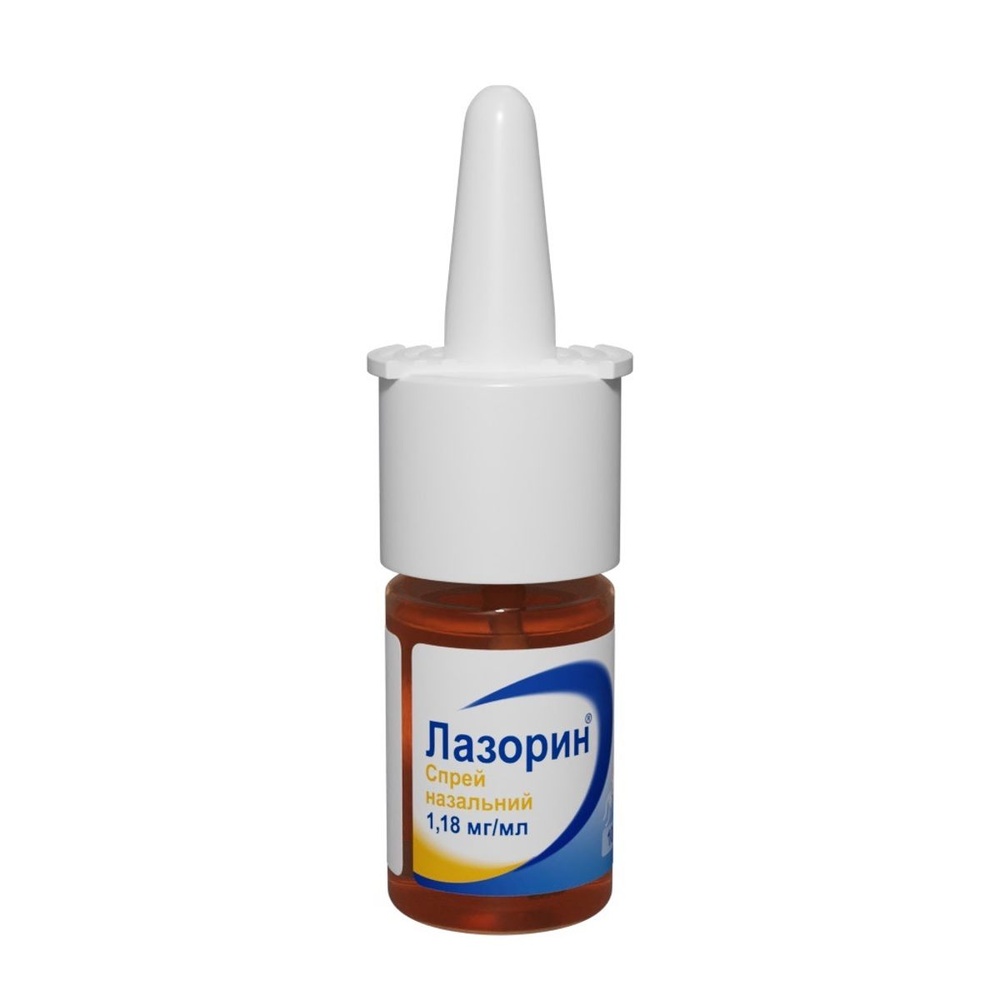
- Postać farmaceutycznaspray, 1.18 mg/ml; 10 ml in a glass bottle
- Kod ATCR01AA09
- Substancja czynna
- Wymaga receptyNie
- Producent
- Te treści mają charakter wyłącznie informacyjny i nie zastępują konsultacji lekarskiej.
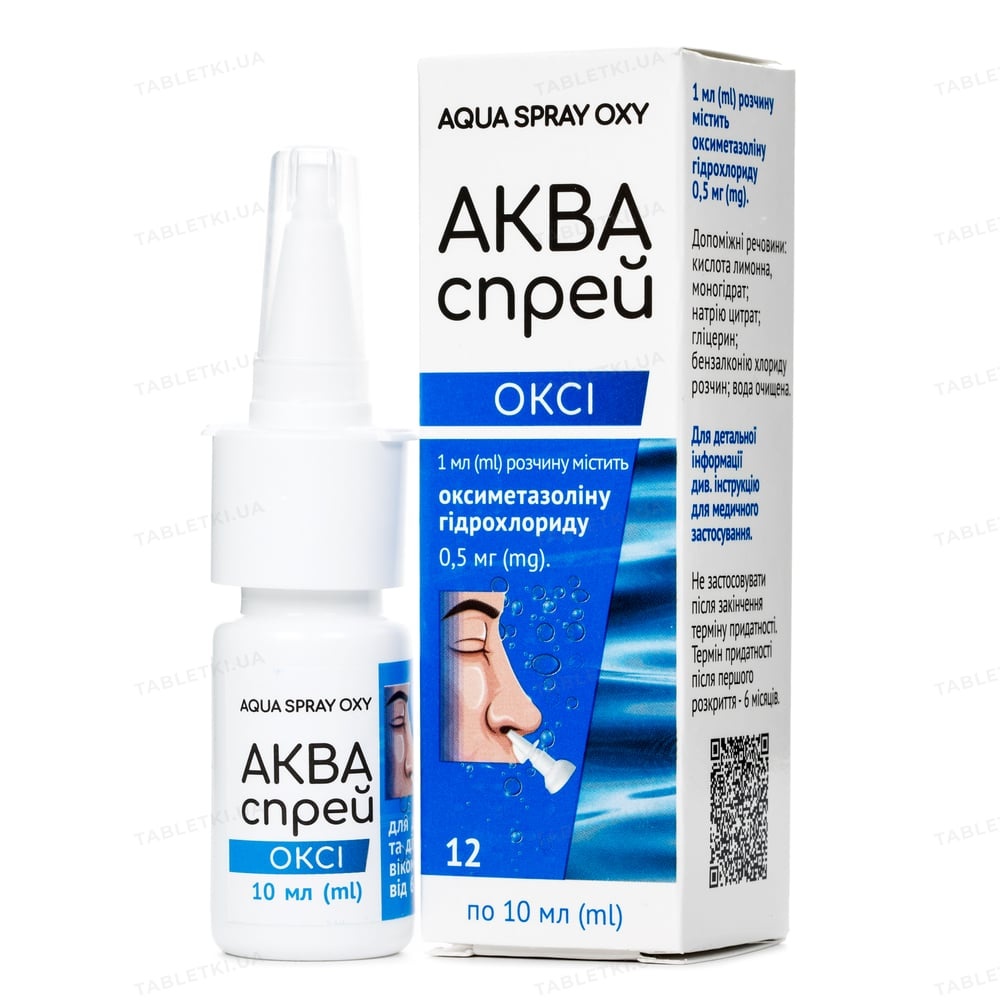
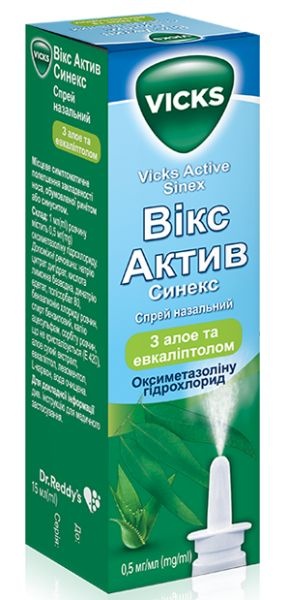
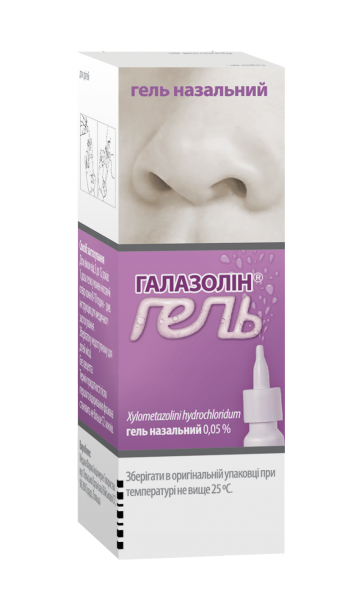
- Zamienniki LAZORINPostać farmaceutyczna: spray, 0.05% in 10 ml bottleSubstancja czynna: oxymetazolineBez receptyPostać farmaceutyczna: spray, 0.5 mg/ml; 15 ml in a bottleSubstancja czynna: oxymetazolineProducent: Проктер енд Гембл Мануфекчурінг ГмбХBez receptyPostać farmaceutyczna: gel, 0.05% 10gSubstancja czynna: xylometazolineProducent: Медана Фарма Акціонерне ТовариствоBez recepty
Lekarze online w sprawie LAZORIN
Omów stosowanie LAZORIN, bezpieczeństwo i ocenę zasadności recepty zgodnie z obowiązującymi przepisami.





Uzyskaj receptę na LAZORIN online
Wypełnij 2-minutowy formularz
Opisz swoje objawy, historię choroby i lek, o który prosisz.
Wybierz lekarza lub pozwól nam przydzielić
Wybierz specjalistę lub dopasujemy Cię do najbliższego dostępnego lekarza.
Lekarz analizuje Twój przypadek
Zazwyczaj w ciągu 30 minut. Może zadawać dodatkowe pytania przez czat.
Odbierz w dowolnej aptece
Recepta elektroniczna wysłana na Twój e-mail — ważna w całej Hiszpanii.
Często zadawane pytania

Bądź na bieżąco z Oladoctor
Informacje o nowych usługach, aktualizacjach produktu i przydatnych materiałach dla pacjentów.