


Linoseptic




Jak stosować Linoseptic
Tłumaczenie AI
Ta strona ma charakter informacyjny i nie zastępuje konsultacji lekarskiej. Przed zastosowaniem jakiegokolwiek leku skonsultuj się z lekarzem. Jeśli objawy są poważne, skorzystaj z pilnej pomocy medycznej.
Pokaż tłumaczenieTreść ulotki
- DR.AUGUST WOLFF
- PREFACE
- CONTENTS
- Of the Principle of Beauty, in general SECTION I
- Of the Elements of Beauty SECTION I
- Of the Composition of Beauty SECTION I
- Of the Application of the Principle of Beauty to the Fine Arts SECTION I
- Of the different Kinds of Beauty SECTION I
- Of the Effects of Beauty on the Human Mind SECTION I
DR.AUGUST WOLFF
A Treatise on the Principle of Beauty
Containing a Variety of Observations, on that Subject, and on the Fine Arts.
Translated from the German.
LONDON
Printed for J. N. NOON, No. 53, Fleet-Street.
1798
PREFACE
The following Treatise, originally published in German, was written with a view to investigate the principle of beauty, and to apply it to the various branches of the fine arts.
The author, in pursuing this object, has endeavoured to establish a system of taste, founded on the natural constitution of the human mind, and on the laws of harmony and proportion which govern the universe.
He has examined the works of the ancient and modern masters, with a view to illustrate his principles, and to show how they have been applied in practice.
He has also attempted to explain the causes of our pleasure in the contemplation of beautiful objects, and to account for the different effects which they produce on different individuals.
The author is aware that his work is open to criticism, and that his opinions may not be universally adopted. However, he trusts that it will be found to contain some useful observations, and that it may contribute to the advancement of taste and the improvement of the fine arts.
J. N. N.
CONTENTS
- Of the Principle of Beauty, in general
- Of the Elements of Beauty
- Of the Composition of Beauty
- Of the Application of the Principle of Beauty to the Fine Arts
- Of the different Kinds of Beauty
- Of the Effects of Beauty on the Human Mind
Of the Principle of Beauty, in general SECTION I
Of the Nature of Beauty
Beauty is a quality which is perceived by the senses, and which excites in us a feeling of pleasure. This feeling is not merely physical, but also intellectual and moral.
The objects which are considered beautiful, are those which are harmonious, proportionate, and symmetrical. They are also those which are expressive of life, energy, and intelligence.
The perception of beauty is not innate, but is acquired by experience and education. We are born with a capacity for perceiving beauty, but this capacity must be cultivated by the contemplation of beautiful objects.
The standard of beauty is not arbitrary, but is founded on the laws of nature and the constitution of the human mind. These laws are universal and immutable, and therefore the standard of beauty is also universal and immutable.
However, the application of the standard of beauty may vary in different times and places. This is because the human mind is subject to the influence of fashion, custom, and prejudice.
But these influences are superficial and temporary, and do not affect the fundamental principles of beauty.
SECTION II
Of the Causes of our Pleasure in the Contemplation of Beautiful Objects
Our pleasure in the contemplation of beautiful objects is caused by the harmonious action of our senses, our imagination, and our understanding.
When we perceive an object which is harmonious, proportionate, and symmetrical, our senses are gratified. Our imagination is excited by the novelty and variety of the object. And our understanding is satisfied by the recognition of the order and regularity which it exhibits.
This harmonious action of our faculties produces a feeling of pleasure, which is the essence of the aesthetic emotion.
The intensity of this emotion depends on the degree of harmony, proportion, and symmetry which the object possesses. It also depends on the degree of novelty and variety which it exhibits. And it also depends on the degree of order and regularity which it exhibits.
But the aesthetic emotion is not merely a passive reception of impressions. It is also an active creation of ideas. When we contemplate a beautiful object, we are not merely perceiving its qualities, but also interpreting its meaning.
We are projecting our own thoughts and feelings into the object, and thus creating a new and more complex experience.
This creative activity is an essential part of the aesthetic emotion. It is what distinguishes it from other kinds of pleasure.
SECTION III
Of the Relation of Beauty to Truth and Goodness
Beauty is closely related to truth and goodness. Truth is the correspondence of our ideas with reality. Goodness is the conformity of our actions with the moral law.
Beautiful objects are those which are true to nature. They are those which represent the reality in a faithful and accurate manner.
Beautiful actions are those which are good in themselves. They are those which promote the happiness and well-being of others.
Therefore, beauty is not merely a superficial quality. It is a manifestation of the underlying order and harmony of the universe.
It is a reflection of the divine perfection. And it is a source of moral inspiration.
However, beauty is not always identical with truth and goodness. There are objects which are beautiful, but which are not true. And there are actions which are good, but which are not beautiful.
But these are exceptions to the general rule. In the vast majority of cases, beauty, truth, and goodness go hand in hand.
They are all manifestations of the same underlying principle.
And they are all essential to the perfection of human life.
Of the Elements of Beauty SECTION I
Of Form
Form is the external appearance of an object. It is the arrangement of its parts in space.
The most beautiful forms are those which are harmonious, proportionate, and symmetrical.
Harmony is the agreement of different parts with each other. Proportion is the relation of different parts to the whole. And symmetry is the equality of opposite parts.
These three elements are essential to the beauty of form. Without them, an object will appear discordant, unbalanced, and unpleasing.
The most harmonious forms are those which are based on mathematical principles. The ancient Greeks were particularly skilled in the application of these principles to architecture and sculpture.
The most proportionate forms are those which are based on the golden section. This is a mathematical ratio which is found in nature, and which is considered to be particularly pleasing to the eye.
The most symmetrical forms are those which are based on the principle of bilateral symmetry. This is the arrangement of parts in such a way that they are equal on both sides of a central axis.
SECTION II
Of Colour
Colour is the quality of light which is perceived by the eye.
The most beautiful colours are those which are harmonious, delicate, and varied.
Harmony in colour is the agreement of different colours with each other. Delicate colours are those which are soft and subtle. And varied colours are those which are rich and complex.
These three elements are essential to the beauty of colour. Without them, colours will appear harsh, crude, and monotonous.
The most harmonious colours are those which are complementary. These are colours which are opposite to each other on the colour wheel.
The most delicate colours are those which are pastel shades. These are colours which are mixed with white.
The most varied colours are those which are found in nature. These are colours which are produced by the interaction of light and matter.
SECTION III
Of Light and Shade
Light and shade are the effects of illumination on an object.
The most beautiful effects of light and shade are those which are gradual, subtle, and expressive.
Gradual transitions of light and shade create a sense of depth and volume. Subtle variations of light and shade create a sense of texture and form. And expressive effects of light and shade create a sense of mood and emotion.
These three elements are essential to the beauty of light and shade. Without them, light and shade will appear harsh, flat, and uninteresting.
The most gradual transitions of light and shade are those which are produced by diffused light. This is light which is scattered by the atmosphere.
The most subtle variations of light and shade are those which are produced by reflected light. This is light which is bounced off of other surfaces.
The most expressive effects of light and shade are those which are produced by dramatic lighting. This is lighting which is used to create a strong contrast between light and dark.
Of the Composition of Beauty SECTION I
Of Unity
Unity is the principle which binds together the different parts of a beautiful object. It is the sense of wholeness and completeness which we experience when we contemplate a work of art.
Unity is achieved by the harmonious arrangement of the elements of beauty. It is also achieved by the repetition of certain motifs or themes.
The most unified works of art are those which have a clear and dominant idea. This idea should be expressed in every part of the work.
However, unity should not be confused with monotony. A work of art should be unified, but it should also be varied and interesting.
Variety can be achieved by the use of different colours, forms, and textures. It can also be achieved by the introduction of unexpected elements.
But variety should always be subordinate to unity. It should serve to enhance the overall effect of the work, not to distract from it.
SECTION II
Of Variety
Variety is the principle which introduces diversity and interest into a beautiful object. It is the sense of freshness and novelty which we experience when we contemplate a work of art.
Variety is achieved by the use of different colours, forms, and textures. It is also achieved by the introduction of unexpected elements.
The most varied works of art are those which are full of life and energy. They are those which capture the complexity and richness of the world around us.
However, variety should not be confused with chaos. A work of art should be varied, but it should also be organized and coherent.
Organization can be achieved by the use of a clear and logical structure. Coherence can be achieved by the use of a consistent style and theme.
But organization and coherence should not stifle creativity. They should serve to channel it, not to suppress it.
SECTION III
Of Proportion
Proportion is the relation of different parts to the whole. It is the sense of balance and harmony which we experience when we contemplate a work of art.
Proportion is achieved by the use of mathematical ratios. It is also achieved by the use of visual comparisons.
The most proportionate works of art are those which are based on the golden section. This is a mathematical ratio which is found in nature, and which is considered to be particularly pleasing to the eye.
However, proportion is not merely a matter of mathematics. It is also a matter of perception. Different people may perceive the same proportions differently.
Therefore, the artist must use his own judgment to determine the most appropriate proportions for his work.
But he should always be guided by the principles of harmony and balance.
He should also be aware of the cultural conventions of proportion.
These conventions may vary from time to time and place to place.
But they are always based on the underlying principles of human perception.
Of the Application of the Principle of Beauty to the Fine Arts SECTION I
Of Painting
Painting is the art of representing objects on a flat surface by means of colours and light and shade.
The principle of beauty is applied to painting in the following ways:
- By the choice of a beautiful subject.
- By the harmonious arrangement of colours.
- By the skillful use of light and shade.
- By the accurate representation of form.
- By the expression of emotion.
The most beautiful paintings are those which combine all of these elements in a harmonious and expressive way.
The ancient masters, such as Raphael and Titian, were particularly skilled in the application of the principle of beauty to painting.
Their paintings are characterized by their grace, elegance, and harmony.
SECTION II
Of Sculpture
Sculpture is the art of representing objects in three dimensions by means of carving, modeling, or casting.
The principle of beauty is applied to sculpture in the following ways:
- By the choice of a beautiful form.
- By the harmonious arrangement of masses.
- By the skillful use of light and shade.
- By the accurate representation of anatomy.
- By the expression of emotion.
The most beautiful sculptures are those which combine all of these elements in a harmonious and expressive way.
The ancient Greeks were particularly skilled in the application of the principle of beauty to sculpture.
Their sculptures are characterized by their ideal proportions, their graceful poses, and their expressive faces.
SECTION III
Of Architecture
Architecture is the art of designing and constructing buildings.
The principle of beauty is applied to architecture in the following ways:
- By the choice of a beautiful form.
- By the harmonious arrangement of spaces.
- By the skillful use of materials.
- By the accurate representation of structure.
- By the expression of purpose.
The most beautiful buildings are those which combine all of these elements in a harmonious and expressive way.
The ancient Romans were particularly skilled in the application of the principle of beauty to architecture.
Their buildings are characterized by their grandeur, their solidity, and their practicality.
Of the different Kinds of Beauty SECTION I
Of the Sublime
The sublime is a kind of beauty which is characterized by its grandeur, its power, and its awe-inspiring effect.
The sublime is often associated with nature, such as mountains, oceans, and storms.
It is also associated with great works of art, such as tragedies and epics.
The sublime is not merely a matter of size or scale. It is also a matter of emotional intensity.
A small object can be sublime if it evokes a strong feeling of awe or reverence.
The sublime is often contrasted with the beautiful. The beautiful is characterized by its harmony, its grace, and its pleasing effect.
The sublime is characterized by its power, its grandeur, and its awe-inspiring effect.
SECTION II
Of the Picturesque
The picturesque is a kind of beauty which is characterized by its irregularity, its roughness, and its quaintness.
The picturesque is often associated with rural landscapes, such as cottages, ruins, and forests.
It is also associated with the art of landscape painting.
The picturesque is not merely a matter of ugliness. It is a matter of charm and character.
An object can be picturesque if it has a unique and interesting appearance.
The picturesque is often contrasted with the beautiful. The beautiful is characterized by its harmony, its grace, and its pleasing effect.
The picturesque is characterized by its irregularity, its roughness, and its quaintness.
SECTION III
Of the Grotesque
The grotesque is a kind of beauty which is characterized by its distortion, its exaggeration, and its humor.
The grotesque is often associated with caricature, satire, and fantasy.
It is also associated with the art of sculpture and painting.
The grotesque is not merely a matter of ugliness. It is a matter of wit and imagination.
An object can be grotesque if it is amusing or thought-provoking.
The grotesque is often contrasted with the beautiful. The beautiful is characterized by its harmony, its grace, and its pleasing effect.
The grotesque is characterized by its distortion, its exaggeration, and its humor.
Of the Effects of Beauty on the Human Mind SECTION I
Of Pleasure
Beauty is a source of pleasure to the human mind. This pleasure is not merely physical, but also intellectual and moral.
The physical pleasure of beauty is caused by the harmonious action of our senses. The intellectual pleasure of beauty is caused by the recognition of order and regularity. And the moral pleasure of beauty is caused by the contemplation of goodness and truth.
The intensity of this pleasure depends on the degree of beauty which the object possesses. It also depends on the individual’s sensitivity and appreciation.
The pleasure of beauty is not merely a passive reception of impressions. It is also an active creation of ideas.
When we contemplate a beautiful object, we are not merely perceiving its qualities, but also interpreting its meaning.
We are projecting our own thoughts and feelings into the object, and thus creating a new and more complex experience.
SECTION II
Of Emotion
Beauty is a source of emotion to the human mind. This emotion can be of many different kinds, such as joy, sorrow, awe, and reverence.
The kind of emotion which is evoked by beauty depends on the nature of the object and the individual’s state of mind.
A beautiful landscape may evoke a feeling of peace and tranquility. A beautiful tragedy may evoke a feeling of sorrow and compassion. A beautiful work of art may evoke a feeling of awe and reverence.
The emotion of beauty is not merely a fleeting sensation. It is a deep and lasting experience.
It can shape our character, inspire our actions, and enrich our lives.
SECTION III
Of Imagination
Beauty is a stimulus to the imagination. It inspires us to create new ideas and to explore new possibilities.
When we contemplate a beautiful object, our imagination is excited by its novelty and variety.
We are prompted to ask questions about its origins, its meaning, and its purpose.
We are also prompted to imagine what it would be like to live in a world filled with beauty.
The imagination of beauty is not merely a fanciful exercise. It is a powerful force for creativity and innovation.
It can lead us to discover new truths, to create new works of art, and to build a better world.


- Kraj rejestracji
- Postać farmaceutycznaAerozol, (1 mg + 20 mg)/g
- Kod ATCD08AJ57
- Substancja czynna
- Wymaga receptyNie
- Producent
- ImporterDr. August Wolff GmbH & Co. Arzneimittel
- Te treści mają charakter wyłącznie informacyjny i nie zastępują konsultacji lekarskiej.
- Zamienniki LinosepticPostać farmaceutyczna: Aerozol, (0,10 g + 2,00 g)/100 mgSubstancja czynna: octenidine, combinationsBez receptyPostać farmaceutyczna: Aerozol, 1 mg/g + 20 mg/gSubstancja czynna: octenidine, combinationsProducent: PROFARMA-PRODUKT, s.r.o.Bez receptyPostać farmaceutyczna: Żel, (1 mg + 10 mg)/gSubstancja czynna: octenidine, combinationsProducent: Aflofarm Farmacja Polska Sp. z o.o.Bez recepty



Odpowiedniki Linoseptic w innych krajach
Leki z tą samą substancją czynną dostępne w innych krajach.
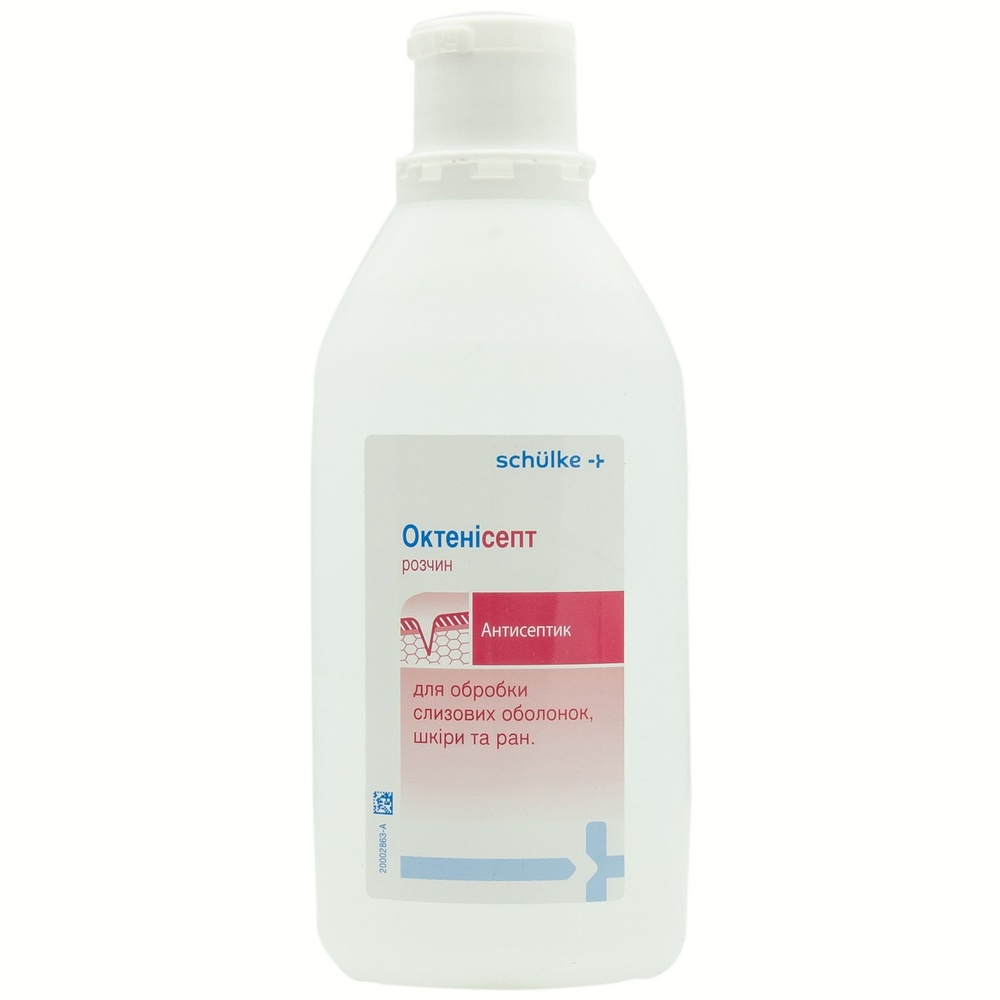
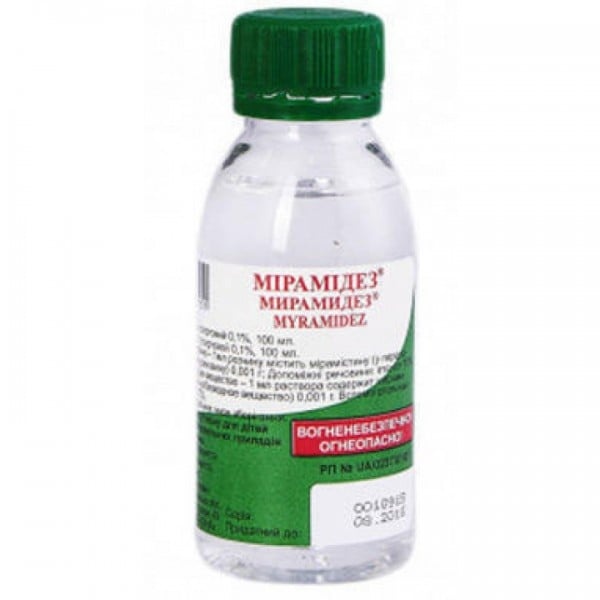
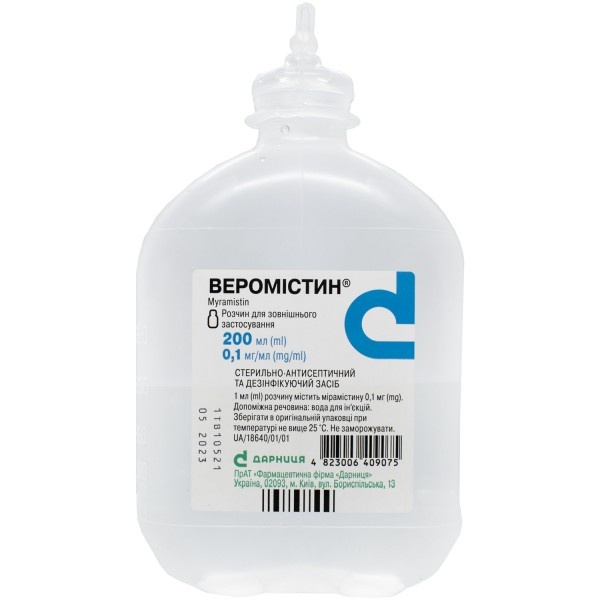
Odpowiednik Linoseptic w Ukraina



Lekarze online w sprawie Linoseptic
Omów stosowanie Linoseptic, bezpieczeństwo i ocenę zasadności recepty zgodnie z obowiązującymi przepisami.











Uzyskaj receptę na Linoseptic online
Wypełnij 2-minutowy formularz
Opisz swoje objawy, historię choroby i lek, o który prosisz.
Wybierz lekarza lub pozwól nam przydzielić
Wybierz specjalistę lub dopasujemy Cię do najbliższego dostępnego lekarza.
Lekarz analizuje Twój przypadek
Zazwyczaj w ciągu 30 minut. Może zadawać dodatkowe pytania przez czat.
Odbierz w dowolnej aptece
Recepta elektroniczna wysłana na Twój e-mail — ważna w całej Hiszpanii.
Często zadawane pytania

Bądź na bieżąco z Oladoctor
Informacje o nowych usługach, aktualizacjach produktu i przydatnych materiałach dla pacjentów.