



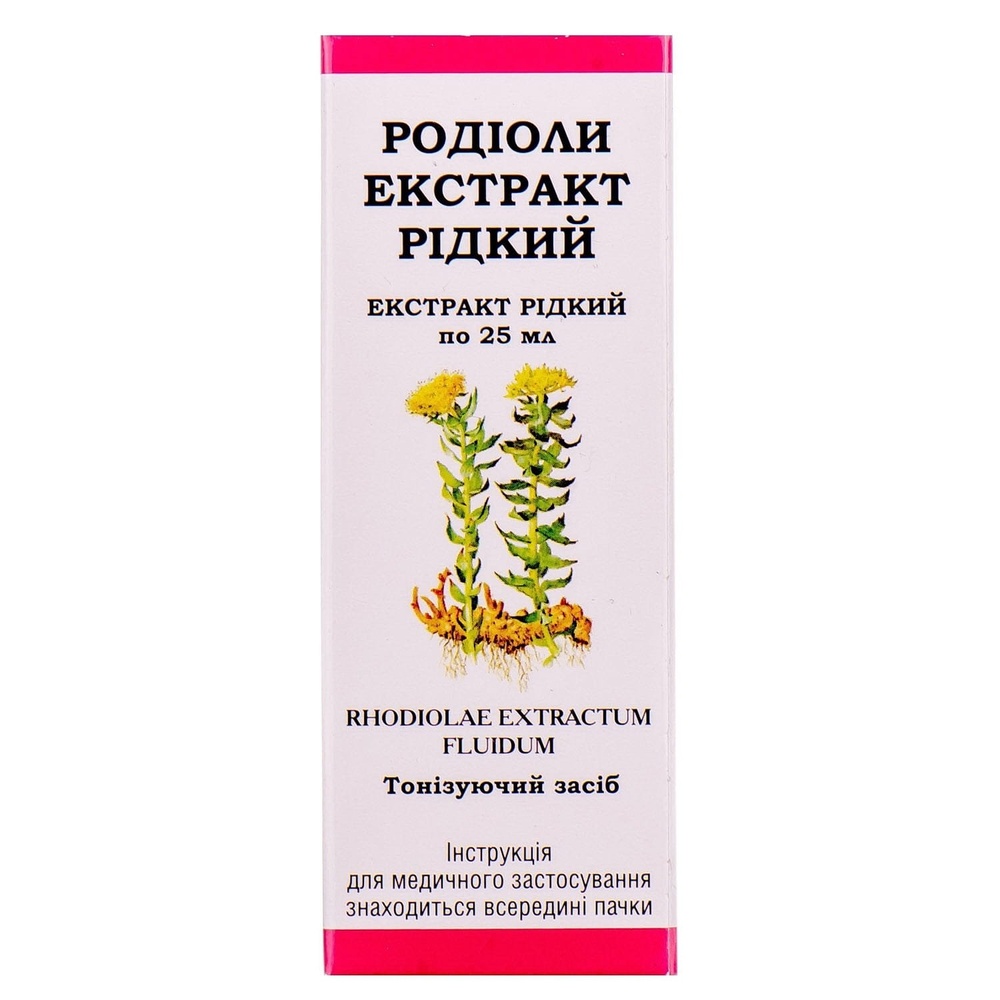
РОДІОЛИ ЕКСТРАКТ РІДКИЙ 25 ml/50 ml Екстракт

Запит на рецепт онлайн
Лікар розгляне ваш випадок і визначить, чи є рецепт медично доцільним.

Поговоріть з лікарем про ці ліки
Обговоріть симптоми та можливі подальші кроки під час короткої онлайн-консультації.



Інструкція із застосування RODIOLI EKSTRAKT RIDKIJ
Зміст інструкції
- ІНСТРУКЦІЯ для медичного застосування лікарського засобу ЛІДОКАЇНУ ГІДРОХЛОРИД (LIDOCAINE HYDROCHLORIDE)
- Склад
- Лікарська форма
- Основні фізико-хімічні властивості
- Фармакотерапевтична група
- Фармакологічні властивості
- Клінічні характеристики
- Взаємодія з іншими лікарськими засобами та інші види взаємодій
- Особливості застосування
- Застосування у період вагітності або годування груддю
- Здатність впливати на швидкість реакції при керуванні автотранспортом або іншими механізмами
- Спосіб застосування та дози
- Діти та підлітки
- Передозування
- Побічні реакції
- Термін придатності
- Умови зберігання
- Несумісність
- Упаковка
- Категорія відпуску
- Виробник
- Місцезнаходження виробника та його адреса місця провадження діяльності
ІНСТРУКЦІЯ для медичного застосування лікарського засобу ЛІДОКАЇНУ ГІДРОХЛОРИД (LIDOCAINE HYDROCHLORIDE)
Склад
діюча речовина: лідокаїну гідрохлорид; 1 мл розчину містить лідокаїну гідрохлориду, в перерахуванні на безводну речовину 20 мг; допоміжні речовини: натрію хлорид, вода для ін'єкцій.
Лікарська форма
Розчин для ін’єкцій.
Основні фізико-хімічні властивості
Прозора безбарвна або ледь забарвлена рідина.
Фармакотерапевтична група
Препарати для місцевої анестезії. Аміди. Лідокаїн. Код АТХ N01B B02.
Фармакологічні властивості
Фармакодинаміка
Лідокаїн – місцевоанестезуючий засіб. Місцевоанестезуюча дія зумовлена стабілізацією нейрональної мембрани за рахунок зниження її проникності для іонів натрію, що перешкоджає виникненню потенціалу дії і проведенню нервових імпульсів. Можливий антагонізм з іонами кальцію. Ефективний для усіх видів місцевої анестезії. Пригнічує проведення не тільки больових імпульсів, але й імпульсів іншої модальності. Швидко гідролізується у слабколужному середовищі тканин і після короткого латентного періоду діє протягом 1-1,5 години. Анестезуюча дія лідокаїну в 2-6 разів сильніша, ніж прокаїну. При запаленні анестезуюча активність знижується. При місцевому застосуванні розширює судини, не чинить місцевоподразнювальної дії.
Фармакокінетика
При внутрішньом’язовому введенні максимальна концентрація в крові досягається через 5-15 хвилин. У плазмі зв’язується з білками крові на 33-80 %. Ступінь зв’язування значною мірою залежить від концентрації препарату і вмісту альфа-1-ацидглікопротеїну у плазмі крові. Зв’язування з білками плазми збільшується у пацієнтів з уремією і реципієнтів ниркової трансплантації і посилюється після гострого інфаркту міокарда, що характеризується збільшенням рівня альфа-1-ацидглікопротеїну. Високе зв’язування з білками може зменшувати дію вільного лідокаїну або спричиняти загальне підвищення концентрацій препарату у плазмі крові. Терапевтичний ефект розвивається при концентрації 1,5‑5 мкг/мл. Швидко розподіляється у тканинах, об’єм розподілу становить 1 л/кг. Спочатку надходить у тканини з високим темпом кровопостачання: серце, мозок, нирки, легені, печінка, селезінка, потім – у жирову і м’язову тканини. Легко проникає крізь гістогематичні бар’єри, включаючи гематоенцефалічний і плацентарний. В організмі немовляти виявляється 40-55 % від концентрації препарату в організмі матері. Метаболізується у печінці за участю мікросомальних ферментів з утворенням метаболітів: моноетилгліцинексилідиду і гліцинексилідиду. Швидкість метаболізму визначається кровотоком у печінці і, як результат, може бути порушена у пацієнтів після інфаркту міокарда та/або у пацієнтів із застійною серцевою недостатністю. Виводиться з організму нирками у формі метаболітів (приблизно 90 %) і в незміненому вигляді (10 %). Виведення незміненого препарату із сечею частково залежить від pН сечі. Кисла сеча призводить до збільшення частки, виведеної із сечею. Період напіввиведення після внутрішньовенного болюсного введення – 1,5-2 години. Період напіввиведення метаболітів становить 2 і 10 годин відповідно. При порушенні функції печінки період напіввиведення може зростати.
Клінічні характеристики
Показання
Місцева анестезія (термінальна, інфільтраційна, провідникова) у хірургії, офтальмології, стоматології, отоларингології; як розчинник антибактеріальних засобів групи цефалоспоринів.
Протипоказання
Індивідуальна підвищена чутливість до компонентів препарату, а також до інших амідних місцевоанестезуючих лікарських засобів; наявність в анамнезі на епілептоформні судоми, пов’язані з введенням лідокаїну гідрохлориду; AV-блокада ІІ і ІІІ ступеня, синдром слабкості синусового вузла, синдром Вольфа-Паркінсона-Уайта, синдром Адамса-Стокса, тяжкі форми серцевої недостатності (ІІ-ІІІ ступеня), виражена артеріальна гіпотензія, брадикардія, кардіогенний шок; міастенія; гіповолемія; порфірія; тяжка ниркова та/або печінкова недостатність; ретробульбарне введення хворим на глаукому, розлади згортання крові, антикоагулянтна терапія; інфекції у місці ін’єкції; неконтактні пацієнти.
Взаємодія з іншими лікарськими засобами та інші види взаємодій
При комбінованому застосуванні лідокаїну з такими препаратами як хлорпромазин, петидин, бупівакаїн, хінідин, дизопірамід, амітриптилін, іміпрамін, нортриптилін концентрація лідокаїну у плазмі крові знижується.
Антиаритмічні препарати (у т. ч. аміодарон, верапаміл, хінідин, дизопірамід, аймалін) – посилюється кардіодепресивна дія (відбувається подовження інтервалу QT, у поодиноких випадках можливий розвиток AV-блокади або фібриляції шлуночків); одночасне застосування з аміодароном може призвести до розвитку судом.
Новокаїн, новокаїнамід, прокаїнамід – можливе збудження центральної нервової системи, марення, галюцинації.
Курареподібні препарати – посилюється міорелаксація (можливий параліч дихальних м’язів).
Етанол посилює пригнічувальну дію лідокаїну на дихання.
Вазоконстриктори (епінефрин, метоксамін, фенілефрин) сприяють уповільненню всмоктування лідокаїну і пролонгують дію останнього.
Циметидин знижує печінковий кліренс лідокаїну (зниження метаболізму внаслідок інгібування мікросомального окиснення), підвищує його концентрацію і ризик розвитку токсичних ефектів.
Гуанадрель, гуанетидин, мекаміламін, триметафан – при комбінованому застосуванні для спінальної і епідуральної анестезії підвищується ризик вираженої артеріальної гіпотензії і брадикардії.
β-адреноблокатори уповільнюють метаболізм лідокаїну у печінці, посилюють ефекти лідокаїну (у т. ч. токсичні) і підвищують ризик розвитку брадикардії та артеріальної гіпотензії. При одночасному застосуванні β-адреноблокаторів і лідокаїну необхідно зменшити дозу останнього.
Серцеві глікозиди – послаблюється кардіотонічний ефект серцевих глікозидів.
Глікозиди наперстянки – на тлі інтоксикації лідокаїн може посилювати тяжкість AV-блокади.
Снодійні або седативні лікарські засоби – можливе посилення пригнічувальної дії на ЦНС снодійних і седативних препаратів.
Наркотичні аналгетики (морфін) – посилюється аналгезивний ефект наркотичних аналгетиків, пригнічення дихання.
Інгібітори МАО (фуразолідон, прокарбазин, селегілін) – підвищується ризик розвитку артеріальної гіпотензії і пролонгується місцевоанестезуюча дія останнього. У період лікування інгібіторами МАО не слід застосовувати лідокаїн парентерально.
Антикоагулянти (у т. ч. ардепарин, далтепарин, данапароїд, еноксапарин, гепарин, варфарин) збільшують ризик розвитку кровотеч.
Засоби для наркозу – посилюється пригнічувальна дія на дихальний центр засобів для наркозу (гексобарбітал, тіопентал натрію внутрішньовенно).
Поліміксин В – необхідний контроль функції дихання.
Рифампіцин – можливе зниження концентрації останнього у крові.
Пропафенон – можливе збільшення тривалості і підвищення тяжкості побічних ефектів з боку ЦНС.
Преніламін – підвищується ризик розвитку шлуночкової аритмії типу «пірует».
Протисудомні засоби, барбітурати (фенобарбітал) – можливе прискорення метаболізму лідокаїну у печінці, зниження концентрації у крові, посилення кардіодепресивного ефекту.
Ізадрин, глюкагон – підвищується кліренс лідокаїну.
Норепінефрин, мексилетин – знижується кліренс лідокаїну (посилюється токсичність); зменшується печінковий кровотік.
Ацетазоламід, тіазидні і петльові діуретики зменшують ефект лідокаїну у результаті створення гіпокаліємії.
Мідазолам – підвищується концентрація лідокаїну у плазмі крові.
Препарати, що зумовлюють блокаду нервово-м’язової передачі – посилюється дія цих препаратів, оскільки вони зменшують провідність нервових імпульсів.
Норадреналін – має синергічний ефект при взаємодії з лідокаїном.
При ацидозі концентрація вільного лідокаїну у плазмі крові збільшується і є ризик розвитку токсичних ефектів.
Лікарські засоби, що впливають на печінковий метаболізм та мікросомальну індукцію ферментів (наприклад, фенітоїн), можуть знижувати ефективність лідокаїну.
При одночасному застосуванні міорелаксантів (наприклад, суксаметоній) може бути синергічний ефект.
Для всіх видів ін’єкційного знеболювання можливе поєднання лідокаїну з епінефрином (1:50000- 1:100000; готувати ex tempore, додавати 1 краплю 0,1 % розчину епінефрину на 5-10 мл розчину лідокаїну), за винятком випадків, коли системна дія, яку чинить епінефрин (адреналін), небажана – підвищена чутливість до епінефрину, артеріальна гіпертензія, цукровий діабет, глаукома або потрібна короткочасна анестезуюча дія. Епінефрин сприяє уповільненню всмоктування лідокаїну і пролонгує його дію.
Особливості застосування
Введення лідокаїну можуть здійснювати тільки медичні працівники.
При обробці місця ін’єкції дезінфікуючими речовинами, що містять важкі метали, підвищується ризик розвитку місцевої реакції у вигляді болючості і набряку.
Під час застосування лідокаїну обов’язковим є контроль ЕКГ. У випадку порушень діяльності синусового вузла, подовження інтервалу P-Q, розширення QRS або при розвитку нової аритмії слід зменшити дозу або відмінити препарат.
Перед застосуванням лідокаїну при захворюваннях серця (гіпокаліємія знижує ефективність лідокаїну) необхідно нормалізувати рівень калію в крові.
Перед введенням лідокаїну у високих дозах рекомендується призначення барбітуратів. При проведенні планової субарахноїдальної анестезії необхідно відмінити інгібітори МАО не пізніше, ніж за 10 днів до проведення анестезії.
Слід дотримуватися обережності, щоб уникнути випадкового інтравазального (особливо при проведенні місцевої анестезії у ділянки, що містять багато кровоносних судин) або субдурального введення препарату. Необхідно встановити пильний контроль за системною токсичною дією препарату на серцево-судинну і центральну нервову системи (оскільки дози, призначені для епідуральної анестезії, завжди вищі, ніж для субдуральної); при введенні у васкуляризовані тканини рекомендується проводити аспіраційну пробу.
Надзвичайної обережності слід дотримуватися при анестезії навколо хребтового відділу для хворих із неврологічними захворюваннями, деформацією хребта, септицемією і тяжкою артеріальною гіпертензією.
Менші дози препарату слід уводити в ділянку голови і шиї, включаючи ретробульбарне і стоматологічне введення, а також застосування для блокади зірчастого ганглія, оскільки системні токсичні ефекти препарату через ретроградний потік можуть проникнути у мозковий кровообіг.
Надзвичайної обережності слід дотримуватися при ретробульбарному введенні, оскільки можливі побічні ефекти: колапс, задишка, судоми, оборотна сліпота.
Оскільки лідокаїн чинить виражену антиаритмічну дію і може сам виступати як аритмогенний фактор, що може спричиняти розвиток аритмії, перед введенням препарату необхідно зібрати анамнез і з обережністю застосовувати препарат особам зі скаргами на аритмії у минулому.
З обережністю і в менших дозах застосовувати пацієнтам із серцевою недостатністю помірного ступеня, артеріальною гіпотензією помірного ступеня, неповною AV-блокадою, порушенням внутрішньошлуночкової провідності, порушеннями функції печінки і нирок помірного ступеня (кліренс креатиніну не менше 10 мл/хв), порушенням фукції дихання, епілепсією, після операцій на серці, при генетичній схильності до злоякісної гіпертермії, ослабленим хворим і пацієнтам літнього віку.
При внутрішньом’язовому введенні лідокаїну може підвищитися концентрація креатиніну, що може призвести до помилки при постановці діагнозу гострого інфаркту міокарда.
При місцевій анестезії тканин з вираженою васкуляризацією (наприклад, шиї у разі операції на щитовидній залозі) слід дотримуватись особливої обережності, щоб уникнути потрапляння препарату у судини.
Безпека застосування анестетиків групи амідів сумнівна у хворих, схильних до злоякісної гіпертермії, тому їх застосування у таких випадках слід уникати.
Слід дотримуватись особливої обережності при застосуванні лідокаїну пацієнтам з недостатністю кровообігу, гіповолемією, артеріальною гіпотензією, печінковою та нирковою недостатністю.
З обережністю призначати пацієнтам з розладами центральної нервової системи, які застосовують наркотики, тому що можуть виникнути раптові побічні ефекти з боку серцево-судинної системи. При тривалому застосуванні потрібно моніторувати рівень електролітів у крові. З обережністю застосовувати пацієнтам зі схильністю до судом, у стані шоку, при гіпоксії.
Цей лікарський засіб містить 6 мг/мл натрій хлориду, тобто практично вільний від натрію.
Застосування у період вагітності або годування груддю
Препарат проникає через плацентарний бар’єр та може спричинити брадикардію плода, тому його не рекомендується призначати у період вагітності. При необхідності застосування препарату годування груддю слід припинити.
Здатність впливати на швидкість реакції при керуванні автотранспортом або іншими механізмами
Препарат впливає на функцію центральної нервової системи, тому після застосування лідокаїну не рекомендується керувати автотранспортом або працювати з іншими механізмами.
Спосіб застосування та дози
Препарат застосовувати ін’єкційно (підшкірно, внутрішном’язово) і місцево на слизові оболонки.
Слід уникати внутрішньосудинного введення препарату.
Для термінальної анестезії слизової оболонки дорослим змащувати препаратом у дозі до 2 мг/кг лідокаїну, тривалість анестезії ‒ 15-30 хвилин.
Максимальна доза препарату для дорослих ‒ 20 мл.
Для провідникової анестезії (у т. ч. для знеболювання плечового і крижового сплетінь) вводити 5-10 мл (100-200 мг лідокаїну) препарату, для анестезії пальців кінцівок, носа, вух ‒ 2-3 мл (40-60 мг препарату). Максимальна доза препарату для дорослих ‒ 10 мл (200 мг).
Для анестезії в офтальмології по 2 краплі препарату інстилювати у кон’юнктивальний мішок 2-3 рази з інтервалом 30-60 секунд безпосередньо перед дослідженням або хірургічним втручанням.
| Лідокаїн | |||
| Втручання | Концентрація | Об’єм | Загальна доза |
| Інфільтрація:–Через шкіру–Внутрішньовенно | 5 мг/мл (0,5 %) або 10 мг/мл (1 %) | 1-60 мл | 5-300 мг |
| 5 мг/мл (0,5 %) | 10-60 мл | 50-300 мг | |
| Блокада периферичних нервів:–Плечового сплетіння–Стоматологія–Міжреберна–Паравертебральний–Сечостатева система | 15 мг/мл (1,5 %)20 мг/мл (2 %)10 мг/мл (1 %)10 мг/мл (1 %)10 мг/мл (1 %) | 15-20 мл1-5 мл3 мл3-5 мл10 мл | 225-300 мг20-100 мг30 мг30-50 мг100 мг |
| Парацервікально:–Анестезія в акушерстві | 10 мг/мл (1 %) | 10 мл | 100 мг |
| Симпатична нервова блокада:–Цервікально–Люмбально | 10 мг/мл (1 %)10 мг/мл (1 %) | 5 мл5-10 мл | 50 мг50-100 мг |
| Блокада центральної нервової системи:–Епідурально*–Люмбально–Знеболювання–Анестезія*Доза залежить від кількості дерматомів (ділянок шкіри), які потребують анестезії(2-3 мл/дерматом) | 10 мг/мл (1 %)10 мг/мл (1 %)15 мг/мл (1,5 %)20 мг/мл (2 %) | 20-30 мл25-30 мл15-20 мл10-15 мл | 200-300 мг250-300 мг225-300 мг200-300 мг |
| Каудальна анестезія–Знеболювання в акушерстві–Знеболювання в хірургії | 10 мг/мл (1 %)15 мг/мл (1,5 %) | 20-30 мл15-20 мл | 200-300 мг225-300мг |
Діти та підлітки
Дітям призначати найнижчу загальну дозу відповідно до маси тіла та у більшому розведенні (0,5 %; 0,1 %). Максимальна разова доза лідокаїну – 3 мг/кг маси тіла.
Максимальну разову дозу не можна застосовувати при повторному введенні впродовж 24 годин.
Дітям до 3-х років максимальна доза становить 1,25 мл, у тому числі і дітям з порушенням функції нирок. Впродовж 24 годин доза повинна становити не більше 4-х доз.
Недостатньо даних щодо тривалого застосування 2 % лідокаїну місцево дітям до 3-х років, препарат треба застосовувати вкрай обережно залежно від маси тіла дитини.
Максимальне дозування дітям до 3-х років – не більше 1,25 мл місцево на тампоні кожні 3 години чи 10 мл впродовж 24 годин. Дітям від 3 років доза становить 5 мл. Дітям до 12 років при запаленні глотки та ротової порожнини необхідно враховувати вік дитини, вагу та спосіб введення препарату (площу тіла при нанесенні препарату у вигляді м’яких лікарських форм). Застосування препарату дітям здійснюється після отримання згоди батьків.
Препарат місцево не застосовувати повторно протягом 2 годин після застосування.
Передозування
Можливе посилення побічних реакцій.
Симптоми: психомоторне збудження, запаморочення, загальна слабкість, зниження артеріального тиску, тремор, порушення зору, тоніко-клонічні судоми, кома, колапс, AV-блокада, асфіксія, апное, депресія, сонливість, тривожність, дзвін у вухах. При значному передозуванні можливе порушення свідомості, пригнічення дихання, шок, інфаркт міокарда. Перші симптоми передозування виникають при концентрації лідокаїну у крові більше 0,006 мг/кг, судоми – при 0,01 мг/кг.
Лікування: припинення введення препарату, оксигенотерапія, вазоконстриктори (норадреналін, мезатон), протиcудомні засоби, холінолітики. Пацієнтові слід перебувати у горизонтальному положенні; необхідно забезпечити доступ свіжого повітря, подачу кисню і/або проведення штучного дихання. Симптоми з боку центральної нервової системи коригуються застосуванням бензодіазепінів або барбітуратів короткочасної дії. Якщо передозування виникає у процесі анестезії, слід застосовувати міорелаксант короткотривалої дії. Для корекції брадикардії і порушень провідності застосовувати атропін (0,5-1 мг внутрішньовенно), при артеріальній гіпотензії – симпатоміметики у комбінації з агоністами β-адренорецепторів. При зупинці серця показане негайне проведення реанімаційних заходів. Можливе проведення інтубації, штучної вентиляції легенів. У гострій фазі передозування лідокаїном діаліз не ефективний. Специфічного антидоту немає.
Побічні реакції
З боку нервової системи: збудження центральної нервової системи (при застосуванні у високих дозах), занепокоєння, головний біль, запаморочення, порушення сну, сплутаність свідомості, сонливість, втрата свідомості, кома, порушення чутливості, м’язові сіпання, оніміння язика і губ (при застосуванні у стоматології), моторний блок, дизартрія, дисфагія; стійка анестезія, парез або елегія нижніх кінцівок та втрата управління сфінктером (наприклад, синдром кінського хвоста) поколювання шкіри у пацієнтів із підвищеною чутливістю – ейфорія, тремор, тризм, руховий неспокій, парестезії, судоми.
Психічні розлади: анорексія, дратівливість, невгамовність, галюцинації, депресії; після застосування високих доз – збуджений стан, ейфорія.
З боку органів зору: порушення зору, ністагм, оборотна сліпота, диплопія, миготіння «мушок» перед очима, світлобоязнь, кон’юнктивіт.
З боку органів слуху: слухові порушення, шум у вухах, гіперакузія.
З боку серцево-судинної системи: при застосуванні у високих дозах – аритмія, брадикардія, уповільнення провідності серця, поперечна блокада серця, зупинка серцевої діяльності, периферична вазодилатація, колапс, тахікардія, підвищення/зниження артеріального тиску, біль у ділянці серця.
З боку системи травлення: нудота, блювання.
З боку дихальної системи: задишка, риніт, пригнічення або зупинка дихання.
З боку імунної системи: алергічні реакції, включаючи набряк, шкірні реакції, кропив’янка, свербіж, ангіоневротичний набряк, реакції гіперчутливості, включаючи анафілактоїдні реакції (у т.ч. анафілактичний шок), генералізований ексфоліативний дерматит; пригнічення імунної системи.
Інші: відчуття жару, холоду або оніміння кінцівок, набряки, слабкість, злоякісна гіпертермія.
Місцеві реакції: реакції у місці введення, відчуття легкого печіння, що зникає зі зростанням анестезувального ефекту (протягом 1 хвилини), гіперемія. При спінальній або епідуральній анестезії може спостерігатися біль у спині, ногах, часткова/повна спинномозкова блокада, що супроводжується зниженням артеріального тиску, порушенням дефекації, мимовільним сечовипусканням, імпотенцією, втратою чутливості у ділянці промежини (імовірність цих ефектів зростає при застосуванні вищих доз або у разі випадкового введення лідокаїну у спинномозковий простір, коли доза, призначена для введення в епідуральний простір, потрапляє у спинномозковий простір); в окремих випадках після такого втручання відновлення рухової, сенсорної та/або вегетативної функції відбувається повільно (через кілька місяців) або неповною мірою.
Термін придатності
3 роки.
Умови зберігання
Зберігати в оригінальній упаковці при температурі не вище 25 ºС у недоступному для дітей місці.
Несумісність
Препарат не слід змішувати з іншими лікарськими засобами в одному шприці. Лідокаїн випадає в осад при змішуванні з амфотерицином, метогекситоном або сульфадіазином. Залежно від рН розчину лідокаїн може бути несумісний з ампіциліном.
Упаковка
По 2 мл в ампулі, по 10 ампул у контурній чарунковій упаковці, по 1 контурній чарунковій упаковці в пачці; по 2 мл в ампулі, по 10 ампул у коробці.
Категорія відпуску
За рецептом.
Виробник
ПАТ «Галичфарм».
Місцезнаходження виробника та його адреса місця провадження діяльності
Україна, 79024, м. Львів, вул. Опришківська, 6/8.

Не впевнені, чи підходить вам цей лікарський засіб?
Обговоріть симптоми та можливі варіанти лікування з лікарем онлайн.

Виникли питання під час прийому ліків?
Обговоріть свої симптоми та лікування з лікарем онлайн.
- Країна реєстрації
- Лікарська формаекстракт, 25 мл або 50 мл
- Потрібен рецептНі
- Виробник
- Ця інформація надана лише для ознайомлення і не є медичною порадою. Рішення щодо лікування завжди приймає лікар.
Лікарі онлайн щодо RODIOLI EKSTRAKT RIDKIJ
Застосування, безпека та можливість призначення рецепта — за результатами медичної оцінки.









Отримайте рецепт на RODIOLI EKSTRAKT RIDKIJ онлайн
Заповніть форму за 2 хвилини
Розкажіть про симптоми, історію хвороби та потрібний препарат.
Оберіть лікаря або ми призначимо
Оберіть спеціаліста або ми підберемо найближчого доступного лікаря.
Лікар розглядає ваш випадок
Зазвичай протягом 30 хвилин. Може ставити уточнювальні запитання в чаті.
Отримайте в будь-якій аптеці
Електронний рецепт надсилається на вашу пошту — дійсний по всій Польщі.
Часті запитання
RODIOLI EKSTRAKT RIDKIJ не потребує рецепта в Україна. Ви можете обговорити з лікарем онлайн, чи підходить цей лікарський засіб для вашої ситуації.
RODIOLI EKSTRAKT RIDKIJ виробляється компанією PrAT "Biolik. Назва бренду та упаковка можуть відрізнятися залежно від дистрибʼютора.
Лікарі, зокрема Сімейні лікарі, Психіатри, Дерматологи, Кардіологи, Ендокринологи, Гастроентерологи, Пульмонологи, Нефрологи, Ревматологи, Гематологи, Інфекціоністи, Алергологи, Геріатри, Педіатри, Онкологи, можуть оцінити доцільність застосування RODIOLI EKSTRAKT RIDKIJ з урахуванням вашого стану та місцевих правил. Ви можете записатися на онлайн-консультацію, щоб обговорити симптоми та можливі подальші кроки.
Польща має добре розвинену систему охорони здоров'я у великих містах, таких як Варшава, Краків, Вроцлав і Гданськ. Аптеки широко доступні та працюють відповідно до чинного законодавства, забезпечуючи доступ до рецептурних препаратів.
Ви можете придбати RODIOLI EKSTRAKT RIDKIJ у Варшаві, Кракові, Вроцлаві або Гданську в будь-якій аптеці за наявності дійсного рецепта.
Щоб отримати рецепт, ви можете скористатися Oladoctor:
