



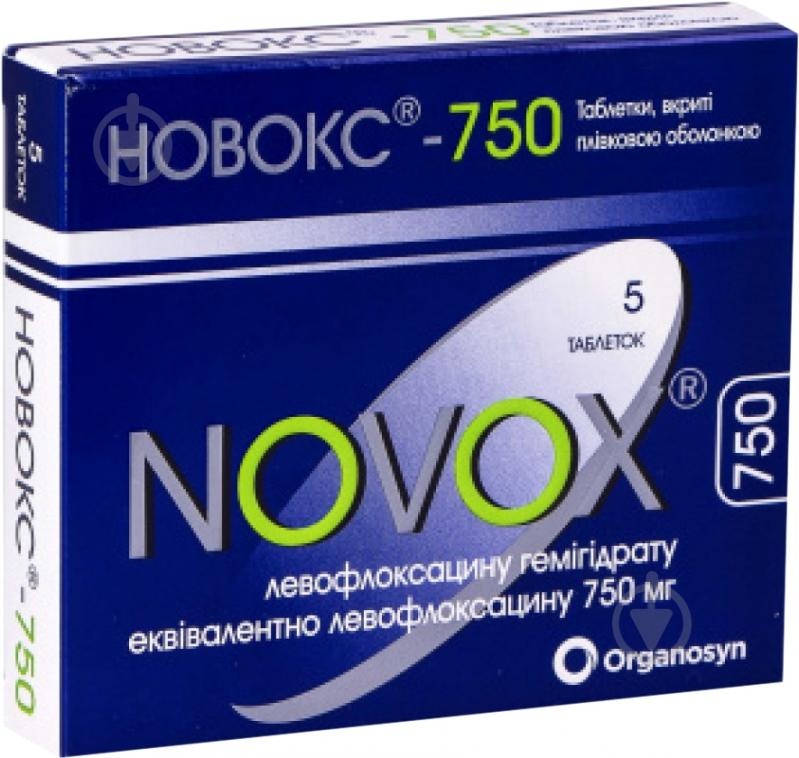
NOVOKS-750 750 mg Tabletki

Ocena recepty online
Lekarz przeanalizuje Twój przypadek i zdecyduje, czy wystawienie recepty jest medycznie uzasadnione.

Porozmawiaj z lekarzem o tym leku
Omów swoje objawy i opcje leczenia podczas szybkiej konsultacji online.



Jak stosować NOVOKS-750
Treść ulotki
- INSTRUCTIONS for medical use of the medicinal product ALLERGODIL®(ALLERGODIL®)
- Composition
- Pharmaceutical form
- Main physical and chemical properties
- Pharmacotherapeutic group
- Pharmacological properties
- Clinical characteristics
- Method of administration and dosage
- Overdose
- Side effects
- Shelf life
- Storage conditions
- Packaging
- Release category
- Manufacturer
- Location of the manufacturer and its address
INSTRUCTIONS for medical use of the medicinal product ALLERGODIL®(ALLERGODIL®)
Composition
active substance: azelastine hydrochloride; 1 ml of solution contains azelastine hydrochloride 1 mg; excipients: hypromellose, disodium edetate, anhydrous citric acid, sodium hydrogen phosphate, dodecahydrate, sodium chloride, purified water.
Pharmaceutical form
Nasal spray, dosed.
Main physical and chemical properties
Transparent colorless solution.
Pharmacotherapeutic group
Agents used in diseases of the nasal cavity. Antiallergic agents, excluding corticosteroids. ATC code R01A C03.
Pharmacological properties
Pharmacodynamics
Azelastine hydrochloride is an H1-receptor antagonist and, as a result, is an antiallergic substance with a relatively long half-life (t1/2 @ 20 hours).
In addition, in vivo studies in guinea pigs have shown that when used in therapeutic doses for humans, azelastine hydrochloride inhibits bronchial spasm caused by leukotrienes and platelet-activating factor (PAF) inhibitors.
Due to these properties, in animal experiments, azelastine hydrochloride is also able to inhibit inflammation in the airways caused by hypersensitivity reactions. The significance of the findings obtained in animal studies has not been clarified regarding the therapeutic application of the drug in humans.
Pharmacokinetics
Azelastine hydrochloride is quickly and almost completely absorbed after oral administration and is mainly distributed in peripheral organs, primarily in the lungs, skin, muscles, liver, and kidneys, and to a minor extent in the brain. Dose-dependent linear kinetics have been demonstrated. Azelastine hydrochloride and its metabolites are excreted approximately 75% with feces and approximately 25% by the kidneys. The most important metabolic pathways are hydroxylation of the ring, N-demethylation, and oxidative opening of the azepine ring.
In patients with allergic rhinitis, the steady-state average concentration of azelastine hydrochloride in plasma, observed 2 hours after administration of the total daily dose of 0.56 mg of azelastine hydrochloride (1 spray in each nostril 2 times a day), was approximately 0.65 ng/ml, but this did not lead to clinically significant systemic side effects.
As a result of the dose-dependent linear effect, an increase in average plasma levels can be expected with an increase in the daily dose.
Clinical characteristics
Indications
Symptomatic treatment of seasonal allergic rhinitis (hay fever) and non-seasonal (perennial) allergic rhinitis.
Contraindications
Increased sensitivity to the active substance, ethylenediaminetetraacetic acid (EDTA), or to any other component of the drug.
The drug is contraindicated in children under 6 years of age.
Interaction with other medicinal products and other types of interactions
So far, no interaction with other drugs has been detected.
Special warnings and precautions for use
None.
Use during pregnancy or breastfeeding
Clinical data on the use of azelastine hydrochloride in women during pregnancy or breastfeeding are absent. Studies in animals with high oral doses of azelastine led to embryo death, delayed development, and skeletal defects.
Therefore, it is not recommended to use the drug during pregnancy or breastfeeding.
Ability to influence the reaction rate when driving vehicles or operating other mechanisms
When using the drug, in individual cases, increased fatigue, exhaustion, fatigue, dizziness, or weakness may occur, which can also be caused by the disease itself. In these cases, the reaction rate when driving a vehicle or working with other mechanisms may be reduced. Special attention should be paid to the fact that these symptoms can be exacerbated by the simultaneous use of alcohol and other drugs that negatively affect the reaction rate.
Method of administration and dosage
For nasal use.
Unless otherwise prescribed, the spray should be administered 1 dose in each nostril 2 times a day (in the morning and evening; corresponds to a daily dose of azelastine hydrochloride 0.56 mg/day).
When using the spray, the head should be kept straight.
The duration of therapy depends on the type, severity, and development of symptoms and is determined by the doctor individually.
The drug can be used for long-term therapy.
Children
Can be used in children from 6 years of age.
Overdose
There is no experience with the use of toxic doses of azelastine hydrochloride in humans. In case of overdose or intoxication, central nervous system disorders are expected based on the results of experiments on animals. Treatment of these disorders should be symptomatic. There is no known antidote.
Side effects
Side effects that may occur during the use of azelastine hydrochloride are classified according to the following frequency: very often (≥ 1/10), often (≥ 1/100 – < 1/10), uncommon (≥ 1/1000 – <1/100), rare (≥ 1/10000 – < 1/1000), very rare (< 1/10000), unknown (cannot be determined from available data).
From the immune system: very rare – hypersensitivity reactions.
From the nervous system: often – dysgeusia (in case of incorrect use (head thrown back) may cause symptoms of a bitter taste in the mouth, which can cause nausea); very rare – dizziness.
From the respiratory system: uncommon – irritation of the nasal mucosa with inflammation after spraying (such as burning and itching), sneezing, and nasal bleeding.
From the gastrointestinal tract: rare – nausea.
General disorders: very rare – increased fatigue (feeling of fatigue and exhaustion), dizziness or weakness, which can also be caused by the disease itself.
From the skin: very rare – rash, itching, urticaria.
Also, reports of drowsiness, headache, and dry mouth have been reported in some patients.
Shelf life
3 years.
After opening the bottle, the drug should be used within 6 months.
Storage conditions
Store at a temperature not exceeding 25 °C. Do not cool. The drug should be stored in a place inaccessible to children.
Packaging
10 ml in a bottle with a screwed-on sprayer; 1 bottle in a cardboard box.
Release category
Without a prescription.
Manufacturer
Madaus GmbH / Madaus GmbH.
Location of the manufacturer and its address
Lutticher Strasse 5, 53842 Troisdorf, Germany / Lutticher Strasse 5, 53842 Troisdorf, Germany.

Nie jesteś pewien, czy ten lek jest odpowiedni dla ciebie?
Omów swoje objawy i leczenie z lekarzem online.

Zacząłeś przyjmować lek i masz pytania?
Omów swoje objawy i leczenie z lekarzem online.
- Kraj rejestracji
- Postać farmaceutycznatablets, 750 mg
- Kod ATCJ01MA12
- Substancja czynna
- Wymaga receptyTak
- Producent
- Te treści mają charakter wyłącznie informacyjny i nie zastępują konsultacji lekarskiej.
- Zamienniki NOVOKS-750Postać farmaceutyczna: solution, 500mg/100mlSubstancja czynna: levofloxacinProducent: ДЕМО С.А. Фармасьютікал ІндастріWymaga receptyPostać farmaceutyczna: tablets, 250mgSubstancja czynna: levofloxacinProducent: Ауробіндо Фарма Лімітед - Юніт VIIWymaga receptyPostać farmaceutyczna: tablets, 500mgSubstancja czynna: levofloxacinProducent: Ауробіндо Фарма Лімітед - Юніт VIIWymaga recepty
Odpowiedniki NOVOKS-750 w innych krajach
Leki z tą samą substancją czynną dostępne w innych krajach.
Odpowiednik NOVOKS-750 w Włochy
Odpowiednik NOVOKS-750 w Hiszpania
Odpowiednik NOVOKS-750 w Polska
Lekarze online w sprawie NOVOKS-750
Omów stosowanie NOVOKS-750, bezpieczeństwo i ocenę zasadności recepty zgodnie z obowiązującymi przepisami.









Uzyskaj receptę na NOVOKS-750 online
Wypełnij 2-minutowy formularz
Opisz swoje objawy, historię choroby i lek, o który prosisz.
Wybierz lekarza lub pozwól nam przydzielić
Wybierz specjalistę lub dopasujemy Cię do najbliższego dostępnego lekarza.
Lekarz analizuje Twój przypadek
Zazwyczaj w ciągu 30 minut. Może zadawać dodatkowe pytania przez czat.
Odbierz w dowolnej aptece
Recepta elektroniczna wysłana na Twój e-mail — ważna w całej Polsce.
Często zadawane pytania
NOVOKS-750 wymaga recepty w Ukraina. Możesz skonsultować się z lekarzem online, aby sprawdzić, czy ten lek może być odpowiedni w Twojej sytuacji.
Substancją czynną w NOVOKS-750 jest levofloxacin. Informacja ta pomaga rozpoznać leki o tym samym składzie, ale pod różnymi nazwami handlowymi.
NOVOKS-750 jest produkowany przez Evertodzen Lajf Saensiz Limited. Nazwy handlowe i opakowania mogą się różnić w zależności od dystrybutora.
Lekarze, tacy jak Lekarze rodzinni, Psychiatrzy, Dermatolodzy, Kardiolodzy, Endokrynolodzy, Gastroenterolodzy, Pulmonolodzy, Nefrolodzy, Reumatolodzy, Hematolodzy, Zakaźnicy, Alergolodzy, Geriatrzy, Pediatrzy, Onkolodzy, mogą ocenić, czy stosowanie NOVOKS-750 jest odpowiednie w Twoim przypadku, w zależności od sytuacji klinicznej i lokalnych przepisów. Możesz umówić konsultację online, aby omówić objawy i możliwe dalsze kroki.
Polska posiada dobrze rozwiniętą infrastrukturę ochrony zdrowia w dużych miastach, takich jak Warszawa, Kraków, Wrocław i Gdańsk. Apteki są łatwo dostępne i działają zgodnie z obowiązującymi przepisami, zapewniając dostęp do leków na receptę.
Możesz kupić NOVOKS-750 w Warszawie, Krakowie, Wrocławiu lub Gdańsku w każdej aptece, posiadając ważną receptę.
Aby uzyskać receptę, możesz skorzystać z Oladoctor:
Inne leki zawierające tę samą substancję czynną (levofloxacin) to m.in. АБИФЛОКС, АБИФЛОКС, АБИФЛОКС. Mogą one różnić się nazwą handlową lub postacią, ale zawierają ten sam składnik terapeutyczny. Przed zmianą lub rozpoczęciem nowego leku skonsultuj się z lekarzem.
