



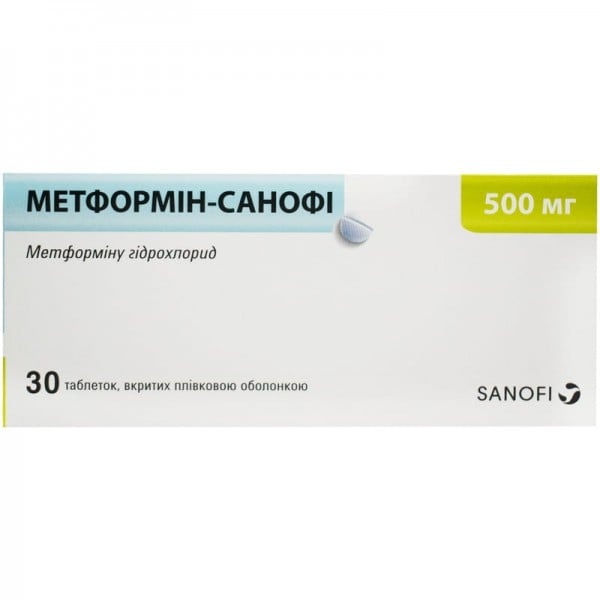
МЕТФОРМІН-САНОФІ 1000 mg Таблетки

Запит на рецепт онлайн
Лікар розгляне ваш випадок і визначить, чи є рецепт медично доцільним.

Поговоріть з лікарем про ці ліки
Обговоріть симптоми та можливі подальші кроки під час короткої онлайн-консультації.



Інструкція із застосування METFORMIN-SANOFI
Зміст інструкції
- ІНСТРУКЦІЯ для медичного застосування лікарського засобу ГЕНТАМІЦИН-ЗДОРОВ’Я (GENTAMICIN-ZDOROVYE)
- Склад
- Лікарська форма
- Основні фізико-хімічні властивості
- Фармакотерапевтична група
- Фармакологічні властивості
- Клінічні характеристики
- Спосіб застосування та дози
- Передозування
- Побічні реакції
- Термін придатності
- Умови зберігання
- Несумісність
- Упаковка
- Категорія відпуску
- Виробник
- Місцезнаходження виробника та адреса місця провадження його діяльності
ІНСТРУКЦІЯ для медичного застосування лікарського засобу ГЕНТАМІЦИН-ЗДОРОВ’Я (GENTAMICIN-ZDOROVYE)
Склад
діюча речовина: gentamicin; 1 мл розчину містить гентаміцину сульфату у перерахуванні на гентаміцин 40 мг; допоміжні речовини: натрію метабісульфіт (Е 223), динатрію едетат, вода для ін’єкцій.
Лікарська форма
Розчин для ін’єкцій.
Основні фізико-хімічні властивості
прозорий безбарвний або зі злегка зеленувато-жовтим відтінком розчин.
Фармакотерапевтична група
Антибактеріальні засоби для системного застосування. Аміноглікозиди. Гентаміцин. Код АТХ J01G B03.
Фармакологічні властивості
Фармакодинаміка
Гентаміцин – антибіотик групи аміноглікозидів II покоління з широким спектром дії. Проявляє бактерицидну дію. Активно проникаючи через клітинну мембрану бактерій, необоротно зв’язується з 30S субодиницею бактеріальних рибосом, перешкоджаючи утворенню комплексу транспортної і матричної РНК, що порушує синтез білка збудника.
Високоефективний відносно різних видів грампозитивних і грамнегативних мікроорганізмів: Escherichia coli, Proteus spp. (індолпозитивний та індолнегативний), Pseudomonas aeruginosa, Klebsiella spp., Enterobacter spp., Serratia spp., Citrobacter spp., Salmonella spp., Shigella spp. і Staphylococcus spp. (включаючи пеніцилін- і метицилінстійкі штами).
До гентаміцину стійкі: Streptococcus pneumoniae, більшість інших видів стрептококів, ентерококів, Treponema pallidum і анаеробні мікроорганізми, такі як Bacteroides spp. або Clostridium spp.
Фармакокінетика
Гентаміцин при парентеральному введенні легко абсорбується, досягаючи Сmax у плазмі крові через 30 хвилин після закінчення внутрішньовенної інфузії і через 0,5-2 години після внутрішньом’язового введення.
Терапевтичні концентрації у крові (не менше 6-10 мкг/мл) зберігаються протягом 6-8 годин.
При внутрішньовенному краплинному введенні концентрація гентаміцину у плазмі крові протягом перших годин перевищує концентрацію, що досягається після внутрішньом’язового застосування препарату. Зв’язування з білками крові становить 20‑30 %. Об’єм розподілу – 0,25 л/кг.
У терапевтичних концентраціях визначається у тканині нирок, легенів, у плевральному і перитонеальному ексудатах. У нормі гентаміцин погано проходить через гематоенцефалічний бар’єр, але при менінгіті концентрація у спинномозковій рідині підвищується.
Приблизно 70 % гентаміцину протягом доби екскретується у незміненому стані у сечу за допомогою клубочкової фільтрації. Період напіввиведення з плазми становить у дорослих з нормальною функцією печінки 2-4 години, у дітей – 2,5-4 години, у новонароджених –5‑8 годин. При порушенні видільної функції нирок концентрація гентаміцину у крові істотно підвищується і збільшується період його напіввиведення (до 70 годин і більше).
Клінічні характеристики
Показання
Враховуючи обмежену терапевтичну широту гентаміцину, його слід застосовувати у випадках, коли мікроорганізми резистентні до більш безпечних антибіотиків.
Гентаміцин призначати для лікування інфекцій, спричинених чутливими до нього збудниками, у тому числі:
- септицемія (включаючи неонатальний сепсис);
- ускладнені урогенітальні інфекційні захворювання;
- інфекційні захворювання нижніх відділів дихальних шляхів;
- інфекційні захворювання шкіри, кісток, суглобів, м’яких тканин; інфіковані опікові рани;
- інфекційні захворювання центральної нервової системи (включаючи менінгіт) у комбінації з β-лактамними антибіотиками;
- інфекції черевної порожнини (включаючи перитоніт).
Протипоказання
Підвищена чутливість до компонентів препарату/антибіотиків групи аміноглікозидів, хронічна ниркова недостатність з азотемією та уремією, неврит слухового нерва, міастенія, паркінсонізм, ботулізм (гентаміцин може спричиняти порушення нервово-м’язової передачі, що може призвести до подальшого ослаблення скелетної мускулатури), літній вік, попереднє лікування ототоксичними препаратами. Обмеженням до застосування препарату є гостра ниркова недостатність.
Взаємодія з іншими лікарськими засобами та інші види взаємодій
Слід уникати одночасного та/або послідовного системного або місцевого застосування інших нейротоксичних та/або нефротоксичних засобів, таких як цисплатин, цефалориди, аміноглікозидні антибіотики, поліміксин В, колістин, ванкоміцин.
Посилює (взаємно) ефект карбеніциліну, бензилпеніциліну і цефалоспоринів; збільшує токсичність дигоксину. При сумісному застосуванні з біфосфонатами зростає ризик розвитку гіпокальціємії.
Сильнодіючі діуретики (фуросемід, етакринова кислота) посилюють ото- і нефротоксичність, міорелаксанти (сукцинілхолін, тубокурарин, декаметоній) – можливість порушень функції дихання внаслідок нервово-м’язової блокади. При одночасному застосуванні із засобами для інгаляційного наркозу, опіоїдними аналгетиками, магнію сульфатом і переливанні великих кількостей крові з цитратними консервантами посилюється ризик нервово-м’язової блокади, аж до розвитку апное.
Ризик порушення функції нирок збільшується при одночасному застосуванні гентаміцину з індометацином, фенілбутазоном та іншими нестероїдними протизапальними лікарськими засобами, що порушують нирковий кровоток, а також із хінідином, циклофосфаном, цефалоспоринами (рекомендується моніторинг функції нирок), гангліоблокаторами, верапамілом, поліглюкіном.
Зменшення періоду напіввиведення відзначається у пацієнтів з вираженими порушеннями функції нирок при комбінованому застосуванні карбеніциліну з гентаміцином.
Ботулінічний токсин збільшує ризик токсичності у зв’язку з посиленням нервово-м’язової блокади.
Одночасне застосування з пероральними антикоагулянтами може збільшити гіпотромбінемічний ефект.
Антагоністичний ефект може виникнути при одночасному введенні гентаміцину з прозерином або піридостигміном.
Особливості застосування
У зв’язку з широким спектром дії гентаміцин можна призначати при змішаній інфекції, а також у випадках, коли збудник не встановлений, зазвичай у поєднанні з напівсинтетичними пеніцилінами (ампіциліном, карбеніциліном).
Швидке пряме внутрішньовенне введення препарату не рекомендується.
Під час лікування препаратом, особливо у великих дозах або протягом тривалого часу, для уникнення його токсичності і забезпечення клінічної ефективності (особливо у пацієнтів із порушеною функцією нирок) необхідно регулярно здійснювати аналіз крові, а також контролювати клубочкову фільтрацію кожні 3 дні (при зменшенні цього показника на 50 % препарат слід відмінити). Регулярно (1 або 2 рази на тиждень, а у хворих, які одержують більші дози або тих, які знаходяться на лікуванні більше 10 днів, – щодня) слід контролювати функцію нирок. Рекомендується 1-2 рази на тиждень проводити дослідження вестибулярної функції або визначення втрати слуху на високих частотах. Симптоми порушення функції нирок або ураження слухового чи вестибулярного апарату вимагають припинення терапії гентаміцином або, у виняткових випадках, корекції його дози. В окремих випадках слухові порушення можуть виникати після закінчення лікування.
Гентаміцину сульфат слід застосовувати з обережністю пацієнтам з дегідратацією, ботулізмом, паркінсонізмом, діабетом, середнім отитом (у тому числі в анамнезі), гіпокальціємією, ожирінням, а також у хворих літнього віку і пацієнтів, які приймали ототоксичні лікарські засоби раніше.
Під час лікування слід вживати достатню кількість рідини.
Необхідно повідомити лікаря про наявність наступних симптомів: відчуття будь-якої втрати слуху, відчуття дзвону або шуму у вухах, запаморочення, порушення координації рухів, оніміння, поколювання шкіри, м’язові посмикування, судоми у будь-який момент під час лікування. Це може свідчити про розвиток неврологічних побічних ефектів.
У зв’язку з невеликим клінічним досвідом не рекомендується введення всієї добової дози гентаміцину при таких станах: опіки площею понад 20 %, цистофіброз, асцит, ендокардит, хронічна ниркова недостатність із застосуванням гемодіалізу, сепсис.
Існує підвищений ризик ототоксичності у пацієнтів з мутаціями мітохондріальної ДНК (зокрема, при заміщенні нуклеотиду 1555 A на G у гені 12S рРНК), навіть якщо рівні аміноглікозидів у сироватці крові під час лікування перебувають у межах рекомендованого діапазону. Для таких пацієнтів слід розглянути альтернативні варіанти лікування.
У пацієнтів з відповідними мутаціями в анамнезі матері або глухотою, спричиненою аміноглікозидами, слід розглянути можливість застосування альтернативних методів лікування або проведення генетичного тестування перед застосуванням лікарського засобу.
Серед антибіотиків групи аміноглікозидів можлива перехресна гіперчутливість.
На тлі лікування може розвинутися резистентність мікроорганізмів. У цьому випадку необхідно відмінити препарат і дослідити чутливість мікроорганізмів до інших антибіотиків.
Натрію метабісульфіт (Е 223) рідко може спричиняти реакції гіперчутливості та бронхоспазм.
Цей лікарський засіб містить менше 1 ммоль (23 мг)/дозу натрію, тобто практично вільний від натрію.
Застосування у період вагітності або годування груддю
Препарат протипоказаний у період вагітності. При необхідності призначення препарату годування груддю слід припинити.
Здатність впливати на швидкість реакції при керуванні автотранспортом або іншими механізмами
Дані щодо впливу гентаміцину на здатність керувати автомобілем або механізмом відсутні. Однак у деяких пацієнтів препарат у високих дозах може спричиняти порушення рівноваги, що супроводжується нудотою і запамороченням, тому під час терапії рекомендується утримуватися від занять потенційно небезпечними видами діяльності, що потребують підвищеної концентрації уваги і швидкості психомоторних реакцій (включаючи управління транспортними засобами і механізмами).
Спосіб застосування та дози
Препарат призначати внутрішньом’язово і внутрішньовенно.
Доза, спосіб введення та інтервали між введеннями залежать від локалізації і тяжкості інфекції, віку пацієнта і функції нирок. Дозовий режим розраховується, виходячи з маси тіла пацієнта. При поліпшенні клінічного стану або при розвитку побічних ефектів дозу слід знижувати.
Дорослі і діти віком від 14 років. Зазвичай добова доза препарату для пацієнтів із помірним/тяжким перебігом інфекційного процесу становить 3 мг/кг маси тіла внутрішньом’язово, розподілена на 2-3 введення. Максимальна добова доза для дорослих становить 5 мг/кг, розподілена на 3-4 введення. Звичайна тривалість застосування препарату для всіх пацієнтів – 7-10 діб.
При тяжких та ускладнених інфекціях курс терапії може бути продовжений у разі необхідності. У таких випадках рекомендується здійснювати контроль за функцією нирок, органів слуху і вестибулярного апарату, оскільки токсичність препарату проявляється після його застосування більше 10 діб.
Розрахунок маси тіла, на яку необхідно призначати препарат. Дозу розраховувати за фактичною масою тіла (ФМТ), якщо у пацієнта немає надлишкової маси тіла (тобто додатково не більше 20 % до ідеальної маси тіла (ІМТ)). Враховуючи, що гентаміцин погано розподіляється у жировій тканині, якщо пацієнт має надлишок маси тіла, дозу розраховувати за формулою: ІМТ + 0,4 (ФМТ – ІМТ).
При порушенні функції нирок необхідно змінити режим дозування препарату так, щоб він гарантував терапевтичну адекватність лікування. При кожній можливості потрібно контролювати концентрацію гентаміцину у сироватці крові, яка через 30-60 хвилин після внутрішньом’язового введення має становити 5-10 мкг/мл.
Перед призначенням гентаміцину необхідно визначити кліренс креатиніну. Початкова разова доза для пацієнтів зі стабільною хронічною нирковою недостатністю становить 1-1,5 мг/кг, у подальшому дозу та інтервал між введеннями слід визначати залежно від кліренсу креатиніну.
| Кліренс креатиніну, мл/хв | Усі наступні дози (% від початкової дози) | Інтервал між введеннями, години |
|---|---|---|
| 70 | 100 | 8 |
| 40-69 | 100 | 12 |
| 30-39 | 50 | 8 |
| 20-29 | 50 | 12 |
| 15-19 | 50 | 16 |
| 10-14 | 50 | 24 |
| 5-9 | 50 | 36 |
Дорослим пацієнтам із бактеріальною інфекцією, які перебувають на діалізі, призначати 1‑1,5 мг/кг після завершення кожного діалізу. При перитонеальному діалізі додавати 1 мг гентаміцину до 2 л діалізного розчину.
Діти. Дітям віком до 3 років гентаміцину сульфат призначати винятково за життєвими показаннями.
Добові дози становлять: новонародженим і дітям віком до 1 року – 2-5 мг/кг, дітям від 1 до 5 років – 1,5-3 мг/кг, 6-14 років – 3 мг/кг. Максимальна добова доза для дітей всіх вікових груп становить 5 мг/кг. Препарат вводити 2-3 рази на добу протягом 7-10 діб.
Для внутрішньовенного введення разову дозу препарату розводити розчинником. Звичайний об’єм розчинника (стерильний ізотонічний розчин натрію хлориду або 5 % розчин глюкози) для дорослих становить 50-300 мл; для дітей об’єм розчинника потрібно відповідно зменшити. Концентрація гентаміцину у розчині не має перевищувати 1 мг/мл (0,1 %). Тривалість внутрішньовенної інфузії – 1-2 години; вводити зі швидкістю 60-80 крапель/хв. Внутрішньовенні інфузії проводити 2-3 дні, потім переходити на внутрішньом’язове введення.
Передозування
Симптоми: запаморочення, нудота, блювання, нефротоксичність, ототоксичність, нервово-м’язова блокада з дихальною недостатністю.
Лікування: внутрішньовенне введення прозерину, а також 10 % розчину кальцію хлориду або 5 % розчину кальцію глюконату. Перед введенням прозерину внутрішньовенно вводити атропін у дозі 0,5-0,7 мг, чекати прискорення пульсу і через 1,5-2 хвилини вводити внутрішньовенно 1,5 мг прозерину. Якщо ефект цієї дози виявився недостатнім, ввести повторно таку ж дозу прозерину (при появі брадикардії робити додаткову ін’єкцію атропіну). У тяжких випадках пригнічення дихання необхідна штучна вентиляція легень. Може виводитися за допомогою гемодіалізу (ефективніший) і перитонеального діалізу.
Побічні реакції
Ототоксичність (ушкодження восьмої пари черепно-мозкових нервів): може розвиватися зниження гостроти/втрата слуху та ураження вестибулярного апарату. Проявляється запамороченням або вертиго. Шум у вухах, необоротна втрата слуху, глухота. Особливий ризик може спричинити продовжений курс лікування гентаміцином – 2-3 тижні.
Нефротоксичність: частота і ступінь тяжкості ушкоджень нирок залежать від величини разової дози, тривалості лікування та індивідуальних особливостей пацієнта, якості контролю над терапією і одночасного прийому інших нефротоксичних лікарських засобів. Ураження нирок проявляється протеїнурією, азотемією, олігурією, і, як правило, має оборотний характер. Також можливі інтерстиціальний нефрит, ниркова недостатність (у т. ч. гостра), нирковий тубулярний некроз, прояви, подібні до синдрому Фанконі, – у пацієнтів, які отримували тривале лікування високими дозами.
З боку нервової системи: головний біль, сплутаність свідомості, сонливість, периферична нейропатія, м’язовий біль, біль у суглобах, блокада нервово-м’язової провідності, загальна слабкість, судоми, енцефалопатія, депресія, галюцинації, летаргія.
З боку травного тракту: блювання, підвищення рівня печінкових трансаміназ (АЛТ, АСТ), гіпербілірубінемія, нудота, підвищене слиновиділення, втрата апетиту/маси тіла, стоматит, псевдомембранозний коліт.
З боку системи кровотворення: тромбоцитопенія, гранулоцитопенія, анемія, лейкопенія, пурпура.
З боку обміну речовин: гіпомагніємія, гіпокаліємія, гіпокальціємія.
З боку імунної системи: реакції гіперчутливості, включаючи шкірний свербіж/висипання, кропив’янка, пропасниця, анафілактичні реакції (у т. ч. зниження артеріального тиску, задишка), набряк Квінке.
У місці внутрішньом’язового введення можливі біль, атрофія/некроз підшкірної клітковини; при внутрішньовенному введенні – розвиток флебітів і перифлебітів.
Термін придатності
5 років.
Умови зберігання
Зберігати в оригінальній упаковці при температурі не вище 25 °С. Зберігати у недоступному для дітей місці.
Несумісність
Фармацевтично несумісний в одному шприці або в одній інфузійній системі з іншими лікарськими засобами (особливо з β-лактамними антибіотиками, гепарином, амфотерицином).
Упаковка
По 1 мл в ампулах № 10 у коробці, № 5х2 у блістерах у коробці; по 2 мл в ампулах № 10 у коробці, № 5х2, № 10 у блістері у коробці.
Категорія відпуску
За рецептом.
Виробник
Товариство з обмеженою відповідальністю «Фармацевтична компанія «Здоров’я».
Місцезнаходження виробника та адреса місця провадження його діяльності
Україна, 61013, Харківська обл., місто Харків, вулиця Шевченка, будинок 22.

Не впевнені, чи підходить вам цей лікарський засіб?
Обговоріть симптоми та можливі варіанти лікування з лікарем онлайн.

Виникли питання під час прийому ліків?
Обговоріть свої симптоми та лікування з лікарем онлайн.
- Країна реєстрації
- Лікарська форматаблетки, по 1000 мг
- Код АТХA10BA02
- Діюча речовина
- Потрібен рецептТак
- Виробник
- Ця інформація надана лише для ознайомлення і не є медичною порадою. Рішення щодо лікування завжди приймає лікар.
- Альтернативи до METFORMIN-SANOFIЛікарська форма: таблетки, по 1000 мг по 15 таблеток у блістеріДіюча речовина: metforminПотрібен рецептЛікарська форма: таблетки, по 500 мг по 15 таблеток у блістеріДіюча речовина: metforminПотрібен рецептЛікарська форма: таблетки, по 850 мг по 15 таблеток у блістеріДіюча речовина: metforminПотрібен рецепт
Аналоги METFORMIN-SANOFI в інших країнах
Препарати з тією самою діючою речовиною, доступні в інших країнах.
Аналог METFORMIN-SANOFI у Італія
Аналог METFORMIN-SANOFI у Іспанія
Аналог METFORMIN-SANOFI у Польща
Лікарі онлайн щодо METFORMIN-SANOFI
Застосування, безпека та можливість призначення рецепта — за результатами медичної оцінки.

Отримайте рецепт на METFORMIN-SANOFI онлайн
Заповніть форму за 2 хвилини
Розкажіть про симптоми, історію хвороби та потрібний препарат.
Оберіть лікаря або ми призначимо
Оберіть спеціаліста або ми підберемо найближчого доступного лікаря.
Лікар розглядає ваш випадок
Зазвичай протягом 30 хвилин. Може ставити уточнювальні запитання в чаті.
Отримайте в будь-якій аптеці
Електронний рецепт надсилається на вашу пошту — дійсний по всій Польщі.
Часті запитання
METFORMIN-SANOFI потребує рецепта в Україна. Ви можете обговорити з лікарем онлайн, чи підходить цей лікарський засіб для вашої ситуації.
Діюча речовина у METFORMIN-SANOFI — metformin. Це допомагає визначити препарати з тим самим складом, але під іншими торговими назвами.
METFORMIN-SANOFI виробляється компанією Sanofi India Limited. Назва бренду та упаковка можуть відрізнятися залежно від дистрибʼютора.
Лікарі, зокрема Сімейні лікарі, Психіатри, Дерматологи, Кардіологи, Ендокринологи, Гастроентерологи, Пульмонологи, Нефрологи, Ревматологи, Гематологи, Інфекціоністи, Алергологи, Геріатри, Педіатри, Онкологи, можуть оцінити доцільність застосування METFORMIN-SANOFI з урахуванням вашого стану та місцевих правил. Ви можете записатися на онлайн-консультацію, щоб обговорити симптоми та можливі подальші кроки.
Польща має добре розвинену систему охорони здоров'я у великих містах, таких як Варшава, Краків, Вроцлав і Гданськ. Аптеки широко доступні та працюють відповідно до чинного законодавства, забезпечуючи доступ до рецептурних препаратів.
Ви можете придбати METFORMIN-SANOFI у Варшаві, Кракові, Вроцлаві або Гданську в будь-якій аптеці за наявності дійсного рецепта.
Щоб отримати рецепт, ви можете скористатися Oladoctor:
Інші препарати з тією самою діючою речовиною (metformin) включають ГЛЮКОФАЖ, ГЛЮКОФАЖ, ГЛЮКОФАЖ. Вони можуть відрізнятися торговою назвою або формою випуску, але містять той самий терапевтичний компонент. Перед зміною або початком прийому нового препарату варто проконсультуватися з лікарем.
