



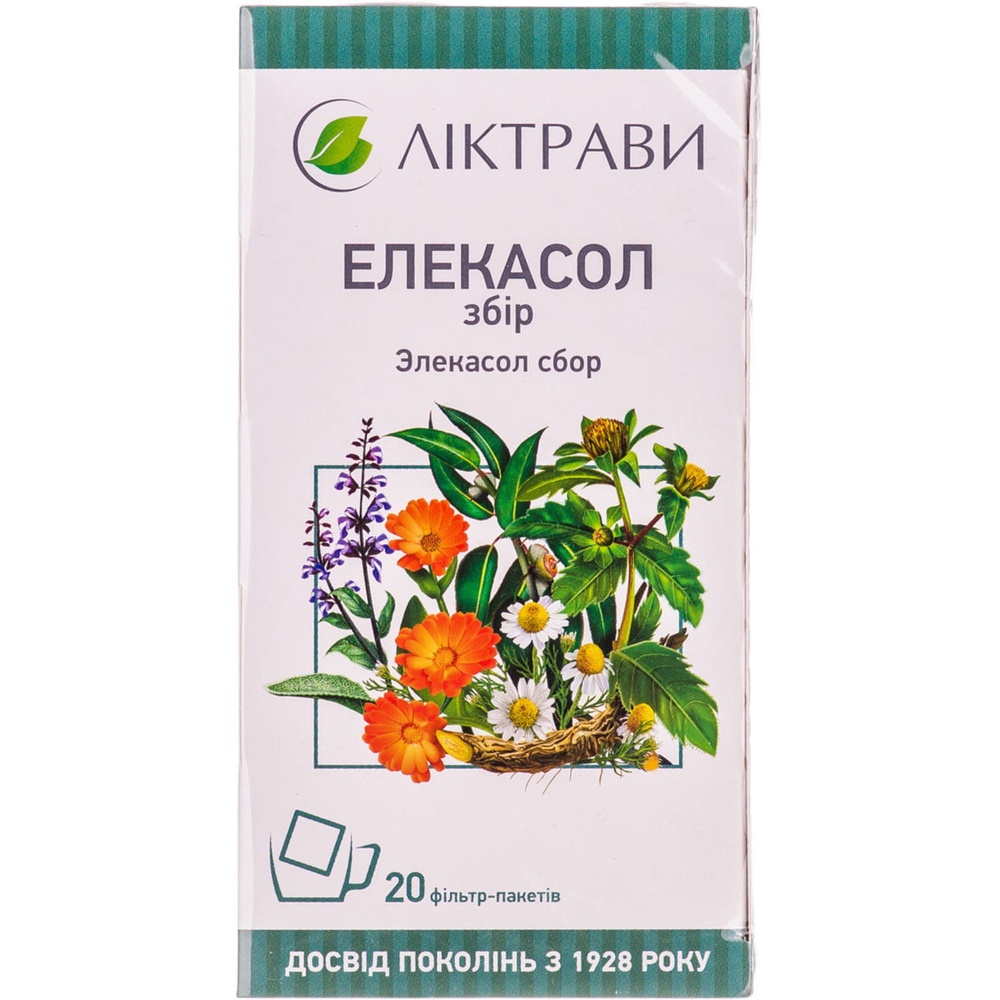
ЕЛЕКАСОЛ 60 g Collection

Ocena recepty online
Lekarz przeanalizuje Twój przypadek i zdecyduje, czy wystawienie recepty jest medycznie uzasadnione.

Porozmawiaj z lekarzem o tym leku
Omów swoje objawy i opcje leczenia podczas szybkiej konsultacji online.



Jak stosować ELEKASOL
Treść ulotki
- INSTRUCTIONS for medical use of the medicinal product Pipzol 5, Pipzol 10, Pipzol 15, Pipzol 30 (Ripzol 5, Pipzol 10, Pipzol 15, Pipzol 30)
- Composition
- Pharmaceutical form
- Main physical and chemical properties
- Pharmacotherapeutic group
- Pharmacological properties
- Pharmacokinetics
- Clinical characteristics
- Interaction with other medicinal products and other forms of interaction
- Special warnings and precautions for use
- Posology and method of administration
- Overdose
- Adverse reactions
- Shelf life
- Storage conditions
- Packaging
- Release category
- Manufacturer
- Manufacturer's location and address
INSTRUCTIONS for medical use of the medicinal product Pipzol 5, Pipzol 10, Pipzol 15, Pipzol 30 (Ripzol 5, Pipzol 10, Pipzol 15, Pipzol 30)
Composition
The active substance is aripiprazole; 1 tablet contains aripiprazole 5 mg or 10 mg, or 15 mg, or 30 mg; Excipients: lactose monohydrate, microcrystalline cellulose, hydroxypropylcellulose, corn starch, crospovidone, colloidal silicon dioxide, magnesium stearate, dyes: indigocarmine (E 132) (for 5 mg); yellow iron oxide (E 172) (for 15 mg); red iron oxide (E 172) (for 10 mg and 30 mg).
Pharmaceutical form
Tablets.
Main physical and chemical properties
· 5 mg tablets: rectangular tablets with rounded edges, blue in color with inclusions, with embossing "250" on one side and smooth on the other;
· 10 mg tablets: rectangular tablets with rounded edges, pink in color with inclusions, with embossing "252" on one side and smooth on the other;
· 15 mg tablets: round tablets of yellow color with inclusions, with beveled edges, with embossing "253" on one side and smooth on the other;
· 30 mg tablets: round tablets of pink color with inclusions, with beveled edges, with embossing "L 255" on one side and smooth on the other.
Pharmacotherapeutic group
Antipsychotic agents (neuroleptics). Aripiprazole.
ATC code N05A X12.
Pharmacological properties
Pharmacodynamics
The therapeutic effect of aripiprazole in schizophrenia is due to the combination of partial agonistic activity with respect to D2 dopamine and 5HT1a serotonin receptors and antagonistic activity with respect to 5HT2 serotonin receptors.
Aripiprazole has high affinity in vitro to D2 and D3 dopamine receptors, 5HT1a and 5HT2a serotonin receptors, and moderate affinity to D4 dopamine, 5HT2c and 5HT7 serotonin receptors, alpha 1-adrenergic receptors, and H1 histamine receptors. Aripiprazole is also characterized by moderate affinity to serotonin reuptake sites and lack of affinity for muscarinic receptors. In animal experiments, aripiprazole showed antagonism to dopaminergic hyperactivity and agonism to dopaminergic hypoactivity. The interaction with dopamine and serotonin receptors can explain some of the clinical effects of aripiprazole.
Clinical efficacy
Schizophrenia
It is known that aripiprazole is effective in maintaining clinical improvement during continued therapy in adult patients who showed an initial response to treatment.
Manic episodes in bipolar disorder I
Aripiprazole has demonstrated greater efficacy than placebo in reducing manic symptoms over 3 weeks.
Pharmacokinetics
Absorption
Aripiprazole is well absorbed, and peak plasma concentration occurs within 3-5 hours after administration. Aripiprazole undergoes minimal presystemic metabolism. The absolute bioavailability of the tablet form is 87%. Food with high fat content does not affect the pharmacokinetic properties of aripiprazole.
Distribution
Aripiprazole is widely distributed in body tissues. The volume of distribution is 4.9 l/kg, indicating extensive extravascular distribution. At therapeutic concentrations, more than 99% of aripiprazole and dehydroaripiprazole are bound to plasma proteins, mainly albumin.
Metabolism
Aripiprazole is actively metabolized in the liver, primarily through three pathways of biotransformation: dehydrogenation, hydroxylation, and N-dealkylation. Based on in vitro studies, the enzymes CYP3A4 and CYP2D6, which are responsible for the dehydrogenation and hydroxylation of aripiprazole, and N-dealkylation, are catalyzed by the enzyme CYP3A4. Aripiprazole is the dominant substance in the large circle of blood circulation. In the steady state, dehydroaripiprazole, an active metabolite, accounts for about 40% of the AUC of aripiprazole in plasma.
Elimination
The mean elimination half-life of aripiprazole is approximately 75 hours in individuals with active CYP2D6 metabolism and approximately 146 hours in individuals with poor CYP2D6 metabolism.
The total clearance of aripiprazole is 0.7 ml/min/kg, and it occurs mainly in the liver. After a single oral dose of aripiprazole, approximately 27% is excreted in the urine and approximately 60% in the feces. Less than 1% of unchanged aripiprazole is excreted in the urine, and approximately 18% of the dose is excreted in the feces in unchanged form.
Clinical characteristics
Indications
Treatment of schizophrenia in adults.
Treatment of moderate and severe manic episodes in bipolar disorder I, as well as for the prevention of new manic episodes in adults who have previously experienced manic episodes and responded to aripiprazole treatment.
Contraindications
Hypersensitivity to aripiprazole or any other component of the drug.
Interaction with other medicinal products and other forms of interaction
Due to antagonism to α1-adrenergic receptors, aripiprazole may enhance the effect of certain antihypertensive drugs.
Since aripiprazole affects the central nervous system (CNS), caution should be exercised when taking alcohol or drugs that affect the CNS, due to possible cross-reactions, such as sedative effects (see section "Adverse reactions").
Potential impact of other medicinal products on the effect of aripiprazole
The inhibitor of gastric acid secretion, the H2 histamine receptor antagonist famotidine, reduces the rate of aripiprazole absorption, but this effect is not considered clinically significant.
Aripiprazole is metabolized by several pathways involving the enzymes CYP2D6 and CYP3A4, but not CYP1A. Therefore, smokers do not need to adjust the dose.
Special warnings and precautions for use
When treating with neuroleptics
Improvement in the patient's clinical condition may take from several days to several weeks. During this period, careful monitoring of the patient's condition is necessary.
Suicidal tendencies
The emergence of suicidal behavior is inherent in patients with psychotic disorders and mood disorders, and in some cases, it has been observed soon after the start of neuroleptic treatment or switching from one neuroleptic to another, including treatment with aripiprazole (see section "Adverse reactions"). Neuroleptic treatment should be accompanied by careful monitoring of patients who belong to the group of increased risk.
Cardiovascular disorders
Aripiprazole should be used with caution in patients with a history of cardiovascular diseases (myocardial infarction or ischemic heart disease, heart failure, or conduction disorders), cerebrovascular disorders, conditions that predispose patients to hypotension (dehydration, hypovolemia, or the use of antihypertensive drugs) or hypertension, including progressive or malignant hypertension.
Posology and method of administration
Adults
Schizophrenia: the recommended initial dose is 10 or 15 mg/day, with a maintenance dose of 15 mg/day. This dose should be taken once a day, regardless of food intake. The drug is effective in the dose range of 10 to 30 mg/day. Increasing the efficacy at daily doses above 15 mg has not been demonstrated, although some patients may benefit from a higher dose.
The maximum daily dose should not exceed 30 mg.
Special patient groups
Liver dysfunction
Patients with mild or moderate liver dysfunction do not require dose adjustment. For patients with severe liver dysfunction, there is insufficient data to provide recommendations. For such patients, dosing should be done with caution. The maximum daily dose of 30 mg for patients with severe liver dysfunction should be used with caution (see section "Pharmacological properties").
Overdose
Symptoms.
In adult patients, cases of intentional or accidental acute overdose of aripiprazole have been reported, with doses up to 1260 mg, without a fatal outcome. Potentially significant medical symptoms observed included lethargy, increased blood pressure, somnolence, tachycardia, nausea, vomiting, and diarrhea.
Adverse reactions
Brief overview of the safety profile.
The most common adverse reactions were akathisia and nausea. Each of these symptoms occurred in more than 3% of patients taking aripiprazole orally.
| System organ class | Frequent | Infrequent | Frequency unknown |
| Blood and lymphatic system disorders | Leukopenia, neutropenia, thrombocytopenia | ||
| Immune system disorders | Allergic reactions (e.g., anaphylactic reactions; angioedema, including tongue edema; tongue swelling, facial swelling, pruritus, or urticaria) | ||
| Endocrine system disorders | Hyperprolactinemia | Diabetic hyperosmolar coma, diabetic ketoacidosis | |
| Metabolic and nutritional disorders | Diabetes | Hyperglycemia | Hyponatremia, anorexia, weight loss, weight gain |
| Psychiatric disorders | Insomnia, restlessness, agitation | Depression, hypersexuality | Suicide attempts, suicidal thoughts, and completed suicide (see section "Special warnings and precautions for use"), pathological gambling, impulse control disorders, compulsive eating, uncontrollable urge to buy, periomenia, aggression, agitation, nervousness |
| Nervous system disorders | Akathisia, extrapyramidal disorders, tremor, headache, sedative effect, somnolence, dizziness | Late dyskinesia, dystonia | Malignant neuroleptic syndrome (MNS), grand mal seizures, serotonin syndrome, speech disorders |
| Eye disorders | Blurred vision | Diplopia | Oculogyric crisis |
| Cardiac disorders | Tachycardia | Sudden death, ventricular tachycardia, QT interval prolongation, ventricular arrhythmia, cardiac arrest, bradycardia | |
| Vascular disorders | Orthostatic hypotension | Venous thromboembolism (including pulmonary embolism and deep vein thrombosis), hypertension, syncope | |
| Respiratory, thoracic, and mediastinal disorders | Hiccup | Aspiration pneumonia, laryngospasm, oropharyngeal spasm | |
| Gastrointestinal disorders | Constipation, dyspepsia, nausea, excessive salivation, vomiting | Pancreatitis, dysphagia, diarrhea, discomfort in the gastrointestinal tract | |
| Hepatobiliary disorders | Liver failure, hepatitis, jaundice, increased alanine aminotransferase (ALT), increased aspartate aminotransferase (AST), increased gamma-glutamyltransferase (GGT), increased alkaline phosphatase | ||
| Skin and subcutaneous tissue disorders | Rash, photosensitivity reactions, alopecia, increased sweating | ||
| Musculoskeletal and connective tissue disorders | Rhabdomyolysis, myalgia, muscle stiffness | ||
| Renal and urinary disorders | Urinary incontinence, urinary retention | ||
| Pregnancy, puerperium, and perinatal conditions | Drug withdrawal syndrome in newborns (see section "Use during pregnancy or breastfeeding") | ||
| Genital and breast disorders | Priapism | ||
| General disorders and administration site conditions | Fatigue | Temperature regulation disorders (e.g., hypothermia, pyrexia), chest pain, peripheral edema | |
| Laboratory and other tests | Increased blood glucose, increased glycosylated hemoglobin, glucose fluctuations, increased creatine phosphokinase |
Shelf life
3 years.
Storage conditions
Store in the original packaging in a place inaccessible to children at a temperature not exceeding 25 °C.
Packaging
10 tablets in one blister pack. One blister pack in a cardboard box.
Release category
By prescription.
Manufacturer
Alembic Pharmaceuticals Limited.
Manufacturer's location and address
Panelav, PO Tajpura, Taluka Halol, Panchmahal, Gujarat, IN - 389350, India.

Nie jesteś pewien, czy ten lek jest odpowiedni dla ciebie?
Omów swoje objawy i leczenie z lekarzem online.

Zacząłeś przyjmować lek i masz pytania?
Omów swoje objawy i leczenie z lekarzem online.
- Kraj rejestracji
- Postać farmaceutycznacollection, 60 g or 75 g in packs
- Wymaga receptyNie
- Producent
- Te treści mają charakter wyłącznie informacyjny i nie zastępują konsultacji lekarskiej.
- Zamienniki ELEKASOLPostać farmaceutyczna: solution, 100 ml in bottlesSubstancja czynna: ethanolProducent: ПрАТ "БіолікWymaga receptyPostać farmaceutyczna: solution, 100 ml in bottlesSubstancja czynna: ethanolProducent: ПрАТ "БіолікWymaga receptyPostać farmaceutyczna: solution, 100 ml or 250 ml in bottlesSubstancja czynna: ethanolProducent: ТОВ "ПанацеяWymaga recepty
Odpowiedniki ELEKASOL w innych krajach
Leki z tą samą substancją czynną dostępne w innych krajach.
Odpowiednik ELEKASOL w Włochy
Odpowiednik ELEKASOL w Polska
Odpowiednik ELEKASOL w Hiszpania
Lekarze online w sprawie ELEKASOL
Omów stosowanie ELEKASOL, bezpieczeństwo i ocenę zasadności recepty zgodnie z obowiązującymi przepisami.









Uzyskaj receptę na ELEKASOL online
Wypełnij 2-minutowy formularz
Opisz swoje objawy, historię choroby i lek, o który prosisz.
Wybierz lekarza lub pozwól nam przydzielić
Wybierz specjalistę lub dopasujemy Cię do najbliższego dostępnego lekarza.
Lekarz analizuje Twój przypadek
Zazwyczaj w ciągu 30 minut. Może zadawać dodatkowe pytania przez czat.
Odbierz w dowolnej aptece
Recepta elektroniczna wysłana na Twój e-mail — ważna w całej Polsce.
Często zadawane pytania
ELEKASOL nie wymaga recepty w Ukraina. Możesz skonsultować się z lekarzem online, aby sprawdzić, czy ten lek może być odpowiedni w Twojej sytuacji.
ELEKASOL jest produkowany przez PrAT "Liktravi. Nazwy handlowe i opakowania mogą się różnić w zależności od dystrybutora.
Lekarze, tacy jak Lekarze rodzinni, Psychiatrzy, Dermatolodzy, Kardiolodzy, Endokrynolodzy, Gastroenterolodzy, Pulmonolodzy, Nefrolodzy, Reumatolodzy, Hematolodzy, Zakaźnicy, Alergolodzy, Geriatrzy, Pediatrzy, Onkolodzy, mogą ocenić, czy stosowanie ELEKASOL jest odpowiednie w Twoim przypadku, w zależności od sytuacji klinicznej i lokalnych przepisów. Możesz umówić konsultację online, aby omówić objawy i możliwe dalsze kroki.
Polska posiada dobrze rozwiniętą infrastrukturę ochrony zdrowia w dużych miastach, takich jak Warszawa, Kraków, Wrocław i Gdańsk. Apteki są łatwo dostępne i działają zgodnie z obowiązującymi przepisami, zapewniając dostęp do leków na receptę.
Możesz kupić ELEKASOL w Warszawie, Krakowie, Wrocławiu lub Gdańsku w każdej aptece, posiadając ważną receptę.
Aby uzyskać receptę, możesz skorzystać z Oladoctor:
Inne leki zawierające tę samą substancję czynną () to m.in. БІОСЕПТ, БІОСЕПТ 70, ВІТАСЕПТ. Mogą one różnić się nazwą handlową lub postacią, ale zawierają ten sam składnik terapeutyczny. Przed zmianą lub rozpoczęciem nowego leku skonsultuj się z lekarzem.
