



SPRYCEL 20 mg Tabletki Powlekane

Ocena recepty online
Lekarz przeanalizuje Twój przypadek i zdecyduje, czy wystawienie recepty jest medycznie uzasadnione.

Porozmawiaj z lekarzem o tym leku
Omów swoje objawy i opcje leczenia podczas szybkiej konsultacji online.



Jak stosować SPRYKEL
Treść ulotki
- SPRYCEL 20 mg film-coated tablets, 50 mg film-coated tablets, 70 mg film-coated tablets, 80 mg film-coated tablets, 100 mg film-coated tablets, 140 mg film-coated tablets
- SPRYCEL 10 mg/mL powder for oral suspension
SPRYCEL 20 mg film-coated tablets, 50 mg film-coated tablets, 70 mg film-coated tablets, 80 mg film-coated tablets, 100 mg film-coated tablets, 140 mg film-coated tablets
dasatinib
Read this leaflet carefully before you start taking this medicine because it contains important information for you.
- Keep this leaflet. You may need to read it again.
- If you have any questions, ask your doctor or pharmacist.
- This medicine has been prescribed for you only. Do not pass it on to others, even if their symptoms are the same as yours, as it could be harmful.
- If you get any side effects, even those not listed in this leaflet, tell your doctor or pharmacist. See section 4.
Contents of this leaflet:
- 1. What SPRYCEL is and what it is used for
- 2. What you need to know before you take SPRYCEL
- 3. How to take SPRYCEL
- 4. Possible side effects
- 5. How to store SPRYCEL
- 6. Contents of the pack and other information
1. What is SPRYCEL and what it is used for
SPRYCEL contains the active substance dasatinib. This medicine is used for the treatment
of chronic myeloid leukemia (CML) in adults, adolescents and children aged 1 year and older.
Leukemia is a cancer of the white blood cells. White blood cells normally help the body
fight infections. In individuals with CML, white blood cells called granulocytes
begin to grow uncontrollably. SPRYCEL inhibits the growth of these leukemic cells.
SPRYCEL is also used for the treatment of acute lymphoblastic leukemia (ALL) with
positive Philadelphia chromosome (Ph+) in adults, adolescents and children aged 1 year and older
and of CML in lymphoid blast phase in adults who have not benefited from
previous therapies. In individuals with ALL, white blood cells called lymphocytes multiply very
quickly and live a long time. SPRYCEL inhibits the growth of these leukemic cells.
If you have any questions about how SPRYCEL works or why it has been prescribed to you,
consult your doctor.
2. What you need to know before taking SPRYCEL
Do not take SPRYCEL
- if you are allergicto dasatinib or to any of the other ingredients of this medicine (listed in section 6) If you think you may be allergic, ask your doctor for advice.
Warnings and precautions
Talk to your doctor or pharmacist before taking SPRYCEL
- if you are taking medicines that thin the bloodor prevent blood clots (see "Other medicines and SPRYCEL")
- if you have liver or heart problems, or have had them
- if you start to have difficulty breathing, chest pain or coughwhile taking SPRYCEL: this could be a symptom of fluid retention in the lungs or chest (which may be more common in patients aged 65 years or older) or could be due to changes in the blood vessels that supply the lungs
- if you have ever had or may have ongoing hepatitis B infection. This is because SPRYCEL may cause reactivation of hepatitis B, which in some cases can be fatal. Patients will be carefully examined by the doctor for signs of this infection before starting treatment.
- if you develop bruising, bleeding, fever, fatigue and confusion while taking SPRYCEL, contact your doctor. This may be a sign of blood vessel damage known as thrombotic microangiopathy (TMA).
The doctor will need to regularly monitor your clinical condition to check if SPRYCEL is
having the desired effect. In addition, you will have regular blood tests while taking
SPRYCEL.
Children and adolescents
Do not give this medicine to children under one year of age. Experience with the use of SPRYCEL
in this age group is limited. The growth and development of the bones of children taking
SPRYCEL will be carefully monitored.
Other medicines and SPRYCEL
Tell your doctorif you are taking, have recently taken or might take any other
medicines.
SPRYCEL is mainly broken down by the liver. Some medicines can interfere with
the effect of SPRYCEL when taken at the same time as SPRYCEL.
These medicines must not be used with SPRYCEL:
- ketoconazole, itraconazole - which are antifungal medicines
- erythromycin, clarithromycin, telithromycin - which are antibiotics
- ritonavir - which is an antiviral medicine
- phenytoin, carbamazepine, phenobarbital - which are treatments for epilepsy
- rifampicin - which is a treatment for tuberculosis
- famotidine, omeprazole - which are medicines that block acid production in thestomach
- St John's wort - a herbal remedy available without a prescription used for the treatment of depressionand other clinical conditions (also known as Hypericum perforatum)
Do not takemedicines that neutralize stomach acid (antacidssuch as aluminium hydroxide
or magnesium hydroxide) within 2 hours before or 2 hours after taking SPRYCEL.
Tell your doctorif you are taking medicines that thin the bloodor prevent blood clots.
SPRYCEL with food and drink
Do not take SPRYCEL with grapefruit or grapefruit juice.
Pregnancy and breastfeeding
If you are pregnantor suspect you may be pregnant, tell your doctor immediately.
SPRYCEL should not be used during pregnancyunless it is absolutely necessary. The
doctor will discuss with you the potential risks of taking SPRYCEL during pregnancy.
Both men and women taking SPRYCEL will be recommended to use effective contraception during treatment.
If you are breastfeeding, tell your doctor.Breastfeeding must be stopped during
treatment with SPRYCEL.
Driving and using machines
If you experience side effects such as dizziness and blurred vision, be particularly
careful when driving and using machines.
SPRYCEL contains lactose
If your doctor has told you that you have an intolerance to some sugars, contact your doctor before taking this
medicine.
3. How to take SPRYCEL
SPRYCEL will only be prescribed by a doctor experienced in the treatment of leukemia. Take this
medicine following the doctor's instructions exactly. If you have any doubts, consult your doctor or
pharmacist. SPRYCEL is prescribed for adults and children at least 1 year of age.
The recommended initial dose in adult patients with chronic myeloid leukemia (CML) in the
chronic phase is 100 mg once daily.
The recommended initial dose in adult patients with chronic myeloid leukemia (CML) in the
accelerated phase or blast phase, or with Philadelphia chromosome-positive (Ph+) acute lymphoblastic
leukemia (ALL) is 140 mg once daily.
The dosage in children with CML in the chronic phase or Ph+ ALL is based on body weight.
SPRYCEL is administered orally once daily in the form of SPRYCEL tablets or
SPRYCEL oral powder for suspension. SPRYCEL tablets are not recommended for patients weighing
less than 10 kg. In patients weighing less than 10 kg and in patients who are unable to
swallow the tablets, oral powder for suspension should be used. When switching between
formulations (i.e., between tablets and oral powder for suspension), there may be a change in
dose, therefore do not switch between them.
The doctor will decide the correct formulation and dose based on weight, any side effects, and the
response to treatment. The initial dose of SPRYCEL for children is calculated based on body
weight, as indicated below:
Body weight (kg)Daily dose (mg)
10 to <20 kg 40 mg
20 to <30 kg 60 mg
30 to <45 kg 70 mg
at least 45 kg 100 mg
There is no recommended dose of SPRYCEL for children under 1 year of age.
Depending on how you respond to treatment, your doctor may recommend a higher or lower dose,
or even a brief interruption of treatment. For higher or lower doses, you may need to
take combinations of tablets with different dosages.
The tablets may come in packs with calendarized blisters.These are blisters with
the days of the week indicated. Arrows indicate the next tablet to take according to
your treatment schedule.
How to take SPRYCEL
Take the tablets at the same time each day.Swallow the tablets whole without
crushing, dividing, or chewing them.Do not take dissolved tablets. You cannot be sure of
receiving the correct dose if you crush, divide, chew, or disperse the tablets. SPRYCEL
tablets can be taken with or without food.
Special precautions for handling SPRYCEL
It is unlikely that SPRYCEL tablets will break. If this should happen, people other than
the patient should wear gloves when handling SPRYCEL.
How long to take SPRYCEL
Take SPRYCEL daily as long as your doctor does not tell you to stop. Make sure you take
SPRYCEL for the entire time it has been prescribed for.
If you take more SPRYCEL than you should
If you have accidentally taken too many tablets, contact your doctor immediately. You may
need medical assistance.
If you forget to take SPRYCEL
Do not take a double dose to make up for a missed tablet. Take the next
dose scheduled at the usual time.
If you have any questions about the use of this medicine, ask your doctor or pharmacist.
4. Possible side effects
Like all medicines, this medicine can cause side effects, although not everybody gets them.
The following can all be symptoms of serious side effects:
- if you have chest pain, difficulty breathing, cough and fainting
- if you experience unexpected bleeding or bruisingwithout any injury
- if you find blood in your vomit, stools or urine, or your stools are black
- if you experience signs of infectionsuch as fever, severe chills
- if you experience fever, pain in the mouth or throat, blisters or peeling of the skin and/or mucous membranes Contact your doctor immediatelyif you notice any of the above effects.
Very common side effects (may affect more than 1 in 10 people)
- Infections(includes bacterial, viral and fungal infections)
- Heart and lungs: shortness of breath
- Problems of the digestive system:diarrhea, feeling or state of unwellness (nausea, vomiting)
- Skin, hair, eyes, general:rash, fever, swelling of the face, hands and feet, headache, feeling tired or weak, bleeding
- Pain:muscle pain (during or after stopping treatment), abdominal pain
- Laboratory and instrumental tests may show:low platelet count, low white blood cell count (neutropenia), anemia, fluid in the lungs (effusion)
Common side effects (may affect up to 1 in 10 people)
- Infections: pneumonia, herpes virus infection (including cytomegalovirus - CMV), upper respiratory tract infections, serious blood and tissue infections (including uncommon cases with fatal outcomes)
- Heart and lungs: palpitations, irregular heartbeat, congestive heart failure, weak myocardium, high blood pressure, increased pressure in the lungs, cough
- Problems of the digestive system:loss of appetite, taste changes, bloating or distension of the abdomen, colon inflammation, constipation, heartburn, mouth ulceration, weight gain, weight loss, gastritis
- Skin, hair, eyes, general:skin tingling, itching, dry skin, acne, skin inflammation, persistent noise in the ears, hair loss, excessive sweating, eye conditions (including blurred vision and visual disturbances), dry eye, bruising, depression, insomnia, hot flashes, dizziness, contusion (bruise), anorexia, drowsiness, generalized edema
- Pain:joint pain, muscle weakness, chest pain, pain in hands and feet, chills, muscle and joint stiffness, muscle spasm
- Laboratory and instrumental tests may show:fluid around the heart, fluid in the lungs, arrhythmia, febrile neutropenia, gastrointestinal bleeding, high uric acid levels in the blood
Uncommon side effects (may affect up to 1 in 100 people)
- Heart and lungs:heart attack (including fatal ones), inflammation of the lining (fibrous sac) surrounding the heart, irregular heartbeat, chest pain due to lack of blood flow to the heart (angina), low blood pressure, narrowing of the airways which can cause difficulty breathing, asthma, increased blood pressure in the arteries (blood vessels) of the lungs
- Problems of the digestive system:inflammation of the pancreas, peptic ulcer, inflammation of the esophagus, bloated abdomen, tear in the skin of the anal canal, difficulty swallowing, inflammation of the gallbladder, blockage of the bile ducts, gastro-esophageal reflux (a condition where stomach acids and other stomach contents rise into the throat)
- Skin, hair, eyes, general:allergic reactions including sensitivity, red nodules on the skin (erythema nodosum), anxiety, confusion, mood swings, decreased sexual desire, fainting, tremors, eye inflammation causing redness or pain, a skin disease characterized by sensitivity, redness, well-defined patches with sudden onset of fever and increased white blood cell count (neutrophilic dermatosis), hearing loss, light sensitivity, impaired vision, increased tearing of the eyes, skin color changes, inflammation of the fatty tissue under the skin, skin ulcers, blisters on the skin, nail disorders, hair and hair disorders, hand-foot syndrome, kidney failure, urinary frequency, breast enlargement in men, menstrual disorder, general weakness and malaise, decreased thyroid function, loss of balance while walking, osteonecrosis (a disease due to reduced blood flow to the bones, which can cause bone loss and bone death), arthritis, swelling of the skin anywhere in the body
- Pain:inflammation of the veins which can cause redness, sensitivity and swelling, tendon inflammation
- Brain:memory loss
- Laboratory and instrumental tests may show:abnormal blood test results and possible impairment of kidney function caused by the products of lysed tumor destroyed (tumor lysis syndrome), low levels of albumin in the blood, low levels of lymphocytes (a type of white blood cells) in the blood, high levels of cholesterol in the blood, swollen lymph nodes, cerebral hemorrhage, irregularity of the heart's electrical activity, enlarged heart, liver inflammation, protein in the urine, increased creatine phosphokinase (an enzyme found mainly in the heart, brain and skeletal muscles), increased troponin (an enzyme found mainly in the heart and skeletal muscles), increased gamma-glutamyltransferase (an enzyme found mainly in the liver), milky fluid around the lungs (chylothorax)
Rare side effects (may affect up to 1 in 1,000 people)
- Heart and lungs:enlargement of the right ventricular heart, inflammation of the heart muscle, a set of conditions resulting from blockage of blood flow to the heart muscle (acute coronary syndrome), cardiac arrest (cessation of blood flow from the heart), coronary heart disease (heart disease), inflammation of the tissue lining the heart and lungs, blood clots, blood clots in the lungs
- Problems of the digestive system:loss of vital nutrients from the digestive tract, such as proteins, intestinal obstruction, anal fistula (an abnormal fissure from the anus to the skin around the anus), reduced kidney function, diabetes
- Skin, hair, eyes, general:seizures, inflammation of the optic nerve which can cause partial or complete loss of vision, blue-purple patches on the skin, abnormally increased thyroid function, inflammation of the thyroid gland, ataxia (a condition associated with lack of muscle coordination), difficulty walking, spontaneous abortion, inflammation of the blood vessels of the skin, fibrosis of the skin
- Brain:stroke, temporary episode of neurological dysfunction caused by loss of blood flow, facial nerve paralysis, dementia
- Immune system: severe allergic reaction
- Musculoskeletal and connective tissue: delayed fusion of the rounded ends that form the joints (epiphyses); slowed or delayed growth
Other side effects reported with unknown frequency (cannot be defined based on available data):
- pneumonia
- bleeding in the stomach or intestines that can cause death
- recurrence (reactivation) of hepatitis B infection if you have had hepatitis B in the past (a liver infection)
- a reaction with fever, blisters on the skin and ulceration of the mucous membranes
- kidney disease with symptoms including edema and abnormal laboratory results such as protein in the urine and low protein levels in the blood
- damage to blood vessels known as thrombotic microangiopathy (TMA), including decreased red blood cell count, decreased platelets and blood clot formation
Your doctor will check some of these effects during treatment.
Reporting of side effects
If you get any side effects, even those not listed in this leaflet, tell your doctor or pharmacist. You can also report side effects directly through the national reporting system reported in Annex V. By reporting side effects you can help provide more information on the safety of this medicine.
5. How to store SPRYCEL
Keep this medicine out of the sight and reach of children.
Do not use this medicine after the expiry date that is stated on the label of the bottle, blister
or the carton after Exp. The expiry date refers to the last day of that month.
This medicine does not require any special storage precautions.
Do not dispose of any medicine in waste water or household waste. Ask your pharmacist how
to dispose of medicines you no longer use. This will help protect the environment.
6. Package Contents and Other Information
What SPRYCEL contains
- The active ingredient is dasatinib. Each film-coated tablet contains 20 mg, 50 mg, 70 mg, 80 mg, 100 mg or 140 mg of dasatinib (monohydrate).
- The other ingredients are:
- tablet core:lactose monohydrate (see section 2 "SPRYCEL contains lactose"), microcrystalline cellulose, sodium croscarmellose, hydroxypropylcellulose, magnesium stearate
- film coating:hypromellose, titanium dioxide (E171), macrogol 400
Description of the appearance of SPRYCEL and package contents
SPRYCEL 20 mg: the film-coated tablet is white to off-white in color, biconvex,
round with “BMS” imprinted on one side and “527” on the other side.
SPRYCEL 50 mg: the film-coated tablet is white to off-white in color, biconvex,
oval with “BMS” imprinted on one side and “528” on the other side.
SPRYCEL 70 mg: the film-coated tablet is white to off-white in color, biconvex,
round with “BMS” imprinted on one side and “524” on the other side.
SPRYCEL 80 mg: the film-coated tablet is white to off-white in color, biconvex,
triangular with “BMS 80” imprinted on one side and “855” on the other side.
SPRYCEL 100 mg: the film-coated tablet is white to off-white in color, biconvex,
oval with “BMS 100” imprinted on one side and “852” on the other side.
SPRYCEL 140 mg: the film-coated tablet is white to off-white in color, biconvex,
round with “BMS 140” imprinted on one side and “857” on the other side.
SPRYCEL 20 mg, 50 mg or 70 mg film-coated tablets are available in packs containing
56 film-coated tablets in 4 calendarized blisters of 14 film-coated tablets each
and in packs containing 60 x 1 film-coated tablets in unit-dose divisible blisters. They are
also available in child-resistant closure bottles containing 60 film-coated
tablets. Each pack contains one bottle.
SPRYCEL 80 mg, 100 mg or 140 mg film-coated tablets are available in packs
containing 30 x 1 film-coated tablets in unit-dose divisible blisters. They are also
available in child-resistant closure bottles containing 30 film-coated
tablets. Each pack contains one bottle.
Not all pack sizes may be marketed.
Marketing Authorisation Holder
Bristol-Myers Squibb Pharma EEIG
Plaza 254
Blanchardstown Corporate Park 2
Dublin 15, D15 T867
Ireland
Manufacturer
Swords Laboratories Unlimited Company T/A Bristol-Myers Squibb Pharmaceutical Operations,
External Manufacturing
Plaza 254
Blanchardstown Corporate Park 2
Dublin 15, D15 T867
Ireland
More detailed information on this medicine is available on the website of the European
Medicines Agency,
http://www.emea.europa.eu . Furthermore, links to other websites on rare diseases and related
therapeutic treatments are provided.
SPRYCEL 10 mg/mL powder for oral suspension
dasatinib
Read this leaflet carefully before you start taking this medicine because it contains
important information for you.
- Keep this leaflet. You may need to read it again.
- If you have any questions, ask your doctor or pharmacist.
- This medicine has been prescribed for you only. Do not pass it on to others, even if their symptoms are the same as yours, as it could be harmful.
- If you get any side effects, even those not listed in this leaflet, tell your doctor or pharmacist. See section 4.
Contents of this leaflet:
- 1. What SPRYCEL is and what it is used for
- 2. What you need to know before you take SPRYCEL
- 3. How to take SPRYCEL
- 4. Possible side effects
- 5. How to store SPRYCEL
- 6. Contents of the pack and other information
1. What is SPRYCEL and what it is used for
SPRYCEL contains the active substance dasatinib. This medicine is used for the treatment
of chronic myeloid leukemia (CML) and Philadelphia chromosome positive (Ph+) acute lymphoblastic leukemia (ALL) in adolescents and children one year of age and older. Leukemia is a
cancer of the white blood cells. White blood cells normally help the body fight
infections. In individuals with CML, white blood cells called granulocytes begin to grow
out of control. SPRYCEL inhibits the growth of these cells.
If you have any questions about how SPRYCEL works or why it has been prescribed to you or to
your child, ask your doctor.
2. What you need to know before you take SPRYCEL
Do not take SPRYCEL
- if you are allergicto dasatinib or to any of the other ingredients of this medicine (listed in section 6) If you think you or your child may be allergic, ask your doctor for advice.
Warnings and precautions
Talk to your doctor or pharmacist before taking SPRYCEL
- if you are taking medicines that thin the bloodor prevent blood clots (see "Other medicines and SPRYCEL")
- if you have liver or heart problems, or have had them
- if you start to have difficulty breathing, chest pain or coughwhile taking SPRYCEL: this could be a sign of fluid retention in the lungs or chest (which may be more common in patients aged 65 years or older) or may be due to changes in the blood vessels that supply the lungs
- if you have ever had or may currently have a hepatitis B infection. This is because SPRYCEL may cause hepatitis B to reactivate, which can be fatal in some cases. P
atients will be carefully examined by the doctor for signs of this infection before starting
treatment.
- if you develop bruising, bleeding, fever, fatigue and confusion while taking SPRYCEL, contact your doctor. This may be a sign of damage to the blood vessels known as thrombotic microangiopathy (TMA).
The doctor will need to monitor your condition regularly to check if SPRYCEL is
having the desired effect. Also, you or your child will have regular blood tests
while taking SPRYCEL.
Children and adolescents
Do not give this medicine to children under one year of age.
The growth and bone development of children taking SPRYCEL will be carefully
monitored.
Other medicines and SPRYCEL
Tell your doctorif you are taking, have recently taken or might take any other
medicines.
SPRYCEL is mainly broken down by the liver. Some medicines can interfere with
the effect of SPRYCEL when taken at the same time as SPRYCEL.
These medicines must not be used with SPRYCEL:
- ketoconazole, itraconazole - which are antifungal medicines
- erythromycin, clarithromycin, telithromycin - which are antibiotics
- ritonavir - which is an antiviral medicine
- phenytoin, carbamazepine, phenobarbital - which are treatments for epilepsy
- rifampicin - which is a treatment for tuberculosis
- famotidine, omeprazole - which are medicines that block the production of acid in thestomach
- St John's wort - a herbal remedy available without a prescription used for the treatment of depressionand other clinical conditions (also known as Hypericum perforatum)
Do not takemedicines that neutralize stomach acid (antacidssuch as aluminium hydroxide
or magnesium hydroxide) within 2 hours before or 2 hours after taking SPRYCEL.
Tell your doctorif you are taking medicines that thin the bloodor prevent blood clots.
SPRYCEL with food and drink
Do not take SPRYCEL with grapefruit or grapefruit juice.
Pregnancy and breastfeeding
If you are pregnantor suspect you may be pregnant, tell your doctor immediately.
SPRYCEL should not be used during pregnancyunless absolutely necessary. The
doctor will discuss the potential risks of taking SPRYCEL during pregnancy with you.
Both men and women taking SPRYCEL will be recommended to use effective
contraception during treatment.
If you are breastfeeding, tell your doctor.Breastfeeding must be stopped during
treatment with SPRYCEL.
Driving and using machines
If you experience side effects such as dizziness or blurred vision, be particularly
careful when driving and using machines.
SPRYCEL contains sucrose
If you have been diagnosed with intolerance to certain sugars, contact your doctor before taking
this medicine.
It contains 0.29 g of sucrose per mL of oral suspension. This should be taken into account in people
with diabetes mellitus. May be harmful to teeth.
SPRYCEL contains sodium
This medicine contains 2.1 mg of sodium (the main component of table salt) per mL of
SPRYCEL oral suspension. This is equivalent to 1.7% of the recommended maximum daily intake of sodium with the diet by the WHO at a maximum daily dose of 16 mL of oral suspension, which
corresponds to 2 g of sodium for an adult.
SPRYCEL contains benzoic acid and sodium benzoate
SPRYCEL contains 0.25 mg of benzoic acid per mL of oral suspension and 0.25 mg of sodium
benzoate per mL of oral suspension.
Benzoic acid/sodium benzoate may increase jaundice (yellowing of the skin and eyes)
in newborns (up to 4 weeks of age).
SPRYCEL contains benzyl alcohol
SPRYCEL contains 0.017 mg of benzyl alcohol per mL of oral suspension.
Benzyl alcohol can cause allergic reactions.
The use of SPRYCEL is not recommended during pregnancy. Ask your doctor or
pharmacist if you are pregnant or breastfeeding. This is because large amounts of benzyl alcohol
can accumulate in the body and cause unwanted effects (such as metabolic acidosis).
Ask your doctor or pharmacist if you have a liver or kidney problem. This is because
large amounts of benzyl alcohol can accumulate in the body and cause unwanted effects (such as
metabolic acidosis).
SPRYCEL contains sulphur dioxide (E220)
Rarely it may cause severe hypersensitivity reactions and bronchospasm.
3. How to take SPRYCEL
SPRYCEL will only be prescribed to you by a doctor experienced in the treatment of leukemia. Take this
medicine following exactly the instructions of your doctor. If you have any doubts, consult your doctor or
pharmacist.
SPRYCEL oral suspension should be taken once a day.The doctor will decide the appropriate dose
based on your weight. The initial dose of SPRYCEL is calculated based on body weight, as indicated
below:
Body weight (kg)Daily dose, mL (mg)
5 to <10 kg 4 mL (40 mg)
10 to <20 kg 6 mL (60 mg)
20 to < 30 kg 9 mL (90 mg)
30 to <45 kg 10.5 mL (105 mg)
at least 45 kg 12 mL (120 mg)
SPRYCEL is also available in tablet form for adults and children from one year of age and
weighing more than 10 kg. In patients weighing less than 10 kg and in patients who are unable to
swallow tablets, oral suspension powder must be used. When switching between
formulations (i.e., between tablets and oral suspension powder), there may be a change in
dose, therefore you should not switch between them. The doctor will decide the right formulation and the
appropriate dose based on weight, any side effects and response to treatment.
There is no recommended dose of SPRYCEL for children under 1 year of age.
Depending on how you respond to treatment, your doctor may recommend a higher or lower dose,
or even a brief interruption of treatment.
How to take SPRYCEL
Your pharmacist or a qualified healthcare professional will reconstitute (mix to form a
liquid) SPRYCEL powder for oral suspension to form SPRYCEL oral suspension
before dispensing it.
SPRYCEL should be taken at the same time each day.SPRYCEL can be taken with or
without meals. SPRYCEL oral suspension can be mixed with milk, yogurt, juice or applesauce.
oral suspension.
Special precautions for handling SPRYCEL
People other than the patient should wear gloves when handling SPRYCEL.
Pregnant women or breastfeeding mothers should avoid exposure to SPRYCEL
oral suspension powder.
How long to take SPRYCEL
Take SPRYCEL daily as long as your doctor does not tell you to stop. Make sure you take
SPRYCEL for the entire time it has been prescribed to you.
If you take more SPRYCEL than you should
If you have accidentally taken too much SPRYCEL, contact your doctor immediately. You may
need medical assistance.
If you forget to take SPRYCEL
Do not take a double dose to make up for a missed tablet. Take the next
dose scheduled at the usual time.
If you have any questions about the use of this medicine, ask your doctor or pharmacist.
4. Possible side effects
Like all medicines, this medicine can cause side effects, although not everyone will experience them.
The following may be all symptoms of serious side effects:
- if you have chest pain, difficulty breathing, cough and fainting
- if you experience unexpected bleeding or bruisingwithout injury
- if you find blood in your vomit, stools or urine, or stools are black
- if you experience signs of infectionsuch as fever, severe chills
- if you experience fever, mouth or throat pain, blisters or peeling of the skin and/or mucous membranes Contact your doctor immediatelyif you notice any of the above effects.
Very common side effects (may affect more than 1 in 10 people)
- Infections(includes bacterial, viral and fungal infections)
- Heart and lungs: shortness of breath
- Gastrointestinal problems:diarrhea, feeling or state of discomfort (nausea, vomiting)
- Skin, hair, eyes, general:rash, fever, swelling of the face, hands and feet, headache, feeling tired or weak, bleeding
- Pain:muscle pain (during or after stopping treatment), abdominal pain
- Laboratory and instrumental tests may show:low platelet count, low white blood cell count (neutropenia), anemia, fluid in the lungs (effusion)
Common side effects (may affect up to 1 in 10 people)
- Infections: pneumonia, herpes virus infection (including cytomegalovirus - CMV), upper respiratory tract infections, severe blood and tissue infections (including uncommon cases with fatal outcomes)
- Heart and lungs: palpitations, irregular heartbeat, congestive heart failure, weak myocardium, high blood pressure, increased pressure in the lungs, cough
- Gastrointestinal problems:loss of appetite, taste changes, bloating or distension of the abdomen, colon inflammation, constipation, heartburn, mouth ulcers, weight gain, weight loss, gastritis
- Skin, hair, eyes, general:skin tingling, itching, dry skin, acne, skin inflammation, persistent noise in the ears, hair loss, excessive sweating, eye conditions (including blurred vision and visual disturbances), dry eye, bruising, depression, insomnia, hot flashes, dizziness, contusion (bruise), anorexia, drowsiness, generalized edema
- Pain:joint pain, muscle weakness, chest pain, pain in hands and feet, chills, muscle and joint stiffness, muscle spasm
- Laboratory and instrumental tests may show:fluid around the heart, fluid in the lungs, arrhythmia, febrile neutropenia, gastrointestinal bleeding, high uric acid levels in the blood
Uncommon side effects (may affect up to 1 in 100 people)
- Heart and lungs:heart attack (including fatal ones), inflammation of the lining (fibrous sac) surrounding the heart, irregular heartbeat, chest pain due to lack of blood flow to the heart (angina), low blood pressure, narrowing of the airways that can cause difficulty breathing, asthma, increased blood pressure in the arteries (blood vessels) of the lungs
- Gastrointestinal problems:inflammation of the pancreas, peptic ulcer, inflammation of the esophagus, swollen abdomen, tear in the skin of the anal canal, difficulty swallowing, inflammation of the gallbladder, blockage of the bile ducts, gastroesophageal reflux (a condition where stomach acids and other stomach contents rise into the throat)
- Skin, hair, eyes, general:allergic reactions including sensitivity, red nodules on the skin (erythema nodosum), anxiety, confusion, mood swings, decreased sexual desire, fainting, tremors, eye inflammation causing redness or pain, a skin disease characterized by sensitivity, redness, well-defined patches with sudden onset of fever and increased white blood cell count (neutrophilic dermatosis), hearing loss, light sensitivity, impaired vision, increased tearing of the eyes, skin color disturbances, inflammation of the fatty tissue under the skin, skin ulcers, blisters on the skin, nail disorders, hair and hair disorders, hand-foot syndrome, kidney failure, frequent urination, breast enlargement in men, menstrual disorder, general weakness and malaise, decreased thyroid function, loss of balance while walking, osteonecrosis (a disease due to reduced blood flow to the bones, which can cause bone loss and bone death), arthritis, swelling of the skin anywhere in the body
- Pain:inflammation of the veins that can cause redness, sensitivity and swelling, tendon inflammation
- Brain:memory loss
- Laboratory and instrumental tests may show:abnormal blood test results and possible impairment of kidney function caused by the products of lysed tumor cells (tumor lysis syndrome), low albumin levels in the blood, low lymphocyte levels
(a type of white blood cells) in the blood, high cholesterol levels in the blood, swollen lymph nodes,
cerebral hemorrhage, irregularity of the heart's electrical activity, enlargement of the heart,
inflammation of the liver, proteins in the urine, increased creatine phosphokinase (an enzyme
found mainly in the heart, brain and skeletal muscles), increased troponin
(an enzyme found mainly in the heart and skeletal muscles),
increased gamma-glutamyltransferase (an enzyme found mainly in the liver),
milky fluid around the lungs (chylothorax)
Rare side effects (may affect up to 1 in 1,000 people)
- Heart and lungs:enlargement of the right ventricle of the heart, inflammation of the heart muscle, a set of conditions resulting from blockage of blood flow to the heart muscle (acute coronary syndrome), cardiac arrest (cessation of blood flow from the heart), coronary heart disease (of the heart), inflammation of the tissue lining the heart and lungs, blood clots, blood clots in the lungs
- Gastrointestinal problems:loss of vital nutrients from the digestive tract, such as proteins, intestinal obstruction, anal fistula (an abnormal fissure from the anus to the skin around the anus), reduced kidney function, diabetes
- Skin, hair, eyes, general:seizures, inflammation of the optic nerve that can cause partial or complete loss of vision, blue-purple patches on the skin, abnormally increased thyroid function, inflammation of the thyroid gland, ataxia (a condition associated with lack of muscle coordination), difficulty walking, spontaneous abortion, inflammation of the blood vessels of the skin, fibrosis of the skin
- Brain:stroke, temporary episode of neurological dysfunction caused by loss of blood flow, facial nerve paralysis, dementia
- Immune system: severe allergic reaction
- Musculoskeletal and connective tissue: delayed fusion of the round ends that form the joints (epiphyses); slowed or delayed growth
Other side effects reported with unknown frequency (cannot be defined based on the
available data):
- pneumonia
- bleeding in the stomach or intestines that can cause death
- recurrence (reactivation) of hepatitis B infection if you have had hepatitis B in the past (a liver infection)
- a reaction with fever, blisters on the skin and ulceration of the mucous membranes
- kidney disease with symptoms including edema and abnormal laboratory results such as protein in the urine and low protein levels in the blood
- Damage to blood vessels known as thrombotic microangiopathy (TMA), including decreased red blood cell count, decreased platelets and formation of blood clots
The doctor will check some of these effects during treatment.
Reporting of side effects
If you experience any side effects, including those not listed in this leaflet, talk to
your doctor or pharmacist. You can also report side effects directly through the national
reporting system reported in Annex V. By reporting side effects you can help
provide more information on the safety of this medicine.
5. How to store SPRYCEL
Keep this medicine out of the sight and reach of children.
Do not use this medicine after the expiry date which is stated on the label of the bottle and on the
pack after Exp. The expiry date refers to the last day of that month.
Powder
Store at a temperature below 25°C.
After reconstitution
Store in a refrigerator (2°C‑8°C). Do not freeze. Discard any unused suspension 60 days
after reconstitution.
The reconstituted oral suspension mixed with milk, yogurt, juice or applesauce can be
stored at a temperature equal to or below 25°C for up to 1 hour.
Do not dispose of any medicine in wastewater or household waste. Ask your pharmacist how to
dispose of medicines you no longer use. This will help protect the environment.
6. Content of the pack and other information
What SPRYCEL contains
- The active ingredient is dasatinib. One bottle of oral suspension powder contains 990 mg of dasatinib (as monohydrate). After reconstitution, one bottle contains 99 mL of oral suspension. Each mL of oral suspension contains 10 mg of dasatinib (as monohydrate).
- The other ingredients are: sucrose, sodium carboxymethylcellulose, simethicone emulsion (containing simethicone, sorbitan polyethylene glycol tristearate, polyoxyethylene sorbitan stearate, glycerides, methylcellulose, xanthan gum, benzoic acid, sorbic acid, sulfuric acid), tartaric acid, trisodium citrate anhydrous, sodium benzoate (E211), hydrophobic colloidal silica, mixed berry flavour (containing: benzyl alcohol, sulfur dioxide) (see section 2 "What you need to know before you take SPRYCEL").
Description of the appearance of SPRYCEL and content of the pack
SPRYCEL is presented as a white to off-white coloured oral suspension powder that forms
an opaque white to yellow coloured suspension after reconstitution with water.
One 120 mL plastic bottle (with child-resistant closure) contains 33 g of powder for
oral suspension.
After reconstitution, the bottle contains 99 mL of oral suspension, of which 90 mL are to be used for
dosing and administration.
Each pack also contains a pressure adapter (PIBA) and a 12 mL oral dosing syringe in a sealed
plastic bag.
Each carton contains one bottle.
Marketing Authorisation Holder
Bristol-Myers Squibb Pharma EEIG
Plaza 254
Blanchardstown Corporate Park 2
Dublin 15, D15 T867
Ireland
Manufacturer
Swords Laboratories Unlimited Company T/A Lawrence Laboratories
Unit 12 & 15, Distribution Centre
Shannon Industrial Estate
Shannon, Co. Clare, V14 DD39
Ireland
More detailed information on this medicine is available on the website of the European Medicines
Agency,
http://www.emea.europa.eu . Additionally, links to other websites on rare diseases and related
therapeutic treatments are provided.
Instructions for administering to the patient
These instructions show how to administer a dose of SPRYCEL oral suspension to the patient.
After reconstitution by your pharmacist or healthcare provider, the oral suspension
must be administered using only the provided oral dosing syringe in the
pack. The doctor will decide the appropriate dose based on age and weight. Be sure to read
and understand these instructions before using the oral suspension.
What you need to know before using this medicine
- Take SPRYCEL oral suspension with or without food.
- Wash your hands before and after each use.
- Store the reconstituted oral suspension in a refrigerator (2°C-8°C). Do not freeze.
- Review the total prescribed dose and determine the necessary millilitres (mL).
- If the required amount exceeds 11 mL, it must be divided into 2 doses, as indicated below:
How to divide a dose greater than 11 mL
| Prescribed total dose (mL) | a First dose (mL) | Second dose (mL) |
| 12 | 6 | 6 |
| 13 | n 7 | 6 |
| 14 | a 7 | 7 |
| 15 | i 8 | 7 |
| 16 | l 8 | 8 |
Before preparing a dose of SPRYCEL oral suspension for administration to the
patient, prepare the following:
- Paper towel
- 1 bottle of SPRYCEL oral suspension containing an opaque white to yellow coloured suspension.
- The 12 mL oral dosing syringe provided with the bottle.
- A small container filled with water to use for rinsing the syringe.
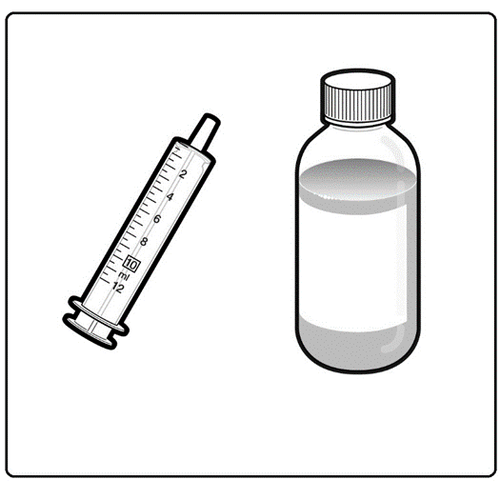
Carefully prepare SPRYCEL oral suspension to administer, measure the dose and fill
the syringe as follows:
- 1. Mix SPRYCEL oral suspension in the closed bottle, shaking for 30 seconds.
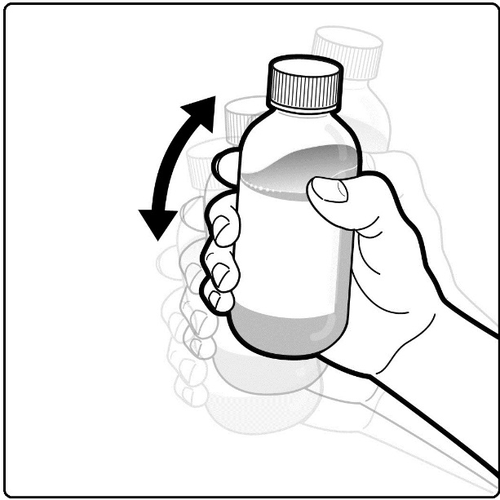
- Shake well before each use.
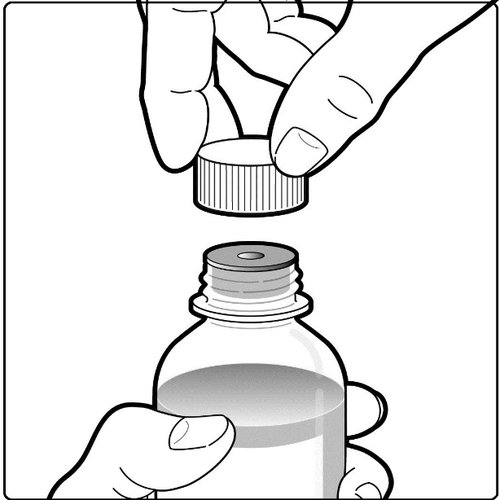
- 2. Remove the closure from the bottle. Ensure that the adapter placed on the bottle for syringe positioning is firmly pressed into the bottle.
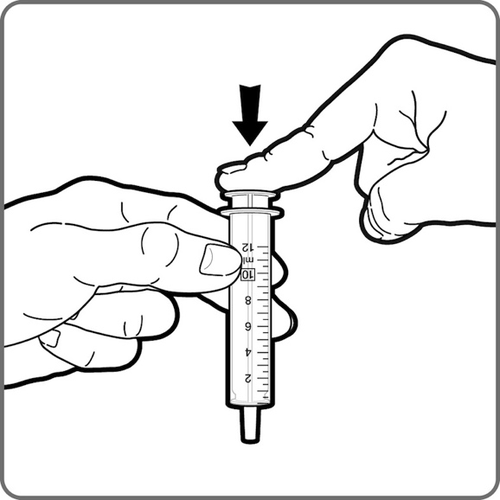
- 3. Before starting, look at the measurement lines on the side of the syringe to check the amount to fill. The graduations on the syringe indicate mL. Locate the mark corresponding to the dose prescribed by the doctor. Before each use, make sure the syringe plunger is pushed to the bottom of the syringe body.
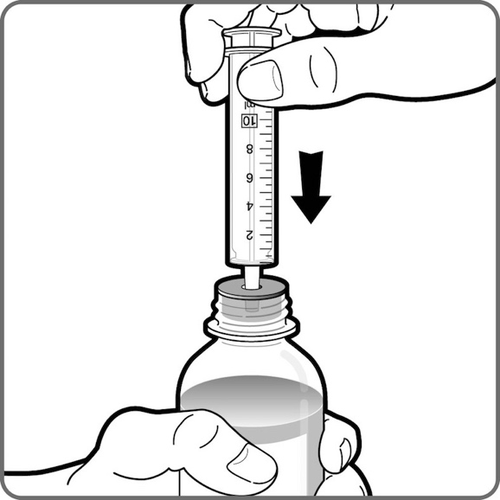
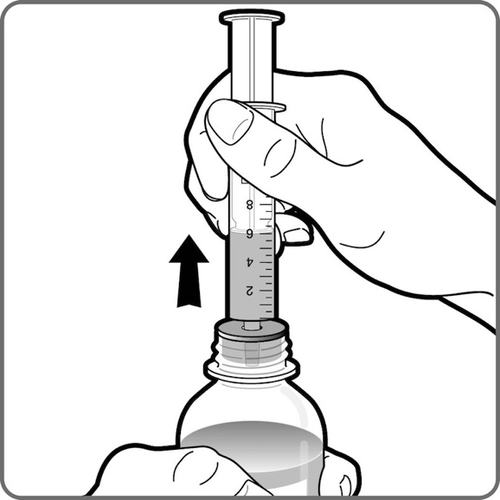
- 4. Holding the bottle upright, firmly insert the tip of the syringe into the adapter on the bottle.
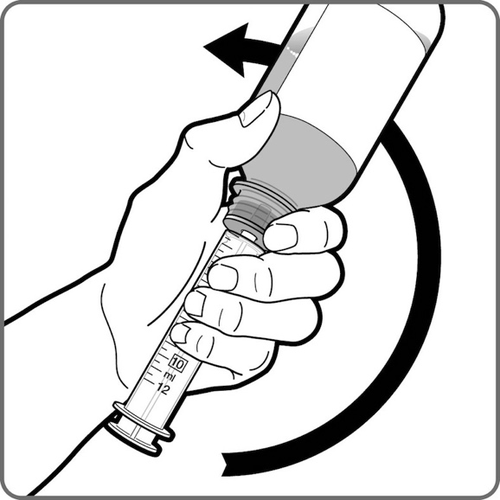
- 5. Holding the syringe tip firmly in the bottle, turn the bottle with the syringe upside down.
- 6. Slowly draw the prescribed amount of SPRYCEL oral suspension by pulling the syringe plunger back until the graduation mark corresponding to the prescribed dose is reached.
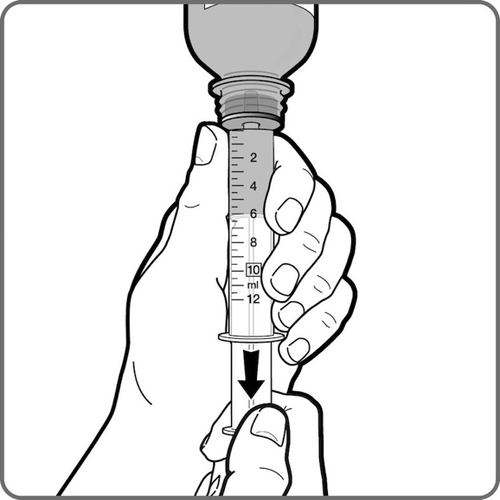
- Hold the plunger steady to prevent it from moving. A vacuum may be created by pulling the plunger back into the syringe body.
- If you cannot obtain the dose with one bottle, use the second bottle to complete the prescribed dose. Be sure to shake the second bottle before use.
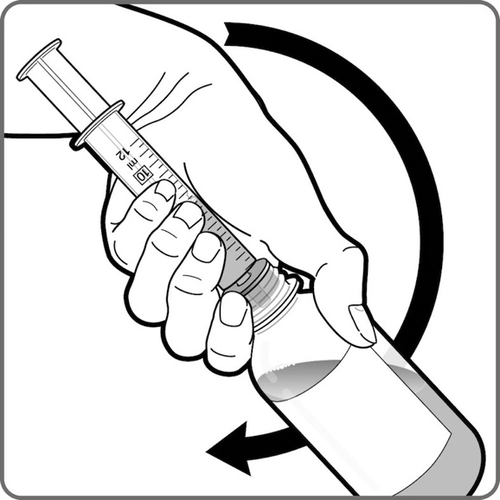
- 7. Holding the syringe tip firmly inserted in the bottle, return the bottle to an upright position with the syringe.
- 8. Remove the syringe from the bottle, being careful not to press the plunger.
- 9. With the patient in an upright position, insert the tip of the syringe into the mouth, between the cheek and the tongue. Slowly press the plunger down until the entire dose has been administered.
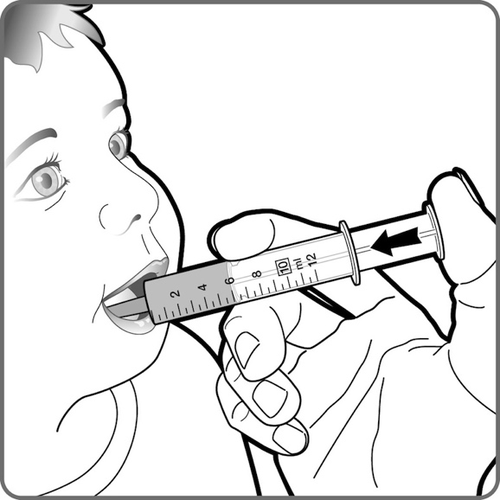
- Check that the patient has swallowed the entire dose.
- If a second dose is needed to reach the total prescribed dose, repeat steps 3 to 10.
- Reinsert the closure on the bottle and close tightly. Store in an upright position.
- 10. After each use, wash the outside and inside of the syringe and let it air dry for reuse the next day.
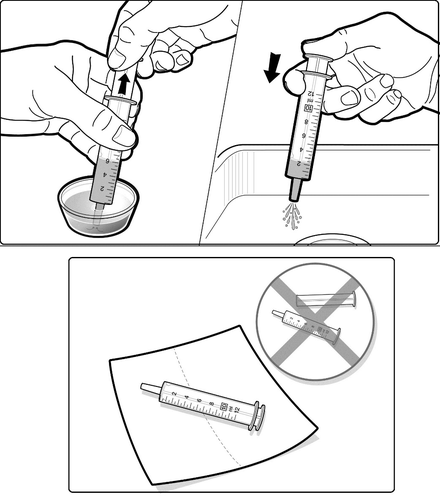
- Do not wash in adishwasher.
- Do not disassemble thesyringe toavoid damaging it.
- 11. For instructions on disposing of unused medicines, syringes and bottles, read the leaflet (see section 5 ‘How to store SPRYCEL’).
For any questions about how to prepare or administer a dose of SPRYCEL
oral suspension, ask your doctor, pharmacist or nurse.
---------------------------------------------------------------------------------------------------------------------------
The following information is intended exclusively for doctors or healthcare professionals:
Instructions for reconstitution of the oral suspension powder
SPRYCEL oral suspension powder must be reconstituted as follows:
Note: If you need to reconstitute the contents of more than one bottle, complete one bottle at a time.
Wash your hands before starting reconstitution. This procedure must be performed on a
clean surface.
Step 1:Gently tap the bottom of each bottle (containing 33 g of SPRYCEL oral suspension powder) to disperse the powder. Remove the child-resistant closure and the
sealing membrane. Add 77.0 mL of purified water all at once to the bottle and close
tightly with the closure.
Step 2:Immediately turn the bottle upside down and shake vigorously for at least 60 seconds to obtain a uniform suspension. If clumps are still visible, continue shaking until
they disappear. This reconstitution produces 90 mL (drawable volume) of 10 mg/mL
SPRYCEL oral suspension.
Step 3:Remove the closure, insert the pressure adapter (PIBA) into the neck of the bottle and close
the bottle tightly with the child-resistant closure.
Step 4:Write the expiry date of the reconstituted oral suspension on the bottle label (the
expiry date of the reconstituted oral suspension is 60 days from the date of reconstitution).
Step 5:Give the bottle with the pressure adapter (PIBA) to the patient or caregiver and instruct the patient or caregiver to shake the bottle vigorously before each use.

Nie jesteś pewien, czy ten lek jest odpowiedni dla ciebie?
Omów swoje objawy i leczenie z lekarzem online.

Zacząłeś przyjmować lek i masz pytania?
Omów swoje objawy i leczenie z lekarzem online.
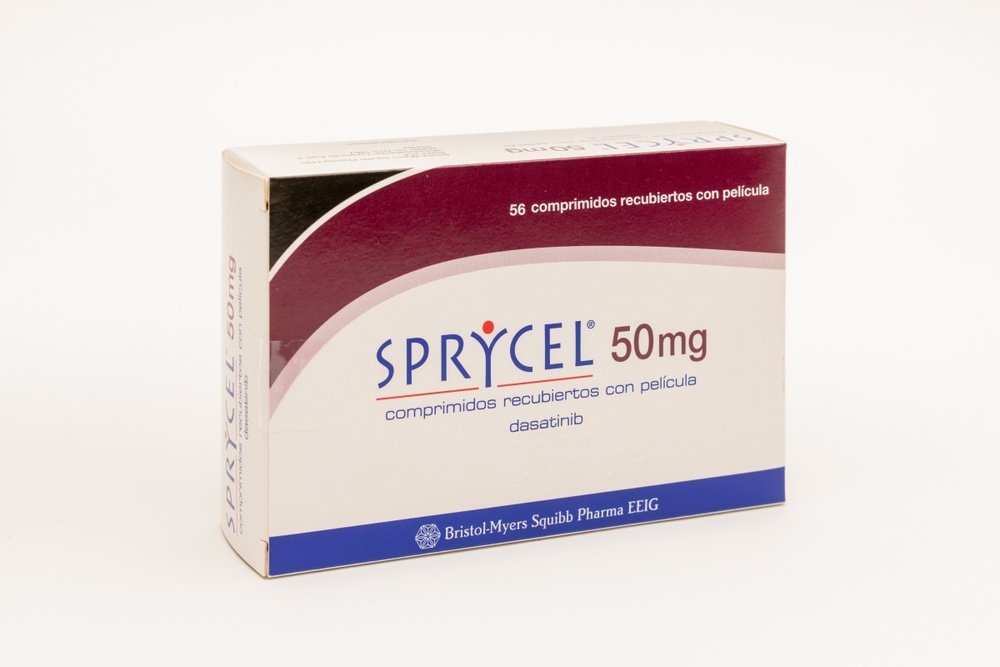
- Kraj rejestracji
- Postać farmaceutycznaFilm-coated tablet, 20 MG
- Kod ATCL01EA02
- Substancja czynna
- Wymaga receptyTak
- Producent
- Te treści mają charakter wyłącznie informacyjny i nie zastępują konsultacji lekarskiej.
- Zamienniki SPRYKELPostać farmaceutyczna: Film-coated tablet, 16 MGSubstancja czynna: dasatinibProducent: ZENTIVA ITALIA S.R.L.Wymaga receptyPostać farmaceutyczna: Film-coated tablet, 20 mgSubstancja czynna: dasatinibProducent: ACCORD HEALTHCARE, S.L.U.Wymaga recepty
Odpowiedniki SPRYKEL w innych krajach
Leki z tą samą substancją czynną dostępne w innych krajach.
Odpowiednik SPRYKEL w Hiszpania
Odpowiednik SPRYKEL w Polska
Odpowiednik SPRYKEL w Ukraina
Uzyskaj receptę na SPRYKEL online
Wypełnij 2-minutowy formularz
Opisz swoje objawy, historię choroby i lek, o który prosisz.
Wybierz lekarza lub pozwól nam przydzielić
Wybierz specjalistę lub dopasujemy Cię do najbliższego dostępnego lekarza.
Lekarz analizuje Twój przypadek
Zazwyczaj w ciągu 30 minut. Może zadawać dodatkowe pytania przez czat.
Odbierz w dowolnej aptece
Recepta elektroniczna wysłana na Twój e-mail — ważna w całej Polsce.
Często zadawane pytania
SPRYKEL wymaga recepty w Włochy. Możesz skonsultować się z lekarzem online, aby sprawdzić, czy ten lek może być odpowiedni w Twojej sytuacji.
Substancją czynną w SPRYKEL jest dasatinib. Informacja ta pomaga rozpoznać leki o tym samym składzie, ale pod różnymi nazwami handlowymi.
SPRYKEL jest produkowany przez BRISTOL-MYERS SQUIBB PHARMA EEIG. Nazwy handlowe i opakowania mogą się różnić w zależności od dystrybutora.
Lekarze, tacy jak Lekarze rodzinni, Psychiatrzy, Dermatolodzy, Kardiolodzy, Endokrynolodzy, Gastroenterolodzy, Pulmonolodzy, Nefrolodzy, Reumatolodzy, Hematolodzy, Zakaźnicy, Alergolodzy, Geriatrzy, Pediatrzy, Onkolodzy, mogą ocenić, czy stosowanie SPRYKEL jest odpowiednie w Twoim przypadku, w zależności od sytuacji klinicznej i lokalnych przepisów. Możesz umówić konsultację online, aby omówić objawy i możliwe dalsze kroki.
Polska posiada dobrze rozwiniętą infrastrukturę ochrony zdrowia w dużych miastach, takich jak Warszawa, Kraków, Wrocław i Gdańsk. Apteki są łatwo dostępne i działają zgodnie z obowiązującymi przepisami, zapewniając dostęp do leków na receptę.
Możesz kupić SPRYKEL w Warszawie, Krakowie, Wrocławiu lub Gdańsku w każdej aptece, posiadając ważną receptę.
Aby uzyskać receptę, możesz skorzystać z Oladoctor:
Inne leki zawierające tę samą substancję czynną (dasatinib) to m.in. DARUP, DASATINIB AKKORD EALTKARE, DASATINIB EG. Mogą one różnić się nazwą handlową lub postacią, ale zawierają ten sam składnik terapeutyczny. Przed zmianą lub rozpoczęciem nowego leku skonsultuj się z lekarzem.
