



BENEXOL Tabletki powlekane

Ocena recepty online
Lekarz przeanalizuje Twój przypadek i zdecyduje, czy wystawienie recepty jest medycznie uzasadnione.

Porozmawiaj z lekarzem o tym leku
Omów swoje objawy i opcje leczenia podczas szybkiej konsultacji online.



Jak stosować BENEXOL
Treść ulotki
Benexol gastro-resistant tablets
Vitamin B +B +B
Read this leaflet carefully before taking this medicine as it contains
important information for you.
Always take this medicine exactly as described in this leaflet, or as your doctor or
pharmacist has told you.
- Keep this leaflet. You may need to read it again.
- If you want more information or advice, ask your pharmacist.
- If any side effects occur, including those not listed in this leaflet, tell your doctor or pharmacist. See section 4.
- See a doctor if you do not feel better or if your symptoms get worse.
Contents of this leaflet:
- 1. What Benexol tablets are and what they are used for
- 2. What you need to know before you take Benexol tablets
- 3. How to take Benexol tablets
- 4. Possible side effects
- 5. How to store Benexol tablets
- 6. Contents of the pack and other information
1. What Benexol tablets are and what they are used for
Benexol tablets belongs to the therapeutic category of vitamin preparations based on vitamin B + B + B.
This medicine is used in states of vitamin B, B, B deficiencies and in their various clinical manifestations
such as: deficiency polyneuropathies (inflammation affecting the peripheral nerves due to vitamin deficiency),
neuritis (inflammation of the peripheral nerves) during treatment with isoniazid (an antitubercular) and other
vitamin B antagonists (medicines that hinder the action of vitamin B).
Benexol tablets is also indicated in the adjuvant therapy of non-deficiency neuritis (inflammation of the
peripheral nerves not due to vitamin deficiency) and during radiotherapy.
Consult your doctor if you do not feel better or if you feel worse after a period of treatment.
2. What you need to know before taking Benexol tablets
Do not take Benexol tablets
- if you are allergic to vitamin B , B or B or to any of the other ingredients of this medicine (listed in section 6);
- if you suffer from kidney or liver failure (reduced kidney or liver function);
- if you are pregnant or during the breastfeeding period (see “Pregnancy and breastfeeding”);
- if you are under 12 years of age (see “Children and adolescents”).
Warnings and precautions
Consult your doctor or pharmacist before taking Benexol tablets.
Do not take Benexol tablets at doses higher or for longer periods than recommended, as
an overdose may be associated with severe neurotoxicity (damage to the nervous system) (overdose risk, see “If you take more Benexol tablets than you should”).
Take particular care if you are taking levodopa (medicine for the treatment of
Parkinson's disease) at the same time, as pyridoxine (vitamin B ) at high doses may antagonize its therapeutic effect
(see “Other medicines and Benexol tablets”).
Children and adolescents
Due to the high dosage of vitamin B , Benexol tablets should not be administered to children and
adolescents under the age of 12 (see “Do not take Benexol tablets”).
Other medicines and Benexol tablets
Tell your doctor or pharmacist if you are taking, have recently taken or might take
any other medicine.
Other medicines and Vitamin B(thiamine)
Medicines that inhibit the activity of thiamine:
- Thiosemicarbazone (antibiotic),
- 5-fluorouracil (antineoplastic).
Other medicines and VitaminB (pyridoxine)
Medicines that interfere with pyridoxine and may reduce its levels in the blood:
- Cycloserine (antibiotic),
- Hydralazine (antihypertensive),
- Isoniazid (antitubercular),
- Deoxypyridoxine (antagonist of vitamin B ),
- D-penicillamine (medicine used in rheumatoid arthritis),
- Oral contraceptives.
Vitamin B may reduce the effectiveness of the following medicines:
- Levodopa (medicine for Parkinson's disease): at high doses, pyridoxine may antagonize the therapeutic effect of levodopa; this interaction does not occur when carbidopa is used together with levodopa;
- Altretamine (antineoplastic),
- Phenobarbital (antiepileptic),
- Phenytoin (antiepileptic),
- Amiodarone (medicine used in certain types of arrhythmias, i.e. alterations of the heartbeat): co-administration may increase photosensitivity (allergy following exposure to sunlight) induced by amiodarone.
Other medicines and Vitamin B(cyanocobalamin)
Medicines that may reduce the absorption of vitamin B from the gastrointestinal tract:
- Aminoglycosides (antibiotics),
- H -antihistamines (antiallergics),
- Metformin and other related biguanides (medicines used in diabetes),
- Oral contraceptives,
- Aminosalicylic acid (anti-inflammatory intestinal),
- Proton pump inhibitors (medicines used in ulcers). Therefore, if you are taking any of these medicines, the need for vitamin B may be increased. Chloramphenicol (antibiotic) may delay or interrupt the response of reticulocytes (young red blood cells) to vitamin B . Therefore, it is necessary to monitor the amount of blood cells (blood count) in case of concomitant use.
Interactions with laboratory tests
If you have to undergo urine or blood tests, inform your doctor or laboratory personnel that you are
taking Benexol tablets.
Vitamin B(thiamine)
- Thiamine may give rise to false positives in the determination of urobilinogen with Ehrlich's reagent (test that evaluates liver and bile function).
- High doses of thiamine may interfere with the dosage of theophylline (anti-asthmatic medicine that dilates the bronchi) in the blood determined by spectrophotometry. Vitamin B(pyridoxine)
- Urobilinogen (test that evaluates liver and bile function): pyridoxine may cause a false positive in the test with Ehrlich's reagent.
Benexol tablets with alcohol
Alcohol interferes with vitamin B and may decrease its levels in the blood.
Pregnancy, breastfeeding and fertility
If you are pregnant, suspect or are planning a pregnancy, or if you are breastfeeding, ask your doctor or pharmacist for advice before taking this medicine.
Do not use Benexol tablets during pregnancy or during breastfeeding.
If you are a woman of childbearing potential, use effective contraceptive methods during treatment.
Driving and operating machinery
Benexol has no influence on the ability to drive vehicles or operate machinery, or its influence is
negligible.
Benexol contains sodium
This medicine contains less than 1 mmol (23 mg) of sodium per tablet, i.e. essentially
“sodium-free”.
3. How to take Benexol tablets
Take this medicine following exactly the instructions in this leaflet or as directed by your doctor or pharmacist. If you have any doubts, ask your doctor or pharmacist.
The recommended dose is1 tablet per day.
Swallow the tablets with some liquid, without chewing or dissolving them beforehand.
Take the medicine for periods of one or more weeks. If necessary, your doctor may prolong the
treatment for several months.
Use in patients with renal/hepatic impairment
Due to the high dosage of vitamin B, do not take this medicine if you suffer from renal
(kidney) or hepatic (liver) impairment (see “Do not take Benexol tablets”).
If you take more Benexol tablets than you should
At the recommended doses, Benexol tablets does not cause hypervitaminosis (excess of vitamins).
In case of accidental intake of an excessive dose of Benexol tablets, immediately inform
your doctor or go to the nearest hospital.
The symptoms of an overdose include sensory and/or peripheral neuropathy and neuropathic
syndromes (nervous system diseases), nausea, headache, paresthesia (altered sensitivity, e.g.
tingling), drowsiness, increased levels of AST (SGOT) (liver enzymes) in the blood and decreased
levels of folic acid in the blood.
These effects are generally reversible upon cessation of treatment.
If you have any doubts about the use of this medicine, ask your doctor or pharmacist.
4. Possible side effects
Like all medicines, this medicine can cause side effects, although not everybody gets them.
The adverse reactions listed below are derived from spontaneous reports and it is not possible to estimate their
frequency.
Effects on the gastrointestinal tract
- diarrhoea,
- dyspepsia (indigestion),
- nausea,
- vomiting,
- gastrointestinal and abdominal pain (stomach ache).
- allergic reaction and anaphylactic reaction,
- allergic reactions manifestations including asthmatic syndrome, reactions of mild to moderate intensity affecting the skin and/or respiratory tract, the gastrointestinal tract and/or the cardiovascular system. Symptoms may include edema (swelling) of the face, dyspnea (difficulty breathing), urticaria (itching and small spots on the skin), angioedema (swelling of the skin of the face and mucous membranes), itching and cardiorespiratory distress (severe and acute respiratory failure). If an allergic reaction occurs, stop treatment immediately and consult your doctor.
Effects on the kidneys and urinary tract
- abnormal urine odour.
Effects on the nervous system
- peripheral neuropathy and polyneuropathy,
- paresthesia (altered sensitivity, e.g. tingling).
Effects on the skin
- photosensitivity reaction (like sunburn),
- skin rash,
- erythema (redness),
- itching,
- urticaria (itching and small spots on the skin),
- bullous dermatitis.
Reporting of side effects
If you get any side effects, even those not listed in this leaflet, tell your
doctor or pharmacist. You can also report side effects directly through the national reporting system at
https://www.aifa.gov.it/content/segnalazioni-reazioni-avverse.
By reporting side effects you can help provide more information on the safety of
this medicine.
5. How to store Benexol tablets
Keep this medicine out of the sight and reach of children.
Do not use this medicine after the expiry date which is stated on the packaging. The expiry date refers to the last day of that month. The expiry date refers to the product in
intact packaging, correctly stored.
Do not store at a temperature above 25 °C. Use the tablets within 3 months of opening
the bottle.
Do not dispose of any medicine in wastewater or household waste. Ask your pharmacist how to
dispose of medicines you no longer use. This will help protect the environment.
6. Contents of the pack and other information
What Benexol tablets contain
- The active ingredients are: vitamin B (thiamine hydrochloride), vitamin B (pyridoxine hydrochloride) and vitamin B (cyanocobalamin). One gastro-resistant tablet contains 250 mg of vitamin B , 250 mg of vitamin B and 500 micrograms of vitamin B .
- The other ingredients are: hydrated colloidal silica, povidone, magnesium stearate, pregelatinized starch, mannitol, talc, methacrylic acid - ethyl acrylate copolymer (1:1), sodium carboxymethylcellulose, macrogol 6000, triacetin.
Description of the appearance of Benexol tablets and contents of the pack
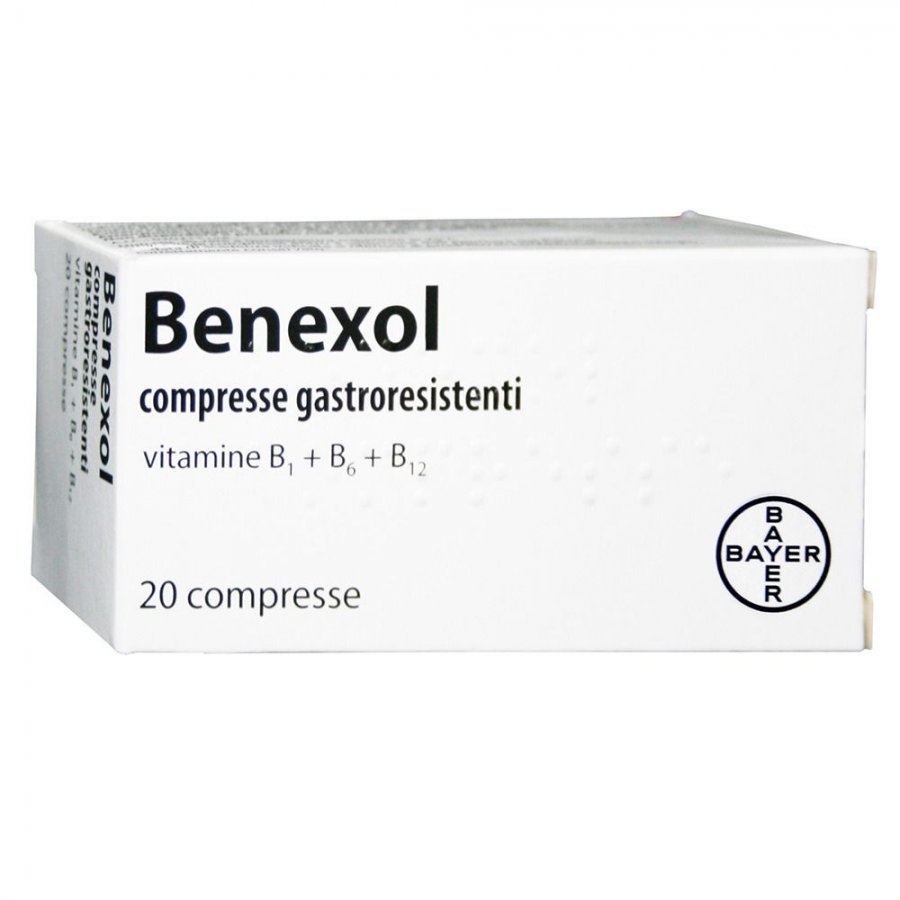
Benexol is presented as gastro-resistant tablets.
Plastic bottle (HDPE) closed with a polypropylene (PP) screw cap containing silica gel as a
desiccant: 20 gastro-resistant tablets.
Marketing Authorisation Holder and Manufacturer
Marketing Authorisation Holder
Bayer S.p.A. Viale Certosa 130, 20156 Milano
Manufacturer
Delpharm Gaillard-Gaillard plant (France).
Benexol high dosage
powder and solvent for injectable solution for intramuscular use
Vitamin B+B+B
Read this leaflet carefully before using this medicine as it contains
important information for you.
- Keep this leaflet. You may need to read it again.
- If you have any questions, ask your doctor or pharmacist.
- This medicine has been prescribed for you only. Do not pass it on to others, even if they have the same symptoms as you, as it may be harmful.
- If any side effects occur, including those not listed in this leaflet, tell your doctor or pharmacist. See section 4.
Contents of this leaflet:
- 1. What Benexol high dosage is and what it is used for
- 2. What you need to know before you use Benexol high dosage
- 3. How to use Benexol high dosage
- 4. Possible side effects
- 5. How to store Benexol high dosage
- 6. Contents of the pack and other information
1. What Benexol high dosage is and what it is used for
Benexol high dosage belongs to the therapeutic category of vitamin products based on vitamin B + B +
B .
This medicine is used in states of vitamin B, B, B deficiency and in their various clinical
manifestations: deficiency polyneuropathies (inflammation affecting the peripheral nerves due to vitamin
deficiency), neuritis (inflammation of the peripheral nerves) during treatment with isoniazid (an
antitubercular) and other vitamin B antagonists (medicines that hinder the action of vitamin
B ).
Benexol high dosage is also indicated in the adjuvant therapy of non-deficiency neuritis
(inflammation of the peripheral nerves not due to vitamin deficiency) and during radiotherapy.
2. What you need to know before using Benexol high dosage
Do not use Benexol high dosage
- if you are allergic to vitamin B , B or B or to any of the other ingredients of this medicine (listed in section 6);
- if you suffer from kidney or liver failure (reduced kidney or liver function);
- if you are pregnant or during breastfeeding (see “Pregnancy and breastfeeding”);
- if you are under 12 years of age (see “Children and adolescents”).
Warnings and precautions
Consult your doctor or pharmacist before using Benexol high dosage.
Do not use Benexol high dosage at doses higher or for longer periods than recommended, as
an overdose may be associated with severe neurotoxicity (damage to the nervous system) (risk of
overdose, see “If you use more Benexol high dosage than you should”).
Repeated administrations of preparations via intramuscular route may, in rare cases, cause reactions
anaphylactic (severe allergic reactions). In order to avoid these rare anaphylactic reactions, oral administration is always preferred, whenever possible.
If this is not possible, the intramuscular injection should be done as slowly as possible and must
be performed by experienced and qualified personnel (see “How to use Benexol high dosage”).
Take particular care if you are taking levodopa (medicine for the treatment of
Parkinson's disease) at the same time, as pyridoxine (vitamin B ) at high doses may antagonize its therapeutic effect
(see “Other medicines and Benexol high dosage”).
Children and adolescents
Due to the high dosage of vitamin B , Benexol high dosage should not be administered to children
and adolescents under 12 years of age (see “Do not use Benexol high dosage”).
Other medicines and Benexol high dosage
Tell your doctor or pharmacist if you are taking, have recently taken or might take
any other medicine.
Other medicines andVitamin B(thiamine)
Medicines that inhibit the activity of thiamine:
- Thiosemicarbazone (antibiotic),
- 5-fluorouracil (anticancer drug).
Other medicines andVitamin B(pyridoxine)
Medicines that interfere with pyridoxine and may reduce its levels in the blood:
- Cycloserine (antibiotic),
- Hydralazine (antihypertensive),
- Isoniazid (antitubercular),
- Deoxypyridoxine (antagonist of vitamin B ),
- D-penicillamine (medicine used in rheumatoid arthritis),
- Oral contraceptives.
Vitamin B may reduce the effectiveness of the following medicines:
- Levodopa (medicine for Parkinson's disease):at high doses,pyridoxinecan antagonizethe therapeutic effect of levodopa: this interaction does not occur when carbidopa is used together with levodopa;
- Altretamine (anticancer drug),
- Phenobarbital (antiepileptic),
- Phenytoin (antiepileptic),
- Amiodarone (medicine used in certain types of arrhythmias, i.e. alterations of the heartbeat): co-administration may increase photosensitivity (allergy following exposure to sunlight) induced by amiodarone.
Other medicines and Vitamin B(cyanocobalamin)
Medicines that may reduce the absorption of vitamin B from the gastrointestinal tract:
- Aminoglycosides (antibiotics),
- Anti-H antihistamines (antiallergics),
- Metformin and other related biguanides (medicines used in diabetes),
- Oral contraceptives,
- Aminosalicylic acid (intestinal anti-inflammatory),
- Proton pump inhibitors (medicines used in ulcers). Therefore, if you are taking any of these medicines, the need for vitamin B may be increased.
Chloramphenicol (antibiotic) may delay or stop the response of reticulocytes (young red blood cells)
to vitamin B . Therefore, it is necessary to monitor the amount of blood cells
(blood count) in case of concomitant use.
Interactions with laboratory tests
If you are going to have urine or blood tests, tell your doctor or laboratory personnel that you are
using Benexol high dosage.
Vitamin B(thiamine)
- Thiamine may give rise to false positives in the determination of urobilinogen with Ehrlich's reagent (test that evaluates liver and bile function).
- High doses of thiamine may interfere with the dosage of theophylline (antiasthmatic medicine that dilates the bronchi) in the blood determined by spectrophotometry. Vitamin B6 (pyridoxine)
- Urobilinogen (test that evaluates liver and bile function): pyridoxine may cause a false positive in the test with Ehrlich's reagent.
Benexol high dosage with alcohol
Alcohol interferes with vitamin B and may decrease its levels in the blood.
Pregnancy, breastfeeding and fertility
If you are pregnant, suspect or are planning a pregnancy, or if you are breastfeeding with breast milk
ask your doctor or pharmacist for advice before using this medicine.
Do not use Benexol high dosage during pregnancy or during breastfeeding.
If you are a woman of childbearing potential, use effective contraceptive methods during treatment.
Driving and using machines
Benexol has no influence on the ability to drive vehicles or use machines, or its influence is
negligible.
Benexol high dosagecontains parabens
May cause allergic reactions (even delayed) and, exceptionally, bronchospasm.
Benexol high dosage contains sodium
This medicine contains less than 1 mmol (23 mg) of sodium per dose, i.e. essentially “sodium-free”.
3. How to use Benexol high dosage
Use this medicine following the instructions of your doctor or pharmacist exactly. If you have
any doubts, consult your doctor or pharmacist.
Benexol high dosage is indicated for the initial therapy of conditions with particularly intense symptoms.
Unless otherwise prescribed by your doctor, the recommended dose is1 vial per day.
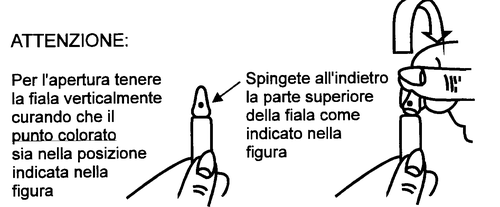
The injection should be given by deep intramuscular route, by qualified and experienced personnel, and
administration into the muscle should be as slow as possible. The solution to be injected is
prepared at the time, dissolving the dry lyophilized substance with the appropriate solvent contained in the
package.
Use in patients with renal/hepatic insufficiency
Due to the high dosage of vitamin B, do not use this medicine if you suffer from renal (kidney)
or hepatic (liver) insufficiency (see “Do not use Benexol high dosage”).
If you use more Benexol high dosage than you should
At the recommended doses, Benexol high dosage does not cause hypervitaminosis (excess of vitamins).
In case of accidental intake/administration of an excessive dose of Benexol high dosage,
immediately inform your doctor or go to the nearest hospital.
The symptoms of an overdose include sensory and/or peripheral neuropathy and neuropathic
syndromes (nervous system diseases), nausea, headache, paresthesia (altered sensitivity, e.g.
tingling), drowsiness, increased levels of AST (SGOT) (liver enzymes) in the blood and decreased
levels of folic acid in the blood.
These effects are generally reversible upon cessation of treatment.
If you have any doubts about the use of this medicine, consult your doctor or pharmacist.
4. Possible side effects
Like all medicines, this medicine can cause side effects, although not everyone will experience them.
The adverse reactions listed below are derived from spontaneous reports and it is not possible to estimate their
frequency.
Effects on the gastrointestinal system
- diarrhea,
- dyspepsia (indigestion),
- nausea,
- vomiting,
- gastrointestinal and abdominal pain (stomach ache).
Effects on the immune system
- allergic reaction and anaphylactic reaction,
- anaphylactic shock with possible fatal outcome (associated with the method of administering the medicine by injection),
- allergic reactions with manifestations including asthmatic syndrome, reactions of
intensity from mild to moderate affecting the skin and/or respiratory tract, the gastrointestinal
tract and/or the cardiovascular system. Symptoms may include edema (swelling) of the face, dyspnea (difficulty breathing), urticaria (itching and small spots on the
skin), angioedema (swelling of the skin of the face and mucous membranes), itching and cardiorespiratory distress
(severe and acute respiratory failure).
If an allergic reaction occurs, stop treatment immediately and consult your
doctor.
Effects on the kidneys and urinary tract
- abnormal urine odor.
Effects on the nervous system
- peripheral neuropathy and polyneuropathy,
- paresthesia (altered sensitivity, e.g. tingling).
Effects on the skin
- photosensitivity reaction (like sunburn),
- skin rash,
- erythema (redness),
- itching,
- urticaria (itching and small spots on the skin),
- bullous dermatitis.
Reporting of side effects
If you experience any side effects, including those not listed in this leaflet, please inform your
doctor or pharmacist. You can also report side effects directly through the national reporting system at https://www.aifa.gov.it/content/segnalazioni-reazioni-avverse.
By reporting side effects you can help provide more information on the safety of
this medicine.
5. How to store Benexol high dosage
Keep this medicine out of sight and reach of children.
Do not use this medicine after the expiry date which is stated on the packaging. The expiry date refers to the last day of that month. The expiry date refers to the product in
intact packaging, correctly stored.
Do not store at a temperature above 25 °C.
Do not dispose of any medicine in wastewater or household waste. Ask your pharmacist how to
dispose of medicines you no longer use. This will help protect the environment.
6. Contents of the pack and other information
What Benexol high dosage contains
- The active ingredients are: vitamin B (in the form of cocarboxylase), vitamin B (pyridoxine hydrochloride) and vitamin B (in the form of hydroxocobalamin acetate). One vial of powder contains 38 mg of vitamin B (in the form of cocarboxylase), 300 mg of vitamin B (pyridoxine hydrochloride) and 5000 micrograms of vitamin B (in the form of hydroxocobalamin acetate).
- The other ingredients are: methyl parahydroxybenzoate, propyl parahydroxybenzoate, sodium hydroxide (in the vial of powder), water for injectable preparations (in the solvent vial).
Description of the appearance of Benexol high dosage and contents of the pack
Benexol high dosage is presented as powder and solvent for injectable solution.
Each pack contains 6 vials of powder + 6 solvent vials 2 ml.
Marketing authorisation holder and manufacturer
Marketing authorisation holder
Bayer S.p.A. Viale Certosa 130, 20156 Milan
Manufacturer
GP Grenzach Produktions GmbH (Germany) or alternatively
BerliMed S.A (Spain)

Nie jesteś pewien, czy ten lek jest odpowiedni dla ciebie?
Omów swoje objawy i leczenie z lekarzem online.
Benexol low dosage
Powder and solvent for injectable solution for intramuscular use
Vitamin B + B + B
Read this leaflet carefully before using this medicine as it contains
important information for you.
- Keep this leaflet. You may need to read it again.
- If you have any questions, ask your doctor or pharmacist.
- This medicine has been prescribed for you only. Do not pass it on to others, even if they have the same symptoms as you, as it could be harmful.
- If any side effects occur, including any not listed in this leaflet, tell your doctor or pharmacist. See section 4.
Contents of this leaflet:
- 1. What Benexol low dosage is and what it is used for
- 2. What you need to know before you use Benexol low dosage
- 3. How to use Benexol low dosage
- 4. Possible side effects
- 5. How to store Benexol low dosage
- 6. Contents of the pack and other information
1. What Benexol low dosage is and what it is used for
Benexol low dosage belongs to the therapeutic category of vitamin products based on vitamin B + B +
B .
This medicine is used in states of vitamin B, B, B deficiency and in their various clinical
manifestations: deficiency polyneuropathies (inflammation affecting the peripheral nerves due to vitamin
deficiency), neuritis (inflammation of the peripheral nerves) during treatment with isoniazid (an
antitubercular) and other vitamin B antagonists (medicines that hinder the action of vitamin
B ).
Benexol low dosage is also indicated in the adjuvant therapy of non-deficiency neuritis
(inflammation of the peripheral nerves not due to vitamin deficiency) and during radiotherapy.
2. What you need to know before using Benexol low dosage
Do not use Benexol low dosage
- if you are allergic to vitamin B , B or B or to any of the other ingredients of this medicine (listed in section 6);
- if you suffer from kidney or liver failure (reduced kidney or liver function);
- if you are pregnant or during breastfeeding (see “Pregnancy and breastfeeding”);
- if you are under 12 years of age (see “Children and adolescents”).
Warnings and precautions
Consult your doctor or pharmacist before using Benexol low dosage.
Do not use Benexol low dosage at doses higher or for longer periods than recommended,
because an overdose may be associated with severe neurotoxicity (damage to the nervous system)
(risk of overdose, see “If you use more Benexol low dosage than you should”).
Repeated administrations of preparations by intramuscular route may, in rare cases, cause reactions
anaphylactic (severe allergic reactions). In order to avoid these rare anaphylactic reactions, oral administration is always preferred, whenever possible.
If this is not possible, the intramuscular injection should be done as slowly as possible and must
be performed by experienced and qualified personnel (see “How to use Benexol low dosage”).
Take particular care if you are taking levodopa (medicine for the treatment of
Parkinson's disease) at the same time, as pyridoxine (vitamin B ) at high doses may antagonize its therapeutic effect
(see “Other medicines and Benexol low dosage”).
Children and adolescents
Due to the high dosage of vitamin B , Benexol low dosage should not be administered in
children and adolescents under the age of 12 (see “Do not use Benexol low dosage”).
Other medicines and Benexol low dosage
Tell your doctor or pharmacist if you are taking, have recently taken or might take
any other medicine.
Other medicines and Vitamin B(thiamine)
Medicines that inhibit the activity of thiamine:
- Thiosemicarbazone (antibiotic),
- 5-fluorouracil (anticancer drug).
Medicines that interfere with pyridoxine and may reduce its levels in the blood:
- Cycloserine (antibiotic),
- Hydralazine (antihypertensive),
- Isoniazid (antitubercular),
- Desoxypyridoxine (vitamin B antagonist),
- D-penicillamine (medicine used in rheumatoid arthritis),
- Oral contraceptives.
Vitamin B may reduce the effectiveness of the following medicines:
- Levodopa (medicine for Parkinson's disease): at high doses, pyridoxine may antagonize the therapeutic effect of levodopa; this interaction does not occur when carbidopa is used together with levodopa;
- Altretamine (anticancer drug),
- Phenobarbital (antiepileptic),
- Phenytoin (antiepileptic),
- Amiodarone (medicine used in certain types of arrhythmias, i.e. alterations of the heartbeat): co- administration may increase photosensitivity (allergy following exposure to sunlight) induced by amiodarone.
Other medicines and Vitamin B(cyanocobalamin)
Medicines that may reduce the absorption of vitamin B from the gastrointestinal tract:
- Aminoglycosides (antibiotics),
- H2-receptor antagonists (antihistamines),
- Metformin and other related biguanides (medicines used in diabetes),
- Oral contraceptives,
- Aminosalicylic acid (intestinal anti-inflammatory),
- Proton pump inhibitors (medicines used in ulcers). Therefore, if you are taking any of these medicines, your need for vitamin B may be increased. Chloramphenicol (antibiotic) may delay or interrupt the response of reticulocytes (young red blood cells) to vitamin B . Therefore, the amount of blood cells (blood count) must be monitored in case of concomitant use.
Interactions with laboratory tests
If you are going to have urine or blood tests, tell your doctor or laboratory personnel that you are
using Benexol low dosage.
Vitamin B(thiamine)
- Thiamine may give false positives in the determination of urobilinogen with Ehrlich reagent (test that evaluates liver and bile function).
- High doses of thiamine may interfere with the dosage of theophylline (bronchodilator antiasthmatic drug) in the blood determined by spectrophotometry. Vitamin B(pyridoxine)
- Urobilinogen (test that evaluates liver and bile function): pyridoxine may cause a false positive in the Ehrlich reagent test.
Benexol low dosage with alcohol
Alcohol interferes with vitamin B and may decrease its levels in the blood.
Pregnancy, breastfeeding and fertility
If you are pregnant, suspect or are planning a pregnancy, or if you are breastfeeding with breast milk, ask your doctor or pharmacist for advice before using this medicine.
Do not use Benexol low dosage during pregnancy or breastfeeding.
If you are a woman of childbearing potential, use effective contraceptive methods during treatment.
Driving and operating machinery
Benexol has no influence on the ability to drive vehicles or operate machinery, or its influence is
negligible.
Benexol low dosage contains parabens
May cause allergic reactions (even delayed) and, exceptionally, bronchospasm.
Benexol low dosage contains sodium
This medicine contains less than 1 mmol (23 mg) of sodium per dose, i.e. essentially
“sodium-free”.
3. How to use Benexol low dosage
Use this medicine following exactly the instructions of your doctor or pharmacist. If you have
any doubts, consult your doctor or pharmacist.
Benexol low dosage is indicated when absorption is markedly reduced and for the treatment
of hypovitaminoses (vitamin deficiency).
Unless otherwise prescribed by your doctor, the recommended dose is1 vial per day.
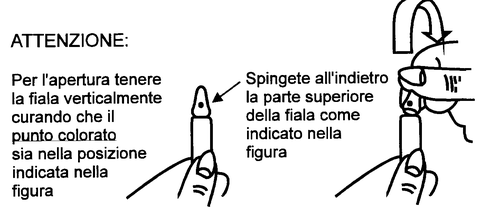
The injection should be given by deep intramuscular route, by qualified and experienced personnel, and the
administration into the muscle should be done as slowly as possible. The solution to be injected is
prepared at the time, dissolving the lyophilized dry substance with the appropriate solvent contained in the
package.
Use in patients with renal/hepatic insufficiency
Due to the high dosage of vitamin B, do not use this medicine if you suffer from renal (kidney)
or hepatic (liver) insufficiency (see “Do not use Benexol low dosage”).
If you use more Benexol low dosage than you should
At the recommended doses, Benexol low dosage does not cause hypervitaminosis (excess of vitamins).
In case of accidental intake/administration of an excessive dose of Benexol low dosage,
immediately inform your doctor or go to the nearest hospital.
The symptoms of an overdose include sensory and/or peripheral neuropathy and neuropathic
syndromes (nervous system diseases), nausea, headache, paresthesia (altered sensitivity, e.g.
tingling), drowsiness, increased levels of AST (SGOT) (liver enzymes) in the blood and decreased
levels of folic acid in the blood.
These effects are generally reversible upon cessation of treatment.
If you have any doubts about the use of this medicine, ask your doctor or pharmacist.
4. Possible side effects
Like all medicines, this medicine can cause side effects, although not everybody gets them.
The adverse reactions listed below are derived from spontaneous reports and it is not possible to estimate their
frequency.
Effects on the gastrointestinal system
- diarrhoea,
- dyspepsia (indigestion),
- nausea,
- vomiting,
- gastrointestinal and abdominal pain (stomach ache).
Effects on the immune system
- allergic reaction and anaphylactic reaction,
- anaphylactic shock with possible fatal outcome (associated with the route of administration of the medicine by injection),
- allergic reactions with manifestations including asthmatic syndrome, reactions of mild to moderate intensity affecting the skin and/or respiratory tract, gastrointestinal tract and/or cardiovascular system. Symptoms may include edema (swelling) of the face, dyspnea (difficulty breathing), urticaria (itching and small spots on the skin), angioedema (swelling of the skin of the face and mucous membranes), itching and cardiorespiratory distress (severe and acute respiratory failure). If an allergic reaction occurs, stop treatment immediately and consult your doctor.
Effects on the kidneys and urinary tract
- abnormal urine odor.
Effects on the nervous system
- peripheral neuropathy and polyneuropathy,
- paresthesia (altered sensation, e.g. tingling).
Effects on the skin
- photosensitivity reaction (like sunburn),
- skin rash,
- erythema (redness),
- itching,
- urticaria (itching and small spots on the skin),
- bullous dermatitis.
Reporting of side effects
If you get any side effects, even those not listed in this leaflet, tell your
doctor or pharmacist. You can also report side effects directly through the national reporting system at https://www.aifa.gov.it/content/segnalazioni-reazioni-avverse.
By reporting side effects you can help provide more information on the safety of
this medicine.
5. How to store Benexol low dosage
Keep this medicine out of the sight and reach of children.
Do not use this medicine after the expiry date which is reported on the packaging. The expiry date refers to the last day of that month. The expiry date refers to the product in
intact packaging, correctly stored.
Do not dispose of any medicine in wastewater or household waste. Ask your pharmacist how to
dispose of medicines you no longer use. This will help protect the environment.
6. Contents of the pack and other information
What Benexol low dosage contains
- The active ingredients are: vitamin B (in the form of cocarboxylase), vitamin B (pyridoxine hydrochloride) and vitamin B (in the form of hydroxocobalamin acetate). One vial of powder contains 38 mg of vitamin B (in the form of cocarboxylase), 200 mg of vitamin B (pyridoxine hydrochloride) and 1000 micrograms of vitamin B (in the form of hydroxocobalamin acetate).
- The other ingredients are: methyl parahydroxybenzoate, propyl parahydroxybenzoate, sodium hydroxide (in the vial of powder), water for injections (in the solvent vial).
Description of the appearance of Benexol low dosage and contents of the pack
Benexol low dosage is presented as powder and solvent for injectable solution.
Each pack contains 6 vials of powder + 6 solvent vials 2 ml.
Marketing Authorisation Holder and Manufacturer
Marketing Authorisation Holder
Bayer S.p.A. Viale Certosa 130, 20156 Milan
Manufacturer
GP Grenzach Produktions GmbH (Germany)
or alternatively
BerliMed S.A (Spain)

Zacząłeś przyjmować lek i masz pytania?
Omów swoje objawy i leczenie z lekarzem online.
- Kraj rejestracji
- Postać farmaceutycznaEnteric-coated tablet
- Wymaga receptyNie
- Producent
- Te treści mają charakter wyłącznie informacyjny i nie zastępują konsultacji lekarskiej.
- Zamienniki BENEXOLPostać farmaceutyczna: Enteric-coated tablet, 300 MGSubstancja czynna: thiamine (vit B1)Producent: TEOFARMA S.R.L.Bez receptyPostać farmaceutyczna: Solution, 100 mgSubstancja czynna: thiamine (vit B1)Producent: S.A.L.F. SPA LABORATORIO FARMACOLOGICOWymaga receptyPostać farmaceutyczna: Soft capsule, 1 MICROGRAMSubstancja czynna: alfacalcidolProducent: DOC GENERICI SRLWymaga recepty
Odpowiedniki BENEXOL w innych krajach
Leki z tą samą substancją czynną dostępne w innych krajach.
Odpowiednik BENEXOL w Polska
Odpowiednik BENEXOL w Ukraina
Odpowiednik BENEXOL w Hiszpania
Lekarze online w sprawie BENEXOL
Omów stosowanie BENEXOL, bezpieczeństwo i ocenę zasadności recepty zgodnie z obowiązującymi przepisami.









Uzyskaj receptę na BENEXOL online
Wypełnij 2-minutowy formularz
Opisz swoje objawy, historię choroby i lek, o który prosisz.
Wybierz lekarza lub pozwól nam przydzielić
Wybierz specjalistę lub dopasujemy Cię do najbliższego dostępnego lekarza.
Lekarz analizuje Twój przypadek
Zazwyczaj w ciągu 30 minut. Może zadawać dodatkowe pytania przez czat.
Odbierz w dowolnej aptece
Recepta elektroniczna wysłana na Twój e-mail — ważna w całej Polsce.
Często zadawane pytania
BENEXOL nie wymaga recepty w Włochy. Możesz skonsultować się z lekarzem online, aby sprawdzić, czy ten lek może być odpowiedni w Twojej sytuacji.
BENEXOL jest produkowany przez BAYER S.P.A.. Nazwy handlowe i opakowania mogą się różnić w zależności od dystrybutora.
Lekarze, tacy jak Lekarze rodzinni, Psychiatrzy, Dermatolodzy, Kardiolodzy, Endokrynolodzy, Gastroenterolodzy, Pulmonolodzy, Nefrolodzy, Reumatolodzy, Hematolodzy, Zakaźnicy, Alergolodzy, Geriatrzy, Pediatrzy, Onkolodzy, mogą ocenić, czy stosowanie BENEXOL jest odpowiednie w Twoim przypadku, w zależności od sytuacji klinicznej i lokalnych przepisów. Możesz umówić konsultację online, aby omówić objawy i możliwe dalsze kroki.
Polska posiada dobrze rozwiniętą infrastrukturę ochrony zdrowia w dużych miastach, takich jak Warszawa, Kraków, Wrocław i Gdańsk. Apteki są łatwo dostępne i działają zgodnie z obowiązującymi przepisami, zapewniając dostęp do leków na receptę.
Możesz kupić BENEXOL w Warszawie, Krakowie, Wrocławiu lub Gdańsku w każdej aptece, posiadając ważną receptę.
Aby uzyskać receptę, możesz skorzystać z Oladoctor:
Inne leki zawierające tę samą substancję czynną () to m.in. BENERVA, VITAMINA B1 SALF, ALFAKALKIDOLO DOK. Mogą one różnić się nazwą handlową lub postacią, ale zawierają ten sam składnik terapeutyczny. Przed zmianą lub rozpoczęciem nowego leku skonsultuj się z lekarzem.
